


Ready to unlock the full potential of your Audi? Discover the secrets top audi mechanics use to keep vehicles running smoothly in 2026.
This guide is packed with expert insights, practical steps, and the latest strategies for maintaining, diagnosing, and repairing Audi models. Whether you are an owner or an enthusiast, you will gain the confidence to care for your vehicle like a pro.
Explore proven maintenance routines, advanced diagnostic tools, and future trends that set audi mechanics apart. Start your journey toward optimal Audi performance and reliability today.
Understanding Audi Engineering: Foundations Every Mechanic Should Know
Audi engineering sets a global benchmark for innovation and precision. For audi mechanics, understanding the brand’s core philosophies is essential to deliver expert-level care and maintenance. Let’s explore what makes Audi’s approach unique, and how these foundations impact diagnostics, repairs, and ongoing service.
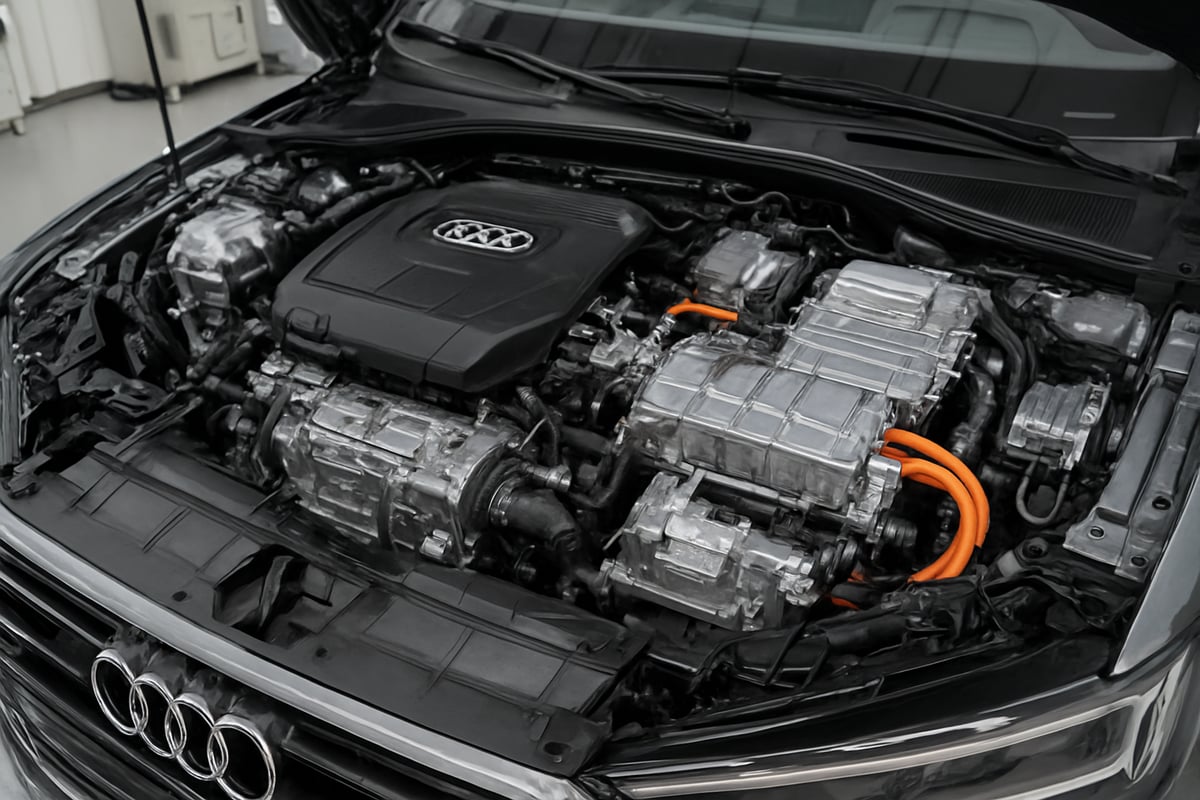
Audi’s Unique Design Philosophy and Engineering Standards
Audi’s commitment to innovation is evident in every model. The brand’s design philosophy centers on performance, efficiency, and safety. Audi mechanics encounter unique systems like the Quattro all wheel drive, which revolutionized vehicle traction and handling since its introduction in the 1980s. Today, Quattro technology incorporates advanced torque distribution for optimal performance in all conditions.
Audi’s modular platform architecture, including MLB Evo and MQB, allows for flexibility in vehicle design and easier integration of new technologies. This modularity also benefits audi mechanics by standardizing many components across the lineup, which simplifies repairs and diagnostics.
Lightweight construction is another hallmark. Audi employs aluminum and high strength steel to reduce weight without sacrificing rigidity. This approach enhances fuel efficiency and driving dynamics. Safety is never compromised, with features like Pre Sense, adaptive cruise control, and lane assist offering advanced protection.
Compared to other German brands, Audi’s engineering stands out for its integration of performance and digital technology. However, all repairs must strictly follow manufacturer guidelines to maintain safety and reliability. For a deeper look into why expert knowledge and correct procedures matter, see this Audi servicing and repairs overview.
Key Audi Powertrain Technologies in 2026
In 2026, audi mechanics work with a diverse range of powertrains. Audi’s turbocharged engines, such as TFSI (petrol) and TDI (diesel), deliver both power and efficiency. Hybrid systems blend traditional engines with electric motors, offering impressive fuel economy and lower emissions.
The e tron lineup showcases Audi’s advancements in electric mobility. These models feature cutting edge battery technology, rapid charging capabilities, and efficient thermal management. Proper maintenance is critical for battery longevity and system health.
Transmission systems have also evolved. The S tronic dual clutch and Tiptronic automatic gearboxes provide smooth shifts and responsive performance. Each system requires specific fluids and service intervals, which audi mechanics must follow closely.
Recent data shows Audi’s global sales are increasingly split between traditional, hybrid, and fully electric models. Staying current with these trends is vital for any audi mechanics aiming to provide comprehensive service in 2026.
Role of Software and Digital Integration
Modern Audi vehicles rely heavily on digital systems. The Multi Media Interface (MMI) and virtual cockpit receive frequent updates, enhancing driver experience and system capabilities. Audi mechanics need proficiency in these interfaces to diagnose and resolve issues efficiently.
Over the air software updates allow for remote enhancements and bug fixes. While convenient, they introduce new challenges for audi mechanics, who must ensure all electronic modules remain compatible and secure. Cybersecurity is a growing concern, as vehicles store more personal and operational data.
Data privacy and secure diagnostics are now part of every service routine. Mechanics must use authorized tools and follow strict protocols to protect customer information. Mastery of these digital systems is no longer optional for audi mechanics—it is a core competency for the next generation of automotive professionals.
Essential Maintenance for Modern Audis: Preventative and Scheduled Care
Modern Audi vehicles demand a proactive approach to maintenance. Keeping up with essential checks and services not only preserves performance but also extends your Audi's lifespan. Audi mechanics emphasize the importance of following scheduled care routines, staying updated on new technologies, and using the right products for every system. This section explores how owners and professionals can ensure optimal reliability, focusing on the latest best practices for 2026 models.

Scheduled Maintenance Intervals and What to Expect
Staying on top of scheduled maintenance is crucial for Audi longevity. For 2026 models, Audi mechanics recommend strictly adhering to factory service intervals, which typically include checks every 10,000 miles or 12 months. These intervals cover vital systems such as oil changes, brake inspections, and multi-point checks.
Modern Audis use synthetic oils and extended-life filters, allowing for longer periods between oil changes. Timing belt or chain replacements are typically scheduled between 70,000 and 120,000 miles, depending on the engine. Brake systems now feature electronic wear sensors and electronic parking brakes, which require specialized resets after servicing.
To understand exact timelines and fluid capacities for your Audi, consult the Audi maintenance schedule and fluid capacities guide. This resource is invaluable for both owners and audi mechanics striving for precision.
Neglecting scheduled maintenance often leads to higher long-term costs. Routine service is an investment that prevents expensive breakdowns and secures resale value.
Fluids, Filters, and Consumables: What’s Changed for 2026
Audi mechanics must keep up with evolving specifications for fluids and filters. In 2026, engine oils are increasingly synthetic, meeting stricter viscosity and longevity requirements. Coolant and brake fluid standards have also advanced, emphasizing compatibility with lightweight aluminum and high-strength steel components.
Cabin and engine air filters now use multi-layer filtration and anti-allergen materials, improving air quality and engine protection. Regular replacement is key, as studies have shown that timely fluid and filter changes directly impact long-term reliability and performance.
When selecting fluids, always verify the latest Audi-approved specifications. Using incorrect products can lead to premature wear or system failures. Audi mechanics rely on up-to-date service bulletins and manufacturer guidance to ensure compliance.
Tire and Wheel Care for Audi Performance
Proper tire and wheel care is vital for maintaining Audi’s renowned driving dynamics. Audi mechanics recommend using original equipment (OE) tires, specifically designed for Quattro and e-tron models. These tires provide optimal traction, handling, and safety.
Wheel alignment and balancing are even more critical with advanced driver assistance systems (ADAS). Misalignment can impact lane assist and adaptive cruise control functionality. Audi mechanics use precision alignment equipment to meet factory tolerances.
Seasonal tire changes are also important, especially in regions with extreme temperatures. Winter tires enhance grip in cold climates, while summer tires offer superior performance in warm conditions. Regular inspections for tread depth, pressure, and irregular wear should be part of every service visit.
Battery Maintenance: 12V and High-Voltage Systems
Battery technology in modern Audis is rapidly evolving. Audi mechanics must differentiate between traditional 12V batteries and high-voltage systems found in hybrid and e-tron models. Each type has unique maintenance and safety requirements.
For 12V systems, regular voltage checks and terminal inspections prevent unexpected failures. High-voltage batteries require specialized handling and periodic diagnostic scans to assess health and capacity. Audi mechanics look for signs of degradation, such as reduced range or slow charging, to determine when replacement is necessary.
Safe inspection protocols are essential. Always follow manufacturer guidelines and disconnect high-voltage systems before maintenance. Proactive battery care ensures reliability, safety, and optimal performance for all Audi models.
Advanced Diagnostics: Tools, Techniques, and Troubleshooting Steps
Modern Audi vehicles demand a new level of precision when it comes to diagnostics. As technology evolves, audi mechanics must stay ahead with advanced tools and proven troubleshooting steps. This section explores the essential equipment, step-by-step diagnostic processes, and best practices for overcoming software and electronic challenges in 2026.
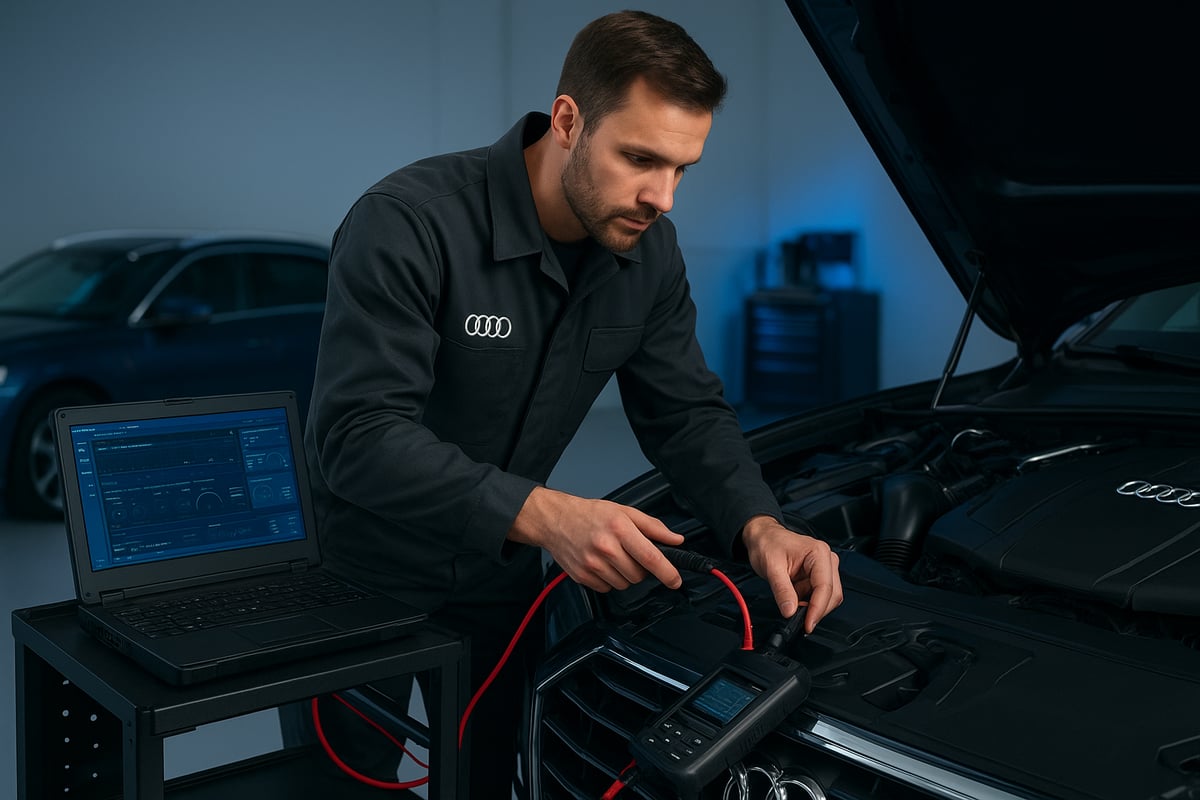
Essential Diagnostic Tools for Audi Mechanics in 2026
Audi mechanics rely on a range of sophisticated diagnostic tools to keep up with the latest vehicle technologies. The cornerstone is the OBD-II scanner, which reads fault codes quickly and accurately. However, for deeper analysis, most professionals use VCDS diagnostic software for Audi, a powerful system designed for Volkswagen Group vehicles. VCDS enables audi mechanics to access detailed data, perform adaptations, and even code new modules.
Oscilloscopes are essential for pinpointing electrical faults, especially when dealing with complex sensor signals or intermittent wiring issues. Thermal cameras help audi mechanics detect overheating components or failing circuits, offering a visual edge during troubleshooting.
Below is a summary of the most common tools and their functions:
| Tool | Primary Use |
|---|---|
| OBD-II Scanner | Reading and clearing fault codes |
| VCDS | Advanced diagnostics, coding |
| Oscilloscope | Electrical signal analysis |
| Thermal Camera | Heat mapping, component inspection |
Staying updated with these tools is crucial. Many audi mechanics invest in ongoing training to keep pace with technological advances. As vehicles become more connected, the right equipment ensures accurate, efficient repairs and diagnostics.
Step-by-Step: Diagnosing Common Audi Issues
A systematic approach is fundamental for audi mechanics to diagnose issues efficiently. The process begins with a thorough customer interview, followed by visual and electronic inspections. This stepwise method reduces guesswork and ensures no detail is overlooked.
Here’s the proven workflow audi mechanics use:
1. Interview the customer, document symptoms, and gather vehicle history.
2. Perform a visual inspection for obvious faults or leaks.
3. Connect diagnostic tools, scan for trouble codes, and interpret the results.
4. Test suspected components using specialized equipment.
5. Verify the repair, clear codes, and update documentation.
For example, diagnosing a misfire in a 2026 Audi A4 starts with scanning for misfire codes, then checking ignition coils, injectors, and spark plugs. If initial checks are inconclusive, audi mechanics use oscilloscopes to examine live signals. After repairs, a final test drive confirms the issue is resolved.
Following this structured process not only saves time but also boosts accuracy, helping audi mechanics provide top-tier service.
Addressing Software and Electronic Faults
As Audis become more digitally integrated, audi mechanics face a growing number of software and electronic challenges. Firmware updates and module reprogramming are now routine, especially following manufacturer recalls or when adding new features. Mechanics must ensure each module is running the latest software to prevent compatibility issues.
Advanced driver assistance systems (ADAS) require precise sensor calibration after repairs. This step is critical, as incorrect calibration can impact safety features like lane assist or adaptive cruise control. Audi mechanics use factory-approved calibration tools to meet strict standards.
Recent service data shows electronic faults are among the most common issues in 2026 Audi models. This trend underscores the importance of digital literacy among audi mechanics. Staying informed on cybersecurity and data privacy is also vital, as modern diagnostics often involve networked vehicle systems.
Mastering these digital skills is essential for audi mechanics aiming to deliver reliable repairs in a rapidly evolving automotive landscape.
Common Audi Repairs and How to Perform Them Like an Expert
Modern Audi vehicles are sophisticated machines, and even routine repairs demand a high level of expertise. Understanding the nuances of common fixes helps audi mechanics deliver reliable service and prolong vehicle lifespan. Let’s explore the most frequent repairs and how experts approach each one.

Brake System Overhaul: Pads, Rotors, and Sensors
Brake maintenance is a cornerstone for audi mechanics. Modern Audis feature electronic parking brakes and advanced wear sensors, so identifying signs of wear is critical. Common indicators include squealing noises, vibration during braking, and dashboard warnings.
Steps for expert brake service:
- Inspect pads and rotors for uneven wear or scoring.
- Replace pads and rotors using manufacturer-approved parts.
- Reset electronic parking brake systems with diagnostic tools.
Audi mechanics always check wear sensors and ensure the system recalibrates after repairs. Following these steps guarantees safe and responsive braking.
Suspension and Steering: Ensuring Ride Quality
Audi’s sophisticated suspension systems, including air suspension and adaptive steering, require precision. Audi mechanics watch for symptoms like uneven tire wear, knocking sounds, or ride height issues.
Key repair actions:
- Diagnose air suspension leaks, particularly at struts and compressors.
- Replace control arms, bushings, and tie rods with OEM components.
- Perform alignment, considering calibration for adaptive systems.
Proper attention to these details helps audi mechanics maintain the smooth, controlled ride Audis are known for.
Engine and Transmission Repairs
Engine and transmission faults are among the most complex challenges for audi mechanics. Oil leaks, turbocharger issues, and mechatronic unit failures are common on newer models.
For turbocharged engines, diagnosing power loss or unusual noises requires specialized knowledge. Audi mechanics rely on technical resources, such as the Audi turbocharger control webinar, to stay updated on best practices.
Typical procedures include:
- Locating and sealing oil leaks at gaskets and seals.
- Inspecting and replacing turbochargers as needed.
- Servicing transmission fluid and troubleshooting electronic controls.
Continuous training ensures audi mechanics can handle these advanced repairs efficiently.
Electrical and Infotainment System Fixes
Audi’s digital interfaces, like MMI and the virtual cockpit, are prone to software glitches. Audi mechanics often resolve issues such as non-responsive screens, power window failures, and central locking faults.
Best practices for electrical repairs:
- Use diagnostic tools to scan and clear fault codes.
- Update or reprogram software modules as necessary.
- Check wiring and connectors for corrosion or damage.
By following systematic troubleshooting, audi mechanics restore full functionality and user experience.
Hybrid and Electric Model Repairs
The rise of hybrid and electric Audis brings unique challenges. Audi mechanics must distinguish between 12V and high-voltage systems, ensuring safety at all times.
Typical repair tasks:
- Inspect and replace high-voltage battery modules.
- Address cooling system issues specific to electric drivetrains.
- Monitor signs of battery degradation, like reduced range or slow charging.
A comparison table highlights key differences:
| Repair Task | Traditional Audi | Hybrid/Electric Audi |
|---|---|---|
| Battery Inspection | 12V only | 12V & High-voltage |
| Cooling System | Engine-focused | Battery/e-motor |
| Safety Protocols | Standard | High-voltage PPE |
By mastering these areas, audi mechanics keep all Audi models operating at peak performance.
Case Study: Real-World Repair Scenario
In 2026, an Audi Q5 e-tron arrived with intermittent power loss and warning lights. Audi mechanics began with a detailed customer interview, followed by a visual inspection. Diagnostic scans revealed multiple error codes related to the battery cooling system.
The repair process involved:
- Testing the cooling pump and replacing a faulty sensor.
- Clearing codes and performing a full system reset.
- Road testing to confirm the issue was resolved.
This case highlights how audi mechanics blend technical skill and methodical troubleshooting to solve even the most complex problems.
Expert Tips and Best Practices from Leading Audi Mechanics
Staying ahead as an Audi owner or technician means following proven best practices from seasoned audi mechanics. Mastering these habits can extend your Audi’s lifespan and help prevent costly repairs.
Routine Inspection Habits for Longevity
Regular checks are the backbone of reliable Audi performance. Leading audi mechanics recommend breaking inspections into daily, weekly, and monthly routines. Daily, look for warning lights and unusual noises. Weekly, check tire pressure and fluid levels. Monthly, examine brakes and inspect for leaks.
Studies show that consistent inspections by audi mechanics can reduce the likelihood of major repairs by as much as 40 percent. This proactive approach keeps small issues from developing into serious problems.
Communication and Documentation
Clear communication builds trust and ensures successful outcomes. Audi mechanics prioritize listening to owners, documenting issues, and explaining repairs transparently. Using digital tools for service history tracking keeps records organized and accessible.
Good documentation helps audi mechanics spot recurring issues and streamline warranty claims. It also allows for better planning of future maintenance, making every visit more efficient.
Training and Certification Updates for 2026
The automotive landscape evolves quickly, and audi mechanics must stay current. For 2026, Audi and ASE certifications remain crucial. Technicians regularly attend webinars and manufacturer courses to stay ahead of new technology and repair methods.
Ongoing education ensures audi mechanics are prepared for the latest diagnostic protocols and vehicle systems. This commitment to learning translates into higher-quality service and safer vehicles.
Tools and Workshop Setup for Efficiency
Specialized tools make a significant difference in Audi repairs. Investing in manufacturer-approved diagnostic systems and precision equipment is essential for audi mechanics. An organized workspace with clear zones for diagnostics, repairs, and parts storage increases productivity and safety.
For a closer look at the environment where experts work, see how modern workshop facilities for Audis are designed to support advanced diagnostics and repairs.
Real Insights from Master Technicians
Experienced audi mechanics often share tips that go beyond manuals. For example, one master technician resolved a complex electronic fault by tracing a subtle wiring issue, demonstrating perseverance and expertise.
Quotes from professionals emphasize patience and methodical troubleshooting. Adopting these habits helps both new and seasoned audi mechanics deliver exceptional results every time.
The Future of Audi Maintenance: Trends and Innovations to Watch
The landscape of Audi maintenance is evolving rapidly, presenting both challenges and opportunities for audi mechanics. Staying ahead requires an understanding of cutting-edge technologies, sustainability initiatives, and shifting customer expectations. Let us explore the trends shaping the future of audi mechanics and what lies ahead for vehicle care professionals.
Integration of AI and Predictive Diagnostics
Artificial intelligence is transforming the way audi mechanics approach fault detection and maintenance. Predictive diagnostic systems now analyze real-time vehicle data to forecast potential issues before they cause breakdowns. For example, in 2026 Audi models, onboard AI can alert drivers and technicians to battery health changes or sensor anomalies, allowing for timely intervention.
These advancements mean less guesswork and more precise repairs. Audi mechanics benefit from AI-driven recommendations, which streamline troubleshooting and improve service efficiency. As AI integration deepens, the role of the technician shifts toward data analysis and proactive care.
Electrification and Sustainability
Electrification is redefining the daily routines of audi mechanics. With the surge in electric vehicles, maintenance now emphasizes high-voltage battery systems, electric drivetrains, and specialized cooling solutions. Sustainability is also a priority, with manufacturers focusing on battery recycling and eco-friendly service practices.
Audi mechanics must stay updated on safe battery handling, disposal regulations, and green technologies. As more Audi owners opt for electric models, workshops are adapting their processes to minimize environmental impact and ensure long-term reliability.
Remote Service and Over-the-Air Updates
Remote diagnostics and over-the-air software updates are becoming standard in Audi service. Audi mechanics can now access vehicle data, perform preliminary checks, or update software without physical contact with the car. This shift supports virtual service appointments and reduces downtime for owners.
Recent data highlights rising adoption rates of remote service technologies. For audi mechanics, it means developing new skills in digital communication and cybersecurity, ensuring vehicles remain secure and up to date even when serviced remotely.
Evolving Customer Expectations
Today’s Audi owners expect transparency, digital service records, and personalized care. Audi mechanics are responding by offering real-time status updates, digital invoices, and tailored maintenance reminders. These changes foster trust and long-term relationships.
Adaptation is key. Mechanics who embrace technology and prioritize clear communication stand out in a competitive market. The ability to deliver a seamless, tech-enabled customer experience is now as essential as technical skill.
Preparing for the Next Generation of Audi Vehicles
To remain leaders in their field, audi mechanics must continually refine their expertise. Emerging skills include high-voltage certification, advanced diagnostics, and software programming. Investing in ongoing education and specialized training is critical.
For those seeking to stay at the forefront, joining our team of European car specialists offers access to the latest tools, knowledge, and real-world experience needed for the future of Audi service. By focusing on lifelong learning and collaboration, audi mechanics can confidently face the challenges and innovations of tomorrow.
Now that you’ve explored the latest maintenance strategies, cutting-edge diagnostic tools, and future trends for Audi vehicles, it’s time to put that knowledge into action. Whether your Audi is due for routine care or you want expert eyes on a complex issue, you deserve a team that truly understands European engineering. At VODIS Automobile, you’ll find skilled professionals committed to your vehicle’s peak performance and longevity. Ready to ensure your Audi keeps running at its best?
Book in your service
and experience the difference trusted expertise can make.