
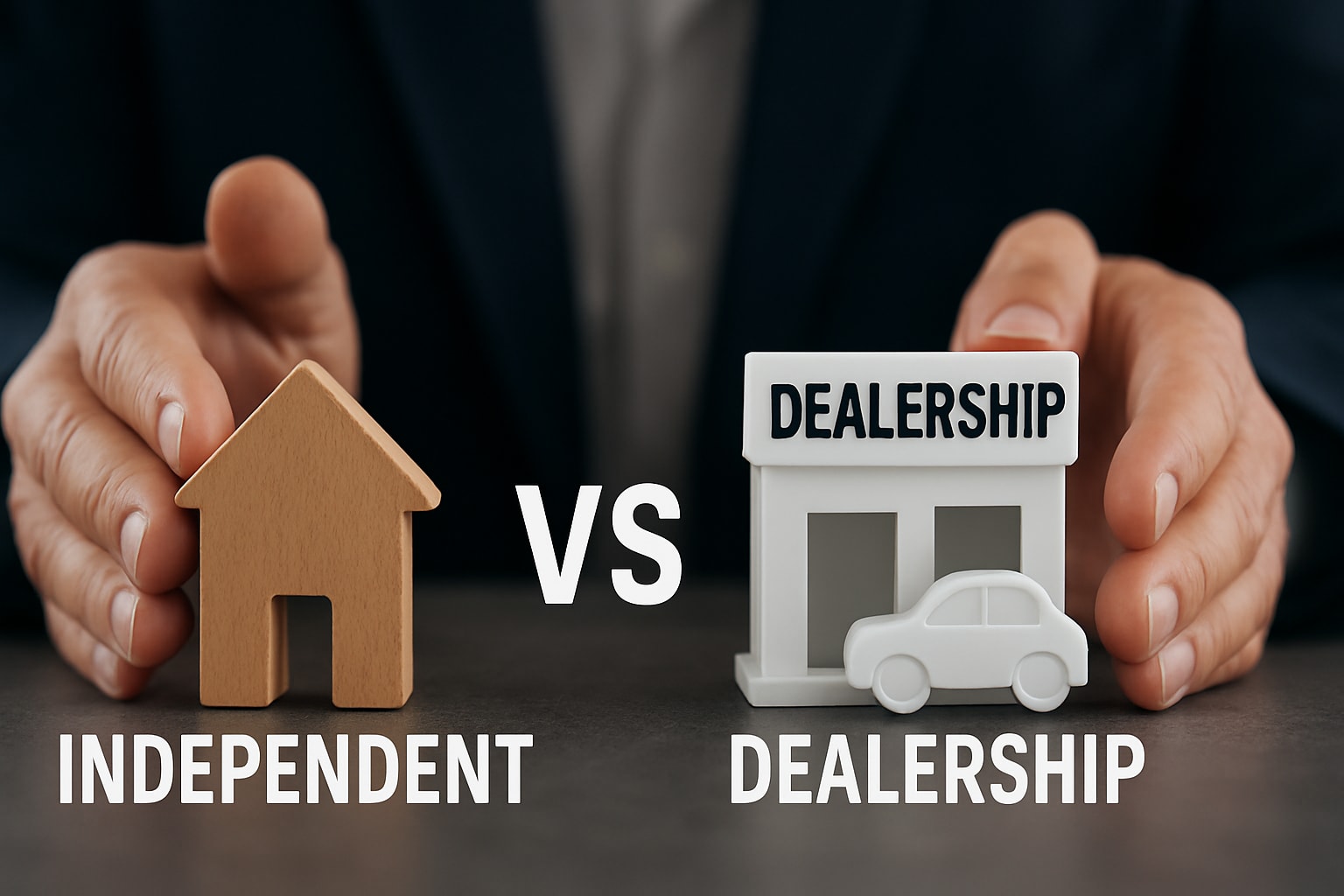
In 2026, car buyers encounter a rapidly evolving marketplace filled with options that can feel overwhelming. Should you trust an independent car dealer or opt for a traditional dealership?
This guide delivers a clear, data-driven comparison to help you make the right choice for your next independent car or dealership purchase. We will break down the key differences, advantages, and drawbacks of each buying path.
Expect insights into costs, warranties, service, and real customer experiences. Ready for a smoother, more confident car buying journey? Let’s dive in.
Understanding the Landscape: Independent Car Dealers vs Dealerships in 2026
Choosing between an independent car dealer and a traditional dealership in 2026 means navigating a rapidly evolving automotive landscape. Understanding the distinctions and trends will help you make an informed decision tailored to your needs.
Defining Independent Car Dealers and Dealerships
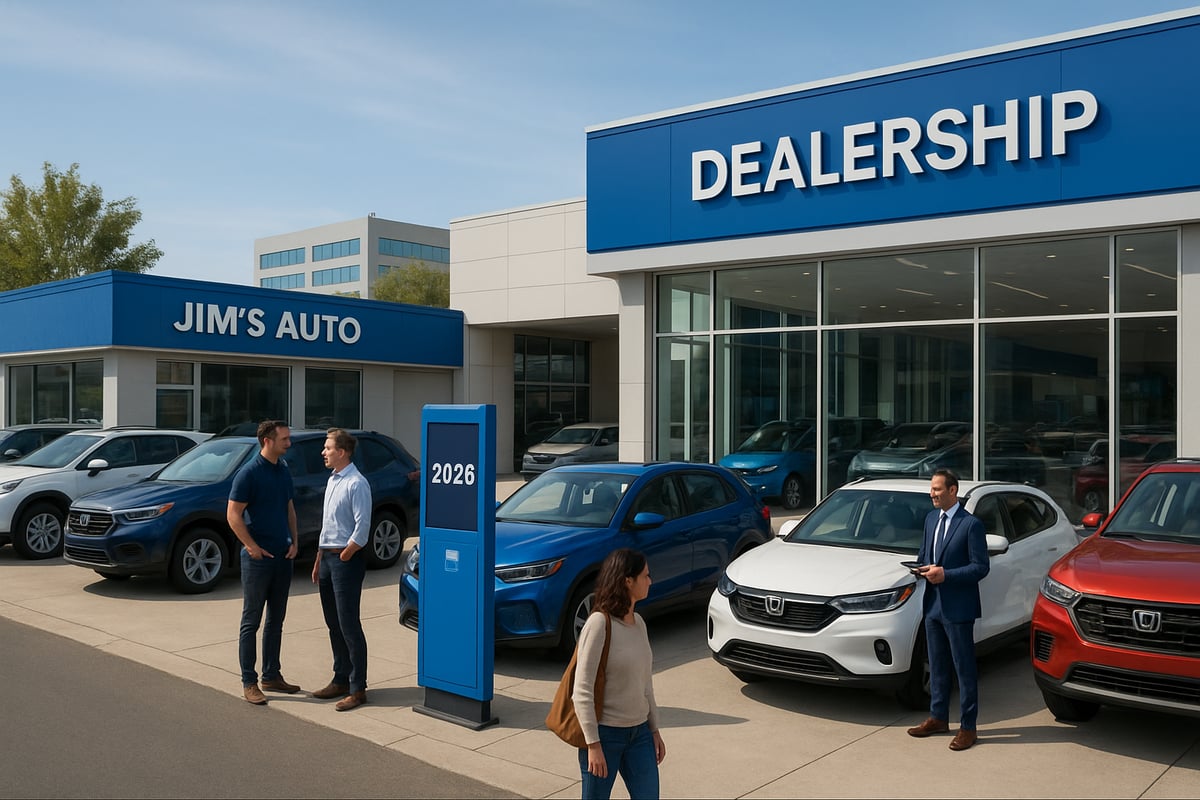
An independent car dealer is a business that sells vehicles without direct ties to a specific manufacturer. These dealers operate on their own, sourcing inventory from auctions, trade-ins, and private sellers. In contrast, a dealership, often called a franchise dealership, is affiliated with a manufacturer and sells new vehicles under that brand, along with certified pre-owned cars.
Ownership and operations differ significantly. Dealerships must follow manufacturer guidelines for sales, service, and facility standards. Independent car businesses have more flexibility but also more variability in their practices. In 2026, both types have evolved, with independents focusing on used and specialty vehicles, while dealerships often operate multi-brand locations.
For a detailed look at these distinctions, see this Franchise vs. Independent Car Dealers Comparison.
Market Trends and Consumer Preferences in 2026
By 2026, the independent car sector captures a sizable share of used vehicle sales, while dealerships maintain dominance in new vehicles and certified pre-owned programs. The demand for electric vehicles has surged, and independents have responded by sourcing more EVs and hybrids.
Consumer trust has shifted since the early 2020s, with transparency and online reviews playing a central role. Digital buying is now the norm, as buyers expect seamless online research, instant trade-in appraisals, and detailed vehicle histories. Economic factors, such as inflation and fluctuating interest rates, have made value and flexibility top priorities for many shoppers considering an independent car option.
Regulatory and Technological Changes
New regulations in 2026 aim to protect consumers and increase transparency in the independent car and dealership markets. Advances in vehicle diagnostics allow buyers to access comprehensive service histories and real-time health reports.
Sales platforms have become highly digitalized, with online paperwork, e-signatures, and secure payments becoming standard. Certification standards for used vehicles are stricter, ensuring more consistency in quality. Online reviews and digital documentation now shape the reputation of both independent car sellers and dealerships, pushing both to uphold higher standards.
Inventory and Vehicle Selection
The range of vehicles available differs between independent car dealers and dealerships. Dealerships offer new models, certified pre-owned, and a wide selection of recent used vehicles, often in large “auto mall” environments. Independent car dealers specialize in used vehicles, sometimes focusing on rare or unique models.
Inventory sourcing also sets them apart. Dealerships receive new inventory directly from manufacturers, while independent car lots rely on auctions, trade-ins, and private purchases. Supply chain improvements in 2026 have helped both channels maintain better stock levels.
| Channel | New Vehicles | Used Vehicles | Certified Pre-Owned | Specialty/Rare |
|---|---|---|---|---|
| Dealership | Yes | Yes | Yes | Sometimes |
| Independent Car Dealer | No | Yes | Sometimes | Often |
This variety allows buyers to choose based on their preferences, whether they want the latest model or a unique, independent car.
The Buying Process: What to Expect
The process of buying from an independent car dealer or dealership shares similarities, but key differences remain. At a dealership, buyers often experience a structured process: initial consultation, vehicle selection, financing, negotiation, paperwork, and delivery. Dealerships typically offer test drives, in-house inspections, and detailed warranties.
Independent car sellers provide a more flexible, personalized process. Negotiation is usually more open, and paperwork can be streamlined or handled online. Test drives and third-party inspections are encouraged, offering added peace of mind. Transparency and consumer protections have improved for both channels by 2026, but customer experiences may still vary.
Pricing, Financing, and Value: Breaking Down the Costs
Car buyers in 2026 face a complex financial landscape when choosing between an independent car dealer and a traditional dealership. Understanding the costs, financing options, and overall value is essential for making a confident decision. Let us break down how each option stacks up, so you can find the best fit for your needs.
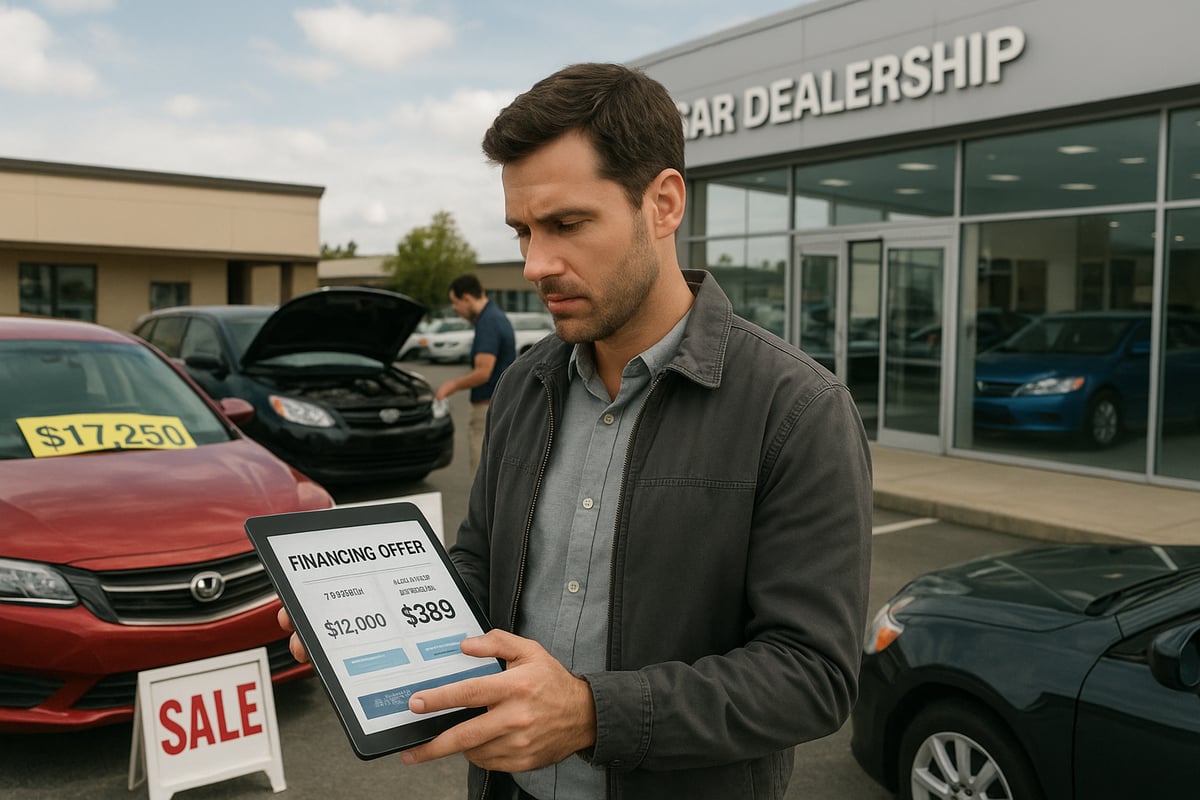
Upfront Pricing and Negotiation
Independent car dealers and franchise dealerships approach pricing in distinct ways. While dealerships often set prices based on manufacturer guidelines and include standard fees, an independent car seller typically has more flexibility to adjust prices and negotiate deals.
Here is a quick comparison:
| Aspect | Independent Car Dealer | Dealership |
|---|---|---|
| Pricing Model | Market-based, negotiable | MSRP, less flexible |
| Markups/Fees | Lower, fewer add-ons | Higher, more dealer fees |
| Incentives | Rare, case-by-case | Frequent rebates, loyalty programs |
| Price Transparency | Varies by dealer | Generally higher |
In 2026, data shows the average used vehicle price at an independent car dealer is 7-10% lower than at a dealership for similar models. However, dealerships may offer incentives that partially offset this gap. For more details on how market forces shape these differences, see 2026 Automotive Industry Trends.
Financing Options in 2026
Financing your next vehicle is a major consideration. Dealerships often work with captive lenders, offering exclusive rates and even 0% APR deals on new cars for qualified buyers. In contrast, an independent car dealer usually partners with third-party lenders, which can be more flexible for buyers with nontraditional credit histories.
- Dealerships: Streamlined process, manufacturer incentives, stricter approval
- Independent car sellers: Broader lender network, higher approval rates for poor/limited credit, slightly higher rates
- Online pre-approval tools: Widely used in 2026, empowering buyers to compare offers before stepping onto the lot
This flexibility can be a game changer for buyers who value choice and need more adaptable financing solutions.
Trade-Ins and Vehicle Appraisals
Trading in your vehicle is common at both types of sellers, but the approach varies. Dealerships use standardized tools and offer instant online appraisals, often resulting in consistent but sometimes lower offers. An independent car dealer might use a more manual process, but can adjust offers to win business.
- Dealerships: Automated, data-driven, often lower trade-in values
- Independent car dealers: Personalized, room for negotiation, may offer more for unique vehicles
- Pros: Convenience, seamless transaction
- Cons: May net less than a private sale
In 2026, instant appraisal tools have become standard, allowing buyers to check trade-in values from home before negotiating in person.
Total Cost of Ownership
The true cost of owning a vehicle goes beyond the purchase price. Maintenance, warranty coverage, insurance, and depreciation all play a role.
- Independent car dealer: Lower upfront price, but may offer limited or third-party warranties, potentially higher maintenance costs if repairs are needed outside of warranty
- Dealership: Higher purchase price, more comprehensive warranty and service plans, access to OEM parts and certified technicians
On average, the 3-year cost of ownership for a certified pre-owned car from a dealership is about 5% lower than a similar vehicle from an independent car seller, largely due to warranty coverage and value retention. However, buyers prioritizing initial savings may still prefer the independent route.
Real-World Examples and Case Studies
Consider a 2024 Toyota Camry. Buying from a dealership, you might pay a premium but receive a manufacturer-backed warranty, access to low-interest financing, and complimentary maintenance for the first year. With an independent car dealer, you could save thousands upfront, negotiate more flexible terms, and work with a seller known for local customer service.
Customer testimonials highlight the importance of transparency, thorough vehicle inspections, and after-sale support. Common pitfalls include overlooking hidden fees or skipping independent inspections. Lessons from 2026 buyers emphasize the need to read contracts carefully and use online tools to compare total costs.
Warranties, Certification, and After-Sale Support
Navigating warranties, certification, and after-sale support is crucial when choosing between an independent car dealer and a traditional dealership in 2026. Each channel offers unique benefits and limitations for peace of mind, long-term value, and ongoing vehicle care. Understanding these differences will help you make an informed decision and avoid unexpected costs down the road.
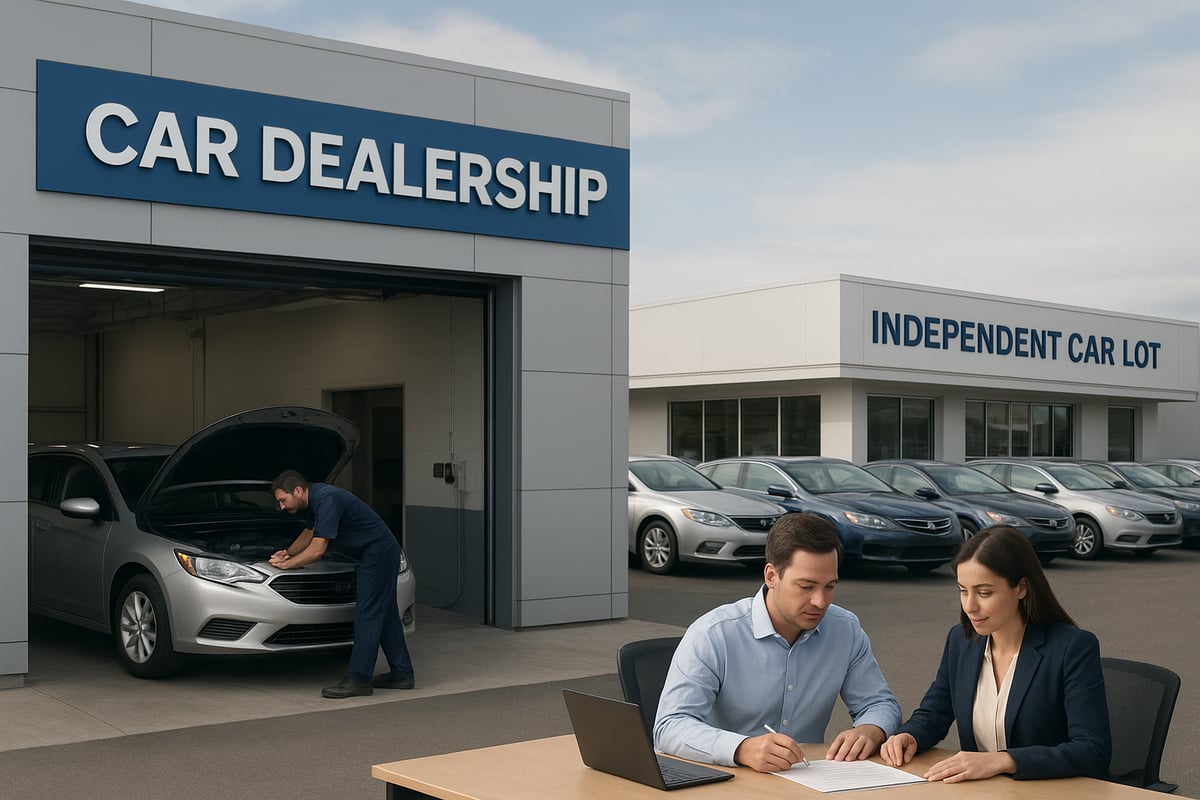
Certified Pre-Owned (CPO) Programs
Certified Pre-Owned programs remain a key differentiator in 2026. Dealerships offer CPO vehicles that are manufacturer-backed, meaning each car passes a strict multi-point inspection and comes with an extended warranty. These programs typically cover newer vehicles, ensuring reliability and resale value.
In contrast, an independent car dealer may offer its own CPO program, but standards and coverage can vary. Inspections might be less rigorous, and warranties are often backed by third-party providers rather than the manufacturer. However, some independent car dealers have raised their standards, offering detailed inspection reports and competitive coverage to attract cautious buyers.
CPO popularity continues to grow. Buyers in 2026 appreciate the assurance of a certified vehicle, but it is essential to compare inspection checklists and warranty terms before making a decision.
Warranty Coverage and Guarantees
Warranty coverage is one of the most significant factors impacting your long-term satisfaction. Dealerships typically provide factory warranties on new cars, manufacturer-backed CPO warranties, and the option to purchase extended coverage. These warranties often include comprehensive terms, roadside assistance, and transferability, which boost buyer confidence and resale value.
An independent car dealer usually offers a more limited warranty or partners with third-party providers. Coverage may be shorter in duration and have more exclusions. Always read the fine print, noting deductibles, claim processes, and what is not covered. In 2026, data shows buyers still rate warranty satisfaction higher at dealerships, but some independent car dealers are closing the gap with enhanced offerings.
Understanding warranty details upfront can prevent headaches and unexpected repair costs later.
Service, Maintenance, and Repairs
After purchasing, ongoing service and repair support become vital. Dealerships often have on-site service departments staffed by manufacturer-trained technicians and access to original equipment manufacturer (OEM) parts. This can be convenient, especially for new or complex vehicles, but prices for labor and parts may be higher.
For many, an independent car dealer provides a more personalized touch, flexible scheduling, and competitive service rates. Independent garages are known for honest communication and customer loyalty, especially for routine maintenance and repairs. To see what this looks like in practice, explore independent car servicing and repairs for a breakdown of services offered post-sale.
Convenience factors like online scheduling, loaner cars, and comfortable waiting areas are now common at both types of providers, giving buyers more choice in how they maintain their investment.
Handling Recalls and Manufacturer Support
Handling manufacturer recalls is an area where dealerships hold a clear advantage. They are obligated to perform recall repairs and technical service bulletins (TSBs) at no cost to the customer, ensuring safety and compliance. Dealerships also have direct access to manufacturer updates and goodwill programs that may cover out-of-warranty repairs.
An independent car dealer can assist in identifying open recalls but typically cannot perform recall work unless authorized. In 2026, digital tools make it easy to check recall status, but buyers are still responsible for arranging repairs at a franchised dealership. Real-life scenarios show that while independents are helpful in guiding customers, full recall resolution usually requires dealership involvement.
Always verify recall status before purchase and ask how each seller supports recall-related issues.
Customer Service and Satisfaction
Customer service is a top priority for both independent car dealers and dealerships in 2026. Review data from sources like JD Power, Yelp, and Google reveal that independents often earn high marks for transparency, relationship-building, and long-term trust. Personalized service, honest communication, and local reputation drive multi-year loyalty among buyers.
Dealerships, while sometimes viewed as less personal due to their larger scale, invest in dispute resolution, return policies, and service guarantees to maintain customer satisfaction. Handling disputes efficiently and offering robust after-sale support are key factors influencing buyer decisions.
No matter where you buy, check reviews, ask about dispute processes, and consider the level of support you expect during ownership.
Pros and Cons: Independent Car Dealers
Choosing an independent car dealer in 2026 can offer a unique set of benefits and challenges. For many buyers, understanding these pros and cons is crucial to making an informed decision. Let us break down what stands out for independent car options in today’s evolving market.
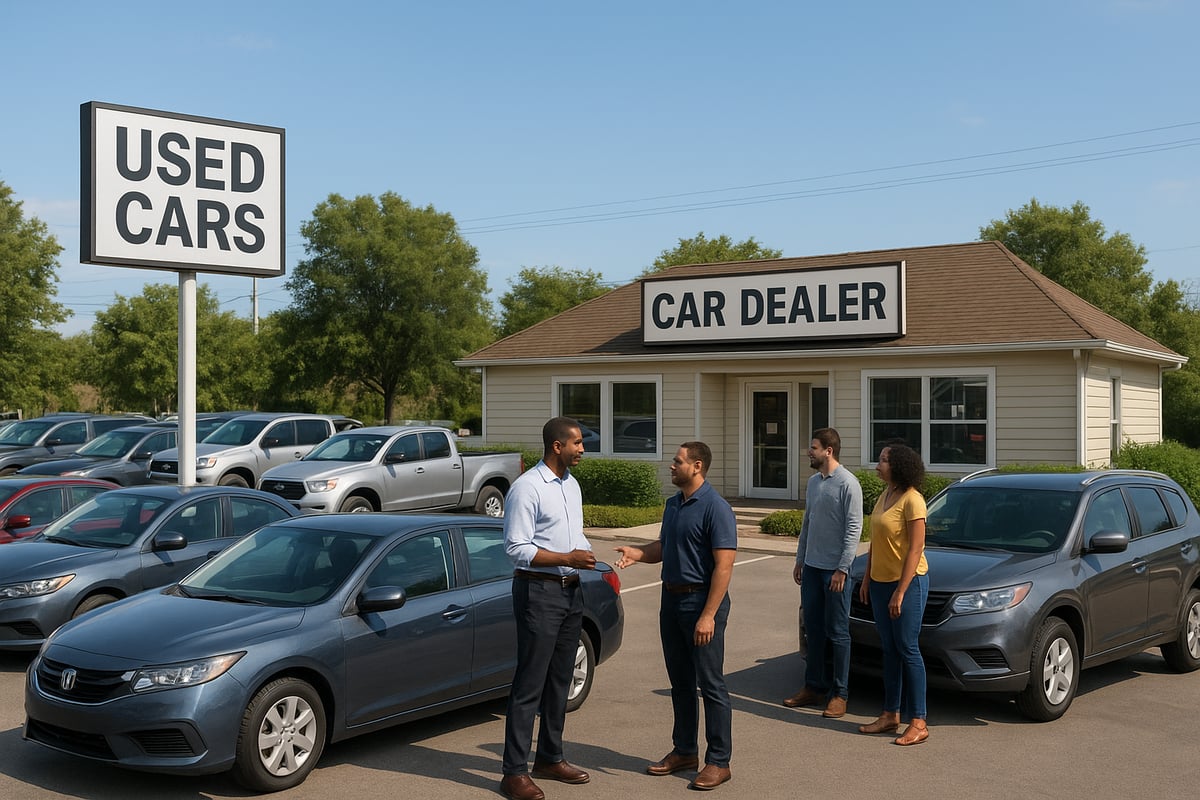
Key Advantages of Independent Car Dealers
Independent car dealers are well-known for their competitive pricing, especially on used vehicles. They often provide more flexibility in negotiations, allowing buyers to secure personalized deals that suit their individual needs. Many independent car businesses are locally owned, fostering strong community ties and a reputation for honest service.
Buyers with unique credit situations or those seeking rare vehicles may find more accommodating options at an independent car dealer. Local ownership also means staff can offer a personal touch, building long-term relationships with customers. For real-world insights into these strengths, you can read customer reviews of independent dealers to see how trust and satisfaction play out in practice.
Common Drawbacks and Limitations
Despite many positives, independent car dealers also come with certain drawbacks. Most do not have access to new vehicles or the latest manufacturer incentives. Warranty coverage is typically less comprehensive, with fewer options for extended protection compared to franchise dealerships.
Inventory at an independent car lot may be smaller and more variable in quality. Inspection standards can differ widely, so buyers should be vigilant about vehicle condition. Additionally, support for recalls and manufacturer programs is often limited, which can impact future maintenance and safety.
Who Should Consider an Independent Dealer?
An independent car dealer is ideal for buyers prioritizing lower prices and flexible deal structures. If you value a local, personalized experience or have non-traditional financing needs, this route may be your best fit. Customers looking for older, unique, or specialty vehicles often find more choices here than at large dealerships.
Long-term residents who trust their local independent car business may return for years, attracted by honest service and community involvement. Consider your needs for price, flexibility, and the type of vehicle you want before opting for this path.
Risks and How to Mitigate Them
There are risks to buying from an independent car dealer, but careful steps can minimize them. Always request a vehicle history report and arrange for an independent inspection before purchase. Watch for red flags in contracts, especially regarding warranty terms and return policies.
Verify the dealer’s reputation by checking online reviews and business accreditations. When negotiating price or financing, come prepared with market data and be clear about your terms. Ensuring after-sale support is available will give you greater peace of mind on your independent car purchase.
Pros and Cons: Dealerships
Choosing between an independent car seller and a dealership in 2026 is not always straightforward. Dealerships offer a distinct set of advantages and drawbacks that matter to many buyers. Understanding both sides will help you decide if a dealership aligns with your needs.
Key Advantages of Dealerships
Dealerships provide access to the newest models, certified pre-owned vehicles, and exclusive incentives not available from an independent car seller. Their service departments are equipped with specialized technicians and OEM parts, supporting ongoing maintenance and warranty work.
Buyers can benefit from loyalty programs, manufacturer-backed warranties, and streamlined recall support. Dealerships typically offer a large inventory, making it easier to compare vehicles side by side. According to U.S. Car Dealership Market Trends 2026, franchise dealerships remain the top source for new vehicle purchases, offering a level of support that many independent car buyers find reassuring.
Common Drawbacks and Limitations
One common concern with dealerships is higher average pricing compared to an independent car provider. Buyers may encounter additional fees, upselling pressure, and less flexibility in negotiation.
Dealer financing often comes with stricter credit requirements, and some customers report less personalized service due to higher sales volume. Impersonal interactions and hidden costs can detract from the buying experience. It is not uncommon for buyers to compare dealership offerings to independent car sellers to ensure they are not missing out on better deals or more tailored service.
Who Should Consider a Dealership?
Dealerships are a strong fit for buyers seeking new or nearly-new vehicles, those who value comprehensive warranty coverage, or anyone planning to use manufacturer recall and service programs. If you want access to the latest technology, exclusive financing, or certified pre-owned vehicles, a dealership is likely the better choice.
Families and individuals who prioritize peace of mind and long-term support often prefer dealerships over independent car sellers. For those who expect frequent maintenance or want to take advantage of loyalty programs, dealerships deliver clear advantages.
Risks and How to Mitigate Them
Risks at dealerships often revolve around complex contracts, upselling, and hidden add-ons. To protect yourself, always read the fine print, request itemized pricing, and compare dealer offers online before visiting in person.
Consider securing third-party financing to avoid higher interest rates. Verify dealer reputation through customer reviews and ensure after-sale support meets your expectations. Comparing each dealership to an independent car seller can reveal differences in service quality and total cost, helping you make a confident choice.
Making the Right Choice: Key Questions and Decision Factors
Choosing between an independent car dealer and a traditional dealership in 2026 can feel overwhelming. To make the right decision, you need to consider your budget, preferences, and long-term goals. Let us break down the essential factors that will help guide your process toward a confident purchase.
Assessing Your Needs and Priorities
Start by identifying your top priorities. Are you seeking a new vehicle with the latest technology, or is a well-maintained used model more appealing? Determine your ideal budget, desired features, and whether warranty and after-sale support are must-haves.
Consider how long you plan to keep the car and what kind of service you expect. If local expertise and personalized service matter, learning more about an independent car dealer’s values can shape your decision. Think about your flexibility with financing and how important manufacturer services are to you.
- List your must-have features
- Decide on new vs used or certified pre-owned
- Assess importance of warranty and support
- Consider your long-term ownership plans
Comparing Offers and Negotiating
Once you know your needs, compare offers from both independent car dealers and traditional dealerships. Use online tools to check pricing, trade-in values, and financing rates. Remember, negotiation styles can differ. Independent car lots often allow more flexibility, while dealerships may offer exclusive incentives and rebates.
Check seasonal promotions and timing, as market trends can impact deals. For a data-driven perspective on pricing and negotiation in 2026, consult resources like the 2026 U.S. Auto Market Forecast.
- Compare total costs, not just sticker prices
- Negotiate trade-in values using instant appraisal tools
- Factor in dealer fees and add-ons
Research and Due Diligence
Doing your homework is crucial for any independent car purchase. Always review vehicle history and inspection reports. Read customer reviews, check business credentials, and verify certifications. A thorough test drive and third-party inspection can help you avoid surprises.
Create a research checklist:
- Request vehicle history and inspection documentation
- Read online reviews for both independent car dealers and dealerships
- Verify business credentials and certifications
- Arrange for a comprehensive test drive
This due diligence can prevent costly mistakes and improve your buying confidence.
The Role of Online Buying and Hybrid Models
Online car buying has surged in 2026, making it easier to compare independent car options and dealership offers. Many buyers now use hybrid models, combining online research and paperwork with in-person test drives or at-home delivery.
Digital transparency empowers consumers to make informed choices. Use online platforms to secure financing, schedule inspections, and arrange delivery, whether you choose an independent car dealer or a franchise location.
- Shop inventory online before visiting
- Take advantage of at-home test drives
- Use digital paperwork to streamline the process
Embracing these tools can lead to a more transparent, efficient, and satisfying car buying experience.
Future Outlook: The Evolving Car Buying Experience in 2026 and Beyond
Car buying in 2026 is evolving rapidly, shaped by new technologies, sustainability priorities, and enhanced consumer protection. As both independent car sellers and dealerships adapt, understanding these future trends will help you make informed decisions for years to come.
Innovations in Car Sales and Ownership Models
The independent car market in 2026 is embracing innovation at every level. Subscription services, short-term leases, and car sharing are becoming mainstream, offering flexibility that appeals to modern buyers. Direct-to-consumer sales from manufacturers are challenging traditional dealership models. Meanwhile, virtual reality showrooms and AI-driven recommendations provide immersive, personalized experiences.
Electric and autonomous vehicles are reshaping inventory, pushing both dealerships and independent car sellers to diversify their offerings. Local expertise remains valuable, as highlighted by resources like Meet our independent workshop team, which showcases how independent car businesses evolve to meet new demands.
Sustainability and Environmental Considerations
Demand for electric and hybrid vehicles is at an all-time high in 2026. Both dealerships and independent car sellers now offer a broad range of eco-friendly options. Battery health certification and green service practices are standard, ensuring buyers make sustainable choices.
Government incentives make electric vehicles more accessible, and independent car sellers adapt by sourcing and servicing these models. Some even specialize in rare or unique eco-friendly vehicles. This shift not only supports the environment, but also enhances the resale value of electric and hybrid independent car purchases.
Consumer Protection and Advocacy in 2026
Stronger consumer laws are transforming the independent car buying experience. Enhanced warranty and recall protections ensure peace of mind, whether you buy from a dealership or an independent car business. Digital contracts and online dispute platforms streamline the process for resolving issues.
Consumer advocacy groups play a bigger role, providing resources for buyers to check business credentials, review warranty details, and understand their rights. As a result, complaints have dropped, making the independent car market safer and more transparent than ever.
Expert Tips for a Successful Purchase
Navigating the independent car landscape in 2026 requires a strategic approach. Start with a checklist: compare vehicles, review inspection reports, and verify dealer credentials. Always ask about warranty coverage and financing terms before you sign.
Use online tools to compare prices and trade-in values. Inspect vehicles in person or via virtual tours, and never skip a test drive. If something feels off, do not hesitate to walk away. Staying informed is the key to a successful independent car purchase in this evolving market.
After weighing the pros and cons of independent car dealers and traditional dealerships in 2026, it’s clear your car ownership journey doesn’t end with the purchase. Keeping your European vehicle running smoothly is just as important as making the right buying decision. If you want to experience the benefits of specialized care, expert maintenance, and genuine customer service that VODIS Automobile is known for, you can confidently take the next step. Whether you drive a Volkswagen, Audi, Mercedes, BMW, or Skoda, your investment deserves the best service possible.
Book in your service
and let our experienced team help you protect your vehicle’s value for years to come.