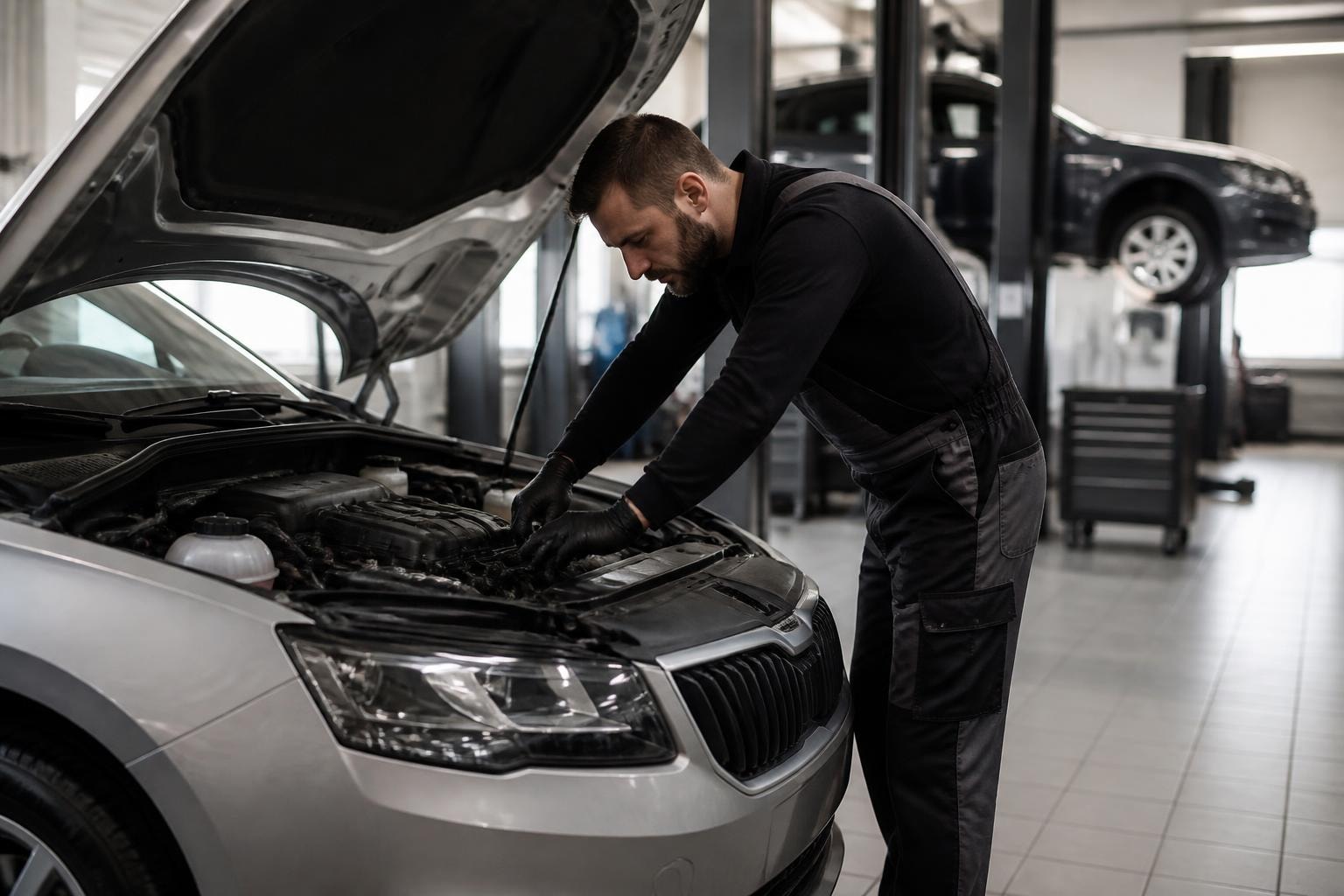

European vehicles stand at the pinnacle of automotive performance, blending innovation with timeless design. In 2026, keeping these cars in top condition means mastering the latest techniques in european car auto repair. This guide equips you with expert insights, covering vital maintenance routines, troubleshooting common issues, advanced diagnostics, and practical DIY solutions. Whether you are a passionate enthusiast or a daily driver, discover how to keep your European car running smoothly, avoid costly surprises, and know when it is time to seek professional help.
Understanding European Car Engineering in 2026
European vehicles continue to set global benchmarks for performance, safety, and design. As technology evolves, understanding what makes these cars unique is essential for effective european car auto repair. This section explores the distinctive features, technological advancements, challenges, and maintenance strategies that define European automotive engineering in 2026.
Key Characteristics of European Vehicles
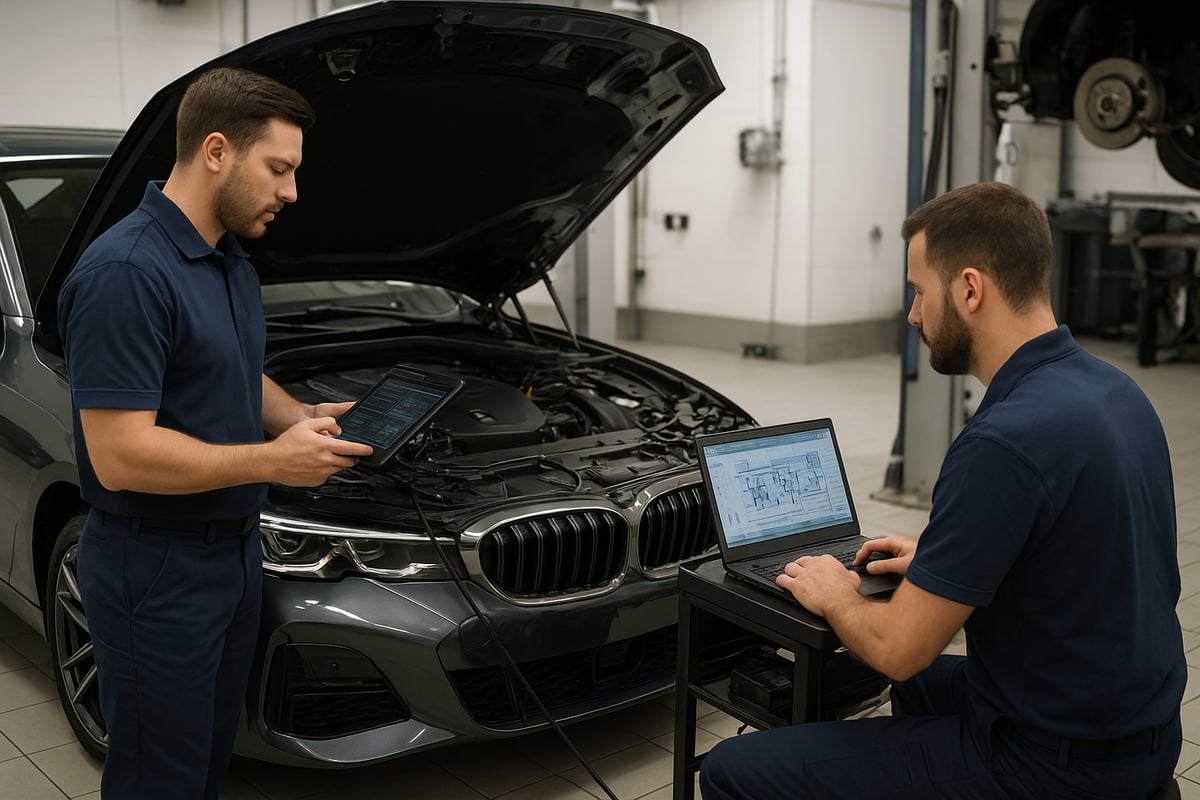
European vehicles are renowned for their unique design philosophies. German manufacturers focus on precision engineering, while Italian brands emphasize flair and driving excitement. Across the continent, there is a strong commitment to safety, performance, and continuous innovation.
The use of advanced materials, such as lightweight alloys and composites, is standard. This approach not only improves fuel efficiency but also enhances handling and responsiveness. These engineering choices set the foundation for the high standards expected in european car auto repair.
Evolving Technology and Systems
The 2026 European automotive landscape is shaped by rapid technological evolution. AI-driven diagnostics and smart sensors are now embedded in most models, enabling real-time monitoring of vehicle health. Electrification is a major trend, with an increasing number of hybrid and fully electric vehicles entering the market.
Manufacturers have also advanced emissions control and eco-friendly features to meet stringent regulations. These technological upgrades have a direct impact on the complexity of european car auto repair, demanding up-to-date expertise and specialized tools.
Common Challenges for Owners
Owning a European vehicle comes with distinct challenges. Maintenance costs are typically higher compared to non-European brands, mainly due to the premium materials and sophisticated systems involved. The complexity of electronic systems and the use of proprietary parts often limit the ability to perform simple repairs.
Additionally, finding specialized repair knowledge can be difficult. It’s essential for owners to select service providers who truly understand the nuances of european car auto repair. For a detailed overview of what to expect, see European car servicing and repairs.
Importance of Regular Maintenance
Proactive maintenance is crucial for European vehicles. Following manufacturer-recommended service intervals helps prevent costly breakdowns and preserves long-term performance. Key routines include oil changes, filter replacements, and brake inspections.
Neglecting regular maintenance can lead to significant performance loss and reduce the vehicle’s resale value. With the intricacies of european car auto repair, adhering to scheduled services is more important than ever for owners aiming to protect their investment.
Real-World Example: BMW’s Predictive Maintenance
BMW’s 2026 models highlight the future of automotive care. These vehicles use telematics and onboard computers to detect potential issues before they become serious problems. Predictive maintenance systems analyze data from sensors throughout the car, alerting drivers to upcoming service needs.
Studies show that this approach has reduced breakdown rates significantly. For those interested in european car auto repair, such advancements demonstrate the value of early intervention and data-driven servicing.
Essential Maintenance Routines for European Cars
Maintaining a European vehicle in 2026 demands a precise, methodical approach. Owners aiming for longevity and performance must embrace a maintenance mindset tailored to the unique demands of these machines. By following the right routines, you can maximize reliability and minimize unexpected costs associated with european car auto repair.
Scheduled Service Intervals and What They Include
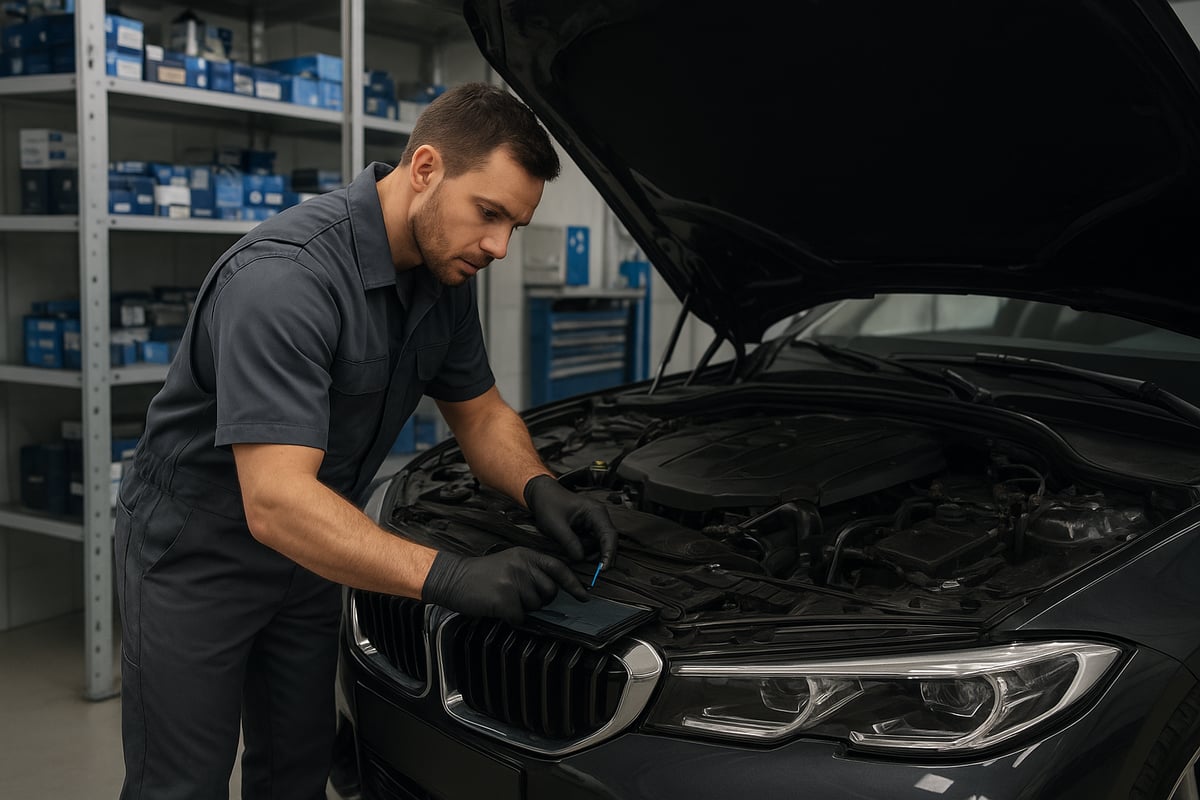
European manufacturers set strict service schedules to protect vehicle integrity. Routine european car auto repair tasks include oil and filter changes, brake system inspections, and air or cabin filter replacements. Advanced systems like Mercedes-Benz ASSYST Plus provide digital reminders, ensuring nothing is overlooked.
Service intervals typically fall every 10,000 to 20,000 kilometers, but always check your owner's manual for model-specific guidelines. Skipping recommended intervals can compromise safety and reduce resale value. Keeping a detailed maintenance record supports warranty claims and improves long-term reliability.
| Service Task | Typical Interval (km) | Notes |
|---|---|---|
| Oil & Filter Change | 10,000 – 20,000 | Use manufacturer-approved oil |
| Brake Inspection | 20,000 – 30,000 | Check pads, discs, fluid |
| Air Filter Replace | 15,000 – 30,000 | Varies by environment |
Fluids and Lubricants: What’s Different?
Fluids are the lifeblood of any european car auto repair strategy. European vehicles require OEM-approved oils, coolants, and brake fluids engineered for specific tolerances and high-performance engines. Using generic substitutes can lead to premature wear or system failures.
For example, Volkswagen and BMW specify low-ash engine oils to protect emissions systems. Coolants often have unique chemical blends to prevent corrosion in aluminum components. Always verify fluid specifications before topping off or replacing.
- OEM engine oil (ACEA/LL-04, VW 504 00/507 00)
- Manufacturer-specific coolant
- High-performance brake fluid (DOT 4/5.1)
Neglecting correct fluids can result in costly repairs and voided warranties.
Brake System Care and Upgrades
Brakes are critical for safety and performance, especially in European vehicles with advanced features. Modern systems may use ceramic discs, electronic brake force distribution, and automated emergency braking. Effective european car auto repair includes regular checks for pad thickness, rotor wear, and fluid condition.
Common signs of brake issues:
- Squealing or grinding noises
- Vibration during braking
- Increased stopping distances
Upgrading to performance pads or rotors is popular among enthusiasts. However, always use parts that meet OEM standards to maintain optimal function and avoid compatibility issues.
Suspension and Steering Maintenance
European models often feature adaptive suspension and electronic steering systems. These components enhance ride quality and handling but add complexity to european car auto repair routines. Air suspension leaks and electronic steering faults are common concerns in 2026 models.
Routine checks should include:
- Inspecting shock absorbers for leaks
- Checking for uneven tire wear
- Verifying electronic steering response
Ignoring these systems can lead to poor handling, uneven tire wear, and increased repair costs. Addressing issues early keeps the driving experience precise and comfortable.
Battery and Electrical System Checks
Modern European vehicles rely on robust electrical systems to power advanced features. High-capacity batteries, smart charging modules, and complex wiring are now standard. Proactive european car auto repair includes regular battery voltage tests and alternator checks.
Use advanced scan tools to diagnose electrical faults or module errors. Symptoms of electrical issues include dimming lights, warning messages, or malfunctioning infotainment. For multi-brand expertise and genuine parts, specialized service providers like Other European vehicle servicing offer tailored support across brands.
A healthy electrical system ensures dependable starts and uninterrupted access to safety systems.
Tire Selection and Alignment
Tires play a pivotal role in european car auto repair and maintenance. European sports sedans and SUVs require performance-rated tires matched to the vehicle's speed and load ratings. Routine inspections should check for tread depth, sidewall damage, and proper inflation.
Wheel alignment is equally vital. Misalignment affects handling, accelerates tire wear, and can trigger stability control warnings. Schedule alignment checks annually or after any significant road impact.
- Performance summer or all-season tires
- Regular rotation and balancing
- Wheel alignment every 12 months
Investing in the right tires and alignment keeps your vehicle safe, efficient, and enjoyable to drive.
Diagnosing and Fixing Common European Car Issues
Diagnosing and resolving issues in European vehicles requires a blend of technical skill, modern tools, and a strong understanding of unique engineering. Owners seeking the best results from european car auto repair must be prepared to navigate both traditional mechanical faults and complex electronic systems. Let’s explore the most common challenges and practical solutions.
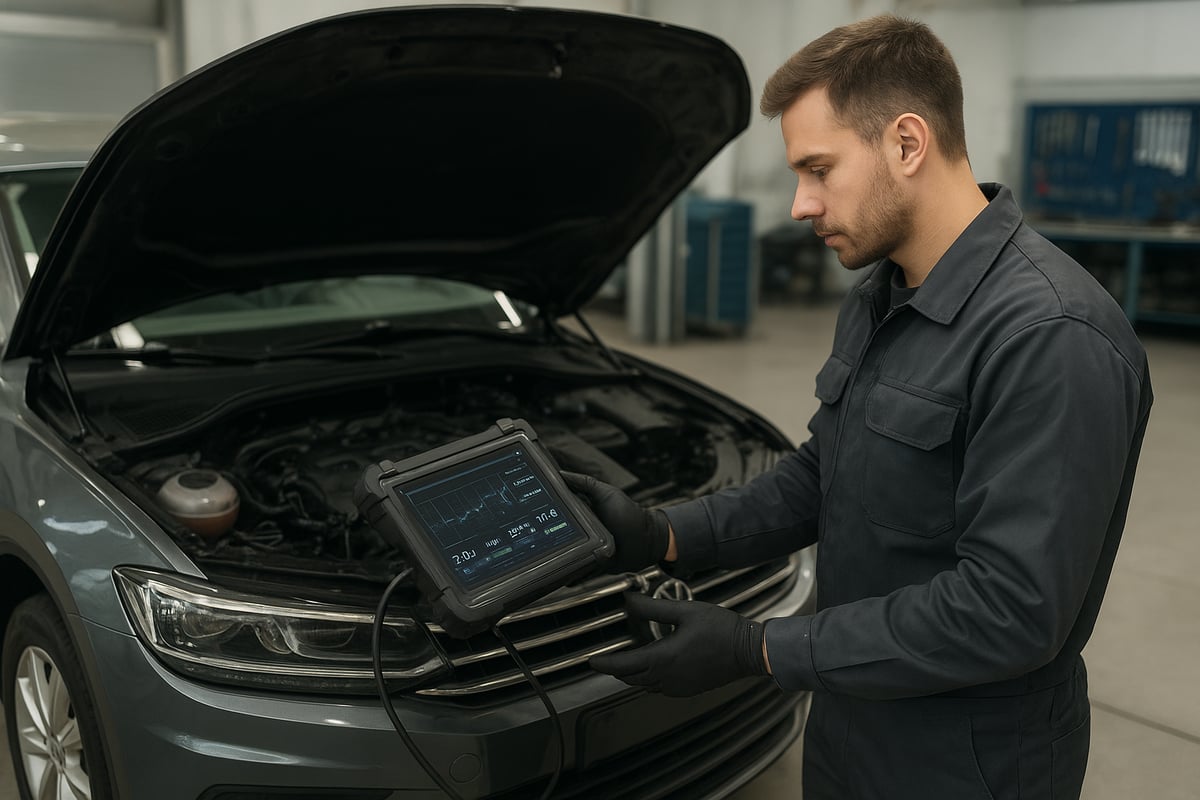
Electronic and Software-Related Problems
Modern European vehicles are equipped with intricate electronic systems, making electronic and software faults a leading cause for european car auto repair. Common issues include malfunctioning sensors, faulty control modules, and unexpected warning lights.
Owners may encounter error codes such as ABS, airbag, or engine management faults. Software updates are now routine, as manufacturers continually release patches to address bugs or improve performance. Sometimes, a simple software reflash resolves erratic behavior, while in other cases, reprogramming or replacing modules is necessary.
When electronic problems persist, using an advanced scan tool is essential. These tools can read manufacturer-specific codes, helping pinpoint the underlying issue. Always keep your vehicle’s software up to date and document any recurring electronic warnings for your technician.
Engine Performance Issues
Engine performance concerns are frequent in european car auto repair, often stemming from turbocharger wear, direct injection system problems, or fuel delivery faults. Warning signs include reduced power, rough idle, and unusual engine noises.
Turbochargers in European cars can fail due to oil starvation or excessive heat. Direct injection engines are prone to carbon buildup, affecting fuel efficiency and throttle response. Regular cleaning and timely oil changes can help prevent these issues.
If you notice a check engine light or hear knocking sounds, it’s crucial to act quickly. Use diagnostic tools to identify error codes and address minor issues before they escalate. Ignoring early warning signs can lead to costly repairs and reduced reliability.
Transmission and Drivetrain Troubles
Transmission and drivetrain faults are another area where european car auto repair expertise is vital. Dual-clutch systems like DSG and S-Tronic, found in many European models, demand specialized attention.
Drivers might notice harsh shifting, delayed engagement, or unusual vibrations. These symptoms often point to worn clutches, failed mechatronics units, or fluid contamination. Routine fluid changes and regular inspections are crucial for maintaining smooth operation.
For advanced transmission systems, professional diagnostics are recommended. DIY repairs are limited due to the complexity and need for proprietary tools. Addressing drivetrain noise or irregularities early can prevent significant damage.
Cooling System and Overheating
Efficient cooling is essential for European engines, making cooling system issues a common european car auto repair concern. These vehicles often use complex layouts with multiple radiators, electric water pumps, and advanced thermostats.
Leaks can develop at hose connections, coolant reservoirs, or radiator seams. Overheating may result from a failed thermostat, blocked radiator, or faulty fan module. Early symptoms include rising temperature gauges, steam from the hood, or sweet-smelling coolant leaks.
Regularly check coolant levels and inspect hoses for cracks. Use only manufacturer-approved coolant to prevent corrosion and scaling. If overheating occurs, shut off the engine promptly to avoid severe damage.
Exhaust and Emissions System Repairs
European vehicles feature advanced emissions controls, making exhaust system repairs a frequent topic in european car auto repair. Diesel models use DPFs (Diesel Particulate Filters) and SCR (Selective Catalytic Reduction) systems to meet stringent emissions standards.
Common issues include clogged DPFs, failed NOx sensors, or AdBlue system faults. Warning lights on the dashboard often indicate problems with emissions components. Ignoring these warnings can lead to performance loss or even limp mode.
Regular regeneration cycles and quality fuel help maintain system efficiency. If an emissions light appears, a diagnostic scan can identify whether a sensor replacement or system cleaning is needed. Timely action ensures compliance with environmental regulations.
Real-World Example: Audi’s Virtual Cockpit Malfunctions
Digital dashboards, like Audi’s Virtual Cockpit, have revolutionized the driving experience but also bring unique repair challenges for european car auto repair specialists. Common malfunctions include frozen displays, unresponsive touchscreens, or software glitches.
Owners may notice delayed gauge responses or total blackouts, especially after software updates. Repairs often require advanced diagnostic tools and, in some cases, complete module replacements. Costs can vary, but early intervention typically reduces repair time and expense.
For specialized troubleshooting and repairs, consider consulting Audi servicing and diagnostics experts. They utilize brand-specific equipment and have experience resolving digital dashboard issues, ensuring your Audi’s technology works flawlessly.
When to Seek Professional Help
While some tasks can be managed at home, many european car auto repair procedures require professional support. Advanced electronics, proprietary software, and specialized tools make certain repairs unsafe or impractical for DIYers.
If you encounter persistent warning lights, major drivetrain noises, or complex electrical faults, it’s time to visit a qualified specialist. Professional technicians can access manufacturer databases, use factory-level diagnostics, and ensure repairs meet safety and quality standards.
Relying on expert help not only preserves your vehicle’s performance but also safeguards warranty coverage and resale value. Trusting professionals ensures your European car remains reliable and enjoyable for years to come.
Advanced Diagnostic Techniques for 2026 European Models
Staying ahead in european car auto repair means mastering the latest diagnostic technologies. In 2026, advanced systems demand more precise tools and deeper expertise than ever before. Let us explore the methods that set expert repair apart.
Using OBD3 and Manufacturer-Specific Tools
The evolution from OBD2 to OBD3 has revolutionized european car auto repair. OBD3 systems in 2026 models offer real-time communication, allowing immediate reporting of emissions and system faults. Unlike OBD2, which required manual code reading, OBD3 can transmit issues directly to regulatory bodies or service centers.
For accurate diagnostics, technicians rely on manufacturer-specific tools such as BMW ISTA, Mercedes Star Diagnostic, and VAG-COM for Volkswagen and Audi. These platforms access deeper data streams, uncovering issues generic scanners might miss. Owners and independent shops must invest in the right software and hardware to keep pace with European engineering.
Interpreting Diagnostic Codes and Live Data
Interpreting codes is crucial for effective european car auto repair. Modern vehicles generate both generic and manufacturer-specific codes, each revealing unique insights. Understanding VAG codes for Volkswagen or ISTA codes for BMW helps pinpoint faults rapidly.
Live data streams provide real-time feedback on engine performance, sensor outputs, and electronic system health. By comparing these values to manufacturer standards, technicians can identify intermittent issues that static codes may overlook. This process enhances accuracy in troubleshooting and reduces unnecessary part replacements.
Remote Diagnostics and Over-the-Air Updates
Remote diagnostics have become integral to european car auto repair. Many 2026 models support remote access, enabling technicians to assess vehicle health without a physical visit. This approach streamlines repair by identifying problems early and often allows for software fixes via over-the-air (OTA) updates.
While OTA updates can resolve bugs and enhance system features, security is paramount. Owners should verify updates come directly from the manufacturer or authorized service providers. As vehicles become more connected, managing cybersecurity risks is essential for protecting personal and vehicle data.
Case Study: Mercedes-Benz AI-Assisted Diagnostics
Mercedes-Benz has set a new standard in european car auto repair with AI-assisted diagnostics. Their 2026 models feature embedded artificial intelligence that analyzes historical and real-time data to predict failures, reducing diagnostic time and improving accuracy. For technicians, this means fewer guesswork repairs and more targeted interventions.
Emerging platforms, such as the AI-powered diagnostic assistant for technicians, further enhance this process. These tools leverage machine learning to interpret complex data, suggest solutions, and even update their knowledge base as new issues arise. This combination of AI and human expertise ensures the highest repair standards.
Training and Certification for Technicians
With technology advancing rapidly, ongoing technician training is a cornerstone of quality european car auto repair. Specialized courses cover new diagnostic protocols, tool usage, and the interpretation of advanced data streams. Certifications from manufacturers or industry bodies validate a technician's ability to maintain and repair 2026 European models.
Industry data shows a growing shortage of certified professionals, making skilled technicians more valuable than ever. Owners should seek service centers that prioritize staff education and hold up-to-date certifications, ensuring their vehicles receive expert care with every visit.
DIY Repairs vs. Professional European Car Service
Deciding between tackling repairs yourself or seeking expert help is a crucial consideration for every European car owner. The complexity of modern models and the value of your investment mean that a strategic approach to european car auto repair is essential.
Assessing What You Can Safely Do at Home
Routine maintenance tasks such as checking fluid levels, replacing wiper blades, and swapping out the battery are generally safe for DIY enthusiasts. Many owners find satisfaction in handling these straightforward aspects of european car auto repair.
However, advanced systems like adaptive suspensions, complex sensors, or integrated infotainment units often require proprietary knowledge and tools. Attempting repairs beyond your comfort zone can risk costly mistakes or void warranties. Always consult your owner's manual and consider your technical experience before taking on more complex jobs.
Tools and Equipment Needed for European Car Repairs
Successful european car auto repair often requires more than just a basic socket set. Specialized diagnostic tools like VAG-COM for Volkswagen, BMW ISTA, or the Mercedes Star Diagnostic system are essential for accessing fault codes and system data.
Sourcing genuine or OEM-quality parts is also crucial, as aftermarket substitutes may not meet the performance standards of European vehicles. Reliable suppliers and online forums can help you locate the right equipment. Investing in the correct tools ensures safety, accuracy, and longevity for your repairs.
Cost Comparison: DIY vs. Professional Service
Choosing between DIY and professional european car auto repair comes down to balancing potential savings with hidden costs. While labor fees can be avoided at home, specialized tools, time investment, and the risk of mistakes can add up.
| Repair Type | DIY Cost (NZD) | Professional Cost (NZD) |
|---|---|---|
| Oil Change | 120 | 250 |
| Brake Pads | 200 | 450 |
| Diagnostics | 0-400 | 180-600 |
As impact of aging vehicles on maintenance costs increases, professional service may provide better value for complex or recurring issues, especially for older models.
VODIS Automobile: Trusted European Car Specialists in Auckland
When your european car auto repair needs exceed DIY capabilities, choosing a specialist like VODIS Automobile ensures your vehicle receives expert attention. VODIS focuses on Volkswagen, Audi, Mercedes, BMW, and Skoda, employing skilled technicians and genuine parts for every job.
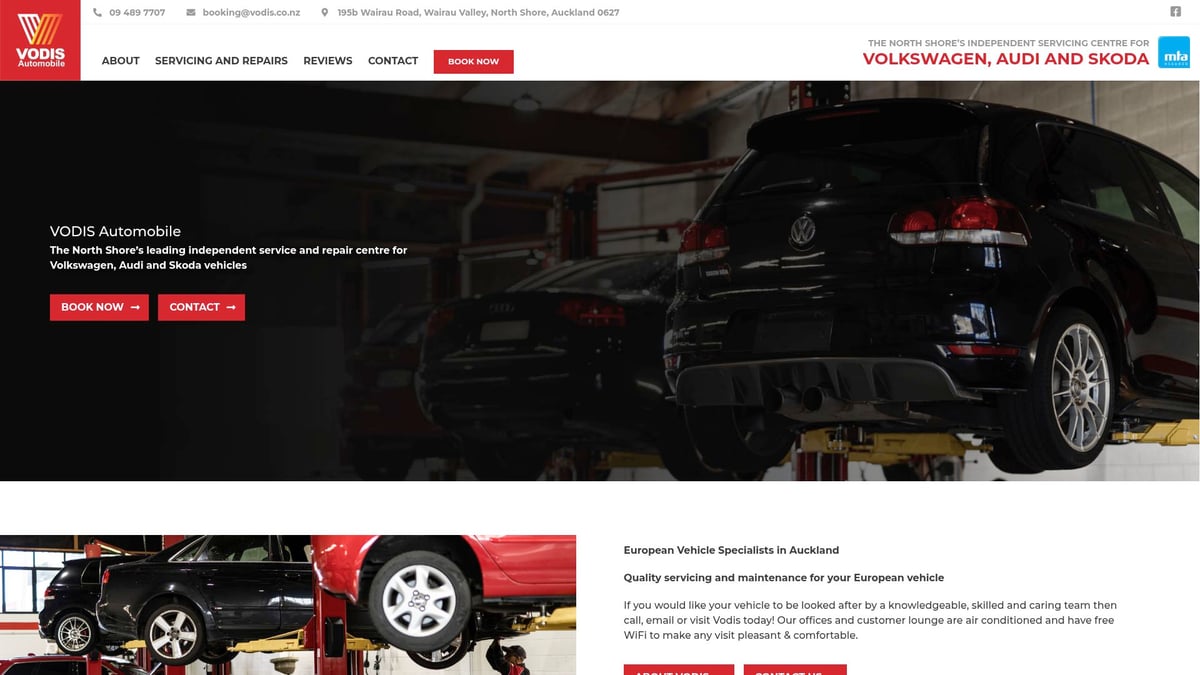
Clients appreciate transparent communication and professionalism, as reflected in glowing testimonials. Booking a service is straightforward, and you can expect thorough diagnostics, honest advice, and reliable repairs that protect your car's value and performance.
Preparing for the Future: European Car Care Trends in 2026
As we look ahead, the landscape of european car auto repair is rapidly evolving. Staying informed about emerging trends is essential for owners who want to keep their vehicles in peak condition and safeguard their investment. Below, we explore the most significant developments shaping the future of european car auto repair.
Increasing Role of Software and Connectivity
Software and connectivity are becoming the backbone of european car auto repair. Predictive maintenance is now possible thanks to advanced connected car platforms that monitor vehicle health in real time. These systems alert owners to potential issues before they become major problems, reducing unexpected breakdowns.
However, this connectivity also introduces new data privacy and cybersecurity concerns. Owners must ensure their vehicle software is always up to date to protect sensitive information. To gain deeper insights into these changes, review European automotive industry trends 2026, which details how software-driven maintenance is redefining the european car auto repair process.
Sustainability and Green Maintenance Practices
Sustainability is a growing priority in european car auto repair. Workshops are adopting eco-friendly fluids, recycling worn components, and investing in energy-efficient equipment. These practices reduce environmental impact while maintaining high repair standards.
Regulations across Europe are pushing repair shops to use biodegradable lubricants and responsibly dispose of hazardous waste. As a result, owners benefit from greener service options that align with broader environmental goals. Embracing these trends ensures that european car auto repair supports both vehicle longevity and the planet.
Navigating Warranties and Manufacturer Updates
Warranties and manufacturer updates are evolving in tandem with modern vehicles. Extended warranties and service packs can offer peace of mind, but they often require strict adherence to service schedules and use of approved parts.
Staying informed about mandatory software and hardware recalls is crucial for safe operation. Owners should subscribe to manufacturer bulletins or alerts to avoid missing important updates. Keeping up with these requirements ensures that european car auto repair remains compliant and preserves the value of your vehicle.
Resources for Staying Informed
Access to up-to-date information is vital for anyone involved in european car auto repair. Online forums and manufacturer bulletins provide real-world advice and troubleshooting tips. Expert blogs cover the latest repair techniques and diagnostic tools.
For those wanting a deeper industry perspective, European automotive aftermarket transformation highlights key trends shaping aftermarket repair. Additionally, training programs and certification courses help both owners and technicians stay ahead in a rapidly changing field.
As you’ve seen throughout this guide, maintaining a European car in 2026 is all about staying proactive, understanding the unique technology, and trusting your vehicle to skilled hands when it counts. If you want the confidence that comes with expert care, our team at VODIS Automobile is here to help. We combine decades of experience with transparent communication and genuine parts, so you can enjoy every drive knowing your car is in the best possible shape. Ready to give your Volkswagen, Audi, Mercedes, BMW, or Skoda the attention it deserves
Book in your service