
Is your Volkswagen ready to take on the future of driving in 2026? With rising costs and advanced automotive technology, expert volkswagen servicing is more important than ever. This guide delivers the latest, most trusted information to help you protect your vehicle’s performance, safety, and value.
Inside, you’ll discover up-to-date service intervals, essential maintenance steps, the newest diagnostic tools, smart ways to reduce expenses, and how to select the best service provider for your needs. Don’t risk costly repairs or lost value—follow this comprehensive resource to make informed decisions and enjoy worry-free motoring.
Understanding Volkswagen’s 2026 Service Requirements
Staying informed about volkswagen servicing requirements for 2026 is crucial for every owner who wants to maintain peak performance, safety, and long-term value. As vehicles become more advanced, so do their maintenance needs. Knowing what’s changed—and why—helps you avoid unnecessary expenses and ensures your Volkswagen remains reliable and efficient.
The Evolution of Volkswagen Maintenance Schedules
Volkswagen servicing has evolved significantly for the 2026 model year. The latest maintenance schedules are designed to address both traditional petrol and diesel engines, as well as the increasing number of hybrid and electric Volkswagens on New Zealand roads.
A key change is the distinction between fixed and flexible service intervals. Fixed intervals follow a set mileage or time period, while flexible intervals use sensor data and driving conditions to predict when service is actually needed. This approach means volkswagen servicing can be tailored more precisely to how you drive, rather than relying solely on generic timelines.
Hybrid and electric models bring new considerations. For example, while oil changes are less frequent or even unnecessary, battery health checks and software updates have become routine parts of volkswagen servicing. Comparing 2022 and 2026 schedules reveals longer intervals for certain components, thanks to improved fluids and extended-life parts. For instance, synthetic oils now last up to 20,000 km, compared to 15,000 km in 2022, and some filters are designed for double the lifespan.
| Service Item | 2022 Interval | 2026 Interval |
|---|---|---|
| Oil Change | 15,000 km | 20,000 km |
| Cabin Air Filter | 30,000 km | 60,000 km |
| Brake Fluid | 2 years | 3 years |
| Battery Check (EV) | N/A | Every service |
Manufacturers now require owners to keep digital service records, ensuring all maintenance is logged accurately. This is particularly important for warranty and resale value, as incomplete records could void coverage. In New Zealand, average service intervals for 2026 VW models now range from 15,000 to 30,000 km, depending on the model and powertrain.
Following the updated Volkswagen’s 2026 Maintenance Schedule preserves your warranty and keeps your volkswagen servicing history transparent for future buyers. Regular adherence to these schedules is the simplest way to protect your investment.
What’s New for 2026 VW Owners?
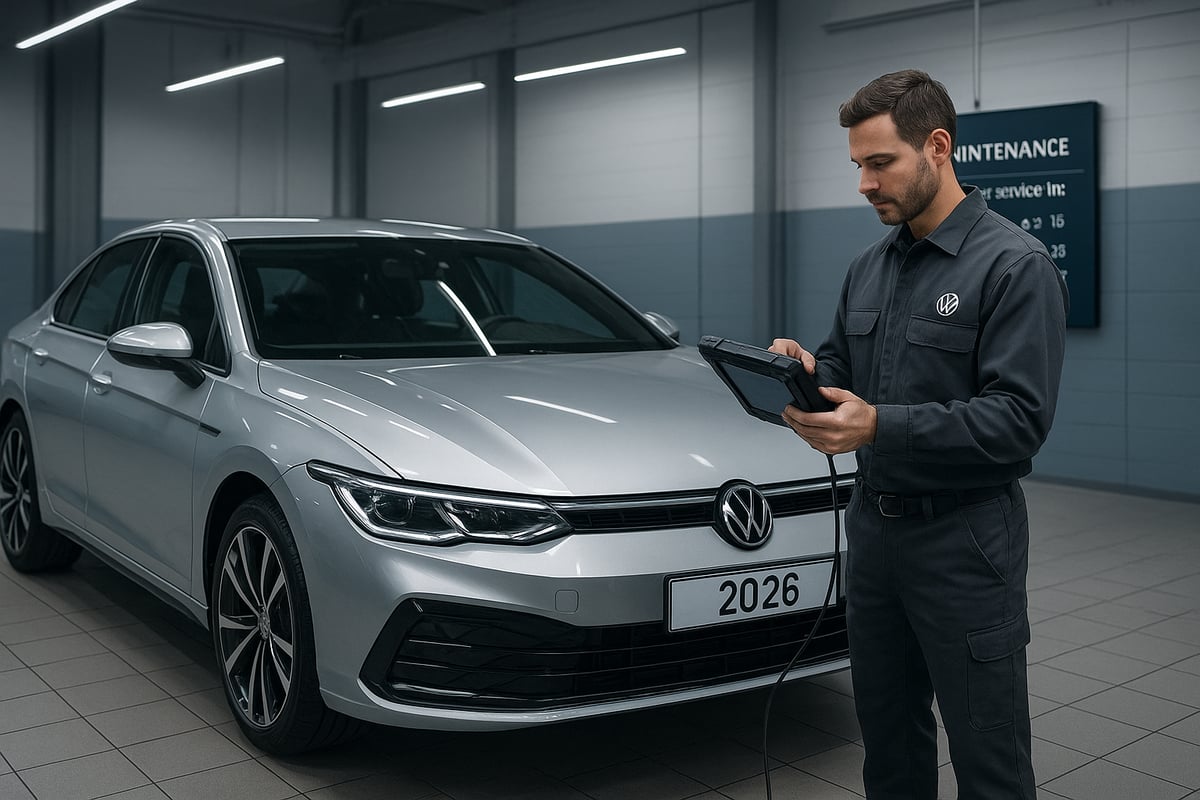
The 2026 volkswagen servicing landscape features several technological upgrades. New diagnostic systems are now standard, allowing technicians to identify issues faster and more accurately. Owners benefit from digital service tracking and automated reminders, integrated with their VW app and dashboard.
Parts and fluids have also improved. Synthetic oils, for example, offer longer protection, and filters are made with advanced materials for extended durability. This shift reduces the frequency of routine volkswagen servicing, saving both time and costs for owners.
A notable advancement is the introduction of predictive maintenance systems. Data from 2026 models shows that over 70% of new Volkswagens are equipped with technology that monitors wear-and-tear in real time. These systems alert owners to potential problems before they escalate, making volkswagen servicing more proactive than ever.
Over-the-air software updates have also become a regular part of service routines. These updates not only fix bugs but can enhance vehicle performance and add new features. Staying current with these requirements is essential. Falling behind could mean missing out on important safety improvements or risking costly oversights.
In summary, being aware of the latest volkswagen servicing requirements for 2026 allows owners to take full advantage of new technologies and maintain their vehicle to the highest standard.
Step-by-Step Volkswagen Servicing Checklist for 2026
Keeping your Volkswagen in peak condition requires a methodical approach to maintenance. This 2026 checklist empowers owners with actionable steps, ensuring your volkswagen servicing routine is thorough, efficient, and fully aligned with the latest manufacturer recommendations.
1. Pre-Service Preparation: What Owners Should Do
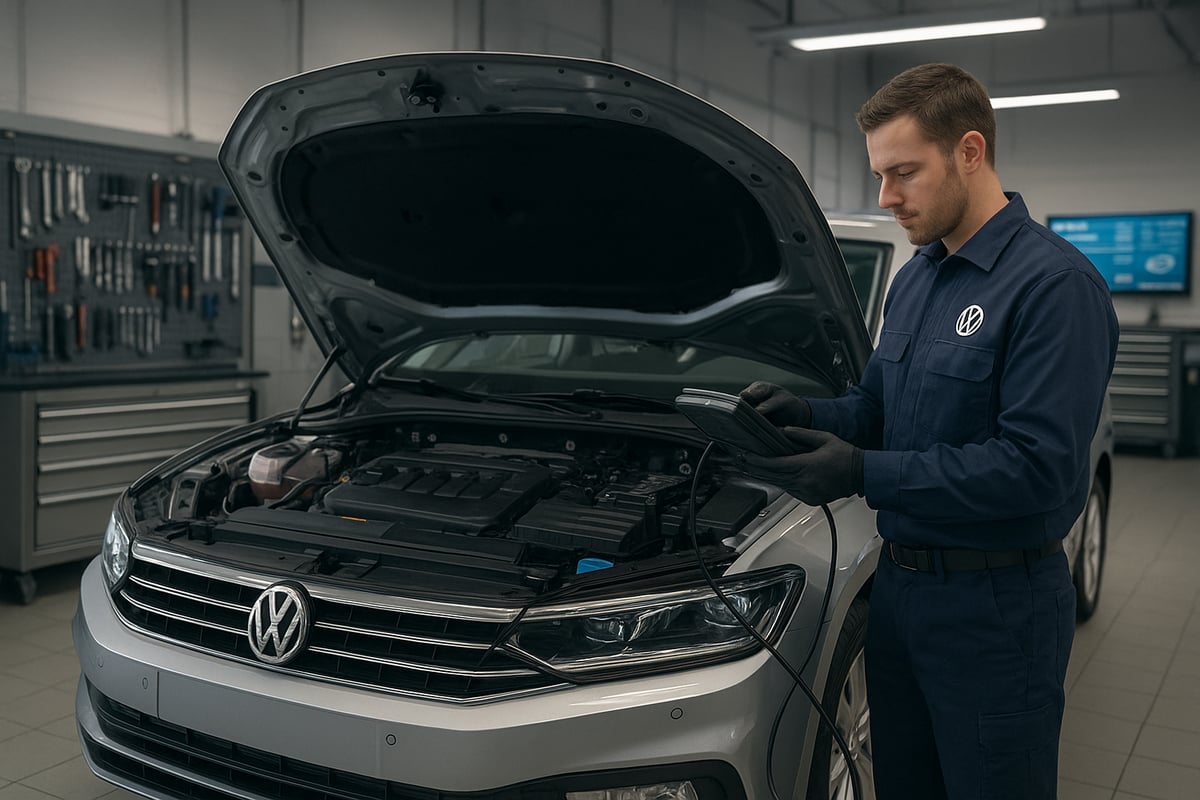
Effective volkswagen servicing starts before you even arrive at the workshop. First, review your digital service history through the VW app or online portal. Confirm that all previous maintenance is logged, especially if you've switched providers or moved locations.
Next, check your dashboard for any warning lights or alerts. These indicators are critical in identifying urgent issues. Gather all necessary documentation, including warranty information, service booklets, and your vehicle registration.
- Use the VW app for a preliminary diagnostic scan.
- Note down any unusual noises, performance changes, or recurring alerts.
- Ensure your contact and vehicle details are up to date in the digital system.
Proper preparation streamlines the volkswagen servicing process, helps technicians diagnose issues faster, and maximizes the value of your visit. This step also reduces the risk of missing out on warranty-related repairs.
2. Essential Service Tasks: Chronological Breakdown
A core aspect of volkswagen servicing is following the correct order of maintenance tasks. Begin with an oil and filter change, using synthetic oils now recommended for most 2026 models. Brake inspection and fluid replacement are next, as these directly impact safety.
Battery health checks are crucial, especially for hybrid and electric Volkswagens. Tyre rotation, alignment, and pressure monitoring ensure even wear and optimal handling. Do not overlook cabin and engine air filter replacements, which directly affect air quality and engine efficiency.
Here is a sample 2026 VW Golf service timeline:
| Task | Frequency |
|---|---|
| Oil & Filter Change | Every 15,000 km |
| Brake Fluid Replacement | Every 2 years |
| Battery Health Check | Annually |
| Tyre Rotation | Every 10,000 km |
| Air Filter Replacement | Every 30,000 km |
Surveys show that skipping even one routine task in volkswagen servicing can lead to increased repair costs and reduced vehicle lifespan. For a full overview of model-specific procedures, refer to Volkswagen servicing and repairs.
3. Advanced Diagnostics and Software Updates
Modern volkswagen servicing involves more than mechanical checks. Technicians now rely on OBD-II and proprietary VW diagnostic tools to identify issues invisible to the naked eye. Regular software and firmware updates are essential, as they can enhance performance, fix bugs, and improve emissions compliance.
If your dashboard displays DPF or emissions system alerts, a diagnostic scan can pinpoint the issue. Many 2026 models support over-the-air updates, allowing technicians to install new features or security patches without a physical visit.
- Always request a scan for outstanding software updates.
- Ask your provider to document firmware versions in your service report.
- Consider scheduling diagnostics every 12 months, even if no alerts are present.
Timely diagnostics and updates during volkswagen servicing can prevent costly breakdowns and keep your vehicle running at its best.
4. Post-Service Actions: Ensuring Quality and Compliance
After your volkswagen servicing appointment, carefully review the service report. Check that all completed tasks are digitally stamped and recorded in your online service log. Reset any service indicators on your dashboard, either through the VW app or onboard menu.
It is also wise to verify if any recalls or outstanding service campaigns are applicable to your vehicle. Use the VW Owner’s Portal for confirmation. This step ensures your vehicle remains compliant with warranty terms and up to date with manufacturer safety notices.
By following these post-service actions, you safeguard your volkswagen servicing investment and maintain the integrity of your vehicle’s service record.
Choosing a Volkswagen Service Provider in 2026
Selecting the right partner for volkswagen servicing is more important than ever in 2026. As technology advances and service requirements become more complex, your choice can affect everything from warranty compliance to long-term vehicle value. Let us explore your options and what to prioritize when entrusting your Volkswagen to a service provider.
Dealership vs. Independent Specialist: Pros and Cons
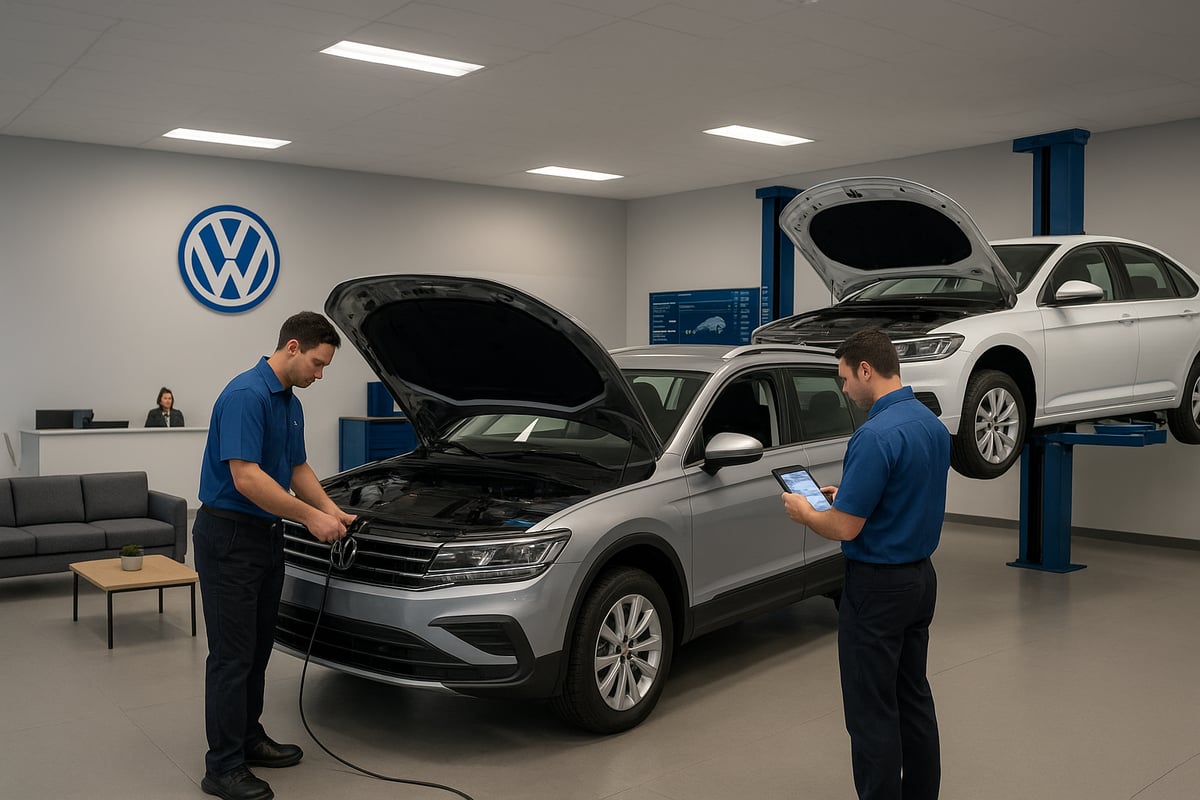
When considering volkswagen servicing, owners often weigh the benefits of official dealerships against independent specialists. Dealerships provide access to the latest factory tools, genuine parts, and technicians trained directly by Volkswagen. They also offer straightforward warranty compliance, which is crucial for new models.
However, independent specialists have become increasingly competitive. Many invest in advanced diagnostic equipment and receive ongoing training for the latest volkswagen servicing standards. They often deliver more personalized service, flexible scheduling, and lower labor rates. This can lead to significant cost savings, especially for vehicles past the initial warranty period.
| Feature | Dealership | Independent Specialist |
|---|---|---|
| Cost | Higher (typically) | Competitive or lower |
| Genuine Parts | Always | Usually, with options |
| Warranty | Direct compliance | Must meet standards |
| Expertise | VW-certified only | VW-focused, broad skills |
| Customer Care | Standardized | Personalized |
Recent New Zealand surveys (2024-2026) show high satisfaction with both, but independent workshops are closing the gap. Carefully consider which option aligns best with your volkswagen servicing needs.
What to Look For in a VW Service Centre
Not all volkswagen servicing providers are created equal. Start by checking for reputable certifications such as MTA or VW-approval, which demonstrate a commitment to quality and ongoing technician training. Experience with the latest models, especially hybrids and EVs, is essential as technology evolves.
Transparency is another key factor. Reliable providers offer clear quotes, explain work in detail, and communicate honestly about timelines. Facility standards matter too: look for clean workshops, organized waiting areas, and amenities like loan cars. Customer feedback offers invaluable insight, so always review real-world customer reviews and experiences before making a decision.
Use this checklist when evaluating a volkswagen servicing centre:
- Are technicians VW-certified or highly experienced?
- Does the shop use genuine or high-quality parts?
- Is pricing transparent and competitive?
- Are digital service records and reminders available?
- Do reviews reflect consistent satisfaction?
Choosing wisely ensures your volkswagen servicing experience is smooth and worry-free.
VODIS Automobile: Independent VW Servicing Excellence
VODIS Automobile stands out as Auckland’s leading independent volkswagen servicing centre. With over 20 years of expertise in European vehicles, the team has earned a reputation for professionalism and trust. Skilled technicians handle everything from routine maintenance to advanced diagnostics, always using genuine parts for optimal results.
Located conveniently on the North Shore, VODIS offers a streamlined experience with online booking and a welcoming, modern facility. Clients appreciate transparent communication, detailed service explanations, and long-term relationship focus. The centre’s strong track record for customer satisfaction reflects its commitment to high standards and personalized care.
For those seeking volkswagen servicing that balances expertise, value, and convenience, VODIS Automobile remains a top choice in 2026.
Cost of Volkswagen Servicing: Budgeting and Saving Tips
Managing volkswagen servicing costs in 2026 is more important than ever. With advanced technologies and new model features, understanding what to budget for routine maintenance helps prevent unexpected expenses and keeps your vehicle in peak condition. This section explores current service pricing, smart savings strategies, and the essentials of warranties and service plans.
Typical Service Costs for 2026 VW Models
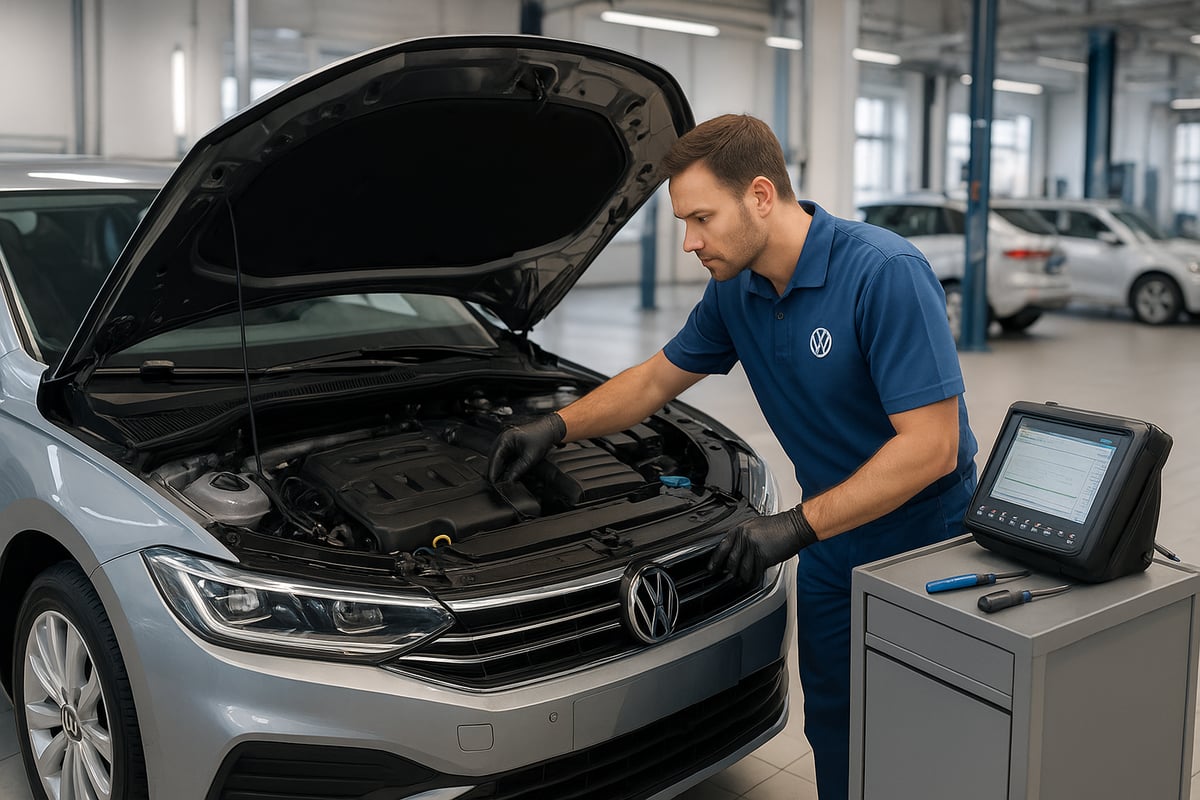
Volkswagen servicing prices in New Zealand vary based on model, age, and technology. For 2026, a minor service for most Volkswagen models averages between $300 and $450, while a major service can range from $600 to $1,000. Specialist procedures, such as high-voltage battery inspections for electric VWs, may exceed $1,200.
| Service Type | ICE Models | Hybrid/Electric Models |
|---|---|---|
| Minor Service | $300–$450 | $350–$500 |
| Major Service | $600–$1,000 | $800–$1,200 |
| Specialist Service | $700+ | $1,200+ |
Recent data from 2025 and 2026 shows a steady rise in volkswagen servicing costs, largely due to more advanced onboard systems and pricier components. Electric and hybrid Volkswagens require fewer oil changes but more frequent software checks and battery diagnostics, often increasing specialist service bills. For a full overview of available maintenance and repair options, visit the full range of servicing and repairs.
Strategies to Reduce Servicing Expenses
Planning ahead can make volkswagen servicing more affordable. Preventive maintenance is the most effective way to avoid major repairs and unexpected costs. Choosing a reputable independent specialist can often provide the same high-quality service as a dealership at a lower price.
Consider these strategies:
- Bundle services: Many providers offer discounts for booking multiple service intervals together.
- Join loyalty programs: These can provide regular customers with reduced rates or priority booking.
- Schedule regular check-ups: Addressing small issues early during volkswagen servicing prevents bigger, costlier problems later.
For example, a bundled three-year service package for a 2026 VW may save up to 20% compared to paying for individual visits. Regular, proactive care is proven to be more cost-effective over the life of your vehicle.
Warranty, Insurance, and Service Plans
Understanding what your Volkswagen warranty covers is vital for controlling volkswagen servicing costs. The 2026 warranty typically includes most major powertrain components, emissions systems, and, for electric models, battery coverage. Extended warranties and third-party insurance can offer peace of mind for older vehicles or those with higher mileage.
When it comes to service plans, options include pre-paid packages and pay-as-you-go arrangements. Pre-paid plans, such as VW Care Plans, provide predictable costs and may include additional benefits like roadside assistance. However, these plans may limit you to specific service providers and could exclude some wear-and-tear items.
Review the terms carefully to ensure the plan aligns with your driving habits and long-term needs. Combining warranty benefits with the right service plan can further reduce out-of-pocket expenses for volkswagen servicing.
Common Volkswagen Issues and Proactive Maintenance in 2026
Is your vehicle protected against the most common pitfalls? In 2026, understanding the top concerns and taking a proactive approach to volkswagen servicing is more important than ever. Let's explore the main issues VW owners face and how smart maintenance keeps your car running smoothly.
Most Frequent Problems Reported by VW Owners
Volkswagen servicing in New Zealand has uncovered several recurring issues across models from 2024 to 2026. The most common problems include DSG gearbox faults, electrical system glitches, and emissions control complications. These issues can trigger dashboard alerts, warning lights, and performance drops.
Here’s a quick overview:
| Issue | Symptoms | Warning Light |
|---|---|---|
| DSG Gearbox Fault | Jerky shifting, hesitation | Transmission icon |
| Electrical Faults | Power loss, flickering | Battery/light symbol |
| Emissions System Alert | Check engine light | Engine icon |
According to recent NZ reliability statistics, around 18% of VW owners reported at least one warning light in the last 12 months. For example, the emission system alert is now more common due to stricter standards and complex sensors. Many owners are unsure what these lights mean or how urgent the problem is.
If you drive a hybrid or electric VW, battery management issues are also notable. Ignoring these warning signs can lead to higher repair costs and even safety risks. Early detection through regular volkswagen servicing helps prevent minor concerns from escalating into major repairs.
For detailed guides on what each warning light indicates and step-by-step troubleshooting, visit Volkswagen’s 2026 Resources and Tutorials.
Preventive Measures and Owner Best Practices
Proactive volkswagen servicing is the best defense against unexpected breakdowns. Start with regular inspections of fluids, brakes, and electronic systems. Keep an eye on battery health, especially in the ID. series, where routine maintenance can significantly extend battery life.
Software updates are now as important as oil changes. Staying current with the latest updates ensures your vehicle meets emissions standards and runs efficiently. Learn how easy it is to update your VW’s systems by following Volkswagen’s Vehicle Software Updates.
Adopt these best practices:
- Use only VW-approved parts and fluids.
- Schedule volkswagen servicing at recommended intervals.
- Immediately address any dashboard alerts.
- Maintain digital service records for warranty and resale value.
By following these steps, you not only protect your investment but also ensure your Volkswagen remains reliable and safe. Consistent attention to volkswagen servicing helps you avoid costly surprises and keeps your car ready for the road ahead.
The Future of Volkswagen Servicing: Trends and Innovations for 2026
As the automotive industry evolves, so does volkswagen servicing. In 2026, owners can expect a new era of intelligent maintenance, sustainable practices, and digital connectivity. Understanding these trends will help you stay ahead and ensure your Volkswagen receives the best care possible.
Smart Diagnostics and Predictive Maintenance
Volkswagen servicing is entering an era of advanced diagnostics powered by artificial intelligence. In 2026, many VW models feature onboard systems that monitor component health in real time. These systems can predict when parts like brake pads or batteries need attention, alerting owners before issues escalate.
The integration of cloud-based analytics and remote monitoring means your car can communicate directly with service centers. This reduces unexpected breakdowns and streamlines repairs. For example, VW’s collaboration with AWS has brought AI-powered production enhancements into both manufacturing and predictive maintenance, allowing for smarter volkswagen servicing across the entire vehicle lifecycle.
Owners benefit from fewer surprise repairs and a more proactive approach to maintenance.
Sustainability and Eco-Friendly Servicing
Sustainability is becoming a core part of volkswagen servicing. In 2026, service centers are adopting recycled materials, biodegradable fluids, and environmentally friendly disposal methods for batteries and parts. Many workshops have invested in energy-efficient lighting and water-saving equipment.
A growing percentage of service providers now offer eco-conscious options, including green fluids and sustainable packaging. The focus on reducing environmental impact extends to every aspect of volkswagen servicing, from routine oil changes to the handling of high-voltage EV batteries.
By choosing a service provider with sustainable practices, owners can support the environment while maintaining their vehicles.
Connected Services and Owner Experience
Digital connectivity is transforming how owners interact with volkswagen servicing. Mobile apps now offer remote bookings, digital service records, and personalized maintenance reminders. These tools provide transparency and convenience, letting you track your vehicle’s history and upcoming needs from anywhere.
Connected services also enable technicians to access up-to-date diagnostic data, streamlining repairs and improving accuracy. Owners receive tailored recommendations and real-time alerts, making volkswagen servicing more efficient and user-friendly than ever.
This digital evolution enhances peace of mind and keeps you informed every step of the way.
Training and Skills for Next-Gen VW Technicians
The rapid adoption of advanced technologies means volkswagen servicing now relies on highly skilled technicians. Ongoing education is essential, with workshops investing in training for electric drivetrains, AI diagnostics, and the latest software systems.
Certification programs are evolving to cover emerging technologies and ensure service quality. Skilled technicians are vital for maintaining complex systems and delivering expert volkswagen servicing, especially as vehicles become more connected and electrified.
By choosing service centers with qualified staff, owners can trust that their vehicles are in expert hands.
Now that you have a clear understanding of Volkswagen’s evolving service requirements and the latest maintenance strategies for 2026, staying proactive is the best way to protect your investment and enjoy worry free driving. At VODIS Automobile, you benefit from over 20 years of expertise, genuine parts, and transparent communication—all delivered by a team that truly understands European vehicles. If you’re ready to give your Volkswagen the care it deserves, it’s easy to take the next step. For peace of mind and expert service you can trust, simply Book in your service.