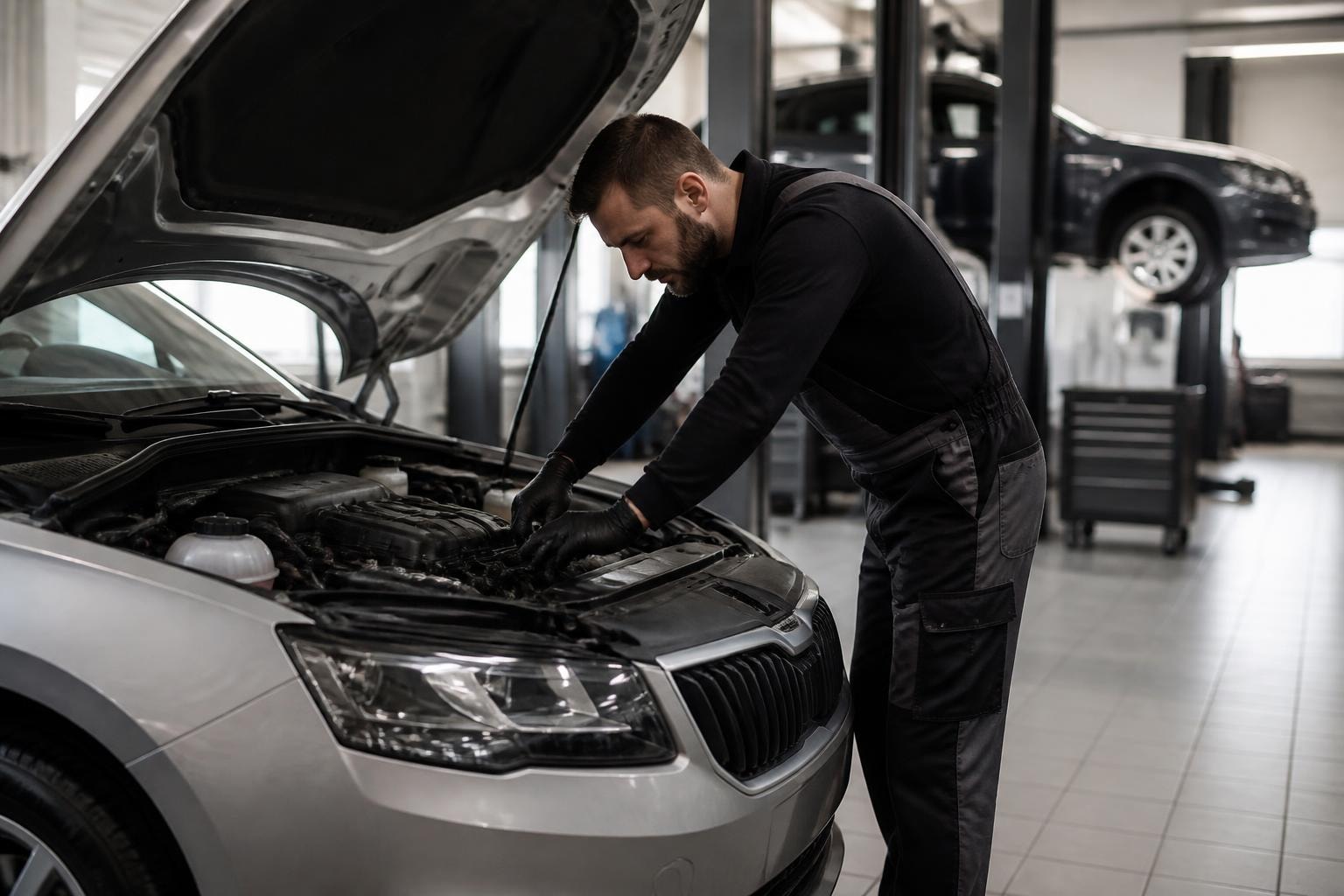

European vehicles represent engineering excellence, sophisticated technology, and precision manufacturing. Owners of brands like Volkswagen, Audi, Mercedes-Benz, BMW, and Skoda understand that maintaining these vehicles requires more than basic automotive knowledge. Finding a qualified european car mechanic who understands the intricacies of these premium automobiles is essential for preserving performance, safety, and long-term value. The automotive industry has evolved significantly, with European automotive manufacturers leading innovation in both traditional and emerging technologies. This evolution demands specialized expertise from mechanics who service these sophisticated machines.
What Makes European Car Mechanics Different
European vehicles are engineered with distinct philosophies compared to their Asian or American counterparts. The complexity of German engineering, in particular, requires specialized knowledge that extends beyond general automotive repair skills.
A qualified european car mechanic possesses manufacturer-specific training that covers proprietary systems unique to each brand. These professionals understand the nuanced differences between VAG Group vehicles (Volkswagen, Audi, Skoda) and BMW or Mercedes-Benz models. The diagnostic procedures, special tools, and maintenance protocols vary significantly across manufacturers.
Advanced Diagnostic Capabilities
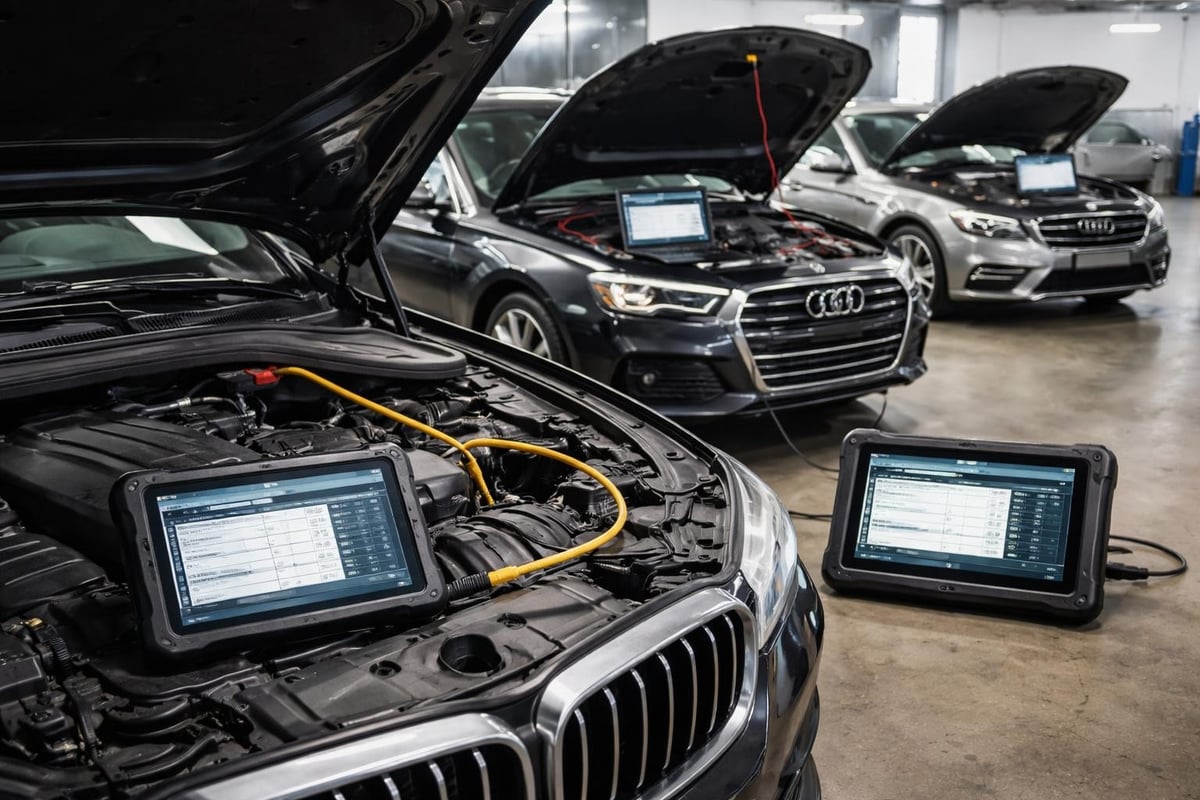
Modern European vehicles integrate sophisticated electronic systems that control everything from engine management to suspension dynamics. These systems require specialized diagnostic equipment that communicates directly with vehicle control modules.
Key diagnostic tools used by european car mechanic specialists include:
- Manufacturer-specific scan tools (VCDS for VAG vehicles, ISTA for BMW, STAR Diagnosis for Mercedes)
- Oscilloscopes for analyzing electrical signals and sensor data
- Pressure testing equipment for fuel systems and turbochargers
- Specialized software for programming and coding control modules
The vehicle repair industry has evolved to address the increasing complexity of modern automobiles, with independent repairers investing heavily in diagnostic technology to compete with dealership service departments.
Technical Training and Certification
Professional development distinguishes exceptional mechanics from adequate ones. European car manufacturers continuously update their technologies, requiring ongoing education for service technicians.
Certified technicians typically complete training programs that cover:
- Manufacturer-specific systems architecture – Understanding how components integrate within each brand's engineering philosophy
- Advanced electronics and multiplexing – Diagnosing communication networks like CAN bus systems
- Turbocharged and direct-injection engines – Servicing high-performance powertrains common in European vehicles
- Adaptive suspension systems – Maintaining air suspension and magnetic damping technologies
- Hybrid and electric vehicle systems – Addressing the transition to electrified powertrains
Common Services Provided by European Car Specialists
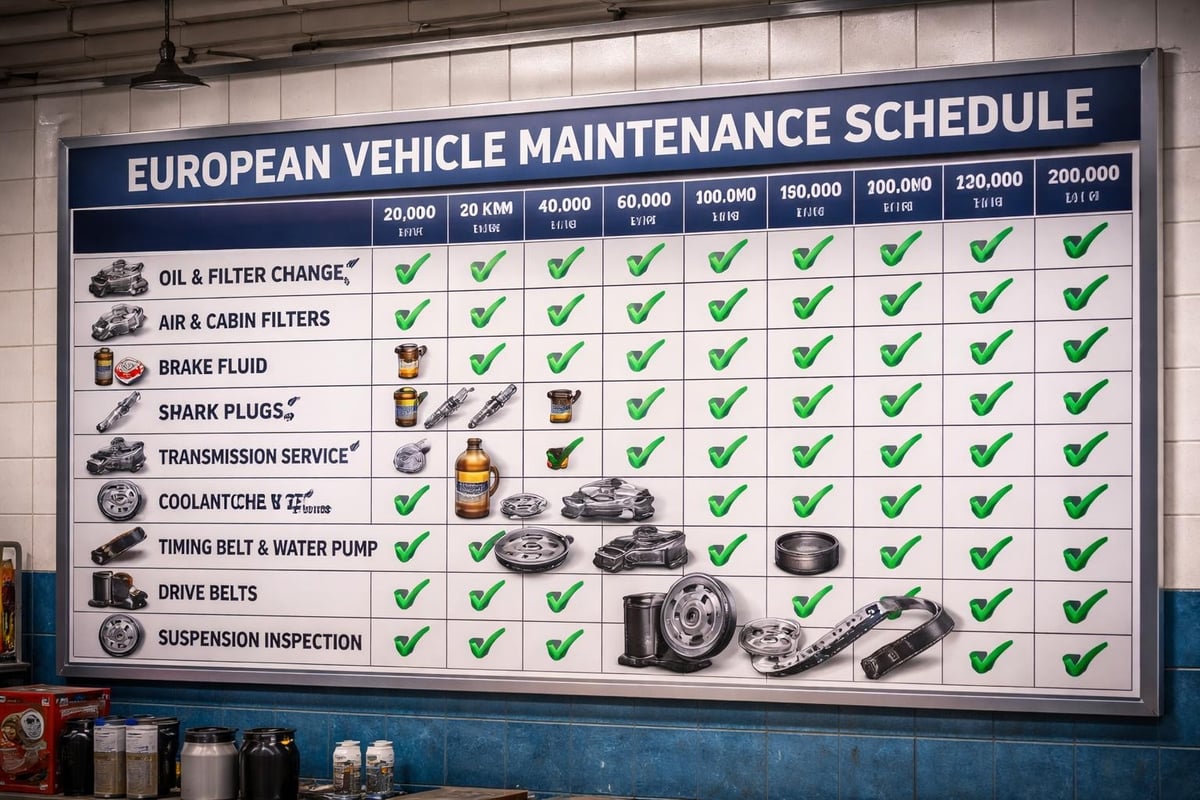
European vehicles require maintenance schedules that differ from other manufacturers. A knowledgeable european car mechanic follows manufacturer guidelines while adapting to local driving conditions.
Scheduled Maintenance Programs
European manufacturers typically implement condition-based servicing rather than fixed mileage intervals. This approach monitors actual vehicle usage patterns, oil quality, and component wear to determine optimal service timing.
| Service Type | Typical Interval | Components Addressed |
|---|---|---|
| Oil Service | 10,000-15,000 km | Engine oil, filter, inspection |
| Inspection Service | 20,000-30,000 km | Brake system, suspension, fluids |
| Major Service | 60,000-80,000 km | Transmission, coolant, spark plugs |
| Timing Belt | 100,000-150,000 km | Belt, tensioners, water pump |
These intervals vary based on driving conditions and vehicle usage. A professional european car mechanic adjusts recommendations based on actual vehicle condition rather than strictly adhering to generic schedules.
Specialized Repairs and Diagnostics
European vehicles present unique repair challenges that require specific expertise. Common issues include turbocharger problems, high-pressure fuel system failures, and electronic module malfunctions.
Frequent repair categories include:
- DSG and automatic transmission servicing
- Timing chain and tensioner replacement
- Fuel injector cleaning and replacement
- Air suspension compressor and valve block repairs
- Electronic parking brake module programming
Access to technical information remains crucial for independent repairers to deliver dealership-quality service. The regulatory environment continues evolving to ensure independent workshops can access the same technical documentation as manufacturer dealerships.
Why Choose an Independent European Car Specialist
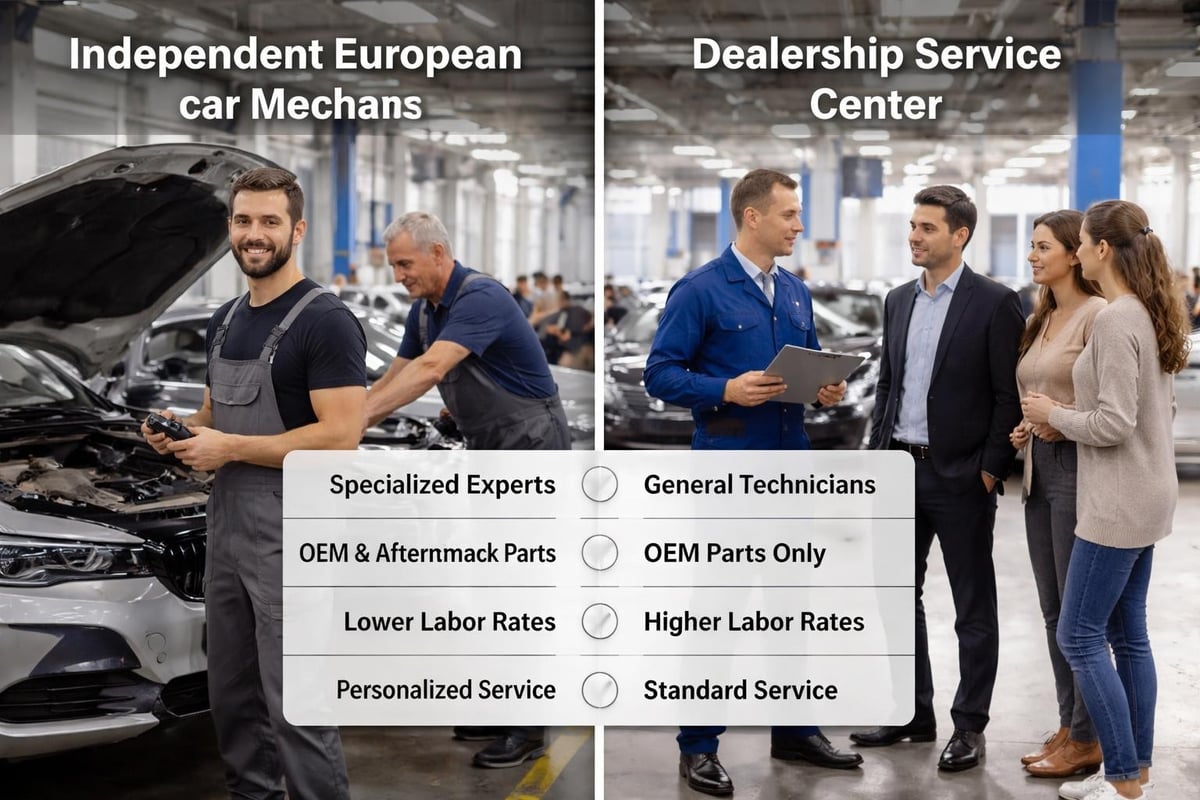
Vehicle owners face an important decision when selecting where to service their European automobiles. While dealerships offer manufacturer-backed service, independent specialists provide compelling advantages.
Cost Effectiveness Without Compromising Quality
Independent european car mechanic workshops typically operate with lower overhead costs than dealership service departments. These savings translate directly to customer benefits through competitive pricing on both labor and parts.
Quality doesn't suffer at reputable independent shops. Many independent technicians previously worked at dealerships, bringing that expertise to a more personalized service environment. They use OEM (Original Equipment Manufacturer) or OEM-equivalent parts, ensuring the same quality standards as dealership service.
Personalized Service and Communication
Independent workshops often excel at customer relationships. A dedicated european car mechanic who regularly services your vehicle develops intimate knowledge of its history, previous repairs, and potential concerns.
This personalized approach offers several benefits:
- Consistent technician assignment – the same specialist works on your vehicle
- Direct communication – speak with the actual mechanic performing the work
- Flexible scheduling – independent shops often accommodate urgent needs
- Transparent pricing – detailed explanations of recommended services
- Long-term relationships – building trust over years of reliable service
Essential Qualities to Look for in a European Car Mechanic
Selecting the right service provider requires evaluating several critical factors. Not all workshops claiming European expertise possess the necessary qualifications.
Workshop Facilities and Equipment
Modern European vehicles demand proper equipment for safe, effective servicing. When evaluating a potential european car mechanic, assess their facility for these essential items:
| Equipment Category | Why It Matters |
|---|---|
| Hydraulic lifts | Safe vehicle access and proper support points |
| Diagnostic computers | Manufacturer-specific scanning and programming |
| Specialized tools | Brand-specific removal and installation tools |
| Proper ventilation | Safe handling of chemicals and exhaust gases |
| Clean workspace | Professional environment prevents contamination |
The automotive industry continues advancing rapidly, requiring continuous investment in new equipment and training to maintain service capabilities.
Experience with Specific Brands
European manufacturers each have distinct characteristics. A workshop specializing in VAG Group vehicles (Volkswagen, Audi, Skoda) might not possess the same depth of knowledge for BMW or Mercedes-Benz models.
Ask potential service providers about their experience with your specific make and model. Inquire about common issues they've addressed and how many vehicles of your type they service annually. This information reveals whether they genuinely specialize in your vehicle or merely claim general European expertise.
Customer Reviews and Reputation
In Auckland's North Shore and surrounding areas, reputation matters significantly. A european car mechanic builds their business on satisfied customers who return for ongoing service and refer friends and family.
Research online reviews across multiple platforms, paying attention to:
- Consistency of positive feedback over time
- How the business addresses negative reviews
- Specific mentions of quality work, fair pricing, and communication
- Longevity in business (established workshops demonstrate sustained quality)
The Importance of Preventative Maintenance
European vehicles reward proactive care with exceptional reliability and longevity. A skilled european car mechanic emphasizes preventative maintenance over reactive repairs.
Identifying Issues Before They Escalate
Regular inspections catch developing problems before they cause breakdowns or expensive damage. Modern diagnostic systems monitor numerous parameters, providing early warning of potential failures.
Common preventative measures include:
- Oil analysis to detect internal engine wear
- Brake fluid testing for moisture contamination
- Coolant system pressure testing
- Suspension component inspection for wear
- Battery and charging system evaluation
These proactive checks prevent roadside emergencies and protect your investment in premium automotive engineering.
Long-Term Cost Savings
While premium European vehicles may have higher service costs than economy cars, proper maintenance actually reduces total ownership expenses. A qualified european car mechanic helps maximize value through strategic maintenance timing.
Consider timing belt replacement: skipping this critical service risks catastrophic engine damage costing thousands in repairs. Investing in preventative replacement at manufacturer intervals protects against far more expensive consequences.
Understanding European Vehicle Technology
European manufacturers pioneered numerous automotive technologies that later became industry standards. Understanding these innovations helps appreciate why specialized expertise matters.
Engine Technologies
Direct fuel injection, turbocharging, and variable valve timing represent standard features on European vehicles. These technologies deliver impressive performance and efficiency but require precise calibration and maintenance.
TSI and TFSI engines (Volkswagen and Audi) use both turbocharging and direct injection, creating unique service requirements. High-pressure fuel systems operate at pressures exceeding 2,000 PSI, demanding specialized tools and knowledge for diagnosis and repair.
BMW's Valvetronic technology eliminates traditional throttle bodies, using variable valve lift to control engine load. This sophisticated system requires specific understanding for proper diagnosis when issues arise.
Transmission Systems
European manufacturers developed advanced transmission technologies that enhance driving dynamics and efficiency. DSG (Direct Shift Gearbox) transmissions combine automatic convenience with manual transmission efficiency through dual-clutch design.
These transmissions require specific service procedures:
- Using correct specification fluid (various types exist)
- Following proper fluid change procedures
- Resetting adaptation values after service
- Checking mechatronic unit function
- Monitoring clutch wear through diagnostic data
A knowledgeable european car mechanic understands these requirements and prevents premature transmission failure through proper maintenance.
Regulatory Considerations and Industry Standards
The European Commission has established frameworks ensuring independent repairers can access necessary technical information and training. These regulations promote competitive repair markets while maintaining safety and quality standards.
Access to Technical Information
Independent workshops require the same technical documentation as manufacturer dealerships to provide equivalent service quality. This includes:
- Wiring diagrams and component locations
- Diagnostic trouble code definitions
- Service procedures and specifications
- Software updates and programming protocols
- Special tool requirements
Reputable independent european car mechanic specialists maintain subscriptions to manufacturer technical portals, ensuring access to current information for the brands they service.
Quality Assurance and Standards
Professional workshops implement quality management systems that ensure consistent service delivery. These systems document procedures, track ongoing training, and maintain equipment calibration records.
When selecting a service provider, inquire about their quality assurance processes. Professional operations welcome these questions and demonstrate their commitment to excellence through transparent policies.
The Future of European Car Service
The automotive industry faces transformative changes as electrification and digitalization reshape vehicle design. European manufacturers lead this transition, introducing hybrid and electric vehicles that require evolving service expertise.
Hybrid and Electric Vehicle Servicing
European manufacturers now offer extensive electrified lineups. These vehicles combine traditional combustion engines with electric motors and high-voltage battery systems, creating new service requirements.
A forward-thinking european car mechanic invests in high-voltage system training and equipment. This includes:
- High-voltage safety certification
- Insulated tools rated for EV service
- Battery diagnostic equipment
- Understanding of regenerative braking systems
- Proper procedures for hybrid system service
Digital Vehicle Architecture
Modern European vehicles function as computers on wheels, with multiple control modules communicating across sophisticated networks. Over-the-air updates, advanced driver assistance systems, and connected vehicle features represent the new normal.
Service technicians must evolve beyond mechanical expertise to encompass software diagnostics, network communication protocols, and cybersecurity awareness. The best european car mechanic specialists embrace this evolution, combining traditional craftsmanship with digital-age technical skills.
Making the Right Choice for Your Vehicle
Your European vehicle represents a significant investment deserving expert care. Whether you drive a Volkswagen, Audi, Mercedes-Benz, BMW, or Skoda, finding a qualified european car mechanic ensures your vehicle receives appropriate attention throughout its life.
Research potential service providers thoroughly, evaluating their equipment, experience, and reputation. Don't hesitate to ask questions about their qualifications, training, and approach to service. Professional workshops welcome informed customers who care about their vehicles.
Building a relationship with a trusted service provider pays dividends through personalized attention, proactive maintenance recommendations, and the peace of mind that comes from knowing your vehicle is in capable hands. You can schedule your service appointment with a specialist who understands your specific vehicle's requirements.
The complexity of European automotive engineering demands corresponding expertise from service technicians. Generic repair shops may handle basic maintenance, but sophisticated diagnostics and specialized repairs require dedicated knowledge. Investing in proper service protects your vehicle's performance, safety, and resale value for years to come.
Maintaining a European vehicle requires specialized knowledge, appropriate equipment, and ongoing commitment to technical excellence. The right european car mechanic becomes a trusted partner in protecting your automotive investment. VODIS Automobile brings over 20 years of dedicated European vehicle service to Auckland's North Shore, specializing exclusively in Volkswagen, Audi, Mercedes-Benz, BMW, and Skoda models. Our manufacturer-trained technicians combine dealership-level expertise with personalized independent service, ensuring your vehicle receives the expert care it deserves.