


The landscape of european specialty automotive represents a unique intersection of engineering excellence, precision manufacturing, and sophisticated service requirements. For vehicle owners in Auckland and across New Zealand, understanding the distinct characteristics of European vehicles-from Volkswagen and Audi to Mercedes and BMW-is essential for maintaining performance, reliability, and longevity. These vehicles demand specialized knowledge, diagnostic equipment, and genuine parts that general repair facilities often cannot provide. The transformation currently affecting the automotive sector globally has particular implications for how we approach the maintenance and servicing of these premium machines.
The Engineering Philosophy Behind European Specialty Automotive
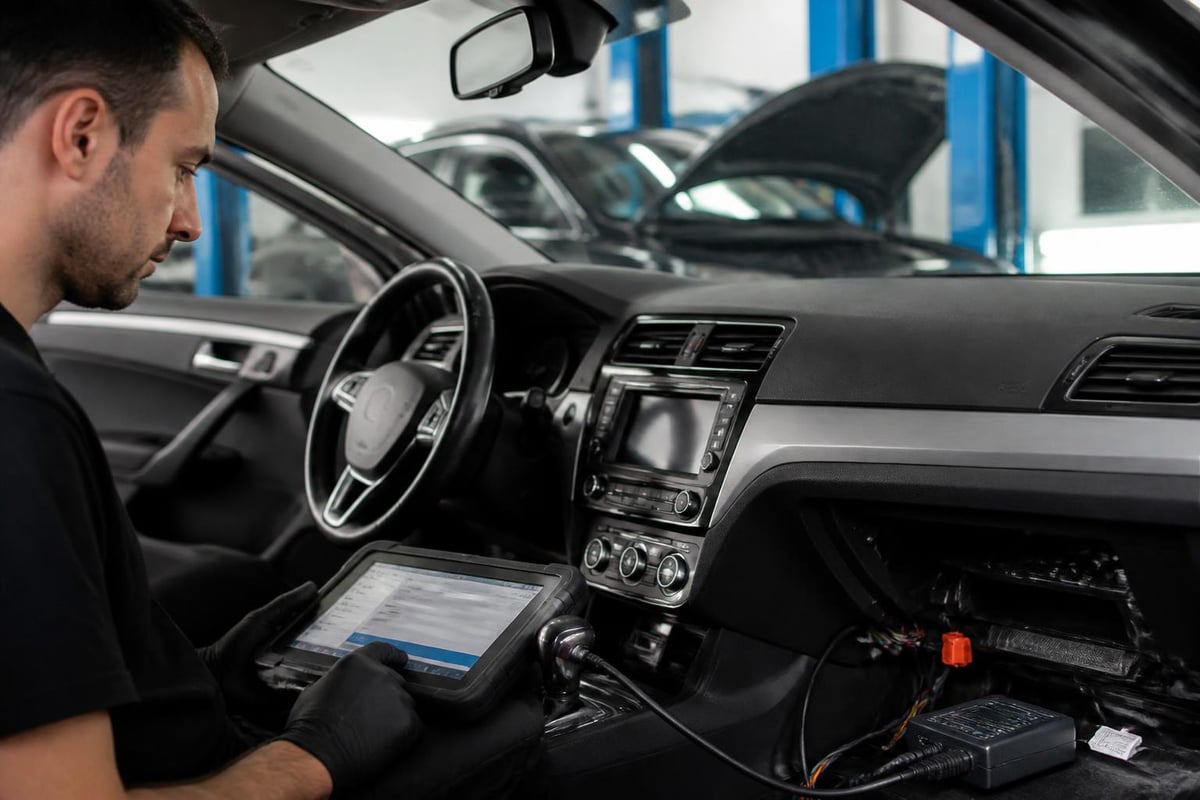
European manufacturers have built their reputations on fundamental engineering principles that differ significantly from other automotive traditions. German automakers, in particular, emphasize precision manufacturing, advanced materials, and performance-oriented design. These vehicles incorporate sophisticated electronics, turbocharged engines, and complex transmission systems that require specialized diagnostic tools.
The attention to detail extends beyond powertrains into suspension geometry, braking systems, and interior components. Each manufacturer develops proprietary technologies that demand specific expertise. For instance, Volkswagen's DSG transmission requires different servicing protocols than BMW's ZF automatic transmissions, despite both being sophisticated dual-clutch or automatic systems.
Why Specialization Matters
Generic automotive service centers face significant challenges when working with european specialty automotive brands:
- Diagnostic equipment: Manufacturer-specific scan tools cost thousands of dollars and require regular updates
- Technical training: Each brand releases hundreds of technical service bulletins annually
- Parts compatibility: Non-genuine parts may fit physically but fail electronically or mechanically
- Software requirements: Modern European vehicles require coding and programming for many repairs
This complexity explains why dedicated specialists deliver superior outcomes. The investment in brand-specific training, equipment, and technical resources ensures that technicians understand the nuances of each system.
The Current State of European Automotive Excellence
The European automotive industry faces unprecedented transformation as structural challenges confronting the EU automotive industry reshape manufacturing and innovation priorities. This evolution affects not only production but also the aftermarket service sector that supports millions of vehicles worldwide.
Despite these challenges, European specialty automotive brands continue to lead in several critical areas. Safety innovations pioneered by Mercedes-Benz, performance engineering from BMW's M division, and Volkswagen Group's platform efficiency demonstrate ongoing commitment to advancement. However, the transformation of the European automotive aftermarket highlights how service providers must adapt to changing vehicle technologies.
Technology Integration and Service Implications
Modern European vehicles function as mobile computers with dozens of electronic control units communicating constantly. This integration creates both opportunities and challenges:
| System Category | Examples | Service Requirements |
|---|---|---|
| Powertrain | Engine management, transmission control | Software updates, adaptation procedures |
| Safety | ABS, ESP, adaptive cruise control | Calibration after repairs, sensor alignment |
| Comfort | Climate control, seat memory, infotainment | Module programming, network diagnostics |
| Driver Assistance | Lane keeping, parking sensors, cameras | Precise calibration, software validation |
Each system requires specific knowledge and equipment for proper diagnosis and repair. The days of purely mechanical repairs have given way to software-driven service procedures that demand continuous technician education.
Maintaining Your European Vehicle Properly
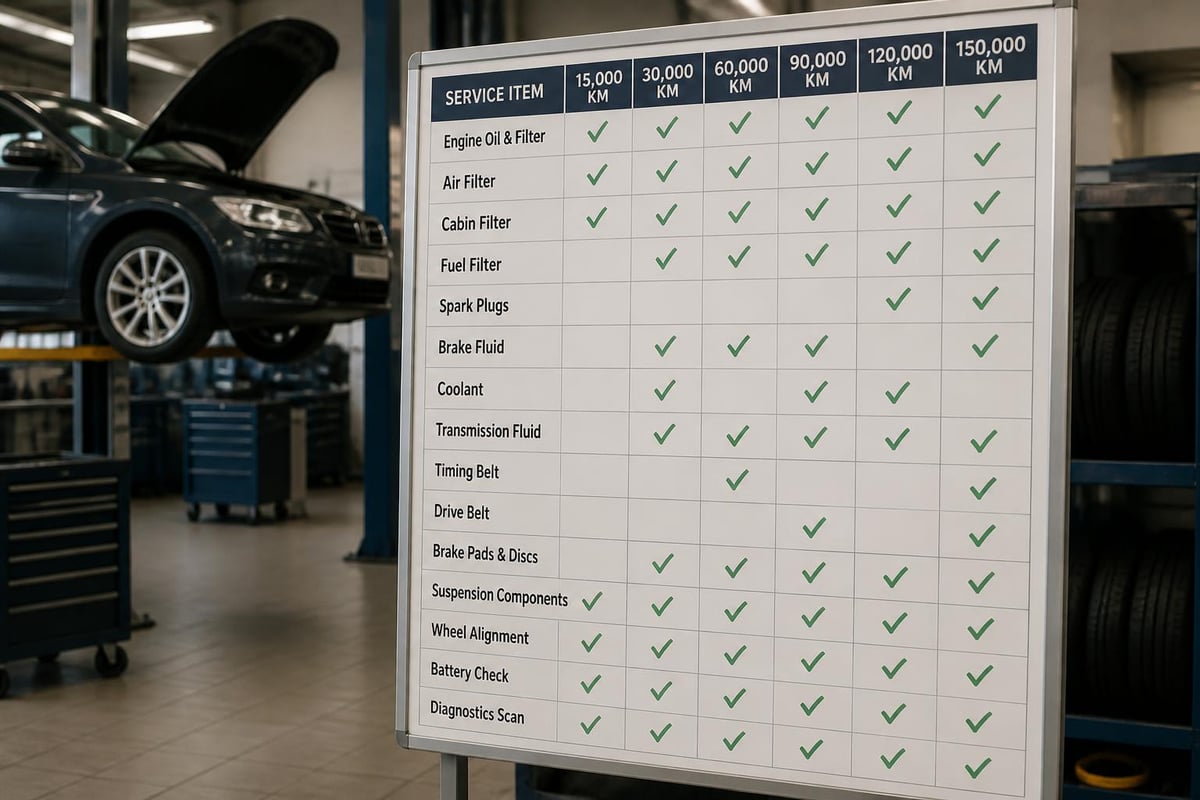
Proper maintenance extends far beyond oil changes and tire rotations. European specialty automotive brands specify detailed service schedules based on engineering requirements, not arbitrary intervals. Understanding these requirements protects your investment and ensures reliable performance.
Essential Service Components
Regular maintenance for european specialty automotive vehicles should include:
- Engine oil service: Using manufacturer-approved specifications, not generic alternatives
- DSG or automatic transmission service: Following specific intervals, often 40,000-60,000 km
- Brake fluid exchange: Every two years regardless of mileage due to hygroscopic properties
- Coolant system service: Maintaining proper concentration and corrosion inhibitors
- Air filter replacement: Engine and cabin filters at specified intervals
- Spark plug replacement: Premium ignition components at manufacturer intervals
Beyond scheduled maintenance, preventive inspections identify developing issues before they cause breakdowns. Experienced technicians recognize patterns specific to each model-the timing chain tensioner concerns in certain Audi engines, oil consumption patterns in particular BMW models, or electrical connector corrosion in Mercedes vehicles.
The Cost of Shortcuts
Vehicle owners sometimes attempt to reduce maintenance costs through discount service providers or deferred maintenance. This approach typically increases long-term expenses significantly. Using incorrect oil specifications can damage variable valve timing systems. Neglecting transmission service leads to expensive failures. Ignoring technical service bulletins results in preventable breakdowns.
The competitive dynamics of the EU automotive sector demonstrate how quality standards throughout the supply chain affect vehicle reliability. This extends to service and repair, where proper procedures and genuine parts maintain the integrity manufacturers designed into their vehicles.
The Role of Independent Specialists
While dealerships offer manufacturer-backed service, independent specialists focusing on european specialty automotive provide compelling alternatives. Established independent shops invest in the same diagnostic equipment, access identical technical information, and often employ technicians with dealership training backgrounds.
Advantages of specialized independent service:
- Lower labor rates without compromising expertise
- More personalized customer service and communication
- Flexibility in parts sourcing while maintaining quality standards
- Established relationships with local customers over many years
- Focus on specific brands rather than all makes and models
For Auckland vehicle owners, choosing a specialist with over two decades of experience servicing European brands offers confidence that comes from proven expertise. The combination of sophisticated equipment, ongoing training, and deep familiarity with common issues creates superior service outcomes.
Building Long-Term Service Relationships
Successful european specialty automotive maintenance relies on consistent service records and technician familiarity with individual vehicles. When the same facility services your vehicle throughout its life, technicians recognize changes in performance, identify patterns, and make informed recommendations based on comprehensive history.
This relationship approach contrasts with transactional service experiences where different technicians work on your vehicle each visit. Continuity matters particularly for diagnosing intermittent issues or tracking the progression of age-related wear patterns.
Advanced Diagnostics in European Specialty Automotive
Modern diagnostic procedures extend far beyond reading fault codes. Comprehensive diagnosis requires analyzing live data streams, performing component activations, comparing values against manufacturer specifications, and understanding system interactions.
Consider a typical diagnostic scenario: A BMW displays a rough idle. Generic code readers might identify a misfire, but proper diagnosis requires:
- Analyzing cylinder-specific fuel trim values
- Checking ignition coil primary and secondary resistance
- Measuring fuel pressure under various load conditions
- Inspecting intake system for vacuum leaks using smoke testing
- Evaluating carbon buildup through borescope inspection
This systematic approach identifies root causes rather than replacing components hoping to fix symptoms. The expertise to perform this analysis develops through years of focused experience with specific brands.
The Electric Transition
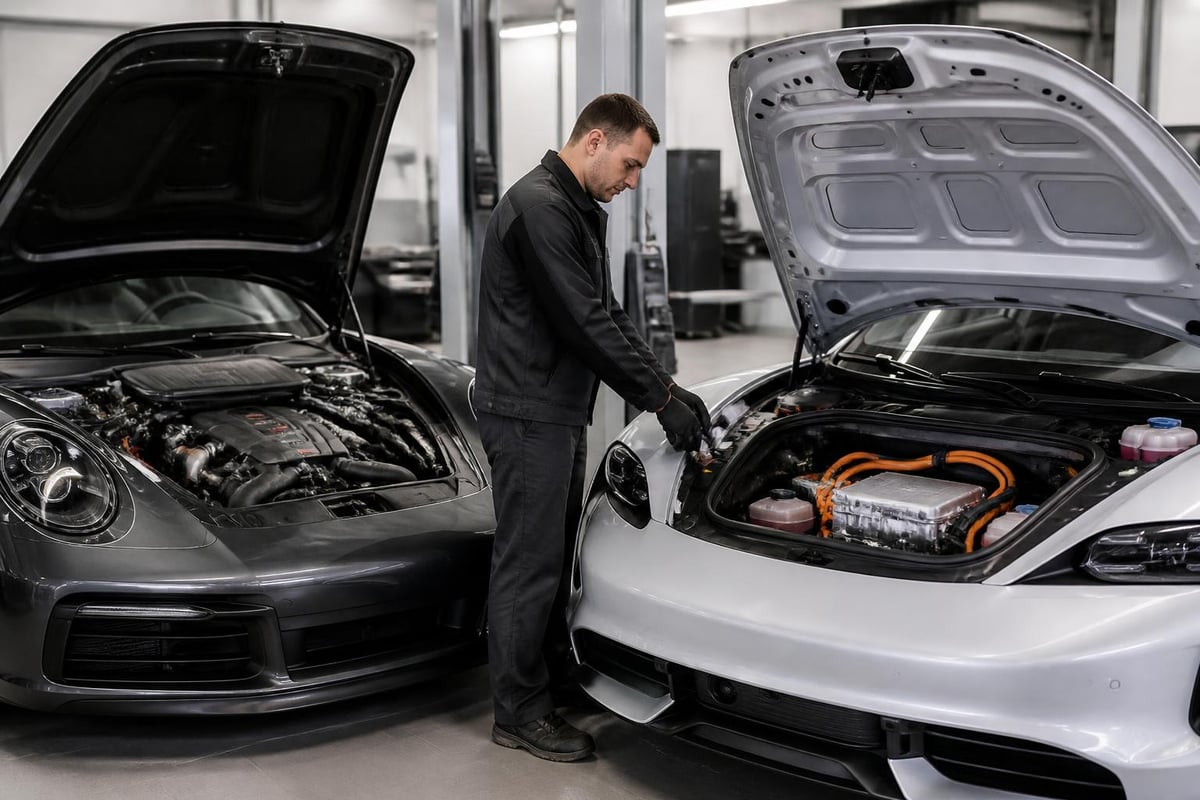
The emergence of the electric vehicle industry presents new challenges and opportunities for european specialty automotive service providers. Volkswagen's ID series, BMW's i models, and Mercedes EQ vehicles require additional training in high-voltage systems, battery diagnostics, and electric motor service.
| Aspect | Traditional Vehicles | Electric Vehicles |
|---|---|---|
| Powertrain maintenance | Regular oil changes, transmission service | Minimal routine maintenance |
| Brake service | Frequent pad replacement | Extended life due to regenerative braking |
| Cooling systems | Engine cooling primary concern | Battery thermal management critical |
| Diagnostics | Focus on combustion, emissions | Battery health, charging systems, motor control |
Despite reduced routine maintenance, EVs demand specialized knowledge for diagnostics, repairs, and safety procedures when working with high-voltage systems. Progressive service centers invest in this training and equipment to support the full range of european specialty automotive technologies.
Parts Quality and Long-Term Reliability
The parts installed during repairs and maintenance directly affect vehicle longevity and performance. European specialty automotive manufacturers engineer components to specific tolerances, materials, and performance characteristics. Aftermarket alternatives vary dramatically in quality.
Understanding Parts Categories
Original Equipment (OE): Manufactured by the same suppliers providing parts to vehicle assembly plants. These parts meet exact specifications and include the latest engineering improvements.
Original Equipment Manufacturer (OEM): Genuine parts sold through manufacturer networks, often identical to OE parts with manufacturer branding and warranty backing.
Aftermarket: Third-party manufactured parts ranging from premium quality matching OE specifications to economy options with compromised materials or engineering.
For critical systems-engines, transmissions, safety components-using genuine or premium OE-equivalent parts protects your investment. For certain wear items like brake pads or filters, quality aftermarket options may offer acceptable performance at reduced cost. Experienced technicians guide these decisions based on each component's criticality and quality differences.
Addressing Common European Vehicle Concerns
Each european specialty automotive brand exhibits characteristic patterns that experienced specialists recognize and address proactively. Understanding these tendencies helps owners maintain vehicles effectively and budget for expected services.
Volkswagen and Audi concerns:
- Carbon buildup on direct injection engines requiring walnut blasting
- DSG transmission mechatronic unit issues in early production years
- Water pump failures requiring timely replacement based on age
- Sunroof drain blockages causing interior water leaks
BMW specific patterns:
- Cooling system component failures requiring comprehensive replacement
- Oil filter housing gasket leaks affecting multiple engine families
- Valve cover gasket deterioration leading to oil consumption
- VANOS system wear requiring inspection and service
Mercedes-Benz considerations:
- Air suspension compressor and valve block wear
- Balance shaft issues in certain M272/M273 engines
- Electrical connector corrosion requiring inspection and protection
- Transmission conductor plate failures causing erratic shifting
Awareness of these patterns enables preventive maintenance strategies that address issues before they cause breakdowns or secondary damage. The investment in scheduled preventive service substantially reduces total ownership costs.
The Value of Expertise in European Specialty Automotive
Global competition and structural challenges reshape the automotive landscape, but the fundamental need for expert service remains constant. As vehicles incorporate increasingly sophisticated technology, the gap between general repair capabilities and specialist expertise widens.
For vehicle owners, this reality emphasizes selecting service providers based on demonstrated expertise rather than convenience or lowest price. The knowledge accumulated through decades of focused experience with specific brands cannot be replicated quickly. Technical training, diagnostic equipment, parts relationships, and institutional knowledge combine to deliver superior outcomes.
Making Informed Service Decisions
When evaluating european specialty automotive service providers, consider these factors:
- Years of specialized experience with your specific brand
- Investment in manufacturer diagnostic equipment and software
- Technician certifications and ongoing training programs
- Customer communication practices and transparency
- Warranty offerings on repairs and parts installed
- Facility cleanliness and organization indicating professional standards
These indicators reveal whether a facility possesses the expertise, resources, and commitment to properly service sophisticated European vehicles. Taking time to research and select the right service partner protects your investment and ensures reliable transportation.
Scheduling and Maintaining Your European Vehicle
Proactive maintenance scheduling prevents inconvenient breakdowns and extends vehicle life significantly. Rather than waiting for problems to develop, follow manufacturer service intervals and address recommended preventive maintenance consistently.
Modern service centers offer convenient online scheduling systems that simplify booking appointments around your schedule. For routine services like oil changes or inspections, advance planning ensures prompt service without extended waits. For more complex repairs requiring diagnosis or parts ordering, clear communication about timeframes and costs builds confidence in the service relationship.
When booking service for your Volkswagen, Audi, Mercedes, BMW, or Skoda, provide detailed information about any symptoms, changes in performance, or warning lights. This information helps technicians prepare appropriate diagnostic procedures and allocate sufficient time for thorough evaluation. You can easily schedule your service appointment online with specialists who understand your vehicle's specific requirements.
Investment Protection Through Proper Service
European specialty automotive vehicles represent significant financial investments deserving protection through proper maintenance. A well-maintained Volkswagen, Audi, Mercedes, or BMW easily achieves 200,000 kilometers or more with retained performance and reliability. Conversely, neglected vehicles experience accelerated deterioration, expensive repairs, and diminished resale value.
The cost difference between proper maintenance and deferred service becomes apparent over time. A comprehensive service history documenting scheduled maintenance substantially increases resale value. Prospective buyers recognize the difference between vehicles with complete service records from reputable specialists versus those with incomplete or questionable maintenance backgrounds.
Beyond financial considerations, properly maintained vehicles deliver the driving experience manufacturers intended. Performance remains crisp, efficiency stays optimal, and reliability proves consistent. These qualities define the european specialty automotive ownership experience and justify the care these vehicles deserve.
Understanding the unique requirements of European specialty automotive vehicles ensures you maximize performance, reliability, and value from your investment. Whether you drive a Volkswagen, Audi, Mercedes, BMW, or Skoda, specialized expertise makes the difference between adequate service and exceptional care. For over 20 years, VODIS Automobile has provided Auckland's North Shore with dedicated European vehicle servicing backed by manufacturer-level expertise, advanced diagnostics, and genuine commitment to customer satisfaction.