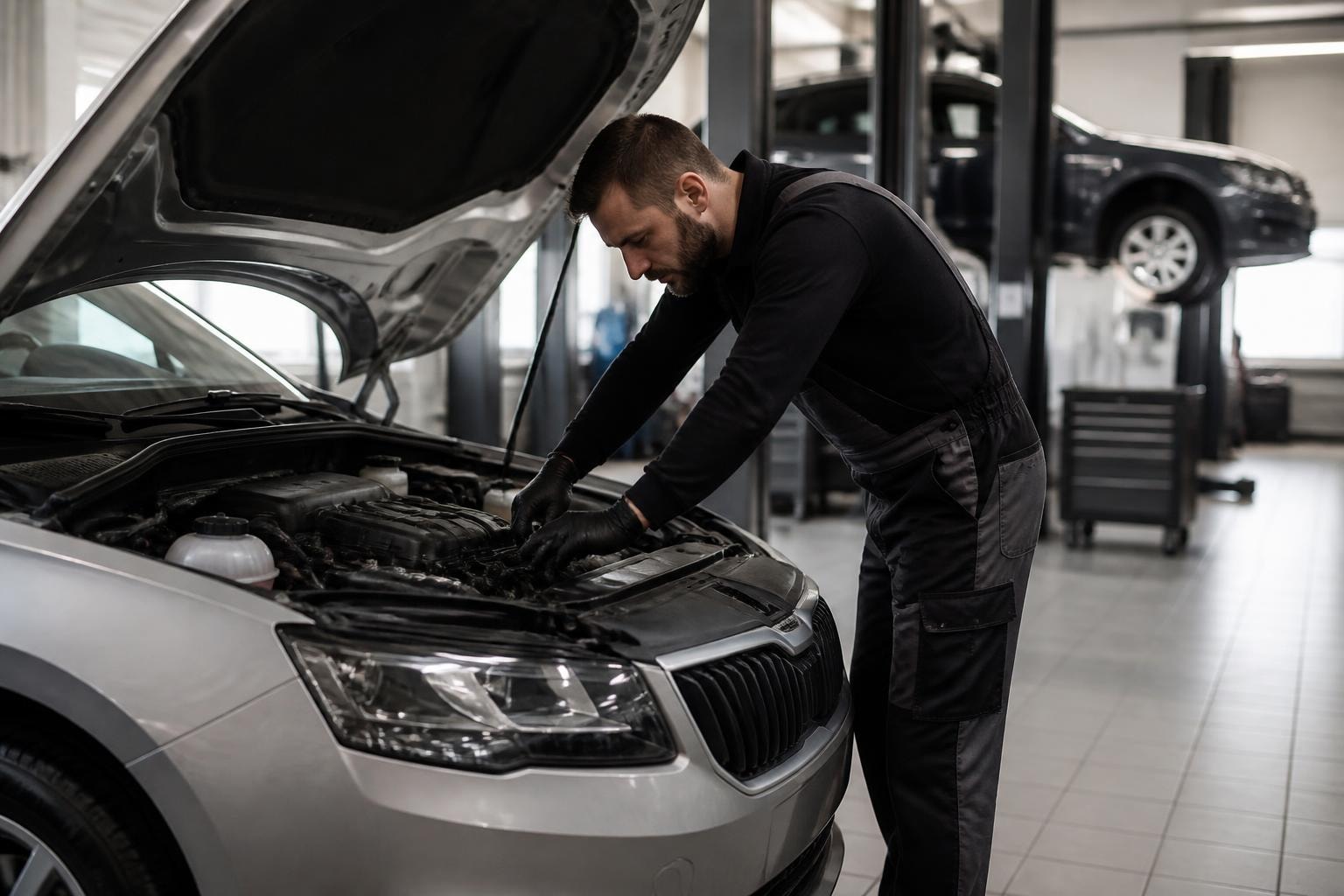

2026 marks a turning point for repair servicing, as rapid advancements in technology and evolving consumer expectations drive major changes across the industry.
Modern vehicles and appliances are more complex than ever, making expert repair servicing essential to avoid costly mistakes or premature replacements.
Relying on outdated servicing methods can put your assets at risk, while adopting cutting-edge repair solutions delivers greater efficiency, reliability, and peace of mind.
In this comprehensive guide, you will gain actionable insights from industry experts to help you make informed decisions, save money, and maximize the lifespan of your investments.
Explore emerging trends, a step-by-step repair servicing process, must-have tools and technologies, expert tips, and a forward-looking outlook for 2026.
The Evolving Landscape of Repair Servicing in 2026
The repair servicing industry is undergoing a major transformation as we move into 2026. Innovations in technology, sustainability, and customer expectations are reshaping how providers deliver value. Consumers and businesses alike are demanding quicker, more transparent, and eco-friendly solutions, making it essential to understand the trends and tools that define this new landscape.
Key Industry Trends and Innovations
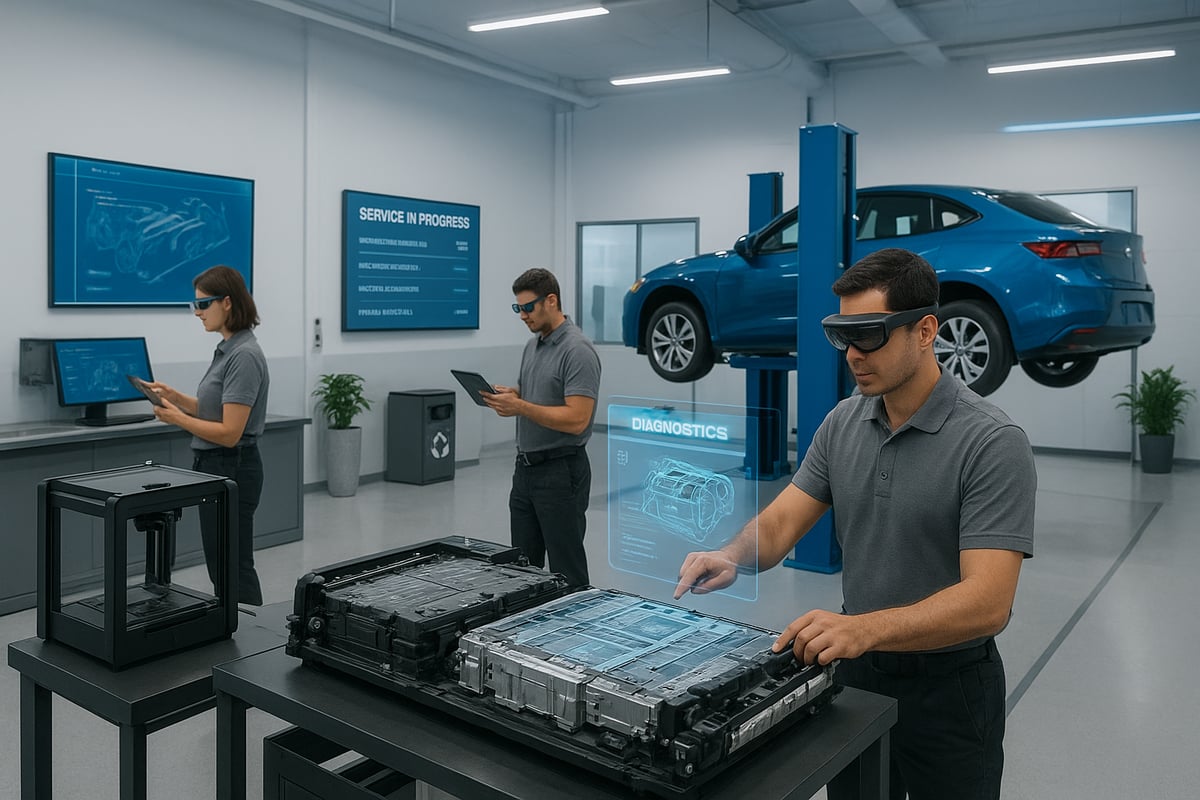
Repair servicing is being revolutionized by several key trends. The integration of AI diagnostics leads the way, allowing for faster and more accurate fault detection. Post-pandemic, remote and contactless servicing options have become standard, letting customers schedule and monitor repairs from their devices.
Sustainability is another major driver. Providers increasingly use eco-friendly materials and sustainable practices, such as remanufactured parts and energy-efficient equipment. Service networks are expanding, with mobile repair units reaching customers wherever they are.
Regulatory changes are also shaping the industry. New standards require technicians to hold updated certifications and adhere to stricter safety protocols. Transparency is in high demand, with customers expecting real-time updates and clear communication throughout the repair servicing process.
Leading brands are adopting predictive maintenance systems, using data to anticipate issues before they escalate. According to industry reports, 65% of repair centers will use AI-based diagnostic tools by 2026. Notably, AI-powered diagnostic tools in repair shops have shown a 30% reduction in repair time, setting a new standard for efficiency.
Impact of Technology on Repair Processes
Technology continues to reshape repair servicing at every level. IoT-connected devices enable seamless maintenance alerts, ensuring issues are identified and addressed promptly. For technicians, augmented reality (AR) is now an essential training and support tool, making complex repairs easier and reducing the learning curve for new staff.
3D printing is transforming parts procurement. Instead of waiting days for shipments, providers can manufacture replacement components on site, speeding up the repair servicing timeline. A recent case study showed how one repair center reduced turnaround times by 30% after implementing AR support, highlighting the power of digital tools.
These advancements allow for more precise diagnostics, fewer errors, and faster service. The result is a more reliable, customer-focused approach to repair servicing that meets the demands of a tech-savvy market.
Challenges and Opportunities for Service Providers
While the opportunities are significant, repair servicing providers face new challenges. The rapid pace of innovation has created a skills gap, making technician upskilling and ongoing education essential. Providers must invest in training to keep up with evolving technology and regulatory requirements.
Data privacy is another concern. As connected devices become common, protecting customer information and ensuring cybersecurity are top priorities. Providers who demonstrate strong data practices will earn customer trust and loyalty.
Digital platforms are also changing how providers interact with customers. A recent survey revealed that 70% of customers prefer to track their repair servicing digitally, seeking transparency and convenience. This shift presents an opportunity for providers to boost loyalty through personalized apps and proactive communication.
In summary, repair servicing in 2026 is defined by rapid innovation, technology-driven processes, and growing expectations for sustainability and transparency. Providers who adapt to these changes will be well-positioned for long-term success.
Step-by-Step Repair Servicing Process: 2026 Best Practices
Navigating modern repair servicing requires a systematic, transparent approach. In 2026, the best providers follow a five-step process, blending advanced technology with customer-first practices. This framework ensures accuracy, efficiency, and peace of mind for every client.
Step 1: Initial Assessment and Diagnostics
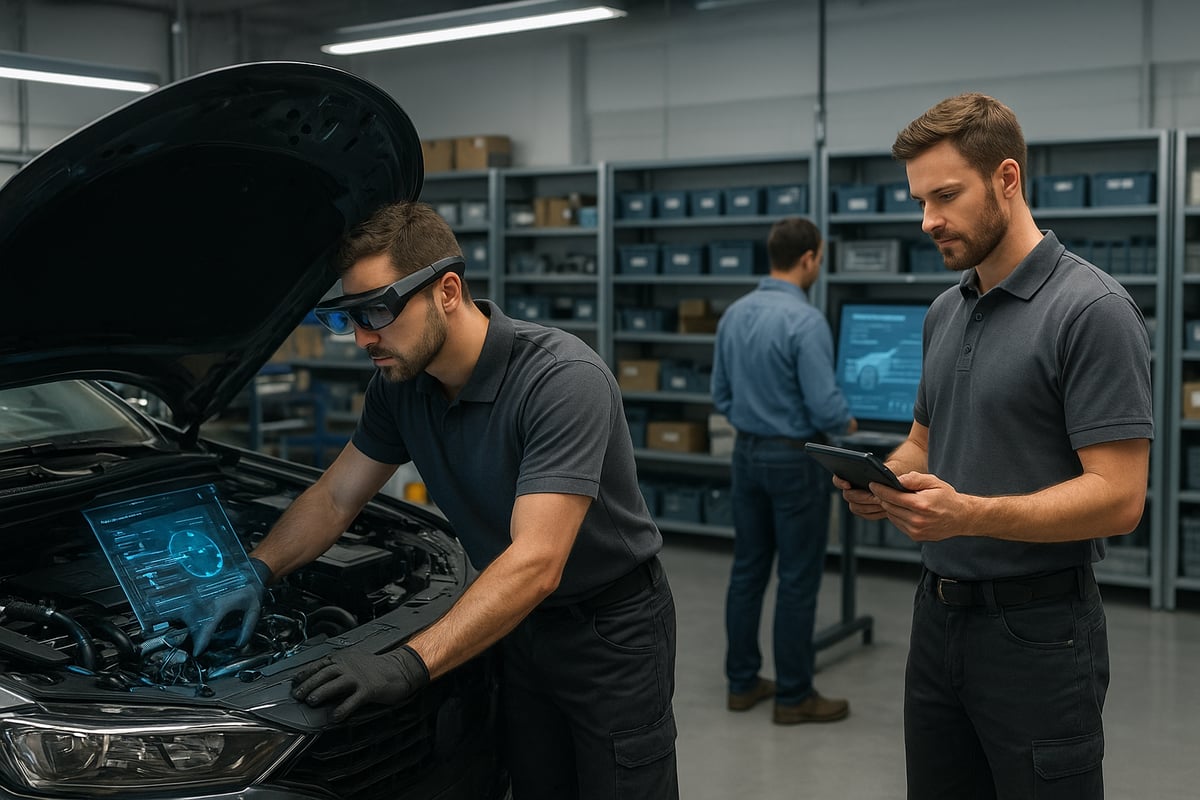
The first step in repair servicing is a thorough intake and assessment. Technicians start with a detailed interview to capture the customer's concerns, asset usage patterns, and any previous service history. This conversation sets the stage for targeted diagnostics.
Next, advanced tools come into play. AI-powered scanners, OBD-II interfaces, and smart sensors quickly analyze systems, pinpointing faults that manual checks might miss. Digital checklists reduce misdiagnosis and streamline data collection.
A key benefit of this approach is speed and accuracy. By documenting every detail and leveraging technology, repair servicing teams minimize errors and maximize transparency. This step lays the groundwork for a successful outcome.
Step 2: Transparent Quoting and Customer Communication
Once diagnostics are complete, the focus shifts to clear communication. Customers receive itemized, upfront quotes via digital platforms, eliminating surprises later in the process. These quotes break down labor, parts, and taxes, offering full visibility.
Providers often share diagnostic reports and photos, allowing clients to see exactly what needs attention. This digital transparency builds trust and helps customers make informed decisions about repair servicing.
Timelines are set based on real-time parts availability and service center workload. By setting realistic expectations, providers reduce stress and foster long-term loyalty.
Step 3: Parts Procurement and Inventory Management
Efficient parts management is crucial for timely repair servicing. In 2026, centers leverage AI-driven inventory systems that track stock levels, forecast demand, and automatically reorder components. This minimizes costly delays due to missing parts.
Sustainability is a growing priority. Many providers source remanufactured or recycled parts without compromising quality. This not only reduces environmental impact but can also lower costs.
A well-organized parts process ensures that repair servicing proceeds smoothly, with fewer interruptions and improved outcomes for both customers and technicians.
Step 4: Expert Repair and Quality Assurance
With diagnostics complete and parts in hand, skilled technicians begin the repair servicing itself. Following manufacturer guidelines and adhering to the latest safety standards is non-negotiable. Augmented reality overlays assist with complex repairs, offering step-by-step visual guidance.
Multi-point inspection checklists are used before, during, and after repairs to guarantee thoroughness. Quality assurance protocols catch any oversights, significantly reducing post-repair failures. For a deeper look at this process, see Our service process explained.
By combining expertise with cutting-edge tools, repair servicing centers deliver reliable, lasting results that meet or exceed customer expectations.
Step 5: Final Testing and Customer Handover
The last step is all about validation and satisfaction. Technicians conduct live demonstrations or test drives to confirm that repairs meet the highest standards. Customers receive digital documentation, including detailed service reports and warranty information.
Feedback is actively sought through digital surveys or follow-up calls. This final touch ensures the repair servicing experience is continuously refined and tailored to evolving needs.
A seamless handover process, backed by transparent records, leaves customers confident in their investment and more likely to return for future service.
Essential Tools and Technologies for Modern Repair Servicing
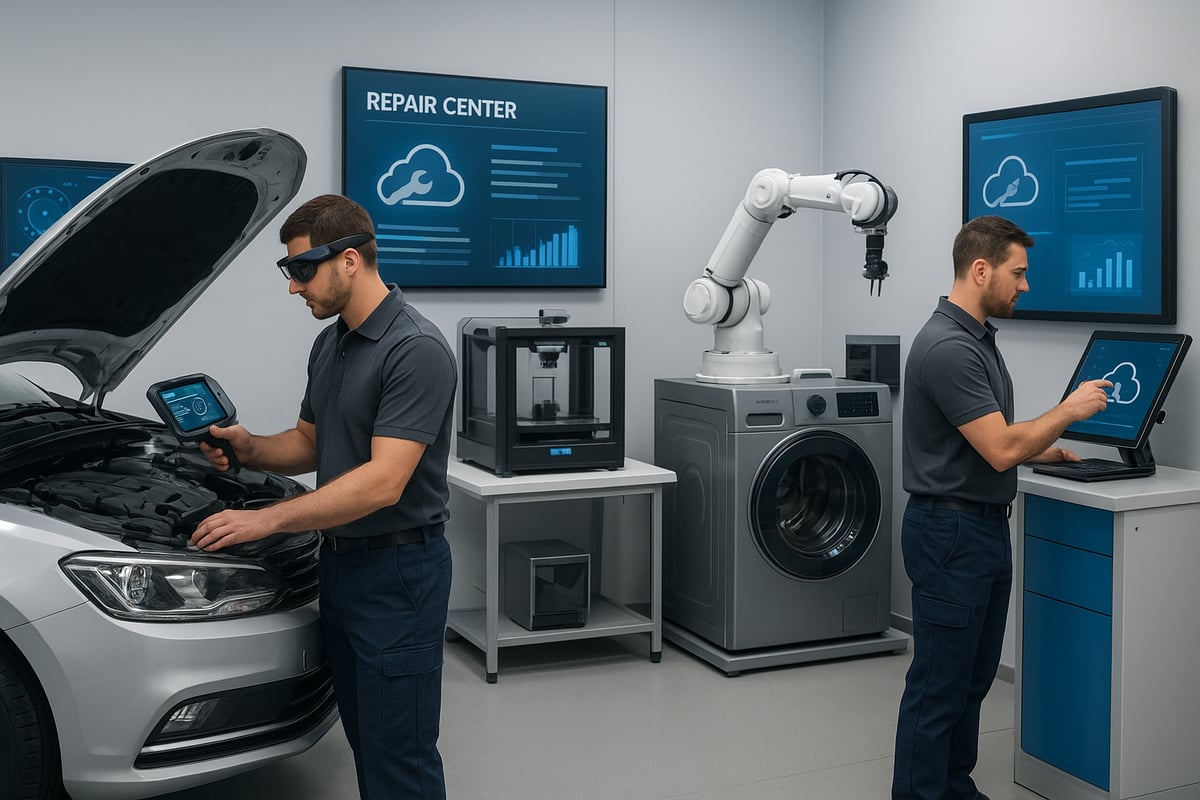
The landscape of repair servicing is evolving rapidly as new tools and technologies transform every stage of the process. Staying updated with the latest advancements is vital for any service provider aiming to deliver top-tier results. In this section, we break down the most essential equipment and software shaping repair servicing in 2026.
Must-Have Diagnostic Equipment
Accurate diagnostics are the foundation of reliable repair servicing. In 2026, AI-powered scanners and wireless diagnostic tools are standard in leading workshops. These devices can quickly identify faults, even in the most complex vehicles or appliances, reducing guesswork and improving first-time fix rates.
Cloud-based service management software is another crucial component. It enables real-time data sharing, remote diagnostics, and seamless communication between technicians and customers. Consider the difference between traditional and modern diagnostic approaches:
| Feature | Traditional Tools | AI-Based Tools |
|---|---|---|
| Speed | Moderate | Instant |
| Accuracy | 80-90% | 98%+ |
| Remote Capability | Limited | Full |
| Integration | Manual | Automated |
With AI and cloud integration, repair servicing teams minimize errors and maximize efficiency, setting new industry benchmarks.
Advanced Repair Tools and Automation
Modern repair servicing relies on advanced tools that streamline complex repairs. Smart torque wrenches, AR glasses, and robotic assistance are now commonplace in forward-thinking workshops. 3D printing also allows for on-demand fabrication of rare or custom parts, reducing downtime for clients.
AR technology deserves special mention. With AR overlays, technicians receive real-time visual guidance, improving accuracy and safety. According to Augmented Reality in maintenance operations, repair centers using AR have reduced average repair times by 40 percent, highlighting the tangible benefits of digital innovation.
Robotic systems can handle repetitive or hazardous tasks, freeing technicians to focus on problem-solving. These advancements make repair servicing more precise, consistent, and adaptable to new challenges.
Data Management and Customer Experience Platforms
Efficient data management is integral to modern repair servicing. Service centers now rely on CRM systems to track service history, customer preferences, and asset details. These platforms simplify scheduling, automate reminders, and provide technicians with instant access to relevant data.
Customer-facing apps offer real-time updates, digital service records, and easy appointment booking. This transparency builds trust and encourages repeat business. Service providers leveraging these technologies see higher retention rates and improved customer satisfaction.
In a competitive market, the ability to personalize repair servicing through data-driven insights sets leading providers apart.
Sustainability-Focused Equipment
Sustainability is now a core expectation in repair servicing. Workshops are investing in tools designed for safe handling and recycling of hazardous materials, such as batteries and electronic components. Energy-efficient lighting and machinery lower operational costs and reduce environmental impact.
Technicians are also trained to prioritize remanufactured or recycled parts without compromising quality. As environmental compliance standards become stricter, adopting these technologies is not just a best practice but a necessity.
Repair servicing providers who embrace sustainable equipment and processes are well positioned to meet both regulatory requirements and consumer demand for green solutions.
Expert Insights: Tips for Choosing the Right Repair Service in 2026
Selecting the right repair servicing provider in 2026 requires more than just a quick online search. As technology and standards advance, making informed choices ensures your assets receive the highest quality care. Use these expert tips to guide your decisions, maximize value, and avoid common pitfalls.

Evaluating Service Provider Credentials
A critical first step in choosing a repair servicing provider is to assess technician qualifications. In 2026, top providers ensure their teams hold up-to-date certifications and routinely participate in advanced training programs. Look for visible proof of compliance with the latest safety and industry regulations, which are now more stringent than ever.
For brand-specific assets, such as Volkswagen vehicles, confirm that the center follows manufacturer-approved protocols. For example, Volkswagen repair servicing details demonstrate what to expect from a provider who adheres to brand standards and uses specialized equipment. This commitment reduces the risk of errors and extends asset lifespan.
When verifying credentials, ask for:
- Certificates or proof of ongoing education
- Membership in industry associations
- Evidence of compliance with eco-friendly practices
Choosing qualified professionals for your repair servicing needs ensures both safety and long-term value.
Transparency and Communication Standards
Transparent communication is now a cornerstone of effective repair servicing. Leading providers use digital platforms to share real-time updates, diagnostic reports, and images throughout the service journey. This approach fosters trust and allows customers to make informed decisions.
Evaluate how well a provider communicates:
- Do they offer digital service records?
- Can you access instant quotes and progress updates?
- Are customer questions answered promptly and clearly?
Digital transparency is linked to higher customer satisfaction and loyalty. As repair servicing becomes more complex, clear communication helps avoid misunderstandings and ensures expectations are met. Choosing a provider with robust digital tools makes the entire process smoother and more reassuring.
Warranty, Guarantees, and Post-Service Support
A reputable repair servicing company stands behind its work with comprehensive warranties and guarantees. In 2026, it is standard for providers to offer clear coverage for both parts and labor, along with extended warranty options for added peace of mind.
Before committing, review the specifics of their post-service support:
- Duration and terms of warranties
- Availability of satisfaction guarantees
- Access to follow-up inspections or support
Providers who offer 12-month post-repair support demonstrate confidence in the quality of their repair servicing. This commitment not only protects your investment but also signals a customer-first mindset. Always request written documentation for all guarantees before approving any work.
Cost, Value, and Service Packages
Understanding the true value of repair servicing involves more than comparing upfront prices. Investigate how providers structure their costs, whether through flat-rate billing, hourly charges, or bundled service packages. Bundled plans often deliver better long-term savings and comprehensive care.
Consider the following:
- Is pricing transparent and itemized?
- Are there annual maintenance plans or loyalty discounts?
- Can you see a breakdown of labor and parts costs?
Customers frequently save up to 20 percent with annual maintenance packages. By evaluating both cost and value, you ensure your repair servicing meets your budget while maximizing asset performance and reliability.
Red Flags and Common Pitfalls to Avoid
Not all repair servicing centers uphold the same standards. Watch for warning signs such as unqualified staff, lack of certifications, or reluctance to provide digital service records. Non-genuine parts and unauthorized modifications can lead to costly issues down the line.
Common pitfalls include:
- Accepting vague or non-itemized quotes
- Overlooking the provider’s reputation or reviews
- Ignoring warranty and post-service support details
A notable case involved customers facing expensive repairs due to work by unlicensed providers. Protect yourself by conducting due diligence and selecting only reputable repair servicing professionals. Doing so will safeguard both your assets and your peace of mind.
Future-Proofing Your Assets: Preparing for Next-Generation Servicing
Adapting to next-generation repair servicing is key for asset owners in 2026. With rapid technology shifts and new consumer expectations, staying ahead requires a proactive approach. This section explores actionable strategies to ensure your assets remain reliable, efficient, and compliant for years to come.
Embracing Predictive Maintenance and AI
Predictive maintenance is reshaping repair servicing by enabling proactive interventions before failures occur. By integrating IoT sensors and AI analytics, owners receive real-time alerts and insights that optimize maintenance schedules.
For example, fleet operators are leveraging AI-driven alerts to significantly reduce unplanned downtime and lower costs. These systems collect and interpret data from connected devices, identifying patterns that signal wear or malfunction. According to Predictive maintenance with IIoT and Big Data, businesses using IIoT and Big Data are experiencing improved reliability and efficiency in equipment management.
Implementing predictive tools within your repair servicing strategy allows you to extend asset lifespans and minimize emergency repairs. As more service providers adopt these technologies, proactive maintenance becomes a standard expectation.
Training and Upskilling for Owners and Operators
The evolving landscape of repair servicing demands ongoing education. Owners and technicians must stay updated on new tools, diagnostic systems, and digital platforms to ensure optimal asset performance.
Access to online certification programs and interactive workshops has never been easier. These resources help users understand the latest repair servicing protocols and safety standards. In many cases, service centers offer training sessions that boost owner confidence and reduce the likelihood of avoidable breakdowns.
By prioritizing training, you not only keep pace with technological advancements but also increase your ability to make informed repair servicing decisions. This proactive mindset empowers you to maximize asset value and reliability.
Sustainability and Environmental Considerations
Sustainability is a priority in modern repair servicing. Choosing service providers with green certifications demonstrates a commitment to responsible asset management. These providers use eco-friendly materials, recycle parts, and follow strict guidelines for hazardous waste disposal.
The impact of sustainable repair servicing extends beyond environmental benefits. Data shows that assets maintained with eco-conscious practices often have higher resale value. Responsible disposal and recycling protect both the environment and the long-term value of your equipment.
When selecting a repair servicing partner, look for evidence of environmental compliance and transparent reporting on sustainability initiatives. This ensures your assets are managed in line with future regulatory and market demands.
Leveraging Connected Service Ecosystems
Connected service ecosystems are revolutionizing repair servicing by centralizing data and streamlining communication. IoT-enabled devices can automatically schedule maintenance, send performance updates, and provide instant diagnostics to both owners and providers.
Integrating with manufacturer and third-party platforms allows for seamless access to service records, remote troubleshooting, and personalized recommendations. As highlighted in IoT’s impact on appliance repair, automated scheduling and AI-powered support systems are making repair servicing more efficient and transparent.
By adopting connected service solutions, asset owners gain greater control and visibility over their repair servicing activities, improving outcomes and customer satisfaction.
Anticipating Regulatory and Industry Changes
Regulatory requirements for repair servicing are evolving rapidly. Upcoming standards will introduce stricter emissions controls, safety inspections, and technician certification mandates. Staying informed on these changes is vital for compliance and risk management.
Asset owners should monitor industry news and consult their repair servicing providers about the latest regulations. Many forward-thinking centers offer updates and guidance to help clients prepare for new compliance milestones.
By anticipating changes in the repair servicing landscape, you protect your investments and position your assets for long-term success.
The Role of Customer Feedback and Continuous Improvement
Customer feedback is now a cornerstone of repair servicing success. In 2026, as customer expectations rise, businesses must actively seek insights to refine their processes and elevate satisfaction. Continuous improvement, driven by real-world feedback, sets leading repair servicing providers apart and ensures ongoing relevance in a competitive market.
Importance of Collecting and Analyzing Feedback
Gathering actionable feedback is essential for any repair servicing provider striving for excellence. Modern centers employ a variety of methods, including digital surveys, post-service calls, and in-app ratings, to capture customer sentiment.
- Digital surveys delivered immediately after service completion
- In-person interviews for detailed insights
- Automated follow-up messages for ongoing satisfaction tracking
Analyzing this feedback helps organizations identify recurring issues, spot areas for improvement, and implement targeted changes. For example, tracking Net Promoter Scores (NPS) can reveal shifts in customer loyalty and highlight the impact of new service protocols. Integrating these insights into daily operations ensures that repair servicing remains responsive and customer-focused.
Implementing Quality Assurance Loops
Quality assurance (QA) loops are vital to transforming feedback into measurable improvements in repair servicing. Leading providers establish regular review cycles where technician performance, service outcomes, and customer remarks are evaluated together.
- Weekly or monthly QA meetings to review feedback and set goals
- Technician training sessions based on identified weaknesses
- Checklists and process audits for consistency
For instance, one repair servicing center reduced repeat repairs by 20 percent after implementing structured QA loops informed by client feedback. These continuous cycles foster a culture of accountability and drive teams to deliver higher standards with every job.
Building Trust and Long-Term Relationships
Trust is foundational to customer retention in repair servicing. Providers who personalize their approach, remember client preferences, and communicate proactively stand out in a crowded market. Loyalty programs, such as VIP memberships or referral rewards, further cement long-term relationships.
- Personalized service reminders based on asset history
- Tailored maintenance plans for frequent customers
- Exclusive offers and early access to new services
By acting on feedback and demonstrating genuine care, repair servicing businesses transform one-time clients into loyal advocates. This approach not only boosts satisfaction but also drives repeat business and positive word-of-mouth.
Digital Reputation and Online Reviews
In 2026, a repair servicing provider's digital reputation directly influences new customer acquisition. Managing and responding to online reviews demonstrates transparency and a commitment to continuous improvement. Many customers now research Customer reviews and feedback before booking a service, making a strong online presence essential.
- Timely responses to both positive and negative reviews
- Showcasing improvements based on customer suggestions
- Sharing real testimonials to build credibility
Data shows that 80 percent of customers check reviews before choosing a repair servicing provider. Leveraging digital feedback not only enhances reputation but also provides a continual feedback loop for refining service quality.
As you’ve seen, staying ahead of the curve in 2026 means choosing a service team that truly understands the evolving landscape of repair and maintenance. With VODIS Automobile’s commitment to expertise, transparency, and next generation technology, you can feel confident your European vehicle is in skilled hands. If you’re ready to experience the difference—whether it’s predictive diagnostics, eco friendly practices, or clear communication—let’s take the next step together.
Book in your service
and ensure your car receives the care it deserves from Auckland’s trusted professionals.