
In 2026, vehicle owners are navigating rising costs and rapidly evolving technology, making it more important than ever to understand the differences between servicing and maintenance and repairs. Many people confuse these terms, yet knowing the distinction is key to keeping your car running smoothly and avoiding unexpected expenses.
This article will break down what servicing and maintenance really mean, how they differ from repairs, and why recognizing these differences can help you save money and extend your vehicle’s life. We will explore definitions, cost comparisons, and the benefits of regular care, showing how proactive steps can prevent major issues down the road.
Ready to gain clarity and take control of your car’s future? Let’s get started with practical advice that leads to better performance, reliability, and peace of mind.
Understanding Servicing and Maintenance
Vehicle care involves more than just fixing problems as they arise. Understanding the basics of servicing and maintenance is essential for owners who want their vehicles to perform reliably in 2026 and beyond. Let’s break down what these terms mean, how they differ, and why regular attention can make all the difference for your car’s longevity and value.
Definitions and Scope
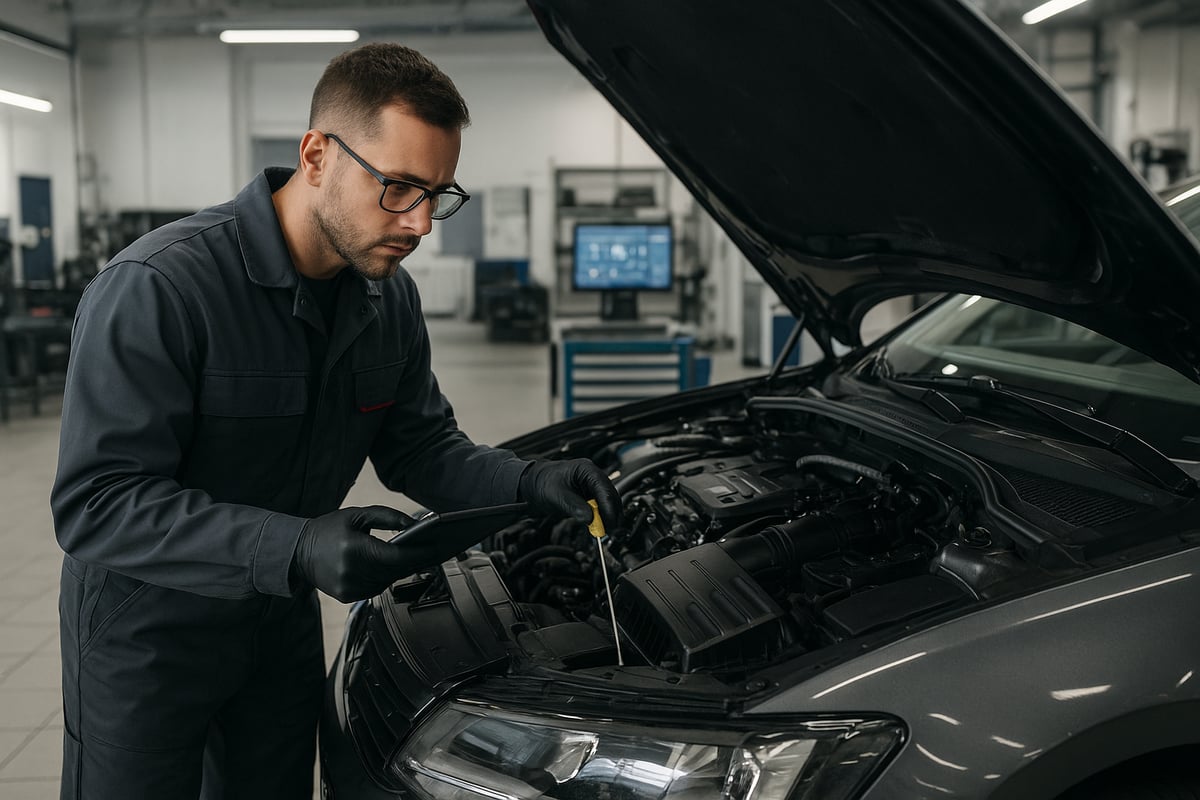
Servicing and maintenance are often used interchangeably, but they have distinct meanings in the automotive world. Servicing refers to routine checks and adjustments performed to ensure the vehicle operates smoothly. Maintenance involves scheduled tasks designed to keep systems running efficiently and prevent future issues.
Manufacturers provide detailed schedules for servicing and maintenance, outlining when specific tasks should be completed. These schedules are tailored to each vehicle model and are based on factors like mileage, time, and usage patterns. Owners may also supplement these schedules with additional care, especially if a vehicle is used in harsh conditions or for frequent short trips.
Common examples of servicing and maintenance include oil changes, air and cabin filter replacements, and brake inspections. These tasks are not only essential for performance but also for safety. According to industry averages, 80% of vehicle breakdowns could be prevented with regular maintenance.
Despite this, many drivers assume servicing only covers oil changes or quick visual inspections. In reality, it is a comprehensive process that checks many components. Understanding what is included helps owners make informed decisions and avoid unnecessary repairs.
Types of Servicing and Maintenance Tasks
There are two main categories: minor and major servicing. Minor servicing typically involves basic checks such as fluid top-ups, tire pressure adjustments, and light inspections. Major servicing might include timing belt replacement, spark plug changes, or in-depth brake servicing.
Seasonal maintenance is also important. For example, winterizing your vehicle could involve checking antifreeze levels and inspecting the heating system, while summer maintenance focuses on the air conditioning and cooling system.
In 2026, digital service records have become the norm, allowing owners and technicians to track all servicing and maintenance performed. Predictive maintenance, driven by telematics and AI, helps identify issues before they become serious, ensuring proactive care.
Using genuine parts and the correct fluids is crucial for maintaining vehicle performance and warranty coverage. Maintenance intervals are determined by a combination of mileage, time elapsed, and how the vehicle is used.
For a comprehensive overview of available tasks, refer to the Full list of vehicle services.
Benefits of Regular Servicing and Maintenance
Regular servicing and maintenance provide clear, measurable benefits. First, they extend the lifespan of your vehicle by keeping all systems in optimal condition. Consistent attention helps preserve resale value, as buyers look for well-documented service histories.
Routine servicing and maintenance dramatically reduce the risk of unexpected breakdowns and the need for costly repairs. They also help maintain compliance with manufacturer warranties, which often require proof of regular care.
Additional benefits include improved fuel efficiency, as a well-maintained engine uses less fuel, and enhanced safety, since critical components like brakes and tires are regularly inspected.
A recent case study showed that vehicles maintained according to schedule experienced 30% fewer major repairs compared to those with irregular service histories. This statistic highlights the importance of prioritizing servicing and maintenance for long-term reliability and peace of mind.
What Are Repairs?
When discussing vehicle care, it is vital to distinguish repairs from routine servicing and maintenance. Repairs address problems that occur after a fault or failure, while servicing and maintenance are preventive. This difference shapes how owners manage their vehicles and plan for unexpected issues.
Definition and Triggers
Repairs refer to corrective actions taken when a vehicle component fails or stops working as intended. Unlike servicing and maintenance, which aim to prevent problems, repairs are reactive and only occur after an issue arises.
Common triggers for repairs include dashboard warning lights, unusual noises, sudden breakdowns, or visible leaks. For example, a failed alternator that stops charging the battery or a leaking radiator that causes overheating both require immediate attention. These situations are often unplanned, emphasizing the importance of differentiating between proactive servicing and maintenance and urgent repairs.
Types of Repairs
Repairs can be grouped into several main categories. Mechanical repairs address issues in the engine, transmission, or suspension. Electrical repairs focus on batteries, wiring, or electronic control units. Bodywork repairs involve fixing damaged panels, paint, or glass.
Some repairs are emergencies, such as a failed brake system, while others, like a malfunctioning window switch, can wait. Advances in diagnostic technology in 2026 allow technicians to pinpoint faults more accurately, making complex repairs more efficient.
The cost of repairs continues to rise as vehicles become more technologically advanced. According to Vehicle maintenance cost inflation, both parts and labor expenses have increased, highlighting the value of regular servicing and maintenance in preventing expensive breakdowns.
Repair Process and Considerations
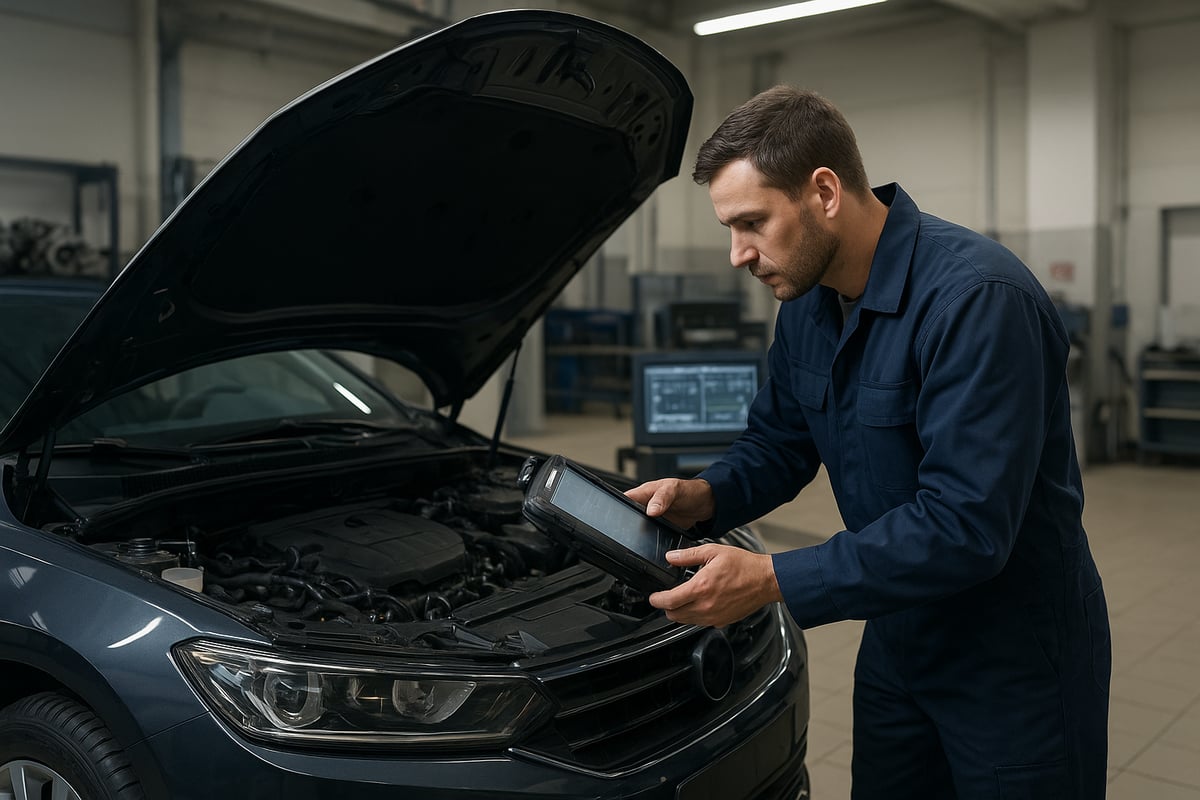
The repair process starts with a thorough diagnosis using specialized tools. Once the problem is identified, technicians source the correct parts, perform the necessary repairs, and test the vehicle to ensure everything works as intended.
Modern vehicles require skilled technicians who understand advanced electronics and integrated systems. Delaying necessary repairs can lead to more extensive damage, higher costs, and even safety risks. For example, ignoring a minor oil leak may result in engine failure.
Insurance and warranty policies often have specific requirements regarding servicing and maintenance. Failing to follow these guidelines can affect coverage for repairs, making it crucial to keep accurate service records and address issues promptly.
Key Differences Between Servicing, Maintenance, and Repairs
Understanding the core distinctions between servicing and maintenance versus repairs is essential for every vehicle owner. Making informed choices can mean the difference between smooth, cost-effective ownership and unexpected, expensive setbacks. Let us break down these differences in a clear, practical way.
Proactive vs. Reactive Approaches
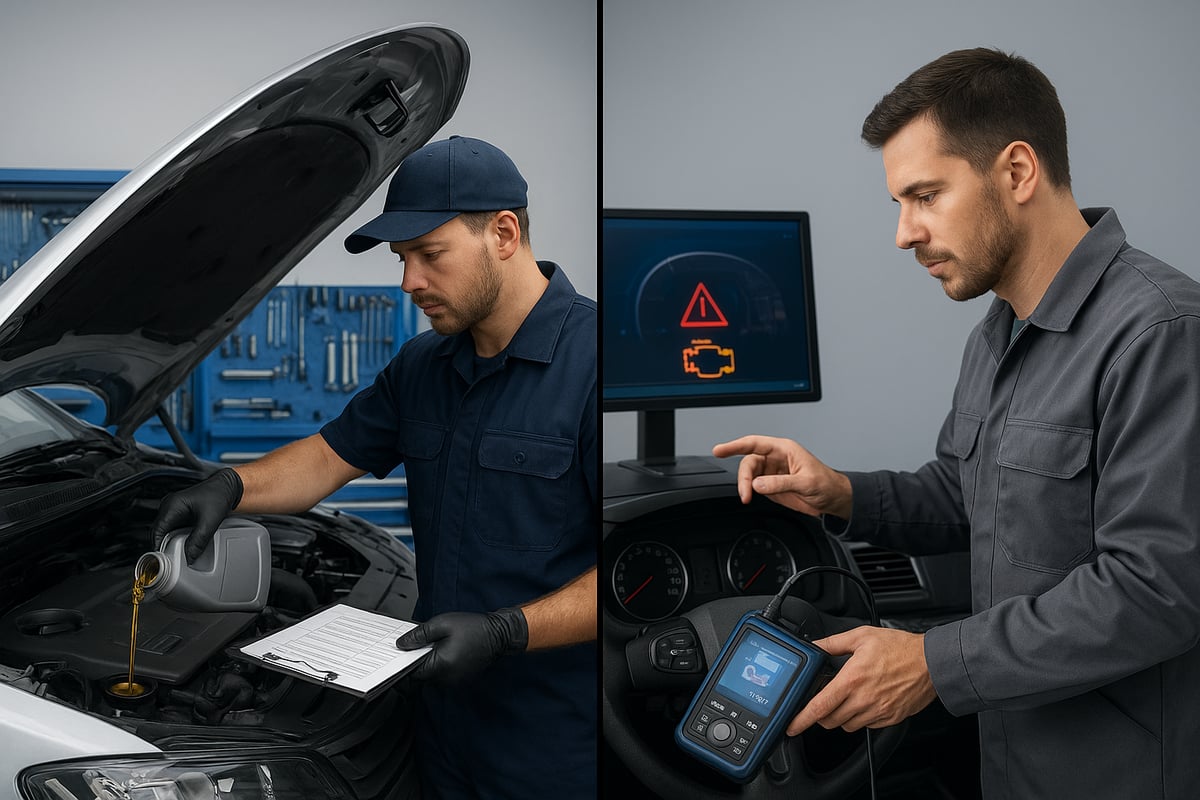
Servicing and maintenance focus on preventing issues before they arise. These proactive measures involve regular checks and scheduled tasks designed to keep your vehicle running smoothly. In contrast, repairs are reactive, addressing problems only after a failure or breakdown has occurred.
For example, replacing brake pads as part of servicing and maintenance ensures optimal performance. Waiting until the brakes fail requires immediate repair, often at a higher cost and greater risk. This clear shift from prevention to correction underscores why regular attention is so valuable.
Timing and Frequency
Servicing and maintenance occur at planned intervals, whether based on mileage, time, or usage patterns. These intervals are outlined by the manufacturer or tailored to your driving habits. Repairs, however, happen unexpectedly, triggered by sudden faults or warning lights.
The landscape in 2026 is evolving rapidly. Digital monitoring, telematics, and AI now predict when maintenance is needed, reducing guesswork and maximizing efficiency. For more on how predictive technology is transforming vehicle care, see predictive maintenance advancements. Vehicles with consistent servicing and maintenance experience 50% fewer breakdowns, highlighting the value of proactive planning.
Cost Implications
The financial impact of servicing and maintenance is generally lower and more predictable than repairs. Routine work, such as oil changes or inspections, represents planned spending that can be budgeted annually. In contrast, repairs often come as a surprise and can be significantly more expensive.
Consider this comparison:
| Approach | Typical Annual Cost | Example Expense |
|---|---|---|
| Servicing and Maintenance | $200 | Oil change, inspection |
| Repairs | $2,000+ | Engine replacement |
Investing in servicing and maintenance can prevent the need for costly repairs, saving money over the vehicle’s lifetime.
Impact on Vehicle Longevity and Safety
Regular servicing and maintenance directly contribute to a longer vehicle lifespan and sustained safety on the road. By keeping systems in optimal condition, owners reduce the likelihood of sudden failures and dangerous situations.
Repairs, while essential after a fault, only restore function after damage has occurred. Delaying maintenance or repairs can lead to serious safety risks, including compromised brakes or steering. In 2026, regulatory standards are stricter, and vehicles must pass more rigorous roadworthiness checks, making maintenance more important than ever.
Warranty and Manufacturer Requirements
Adhering to servicing and maintenance schedules is often a condition for keeping your vehicle warranty valid. Manufacturers specify intervals and procedures that must be followed to maintain coverage. Missing required services can void warranties, leaving owners responsible for repair costs.
Repairs may or may not be covered under warranty, depending on the cause and adherence to guidelines. For example, if a major component fails due to missed servicing and maintenance, the warranty may not apply. Always check your manual and service records to ensure compliance.
Customer Experience and Planning
Servicing and maintenance offer predictability and convenience. Scheduled appointments fit into your calendar, and digital reminders help you stay on track. This planned approach minimizes disruption and keeps your vehicle reliable.
Repairs, however, often result in unexpected downtime and stress. Waiting for parts, arranging alternative transport, and facing uncertainty can be overwhelming. Advances in digital service reminders and online booking are making it easier to manage servicing and maintenance, ensuring a smoother ownership experience.
The Evolving Landscape of Vehicle Care in 2026
The world of vehicle ownership is rapidly changing, and by 2026, the need for advanced servicing and maintenance has never been greater. New technology, evolving guidelines, and tighter regulations are reshaping how drivers approach vehicle care. Understanding these shifts is essential for anyone looking to keep their vehicle safe, reliable, and cost-effective.

Technological Advancements
By 2026, technology has transformed servicing and maintenance into a smarter, more predictive process. Artificial intelligence and telematics systems are now standard in most vehicles, constantly monitoring performance and alerting owners to upcoming service needs. These innovations help drivers avoid unexpected failures and optimize their maintenance schedules.
Remote diagnostics have also become increasingly popular. Service centers can now access vehicle data in real time, identify issues before they become serious, and even perform some updates remotely. Digital maintenance logs, stored in the cloud, make it easy to track service history and prove compliance with manufacturer requirements.
The automotive repair and maintenance service market is projected to keep growing, as highlighted in the Automotive repair service market growth report, underscoring the crucial role of servicing and maintenance in keeping pace with vehicle complexity. Embracing these technologies is now key for vehicle owners aiming to maximize reliability and minimize costs.
Changing Manufacturer Guidelines
As vehicle technology evolves, so do manufacturer recommendations for servicing and maintenance. Many automakers are extending or shortening service intervals based on improvements in synthetic fluids and parts durability. Hybrid and electric vehicles often require different procedures, with a greater emphasis on software diagnostics and updates.
Software updates have become a routine part of maintenance. These updates can address performance, safety, and even compliance with new regulations. Owners are now expected to keep their vehicles’ software up to date, often through over-the-air updates provided by the manufacturer.
Complexity is also increasing. Specialized training is essential for technicians working on the latest models, especially those with advanced driver assistance systems or electric drivetrains. Following manufacturer guidelines closely is the best way to ensure that servicing and maintenance protect both vehicle performance and warranty coverage.
Environmental and Regulatory Factors
Environmental concerns and government regulations are playing a bigger role in shaping servicing and maintenance practices. Stricter emissions standards are pushing automakers to design vehicles that require more precise care, especially when it comes to engine performance and exhaust systems.
Eco-friendly parts and fluids are becoming the norm. Many service centers now use biodegradable oils, recycled materials, and energy-efficient processes. In some regions, regulations in 2026 require digital proof of maintenance for vehicles to remain road legal, making accurate recordkeeping more important than ever.
These changes mean that vehicle owners must stay informed about both environmental requirements and their impact on servicing and maintenance. Falling behind on these standards can result in fines, failed inspections, or even the loss of driving privileges.
Owner Responsibilities and Education
With all these changes, owners now have greater responsibility for staying on top of servicing and maintenance. Understanding new service schedules is crucial, especially as they may be tailored to individual driving habits thanks to telematics and digital monitoring.
Modern tools make this easier. Mobile apps and online platforms help track maintenance needs, set reminders, and even book appointments with certified service centers. Many platforms also provide access to digital service records, simplifying warranty claims and resale transactions.
Education is key. Owners who take the time to learn about their vehicle’s specific needs can prevent expensive problems and extend the life of their car. By embracing these resources, drivers can make smarter decisions about servicing and maintenance, ensuring their vehicle remains safe, efficient, and reliable throughout 2026 and beyond.
Cost-Benefit Analysis: Servicing and Maintenance vs. Repairs
Understanding the cost-benefit analysis of servicing and maintenance compared to repairs is essential for every vehicle owner in 2026. Making informed choices not only saves money but also ensures a safer and more reliable driving experience. Let’s explore how proactive care can impact your wallet, your time, and your peace of mind.
Long-Term Financial Impact
When evaluating the financial impact of servicing and maintenance versus repairs, the difference is striking. Routine servicing and maintenance represent predictable, manageable expenses. In contrast, repairs are often unpredictable and can result in sudden, large outlays.
| Category | Servicing and Maintenance | Repairs |
|---|---|---|
| Frequency | Scheduled, regular | Unplanned, urgent |
| Average Annual Cost | $200–$600 | $1,000–$2,500 |
| Predictability | High | Low |
| Impact on Resale Value | Preserves | Can reduce |
Over five to ten years, consistent servicing and maintenance can save up to 40 percent on total ownership costs. These savings come from preventing major faults, minimizing depreciation, and preserving the vehicle’s value.
Downtime and Convenience
Servicing and maintenance are designed to minimize disruption. Scheduled appointments let you plan around your daily commitments, ensuring your vehicle is available when you need it. Repairs, however, often come as a surprise and can leave you without transport for days or even weeks.
- Planned servicing and maintenance keeps downtime predictable and brief.
- Repairs can result in extended periods without your vehicle.
- Businesses and families both benefit from fewer unexpected interruptions.
Choosing regular servicing and maintenance reduces the stress and inconvenience associated with breakdowns, making it easier to manage your schedule.
Risk Management and Case Studies
A proactive approach to servicing and maintenance significantly lowers the risk of catastrophic failures. By addressing minor issues early, you avoid the escalation of damage and the high costs that come with major repairs.
Fleet operators provide a clear example. According to Fleet management statistics 2025, businesses that prioritize servicing and maintenance report 25 percent higher vehicle uptime and substantially lower repair costs. This data highlights the tangible benefits of investing in regular care.
- Early intervention prevents costly repairs.
- Regular maintenance schedules improve reliability.
- Fleet data supports the case for proactive management.
Psychological and Safety Benefits
The benefits of servicing and maintenance extend beyond your finances. Knowing your vehicle is in top condition brings peace of mind and reduces anxiety about potential breakdowns. Regular care also means safer driving, as critical systems are checked and maintained before issues arise.
- Peace of mind from predictable vehicle performance.
- Lower stress levels due to fewer unexpected problems.
- Enhanced safety for you and your passengers.
In 2026, prioritizing servicing and maintenance is more than a financial decision—it’s an investment in safety, reliability, and confidence on the road.
Choosing the Right Approach for Your Vehicle
Making the best decisions about servicing and maintenance is essential for protecting your investment and ensuring your vehicle remains safe and reliable. With evolving technology and changing manufacturer guidelines, choosing the right care strategy can feel overwhelming. By focusing on your vehicle’s unique needs and working with qualified professionals, you can confidently manage both routine servicing and unexpected repairs.
Assessing Your Vehicle’s Needs
Every vehicle is different, so a one-size-fits-all approach rarely works for servicing and maintenance. Begin by considering the age of your car, how many kilometres it has travelled, and how you typically use it. For instance, frequent city driving can increase wear on brakes and filters, while long highway trips may affect fluids and engine components.
Manufacturer recommendations should always be your primary guide. Review your owner’s manual or consult brand-specific resources, such as Volkswagen servicing details, to understand the ideal intervals for checks and replacements. If you drive a Skoda, you can also find Skoda maintenance information tailored to your model.
When should you focus on servicing and maintenance versus repairs? If your vehicle is running smoothly and no warning lights are present, stick to preventive tasks like oil changes, brake inspections, and fluid top-ups. However, if you notice unusual noises, performance drops, or dashboard alerts, repairs may become urgent. Building a personalized vehicle care plan, informed by your driving habits and service history, helps you avoid surprises and maximize long-term value.
Working with Qualified Professionals
Selecting the right service partner is critical for effective servicing and maintenance. Certified technicians are trained to handle the latest vehicle technologies and follow precise manufacturer procedures. This is especially important for European brands, where specialized knowledge and genuine parts are required to maintain performance and warranty coverage.
Always verify a service centre’s credentials and reputation. Look for facilities that provide transparent digital service records, making it easy to track completed tasks and upcoming needs. Ask about the technicians’ certifications and whether the workshop uses manufacturer-approved diagnostic equipment.
Choosing a reputable workshop for servicing and maintenance not only ensures your car is in expert hands but also helps you avoid costly errors that can arise from improper repairs or non-genuine parts. Maintaining an up-to-date service history enhances your vehicle’s resale value and gives you peace of mind on the road.
Taking a proactive approach to servicing and maintenance is the smartest investment you can make in your vehicle’s future. By understanding your car’s specific requirements and partnering with trusted professionals, you minimize risks, control costs, and enjoy a safer, more reliable driving experience.
As we’ve seen, staying proactive with regular servicing and maintenance isn’t just about following schedules—it’s about protecting your investment, ensuring your European vehicle runs smoothly, and avoiding costly surprises down the road. When you trust a specialist team like VODIS Automobile, you’re choosing expertise, transparency, and true peace of mind for every drive. If you’re ready to give your Volkswagen, Audi, Mercedes, BMW, or Skoda the care it deserves, let’s help you plan ahead.
Book in your service today and experience the difference that professional, dedicated vehicle care can make.