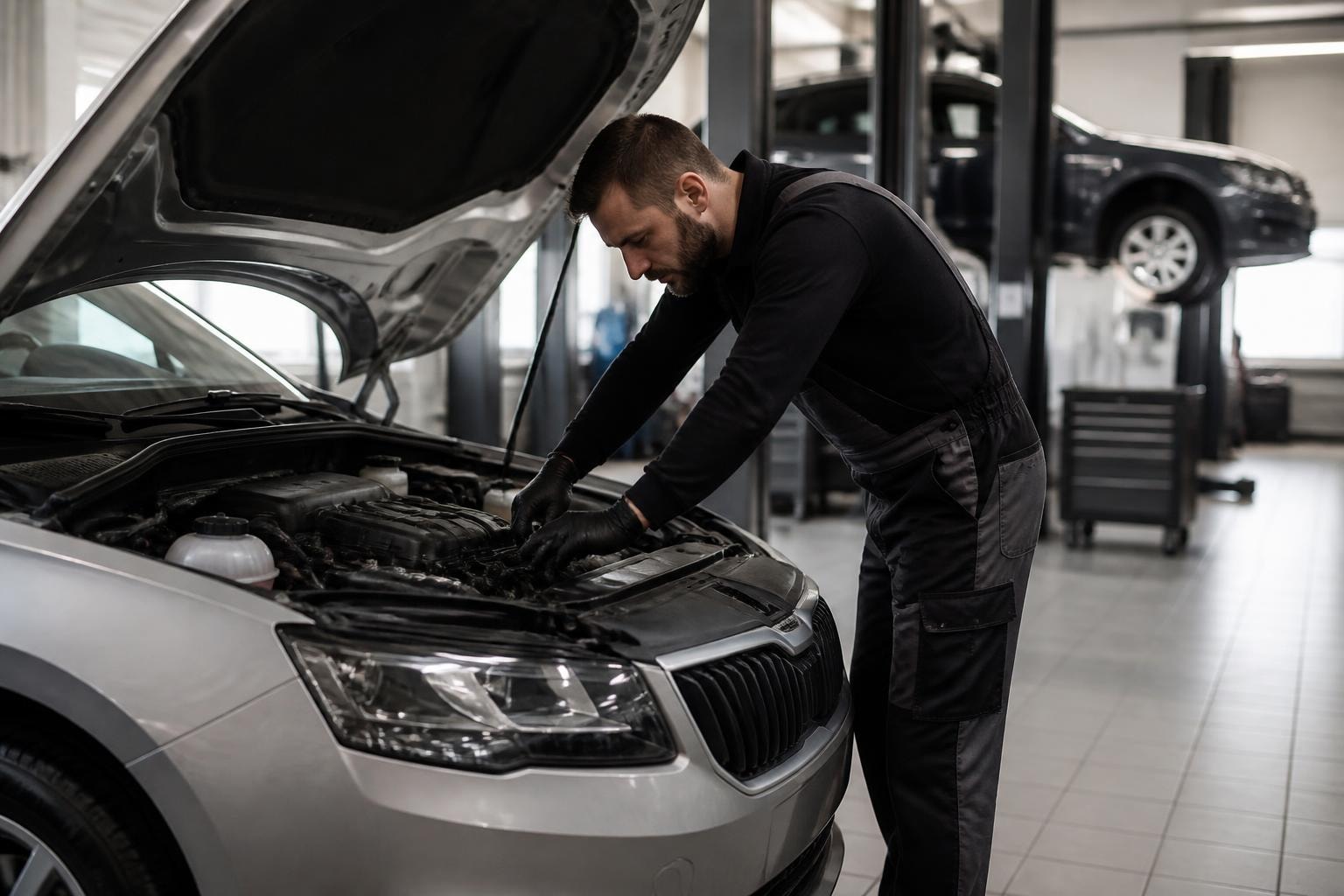

Skoda vehicles are celebrated for their reliability, yet even the most dependable models benefit from expert attention as automotive technology advances in 2026. The landscape of skoda repairs is changing, with new systems and features demanding updated knowledge and specialized care.
This guide is designed to give Skoda owners the latest information on repairs, maintenance routines, and how to select the right professionals for their vehicles. You will find up-to-date insights on common issues, cutting-edge technologies, and practical steps to keep your Skoda running smoothly.
We will cover emerging repair trends, essential maintenance, common faults, tips for choosing a trusted specialist, and cost-saving strategies for 2026. Whether you are a new or experienced Skoda owner, this guide will help you make informed decisions and protect your investment for years to come.
The Evolution of Skoda Repairs: What’s New in 2026?
Skoda repairs have undergone a remarkable transformation in recent years, driven by rapid technological progress and changes in the automotive landscape. In 2026, Skoda owners benefit from advanced features, but these innovations have also made repairs more complex. Staying informed about these developments is essential for anyone who wants their Skoda to remain reliable and efficient.
Technological Advancements in Skoda Models
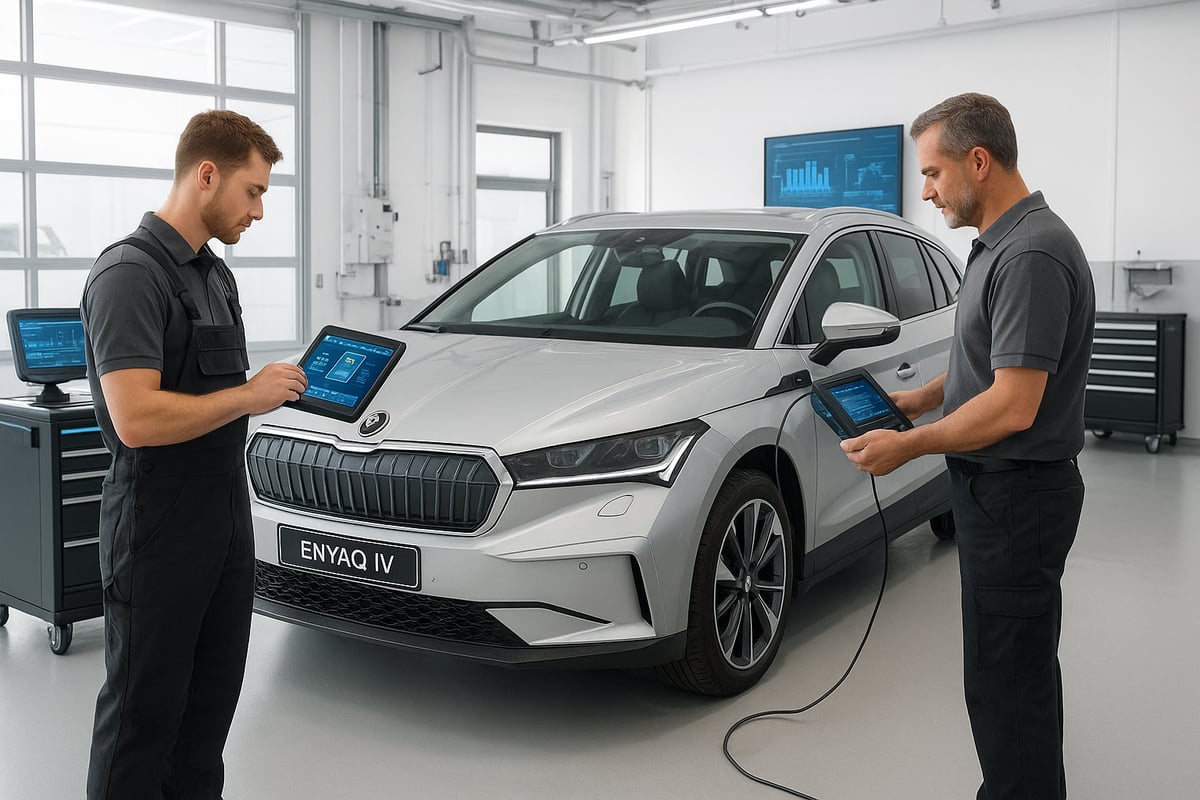
Skoda models in 2026 feature cutting-edge advancements such as hybrid and electric drivetrains, sophisticated driver-assist systems, and fully integrated connectivity. These innovations boost performance and safety, but they also add new layers of complexity to Skoda repairs. For example, the Skoda Enyaq iV requires specialized attention for its battery management system, which can only be serviced with up-to-date diagnostic equipment.
Modern Skodas now offer remote diagnostics through connected car features, allowing technicians to identify issues before they escalate. According to industry reports, electric and hybrid Skoda sales have surged by 35% in New Zealand over the past year, reflecting a broader shift toward sustainable mobility. As a result, workshops must invest heavily in training and technology to handle the latest Skoda repairs.
Key innovations in 2026 Skoda models:
- High-capacity lithium-ion batteries
- Advanced driver-assist and safety systems
- Over-the-air software updates
- Real-time vehicle health monitoring
With these advancements, the importance of using authorized service providers equipped with current tools has never been greater. For more information on professional servicing options, see Skoda servicing and repairs.
Changes in Manufacturer Guidelines and Warranties
In 2026, Skoda has updated its manufacturer guidelines, adjusting recommended service intervals and introducing more precise maintenance schedules for new models. Extended warranty programs are increasingly common, offering peace of mind but also influencing repair choices. For instance, real-world data shows that Skoda’s Super Care program has reduced out-of-pocket expenses for owners by up to 20%.
Software updates now play a pivotal role in Skoda repairs. Many issues can be resolved with a simple update, but these procedures require technical expertise and access to manufacturer-approved systems. Skoda’s evolving guidelines mean that regular visits to certified workshops are essential to maintain warranty coverage and ensure optimal performance.
New Zealand’s Regulatory Environment for Skoda Repairs
The regulatory framework for Skoda repairs in New Zealand has evolved significantly in 2026. Changes to the Warrant of Fitness (WoF) requirements now place greater emphasis on emissions and advanced safety features. New Zealand’s updated emissions standards are particularly relevant for Skoda hybrids and EVs.
Recent data indicates that 18% of Skodas fail their WoF due to emissions or issues with safety technology. Owners must ensure their vehicles meet these stricter standards to avoid costly re-inspections and penalties. Keeping up to date with these regulations and maintaining your Skoda according to the latest guidelines is crucial for compliance and long-term reliability.
| Regulatory Change | Impact on Skoda Owners |
|---|---|
| Stricter emissions standards | More frequent emissions checks |
| Enhanced WoF safety requirements | Focus on ADAS functionality |
| Digital record-keeping mandates | Improved service transparency |
The Growing Role of Independent Specialists
The landscape of Skoda repairs is shifting, with more owners opting for independent workshops over dealership service centers. This trend is driven by the desire for personalized service, transparent pricing, and flexible repair options. Customer satisfaction surveys consistently show that independent Skoda specialists often outperform dealerships in terms of communication and value for money.
Cost comparisons reveal that independent workshops can offer significant savings without compromising on quality. The transparency trend means that customers now expect detailed quotes and access to digital service records. As Skoda repairs become more advanced, choosing a workshop with factory-trained technicians and modern diagnostic tools is essential for peace of mind and vehicle longevity.
Common Skoda Problems and How to Spot Them Early
Keeping your Skoda running smoothly in 2026 means staying alert to early signs of trouble. Recognizing common issues before they escalate can save on costly skoda repairs and help maintain your vehicle’s value. Let’s break down the most frequent problems and how to catch them early.
Engine and Transmission Issues
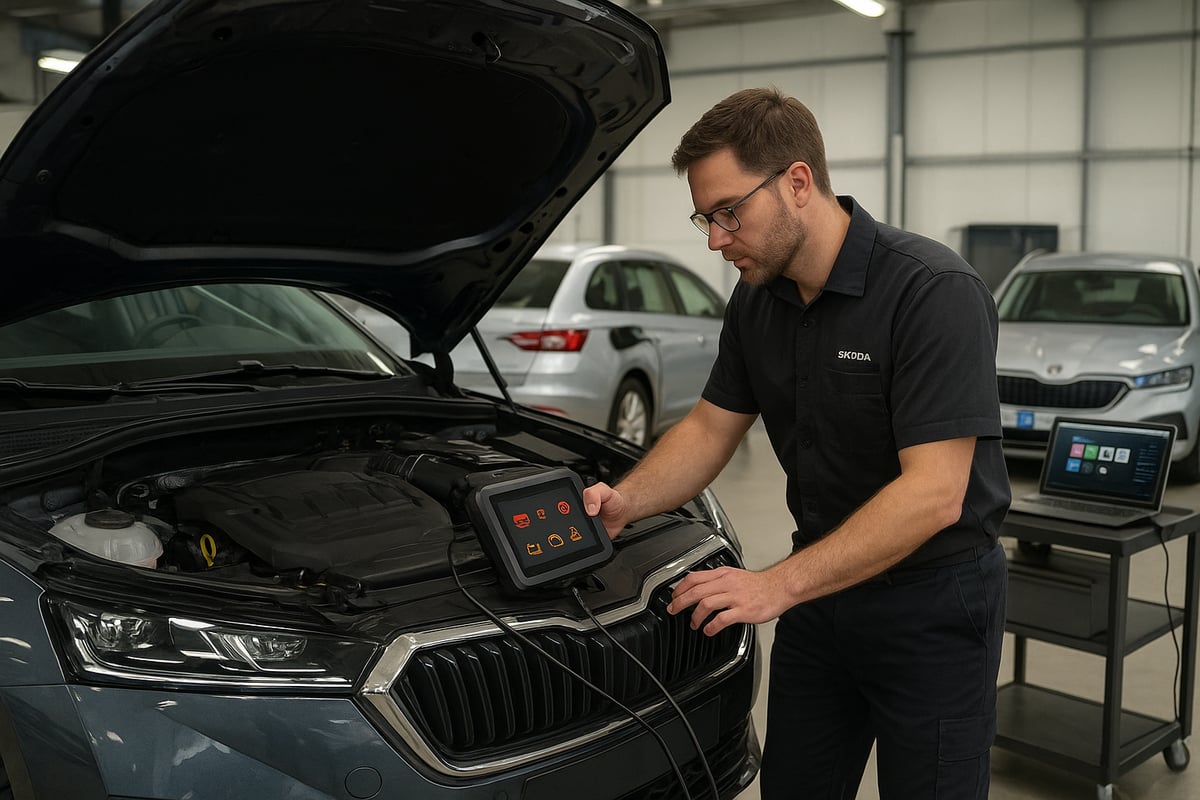
Engine and transmission problems are among the most common reasons for skoda repairs. Watch for rough idling, strange noises, or dashboard warning lights. Frequent faults include timing chain wear, turbocharger failures, and DSG transmission glitches.
One notable example is the Skoda Octavia, which has faced recalls due to engine component issues. For more details on specific model problems and typical repair costs, see this Common Škoda Octavia Issues and Repairs guide.
Industry data shows that engine-related faults account for a high percentage of workshop visits. Early detection, such as noticing oil leaks or delayed gear shifts, can prevent more serious and expensive skoda repairs.
Electrical and Infotainment System Faults
Modern Skoda vehicles rely heavily on advanced electronics. Touchscreen malfunctions, faulty Bluetooth connections, and sensor issues are increasingly frequent reasons for skoda repairs.
Adaptive cruise control and lane assist systems can trigger warning messages if sensors are misaligned or software glitches occur. The Skoda Superb, for instance, experienced a known infotainment update bug that caused system restarts. If you notice unresponsive screens or persistent alerts, schedule diagnostics promptly.
Quick attention to electrical problems prevents inconvenience and ensures all safety features operate as intended.
Suspension, Brakes, and Steering Concerns
Suspension and steering faults can seriously affect your Skoda’s handling and safety. Common symptoms include vibrations, uneven tire wear, and brake squeal. Advanced electronic braking and steering systems introduced in 2026 models require precise calibration and specialized skoda repairs.
Listen for clunks or rattles when driving over bumps. If your Skoda pulls to one side or the steering feels loose, have a technician inspect the system immediately. Staying proactive helps avoid larger issues and ensures optimal driving performance.
Battery and Charging System Problems (Especially for EV/Hybrid)
With more Skoda owners driving hybrid and electric models, battery health has become a top concern in skoda repairs. Warning signs include slow charging, reduced driving range, or dashboard alerts about battery condition.
Routine battery checks are vital. For example, the Skoda Enyaq iV has reported charging port issues that, if ignored, can lead to charging failures. If you notice your vehicle charging slower than usual or failing to start, seek professional assessment to prevent being stranded.
Bodywork, Paint, and Corrosion
Paint and corrosion problems can affect both the look and longevity of your Skoda. Rust tends to appear around wheel arches, door sills, and the underside, especially in coastal New Zealand.
Industry statistics reveal that a noticeable percentage of Skoda vehicles have paint or corrosion claims within their first few years. Regular washing, prompt touch-up of stone chips, and periodic inspections can reduce the need for extensive skoda repairs.
Preventative Maintenance to Avoid Major Repairs
Preventative maintenance is your best defense against unexpected skoda repairs. Following the manufacturer’s schedule for fluid changes, belt replacements, and system checks can catch issues before they escalate.
Many Skoda owners have avoided significant costs by acting on early warning signs, like replacing brake pads before rotor damage occurs. Keeping detailed records and choosing qualified technicians ensures your vehicle stays reliable and safe for years to come.
Step-by-Step Guide: How to Approach Skoda Repairs in 2026
Navigating skoda repairs in 2026 requires a careful and informed approach. Today’s vehicles are more advanced, making it essential to follow a structured process for diagnosing, repairing, and maintaining your Skoda. By following these steps, you can ensure your car receives the best possible care, protect your investment, and avoid common pitfalls.
Step 1: Identifying the Problem
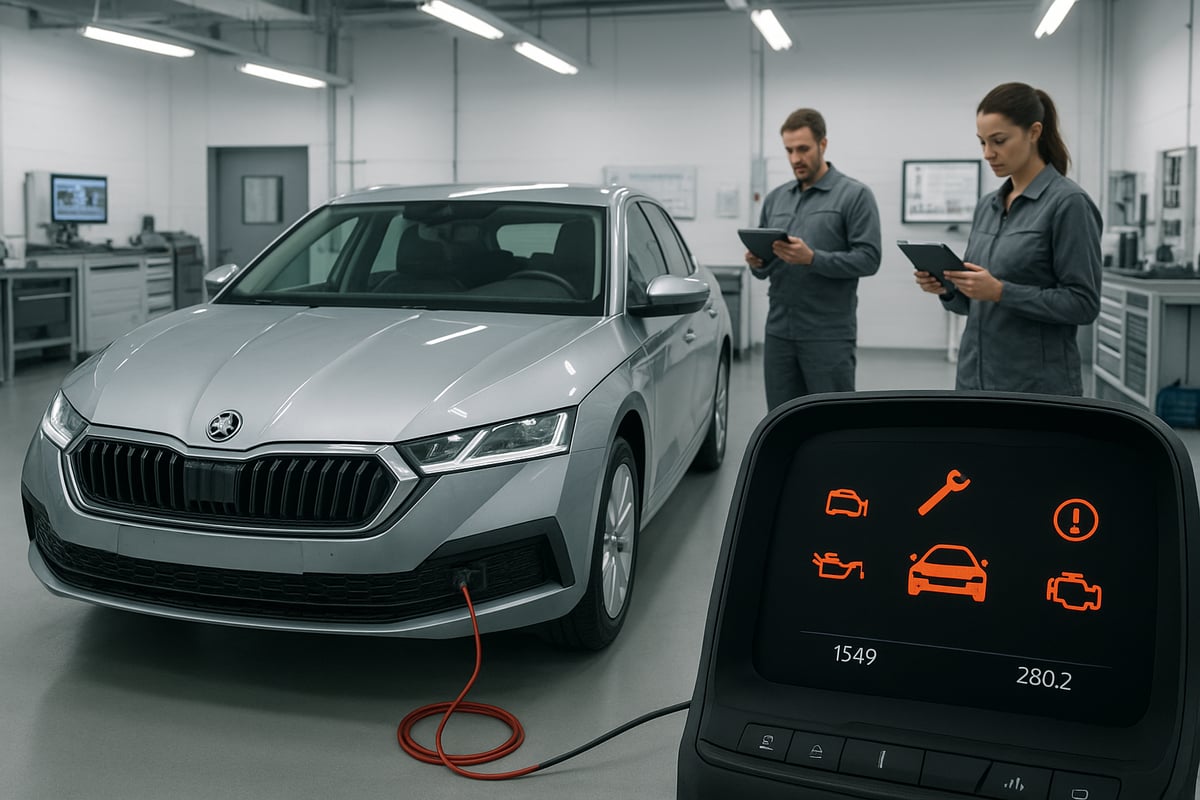
The first step in effective skoda repairs is accurate problem identification. Modern Skoda models are equipped with sophisticated onboard diagnostics and dashboard warning lights that alert you to potential issues. If you notice a warning icon or a change in your car’s behavior, such as rough idling or odd noises, take note immediately.
Utilize Skoda Connect or your vehicle’s mobile app to access real-time data and error codes. Document all symptoms, including when they occur and any patterns you observe. This information will assist technicians in pinpointing the root cause efficiently.
A sample record might look like this:
Date: 2026-03-15
Issue: Engine warning light, sluggish acceleration
Conditions: Cold start, occurs after 5 minutes of driving
Error code: P0171
Detailed documentation streamlines the skoda repairs process and reduces diagnostic time.
Step 2: Choosing Between DIY and Professional Repairs
Once you have identified the problem, decide whether you can tackle the repair yourself or need a professional. The complexity of skoda repairs has increased with the integration of advanced electronics, hybrid systems, and software-driven features.
Consider these factors:
- Does the repair involve safety systems or high-voltage components?
- Is specialized diagnostic equipment required?
- Are software updates or coding needed?
Simple tasks, such as replacing wiper blades or bulbs, may be suitable for DIY. However, more complex repairs, especially those involving ADAS (Advanced Driver Assistance Systems) or EV batteries, should be left to trained professionals. Attempting intricate skoda repairs without the proper tools or expertise can result in further damage or void warranties.
Step 3: Selecting a Qualified Skoda Repair Specialist
Choosing the right specialist is crucial for quality skoda repairs. Look for workshops with manufacturer certifications, up-to-date diagnostic equipment, and technicians who have received training in the latest Skoda technologies, especially for EV and hybrid models.
Customer feedback is invaluable when making this decision. For insights on real experiences, you can read Customer reviews for Skoda service to understand the quality of service and expertise offered by different providers.
When evaluating a repair specialist, consider:
- Are technicians factory-trained or certified for Skoda?
- Do they use genuine or OEM-quality parts?
- Is the facility equipped with the latest diagnostic tools?
A reputable workshop will explain your options clearly and answer any questions you have about skoda repairs.
Step 4: Requesting Transparent Quotes and Understanding Costs
Before approving any skoda repairs, request a detailed quote that breaks down the costs for parts, labor, and diagnostics. Transparency is key in 2026, with many workshops providing itemized invoices and even digital vehicle inspection reports.
Here is a sample cost breakdown table:
| Repair Item | Parts (NZD) | Labor (NZD) | Diagnostics (NZD) | Total (NZD) |
|---|---|---|---|---|
| Brake pads | $180 | $120 | $40 | $340 |
| Battery check | $0 | $60 | $50 | $110 |
| Software update | $0 | $80 | $60 | $140 |
Stay informed about 2026 pricing trends and industry benchmarks. The average cost for skoda repairs in New Zealand can vary, so compare quotes from multiple providers to ensure fair pricing.
Step 5: Approving Repairs and Staying Informed
Once you have reviewed the quote, approve only the necessary skoda repairs. Communicate clearly with your repairer and ask for updates throughout the process. Many workshops now offer before-and-after photos or videos, making it easier to see what work has been completed.
Discuss any warranty implications, especially if you are using a third-party repairer. Inquire if the parts and labor are covered under warranty and how this might affect your Skoda’s long-term coverage.
Keeping an open line of communication reduces misunderstandings and ensures you are satisfied with the outcome of your skoda repairs.
Step 6: Post-Repair Checks and Ongoing Maintenance
After your skoda repairs are complete, take time to verify the quality of work. Test drive your vehicle to ensure all issues have been resolved and that no new warning lights appear. Schedule follow-up checks as recommended, particularly for hybrid and electric models that may require additional monitoring.
Maintain up-to-date digital service records, which are valuable for future skoda repairs and can enhance your vehicle’s resale value. Consistent documentation helps track maintenance history and ensures compliance with manufacturer guidelines.
By following these steps, you can confidently approach skoda repairs in 2026, keeping your vehicle reliable and road-ready for years to come.
Choosing the Right Skoda Repair Centre: What to Look for in 2026
Selecting the right workshop for skoda repairs in 2026 is more important than ever. Advancements in technology, evolving vehicle systems, and changing service standards mean not all repair centres are created equal. Knowing what to look for ensures your Skoda receives expert care and maintains peak performance.
Essential Qualities of a Reputable Skoda Specialist
When choosing a centre for skoda repairs, prioritize workshops with factory-trained technicians who stay current with ongoing training. This ensures they understand the latest Skoda models and their evolving technology. Look for facilities using genuine or OEM-quality parts, which help maintain your vehicle’s warranty and reliability.
Modern workshops should feature state-of-the-art diagnostic tools capable of handling advanced Skoda systems, including EV and hybrid models. Clean, organized environments signal professionalism and attention to detail. Transparent pricing and detailed invoicing are also critical, so you know exactly what you are paying for.
For a closer look at what a top-tier facility should offer, review Our Skoda repair workshop, which demonstrates the standards expected in 2026.
The Value of Customer Service and Communication
Clear, honest communication is vital when arranging skoda repairs. A reputable centre will take the time to explain repair options, answer your questions, and provide regular updates throughout the process. Exceptional customer service means you never feel left in the dark about your vehicle’s condition or repair timeline.
Testimonials often highlight workshops that excel in transparency and responsiveness. Choose a repair centre that values your trust and keeps you informed every step of the way. This approach reduces misunderstandings and builds long-term relationships.
Comparing Dealerships vs. Independent Workshops
Deciding between dealerships and independent specialists for skoda repairs can impact cost, convenience, and expertise. Dealerships offer manufacturer-backed service and warranty compliance, but often come with higher prices. Independent workshops may provide more personalized service, flexible scheduling, and competitive rates.
Below is a comparison:
| Feature | Dealerships | Independent Workshops |
|---|---|---|
| Cost | Generally higher | Usually lower |
| Expertise | Factory-trained, brand focus | Brand specialists, often broader |
| Convenience | Fixed hours, longer wait | Flexible, local options |
| Warranty Implications | Some repairs required | Many now warranty-compliant |
| Customer Service | Varies | Often more personalized |
Review recent customer satisfaction scores to gauge which option best suits your needs in 2026.
VODIS Automobile: Auckland’s Independent Skoda Repair Experts
VODIS Automobile stands out for skoda repairs in Auckland, backed by over 20 years of experience. As independent specialists, they offer personalized service, transparent pricing, and a strong reputation among local Skoda owners.
Their team uses modern diagnostic tools and employs factory-trained technicians with deep knowledge of European vehicles. Located conveniently in North Shore, VODIS makes booking easy and is committed to honest advice, high-quality workmanship, and your satisfaction.
Choosing a reputable centre like VODIS ensures your Skoda receives expert care tailored to New Zealand’s unique driving conditions.
Cost-Saving Tips and Maintenance Best Practices for Skoda Owners
Staying ahead with your Skoda means more than just fixing problems as they arise. Proactive care, smart choices, and using the right resources can make skoda repairs more affordable and your vehicle more reliable.
Routine Maintenance That Pays Off
Following the recommended maintenance schedule is the foundation of affordable skoda repairs. Regular oil changes, brake inspections, and timely fluid replacements can prevent expensive breakdowns. Early brake pad swaps, for example, cost a fraction of rotor replacements. Many owners now choose service centers specializing in European vehicles, which understand the unique needs of Skoda models. For a detailed look at preventative care options, visit the European vehicle servicing overview. Keeping up with scheduled checks means fewer surprises and lower repair bills.
Leveraging Technology for Cheaper Repairs
Modern Skoda vehicles come equipped with connected services that help detect faults early. Using digital service histories and diagnostic apps, workshops can identify issues before they escalate. This approach reduces unnecessary skoda repairs by highlighting only the work truly needed. Owners benefit from transparent updates, while digital vehicle inspections streamline communication between technicians and customers. Embracing these technologies ensures that you catch problems quickly, saving both time and money.
Smart Parts Sourcing and Warranties
Choosing between genuine and aftermarket parts is a crucial decision for cost-conscious Skoda owners. Genuine parts guarantee perfect fit and durability but can be pricier. Aftermarket options may save money upfront, but quality varies. Always check for warranty coverage—some programs, like the Škoda Super Care Warranty Program, offer extended protection and bundled maintenance, making skoda repairs more predictable and affordable. Review part warranties carefully to avoid unexpected expenses later.
| Parts Type | Pros | Cons |
|---|---|---|
| Genuine | High quality, warranty | Higher cost |
| Aftermarket | Lower price, more options | Quality may vary, less support |
DIY Maintenance: What’s Safe and What’s Not
Taking on simple tasks can reduce the cost of skoda repairs, but caution is essential. Owners can safely replace wiper blades, bulbs, and check tire pressures. However, advanced systems like adaptive cruise control or hybrid batteries require specialized tools and training. Attempting complex DIY fixes can lead to further damage or void warranties. Always consult your manual, and when in doubt, leave high-tech repairs to certified professionals.
- Safe DIY tasks: wipers, bulbs, tire checks
- Avoid: electrical, ADAS, or battery repairs
- Consult experts for anything involving software or high voltage
Seasonal and NZ-Specific Maintenance Advice
New Zealand’s climate and road conditions create unique challenges for Skoda owners. Coastal areas can accelerate corrosion, while rural roads may wear suspension parts faster. Regular underbody washes and protective coatings help prevent rust. Before winter, check your battery and coolant to avoid cold-weather failures. For those in urban areas, ensure sensors and cameras are clean for optimal driver-assist performance. Customizing your skoda repairs and maintenance to local conditions extends the life of your vehicle.
Maximizing Resale Value Through Maintenance
A well-maintained Skoda commands a higher price on the resale market. Documenting all skoda repairs and services creates a trustworthy history for future buyers. Use digital records or service books, and always choose reputable repairers for major work. Studies show vehicles with comprehensive service histories sell faster and for more money. Investing in routine care not only saves on repairs but also protects your Skoda’s long-term value.
The Future of Skoda Repairs: Trends to Watch Beyond 2026
The landscape of skoda repairs is set to transform significantly in the years after 2026. Owners and technicians alike will need to adapt to new technologies, evolving customer expectations, and stricter regulations. Here’s what you need to know about the future of skoda repairs and how these trends may affect your ownership experience.
Rise of Electric and Hybrid Skoda Models
Electric and hybrid Skoda models are expected to dominate the market beyond 2026. With vehicles like the upcoming Škoda Peaq Overview entering production, workshops must prepare for new challenges in skoda repairs. Technicians will need specialized knowledge of battery systems, high-voltage components, and advanced powertrains.
Owners can expect longer intervals between mechanical failures, but new fault types related to electronics and charging infrastructure will emerge. This shift means the future of skoda repairs will focus more on software and battery diagnostics than traditional engine issues.
Increasing Role of Software and Remote Diagnostics
Software now plays a central role in skoda repairs. Over-the-air updates are becoming routine, reducing the need for in-person visits for minor issues. Remote diagnostics allow technicians to pinpoint problems before the vehicle arrives at the workshop, saving time and money.
As these technologies mature, more skoda repairs will involve code updates, sensor recalibrations, and troubleshooting digital systems. Owners should ensure their service providers use the latest tools and maintain up-to-date training to keep pace with this trend.
Sustainability and Eco-Friendly Repair Practices
Environmental responsibility is reshaping skoda repairs. Workshops are adopting recycled materials, energy-efficient operations, and eco-friendly products. The reduction of hazardous waste and the use of remanufactured components are becoming standard.
A comparison of traditional and green repair practices shows significant reductions in carbon emissions and landfill waste. Skoda owners will increasingly choose repairers who prioritize sustainability, reflecting a broader shift in automotive culture.
| Practice Type | Emissions Impact | Waste Reduction |
|---|---|---|
| Traditional | High | Low |
| Eco-Friendly | Low | High |
Evolving Customer Expectations and Digital Integration
Customers now demand transparency and convenience in skoda repairs. Digital vehicle inspections, online booking, and real-time updates are becoming the norm. The adoption of Digital Vehicle Inspections in Auto Repair is enhancing trust and communication between owners and workshops.
Expect digital platforms to streamline every step of the repair process. From remote fault detection to digital invoicing, these tools help owners stay informed and confident in their skoda repairs.
Importance of Continuous Technician Training
Keeping up with rapidly evolving technology is vital for technicians specializing in skoda repairs. Regular training in electric vehicle systems, ADAS (Advanced Driver Assistance Systems), and new diagnostic tools is essential.
Manufacturers and independent workshops are investing in certification programs to ensure technicians remain experts in the latest Skoda models. For owners, choosing a repair centre with highly trained staff is key to reliable and safe skoda repairs.
Potential Regulatory Changes Affecting Skoda Owners
Regulatory updates will play a significant role in shaping skoda repairs after 2026. Stricter emissions standards, new safety regulations, and changes to the Warrant of Fitness (WoF) process are expected.
Owners must stay informed about compliance requirements to avoid costly penalties or failed inspections. As skoda repairs become more complex, partnering with knowledgeable repairers will help ensure your vehicle meets all legal standards and remains roadworthy.
After exploring the latest trends and essential steps for keeping your Skoda in peak condition in 2026, you now have a clear roadmap for smart, proactive vehicle care. If you're ready to put this knowledge into action and want your Skoda looked after by experienced professionals who understand the unique needs of European vehicles, we're here to help. With over 20 years of trusted expertise and a commitment to honest, transparent service, VODIS Automobile can ensure your Skoda runs smoothly for years to come. For peace of mind and expert care, Book in your service today.