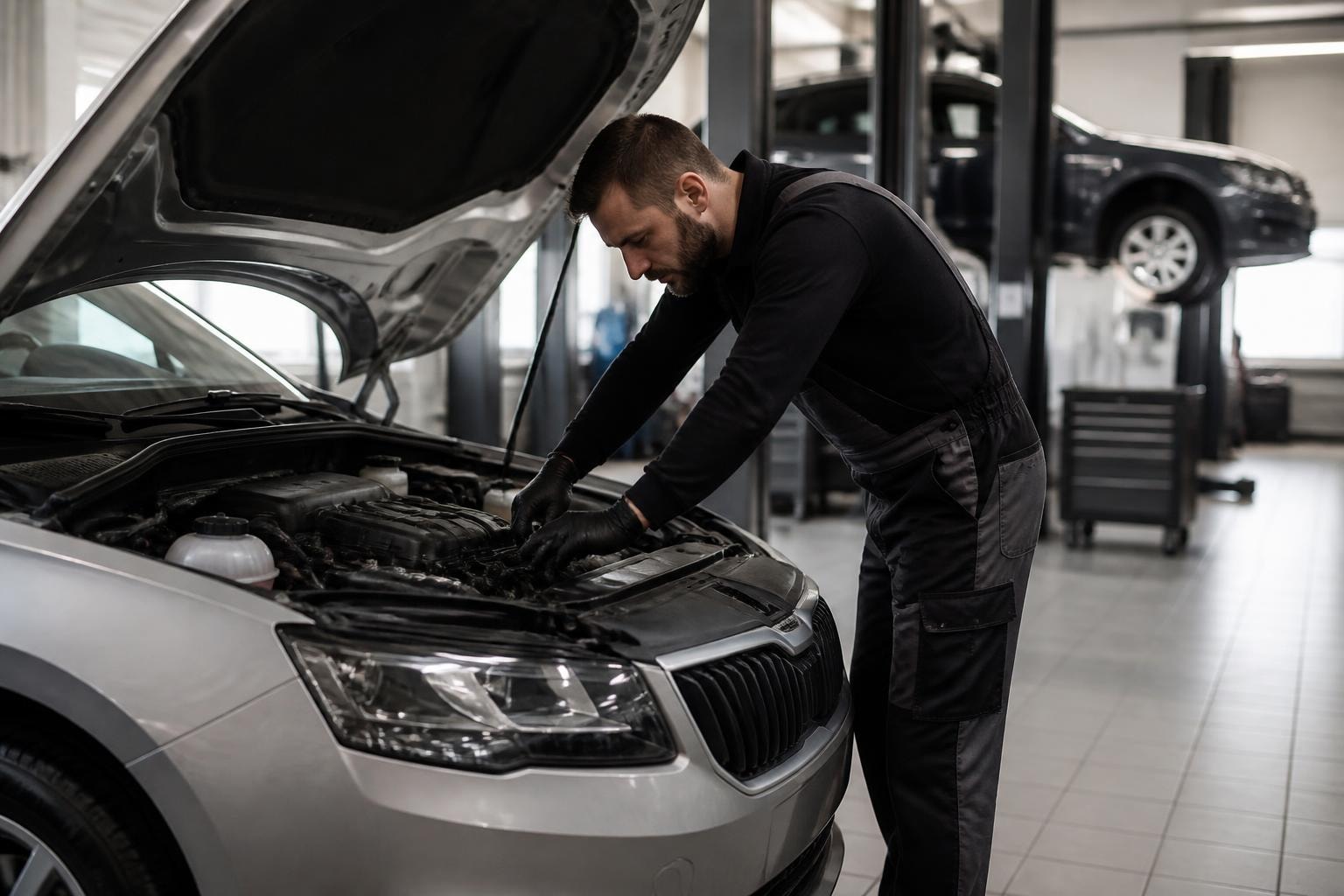

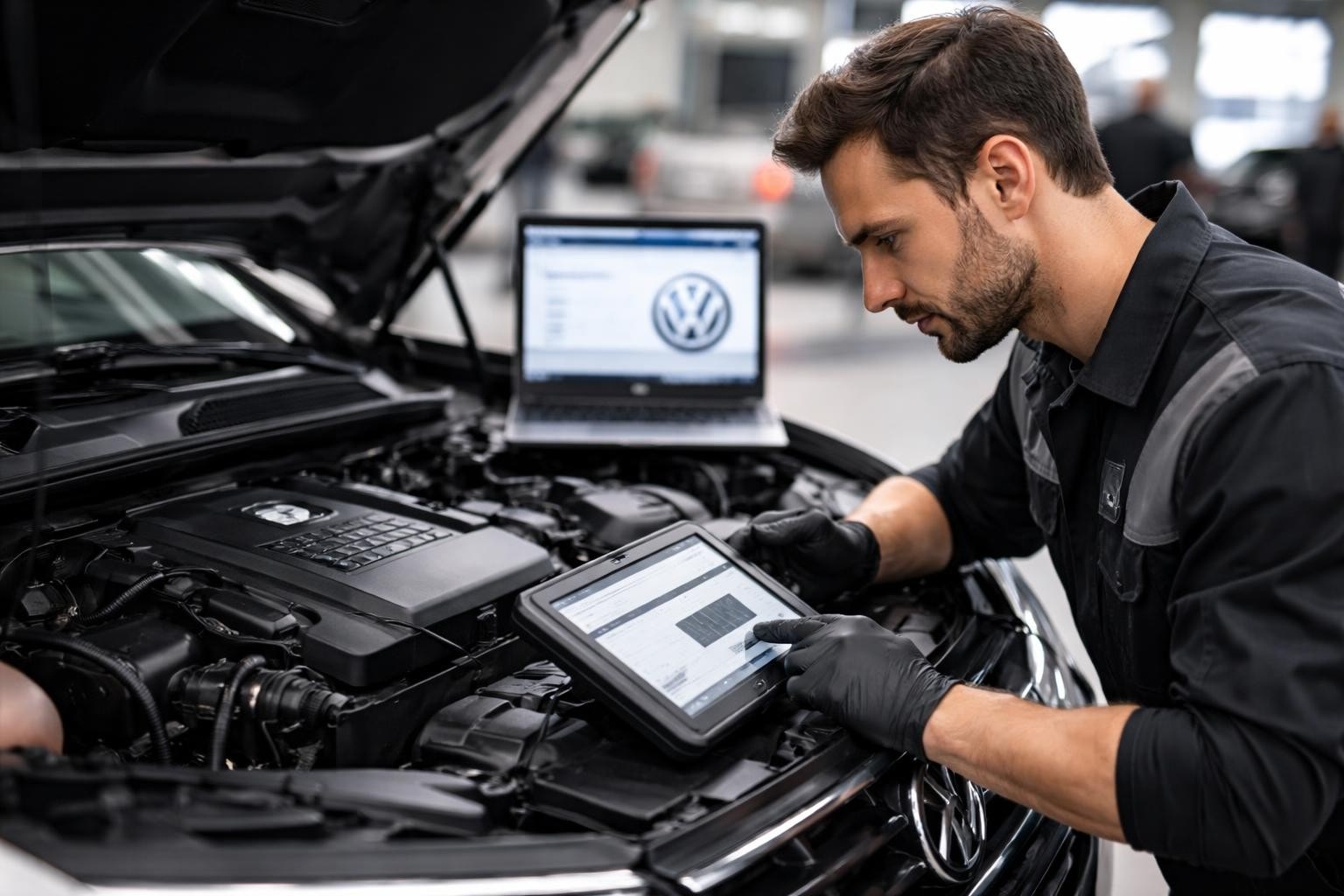
European automotive engineering represents some of the most sophisticated vehicle technology on the road today. When you own a Volkswagen or Audi, you're driving a vehicle that demands specialized knowledge, precision tools, and an understanding of complex electronic systems that generic repair shops simply cannot match. Choosing a volkswagen audi specialist ensures your vehicle receives the exact care it needs from technicians who understand every nuance of these German-engineered machines. The difference between general automotive service and specialized European vehicle care becomes immediately apparent in diagnostic accuracy, repair quality, and long-term vehicle performance.
The Technical Complexity of Modern Volkswagen and Audi Vehicles
Modern Volkswagen and Audi vehicles incorporate advanced engineering that extends far beyond traditional automotive mechanics. These vehicles feature proprietary electronic systems, integrated control modules, and sophisticated diagnostic requirements that demand specialized expertise.
Advanced Electronic Architecture
The electronic systems in contemporary Volkswagen Group vehicles operate on complex CAN bus networks that communicate across multiple control units simultaneously. A volkswagen audi specialist possesses the diagnostic equipment and technical knowledge to interpret these systems accurately, identifying issues that generic scan tools might miss entirely.
Key electronic systems requiring specialized knowledge:
- Multi-controller area network (CAN) architecture
- Adaptive cruise control with predictive algorithms
- Dynamic chassis control systems
- Advanced driver assistance systems (ADAS)
- Infotainment integration with vehicle performance modules
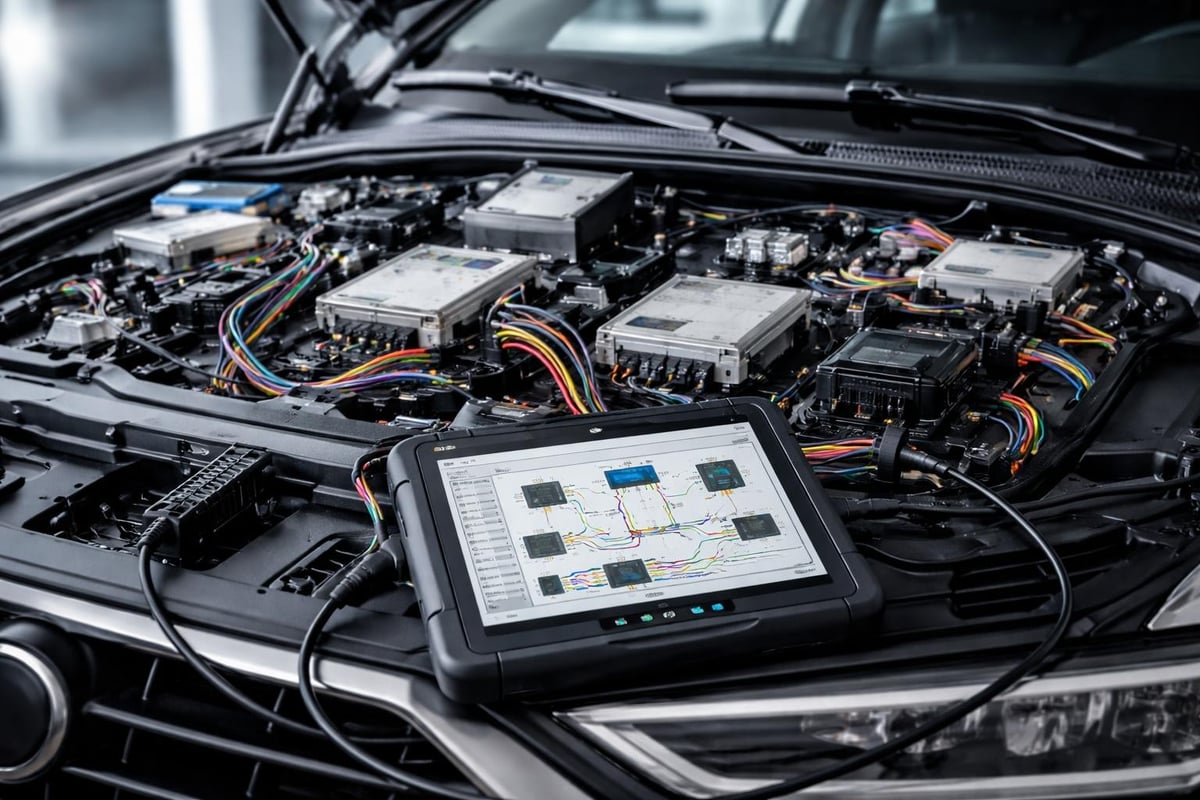
The Volkswagen self-study programs provide detailed technical documentation that specialists use to stay current with evolving vehicle technology. These resources contain proprietary information unavailable to general mechanics, covering everything from engine management to transmission control strategies.
Engine and Transmission Specialization
Volkswagen and Audi powertrains feature unique characteristics that demand specific technical understanding. The TSI and TFSI turbocharged engines use direct fuel injection systems with precise timing requirements, while DSG transmissions require specialized adaptation procedures after service.
| Component | Specialized Requirement | Generic Shop Limitation |
|---|---|---|
| DSG Transmission | Adaptation and calibration with factory tools | Cannot perform software updates |
| TFSI Engine | Specific carbon cleaning procedures | May use incorrect methods damaging components |
| Quattro System | Differential fluid specifications and procedures | Often uses incorrect fluid types |
| Timing Systems | Chain tensioner inspection protocols | Misses early warning signs |
Training and Certification Requirements
The pathway to becoming a qualified volkswagen audi specialist involves extensive training that goes far beyond standard automotive education. Manufacturers invest heavily in developing technician expertise through structured programs and continuous learning opportunities.
Manufacturer-Backed Education Programs
Volkswagen Group has established comprehensive training frameworks designed to develop specialist technicians. The Audi Education Partnership collaborates with technical institutions to create curriculum specifically focused on Audi vehicle systems, ensuring graduates possess practical knowledge before entering the workforce.
Professional development continues throughout a specialist's career through programs like the Audi learning system, which provides ongoing education as vehicle technology evolves. This commitment to continuous learning separates specialists from technicians who completed their training years ago without pursuing advanced certification.
Certification levels for Volkswagen Audi specialists:
- Foundation technical training (automotive fundamentals)
- Brand-specific systems education (Volkswagen Group technology)
- Advanced diagnostics certification (complex problem-solving)
- Master technician designation (comprehensive expertise)
- Specialized certifications (hybrid systems, ADAS, performance tuning)
Technical Resource Access
A volkswagen audi specialist maintains access to proprietary technical resources that independent mechanics cannot obtain. These include factory service bulletins, technical service information databases, and direct communication channels with engineering teams for complex diagnostic cases.
The difference becomes critical when addressing intermittent electrical issues, software-related problems, or component failures that require updated calibration procedures. Specialists work with the same information that dealership technicians use, ensuring accurate diagnosis and proper repair procedures.
Diagnostic Equipment and Specialized Tools
The investment in proper diagnostic equipment represents a significant commitment that distinguishes a true volkswagen audi specialist from general repair facilities. Volkswagen Group vehicles require specific tools for both diagnosis and repair procedures.
Factory-Level Diagnostic Systems
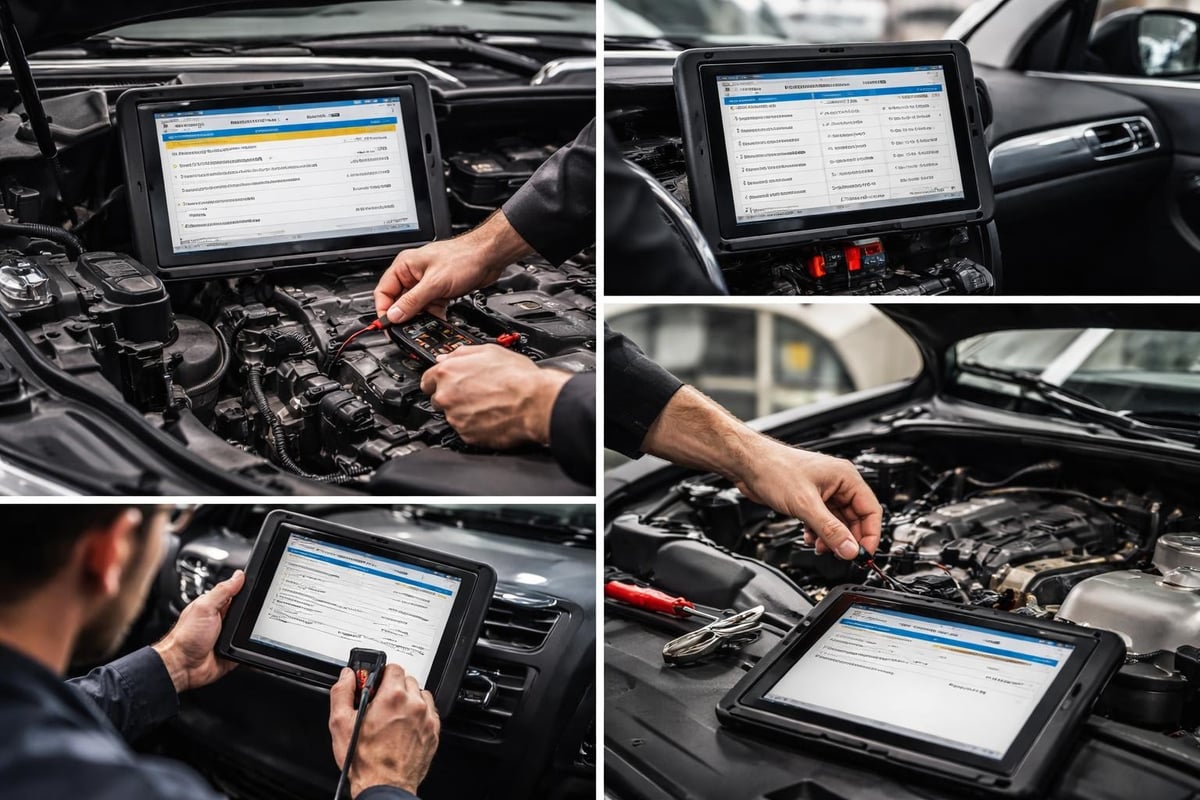
Generic OBD-II scanners provide only basic information from Volkswagen and Audi vehicles, accessing perhaps twenty percent of the available diagnostic data. Factory-level systems like VCDS (VAG-COM Diagnostic System) or VAS diagnostic equipment access all control modules, enabling specialists to perform guided fault-finding procedures, component activations, and detailed system measurements.
These systems allow specialists to:
- Read and clear fault codes from all vehicle modules
- Perform adaptation and coding procedures
- Access measuring value blocks for live data analysis
- Conduct component testing and activation
- Update vehicle software and control module programming
Specialized Repair Tools
Beyond diagnostics, certain repair procedures absolutely require manufacturer-specific tools. A volkswagen audi specialist maintains an inventory of these specialized implements, which can represent tens of thousands of dollars in equipment investment.
| Service Procedure | Required Specialized Tool | Why It Matters |
|---|---|---|
| DSG clutch replacement | Clutch assembly tool set | Prevents damage during installation |
| Timing chain service | Camshaft alignment tools | Ensures correct valve timing |
| Brake service | Electronic parking brake tool | Required to retract electronic calipers |
| Suspension work | Adjustable control arm tools | Maintains proper geometry |
| Engine work | Crankshaft holding fixtures | Prevents component damage |
Cost Considerations and Long-Term Value
Many vehicle owners initially hesitate when comparing service costs between a volkswagen audi specialist and general repair shops. However, understanding the true cost equation requires examining both immediate expenses and long-term value.
The True Cost of Incorrect Repairs
Generic repair facilities may quote lower hourly rates, but incorrect diagnosis or improper repair procedures often create cascading problems that ultimately cost significantly more. When a non-specialist misdiagnoses an issue, you pay for unnecessary parts and labor before eventually seeking proper diagnosis anyway.
Common costly mistakes from non-specialized service:
- Replacing parts based on generic fault codes without proper diagnosis
- Using incorrect fluid specifications causing transmission or differential damage
- Incomplete software updates leaving systems in fault condition
- Improper timing procedures resulting in engine damage
- Incorrect adaptation procedures causing drivability issues
A volkswagen audi specialist diagnoses issues correctly the first time, eliminating diagnostic guesswork and unnecessary part replacement. This precision saves money across the ownership experience while maintaining vehicle reliability.
Warranty and Residual Value Protection
Proper maintenance documentation from qualified specialists protects your vehicle's residual value and maintains any extended warranty coverage. Many warranty providers require service from facilities with appropriate certifications and equipment, which general mechanics often cannot provide.
The genuine Volkswagen service standards ensure repairs meet manufacturer specifications, preserving both warranty validity and future resale value. When selling your vehicle, a complete service history from recognized specialists commands premium pricing in the used car market.
Independent Specialists Versus Dealership Service
Vehicle owners often weigh the decision between dealership service departments and independent volkswagen audi specialist facilities. Understanding the advantages of each option helps make informed service decisions.
The Independent Specialist Advantage
Independent specialists focusing exclusively on Volkswagen and Audi vehicles offer several distinct advantages over dealership service departments. These facilities typically provide more personalized service, direct technician communication, and often more competitive pricing while maintaining the same technical expertise.
Benefits of independent specialist service:
- Direct communication with the technician performing the work
- Flexible scheduling and faster turnaround times
- Competitive pricing without corporate overhead
- Specialized focus rather than multi-brand dilution
- Long-term relationship building with consistent service advisors
Independent specialists invest in the same diagnostic equipment and training as dealerships but operate with lower overhead costs. This business model allows competitive pricing while maintaining technical capabilities, factory-level diagnostics, and genuine parts access.
Training Parity and Equipment Investment
The assumption that dealership technicians possess superior training no longer holds true in 2026. Many independent volkswagen audi specialist technicians previously worked at dealerships before establishing or joining independent facilities, bringing dealership experience with them.
Programs like the Audi Education Partnership for dealerships create standardized training that independent specialists also access through manufacturer channels and third-party certification programs. The technical knowledge base remains equivalent while independent facilities often retain technicians longer, building deeper expertise.
Preventive Maintenance and Service Scheduling
A volkswagen audi specialist understands the specific maintenance requirements that keep these vehicles performing optimally throughout their lifecycle. European vehicles follow different service intervals and require different specifications than Asian or domestic vehicles.
Manufacturer-Specific Service Requirements
Volkswagen and Audi maintenance schedules follow precise intervals based on both mileage and time. These schedules account for specific component wear patterns, fluid degradation rates, and system inspection requirements unique to these vehicles.
Critical maintenance intervals requiring specialist attention:
- DSG transmission service (40,000 miles or 4 years)
- Timing chain inspection and tensioner evaluation
- Carbon cleaning for direct-injection engines
- Brake fluid replacement (2-year intervals)
- Haldex or Quattro differential service
- Coolant system service with specific G12/G13 specifications
Generic shops often miss these manufacturer-specific requirements or substitute incorrect fluids and parts. A volkswagen audi specialist follows exact manufacturer protocols, using correct specifications for every service component. You can schedule your service appointment to ensure your vehicle receives proper maintenance.
Predictive Maintenance Strategies
Experienced specialists develop predictive maintenance strategies based on common failure patterns in specific model years and configurations. This knowledge allows proactive component replacement before failures occur, preventing roadside breakdowns and collateral damage.
For example, certain TSI engines experience timing chain tensioner wear at predictable intervals. A volkswagen audi specialist monitors these components during routine service, recommending replacement when inspection reveals early warning signs rather than waiting for catastrophic failure.
Common Service Procedures Requiring Specialist Expertise
Several routine and repair procedures on Volkswagen and Audi vehicles absolutely demand specialist knowledge and equipment for proper execution. Attempting these services without proper expertise leads to component damage and safety concerns.
DSG Transmission Service and Repair
The Direct Shift Gearbox (DSG) represents one of the most sophisticated transmission systems in production vehicles. Service procedures require specialized equipment for fluid exchange, adaptation procedures, and clutch pack replacement when necessary.
| Service Type | Specialist Procedure | Non-Specialist Risk |
|---|---|---|
| Fluid change | Full flush with adaptation reset | Incomplete fluid exchange, no adaptation |
| Clutch replacement | Precise installation with factory tools | Improper clutch pack installation |
| Mechatronic service | Software updates with calibration | Cannot perform software procedures |
| Fault diagnosis | Measuring blocks analysis | Misinterpretation of generic codes |
Carbon Buildup Cleaning
Direct-injection engines accumulate carbon deposits on intake valves over time, requiring specialized cleaning procedures. A volkswagen audi specialist uses walnut blasting or chemical cleaning methods that safely remove deposits without damaging valve surfaces or intake components.
Generic shops often lack the equipment or knowledge to perform these procedures correctly, sometimes attempting harmful methods that damage engine components. The specialist approach prevents damage while restoring engine performance and fuel economy.
Advanced Driver Assistance System Calibration
Modern Volkswagen and Audi vehicles incorporate cameras, radar sensors, and ultrasonic systems requiring precise calibration after windshield replacement, front-end collision repair, or component replacement. A volkswagen audi specialist possesses the calibration equipment and procedures to ensure these safety systems function correctly.
The Audi Collision Repair Network requires I-CAR training specifically to address these calibration requirements, demonstrating the technical complexity involved in maintaining these systems properly.
Selecting the Right Volkswagen Audi Specialist
Finding a qualified volkswagen audi specialist requires evaluating several factors beyond proximity and price. The right facility combines technical expertise, proper equipment, quality parts, and professional service delivery.
Evaluation Criteria for Specialist Selection
Key factors when choosing a specialist:
- Years of specific Volkswagen and Audi experience
- Diagnostic equipment capabilities (VCDS, VAS, or equivalent)
- Technician certifications and ongoing training commitment
- Customer reviews focusing on diagnostic accuracy
- Parts sourcing practices (genuine vs. quality aftermarket)
- Warranty offerings on repairs and service
- Communication practices and transparency
Request facility tours to observe equipment and organization. A professional volkswagen audi specialist maintains a clean, organized workspace with visible diagnostic equipment and specialized tools. The facility should demonstrate pride in their capabilities and welcome customer questions.
Communication and Transparency
Professional specialists prioritize clear communication throughout the service process. They explain diagnostic findings in understandable terms, provide detailed estimates before performing work, and welcome questions about recommended services.
The Audi service approach emphasizes transparency and customer education, principles that quality independent specialists embrace. You should understand what services your vehicle needs, why they're necessary, and what results to expect.
The Future of Volkswagen and Audi Vehicle Service
As vehicle technology continues advancing, the gap between specialized and general automotive service will only widen. Electric vehicles, autonomous driving features, and connected car technology increase complexity exponentially.
Evolving Technical Requirements
Volkswagen and Audi are transitioning toward electric and hybrid powertrains requiring entirely new technical knowledge. The ID series electric vehicles and upcoming Audi e-tron models demand high-voltage system expertise, battery management understanding, and electric motor service capabilities.
A committed volkswagen audi specialist invests in training and equipment for these emerging technologies, ensuring continued service capability as the fleet evolves. This forward-looking approach protects your investment regardless of powertrain configuration.
Connectivity and Software Updates
Modern vehicles receive over-the-air software updates and require periodic dealer-level programming for optimal performance. Specialists maintain relationships with manufacturer technical support and possess equipment necessary for these updates, keeping vehicles current with the latest calibrations and feature enhancements.
The integration of vehicle systems with mobile devices, cloud services, and predictive maintenance systems requires specialists who understand both mechanical and information technology aspects of vehicle operation.
Choosing the right service facility for your Volkswagen or Audi directly impacts vehicle reliability, performance, and ownership costs throughout your time with the vehicle. The specialized knowledge, proper equipment, and dedicated focus that a true specialist provides cannot be replicated by general repair shops. For North Shore Auckland residents seeking expert European vehicle care, VODIS Automobile combines over twenty years of specialized experience with factory-level diagnostic capabilities and a commitment to customer satisfaction that has made them the region's trusted choice for Volkswagen, Audi, and other European vehicle service.