


Owning a Volkswagen represents a commitment to German engineering excellence, precision, and reliability. However, maintaining these sophisticated European vehicles requires more than just routine oil changes. Proper volkswagen car maintenance ensures your vehicle continues to deliver the performance, safety, and efficiency that made you choose this brand in the first place. Whether you're driving a Golf, Passat, Tiguan, or any other VW model through Auckland's streets, understanding your vehicle's specific maintenance needs will protect your investment and provide years of dependable service.
Understanding Volkswagen Service Intervals
Volkswagen vehicles operate on a sophisticated service schedule that differs significantly from many other manufacturers. Rather than relying solely on time-based intervals, VW employs a variable maintenance system that monitors your driving conditions, engine performance, and operating environment to determine when service is needed.
The Volkswagen maintenance schedule typically requires attention every 15,000 kilometres or 12 months, whichever comes first. This interval applies to most modern VW models, though specific requirements may vary based on your vehicle's age, model, and driving conditions.
Major Service Categories
Volkswagen car maintenance falls into several distinct categories, each addressing different aspects of vehicle performance:
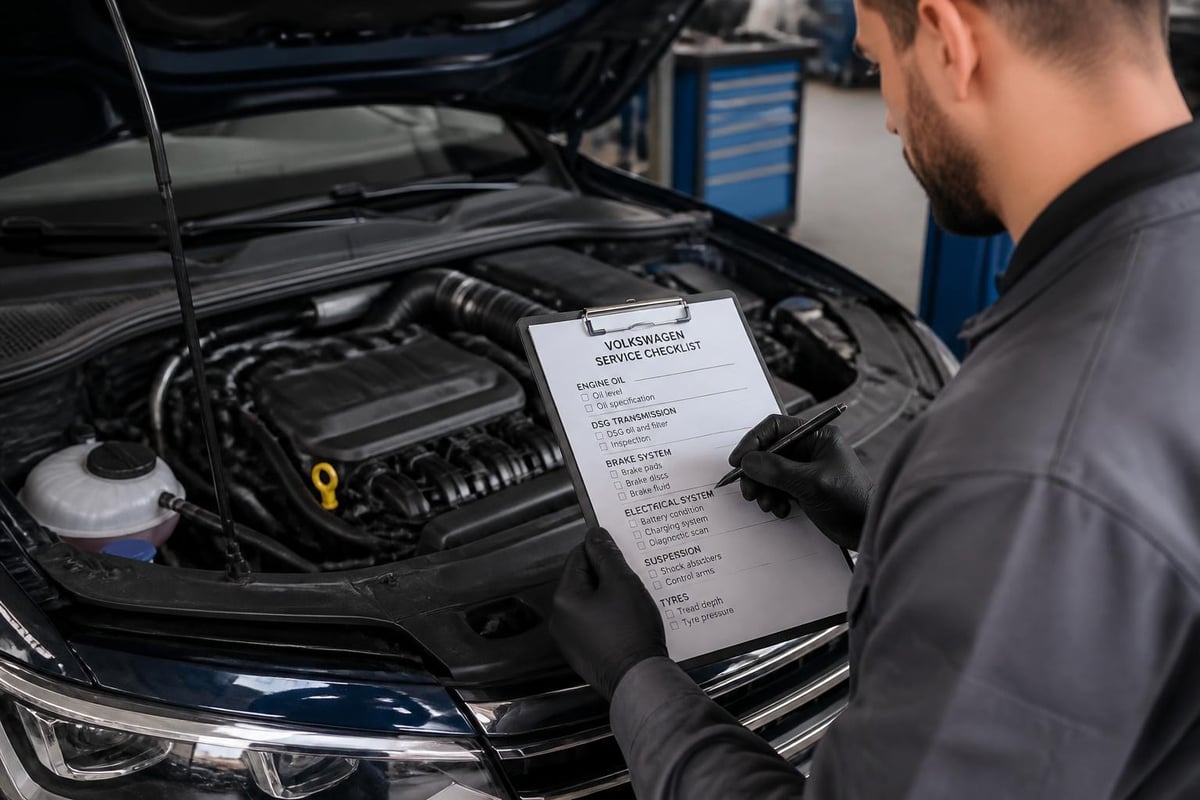
- Minor Service: Oil and filter changes, basic inspections, fluid level checks
- Major Service: Comprehensive inspections, brake system evaluation, transmission service
- Scheduled Replacements: Timing belt, DSG transmission fluid, spark plugs
- Seasonal Checks: Air conditioning service, battery health, tyre condition
Understanding which service category your vehicle requires helps you budget appropriately and avoid unexpected expenses. Minor services typically cost less and take less time, whilst major services involve more comprehensive inspections and potential component replacements.
Essential Volkswagen Maintenance Tasks
Certain maintenance tasks prove absolutely critical for Volkswagen vehicles, many of which relate to the brand's specific engineering characteristics. Neglecting these services can lead to expensive repairs and diminished vehicle performance.
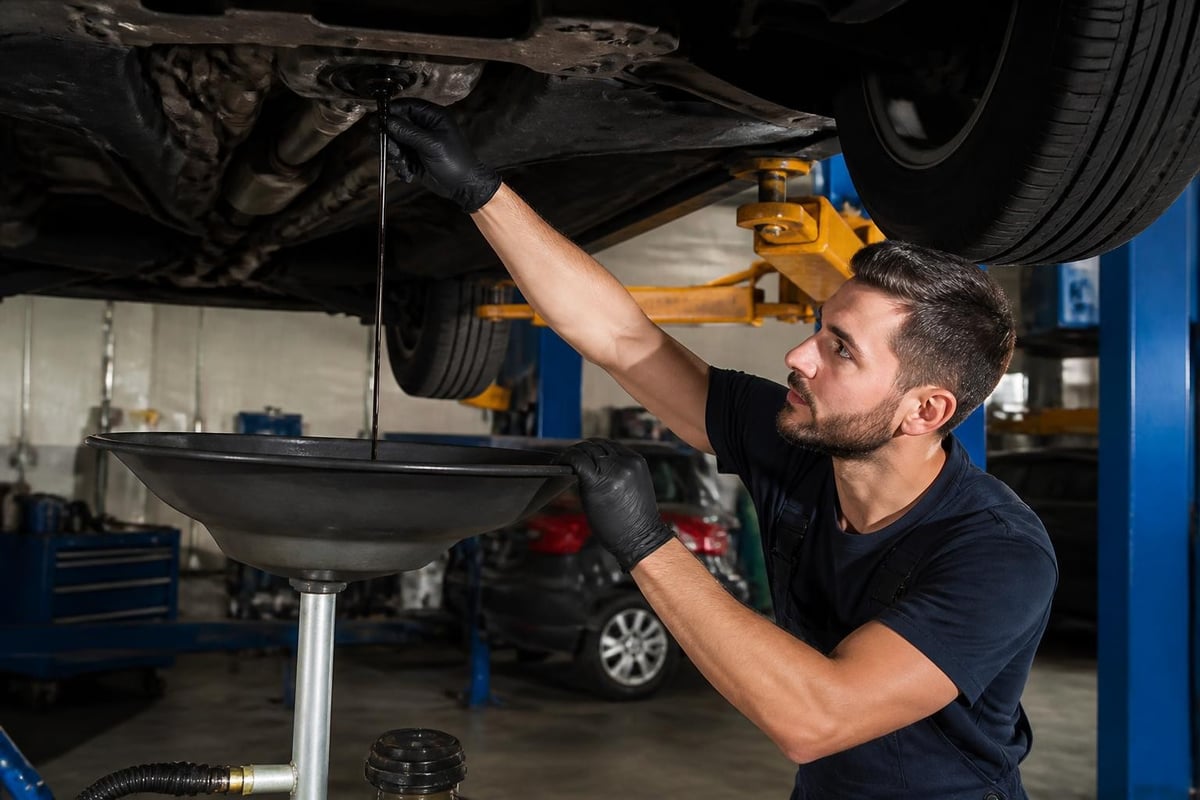
Engine Oil and Filter Changes
VW engines require specific oil formulations that meet strict manufacturer specifications. Using the correct oil grade ensures proper engine protection, optimal fuel economy, and extended engine life. Modern Volkswagen engines typically use fully synthetic 5W-30 or 5W-40 oil that meets VW 502.00 or 504.00 specifications.
The oil change interval depends on your specific model and engine type. Whilst some newer models feature extended service intervals, regular monitoring of oil levels between services remains essential, particularly for turbocharged engines that work harder under New Zealand's varied driving conditions.
DSG Transmission Service
Volkswagen's Direct Shift Gearbox (DSG) represents one of the brand's most significant engineering achievements, but it requires specific maintenance to function properly. DSG transmission fluid should be changed every 60,000 kilometres to ensure smooth shifting, prevent clutch wear, and maintain transmission longevity.
| Service Item | Interval | Importance |
|---|---|---|
| DSG Fluid Change | 60,000 km | Critical for transmission longevity |
| Manual Transmission Oil | 90,000 km | Prevents gear wear |
| Automatic Transmission Fluid | 60,000 km | Ensures smooth operation |
Skipping DSG service can result in jerky shifting, clutch failure, and potentially catastrophic transmission damage. This service requires specialist knowledge and equipment, making it essential to choose technicians experienced with European transmissions.
Timing Belt Replacement
Many Volkswagen engines utilise timing belts that require replacement at specific intervals, typically between 90,000 and 120,000 kilometres depending on your engine type. Timing belt failure can cause catastrophic engine damage, making this one of the most critical maintenance tasks.
When replacing the timing belt, experienced technicians also replace the water pump, tensioners, and associated components. This preventative approach avoids future labor costs and ensures reliable operation.
Brake System Maintenance
Volkswagen vehicles feature sophisticated brake systems designed to provide exceptional stopping power and safety. Regular brake maintenance ensures these systems continue to function optimally throughout your vehicle's life.
Brake Pad and Disc Inspection
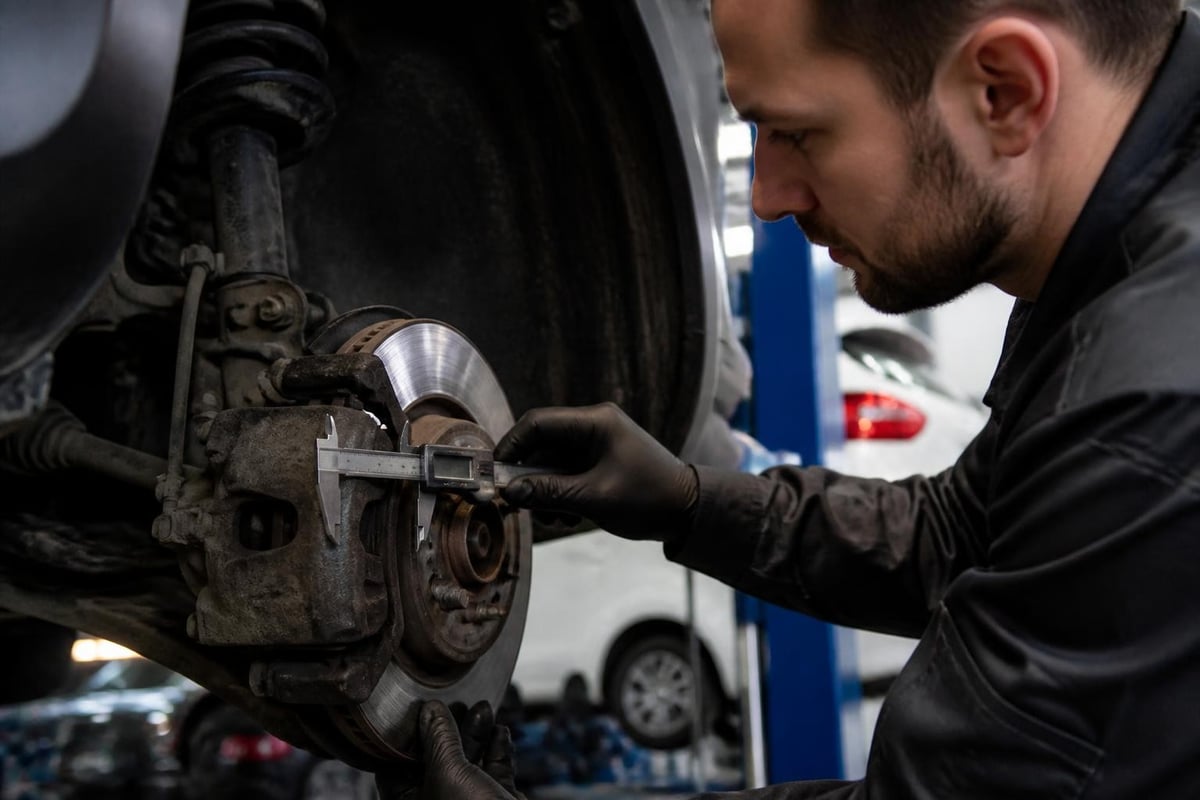
Brake pads typically last between 40,000 and 80,000 kilometres, though driving style significantly impacts wear rates. Auckland's hilly terrain and stop-start traffic conditions can accelerate brake wear, making regular inspections essential.
Modern Volkswagen vehicles feature electronic brake wear sensors that alert you when pads require replacement. However, regular visual inspections catch potential issues before warning lights appear.
Key brake maintenance tasks include:
- Measuring pad thickness and disc condition
- Checking brake fluid level and contamination
- Inspecting brake lines and hoses for damage
- Testing electronic parking brake operation
- Evaluating brake caliper function
Brake Fluid Service
Brake fluid absorbs moisture over time, reducing its boiling point and potentially causing brake fade under heavy use. Volkswagen recommends replacing brake fluid every two years regardless of mileage to maintain optimal brake performance and prevent internal corrosion.
Electrical System and Battery Care
Volkswagen vehicles incorporate complex electrical systems that control everything from engine management to comfort features. Maintaining these systems prevents frustrating breakdowns and ensures all vehicle functions operate correctly.
Battery Health Monitoring
Modern VW batteries typically last four to six years in New Zealand conditions, though extreme temperatures and short journey patterns can shorten battery life. Regular battery testing identifies deterioration before you experience starting problems.
Volkswagen vehicles use absorbent glass mat (AGM) or enhanced flooded batteries that require specific charging procedures. When replacement becomes necessary, using the correct battery type and ensuring proper coding through diagnostic equipment maintains optimal vehicle operation.
Diagnostic System Checks
Volkswagen's onboard diagnostic system monitors hundreds of sensors and components, storing fault codes when irregularities occur. Regular diagnostic scans during routine volkswagen car maintenance identify potential issues before they cause breakdowns, allowing proactive repairs that save money and prevent inconvenience.
Air Conditioning and Climate Control
New Zealand's variable climate demands a properly functioning air conditioning system for comfortable driving year-round. VW air conditioning systems require specific maintenance to operate efficiently and provide healthy cabin air.
Refrigerant Service
Air conditioning refrigerant levels gradually decline over time through normal operation. Annual air conditioning performance checks ensure adequate refrigerant levels and identify potential leaks before they cause system failure. The Genuine Volkswagen Service approach uses manufacturer-approved refrigerants and oils that protect system components.
Cabin Air Filter Replacement
Volkswagen cabin air filters trap pollen, dust, and pollutants, ensuring clean air inside your vehicle. These filters require replacement every 15,000 to 30,000 kilometres depending on driving conditions. Auckland's urban environment and seasonal pollen can clog filters quickly, reducing air conditioning efficiency and air quality.
Suspension and Steering Maintenance
Volkswagen's renowned driving dynamics depend on precisely engineered suspension and steering systems. Regular inspection and maintenance of these components ensures your VW continues to deliver the engaging driving experience you expect.
Component Inspection Schedule
| Component | Inspection Interval | Common Issues |
|---|---|---|
| Front Control Arms | Every major service | Bushings wear, ball joint deterioration |
| Shock Absorbers | Every 60,000 km | Seal leakage, reduced damping |
| Tie Rod Ends | Every major service | Excessive play, boot damage |
| Wheel Bearings | As needed | Noise, play, vibration |
New Zealand's road conditions, including speed bumps and uneven surfaces, accelerate suspension wear. Regular inspections catch problems early, preventing more expensive repairs and maintaining safe handling characteristics.
Fuel System Care
Volkswagen's advanced fuel injection systems deliver impressive performance and efficiency, but they require proper fuel quality and periodic maintenance to function optimally.
Fuel Filter Replacement
Diesel Volkswagen models require fuel filter replacement every 30,000 to 60,000 kilometres depending on fuel quality. Clean fuel filters prevent injector contamination and maintain optimal engine performance. Petrol models typically feature lifetime fuel filters within the fuel pump assembly, though fuel system cleaning services benefit engines with higher mileage.
Injector Maintenance
Direct injection systems, common in modern Volkswagen engines, can develop carbon deposits that affect performance and fuel economy. Periodic fuel system cleaning services dissolve these deposits, restoring optimal injector spray patterns and combustion efficiency.
Tyre and Wheel Care
Proper tyre maintenance affects safety, fuel economy, and driving comfort. Volkswagen vehicles often use specific tyre sizes and speed ratings matched to their performance capabilities.
Essential tyre maintenance includes:
- Monthly pressure checks using manufacturer-specified pressures
- Regular tread depth measurement (minimum 1.5mm legal requirement)
- Rotation every 10,000 kilometres to ensure even wear
- Wheel alignment checks after suspension work or impact damage
- Balancing when vibrations occur or new tyres are fitted
Maintaining correct tyre pressures improves fuel economy by up to 3% whilst ensuring optimal handling and braking performance. Under-inflated tyres wear prematurely and compromise safety, making regular pressure monitoring essential.
Choosing the Right Service Provider
Selecting an appropriate service provider significantly impacts the quality of volkswagen car maintenance your vehicle receives. Whilst dealerships offer manufacturer training and genuine parts, independent specialists often provide equivalent expertise at more competitive prices.
What to Look for in a Service Centre
Factory-trained technicians bring specific knowledge of Volkswagen systems, enabling accurate diagnosis and efficient repairs. Experience with European vehicles generally indicates familiarity with VW-specific requirements, including proper diagnostic procedures, special tools, and technical service bulletins.
Quality service centres invest in manufacturer-level diagnostic equipment that accurately communicates with Volkswagen control modules. This technology enables proper fault code reading, component coding, and system adaptations that generic scanners cannot perform.
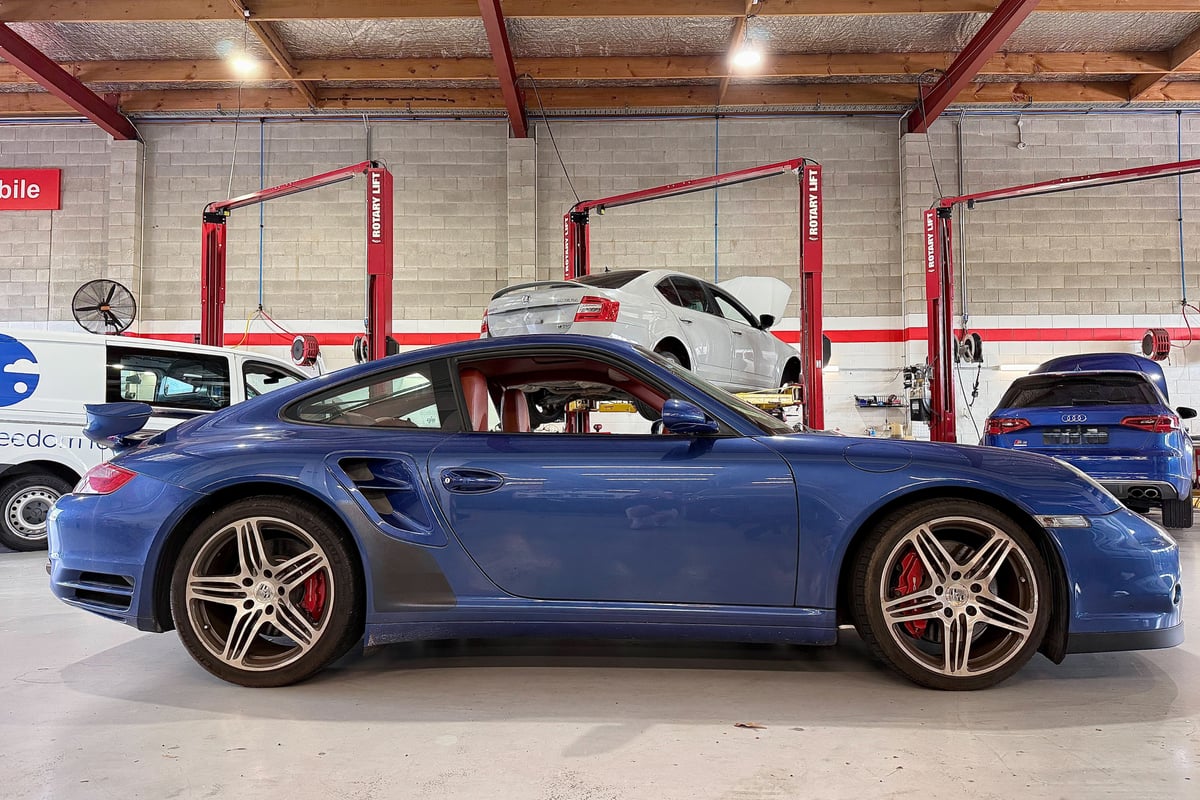
For North Shore residents, specialized European service centres offer the expertise and equipment necessary for proper volkswagen car maintenance without dealership premium pricing. The Vodis VW | Audi | Skoda Service facility provides factory-trained technicians and genuine parts, ensuring your vehicle receives appropriate care whilst offering convenient online booking and competitive pricing.
Genuine Parts vs. Aftermarket Components
Volkswagen genuine parts offer exact fitment, proper materials, and warranty coverage that aftermarket alternatives sometimes lack. However, quality aftermarket brands like Bosch, Mann, and Sachs often supply original equipment to Volkswagen factories, making them legitimate alternatives for certain components.
Critical systems like engines, transmissions, and safety equipment benefit from genuine parts, whilst routine maintenance items like filters and brake pads can safely use quality aftermarket alternatives. Experienced technicians recommend appropriate parts based on your vehicle's age, usage, and budget.
Seasonal Maintenance Considerations
New Zealand's temperate climate presents specific challenges for volkswagen car maintenance throughout the year. Adapting your maintenance schedule to seasonal conditions protects your vehicle and ensures reliable operation.
Summer Preparation
Higher temperatures stress cooling systems, air conditioning, and batteries. Pre-summer inspections should evaluate:
- Coolant concentration and system pressure
- Air conditioning refrigerant levels and operation
- Battery condition and charging system performance
- Tyre pressure adjustment for temperature changes
Winter Readiness
Cooler temperatures affect battery performance, tyre grip, and visibility systems. Winter preparation includes checking battery health, ensuring wipers and washers function properly, and verifying all lights operate correctly for shorter daylight hours.
Record Keeping and Resale Value
Maintaining comprehensive service records significantly enhances resale value and provides proof of proper maintenance. Organized documentation demonstrates responsible ownership and reassures potential buyers about vehicle condition.
Digital service records through specialist service centres offer convenient access to complete maintenance history. These records prove particularly valuable when warranty claims arise or when selling your vehicle.
| Documentation | Purpose | Retention Period |
|---|---|---|
| Service Invoices | Proof of maintenance | Ownership duration |
| Repair Records | Problem resolution history | Ownership duration |
| Parts Receipts | Component traceability | Warranty period minimum |
| Diagnostic Reports | Fault history | Until repair completion |
Well-maintained Volkswagen vehicles with complete service histories command premium prices in the used car market. Buyers recognize the value of documented maintenance and are willing to pay more for vehicles with proven care.
Common Volkswagen Maintenance Myths
Several misconceptions about volkswagen car maintenance persist among owners, potentially leading to inappropriate service decisions or unnecessary expenses.
Myth: Dealership Service Is Always Necessary
Whilst dealerships offer expertise and genuine parts, independent specialists with Volkswagen training provide equivalent service quality. The critical factor is technician expertise and diagnostic equipment capability, not necessarily dealership affiliation. Essential maintenance tips apply regardless of where service occurs, provided technicians understand VW-specific requirements.
Myth: Extended Service Intervals Apply to All Driving
Variable service intervals work well for highway driving under ideal conditions. However, short journeys, urban driving, and demanding conditions constitute "severe service" requiring shorter intervals. Auckland's traffic patterns often qualify as severe service, suggesting more frequent oil changes and inspections.
Myth: Warning Lights Can Wait
Modern Volkswagen warning systems indicate serious issues requiring prompt attention. Ignoring warning lights risks significant damage and expensive repairs. Diagnostic checks identify the specific problem, allowing appropriate response before minor issues become major failures.
Proactive Maintenance Benefits
Adopting a proactive approach to volkswagen car maintenance delivers numerous benefits beyond simply avoiding breakdowns. Regular servicing maintains optimal fuel economy, preserves performance characteristics, and identifies potential issues before they cause inconvenient failures.
Financial advantages include:
- Lower long-term ownership costs through preventative maintenance
- Reduced risk of expensive emergency repairs
- Better fuel economy from properly maintained systems
- Higher resale value with documented service history
- Extended component life through timely servicing
Performance benefits prove equally significant. Well-maintained engines deliver consistent power output, transmissions shift smoothly, and suspension systems provide the engaging driving dynamics Volkswagen owners expect. Regular maintenance preserves these characteristics throughout vehicle ownership.
Proper volkswagen car maintenance represents an investment in reliability, performance, and long-term value. By following manufacturer guidelines, addressing issues promptly, and choosing knowledgeable service providers, you ensure your Volkswagen continues delivering the exceptional driving experience that defines the brand. For North Shore residents seeking expert European car servicing, VODIS Automobile combines over 20 years of specialist experience with factory-trained technicians and competitive pricing, making professional Volkswagen maintenance accessible and convenient for Auckland owners.