


Finding a reliable workshop for car servicing is one of the most important decisions a vehicle owner makes. Whether you drive a European performance vehicle or a family sedan, the quality of your workshop determines not only how well your car runs but also its longevity, safety, and resale value. Modern vehicles, particularly European marques like Volkswagen, Audi, Mercedes, BMW, and Skoda, require specialized knowledge, diagnostic equipment, and genuine parts to maintain their sophisticated engineering. Understanding what separates an exceptional workshop from an average one empowers you to make informed choices about your vehicle's care.
What Defines a Professional Workshop for Car Servicing
A professional workshop for car maintenance extends far beyond basic mechanical repairs. The facility itself serves as the foundation for quality work, requiring proper infrastructure, equipment, and organizational systems.
Essential Equipment and Infrastructure
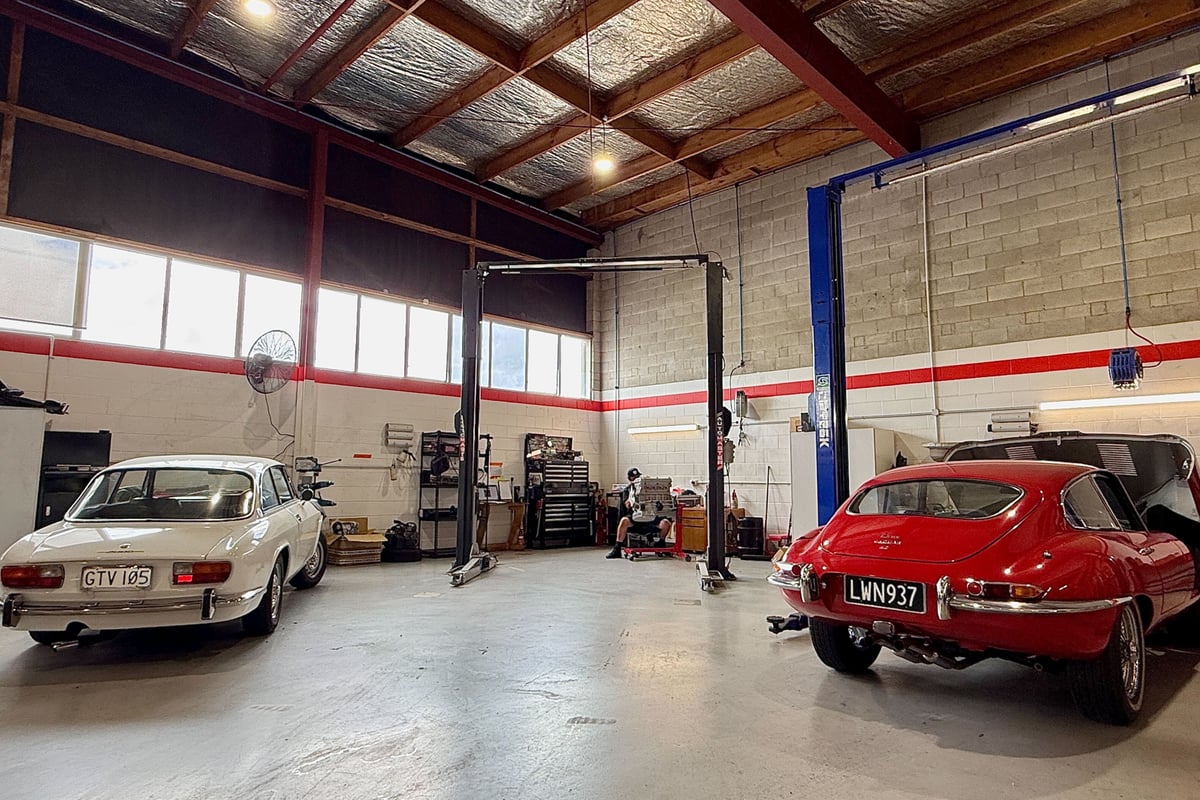
Modern automotive workshops require significant investment in specialized equipment. Vehicle lifts represent a critical starting point, with most professional facilities utilizing at least two-post or four-post lifts to safely access undercarriage components. European vehicles often demand additional clearance and weight capacity due to their construction.
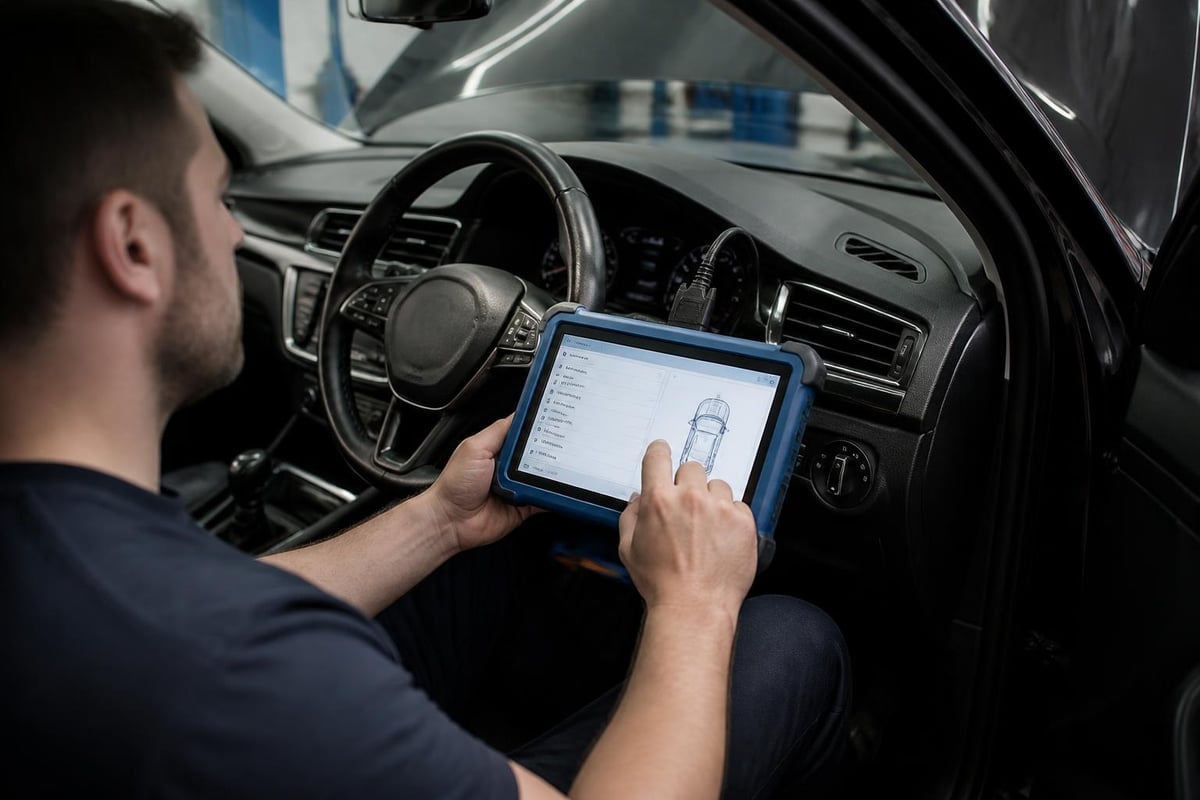
Diagnostic equipment forms the technological backbone of any reputable workshop:
- Advanced scan tools capable of reading manufacturer-specific fault codes
- Oscilloscopes for electrical system diagnosis
- Compression and leak-down testing equipment
- Brake fluid testing and bleeding systems
- Air conditioning service and recovery units
Beyond these basics, specialized machinery for car workshops includes wheel alignment systems, brake lathes, and suspension geometry equipment. These tools ensure precision work that maintains manufacturer specifications.
Layout and Workflow Organization
The physical layout of a workshop for car servicing significantly impacts efficiency and quality. Effective workshop organization requires clearly defined zones for different service types, minimizing technician movement while maximizing productivity.
| Workshop Zone | Primary Function | Key Equipment |
|---|---|---|
| Reception Bay | Initial assessment, customer handover | Diagnostic computer, work order system |
| Service Bays | Routine maintenance, minor repairs | Lifts, fluid dispensing, hand tools |
| Diagnostic Area | Complex troubleshooting | Advanced scan tools, oscilloscopes |
| Heavy Repair | Engine work, transmission service | Engine hoist, specialist tools |
Progressive workshops implement job tracking systems that follow each vehicle through repair stages. This ensures nothing gets overlooked and customers receive accurate completion estimates.
Standards and Certifications That Matter
Quality workshops invest heavily in training and certifications that demonstrate competency with specific vehicle brands. For European vehicles, this specialization proves essential given the complexity of their electrical systems, engine management, and safety technologies.
Technician Qualifications
Factory-trained technicians bring invaluable expertise to a workshop for car servicing. Manufacturers like Volkswagen Group (covering VW, Audi, and Skoda) and BMW Group offer certification programmes that keep technicians current with evolving technology. These qualifications cover:
- Diagnostic procedures specific to each brand's systems
- Service schedules tailored to different markets and driving conditions
- Technical service bulletins addressing known issues and solutions
- Warranty repair protocols maintaining manufacturer compliance
Experienced technicians also participate in continuing education as new models introduce features like hybrid powertrains, advanced driver assistance systems, and over-the-air software updates.
Quality Assurance Processes
Best practices in automotive workshop management emphasize standardized procedures and continuous improvement. Professional facilities implement multi-point inspection checklists that ensure comprehensive vehicle assessment during every service visit.
Quality assurance includes:
- Pre-delivery inspections before returning vehicles to customers
- Documented testing of all repairs and services performed
- Parts traceability systems confirming genuine or approved components
- Customer feedback mechanisms identifying improvement opportunities
These processes build trust and accountability, distinguishing superior workshops from those offering merely adequate service.
Parts Quality and Supply Chain Management
The parts used during servicing fundamentally impact vehicle performance and reliability. A reputable workshop for car maintenance sources components strategically, balancing quality, availability, and cost.
Genuine Versus Aftermarket Components
European vehicle manufacturers engineer parts to exact specifications that maintain performance, emissions compliance, and warranty coverage. Genuine parts guarantee:
- Perfect fitment without modification or adaptation
- Material quality meeting original equipment standards
- Warranty protection preserving manufacturer coverage
- Tested compatibility with integrated vehicle systems
High-quality aftermarket alternatives exist for certain components, particularly for older vehicles where genuine parts become expensive or scarce. Professional workshops evaluate aftermarket options carefully, selecting only brands with proven track records.
Inventory and Supplier Relationships
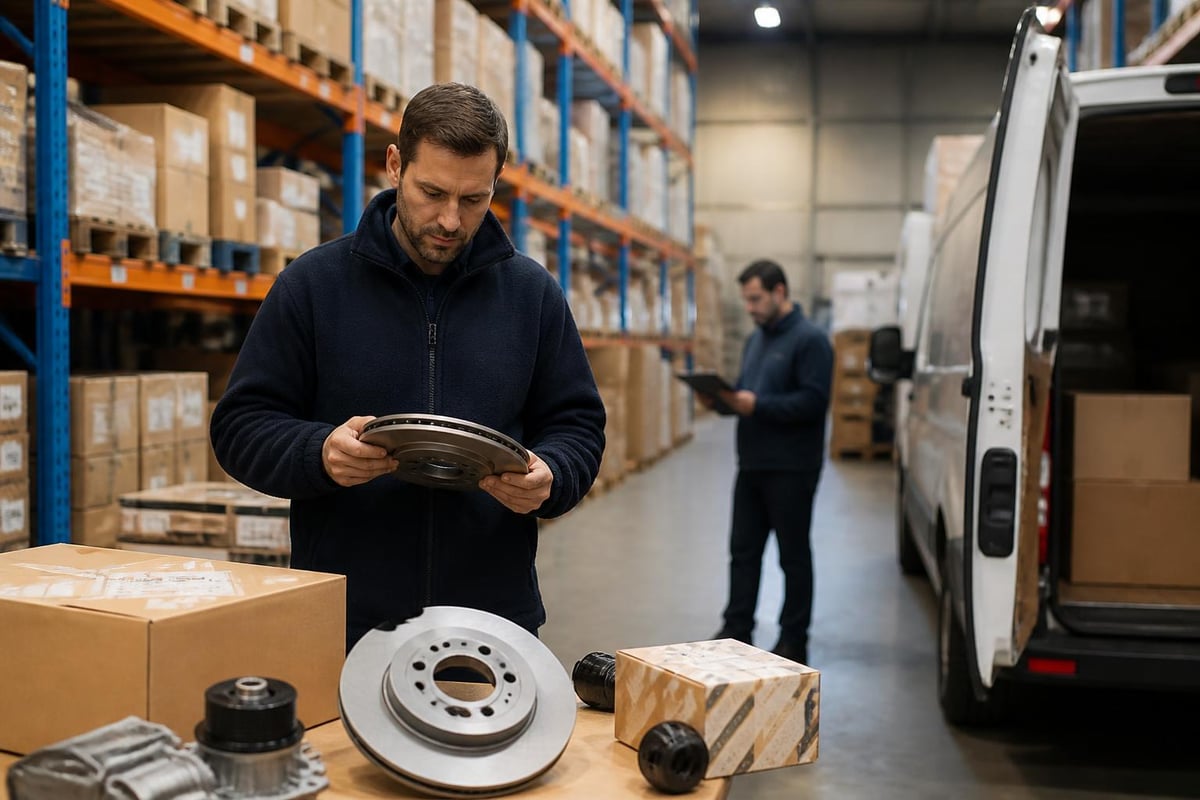
Efficient parts procurement minimizes vehicle downtime. Established workshops maintain relationships with multiple suppliers, ensuring rapid access to components for common European brands. Strategic inventory includes frequently serviced items like:
- Oil and air filters for popular models
- Brake pads and discs across different specifications
- Spark plugs and ignition components
- Belts, hoses, and fluid system parts
This preparation enables same-day service for routine maintenance while specialized components can typically arrive within 24-48 hours through expedited ordering systems.
Service Offerings and Specialization
A comprehensive workshop for car servicing provides tiered services addressing different customer needs, from basic maintenance to complex repairs.
Routine Maintenance Services
Regular servicing keeps European vehicles operating at peak efficiency. Standard maintenance packages include:
- Engine oil and filter replacement using manufacturer-specified lubricants
- Multi-point safety inspection covering brakes, suspension, steering
- Fluid level checks and top-ups (coolant, brake, power steering)
- Tire pressure adjustment and tread depth assessment
- Visual inspection of belts, hoses, and under-vehicle components
Many workshops offer scheduled maintenance programmes aligned with manufacturer service intervals, typically at 10,000-15,000 kilometre increments for European vehicles under New Zealand driving conditions.
Diagnostic and Repair Capabilities
Modern European cars integrate complex electronic systems controlling everything from engine performance to climate control. Professional car workshop setup requires diagnostic capabilities addressing:
| System Category | Common Issues | Diagnostic Approach |
|---|---|---|
| Engine Management | Check engine lights, performance loss | Code scanning, live data analysis |
| Transmission | Shifting problems, warning indicators | Adaptation values, mechatronic testing |
| Electrical | Battery drain, accessory failures | Circuit testing, module communication |
| Safety Systems | ABS, airbag, stability control faults | Component testing, calibration |
Advanced repairs demand specialized knowledge. Volkswagen Group vehicles, for instance, utilize specific procedures for timing belt replacement, DSG transmission servicing, and TFSI engine maintenance that differ significantly from other manufacturers.
Specialized European Vehicle Services
Workshops focusing on European brands develop expertise with common issues affecting these vehicles. A dedicated workshop for car servicing understands that Audi engines require particular attention to carbon buildup, BMW cooling systems need proactive maintenance, and Mercedes air suspension demands specialized diagnostics.
For vehicle owners seeking expert care for their European cars, connecting with specialists who understand these unique requirements ensures proper maintenance. Booking regular servicing with qualified technicians familiar with your specific brand prevents minor issues from becoming major failures.
Customer Service and Communication
Technical competence alone doesn't define an exceptional workshop for car servicing. How facilities communicate with customers, manage expectations, and handle concerns separates good workshops from great ones.
Transparent Pricing and Estimates
Professional workshops provide detailed written estimates before commencing work, breaking down labor charges and parts costs. This transparency allows customers to make informed decisions about recommended services versus optional maintenance.
Effective pricing communication includes:
- Clear hourly labor rates without hidden surcharges
- Parts pricing showing component costs separately
- Itemized service packages with included tasks listed
- Written authorization requirements for work exceeding estimates
This approach builds trust and eliminates surprise charges that damage customer relationships.
Progress Updates and Completion Timeframes
Realistic timeframe estimates account for parts availability, technician scheduling, and repair complexity. Quality workshops contact customers if additional work becomes necessary, explaining findings with photographic evidence when possible.
Modern facilities utilize digital communication platforms sending service status updates via SMS or email. This convenience allows customers to plan their day without repeated phone calls chasing progress information.
Warranty and Service Guarantees
Reputable workshops stand behind their work with comprehensive warranties covering both parts and labor. Standard guarantees typically extend 12 months or 20,000 kilometres, whichever occurs first, though this varies by component type.
Warranty terms should clearly specify:
- What components and labor are covered
- Exclusions based on usage or subsequent damage
- Claims process and resolution timeframes
- Transferability if vehicle ownership changes
These guarantees demonstrate confidence in workmanship quality and provide customers with peace of mind.
Selecting the Right Workshop for Your Vehicle
Choosing a workshop for car maintenance requires evaluation across multiple dimensions. Vehicle owners should assess facilities based on specialization, reputation, and alignment with their specific needs.
Research and Recommendations
Personal recommendations from other European car owners provide valuable insights into workshop quality. Online reviews reveal patterns in customer satisfaction, though individual experiences vary. Look for consistent themes regarding:
- Communication quality and responsiveness
- Pricing transparency and value perception
- Work quality and problem resolution effectiveness
- Timeframe accuracy and reliability
Professional associations and manufacturer certifications offer additional validation, indicating workshops meet certain standards and maintain ongoing training.
Initial Consultation and Facility Assessment
Visiting a workshop before committing to service reveals operational standards. Observe whether facilities maintain clean, organized work areas with properly stored tools and equipment. Car repair workshop essentials should be evident throughout the space.
During initial discussions, evaluate how staff:
- Listen to your concerns and ask clarifying questions
- Explain technical issues in understandable terms
- Provide realistic timeframes without overpromising
- Discuss options rather than pushing specific solutions
These interactions indicate the customer service approach you'll experience throughout your relationship.
Specialization in Your Vehicle Brand
While general automotive knowledge applies across brands, European vehicles benefit from dedicated specialization. A workshop for car servicing that focuses specifically on Volkswagen Group products, BMW, or Mercedes develops deeper expertise with common failure points, service procedures, and parts sourcing.
Specialists maintain relationships with importers ensuring rapid parts access and stay current with technical service bulletins addressing emerging issues. This focused approach typically delivers superior outcomes compared to generalist workshops serving all vehicle types equally.
Long-Term Maintenance Planning
Establishing a relationship with a trusted workshop for car servicing enables proactive maintenance planning that extends vehicle life and prevents expensive failures.
Service Schedule Adherence
European manufacturers specify detailed maintenance schedules accounting for different operating conditions. Understanding automotive workshop practices helps vehicle owners appreciate why adhering to these intervals matters, particularly for:
- Timing belt replacement at specified kilometre intervals preventing catastrophic engine damage
- Transmission fluid changes maintaining smooth operation in automatic and DSG gearboxes
- Coolant system servicing protecting against corrosion and overheating
- Brake fluid replacement ensuring consistent stopping performance and preventing moisture contamination
Missing these intervals risks component failure far exceeding the cost of scheduled maintenance.
Preventive Maintenance Benefits
Proactive servicing identifies developing issues before they cause breakdowns. Regular inspections catch worn suspension bushings, deteriorating brake components, and fluid leaks at early stages when repairs remain straightforward and affordable.
Preventive maintenance delivers:
- Reduced total ownership costs through avoided major repairs
- Improved reliability and reduced roadside breakdown risk
- Better fuel economy from properly maintained systems
- Higher resale value with documented service history
This approach transforms vehicle maintenance from reactive crisis management into planned, budgetable care.
Building a Service History
Comprehensive service records document all maintenance and repairs throughout vehicle ownership. This history proves invaluable when:
- Diagnosing recurring issues by reviewing past work
- Planning upcoming maintenance based on completed services
- Demonstrating care when selling the vehicle
- Supporting warranty claims requiring proof of proper maintenance
Professional workshops maintain digital service records accessible for future reference, creating permanent documentation of your vehicle's care.
Cost Considerations and Value Assessment
Understanding workshop pricing structures helps vehicle owners evaluate true value rather than simply comparing hourly rates.
Labor Rate Variations
Workshop labor rates reflect multiple factors beyond simple time charges. Facilities investing in factory training, specialized equipment, and prime locations typically charge more than basic repair shops. This premium often proves worthwhile through:
- Faster diagnosis reducing billable hours
- First-time fix rates minimizing return visits
- Warranty coverage providing peace of mind
- Specialist knowledge preventing misdiagnosis
Lower hourly rates sometimes result in extended diagnostic time or parts replacement without addressing root causes, ultimately costing more while leaving problems unresolved.
Parts Pricing and Markup
Workshops must cover overhead costs through parts markup, with margins varying based on business models. Some facilities offer lower labor rates with higher parts markup, while others reverse this approach. Comparing total service costs provides better value assessment than evaluating components separately.
Genuine parts typically carry higher initial costs but offer superior reliability and warranty coverage. The calculation shifts for older vehicles where aftermarket alternatives deliver acceptable performance at reduced prices.
Total Ownership Cost Perspective
Evaluating workshop selection purely on immediate service costs overlooks broader financial implications. Quality maintenance:
- Prevents expensive failures through early intervention
- Maintains vehicle performance optimizing fuel efficiency
- Preserves resale value through documented care
- Reduces downtime avoiding lost productivity or rental car costs
A workshop for car servicing that charges slightly higher rates but delivers superior diagnostic accuracy and repair quality typically reduces total ownership costs significantly.
Selecting the right workshop for car servicing fundamentally impacts your European vehicle's performance, reliability, and longevity. Professional facilities combine specialized equipment, factory-trained technicians, quality parts, and transparent communication to deliver exceptional service. For over 20 years, VODIS Automobile has provided Auckland's North Shore with expert care for Volkswagen, Audi, Mercedes, BMW, and Skoda vehicles, building lasting relationships through skilled service and honest advice. Whether you need routine maintenance or complex repairs, their experienced team ensures your European vehicle receives the specialist attention it deserves.