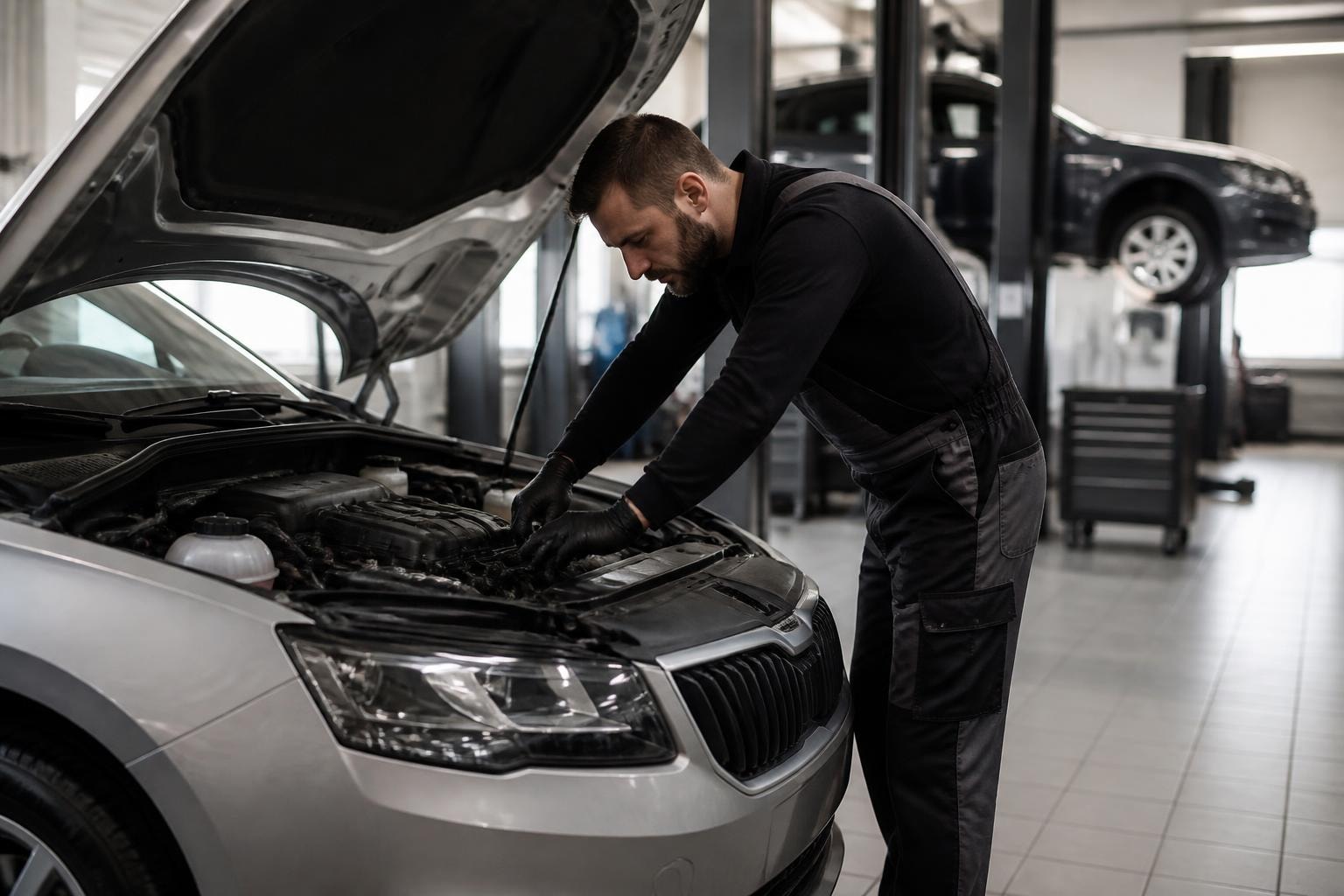

Workshop repairs represent a critical component of automotive maintenance, particularly for European vehicles that demand specialized knowledge and precision. Whether addressing routine servicing needs or complex mechanical issues, the quality of workshop repairs directly impacts vehicle performance, safety, and longevity. For owners of Volkswagen, Audi, Mercedes, BMW, and Skoda vehicles, understanding the intricacies of professional workshop repairs helps ensure their investment receives the expert care it requires.
Understanding Modern Workshop Repairs
The landscape of workshop repairs has evolved dramatically over recent decades. Modern European vehicles incorporate sophisticated electronic systems, advanced materials, and precision engineering that necessitate specialized diagnostic equipment and technical expertise. Unlike general automotive maintenance facilities, workshops specializing in European marques invest heavily in brand-specific tools, diagnostic software, and ongoing technician training.
Workshop repairs encompass several critical categories:
- Preventative maintenance services including oil changes, filter replacements, and fluid checks
- Diagnostic assessments using manufacturer-specific scanning equipment
- Electrical system repairs addressing sensors, control modules, and wiring harnesses
- Mechanical repairs involving engines, transmissions, and drivetrain components
- Safety system maintenance including brakes, suspension, and steering components
The complexity of modern European vehicles means that workshop repairs require more than mechanical aptitude. Technicians must understand integrated computer systems, manufacturer-specific repair procedures, and the relationship between various vehicle systems that communicate through controller area networks (CAN).
The Diagnostic Process
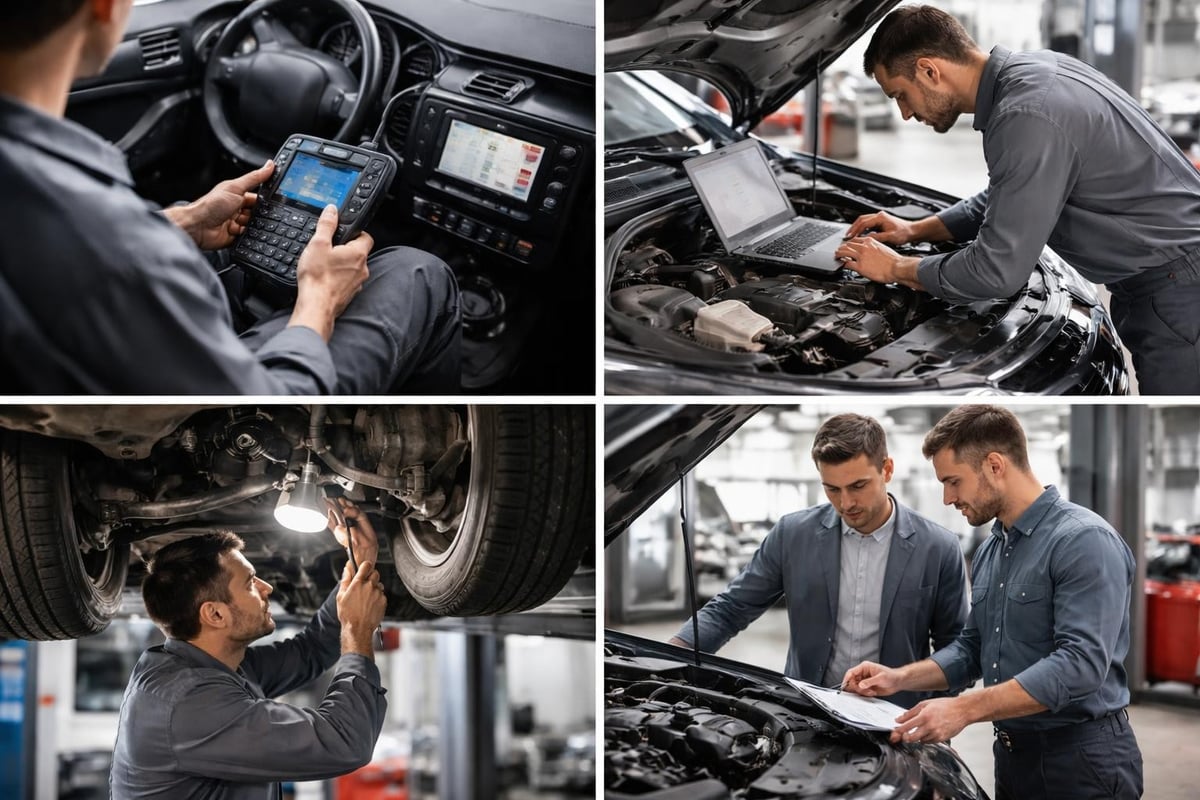
Before any workshop repairs commence, comprehensive diagnostics establish the foundation for effective service delivery. European vehicles generate diagnostic trouble codes (DTCs) that provide insights into system malfunctions, but interpreting these codes requires manufacturer-specific knowledge and experience.
Diagnostic assessments typically progress through systematic stages. Initial code reading identifies potential problem areas, followed by functional testing to verify component operation. Technicians then perform physical inspections to confirm electronic diagnoses and identify contributing factors that may not trigger warning lights.
Safety Protocols in Workshop Repairs
Workshop safety forms the cornerstone of professional automotive service delivery. General workshop safety guidelines emphasize the importance of proper training, personal protective equipment, and hazard awareness in preventing workplace injuries.
Professional workshops implement comprehensive safety management systems that protect both technicians and customer vehicles. These systems address environmental hazards, equipment operation protocols, and emergency response procedures.
| Safety Category | Key Requirements | Implementation Methods |
|---|---|---|
| Personal Protection | Safety glasses, gloves, appropriate footwear | Mandatory PPE policies, regular equipment inspection |
| Environmental Controls | Ventilation systems, lighting standards | Extraction systems for exhaust fumes, adequate workspace illumination |
| Equipment Safety | Machine guards, tool maintenance | Regular inspection schedules, manufacturer compliance |
| Chemical Handling | Proper storage, disposal procedures | Labeled containers, designated storage areas, hazmat protocols |
Cornell University’s repair shop guidance highlights the critical importance of ongoing training for workshop personnel. Technicians must remain current with evolving safety standards, particularly as new vehicle technologies introduce novel hazards such as high-voltage electrical systems in hybrid and electric European vehicles.
Managing Workshop Hazards
Workshop repairs present multiple hazard categories that require proactive management. Chemical exposures from solvents, lubricants, and cleaning agents demand proper ventilation and personal protective equipment. Physical hazards include moving machinery, pressurized systems, and heavy vehicle components requiring lifting equipment.
Fire prevention protocols are particularly crucial in automotive workshops. The presence of flammable liquids, electrical equipment, and heat-generating tools creates multiple ignition sources that must be carefully controlled through proper fire-fighting equipment and waste management practices.
Optimizing Workshop Efficiency
Efficiency in workshop repairs directly correlates with customer satisfaction and business profitability. Organizing an auto repair workshop efficiently requires strategic planning around workflow design, job tracking systems, and resource allocation.
Modern workshops implement digital management systems that track vehicles throughout the repair process. These systems provide visibility into job status, parts availability, and technician assignments, eliminating bottlenecks that extend repair times unnecessarily.
Key efficiency strategies include:
- Standardized intake procedures that capture comprehensive vehicle information and customer concerns
- Transparent communication systems providing customers with real-time repair updates
- Inventory management protocols ensuring critical parts availability without excessive overhead
- Quality control checkpoints verifying repair completion before customer delivery
- Continuous improvement processes analyzing workflow data to identify optimization opportunities
The most successful workshops balance speed with quality, recognizing that rushed repairs often result in comebacks that ultimately damage reputation and profitability. European vehicles particularly demand meticulous attention to detail, as improper repairs can trigger cascade failures in interconnected systems.
Reducing Repair Times Without Compromising Quality
Improving workshop repair times requires systematic approaches to workflow management. Automation of administrative tasks frees skilled technicians to focus on actual repair work rather than paperwork and scheduling coordination.
Parallel processing represents another efficiency opportunity where multiple technicians address different aspects of complex repairs simultaneously. While one technician handles diagnostic assessment, another might prepare necessary parts, and a third completes unrelated maintenance items on the same vehicle.
Specialized Equipment and Tools
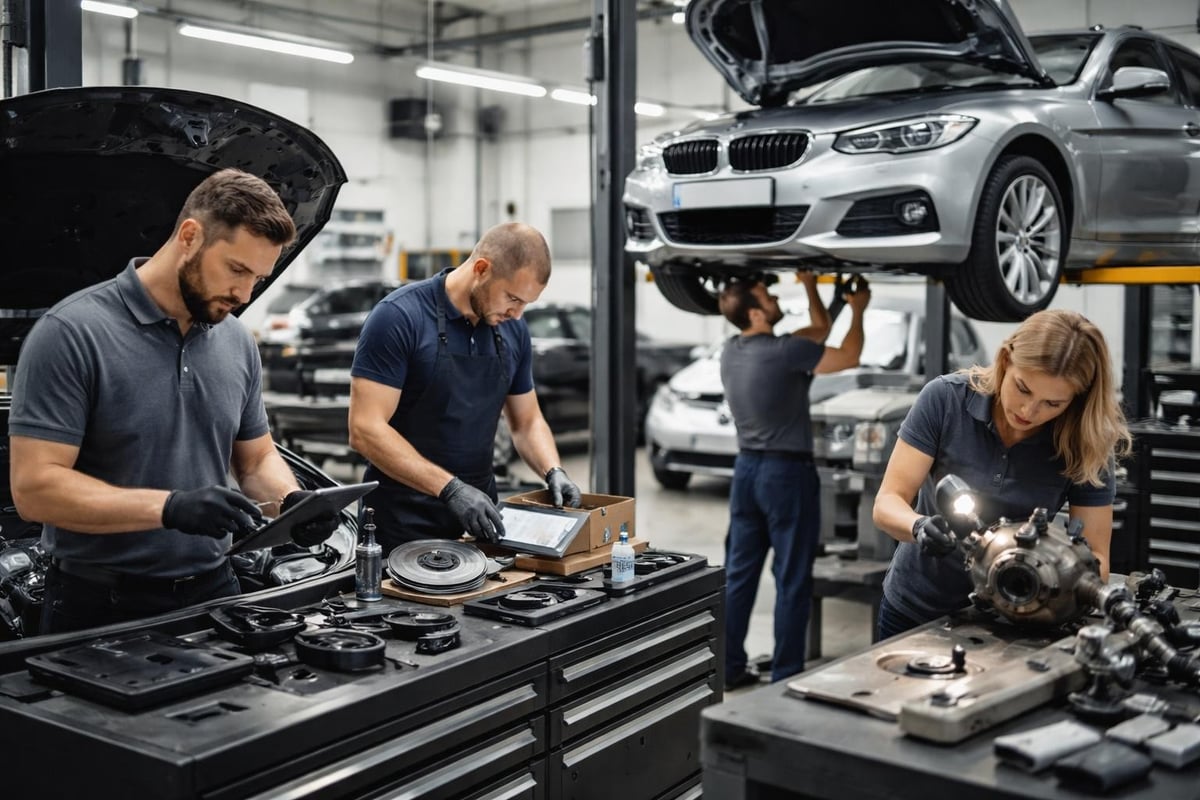
Workshop repairs for European vehicles demand significant investment in specialized equipment. Generic automotive tools often prove inadequate for manufacturer-specific repair procedures that require precise torque specifications, specialized alignment techniques, or proprietary software access.
Essential Workshop Equipment
Professional European automotive workshops maintain comprehensive tool inventories addressing both routine maintenance and complex repairs. Diagnostic scanners must support multiple vehicle communication protocols and provide access to manufacturer-specific control modules.
Critical equipment categories include:
- Diagnostic scanners with European manufacturer licensing and coding capabilities
- Precision torque equipment for applications requiring exact fastener tension
- Alignment systems capable of measuring and adjusting sophisticated suspension geometry
- Fluid service equipment for brake systems, transmissions, and coolant circuits
- Lifting equipment rated for vehicle weights and providing proper support points
Investment in proper equipment eliminates improvisation that compromises repair quality. European manufacturers engineer components with specific service procedures that often require dedicated tools unavailable in general automotive supply catalogs.
Tool Maintenance and Calibration
The reliability of workshop repairs depends heavily on tool accuracy and functionality. Diagnostic equipment requires regular software updates to maintain compatibility with evolving vehicle systems. Precision measurement tools demand periodic calibration to ensure accuracy within manufacturer specifications.
Workshop skills training guidelines emphasize the importance of familiarizing technicians with proper tool usage and maintenance procedures. Well-maintained tools enhance both repair quality and technician safety while reducing the risk of damage to expensive vehicle components.
Quality Control Processes
Effective workshop repairs incorporate systematic quality control measures throughout the service delivery process. Multi-point inspections verify repair completion, identify potential future issues, and demonstrate thoroughness to customers.
Quality control begins with accurate initial assessment. Comprehensive documentation of pre-repair vehicle condition protects both the workshop and customer by establishing clear expectations and preventing disputes about work scope.
| Quality Stage | Activities | Documentation |
|---|---|---|
| Pre-Repair | Visual inspection, diagnostic scanning, test drive | Digital images, fault codes, customer concerns |
| During Repair | Procedure verification, parts authentication, torque compliance | Work logs, parts receipts, technical bulletins |
| Post-Repair | Function testing, code clearing, final inspection | Completed checklist, cleared codes, test results |
| Customer Delivery | Explanation of work performed, maintenance recommendations | Service summary, future maintenance schedule |
Post-repair testing confirms that workshop repairs addressed the original concern without introducing new issues. Road testing under various conditions verifies proper operation of repaired systems and ensures that related components function correctly.
Warranty Considerations
Professional workshops stand behind their work with comprehensive warranty coverage. Quality repairs using genuine or equivalent parts typically warrant extended protection periods, demonstrating confidence in workmanship and materials.
Warranty administration requires meticulous documentation of all workshop repairs. Detailed service records establish repair history, parts traceability, and technician accountability. These records prove invaluable when addressing warranty claims or diagnosing recurring issues.
Technician Training and Expertise
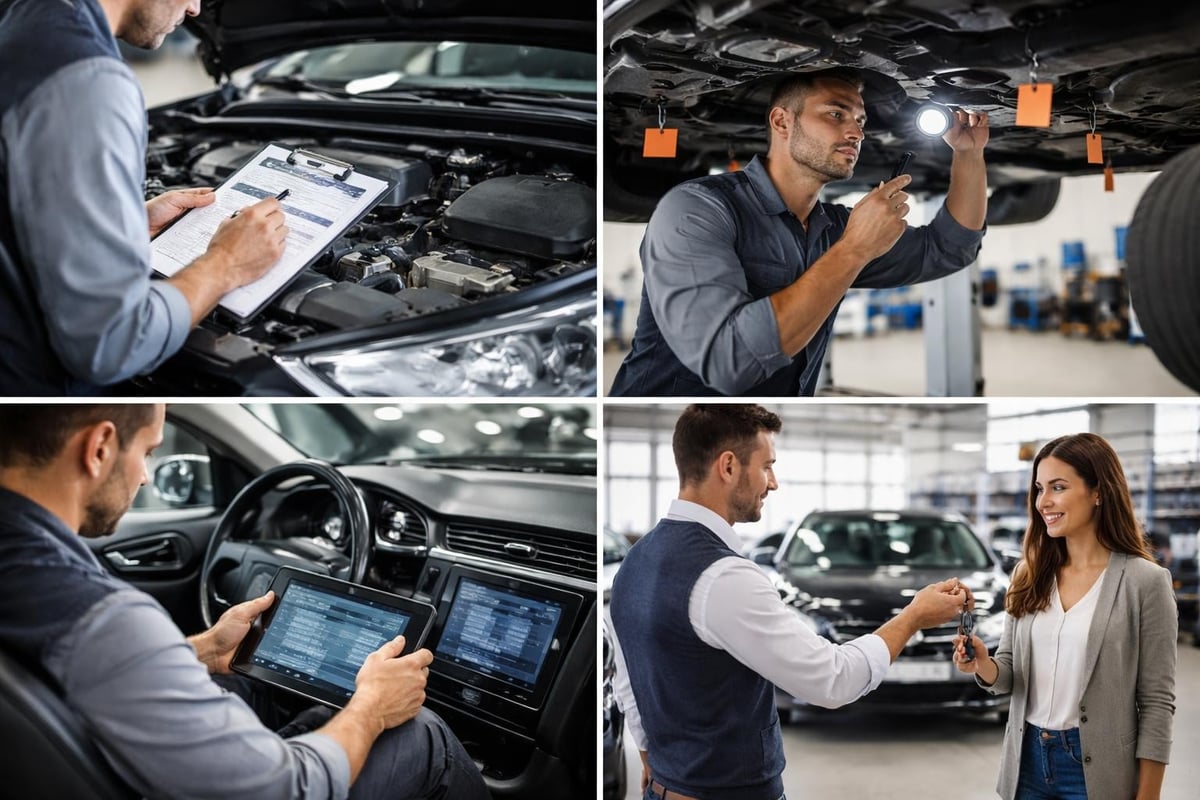
The competency of workshop personnel fundamentally determines repair quality. European vehicle complexity demands ongoing technical education as manufacturers introduce new systems, materials, and repair procedures annually.
Professional development programs combine classroom instruction with hands-on practice. Manufacturer-sponsored training provides insights into engineering philosophy, common failure modes, and approved repair techniques specific to each brand's vehicles.
Comprehensive training programs address:
- Technical systems knowledge covering mechanical, electrical, and electronic components
- Diagnostic methodology emphasizing systematic troubleshooting approaches
- Repair procedures following manufacturer specifications and safety protocols
- Customer service skills ensuring clear communication and professional interactions
- Workshop safety compliance maintaining current knowledge of regulatory requirements
Investment in technician development yields returns through reduced diagnostic time, improved first-time fix rates, and enhanced customer confidence. Experienced technicians recognize patterns across similar vehicles, expediting diagnosis and preventing trial-and-error approaches that waste time and resources.
Certification and Credentialing
Industry certifications validate technician competency and provide customers with confidence in workshop capabilities. Certifications specific to European manufacturers demonstrate advanced knowledge beyond general automotive repair qualifications.
Maintaining certifications requires ongoing education as certification bodies update requirements to reflect evolving technology. This continuous learning ensures technicians remain current with latest repair techniques, safety protocols, and diagnostic procedures.
Customer Communication Best Practices
Effective communication distinguishes exceptional workshops from average facilities. Transparent dialogue regarding repair needs, cost estimates, and timeline expectations builds trust and reduces misunderstandings that damage customer relationships.
Initial service consultations should capture detailed information about customer concerns, vehicle history, and usage patterns. This information guides diagnostic efforts and helps technicians understand context that may not be apparent from vehicle inspection alone.
Communication touchpoints include:
- Initial consultation documenting customer concerns and service requests
- Diagnostic findings presentation explaining identified issues and repair recommendations
- Estimate approval providing detailed cost breakdowns and timeline projections
- Progress updates informing customers of unexpected findings or timeline changes
- Completion notification reviewing work performed and addressing customer questions
Digital communication platforms streamline customer interactions while providing documentation trails. Photo and video capabilities allow technicians to illustrate findings, helping customers understand repair necessity without requiring in-person consultation.
Managing Customer Expectations
Realistic timeline and cost estimates prevent disappointment and maintain customer confidence. Workshop repairs occasionally reveal additional issues during disassembly, requiring revised estimates and customer authorization before proceeding.
Proactive communication about potential complications demonstrates professionalism and prevents surprise expenses. Experienced service advisors explain common scenarios where initial estimates may change, preparing customers for possibilities without creating unnecessary alarm.
Scheduling appointments through convenient online booking systems reduces communication friction and allows customers to select times that accommodate their schedules without telephone coordination delays.
Parts Selection and Sourcing
Parts quality significantly impacts workshop repairs longevity and performance. European vehicles benefit from genuine manufacturer parts engineered specifically for their applications, though quality aftermarket alternatives exist for certain components.
Genuine parts provide exact fitment, meet original specifications, and typically include manufacturer warranty coverage. These advantages often justify premium pricing, particularly for critical safety components or complex electronic modules requiring programming and coding.
Aftermarket Parts Considerations
Quality aftermarket manufacturers produce parts meeting or exceeding original equipment specifications at reduced costs. These components provide viable alternatives for routine maintenance items like filters, brake components, and wear items where genuine parts offer limited additional value.
Parts selection requires balancing cost considerations with quality expectations and warranty implications. Inferior components compromise repair quality regardless of installation workmanship, potentially creating repeat failures that damage workshop reputation and customer relationships.
| Part Category | Genuine Parts Advantages | Quality Aftermarket Viability |
|---|---|---|
| Electronic Modules | Programming compatibility, warranty coverage | Limited availability, coding challenges |
| Safety Systems | Crash-test validation, liability protection | Select manufacturers meet standards |
| Wear Items | Exact specifications | Many equivalent options available |
| Appearance Parts | Perfect fit and finish | Cost-effective alternatives exist |
Supply chain management ensures parts availability without excessive inventory investment. Relationships with multiple suppliers provide backup options when primary sources experience stockouts or delivery delays.
Preventative Maintenance Programs
Structured maintenance programs prevent costly repairs by addressing wear items before failure occurs. European vehicles benefit particularly from preventative approaches given the complexity and expense of major component replacements.
Regular service intervals established by manufacturers account for engineering tolerances, material properties, and expected usage patterns. Adhering to these schedules maximizes component lifespan and maintains vehicle reliability.
Preventative maintenance categories include:
- Fluid services maintaining lubrication and cooling system integrity
- Filter replacements protecting engines and cabin environments from contamination
- Inspection services identifying developing issues before failure
- Wear item replacement addressing brake pads, tires, and suspension components
- System testing verifying proper operation of safety and performance features
Documentation of preventative maintenance establishes service history that enhances resale value and provides troubleshooting insights when issues arise. Comprehensive records demonstrate responsible ownership and proper care throughout vehicle lifecycle.
Customized Service Schedules
While manufacturer recommendations provide baseline guidance, individual usage patterns may warrant modified service intervals. Vehicles experiencing severe service conditions including frequent short trips, extreme temperatures, or heavy loads benefit from accelerated maintenance schedules.
Professional service advisors assess individual circumstances and recommend appropriate service intervals. This personalized approach optimizes maintenance investment while protecting vehicle reliability and longevity.
Environmental Responsibility
Modern workshop repairs incorporate environmental stewardship through proper waste management, recycling programs, and resource conservation. Automotive service generates multiple waste streams requiring compliant disposal procedures.
Used motor oil, transmission fluid, coolant, and brake fluid require collection and recycling through certified processors. Parts packaging, batteries, tires, and metal components similarly demand responsible disposal or recycling to minimize environmental impact.
Energy-efficient facilities reduce environmental footprint while controlling operating costs. LED lighting, high-efficiency heating and cooling systems, and optimized equipment operation demonstrate commitment to sustainability without compromising service quality.
Chemical Management
Workshop repairs involve numerous chemicals requiring careful handling and storage. Solvents, degreasers, lubricants, and treatment chemicals present environmental and safety hazards when mismanaged.
Proper containment prevents soil and water contamination from spills or leaks. Inventory management minimizes quantities stored on-site while ensuring availability for necessary operations. Staff training ensures everyone understands proper handling procedures and emergency response protocols.
Documentation and Record Keeping
Comprehensive documentation supports quality workshop repairs through detailed service histories, warranty administration, and diagnostic reference materials. Digital record systems provide instant access to vehicle service history, enabling informed decision-making and continuity across multiple service visits.
Service records should capture complete details of work performed including parts installed, labor operations completed, and technician notes regarding vehicle condition. This information proves invaluable for diagnosing recurring issues or tracking component replacement intervals.
Essential documentation elements include:
- Service dates and mileage establishing maintenance timeline
- Parts information including part numbers and manufacturers
- Labor operations detailing specific work performed
- Diagnostic findings documenting identified issues and test results
- Technician notes capturing observations and recommendations
Legal and regulatory requirements mandate retention of service records for specified periods. Beyond compliance obligations, comprehensive records demonstrate professionalism and provide protection in liability situations.
Digital Management Systems
Cloud-based workshop management platforms centralize customer information, service history, and business operations. These systems facilitate appointment scheduling, estimate generation, and customer communication while maintaining organized records accessible from any location.
Integration with parts suppliers, diagnostic equipment, and accounting systems streamlines operations and reduces manual data entry errors. Automated reminders notify customers of upcoming maintenance needs, supporting retention and ensuring vehicles receive timely service.
Professional workshop repairs require specialized expertise, proper equipment, and systematic processes to deliver the quality European vehicles demand. Whether addressing routine maintenance or complex mechanical issues, choosing a workshop with brand-specific knowledge and commitment to excellence protects your automotive investment. VODIS Automobile combines over 20 years of European vehicle specialization with factory-trained technicians and manufacturer-specific diagnostic equipment to ensure your Volkswagen, Audi, Mercedes, BMW, or Skoda receives expert care. Contact our North Shore facility to experience the difference professional workshop repairs make in vehicle performance and longevity.