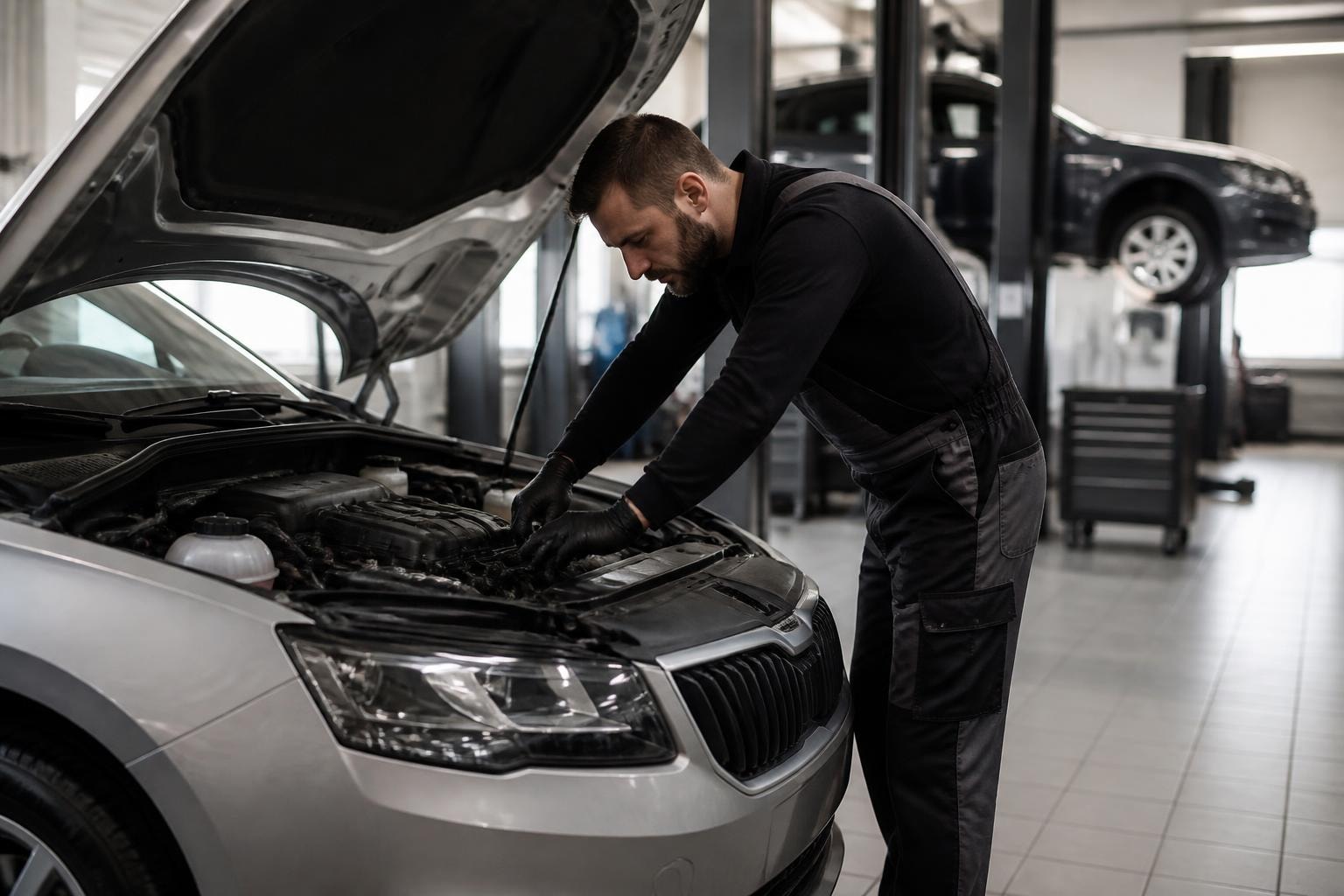

Audi owners in 2026 are facing a new era of repair challenges as automotive technology rapidly advances. From hybrid systems to complex digital features, maintaining your vehicle now demands more expertise than ever before.
This guide to audi repairs provides the expert solutions you need to diagnose, prevent, and resolve both common and advanced issues. Whether you are a driver, enthusiast, or technician, you will find actionable knowledge to keep your Audi running at its best.
Explore the latest repair trends, learn troubleshooting steps, and discover where to find trusted service providers. Take control of your Audi’s reliability with confidence.
The Evolving Landscape of Audi Repairs in 2026
Audi repairs in 2026 look very different from just a few years ago. The rapid integration of advanced technology, electrification, and digital features has transformed the way owners, technicians, and service centers approach maintenance and troubleshooting.
Staying ahead of these changes is essential for anyone invested in keeping their Audi running at its best. Understanding this evolving landscape helps ensure you are prepared for new challenges and know where to seek expert solutions.
Advances in Audi Technology and Their Impact on Repairs
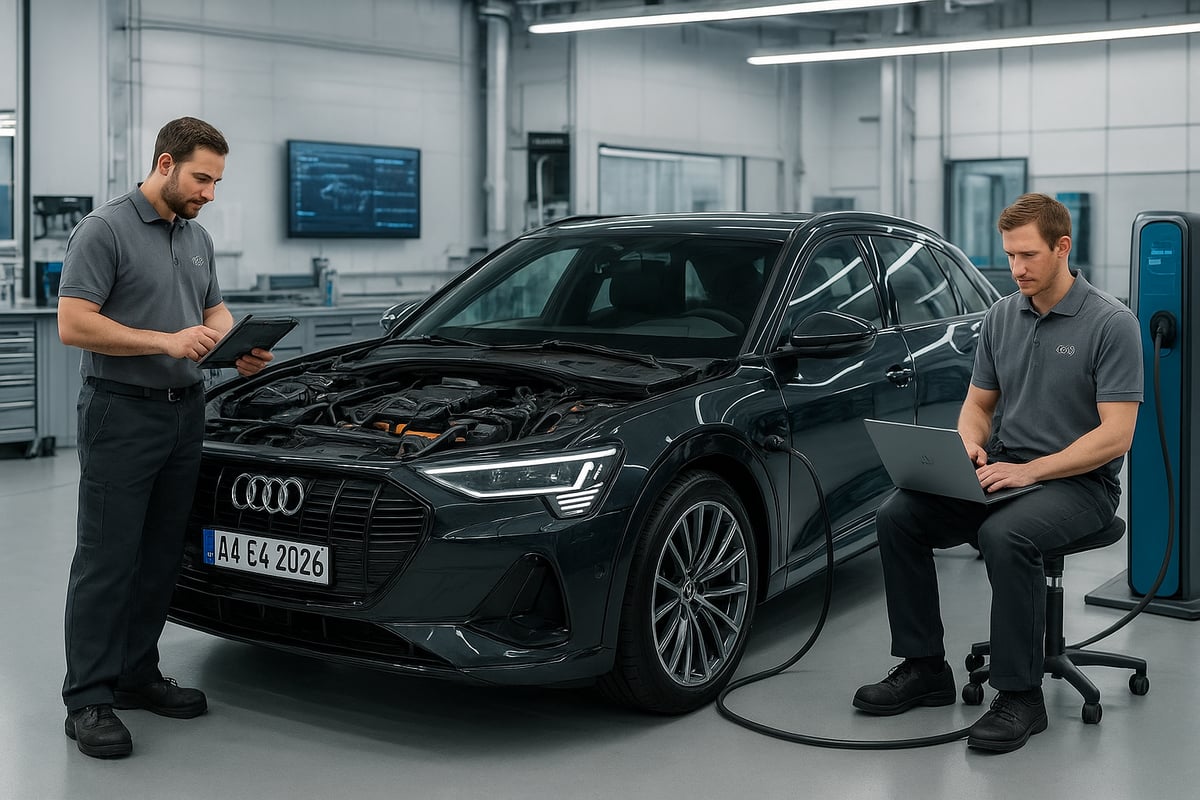
The 2026 Audi lineup is defined by innovation and connectivity. New models showcase hybrid and all-electric powertrains, advanced digital interfaces, and a strong focus on seamless integration with mobile devices and cloud-based services. Over 60% of 2026 Audi models now feature semi-autonomous driving capabilities, according to recent industry reports.
These enhancements deliver a premium driving experience but also increase the complexity of audi repairs. Advanced Driver-Assistance Systems (ADAS) such as adaptive cruise control, lane-keeping assist, and predictive maintenance require constant software updates and precise sensor calibration. Many repairs now depend on specialized diagnostic tools and proprietary software, making traditional mechanical skills insufficient for most modern issues.
Audi’s predictive maintenance systems alert owners to potential faults before they escalate, while over-the-air software updates can resolve many minor glitches remotely. However, these digital solutions mean that audi repairs increasingly involve troubleshooting electronic components rather than mechanical failures.
The shift from mechanical to electronic and electrical issues is clear. Independent garages and DIY enthusiasts face new challenges, as access to manufacturer-level tools and data is often restricted. Staying current with training and certification is vital for any technician who wants to excel in audi repairs.
For those seeking expert support for these evolving systems, turning to specialists who understand the unique needs of modern Audis is crucial. Learn more about tailored solutions at Audi servicing and repairs.
Common Repair Challenges Unique to Modern Audis
The digital transformation of Audi vehicles has brought new types of repair challenges to the forefront. Battery management is a top concern for hybrid and electric models. Owners often encounter issues with battery degradation or charging system faults, especially in high-use vehicles. For example, charging failures in 2025 Audi e-tron models highlighted the importance of precise diagnostics and up-to-date repair protocols.
Sensors have become the nerve center of every Audi, but they are not immune to faults. Malfunctions or calibration problems in radar, lidar, or camera systems can trigger warning lights and disable key safety features. Diagnosing these issues requires both specialized equipment and a deep understanding of the vehicle’s architecture.
Infotainment and connectivity glitches are increasingly common, ranging from navigation system freezes to Bluetooth connectivity drops. As more features rely on complex software, the average audi repairs visit now takes longer and may cost more than in previous years. In fact, repair shop data shows a 35% rise in software-related service visits for Audis since 2024.
Continuous training and certification are now non-negotiable for technicians. The proprietary nature of many Audi systems means that only those with the latest knowledge and access to factory tools can deliver effective audi repairs. Staying informed and proactive is the best defense against the rising complexity and cost of maintaining a 2026 Audi.
Most Common Audi Repair Issues in 2026
Audi repairs in 2026 have become more complex, reflecting the brand’s rapid embrace of cutting-edge technology and electrification. Owners, enthusiasts, and technicians face a new set of challenges, from advanced engines to intricate software systems. Understanding the most frequent problems is the first step toward proactive, effective solutions.
Engine and Powertrain Problems
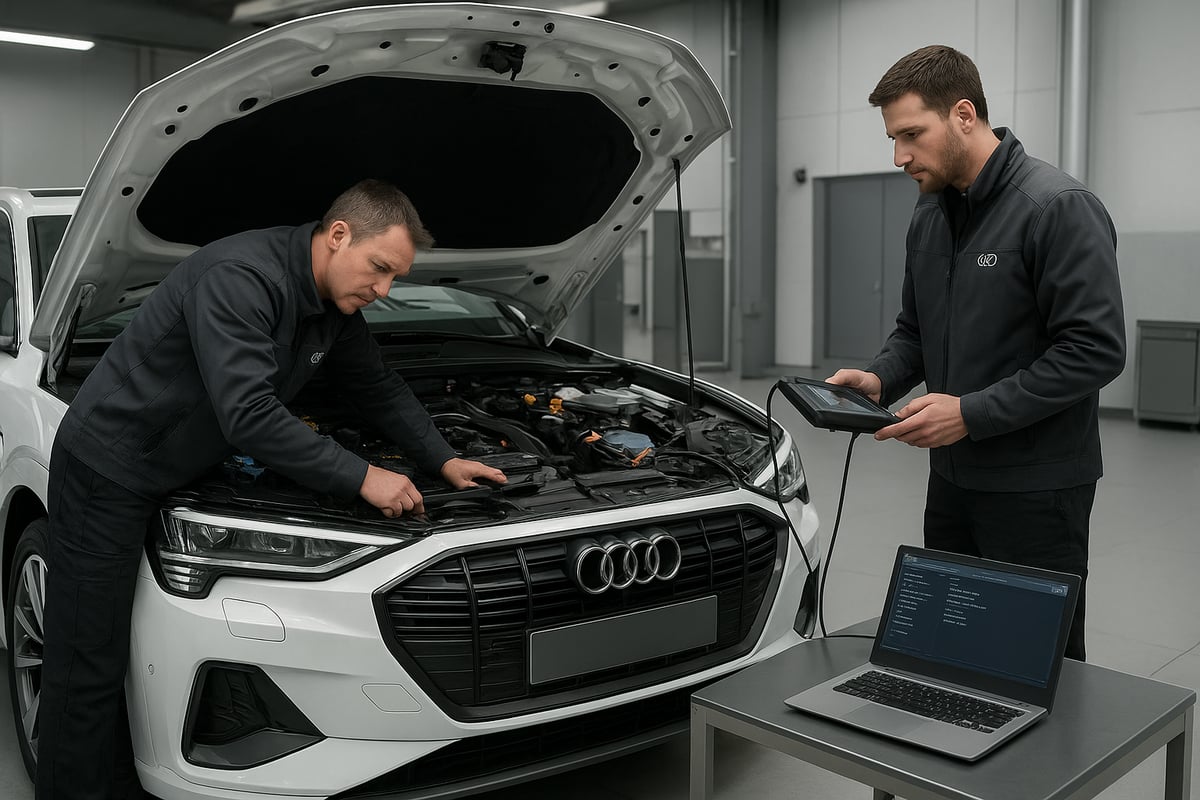
Engine and powertrain issues continue to top the list for audi repairs in 2026. Turbocharger failures, especially in TFSI engines, are a recurring challenge. Many owners report excessive oil consumption, which can lead to premature wear if not addressed.
Hybrid and electric models bring their own set of concerns. Battery degradation and inverter faults are increasingly common, particularly as these vehicles age. Timing chain tensioner wear, notably in 2.0 and 3.0 TFSI engines, can cause engine misfires or even severe damage if left unchecked.
For example, 2026 Audi Q5 hybrid models have shown a rise in battery warranty claims, often related to high-voltage system faults. Staying ahead with regular diagnostics and prompt action is essential for maintaining performance.
Electrical and Sensor-Related Faults
With the rise of advanced electronics, electrical and sensor issues now account for a significant portion of audi repairs. Malfunctions in the Mass Air Flow (MAF) sensor and oxygen (O2) sensors are frequent, causing rough idling or check engine lights.
ADAS (Advanced Driver-Assistance Systems) sensors, including radar, lidar, and cameras, require precise calibration. Even minor faults can disable features like adaptive cruise control or emergency braking. Infotainment system glitches, such as software freezes or connectivity dropouts, frustrate many drivers.
One notable case is the Audi Virtual Cockpit, which has experienced display blackouts in some 2026 models. Addressing these faults often requires both hardware checks and sophisticated software updates.
Suspension, Brakes, and Chassis
Modern suspension and chassis systems present unique challenges for audi repairs. Adaptive air suspension systems are prone to leaks and compressor failures, leading to ride height issues and warning lights.
Regenerative braking, especially in hybrid and electric Audis, accelerates brake pad and rotor wear in unexpected ways. Maintenance of the Quattro all-wheel drive system remains crucial, with some owners reporting increased service needs due to complex mechanical and electronic integration.
Recent data highlights a spike in suspension complaints for 2025 and 2026 Audi A6 models, often linked to worn bushings or electronic dampening faults. Timely inspections and using genuine parts help ensure long-term reliability.
Data and Insights
A closer look at recent industry data reveals clear trends in audi repairs for 2026. The top five most reported issues include:
| Issue | Average Repair Cost (USD) |
|---|---|
| Turbocharger/Oil Consumption | $1,200–$2,000 |
| Hybrid/Electric Battery Faults | $1,800–$2,200 |
| ADAS Sensor Malfunctions | $700–$1,500 |
| Infotainment/Display Failures | $450–$1,200 |
| Air Suspension/Compressor Failures | $1,000–$2,000 |
Compared to previous years, there has been a 20% increase in electronic-related audi repairs. This shift underscores the growing complexity and importance of thorough diagnostics.
For a broader perspective on fault trends across all vehicle brands, including Audi, the TÜV Report 2026 on Vehicle Faults provides valuable data and emphasizes the need for regular inspections.
Staying informed about these common issues empowers owners to anticipate costs and make better maintenance decisions. Proactive care and specialist support are key to keeping your Audi running smoothly.
Step-by-Step Guide: Diagnosing and Repairing Your Audi
Maintaining peak performance in 2026 requires a systematic approach to audi repairs. This comprehensive step-by-step guide empowers owners and technicians to confidently diagnose, repair, and validate solutions for both common and complex issues.

Step 1: Initial Assessment and Warning Signs
Every successful audi repairs process begins with careful observation. Start by watching for dashboard warning lights, such as the EPC or check engine light. These indicators often signal underlying electronic or mechanical issues.
Listen closely for abnormal noises—rattling, knocking, or high-pitched whines can point to engine or drivetrain problems. Feel for unusual vibrations through the steering wheel or pedals, which may reveal suspension or brake faults.
Inspect for visible leaks beneath the vehicle. Oil, coolant, or even unfamiliar odors are often the first clue that audi repairs are needed. For example, if the EPC light appears on your Audi A4, it could indicate issues with throttle control, wiring, or sensor malfunctions.
Document all symptoms before proceeding. This organized approach ensures that nothing is overlooked during audi repairs and helps streamline communication with service professionals.
Step 2: Using Diagnostic Tools and Software
Modern audi repairs rely on advanced diagnostic technology. Begin with an OBD-II scanner to read and interpret fault codes stored in your Audi’s computer. These codes, such as P0301 for cylinder misfire, provide a starting point for deeper investigation.
For more intricate issues, utilize Audi-specific platforms like VCDS or ODIS. These tools allow access to live data streams and freeze frame information, offering real-time insight into sensor performance and system health. For instance, a misfire diagnosis using VCDS can pinpoint which cylinder is affected and whether the issue is mechanical, electrical, or software-related.
It is crucial to have the right expertise when using these platforms. If you are unsure, consider consulting specialists who use these tools daily. For peace of mind, you can meet our Audi-trained team to ensure your vehicle receives expert care during audi repairs.
Step 3: Identifying the Root Cause
After collecting fault codes and symptoms, the next step in audi repairs is root cause analysis. Cross-reference error codes with observed behaviors. For example, a persistent battery drain could be traced to a faulty control module or a stuck relay.
Perform a thorough visual inspection of wiring, connectors, and components. Look for corrosion, loose plugs, or damaged insulation. When necessary, consult technical service bulletins or recall notices for your specific Audi model, as these often highlight known issues and recommended fixes.
Testing individual components with a multimeter or specialized equipment can reveal hidden faults. By methodically narrowing down possibilities, you can target the exact source of trouble and avoid unnecessary audi repairs.
Step 4: Implementing Repairs or Replacements
Once the issue is identified, proceed with audi repairs using safe and precise methods. Disconnect the battery before replacing electrical parts to prevent accidental shorts. Remove and install new components according to manufacturer guidelines, ensuring correct torque and alignment.
For electronic systems, software updates or recalibrations are often required. After replacing an ABS sensor, for example, use diagnostic software to reset adaptation values and clear stored fault codes. Adhering to proper procedures prevents repeat failures and ensures system reliability.
Always use genuine parts and approved fluids for audi repairs. This not only preserves warranty coverage but also maintains optimal vehicle performance for years to come.
Step 5: Post-Repair Testing and Validation
Successful audi repairs do not end with part replacement. Conduct thorough road tests to confirm that all symptoms have been resolved. Pay attention to any recurring warning lights or unusual behavior.
Monitor live data using diagnostic tools during the test drive. This step helps verify that sensors, modules, and systems are operating within normal parameters. For reference, studies show that 90 percent of recurring Audi faults in 2025 resulted from incomplete post-repair checks.
Document every repair action, including parts used and procedures followed. This record is invaluable for future audi repairs, warranty claims, and resale value. By following this comprehensive process, you can ensure lasting reliability and performance from your Audi.
Expert Solutions and Preventative Maintenance Tips
Keeping your Audi in optimal condition takes more than just fixing problems when they arise. Proactive steps, expert knowledge, and a clear maintenance strategy can dramatically reduce the frequency and severity of audi repairs. Let us explore the most effective approaches for 2026 Audi models, ensuring your vehicle delivers peak performance and reliability.
Proactive Maintenance for Longevity
Regular maintenance is the foundation of minimizing audi repairs. With 2026 Audi vehicles integrating more advanced technology than ever, scheduled servicing is not just about oil changes or filter replacements. It involves software updates, high-voltage system checks, and continuous monitoring of electronic components.
Using genuine parts and manufacturer-approved fluids is essential. These maintain compatibility with complex powertrains and prevent premature wear. For example, e-tron owners who use the recommended fluids and stick to official maintenance intervals consistently report extended battery life and fewer unexpected issues.
What else should you prioritize? Keep your vehicle’s firmware and software updated. Audi’s over-the-air updates address potential vulnerabilities and ensure all systems function harmoniously. By committing to these steps, you limit the risk of unplanned audi repairs and preserve your car’s value for years.
Addressing Recurring and Complex Issues
Advanced systems in 2026 Audis mean some faults may persist or recur if not handled by specialists. If you experience repeated electrical gremlins, infotainment glitches, or ADAS sensor problems, it is wise to consult a service center with deep expertise in audi repairs.
Persistent issues, especially involving the vehicle’s digital architecture, often require specialized diagnostic equipment and up-to-date training. For example, infotainment system failures are sometimes resolved only through official software patches and recalibration procedures.
Audi also offers remote diagnostics and support services, allowing technicians to access error logs and recommend targeted solutions. This not only saves time but can also prevent unnecessary audi repairs by pinpointing the root cause more efficiently. For complex cases, do not hesitate to seek out certified Audi specialists.
Maintenance Schedule Recommendations
Following the right maintenance schedule is crucial for reducing audi repairs. 2026 brings new considerations for hybrid, electric, and traditional engines. Service intervals should be tailored to your Audi’s specific powertrain and usage patterns.
Key checks include:
- Brakes and rotors, especially for models with regenerative braking
- Adaptive suspension and high-voltage battery systems
- Cooling systems and electronic control units
Referencing the Audi’s 2026 Maintenance Schedule provides precise guidance on timing and scope for each service. According to industry data, Audis serviced according to these recommendations experience 30 percent fewer major audi repairs.
| Service Interval | Key Tasks for 2026 Models | Notes |
|---|---|---|
| Every 10,000 km | Oil/Filter, Software Checks | All powertrains |
| Every 20,000 km | Brake, Suspension, Battery Health | Add for hybrid/electric |
| Every 40,000 km | Cooling System, ADAS Calibration | All models |
By customizing your maintenance approach, you stay ahead of potential problems and extend your vehicle’s lifespan.
Cost-Saving Strategies and Warranty Insights
Navigating warranty coverage is a vital part of managing audi repairs. For 2026, Audi’s warranty typically covers high-tech components, including electric drive systems and ADAS modules, for extended periods. Knowing the specifics of your coverage can save significant expenses, especially for complex repairs.
If your Audi is out of standard warranty, consider extended service plans. These plans are especially valuable for audi repairs involving electronic systems or battery replacements. For example, e-tron owners have benefited from battery replacement costs being fully covered under extended warranties, reducing out-of-pocket expenses dramatically.
Always ask your service provider about the warranty on both parts and labor. By leveraging these strategies, you can maintain peace of mind and control costs, even as vehicle technology evolves.
Choosing the Right Audi Repair Specialist in 2026
Selecting the right professional for audi repairs in 2026 is more critical than ever. With vehicles featuring advanced systems and proprietary technology, the expertise of your repair specialist directly affects your Audi’s longevity and performance.
Owners should be proactive in evaluating their options. The right choice not only ensures your vehicle receives proper care but also helps prevent repeat issues and unnecessary costs. In today’s evolving landscape, knowing what to look for in an Audi repair provider can make all the difference in your ownership experience.
Qualities to Look for in an Audi Repair Center
When searching for the ideal expert in audi repairs, prioritize a service center with up-to-date training and certifications in the latest Audi technologies. Technicians should have direct experience with 2026 models, including hybrid and electric platforms.
Access to proprietary diagnostic equipment and current software is essential. This ensures accurate troubleshooting and effective repairs. Transparent pricing and detailed repair estimates help you avoid surprises and build trust.
Customer testimonials and strong service guarantees offer peace of mind. Comparing dealership services to independent specialists is wise. Dealerships often have direct access to factory resources, while independents may provide more personalized attention and competitive rates.
| Criteria | Dealership Service | Independent Specialist |
|---|---|---|
| Audi-certified tools | Always | Often (check credentials) |
| Pricing transparency | Standardized | Often more flexible |
| Customer focus | Varies | Frequently more personalized |
| Access to updates | Immediate | May require extra steps |
For those seeking specialized European care, European vehicle servicing experts can provide valuable insight and tailored solutions for your Audi.
VODIS Automobile: Independent Audi Service Experts in Auckland
VODIS Automobile stands out as a trusted partner for audi repairs in Auckland. With more than 20 years of experience servicing European vehicles, their team is well-versed in the latest 2026 Audi systems and diagnostic protocols.

VODIS uses genuine parts and advanced diagnostic platforms to ensure every repair meets manufacturer standards. Their transparent communication and upfront pricing foster a customer-first approach, making complex repairs less stressful for owners.
Located on Auckland’s North Shore, VODIS offers convenient online booking and a reputation for resolving challenging issues. For example, their technicians recently solved a complicated ADAS fault in a 2026 Audi Q7, restoring full functionality and customer confidence.
Choosing specialists like VODIS means your vehicle benefits from expertise tailored to the unique demands of modern Audis.
Questions to Ask Before Booking a Repair
Before committing to audi repairs, ask the right questions to ensure your Audi receives expert attention:
- Does the center have experience with the latest Audi models and technologies?
- Are technicians certified for hybrid and electric systems?
- What warranty covers repairs and parts?
- Is proprietary diagnostic equipment available on-site?
- Are courtesy vehicles or amenities provided during repairs?
Statistically, 85% of Audi owners now prefer specialists with brand-specific expertise. By clarifying these points, you safeguard your investment and minimize unexpected issues.
Selecting a provider who meets these criteria ensures your vehicle is in capable hands and that repairs are completed to the highest standard.
Choosing the right specialist for audi repairs in 2026 is more than a convenience—it is an investment in your Audi’s future. Take the time to research, ask questions, and partner with experts who understand the evolving needs of your vehicle. With careful selection, you can drive confidently, knowing your Audi is expertly maintained.
Future Trends in Audi Repairs and Service
The future of audi repairs is rapidly transforming, driven by technological innovation and changing customer expectations. Owners and technicians must adapt to new service models and sustainability goals. Understanding these trends helps ensure your vehicle receives the best care possible and stays ahead of potential issues.
The Rise of Predictive and Remote Diagnostics
Predictive diagnostics are at the heart of modern audi repairs. Advanced AI systems now monitor vehicle health in real time, analyzing data from hundreds of sensors. These systems can alert owners to potential failures before they happen, reducing breakdowns and costly repairs.
Remote diagnostics also play a key role. Technicians can access a car’s data remotely, often resolving software issues with over the air updates. According to Audi’s 2024 Annual Report, these advancements are core to Audi’s customer service strategy, promising fewer workshop visits and faster solutions.
Sustainability and Eco-Friendly Repair Practices
Sustainability is now central to audi repairs. Eco certified repair centers are growing, focusing on responsible disposal of high voltage batteries and recycling of electronic components. Using remanufactured parts not only lowers costs but also reduces environmental impact.
Battery recycling stations and green initiatives are now standard at leading Audi service centers. These efforts align with global environmental targets and help owners make responsible choices. As more drivers choose electric and hybrid Audis, sustainable repair practices will continue to expand.
The Role of Connected Services and Customer Experience
Connected services are revolutionizing audi repairs by making maintenance more transparent and convenient. Digital service records track repairs, while mobile apps like myAudi provide personalized reminders and easy scheduling.
Owners can now communicate directly with technicians, receive real time updates, and access service history from anywhere. This seamless approach fosters trust and ensures that every repair is logged for future reference. As connected features become standard, customer experience continues to improve.
Technician Training and Industry Adaptation
Ongoing training is essential in the evolving world of audi repairs. Technicians must master new diagnostic tools, high voltage systems, and advanced software platforms. Repair centers are investing in continuous education to keep pace with rapid vehicle innovation.
Industry partnerships and certification programs are helping independent garages adapt. As vehicle technology evolves, the demand for highly skilled, brand specific technicians grows. This commitment to learning ensures reliable repairs and maintains Audi’s reputation for excellence.
As you’ve seen, keeping your Audi running smoothly in 2026 means understanding both the latest technology and the unique challenges modern models bring. With VODIS Automobile’s expertise, genuine parts, and up to date diagnostic tools, you can trust your vehicle is in capable hands. Whether you’re facing a complex ADAS fault or just want peace of mind with regular maintenance, we’re here to help you protect your investment and enjoy every drive. If you’re ready for reliable service from a team that truly knows Audis, it’s easy to Book in your service.