
Are you ready to keep your Volkswagen running at peak performance in 2026 and beyond? Proper volkswagen maintenance is the secret to saving money, boosting safety, and protecting your vehicle’s value.
This expert guide delivers the latest tips and routines for both traditional and electric Volkswagen models. You’ll discover essential schedules, step-by-step care, and seasonal advice designed for the unique needs of 2026 vehicles.
Follow along for actionable insights and insider recommendations, so you can enjoy worry-free driving and keep your Volkswagen in top shape for years to come.
Understanding Volkswagen Maintenance Fundamentals
Keeping up with volkswagen maintenance is the foundation of reliable, efficient driving. Understanding the basics helps owners avoid preventable issues, safeguard their investment, and enjoy peace of mind on the road. Each Volkswagen model, especially those from 2026, comes with unique requirements, making informed care essential.
The Importance of Preventative Maintenance
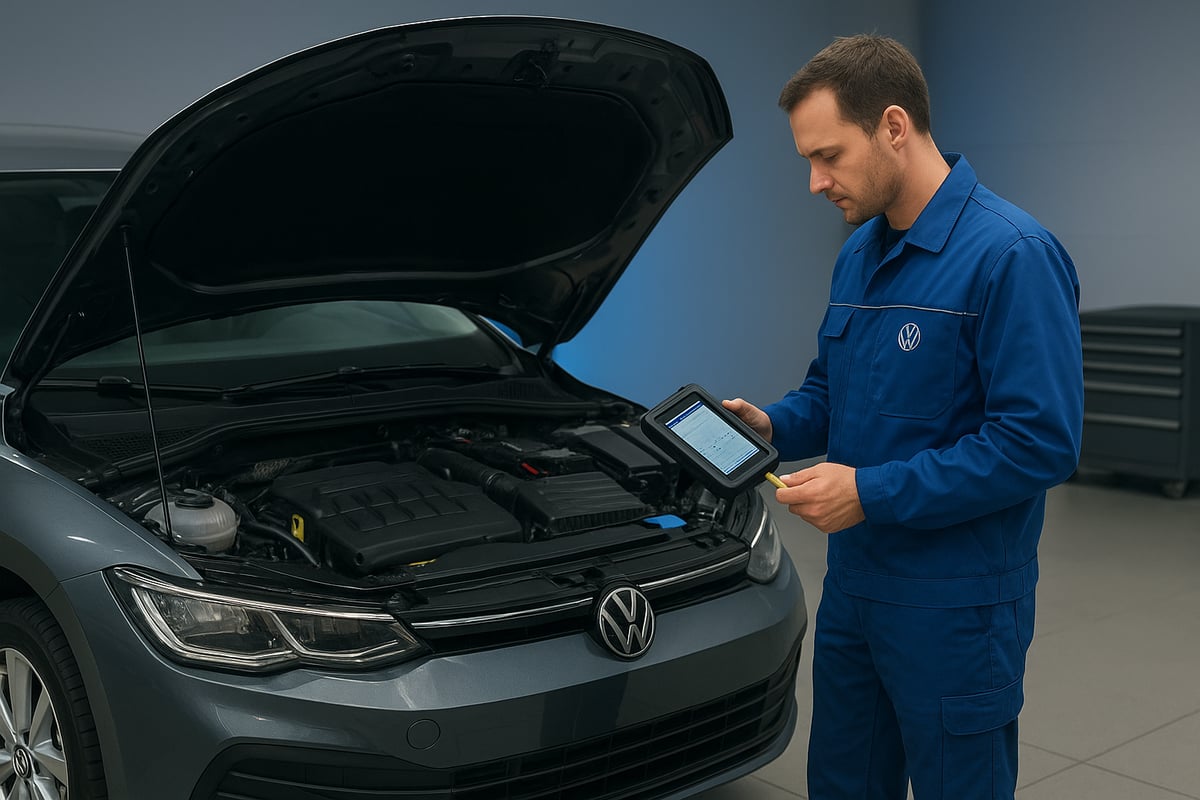
Preventative volkswagen maintenance is the single most effective way to avoid expensive repairs and keep your vehicle running smoothly. Addressing minor issues early prevents them from developing into major problems. For example, skipping routine oil changes can lead to engine overheating and even breakdowns.
Regular volkswagen maintenance ensures your car performs at its best, maintains fuel efficiency, and meets the latest safety standards. Well-maintained vehicles also retain higher resale value, as supported by Consumer Reports. Staying current with care routines keeps your Volkswagen in compliance with warranty requirements.
Additionally, proactive volkswagen maintenance minimizes emissions and reduces your environmental impact. Even modern VW engines need precise, regular attention. Neglecting basic care, such as fluid checks or filter replacements, can result in complex and costly failures.
Key Maintenance Intervals and Schedules
Volkswagen maintenance follows a series of manufacturer-recommended intervals designed to maximize longevity and reliability. Routine oil changes every 5,000 to 7,500 miles, brake fluid replacement every 30,000 miles, and timely filter changes are vital. Diesel Volkswagens need more frequent fuel filter replacements, typically every 40,000 miles.
Driving style and local conditions can influence how often volkswagen maintenance is needed. For example, frequent short trips or extreme climates may require more regular servicing. The latest 2026 models feature digital service reminders and advanced diagnostics, making it easier than ever to stay on schedule.
For specific guidance, consult the Volkswagen Maintenance Schedule to ensure you do not miss any critical service milestones. Following these intervals is not just about performance, but also about preserving your warranty eligibility.
Common Myths and Mistakes to Avoid
A common myth is that modern Volkswagens do not require frequent volkswagen maintenance. In reality, regular care is crucial for all models, regardless of age or technology. Ignoring dashboard warning lights or postponing scheduled service is a mistake that can lead to bigger, costlier issues.
Skipping tire rotations is another frequent error. This results in uneven tire wear, reduced handling, and compromised safety. Using non-genuine parts during volkswagen maintenance can void your warranty and decrease your car’s performance.
Stay informed, respond promptly to warning signs, and always choose quality parts to keep your Volkswagen operating as designed.
Step-by-Step Volkswagen Maintenance Checklist for 2026
Keeping your Volkswagen running smoothly in 2026 and beyond requires a proactive approach. This step-by-step volkswagen maintenance checklist covers all critical systems, ensuring your vehicle stays reliable, efficient, and safe. Whether you drive a traditional or electric VW, following these routines will help extend your car’s life and protect your investment. For those seeking professional support, Volkswagen servicing and repairs can complement your at-home efforts.
Engine and Oil Care
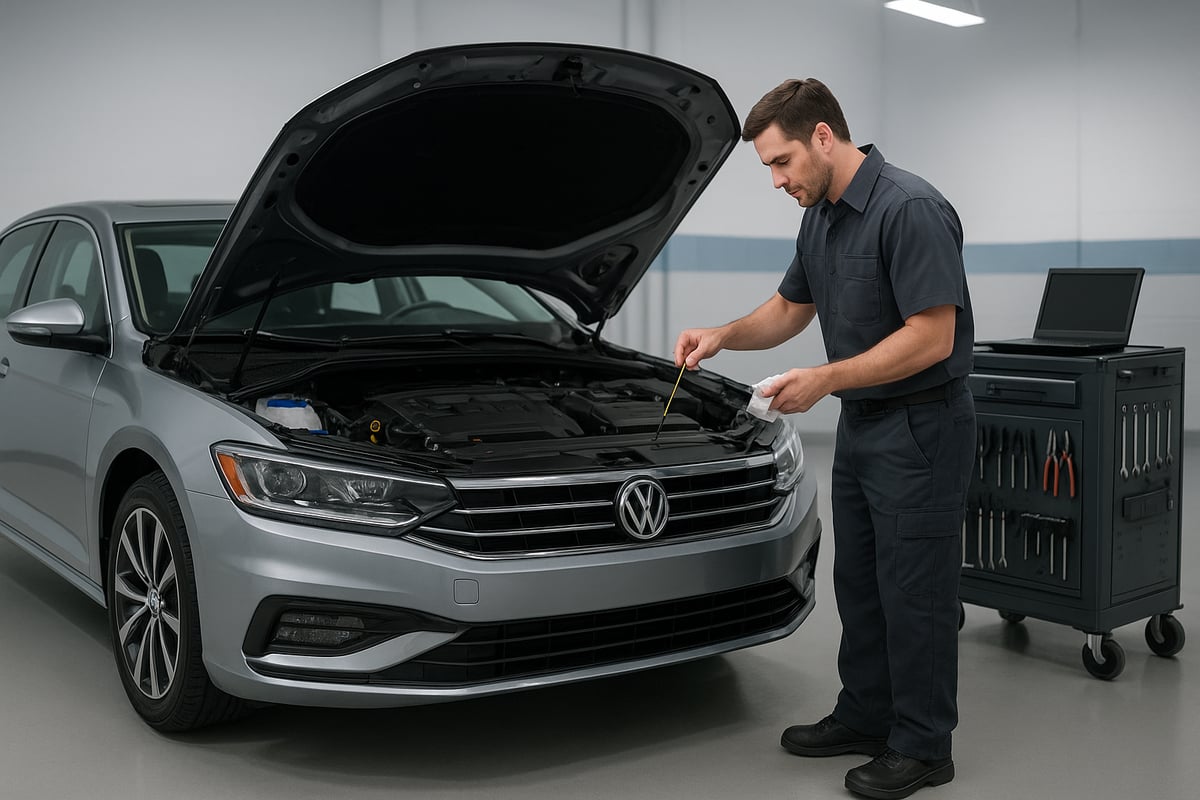
Proper engine and oil care is the foundation of volkswagen maintenance. Use only VW-approved synthetic oil and change it every 5,000 to 7,500 miles. Always replace the oil filter during each oil change to maintain engine cleanliness.
- Inspect for oil leaks regularly and top up oil if needed.
- Check oil levels between services, especially before long trips.
- Watch for dashboard warnings related to oil pressure or temperature.
Neglecting oil changes can accelerate engine wear and increase the risk of costly breakdowns. Modern Volkswagen engines demand precise care, so never delay this critical step.
Tire Maintenance and Rotation
Tire health plays a vital role in volkswagen maintenance. Inspect tire pressure monthly, and always before long journeys. Under-inflated tires can decrease fuel efficiency and handling.
- Rotate tires every 6,000 to 8,000 miles for even wear.
- Check tread depth using a gauge or the penny test.
- Look for visible damage, bulges, or uneven wear patterns.
Switch to winter or summer tires as needed for seasonal conditions. Well-maintained tires help maximize safety and vehicle performance.
Brake System Inspection
Your volkswagen maintenance routine should include careful brake inspections. Examine brake pads and rotors at every service or if you hear squeaking or grinding noises.
- Replace brake fluid every 30,000 miles or three years.
- Address any brake warning lights immediately.
- Test brakes for responsiveness and unusual vibrations.
Worn brake pads reduce stopping power and can increase accident risk. Timely brake care ensures both safety and compliance with warranty terms.
Fluid Levels and Replacement
Maintaining proper fluid levels is essential for volkswagen maintenance. Regularly check coolant, brake fluid, transmission fluid, and windshield washer fluid.
- Replace coolant every 40,000 miles or as needed.
- Top up fluids only with VW-approved products.
- Inspect for leaks or discoloration in fluid reservoirs.
Low or contaminated fluids can lead to overheating or system failures. Keeping fluids fresh helps prevent unexpected repairs.
Filter Replacements
Filter care is a crucial part of your volkswagen maintenance checklist. Change both engine air and cabin filters every 20,000 miles, more often if you drive in dusty areas.
- Replace fuel filters according to your model’s requirements, typically every 40,000 miles for diesel engines.
- Inspect filters at each service for excess dirt or clogging.
Dirty filters reduce engine efficiency and compromise cabin air quality. Regular replacement keeps your vehicle running clean and smooth.
Battery and Electrical System Care
Modern VWs rely heavily on electronics, making battery health central to volkswagen maintenance. Test your battery at least twice a year, especially before winter.
- Clean battery terminals to prevent corrosion.
- Check all lights, including headlights, brake lights, and interior bulbs.
- Watch for electrical warning lights or erratic system behavior.
A healthy battery ensures that advanced features and safety systems work reliably. Don’t overlook this step in your routine.
Spark Plugs, Timing Belts, and Chains
Finalizing your volkswagen maintenance means checking key engine components. Replace spark plugs as specified in your owner’s manual, and inspect for wear.
- Timing belts usually need replacement every 80,000 to 90,000 miles.
- Higher-mileage vehicles may require timing chain inspections.
- Listen for unusual engine noises, which can signal timing issues.
Neglecting these parts can result in serious engine damage. Staying on schedule with replacements protects your Volkswagen’s performance and longevity.
Seasonal Volkswagen Maintenance Tips
Keeping up with seasonal volkswagen maintenance is crucial for protecting your investment and ensuring smooth driving all year. Each season brings unique challenges for your Volkswagen, from harsh winter conditions to the heat of summer. By following targeted routines for each time of year, you can maximize reliability, safety, and performance.

Winter Preparation
Winter puts your volkswagen maintenance routine to the test. Cold temperatures, snow, and ice create extra strain on key systems.
- Install winter tires for improved grip on snow and ice.
- Inspect and replace wiper blades, switching to winter-rated blades for better visibility.
- Check antifreeze and coolant levels to prevent freezing and overheating.
- Test your battery’s charge and clean terminals to avoid starting issues.
- Lubricate window tracks and weather stripping to prevent freezing.
- Keep the fuel tank above half to minimize moisture build-up.
Owners of electric Volkswagens should review Cold Weather Care for Your EV for additional tips on battery health and charging in low temperatures.
Taking these precautions as part of your volkswagen maintenance plan helps ensure your vehicle starts reliably and handles safely all winter.
Spring/Summer Maintenance
As the weather warms up, your volkswagen maintenance checklist should focus on comfort and recovering from winter wear.
- Test and service the air conditioning system for optimal cooling.
- Replace or clean A C and cabin filters to maintain air quality.
- Inspect tire pressure and tread wear after winter’s harsh conditions.
- Schedule an oil change and brake inspection to prepare for summer driving.
- Examine the undercarriage and exterior for signs of corrosion or damage caused by road salt.
Regular volkswagen maintenance in spring and summer keeps your vehicle efficient and comfortable, ready for road trips and daily commutes.
Fall Readiness
Fall is the ideal time to prepare your Volkswagen for the challenges of colder months. Prioritize volkswagen maintenance tasks that boost reliability as temperatures drop.
- Inspect the battery and charging system to avoid winter breakdowns.
- Test the HVAC system, heated seats, and defrosters for proper function.
- Replace wiper blades and check all exterior lights for visibility during longer nights.
- Prepare an emergency kit with essentials like blankets, flashlight, and ice scraper.
By addressing these volkswagen maintenance items in fall, you can transition smoothly into winter and reduce the risk of seasonal issues.
Year-Round Tips
Consistent volkswagen maintenance is key to preserving your vehicle’s value and performance throughout the year.
- Wash your Volkswagen regularly to protect paint and the undercarriage from dirt and road chemicals.
- Listen for unusual noises or changes in performance, addressing concerns promptly.
- Keep detailed maintenance records for warranty and resale purposes.
Staying proactive with volkswagen maintenance ensures your car remains safe, efficient, and enjoyable to drive, no matter the season.
Advanced Tips for New Volkswagen Technologies in 2026
Staying ahead with volkswagen maintenance is essential as vehicles become more technologically advanced. The 2026 Volkswagen lineup features cutting-edge systems that demand specialized care and attention. Knowing how to properly maintain these innovations will ensure your VW remains reliable, efficient, and safe for years to come.
Caring for Volkswagen Electric and Hybrid Models
Volkswagen maintenance for electric and hybrid models requires a new approach. The high-voltage battery is the heart of these vehicles. Regular inspections are crucial to monitor battery health and cooling systems. Always follow VW’s official charging guidelines, as correct routines help maximize battery lifespan and performance.
Software updates play a vital role too. Staying up to date with the latest firmware ensures your vehicle benefits from new features and safety improvements. It is also wise to check for cooling system integrity, since battery and electronics depend on stable temperatures. For more comprehensive tips on electric vehicle care, consult resources like Electric Car Maintenance Tips.
Volkswagen maintenance for EVs also means paying attention to regenerative braking systems and specialized filters. Adhering to manufacturer recommendations will help you get the most out of your electric or hybrid VW.
Adapting to Digital Service Reminders and Smart Diagnostics
Modern volkswagen maintenance is streamlined through digital service reminders and onboard diagnostics. The 2026 models feature advanced in-car notification systems that alert you to upcoming service needs. These reminders are tailored to your driving habits and environmental conditions, so you never miss a critical maintenance task.
Remote diagnostics are another key advancement. Through Volkswagen’s connected services, technicians can access real-time data and troubleshoot issues before they become serious. Over-the-air software updates further enhance your vehicle’s performance and safety. Embracing these tools simplifies volkswagen maintenance and reduces the risk of unexpected breakdowns.
Understanding Advanced Driver Assistance Systems (ADAS)
Advanced Driver Assistance Systems are now standard in most 2026 Volkswagens. Proper volkswagen maintenance includes regular calibration and cleaning of ADAS sensors and cameras. After any windshield or bumper repair, ensure sensors are recalibrated to maintain accurate function.
Dirt, snow, or debris can obstruct sensors, reducing the effectiveness of features like lane-keeping assist and adaptive cruise control. Make it a habit to inspect and clean these components at each service interval. Scheduling ADAS checks as part of your routine volkswagen maintenance is critical for vehicle safety and compliance with warranty requirements.
Software and Infotainment System Maintenance
The digital experience is a central part of every modern Volkswagen. Routine volkswagen maintenance now involves keeping your infotainment and navigation systems updated. Install software updates as soon as they become available to benefit from the latest enhancements and bug fixes.
Before updating, back up your personal settings and data. If you encounter issues such as connectivity problems or lag, consult your owner’s manual for troubleshooting steps. Outdated software can impact not only entertainment but essential vehicle functions. Regular attention to these systems helps maintain the overall performance and reliability of your Volkswagen.
Professional Volkswagen Servicing: When and Why to Seek Expert Help
Seeking professional help for volkswagen maintenance provides peace of mind and ensures your vehicle receives the highest standard of care. Skilled technicians use advanced diagnostic equipment and have access to model-specific knowledge, which is vital for keeping your Volkswagen running smoothly. Regular professional servicing also safeguards your investment, helping you avoid unexpected breakdowns and costly repairs.
Benefits of Professional VW Servicing
Professional volkswagen maintenance offers several advantages that DIY approaches simply cannot match. Certified mechanics have specialized training on Volkswagen systems, ensuring accurate diagnostics and repairs. They also use genuine VW parts, which helps maintain your car’s performance and protect its warranty coverage.
- Access to the latest technical service bulletins and recall information
- Comprehensive multi-point inspections to detect hidden issues early
- Use of manufacturer-approved fluids and parts for optimal reliability
- Compliance with Volkswagen warranty and service requirements
For example, complex repairs such as timing belt replacement or ADAS calibration require expert skills and precise tools. If you want to see what a professional setup looks like, explore our Volkswagen workshop facilities to understand the level of care your vehicle receives. This attention to detail is essential for maximizing the lifespan and value of your Volkswagen.
Choosing the Right Service Centre
Selecting the right service centre is a critical step in your volkswagen maintenance journey. Both dealerships and independent Volkswagen specialists offer unique benefits, so it’s important to weigh your options carefully.
Key considerations when choosing a service centre:
- Transparent pricing and clear communication
- Use of genuine Volkswagen parts
- Positive customer reviews and proven track record
- Convenient location and flexible booking options
| Factor | Dealership | Independent Specialist |
|---|---|---|
| Pricing | Often higher | Competitive, sometimes lower |
| Personalization | Standardized | More personalized service |
| Access to Recalls | Direct access | May refer to dealer |
Independent specialists may provide a more tailored experience and cost savings, while dealerships have immediate access to the latest recall data. Always verify that your chosen workshop maintains high standards for volkswagen maintenance to ensure safety and reliability.
Expert Volkswagen Servicing in Auckland: VODIS Automobile
For Volkswagen owners in Auckland, VODIS Automobile stands out as a trusted choice for professional volkswagen maintenance. With over 20 years of experience servicing European vehicles, their team delivers transparent, reliable, and customer-focused care.
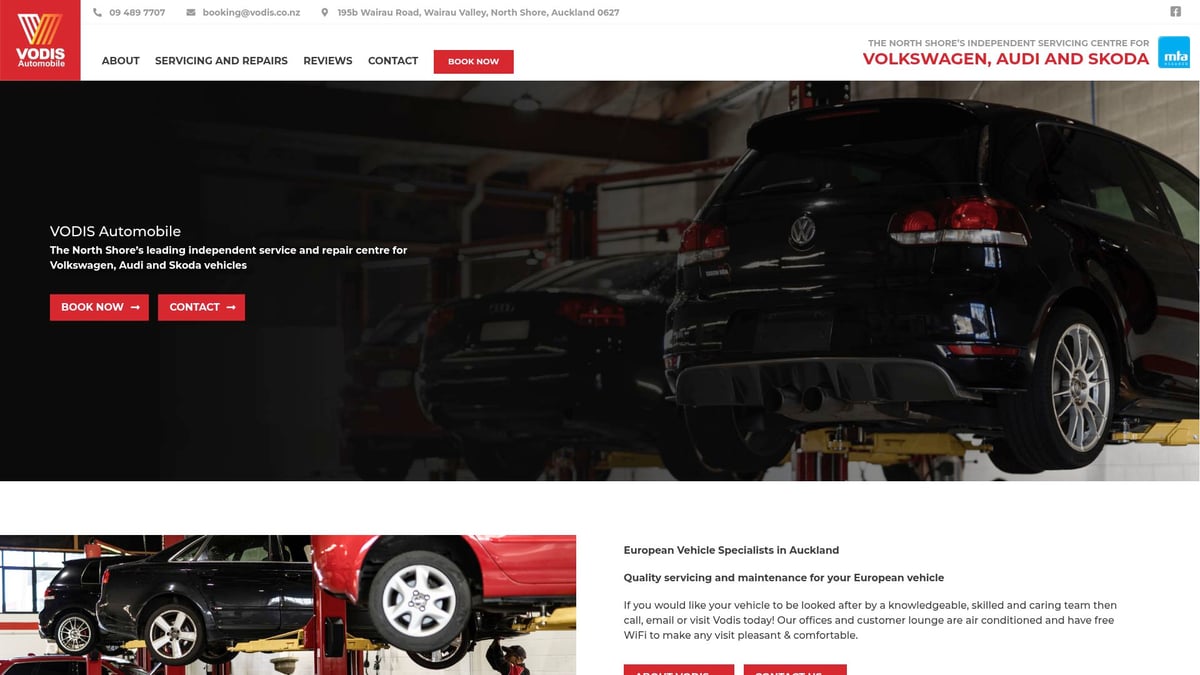
VODIS offers a full range of services, including VW-specific diagnostics, genuine parts, and comprehensive maintenance routines. Their modern facilities provide comfort and convenience, while clear communication keeps you informed at every step.
What sets VODIS apart is their blend of dealership-level expertise with personalized service. Whether your vehicle needs routine servicing or complex repairs, you can rely on their skilled technicians to uphold the highest standards. For a seamless experience, you can book your Volkswagen service online and enjoy peace of mind knowing your car is in expert hands.
VODIS Automobile is the ideal partner for maintaining your Volkswagen’s performance, safety, and value throughout its lifespan.
DIY Maintenance vs. Professional Care: What VW Owners Should Know
Choosing between DIY and professional volkswagen maintenance is a key decision for every VW owner. Both approaches have their merits, and understanding the differences will help you make the right choice for your vehicle’s needs, budget, and warranty protection.
Pros and Cons of DIY Volkswagen Maintenance
DIY volkswagen maintenance offers several advantages for owners who enjoy hands-on work. You can save money on labor, complete simple tasks at your convenience, and gain a deeper understanding of your vehicle. Replacing wiper blades, topping up fluids, or changing air filters are all manageable at home.
However, there are also drawbacks. Mistakes can lead to costly repairs or even void your warranty. Modern VWs often require specialized tools and diagnostic equipment. For owners interested in predictable costs and full compliance, consider exploring Volkswagen Care Prepaid Maintenance Plans for scheduled service options.
Here’s a quick comparison:
| DIY Maintenance | Professional Service |
|---|---|
| Cost savings | Certified expertise |
| Flexible scheduling | Warranty protection |
| Risk of mistakes | Advanced diagnostics |
| Limited to simple tasks | Access to recalls/bulletins |
Tasks Best Left to Professionals
Certain volkswagen maintenance tasks require a professional’s expertise. Complex repairs, such as timing belt replacement, transmission service, and advanced driver assistance system calibration, should always be handled by certified technicians.
Professional workshops have the right tools, training, and access to official technical bulletins. They ensure all work meets Volkswagen standards, which is crucial for warranty preservation and safety. Attempting these jobs at home increases the risk of error or damage, making professional care the safer choice for intricate or safety-critical systems.
How to Safely Perform Basic Maintenance at Home
Many volkswagen maintenance tasks can be done safely at home if you follow the correct procedures. Always consult your owner’s manual and use VW-approved parts and fluids. Keep a clean workspace and gather the necessary tools before beginning.
Start with simple checks, such as monitoring tire pressure, topping up windshield washer fluid, and inspecting lights. Record each task and date performed. If you notice any warning lights or feel uncertain, stop and consult a professional. Prioritizing safety ensures your maintenance efforts benefit your VW without unintended consequences.
Maintaining Your Volkswagen’s Service History
Accurate records are a vital part of volkswagen maintenance. Whether you perform tasks yourself or use a professional service, document every oil change, filter replacement, and inspection. Use a digital log or a dedicated notebook.
When it’s time to sell or trade in your vehicle, a complete service history demonstrates responsible ownership and can increase resale value. It also helps technicians diagnose issues more efficiently. Keeping organized records is a simple yet powerful step in protecting your investment and maintaining your Volkswagen’s reliability.
After exploring these expert tips and understanding what it takes to keep your Volkswagen running smoothly in 2026, you can see how proactive maintenance truly protects your investment and peace of mind. Whether you want to get ahead of the next service interval or need help with a specific issue, partnering with skilled professionals can make all the difference in reliability and performance. If you’re ready to give your Volkswagen the care it deserves, I encourage you to Book in your service with Auckland’s trusted specialists. Your VW—and your wallet—will thank you.