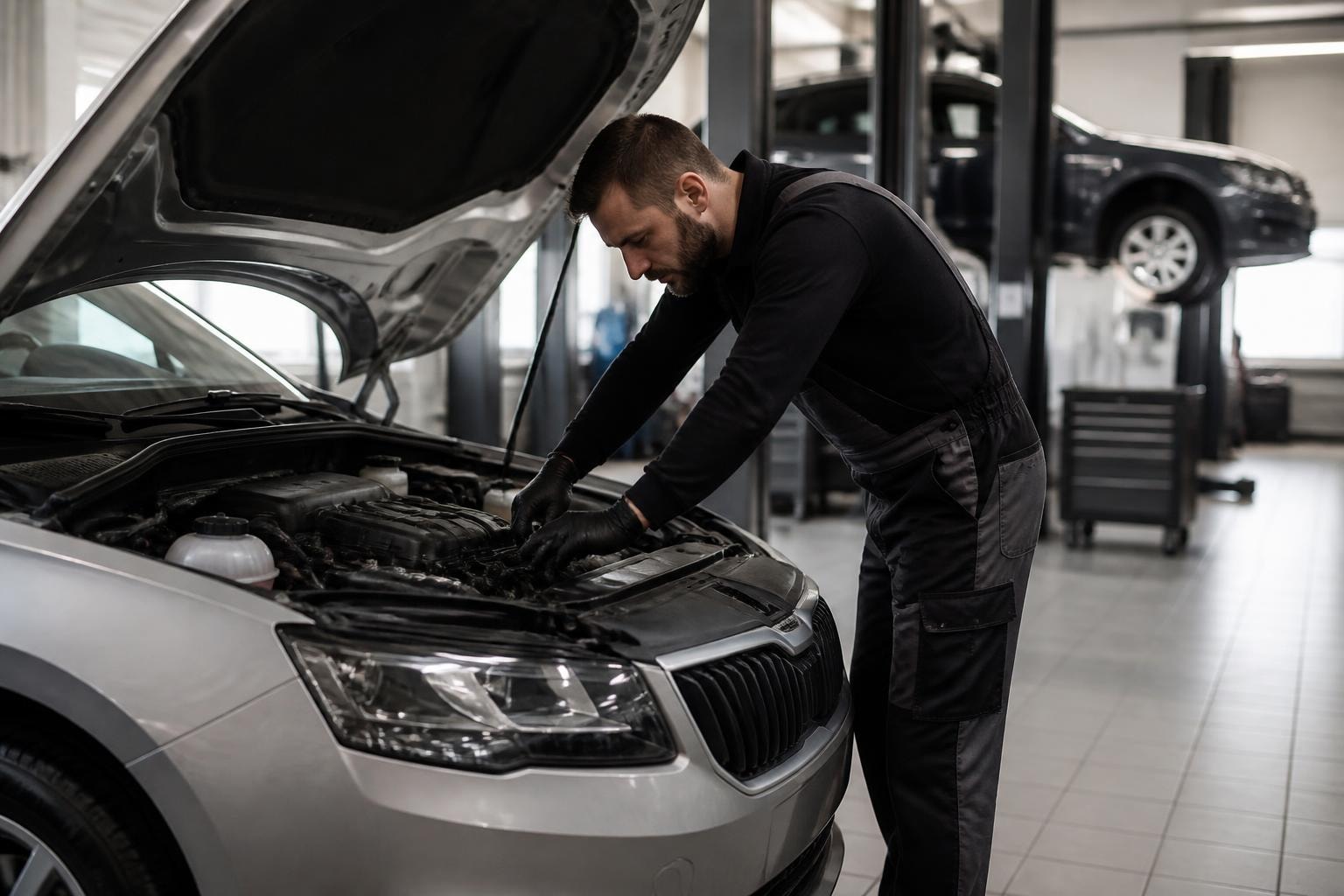

Modern European vehicles operate as sophisticated networks of electronic systems, where electrical components control everything from engine management to advanced safety features. As vehicles become increasingly complex, understanding auto electrical car repairs has become essential for every owner of Volkswagen, Audi, Mercedes, BMW, or Skoda models. These repairs require specialized knowledge and diagnostic equipment, particularly for luxury European brands that integrate cutting-edge technology into every aspect of vehicle operation. Whether you're experiencing dashboard warning lights, battery drain, or malfunctioning accessories, knowing what's involved in electrical diagnostics and repairs can help you make informed decisions about your vehicle's maintenance.
Understanding Modern Automotive Electrical Systems
European vehicles in 2026 feature remarkably intricate electrical architectures that far exceed the simple circuits of previous decades. These systems comprise multiple control modules communicating through various network protocols, managing hundreds of sensors and actuators simultaneously.
The electrical system in your vehicle serves as the nervous system, coordinating critical functions across all operational areas. Engine control modules regulate fuel injection, ignition timing, and emissions controls with microsecond precision. Body control modules manage lighting, climate control, and security systems. Safety systems including ABS, stability control, and advanced driver assistance features all depend on flawless electrical communication.
Key Components in European Vehicle Electrical Systems
Understanding the major components helps identify where problems originate:
- Battery and charging system: Powers all electrical components and stores energy for starting
- Alternator: Generates electricity while the engine runs and recharges the battery
- Starter motor: Engages the engine during ignition sequence
- Wiring harnesses: Distribute power and data signals throughout the vehicle
- Fuses and relays: Protect circuits and control power distribution
- Control modules: Process sensor data and command actuators
- Sensors: Monitor conditions throughout the vehicle systems
- Ground connections: Complete circuits and ensure proper voltage reference
Auto Repair Source provides authoritative, up-to-date service and repair information that technicians use to understand these complex systems and identify manufacturer-specific repair procedures.
Common Electrical Problems in European Vehicles
Auto electrical car repairs often address recurring issues that affect specific vehicle brands and models. European manufacturers implement proprietary technologies that require brand-specific diagnostic approaches and repair techniques.
Battery and Charging System Failures
Battery issues represent the most frequent electrical concern. Modern vehicles place enormous demands on batteries, which must support not only starting but also numerous computers that draw power even when parked. Parasitic drain occurs when components fail to shut down properly, depleting the battery overnight.
Charging system failures manifest through various symptoms. A failing alternator might produce inconsistent voltage, causing lights to dim or flicker. Warning lights illuminate when charging voltage drops below specified thresholds. European vehicles often feature intelligent charging systems that adjust output based on battery state and electrical load, adding complexity to diagnostics.
Control Module and Sensor Malfunctions
Electronic control units occasionally fail due to heat exposure, vibration, or moisture intrusion. These failures can disable entire vehicle systems or trigger safe-mode operation that limits performance. Module programming becomes corrupted, requiring specialized equipment to reflash software.
Sensor failures create false readings that confuse control systems. Oxygen sensors, mass airflow sensors, and throttle position sensors directly affect engine performance. Temperature sensors influence cooling fan operation and fuel delivery. Position sensors for transmission, steering, and suspension components impact shifting, handling, and ride quality.
| Problem Type | Common Symptoms | Typical Causes |
|---|---|---|
| Battery Drain | Won't start after sitting, dim lights | Parasitic draw, failed battery cells, charging system fault |
| Starting Issues | Clicking noise, slow crank, no response | Starter motor failure, weak battery, wiring corrosion |
| Warning Lights | Dashboard indicators, error messages | Sensor faults, module failures, communication errors |
| Accessory Failures | Non-functional windows, locks, mirrors | Switch failures, wiring damage, control module issues |
Wiring and Connection Problems
Wiring harnesses deteriorate over time, especially in harsh climates or high-mileage vehicles. Corrosion at connection points creates resistance, causing voltage drops and intermittent operation. Rodent damage to wiring insulation creates short circuits that blow fuses and damage sensitive electronics.
Ground connection failures produce particularly puzzling symptoms because they affect voltage reference for entire circuits. Poor grounds cause erratic behavior, random warning lights, and component malfunctions that seem unrelated.
Diagnostic Approaches for Electrical Repairs
Professional auto electrical car repairs begin with systematic diagnostics that identify root causes rather than merely addressing symptoms. European vehicles require manufacturer-specific scan tools that access all control modules and read proprietary diagnostic codes.
Advanced Diagnostic Equipment and Techniques
Modern diagnostics extend far beyond simple code reading. Technicians analyze live data streams, monitor communication between modules, and perform actuator tests to verify component operation. Oscilloscopes measure electrical signals in real-time, revealing intermittent faults that static testing misses.
Wiring diagrams specific to your vehicle's exact model year and configuration guide technicians through complex circuits. These diagrams show wire colors, connector locations, and circuit paths essential for tracing electrical faults. Understanding auto electrical repairs requires both theoretical knowledge and practical diagnostic skills that develop through experience with specific vehicle brands.
Testing Procedures and Measurement
Voltage, resistance, and continuity testing form the foundation of electrical diagnostics. Technicians measure voltage drops across connections, verify proper ground paths, and test component resistance values against specifications. Amperage testing identifies excessive current draw that indicates short circuits or failing components.
- Connect diagnostic scanner to retrieve fault codes from all control modules
- Review freeze frame data to understand conditions when faults occurred
- Analyze live sensor data to identify values outside normal ranges
- Perform guided component tests using manufacturer procedures
- Measure circuit values at suspected failure points
- Verify repairs through road testing and data monitoring
Professional facilities use battery load testers, alternator output analyzers, and specialized meters designed for automotive electrical systems. These tools provide accurate measurements in the challenging automotive environment where electromagnetic interference and temperature variations affect readings.
Repair Methods and Best Practices
Quality auto electrical car repairs require proper techniques, genuine or OEM-equivalent components, and thorough testing. Shortcuts in electrical repairs often lead to recurring problems or create new issues elsewhere in complex vehicle networks.
Component Replacement Standards
European manufacturers specify detailed replacement procedures that maintain system integrity. Battery replacement involves more than simply swapping the battery. Control modules must be informed of the new battery installation through specialized programming. Battery registration ensures charging algorithms optimize battery life and performance.
Alternator replacement requires verification of voltage regulator settings and output specifications. Some vehicles use variable-voltage charging systems that adjust output based on driving conditions and electrical load. Control module replacement demands programming, coding, and configuration to match the specific vehicle.
Wiring Repair Techniques
Professional wiring repairs use proper gauge wire, quality connectors, and weatherproof heat-shrink tubing. Solder and seal connectors create reliable, corrosion-resistant joints that withstand vibration and temperature cycling. Crimped connections must achieve proper compression without damaging wire strands.
Routing repaired wiring follows factory paths, maintaining proper clearances from heat sources and moving components. Securing harnesses with appropriate clips and ties prevents chafing that leads to future failures.
Preventive Maintenance for Electrical Systems
Proactive care extends electrical system life and prevents costly repairs. Regular inspections identify developing problems before they cause breakdowns or damage other components.
Battery and Charging System Care
- Test battery condition annually, especially before winter
- Clean battery terminals and cable connections
- Check alternator belt tension and condition
- Monitor charging system voltage periodically
- Address warning lights promptly
Battery condition deteriorates gradually, but failures often seem sudden. Load testing reveals weak batteries before they fail to start your vehicle. Evaluating service options helps ensure you receive quality electrical diagnostics from qualified technicians who understand European vehicle systems.
Connection and Wiring Inspection
Regular visual inspections catch problems early. Look for corroded connections, especially in engine compartment areas exposed to moisture and road spray. Check ground connections for tightness and clean contact surfaces. Inspect wiring harnesses for chafing, cracking, or damage from heat exposure.
Selecting the Right Service Provider
Choosing qualified technicians for auto electrical car repairs significantly impacts outcomes. European vehicles demand specialized expertise, diagnostic equipment, and access to manufacturer repair information that general repair shops often lack.
Essential Qualifications and Capabilities
Look for service centers with technicians certified in European vehicle repair. Brand-specific training ensures familiarity with unique systems and common failure patterns. Facilities should possess manufacturer-level diagnostic equipment capable of accessing all control modules and performing guided tests.
| Qualification Factor | Why It Matters | Questions to Ask |
|---|---|---|
| Diagnostic Equipment | Accesses all vehicle systems | What scan tools do you use for my vehicle brand? |
| Technical Training | Understands complex systems | Are technicians certified for European vehicles? |
| Repair Information | Follows correct procedures | Do you have access to factory service information? |
| Experience Level | Recognizes patterns | How long have you specialized in European vehicles? |
| Parts Quality | Ensures reliability | What quality components do you install? |
Finding the right automotive electrician requires evaluation of multiple factors including qualifications, equipment capabilities, and customer reviews. Specialized European vehicle service centers typically provide superior diagnostics compared to general repair facilities.
Communication and Transparency
Quality service providers explain electrical problems clearly, describing both symptoms and underlying causes. They provide detailed estimates before beginning repairs and update you on findings during diagnostics. Documentation of repairs should include parts replaced, procedures performed, and test results verifying proper operation.
Ask about warranty coverage on electrical repairs. Reputable shops stand behind their work with warranties on both parts and labor. Understanding warranty terms protects your investment and demonstrates the facility's confidence in repair quality.
European Vehicle Electrical System Considerations
Volkswagen, Audi, Mercedes, BMW, and Skoda vehicles each implement unique electrical architectures requiring brand-specific knowledge. These manufacturers pioneer advanced technologies that eventually appear in other brands, making their vehicles both sophisticated and complex.
Volkswagen and Audi Electrical Systems
VAG Group vehicles share common platforms and electrical architectures. The CAN-bus network connects modules throughout the vehicle, enabling complex feature integration and advanced diagnostics. Gateway modules manage communication between network segments, and failures affect multiple systems simultaneously.
VCDS (VAG-COM Diagnostic System) and VAS diagnostic platforms access functions unavailable through generic scan tools. These systems perform coding, adaptation, and programming essential for module replacement and feature configuration. Modern vehicles require specialized electrical services that understand manufacturer-specific technologies and repair procedures.
BMW and Mercedes Electrical Technologies
BMW implements highly integrated electrical systems where modules share information across multiple network protocols. The body electronics controller coordinates lighting, comfort, and security functions through complex programming. Coding and programming require factory-level tools and authorization for certain procedures.
Mercedes vehicles feature particularly sophisticated comfort and safety systems. The COMAND and MBUX infotainment systems integrate with nearly every vehicle function. Electrical repairs often require component activation through online authentication to Mercedes servers. Battery replacement triggers programming sequences that optimize charging for the specific battery type installed.
Skoda Electrical System Characteristics
Skoda vehicles share Volkswagen Group platforms and electrical systems while offering excellent value. They benefit from VAG engineering and use similar diagnostic approaches. Service facilities experienced with Volkswagen and Audi electrical systems possess the knowledge and tools necessary for Skoda repairs.
Cost Factors in Electrical Repairs
Auto electrical car repairs vary widely in cost depending on problem complexity, parts required, and diagnostic time involved. Understanding pricing factors helps set realistic expectations and evaluate estimates.
Diagnostic Fees and Labor Rates
Electrical diagnostics require significant time investment, especially for intermittent problems or multiple symptoms. Technicians must systematically eliminate possibilities, test components, and verify repairs. Diagnostic fees typically range from one to several hours of labor depending on problem complexity.
Specialized knowledge and equipment justify higher labor rates at European vehicle specialists. These facilities invest in technician training, manufacturer diagnostic tools, and comprehensive repair information that generic shops cannot access. The expertise prevents misdiagnosis and incorrect repairs that waste money.
Parts and Programming Costs
Genuine manufacturer parts ensure compatibility and reliability but command premium prices. Quality aftermarket alternatives offer cost savings while maintaining performance standards. Control modules represent the most expensive electrical components, often requiring programming that adds labor cost.
Some repairs involve software updates or module programming that requires online authentication with manufacturer servers. These services incur additional fees beyond basic labor rates. Understanding car electrical repair processes helps you appreciate the complexity involved and the value of expert diagnosis.
When evaluating costs, consider the complete repair including diagnostics, parts, labor, and programming. Cheaper repairs using inferior parts or inadequate diagnostics often lead to recurring problems and higher total costs.
Technological Advances Affecting Electrical Systems
The automotive industry continues rapid electrification and automation, fundamentally changing vehicle electrical systems. Understanding these trends helps prepare for future service needs and maintenance requirements.
Hybrid and Electric Vehicle Integration
Even conventional gasoline vehicles now incorporate mild-hybrid systems, start-stop technology, and regenerative braking. These features demand robust electrical systems with higher capacity batteries and sophisticated power management. 48-volt systems supplement traditional 12-volt electrical systems, adding complexity to diagnostics and repairs.
Full hybrid and plug-in hybrid vehicles feature high-voltage battery packs, inverters, and electric motors alongside conventional engines. Service technicians require specialized training and safety equipment to work on high-voltage components safely. Orange high-voltage cables distinguish these systems visually.
Advanced Driver Assistance Systems
Lane-keeping assist, adaptive cruise control, automatic emergency braking, and parking assist systems depend on radar sensors, cameras, and ultrasonic sensors. These systems require precise calibration after electrical repairs or component replacement. Sensor calibration ensures safety systems function correctly and avoid false activations.
Camera-based systems need specific alignment procedures after windshield replacement or front-end repairs. Radar sensors require aiming using specialized equipment and targets. As these technologies become standard equipment, electrical repairs increasingly involve calibration procedures.
When to Seek Professional Help
Some electrical issues demand immediate professional attention while others allow time for scheduled appointments. Recognizing urgency helps prevent damage and ensures safety.
Critical Electrical Problems Requiring Immediate Service
Certain symptoms indicate serious problems that shouldn't be ignored:
- Complete electrical failure leaving you stranded
- Burning smell from electrical components or wiring
- Smoke from the dashboard or engine compartment
- Multiple warning lights illuminating simultaneously
- Starting problems that worsen progressively
- Battery warning light during driving
These conditions suggest failures that might damage other components or create safety hazards. Towing the vehicle to a qualified service facility prevents further damage and ensures proper diagnosis.
Scheduling Preventive Electrical Service
Regular maintenance intervals provide opportunities for electrical system inspection. Booking service appointments ensures your vehicle receives thorough evaluation by experienced technicians familiar with European vehicle electrical systems. Annual battery testing, connection cleaning, and charging system verification prevent unexpected failures.
Address minor electrical problems before they escalate. Intermittent accessory operation, occasional warning lights, or slightly dim lighting often indicate developing issues that worsen over time. Early intervention typically costs less than repairs after complete failure.
Understanding auto electrical car repairs empowers you to maintain your European vehicle properly and make informed service decisions. Complex electrical systems demand specialized knowledge, diagnostic equipment, and repair expertise that general facilities often cannot provide. For Volkswagen, Audi, Mercedes, BMW, and Skoda owners on Auckland's North Shore, VODIS Automobile delivers expert electrical diagnostics and repairs backed by over 20 years of trusted service and a highly skilled team specializing exclusively in European vehicles.