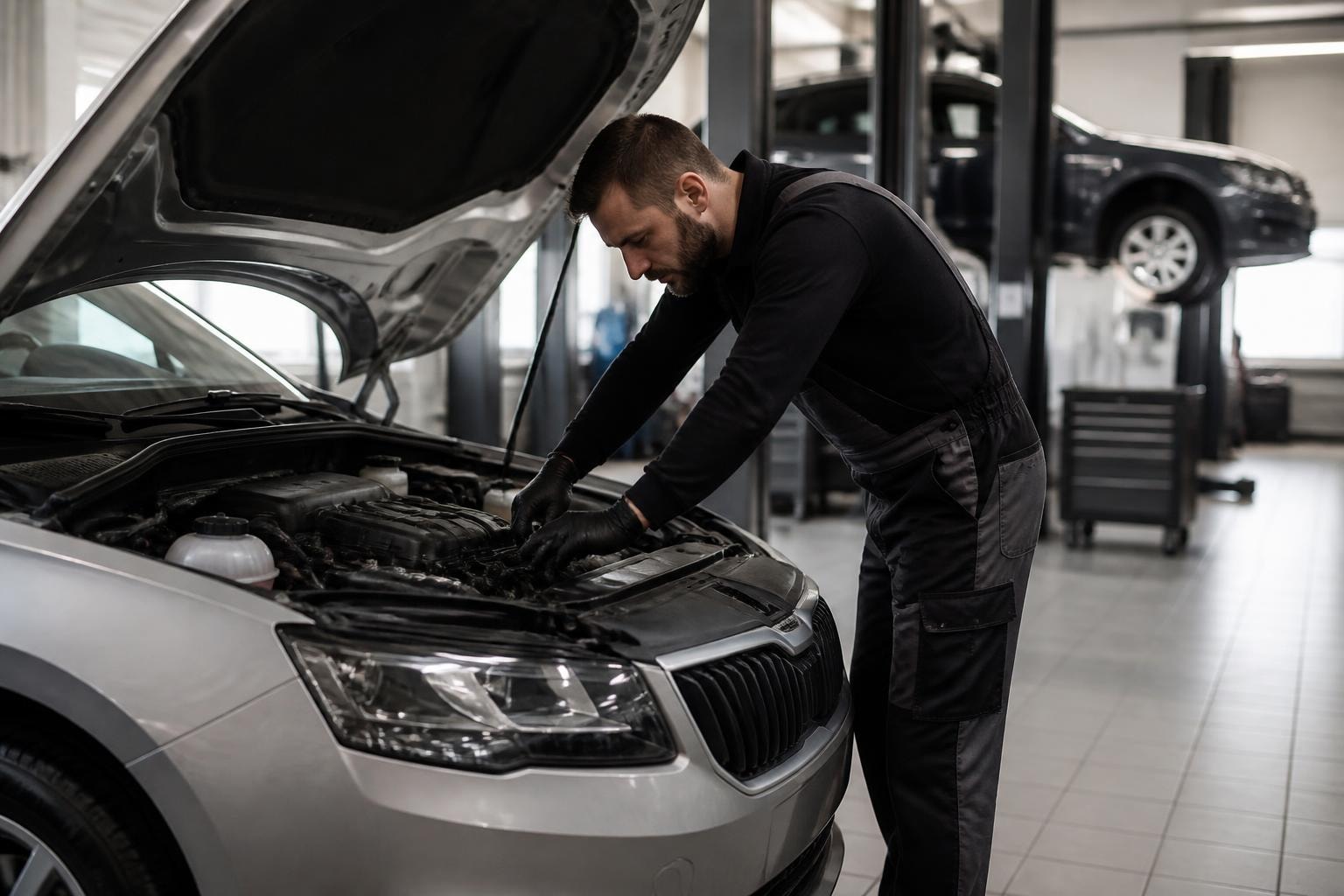

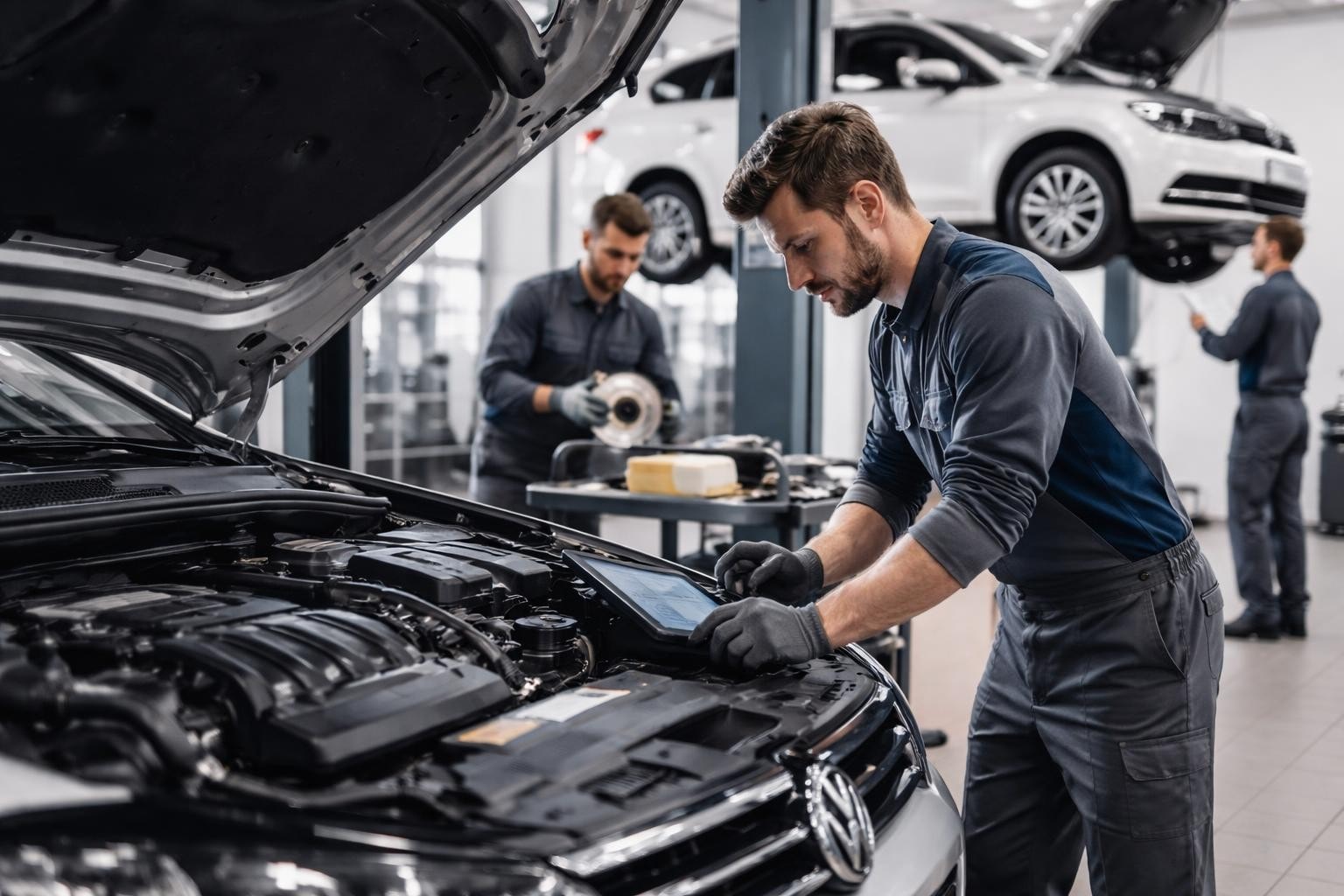
Owning a Volkswagen represents a commitment to German engineering excellence, precision design, and driving performance. However, maintaining that performance requires specialized knowledge and attention to detail. Whether you drive a Golf, Passat, Tiguan, or any other VW model, understanding the nuances of auto repair VW services ensures your vehicle continues delivering the reliability and efficiency you expect. This comprehensive guide explores everything from routine maintenance schedules to complex repairs, helping you make informed decisions about your Volkswagen's care.
Understanding Volkswagen's Unique Engineering Requirements
Volkswagen vehicles incorporate sophisticated engineering that sets them apart from standard automotive brands. The integration of advanced electronics, turbocharged engines, and precision-tuned suspension systems demands specialized expertise that general mechanics may not possess.
What Makes VW Different From Other Manufacturers
European automotive engineering follows different design philosophies compared to Asian or American manufacturers. Volkswagen specifically emphasizes tight tolerances, modular construction, and integrated electronic systems. These characteristics mean that auto repair VW procedures often require manufacturer-specific diagnostic tools and technical knowledge.
Key technical distinctions include:
- Direct-injection FSI and TSI turbocharged engines with unique maintenance requirements
- DSG dual-clutch transmission systems requiring specialized fluid and service procedures
- Integrated electronic control units that manage multiple vehicle systems simultaneously
- Specific torque specifications and bolt-tightening sequences critical for safety
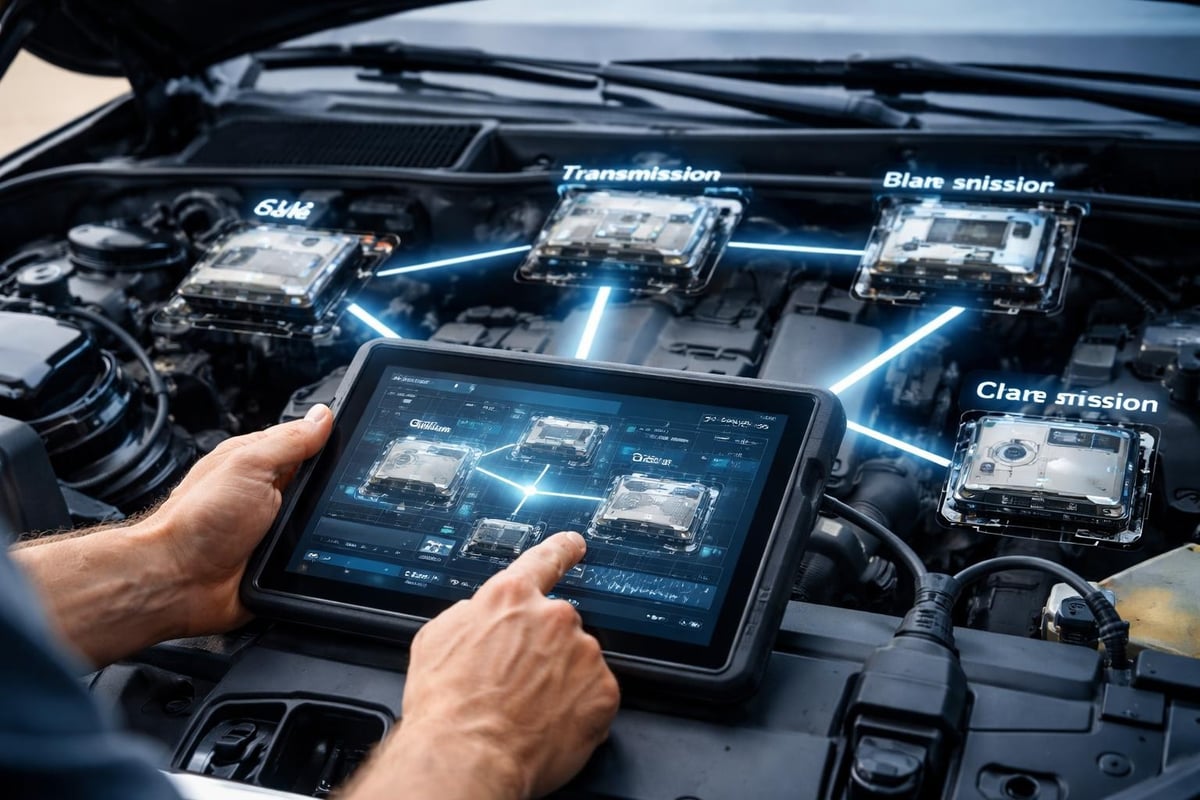
The complexity of modern VW systems means that proper diagnostics require access to manufacturer-level scanning tools capable of reading proprietary fault codes. Generic code readers simply cannot access the depth of information needed for accurate troubleshooting.
Essential Maintenance Services for Volkswagen Vehicles
Regular maintenance forms the foundation of long-term vehicle reliability. Volkswagen has developed specific service intervals based on extensive testing and real-world performance data. Following these schedules prevents minor issues from developing into costly repairs.
Routine Service Intervals and Requirements
| Service Type | Interval | Key Components | Typical Duration |
|---|---|---|---|
| Basic Service | 15,000 km or 12 months | Oil, filter, inspection | 1-2 hours |
| Major Service | 30,000 km or 24 months | All fluids, filters, belts | 2-3 hours |
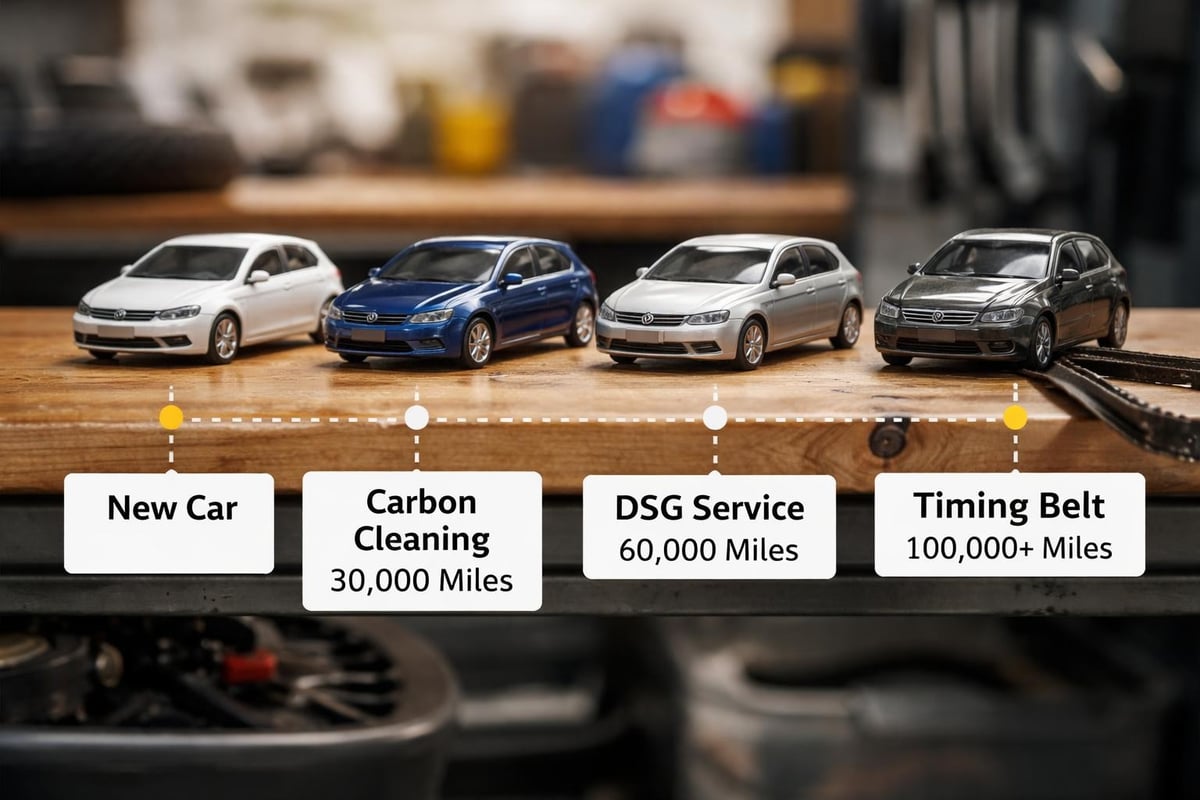
| DSG Service | 60,000 km | Transmission fluid, filter | 1.5 hours |
| Timing Belt | 120,000-180,000 km | Belt, tensioner, water pump | 4-6 hours |
Oil quality proves particularly critical for VW engines. Turbocharged TSI engines operate at higher temperatures and pressures, requiring synthetic oils meeting VW 504.00/507.00 specifications. Using incorrect oil grades can lead to premature engine wear and potential warranty issues.
The Volkswagen resources and tutorials provide detailed information about specific model requirements. However, interpreting these specifications and applying them correctly requires professional expertise.
Seasonal Considerations for Auckland Climate
Auckland's moderate maritime climate presents unique challenges for European vehicles designed for more extreme conditions. The high humidity and salt air exposure near coastal areas accelerate corrosion on brake components and undercarriage parts.
Seasonal maintenance recommendations:
- Summer preparation – Check air conditioning performance, coolant concentration, and tire pressure
- Winter readiness – Inspect wiper blades, test battery condition, ensure proper antifreeze mixture
- Year-round attention – Regular undercarriage washing to prevent salt corrosion damage
- Humidity management – Cabin filter replacement to prevent mold and maintain air quality
Common Volkswagen Repair Issues and Solutions
While Volkswagen builds reliable vehicles, certain models and years experience specific issues that owners should understand. Recognizing early warning signs allows for proactive intervention before problems escalate.
Engine and Transmission Concerns
The TSI and FSI turbocharged engines revolutionized VW's performance capabilities but introduced unique maintenance considerations. Carbon buildup on intake valves affects direct-injection engines, particularly in vehicles used primarily for short trips. This condition reduces engine efficiency and can trigger rough idle or hesitation.
DSG transmissions require precise service intervals. Neglecting the 60,000 km fluid change can lead to clutch pack wear and expensive transmission repairs. Many VW owners don't realize that DSG units require specialized fluid and specific procedures during servicing.
Recent reports indicate that auto tariffs could raise repair costs for Volkswagen parts, making preventive maintenance even more economically sensible than reactive repairs.
Electrical System Diagnostics
Modern Volkswagens contain dozens of electronic control modules managing everything from engine timing to automatic parking systems. Electrical issues can manifest in confusing ways, with seemingly unrelated symptoms pointing to a single root cause.
Common electrical concerns include:
- Window regulator failures in older models
- Ignition coil degradation causing misfires
- Central locking system malfunctions
- Dashboard warning lights requiring proper diagnosis rather than code clearing
Professional auto repair VW technicians understand the interconnected nature of these systems. They can distinguish between actual component failures and communication errors that simple resets might temporarily mask.
Choosing the Right Auto Repair VW Service Provider
The decision about where to service your Volkswagen significantly impacts both vehicle longevity and ownership costs. While dealerships offer factory-authorized service, independent specialists often provide comparable expertise with more personalized service and competitive pricing.
Certification and Technical Competence
Look for service centers with technicians holding relevant certifications and ongoing training. The automotive industry evolves rapidly, with new diagnostic procedures and repair techniques introduced annually. Shops committed to professional development ensure their team stays current with latest VW systems.
Volkswagen has recently enhanced its certified collision repair facility auditing process to maintain service standards. While this program focuses on collision repair, it demonstrates the manufacturer's commitment to quality standards across all service operations.
Equipment and Diagnostic Capabilities
Proper auto repair VW service requires substantial investment in specialized equipment. Genuine diagnostic capabilities go beyond basic code readers to include manufacturer-level scanning tools, oscilloscopes for electrical analysis, and model-specific tooling for complex procedures.
| Equipment Type | Purpose | Why It Matters |
|---|---|---|
| VCDS/ODIS Scanners | Deep system diagnostics | Access all control modules, perform adaptations |
| Alignment Equipment | Precision suspension setup | Prevents premature tire wear, ensures handling |
| DSG Service Tools | Transmission maintenance | Proper fluid exchange, system resets |
| Specialized Tooling | Component removal/installation | Prevents damage during service procedures |
Quality repair facilities invest in comprehensive service information databases providing factory repair procedures, wiring diagrams, and technical service bulletins. These resources enable technicians to address issues correctly the first time.
Cost Considerations and Value Optimization
Understanding the economics of Volkswagen ownership helps you make smart decisions about maintenance timing and service priorities. While European vehicle service costs more than basic Asian brands, strategic planning minimizes expenses while maintaining vehicle condition.
Balancing Quality and Budget
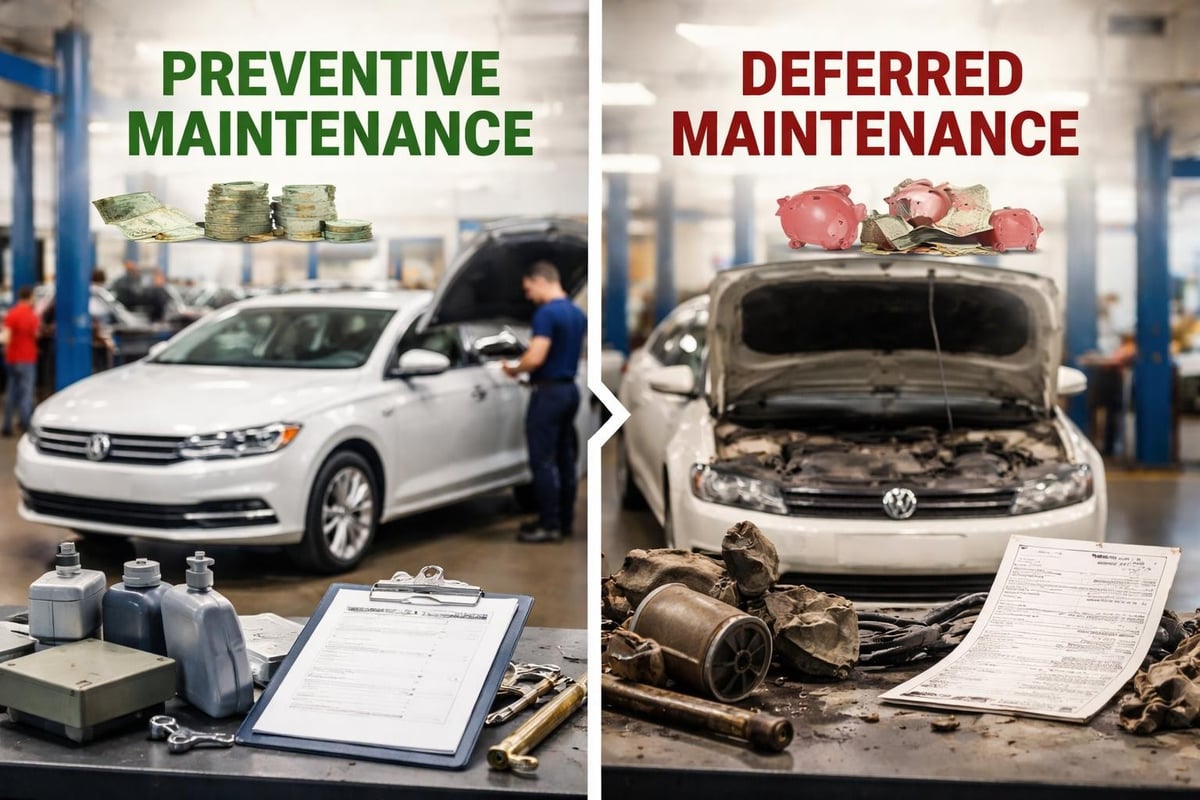
The temptation to defer maintenance or choose the cheapest service option often leads to higher long-term costs. Quality parts, proper procedures, and skilled technicians prevent comebacks and secondary damage from incorrect repairs.
Cost optimization strategies:
- Follow manufacturer service intervals precisely rather than stretching them
- Address warning lights and minor issues promptly before they cascade
- Use quality aftermarket parts for wear items where appropriate
- Build relationships with trusted service providers for honest recommendations
- Plan for major service items like timing belts rather than facing emergency repairs
Recent challenges in the automotive industry, including Volkswagen’s restructuring efforts, may influence parts availability and pricing. Establishing a relationship with a reliable service provider helps navigate these market fluctuations.
Warranty and Service History Considerations
Maintaining comprehensive service records protects your investment. Documented maintenance history increases resale value and provides proof of proper care if warranty claims arise. Digital service records offer convenient access to your vehicle's complete maintenance timeline.
When selecting an auto repair VW provider, inquire about their record-keeping systems and warranty policies on parts and labor. Quality shops stand behind their work with substantial warranty coverage, demonstrating confidence in their service quality.
Advanced Diagnostics and Modern VW Technology
Today's Volkswagen models incorporate technology that would have seemed futuristic just a decade ago. Adaptive cruise control, lane-keeping assistance, and automated emergency braking rely on precise sensor calibration and software programming.
ADAS and Safety System Maintenance
Advanced Driver Assistance Systems (ADAS) require regular calibration, particularly after any collision repair or windshield replacement. Radar sensors, cameras, and ultrasonic sensors must work in perfect harmony to deliver intended safety benefits.
The Volkswagen Group’s aftersales program demonstrates the manufacturer's focus on maintaining proper repair standards across their service network. This program ensures that certified facilities have the capabilities to properly service modern VW technology.
Software Updates and Programming
Unlike older mechanical systems, modern Volkswagens require periodic software updates addressing everything from engine management optimization to infotainment improvements. These updates often resolve minor issues and enhance vehicle performance without physical component replacement.
Professional auto repair VW facilities maintain connections to manufacturer update servers and understand which software versions address specific issues. They can determine whether a problem requires parts replacement or simply needs software intervention.
DIY Maintenance Versus Professional Service
Some Volkswagen owners enjoy performing basic maintenance themselves. While certain tasks are accessible to skilled DIYers, understanding the limits of home garage capabilities prevents costly mistakes.
Appropriate DIY Projects
Tasks suitable for experienced DIYers:
- Engine oil and filter changes using proper VW-spec synthetic oil
- Cabin air filter replacement
- Windshield washer fluid refilling
- Basic light bulb replacement
- Battery testing and replacement
Resources like AutoRepairDocs provide detailed repair guides for those attempting their own maintenance. However, even with excellent documentation, certain procedures require specialized tools or expertise.
When Professional Service Becomes Essential
Complex systems demand professional attention. DSG transmission service requires specific equipment for proper fluid exchange and adaptation procedures. Timing belt replacement involves precise component alignment where errors can cause catastrophic engine damage.
Electronic diagnostics represent another area where professional capabilities prove invaluable. While code readers provide basic information, interpreting fault codes within the context of system interactions requires extensive training and experience.
Long-Term Reliability and High-Mileage Maintenance
Volkswagen vehicles regularly exceed 250,000 kilometers when properly maintained. Achieving this longevity requires attention to critical maintenance milestones and proactive component replacement before failure occurs.
Critical Preventive Replacements
Certain components have finite service lives regardless of how carefully you drive. Timing belts, water pumps, and suspension bushings deteriorate with age and usage. Replacing these items on schedule prevents roadside breakdowns and secondary damage.
High-mileage VW ownership requires attention to:
- Carbon cleaning for direct-injection engines every 80,000-100,000 km
- Suspension refresh including control arms and bushings around 150,000 km
- Cooling system overhaul including thermostat and hoses by 180,000 km
- Brake system fluid replacement every two years regardless of mileage
Building a Service Relationship
Consistency with your auto repair VW provider allows technicians to become familiar with your specific vehicle. They notice developing patterns, remember previous repairs, and can anticipate maintenance needs based on your driving patterns and vehicle history.
Scheduling regular appointments through convenient online booking systems simplifies maintenance planning and ensures your Volkswagen receives timely attention without disrupting your schedule.
Environmental Considerations and Sustainable Practices
Modern auto repair VW services increasingly focus on environmental responsibility. From proper disposal of fluids and components to using eco-friendly cleaning products, quality service providers minimize environmental impact.
Emissions Compliance and Testing
Volkswagen's engineering emphasizes fuel efficiency and emissions control. Maintaining these systems properly ensures your vehicle continues meeting environmental standards while delivering optimal performance. Regular emissions system checks identify issues like failing catalytic converters or oxygen sensors before they trigger check engine lights.
Auckland's warrant of fitness requirements include emissions testing for newer vehicles. Professional maintenance ensures your Volkswagen passes these inspections while maintaining the performance characteristics you expect.
Parts Quality and Sourcing Strategies
The parts used in your Volkswagen significantly impact repair longevity and vehicle performance. Understanding the distinctions between genuine, OEM, and aftermarket components helps make informed decisions about repairs.
Genuine VW Parts Versus Alternatives
| Part Category | Genuine VW | Quality OEM | Budget Aftermarket |
|---|---|---|---|
| Warranty Coverage | Full manufacturer support | Limited coverage | Minimal to none |
| Fit and Finish | Exact specifications | Near-exact match | May require adjustment |
| Longevity | Designed for full service life | Comparable quality | Variable durability |
| Price Point | Premium pricing | 20-40% savings | 50-70% savings |
Critical safety components like brakes, suspension parts, and steering components merit genuine or premium OEM parts. Wear items like filters and wiper blades can often use quality aftermarket alternatives without compromising performance.
Experienced auto repair VW technicians guide these decisions based on your vehicle's age, intended use, and budget considerations. Their expertise helps optimize the balance between cost and quality for each specific repair.
Maintaining your Volkswagen requires specialized knowledge, proper equipment, and commitment to quality service practices. Understanding these requirements empowers you to make informed decisions that protect your investment and ensure reliable performance for years to come. For Auckland drivers seeking expert auto repair VW services, VODIS Automobile combines over 20 years of European vehicle specialization with personalized service and competitive pricing. Their skilled technicians understand the unique requirements of Volkswagen models and deliver the professional care your vehicle deserves.