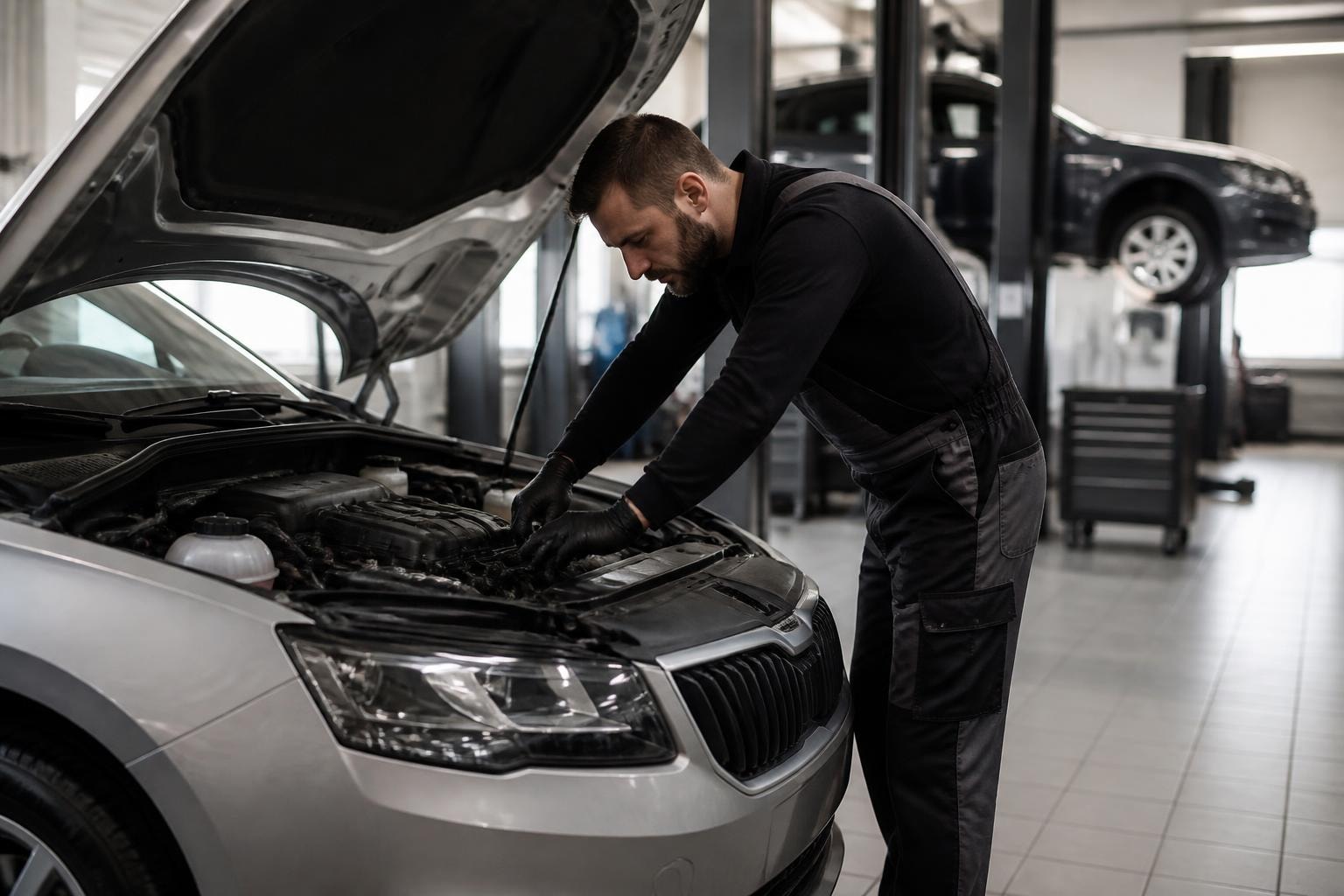

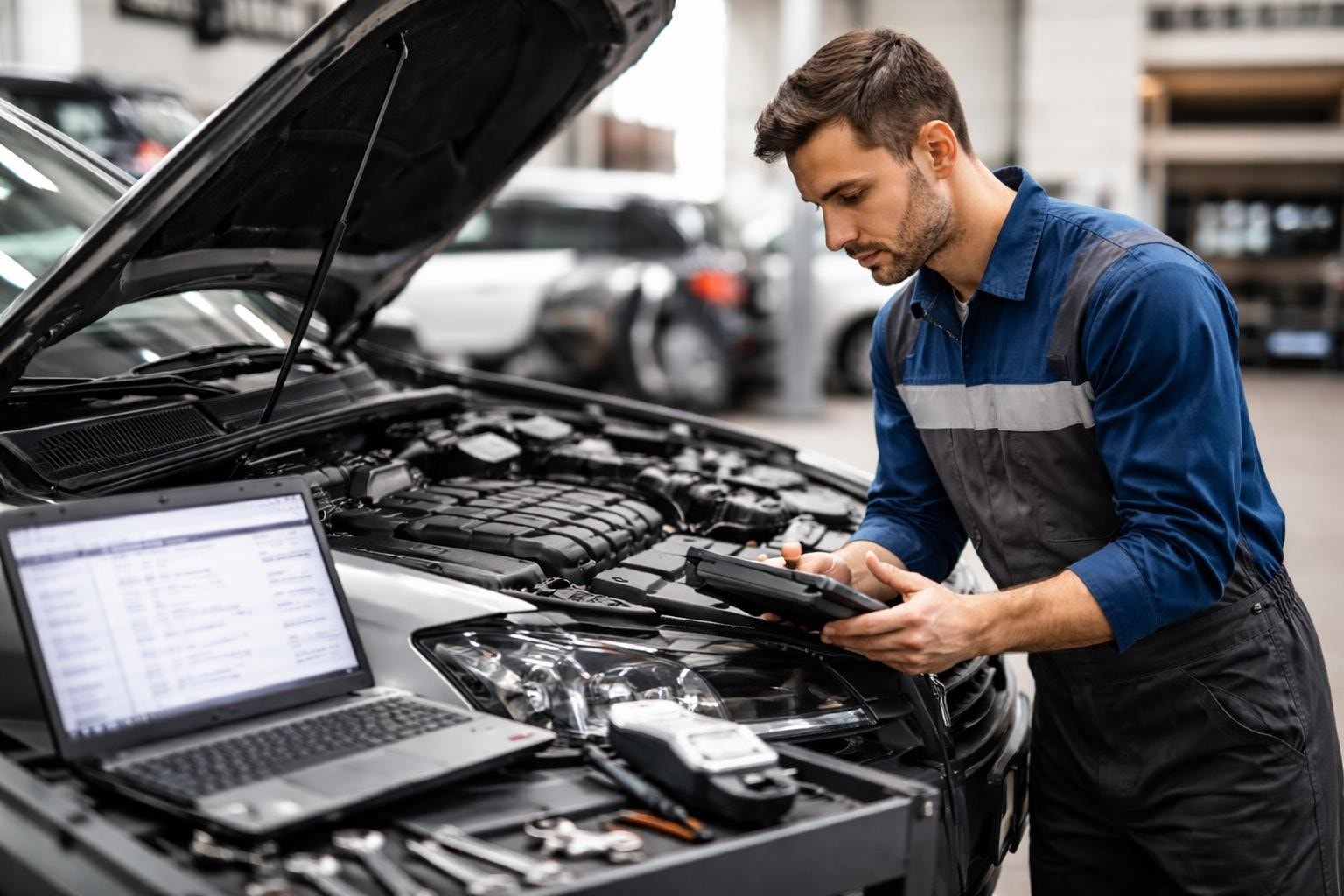
Owning a Volkswagen brings the joy of German engineering, precision performance, and reliable European craftsmanship. However, maintaining these sophisticated vehicles requires more than basic automotive knowledge. Finding a qualified vw mechanic who understands the intricate systems, specialized diagnostic protocols, and unique requirements of Volkswagen vehicles is essential for protecting your investment and ensuring optimal performance for years to come.
Understanding the Specialized Skills of a VW Mechanic
Volkswagen vehicles incorporate advanced technology that sets them apart from standard automotive platforms. A qualified vw mechanic must possess specific technical knowledge that extends beyond general automotive repair training.
Technical Expertise Requirements
Modern Volkswagen vehicles feature complex electronic systems, proprietary software, and precision-engineered components that demand specialized understanding. Professional technicians working on VW models must comprehend the integration between mechanical and electronic systems, including direct injection engines, dual-clutch transmissions, and sophisticated emission control systems.
The complexity of these vehicles means that Volkswagen technician training programs have become increasingly comprehensive. Technicians must stay current with rapidly evolving automotive technology through continuous education and certification programs.
Key competencies for VW specialists include:
- Proficiency with VAG-COM and VCDS diagnostic software
- Understanding of TSI and TDI engine technologies
- Expertise in DSG transmission servicing and repair
- Knowledge of Volkswagen electrical architecture
- Familiarity with model-specific service intervals and procedures
Certification and Training Standards
Professional development remains crucial for maintaining expertise in Volkswagen service. The Volkswagen Certified Collision Repair Facility Program sets rigorous standards that technicians must meet to work on these vehicles properly.
| Certification Level | Requirements | Focus Areas |
|---|---|---|
| Entry Level | Basic automotive training | General maintenance, fluid services |
| Intermediate | VW-specific coursework | Diagnostic procedures, component replacement |
| Master Technician | Advanced certification, years of experience | Complex repairs, electrical diagnostics, programming |
| Specialist | Model or system-specific training | DSG, quattro, hybrid systems |
These structured training pathways ensure that qualified mechanics possess the knowledge necessary to diagnose and repair Volkswagen vehicles accurately.
Common VW Services and Maintenance Requirements
Regular maintenance forms the foundation of long-term Volkswagen reliability. A knowledgeable vw mechanic understands the specific service schedules and requirements unique to these vehicles.
Scheduled Service Intervals
Volkswagen models follow precise service intervals based on time, mileage, and driving conditions. The variable service interval system adapts recommendations to individual driving patterns, but standard guidelines provide baseline maintenance schedules.
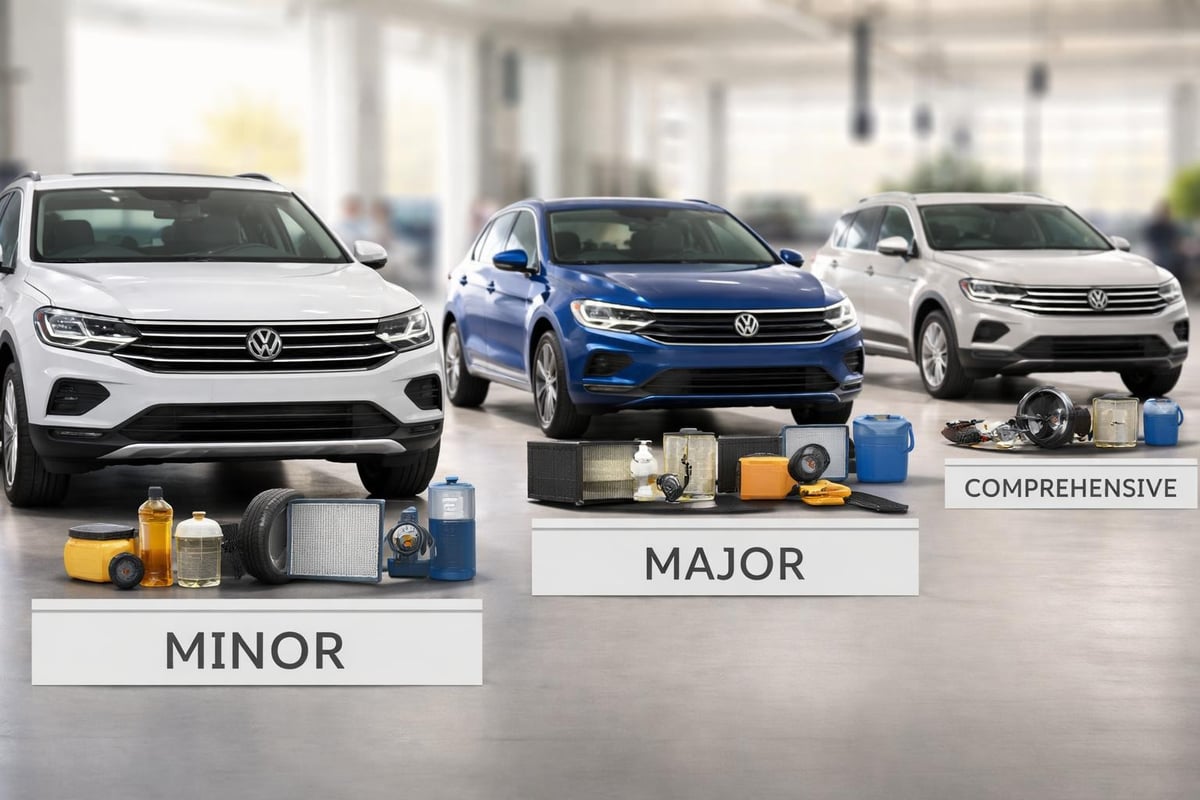
Standard service categories include:
- Minor Service (every 12 months or 15,000 km): Oil and filter change, safety inspection, tire pressure check
- Major Service (every 24 months or 30,000 km): All minor service items plus air filter, cabin filter, brake fluid inspection
- Comprehensive Service (every 48 months or 60,000 km): Major service plus transmission service, coolant replacement, detailed inspection
These intervals may vary based on model year and specific vehicle configurations. Professional mechanics adjust recommendations based on actual vehicle condition and usage patterns.
DSG Transmission Service
The Direct Shift Gearbox represents one of Volkswagen's most significant technological innovations, but it requires specialized maintenance that many general mechanics overlook. DSG service involves more than simple fluid changes.
A qualified vw mechanic performs comprehensive transmission service including fluid replacement, filter changes, and mechatronic unit inspection. This service typically occurs every 60,000 km or four years, though severe driving conditions may require more frequent attention.
Neglecting DSG maintenance can lead to expensive repairs, including clutch pack replacement and mechatronic unit failures costing thousands of dollars.
Diagnostic Tools and Technology
Modern Volkswagen diagnosis requires sophisticated equipment that general repair shops often lack. Professional VW service centers invest in specialized tools that enable accurate troubleshooting and repair.
Essential Diagnostic Equipment
The foundation of proper Volkswagen service starts with correct diagnostic capability. Generic OBD-II scanners provide limited information compared to VW-specific diagnostic platforms.
Critical diagnostic tools include:
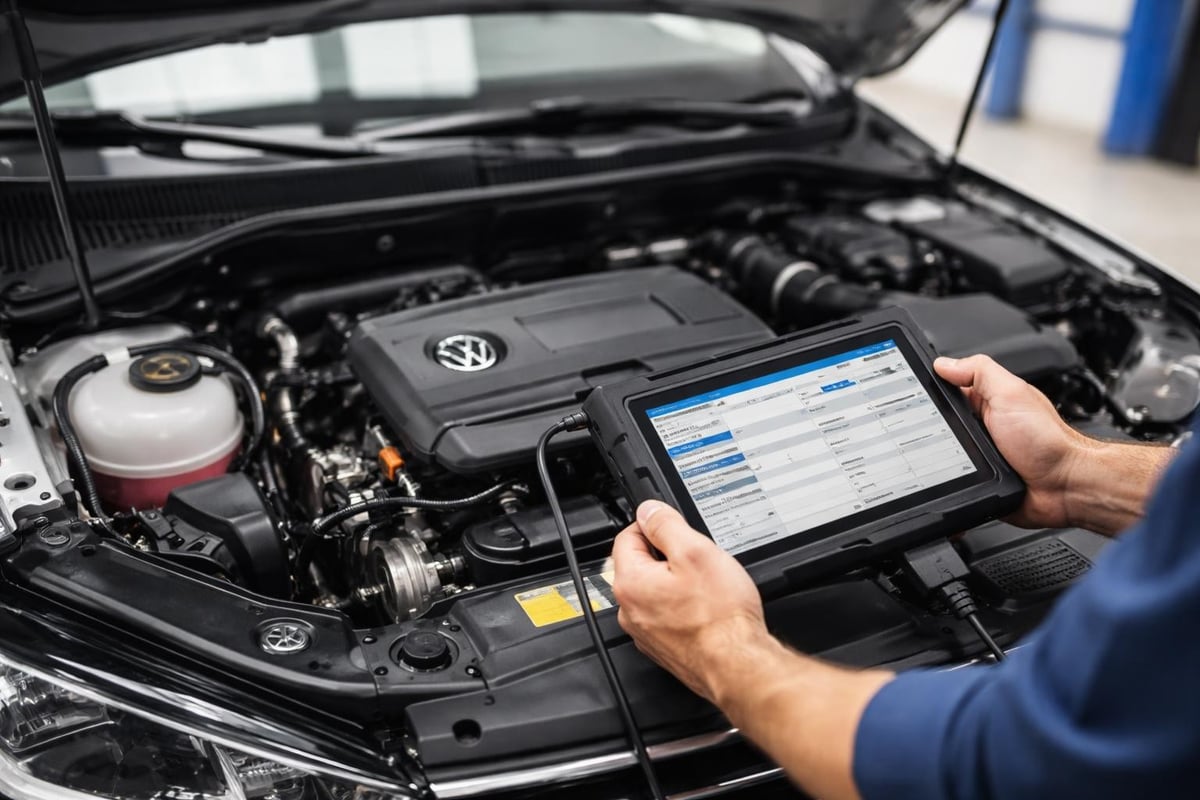
- VCDS (VAG-COM Diagnostic System) for comprehensive system access
- VAS diagnostic testers for dealer-level functionality
- Oscilloscopes for electrical system analysis
- Specialized scan tools for module coding and adaptation
- Compression testers and leak-down testers for engine diagnosis
These tools enable technicians to access manufacturer-specific fault codes, perform system adaptations, and diagnose issues that generic equipment cannot detect. The investment in proper diagnostic equipment separates professional VW service from general repair facilities.
Software and Technical Information
Beyond physical tools, access to current technical information remains essential. Comprehensive repair manuals from Bentley Publishers and Haynes Volkswagen service guides provide detailed procedures and specifications.
However, the most current information comes directly from Volkswagen's technical databases, which professional service centers maintain through subscriptions and partnerships. These resources include technical service bulletins, wiring diagrams, and updated repair procedures.
Common VW Issues and Solutions
Understanding typical Volkswagen problems helps owners recognize when professional service becomes necessary. Experienced mechanics quickly identify model-specific issues and implement effective solutions.
Engine and Performance Problems
Volkswagen's TSI and TDI engines deliver impressive performance but can develop specific issues. Carbon buildup on intake valves affects direct injection engines, causing rough idle, reduced power, and poor fuel economy.
A skilled vw mechanic addresses carbon buildup through specialized walnut shell blasting, a procedure requiring engine disassembly and specific equipment. Attempting DIY carbon cleaning often proves ineffective and potentially damaging.
Turbocharger issues also occur, particularly in higher-mileage vehicles. Symptoms include loss of power, excessive smoke, and unusual noises. Professional diagnosis determines whether rebuilding or replacement provides the most cost-effective solution.
Electrical System Challenges
Modern Volkswagens incorporate complex electrical systems controlling everything from engine management to comfort features. Electrical faults can prove frustrating without proper diagnostic equipment and understanding.
| Common Electrical Issue | Symptoms | Professional Solution |
|---|---|---|
| Window regulator failure | Windows won't operate or move slowly | Regulator replacement with updated parts |
| Coil pack failure | Misfires, rough running, check engine light | Individual coil testing and replacement |
| ABS module issues | ABS light, traction control warnings | Module diagnosis and potential replacement |
| Central locking problems | Doors won't lock/unlock properly | Actuator testing and replacement |
These issues require systematic diagnosis rather than parts replacement guessing. Professional technicians use wiring diagrams and diagnostic tools to identify root causes efficiently.
Choosing the Right VW Service Provider
Selecting a qualified service provider impacts both your vehicle's performance and your long-term ownership costs. Several factors distinguish professional VW specialists from general repair shops.
Questions to Ask Your Mechanic
Before entrusting your Volkswagen to any service provider, gather information about their qualifications and capabilities.
Important questions include:
- What VW-specific training have your technicians completed?
- Which diagnostic tools and software do you use?
- Do you maintain access to current technical service bulletins?
- What warranty do you provide on parts and labor?
- Can you provide references from other VW owners?
These questions reveal whether a shop possesses the expertise necessary for proper Volkswagen service. Hesitant or vague answers suggest limited VW experience.
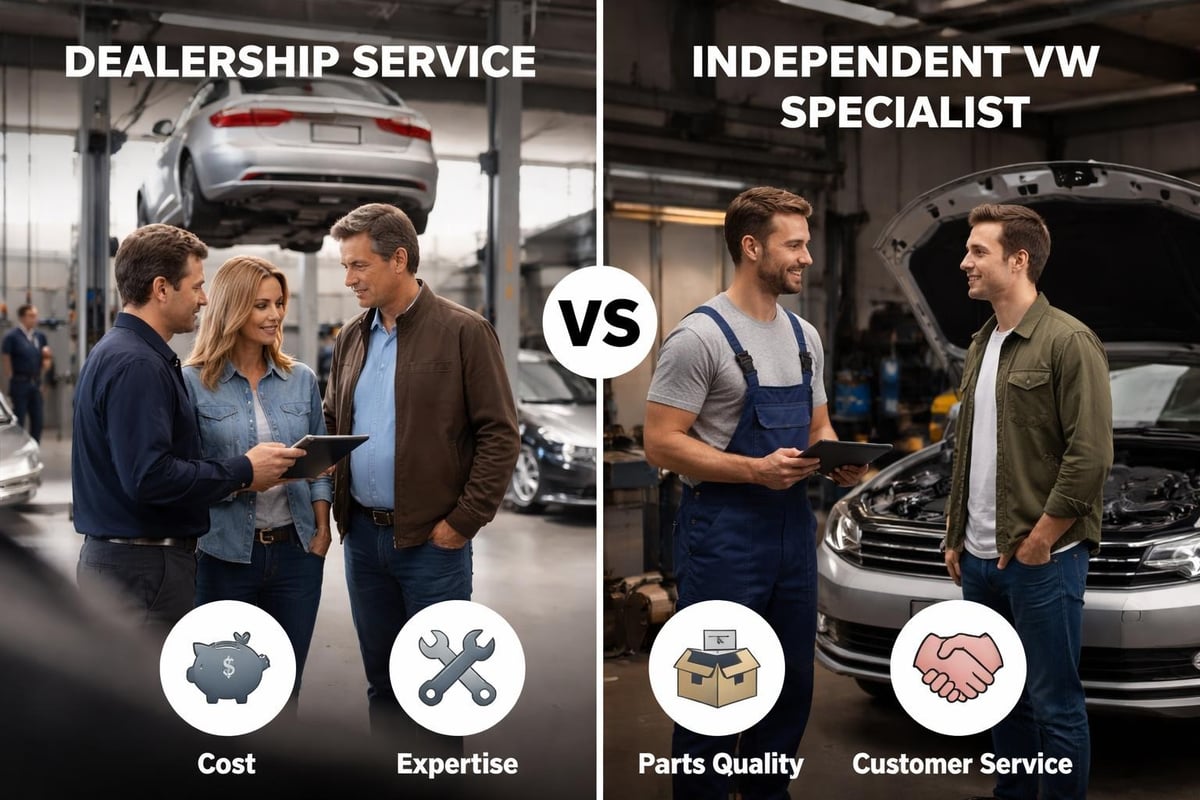
Independent Specialists vs. Dealerships
Many Volkswagen owners face the decision between dealership service and independent specialists. Each option offers distinct advantages.
Dealerships provide factory-trained technicians, genuine parts, and warranty coverage. However, higher labor rates and potentially less personalized service represent potential drawbacks.
Independent VW specialists often deliver comparable expertise at lower costs. Established independents invest in the same diagnostic equipment and training while offering more flexible service options. When you schedule service at a specialized facility, you often receive more personalized attention and clearer communication about necessary repairs.
Parts Quality and Replacement Options
Component quality significantly impacts repair longevity and vehicle performance. A knowledgeable vw mechanic helps owners understand different parts options and their implications.
OEM vs. Aftermarket Parts
Original Equipment Manufacturer (OEM) parts match factory specifications exactly, ensuring proper fit and function. Volkswagen genuine parts come with warranty coverage and guaranteed compatibility.
Aftermarket options range from economy brands to premium manufacturers. Quality aftermarket parts from reputable suppliers often match OEM performance at reduced costs. However, inferior aftermarket components can cause premature failure and additional problems.
Parts consideration factors:
- Critical safety components should use OEM or premium aftermarket parts
- Wear items like brake pads may use quality aftermarket alternatives
- Complex electronic components typically require OEM parts
- Filters and fluids should meet VW specifications regardless of brand
Professional mechanics guide these decisions based on component criticality, budget considerations, and long-term value.
Genuine Parts Advantages
Volkswagen genuine parts offer specific benefits beyond basic compatibility. These components undergo rigorous testing and quality control that aftermarket manufacturers may not replicate.
Warranty coverage represents another genuine parts advantage. Many OEM components include extended warranty periods that aftermarket parts don't match. For major components like transmissions or turbochargers, this warranty protection provides significant value.
Preventive Maintenance Strategies
Proactive maintenance prevents expensive repairs and extends vehicle lifespan. Following manufacturer recommendations while addressing emerging issues promptly protects your investment.
Fluid Service Importance
Volkswagen vehicles require specific fluid formulations that meet precise specifications. Using incorrect fluids can damage components and void warranties.
Engine oil must meet VW 502.00 or 504.00 specifications for gasoline engines, while diesel models require VW 507.00 approved oils. Transmission fluids, coolants, and brake fluids similarly require specific formulations.
A qualified vw mechanic uses correct fluids and follows proper service procedures. DIY fluid changes risk using incompatible products or incorrect service methods.
Timing Belt Replacement
Many Volkswagen engines use timing belts requiring replacement at specific intervals, typically between 96,000 and 160,000 km depending on engine type. Timing belt failure causes catastrophic engine damage requiring extensive repairs.
Professional timing belt service includes replacing the belt, tensioners, water pump, and related components. This comprehensive approach prevents future failures from worn ancillary parts.
Timing belt service intervals by common engine:
| Engine Type | Replacement Interval | Additional Components |
|---|---|---|
| 2.0 TSI | 160,000 km or 10 years | Water pump, tensioner |
| 1.8 TSI | 160,000 km or 10 years | Water pump, tensioner, seals |
| 2.0 TDI | 130,000 km or 8 years | Water pump, tensioner, rollers |
| 1.4 TSI | 210,000 km or 10 years | Water pump, tensioner |
Delaying this service creates false economy. The cost of timing belt replacement pales compared to engine rebuilding after belt failure.
Understanding Repair Costs
Volkswagen ownership costs vary significantly based on maintenance approach, parts selection, and service provider choice. Understanding typical repair costs helps owners budget appropriately.
Typical Service Pricing
Minor services typically range from $250 to $400, including oil, filter, and inspection. Major services cost $500 to $800, incorporating additional filters and fluid checks. Comprehensive services may exceed $1,200 depending on required items.
Repair costs vary widely based on issue complexity. Simple brake pad replacement might cost $400 to $600, while DSG clutch pack replacement can exceed $3,000. Diagnostic fees typically range from $100 to $200 but often apply toward repair costs.
Cost-Effective Ownership
Reducing long-term costs doesn't mean skipping maintenance. Strategic approaches protect your investment while managing expenses.
Following manufacturer service schedules prevents expensive failures. Addressing minor issues promptly prevents them from escalating into major repairs. Building a relationship with a trusted vw mechanic ensures consistent, quality service.
Professional repair manuals help mechanically inclined owners understand their vehicles better, though complex repairs still require professional expertise. Factory service manuals provide comprehensive information but assume significant technical knowledge.
Long-Term Vehicle Care
Maintaining Volkswagen performance over many years requires consistent attention and professional expertise. Proper care ensures these vehicles deliver their renowned reliability and driving experience.
High-Mileage Maintenance
Vehicles exceeding 150,000 km require additional attention beyond standard service intervals. Experienced mechanics assess component condition rather than simply following mileage-based replacement schedules.
Suspension components, engine mounts, and cooling system parts typically need replacement in higher-mileage vehicles. Proactive replacement prevents breakdowns and maintains driving quality.
Seasonal Considerations
New Zealand's varied climate requires seasonal preparation. Winter brings different challenges than summer, particularly in regions experiencing temperature extremes.
Cooling system inspection becomes critical before summer. Ensuring proper coolant concentration, checking hoses for deterioration, and testing radiator function prevents overheating.
Battery testing before winter identifies weak cells before cold weather causes failure. Tire inspection ensures adequate tread depth for wet weather traction.
Finding a qualified vw mechanic who understands your vehicle's specific needs makes the difference between frustrating ownership and years of reliable performance. Professional expertise, proper diagnostic equipment, and commitment to quality service ensure your Volkswagen receives the care it deserves. For North Shore residents seeking specialized European car service, VODIS Automobile brings over 20 years of expertise in Volkswagen maintenance and repair, combining factory-level knowledge with personalized customer service that keeps your vehicle performing at its best.