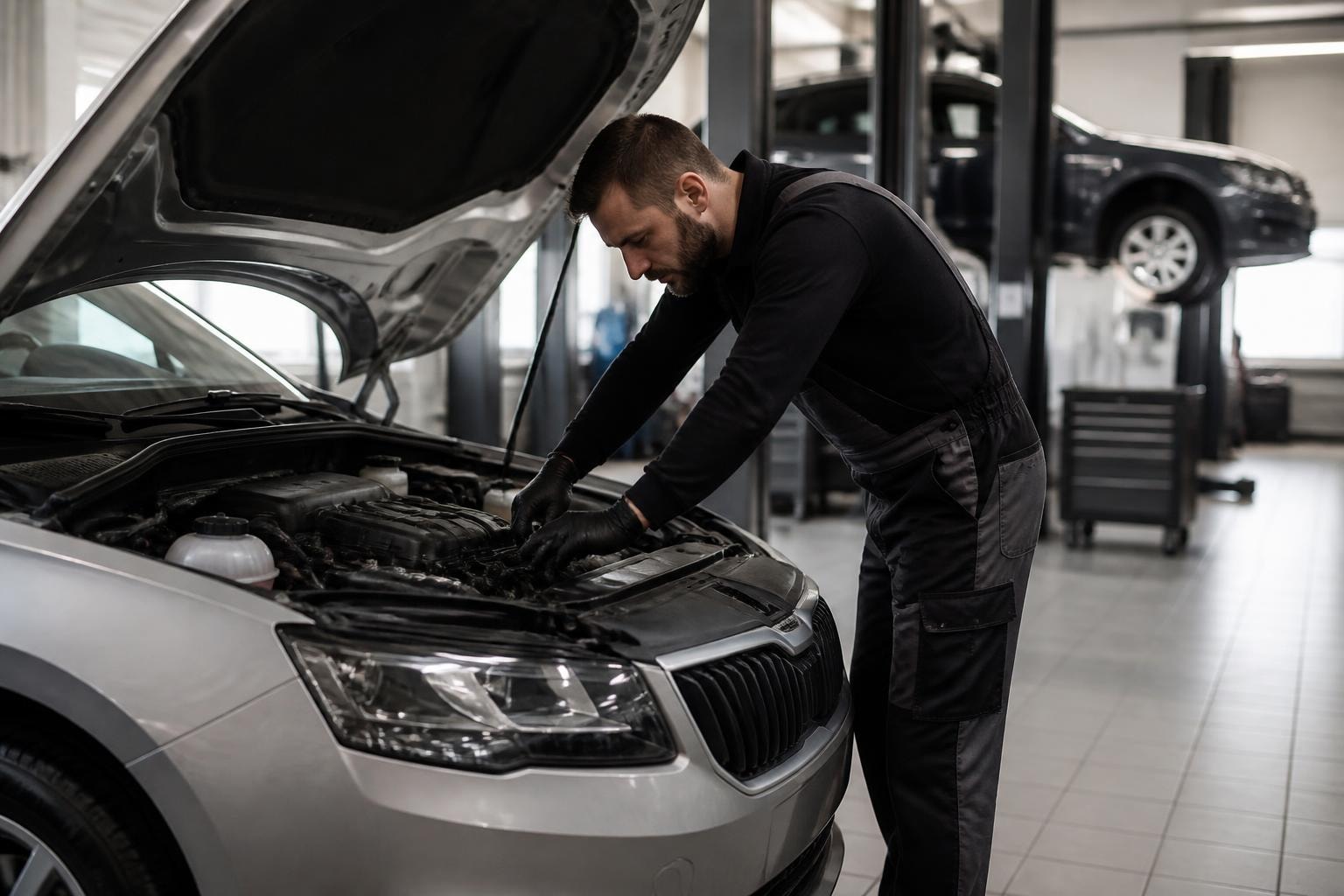

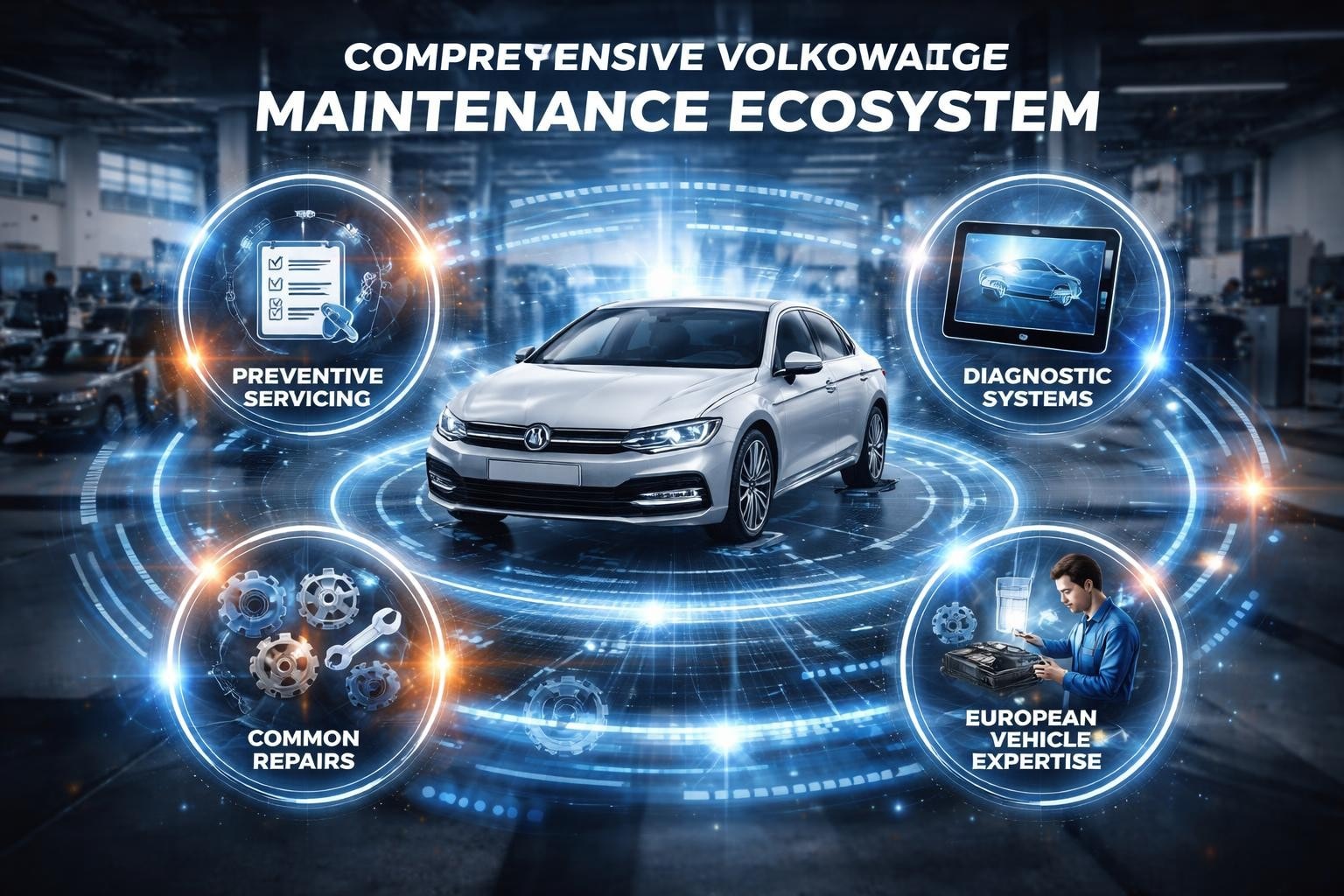
Volkswagen vehicles have earned their reputation for German engineering excellence, combining performance with reliability. However, like all European vehicles, they require specialized knowledge and proper maintenance to deliver their best performance year after year. Understanding the unique aspects of car repair Volkswagen models need helps owners make informed decisions about servicing, prevent costly breakdowns, and extend vehicle lifespan. Whether you drive a Golf, Passat, Tiguan, or any other VW model, knowing what to expect from repairs and maintenance ensures your investment remains protected.
Understanding Common Volkswagen Repair Needs
Volkswagen vehicles share certain characteristics that require attention from experienced technicians familiar with European automotive systems. The complexity of modern VW engineering means that standard repair approaches often fall short.
Engine and Transmission Concerns
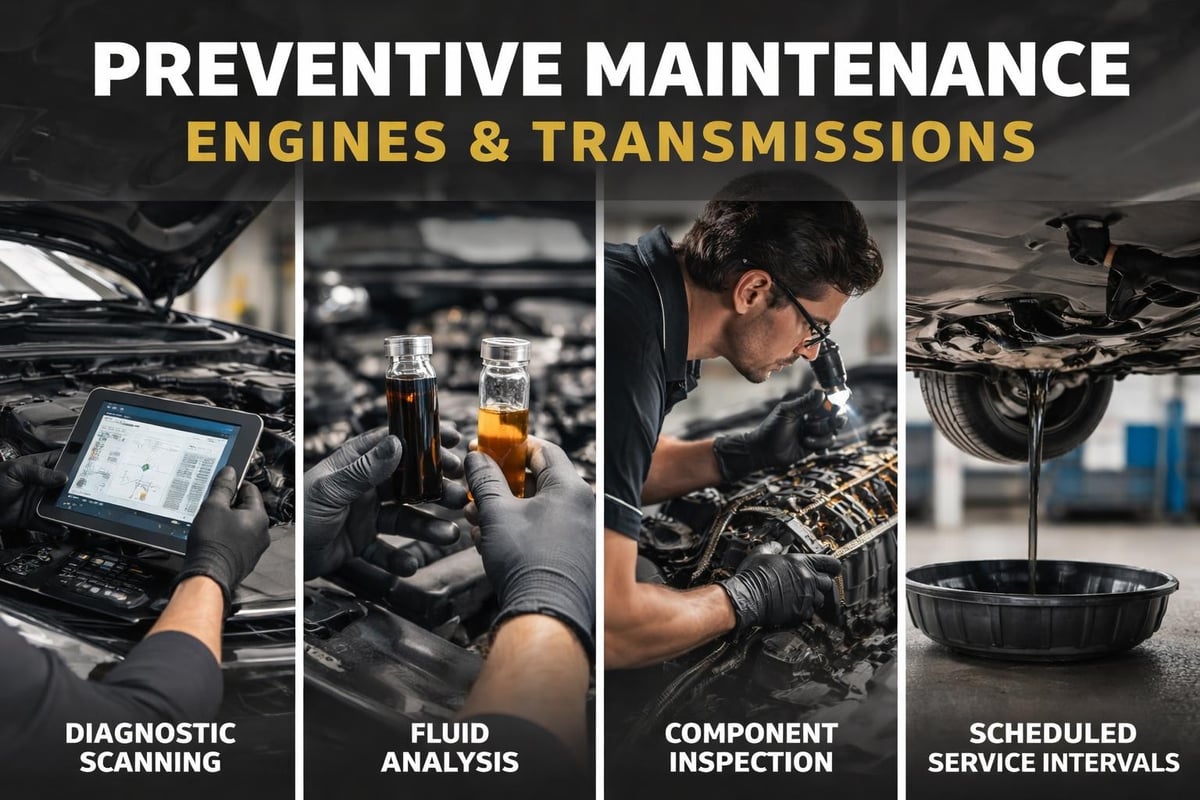
The powertrain represents the heart of any vehicle, and Volkswagen models have specific areas that demand regular monitoring. Common problems in VW vehicles include transmission issues that manifest as rough shifting or delayed engagement, particularly in models with DSG (Direct Shift Gearbox) transmissions.
Key transmission maintenance points include:
- Regular fluid changes at manufacturer-specified intervals
- Software updates to address known shifting patterns
- Clutch pack inspections for dual-clutch systems
- Mechatronic unit diagnostics for electronic control issues
Timing chain tensioner problems have affected various VW models over the years. Early detection through regular inspections prevents catastrophic engine damage. Carbon buildup on intake valves in direct-injection engines also requires periodic cleaning, typically every 60,000 to 80,000 kilometers for optimal performance.
Electrical System Challenges
Modern Volkswagen vehicles incorporate sophisticated electrical architectures that control everything from engine management to comfort features. These systems occasionally present diagnostic challenges that require specialized equipment.
Window regulators frequently fail in older VW models, causing windows to drop unexpectedly or refuse to operate. Ignition coil failures can trigger misfires and check engine lights, particularly in four-cylinder turbocharged engines. The comfort control module sometimes develops faults that affect central locking, window operation, and interior lighting functions.
| Electrical Component | Common Symptom | Typical Repair Timeline |
|---|---|---|
| Window Regulator | Window drops or won't operate | 2-3 hours per door |
| Ignition Coil | Engine misfire, rough idle | 1-2 hours for all coils |
| Comfort Module | Intermittent electrical features | 3-4 hours with coding |
| MAF Sensor | Poor fuel economy, hesitation | 30-45 minutes |
Seasonal Maintenance for Auckland's Climate
Auckland's temperate climate presents unique considerations for car repair Volkswagen owners should understand. While extreme temperature swings are rare, the coastal environment and seasonal variations still affect vehicle systems.
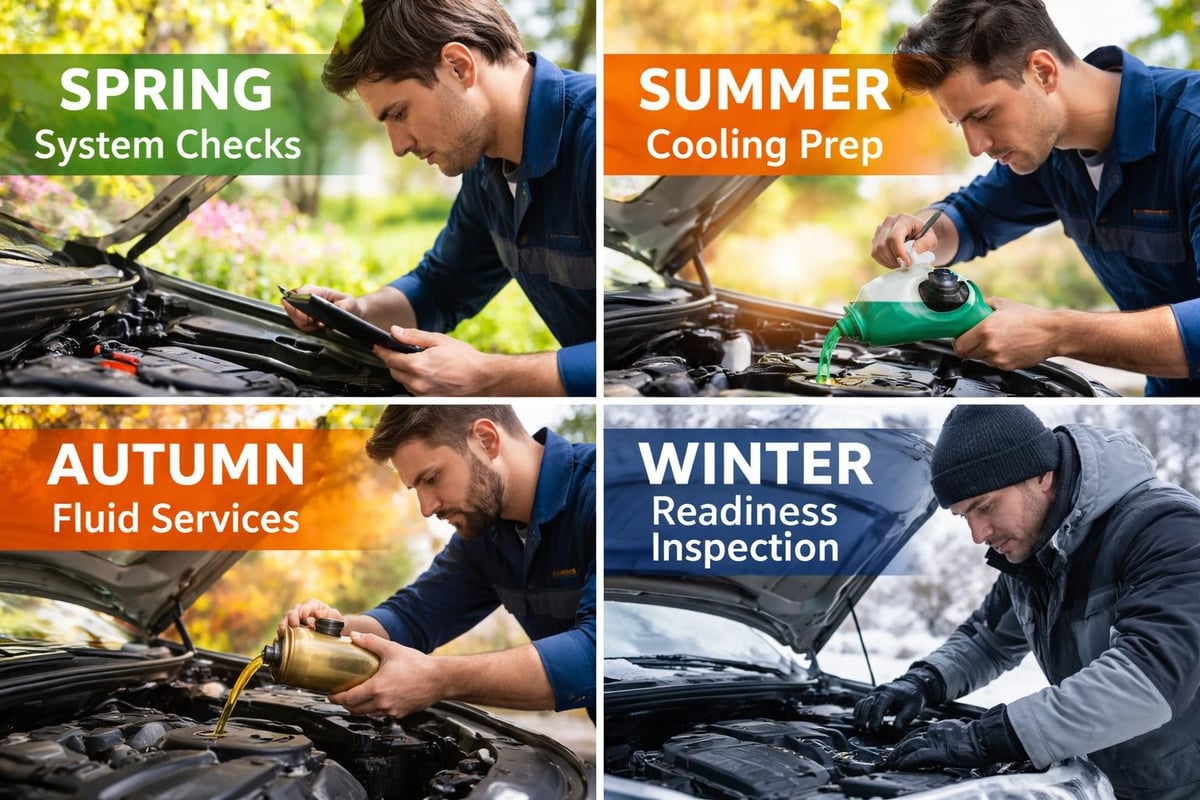
Summer Preparation Strategies
Common VW repair tasks for summer focus on cooling system integrity and tire condition. The cooling system requires particular attention, as even Auckland's moderate summers can stress aging components.
Radiator hoses become brittle over time and may develop small cracks that lead to coolant leaks. The water pump bearing can fail, creating noise and reducing cooling efficiency. Thermostat malfunctions cause either overcooling or overheating, both affecting engine performance and fuel economy.
Pre-summer inspection checklist:
- Pressure test cooling system for leaks
- Check coolant concentration and condition
- Inspect serpentine belt for cracks or glazing
- Verify air conditioning refrigerant charge
- Examine tires for proper pressure and tread depth
- Test battery capacity and clean terminals
Air conditioning performance becomes essential during warmer months. Refrigerant leaks often develop slowly, reducing cooling capacity over time. Compressor clutch failure prevents system engagement entirely, while evaporator drain blockages can cause musty odors and interior moisture.
Winter Readiness Considerations
Auckland winters bring increased rainfall and occasional cold snaps that affect different vehicle systems. Battery capacity decreases in colder temperatures, making weak batteries more likely to fail during winter starts.
Wiper blade condition becomes critical during frequent rain events. Quality blades designed for European vehicles ensure clear visibility without streaking. The washer fluid system should contain proper winter-grade fluid that won't freeze during cold mornings.
Tire tread depth matters more in wet conditions. New Zealand's legal minimum is 1.5mm, but safety experts recommend replacement at 3mm for optimal wet-weather grip. Tire pressure should be checked more frequently during temperature fluctuations, as pressure changes approximately 1 PSI for every 5-degree temperature shift.
Diagnostic Technology and Modern Repairs
Contemporary car repair Volkswagen technicians perform relies heavily on advanced diagnostic equipment that communicates with vehicle control modules. Generic code readers provide limited information compared to manufacturer-specific scan tools.
The Importance of Proper Diagnostics
Volkswagen vehicles contain numerous electronic control units (ECUs) managing different systems. Engine, transmission, ABS, airbag, and comfort systems each have separate modules that store fault codes and operational data. Factory service repair manuals provide detailed diagnostic procedures that ensure accurate troubleshooting.
Experienced technicians interpret fault codes within the broader context of vehicle symptoms. A single code rarely tells the complete story. Freeze frame data captured when a fault occurs provides crucial information about operating conditions during the failure.
Diagnostic process steps:
- Interview owner about symptoms and conditions
- Perform visual inspection of related systems
- Scan all vehicle control modules for codes
- Review freeze frame and live data
- Consult technical service bulletins
- Perform targeted component testing
- Verify repair with follow-up scanning
Software updates occasionally resolve issues without physical repairs. Volkswagen regularly releases updates addressing known concerns, improving performance, or enhancing system reliability. Proper coding after component replacement ensures new parts integrate correctly with vehicle systems.
Addressing Manufacturer Recalls
Staying informed about manufacturer recalls protects both safety and vehicle value. Volkswagen occasionally issues recalls for specific model years when widespread defects are identified. Fuel system issues, electrical problems, and safety equipment concerns have all prompted recalls over the years.
Owners can check recall status using their VIN (Vehicle Identification Number) through official channels. Recall repairs are performed at no cost to owners, even if the vehicle is out of warranty. Addressing recalls promptly prevents potential safety hazards and ensures the vehicle meets current safety standards.
Cost-Effective Maintenance Approaches
Smart car repair Volkswagen ownership involves balancing preventive maintenance with repair budgets. Understanding which services provide the greatest value helps owners make informed decisions.
Preventive Versus Reactive Maintenance
The financial equation strongly favors preventive maintenance. Regular oil changes cost a fraction of engine replacement. Brake pad replacement is significantly cheaper than replacing damaged rotors and calipers from metal-to-metal contact.
| Preventive Service | Cost Range (NZD) | Prevented Repair | Potential Savings |
|---|---|---|---|
| Oil Change | $150-$250 | Engine failure | $8,000-$15,000 |
| Brake Pads | $300-$600 | Rotor/caliper damage | $800-$1,500 |
| Timing Belt | $800-$1,400 | Engine destruction | $10,000-$20,000 |
| Coolant Flush | $150-$250 | Head gasket failure | $2,500-$4,000 |
Timing belt replacement represents perhaps the most critical preventive service for Volkswagen models equipped with interference engines. Belt failure causes valve-to-piston contact, destroying internal engine components. The replacement interval varies by model and engine but typically occurs between 90,000 and 160,000 kilometers.
Service Interval Optimization
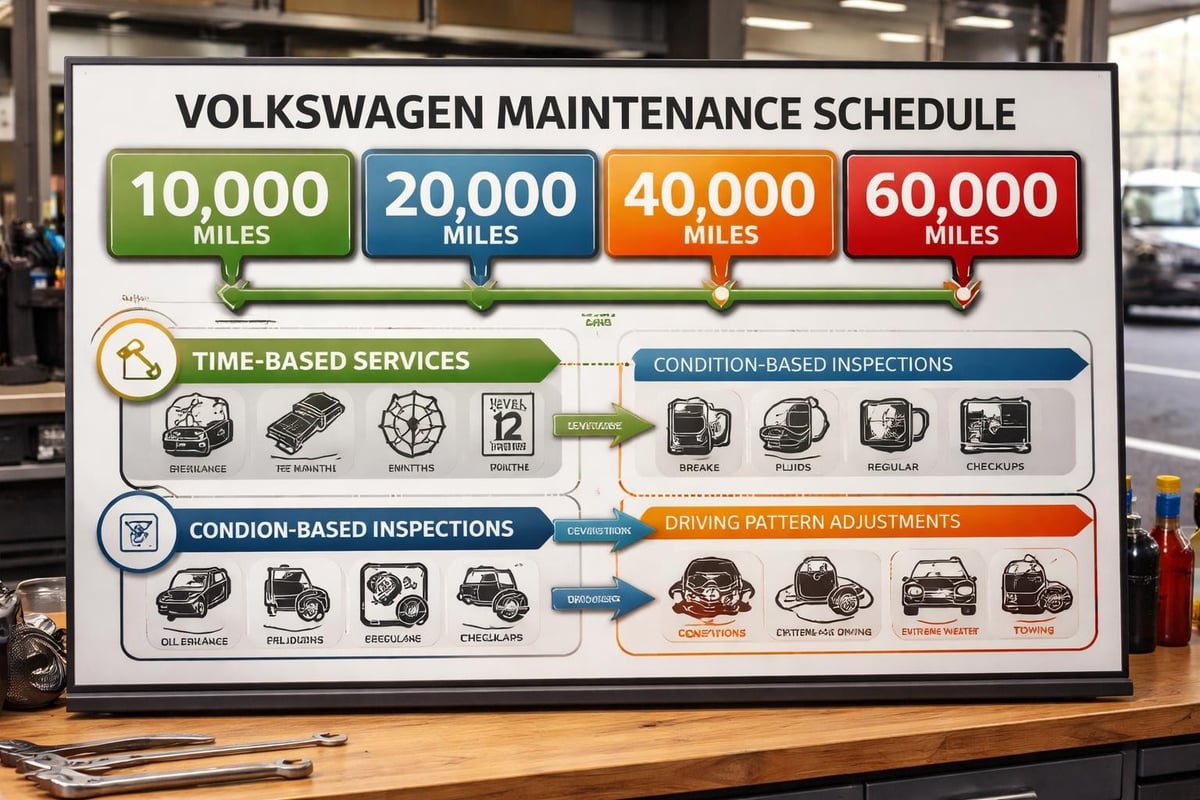
Following manufacturer-recommended service intervals maintains warranty coverage and prevents premature wear. Modern Volkswagen vehicles feature service indicator systems that calculate optimal intervals based on driving conditions.
The variable service interval system considers factors like:
- Engine temperature cycles
- Average trip distance
- Engine load and operating conditions
- Fuel quality and consumption patterns
- Time elapsed since last service
Severe driving conditions require more frequent servicing than normal use. Auckland traffic, frequent short trips, and coastal exposure all qualify as severe conditions that accelerate wear on certain components.
Choosing the Right Service Provider
Not all repair facilities possess equal capability for car repair Volkswagen models require. The choice of service provider significantly impacts repair quality, cost, and long-term vehicle reliability.
Independent Specialists Versus Dealerships
Independent European vehicle specialists often provide advantages over dealership service departments. Specialized shops focus exclusively on brands like Volkswagen, developing deep expertise in common issues and efficient repair procedures. This specialization typically translates to better diagnostic accuracy and faster turnaround times.
Benefits of specialist service centers:
- Lower labor rates than dealership pricing
- Technicians with brand-specific expertise
- Access to quality aftermarket and OEM parts
- Personalized customer service and communication
- Familiarity with regional driving conditions
Dealerships maintain advantages for warranty work and obscure technical issues requiring factory support. However, for routine maintenance and common repairs, independent specialists deliver comparable or superior results at more competitive prices.
Evaluating Technical Competence
RepairPal’s comprehensive database documents 685 common issues across Volkswagen models, highlighting the breadth of knowledge required for proper service. Qualified technicians stay current through continuous training on evolving vehicle technologies.
Questions to ask potential service providers:
- What diagnostic equipment do you use for European vehicles?
- Are your technicians certified in Volkswagen systems?
- Do you provide detailed repair estimates with part and labor breakdowns?
- What warranty coverage do you offer on repairs?
- Can you provide references from other VW owners?
- How do you handle required software updates and coding?
The best shops encourage questions and explain repairs in understandable terms. Transparent communication about necessary work versus recommended services helps owners make informed decisions aligned with their budgets.
Common Model-Specific Considerations
Different Volkswagen models present unique repair patterns that owners should understand. While many components are shared across the lineup, certain models have particular vulnerabilities.
Golf and Jetta Concerns
The Volkswagen Golf experiences common problems including fuel odors from evaporative emission system leaks and water intrusion causing damp interiors. Seventh-generation Golfs (2012-2020) particularly showed these patterns.
Fuel smell often originates from failing charcoal canister purge valves or cracked evaporative emission hoses. Water leaks typically enter through sunroof drains, door membrane failures, or pollen filter housing seals. Both issues require systematic diagnosis to identify exact entry points.
Tiguan and SUV Models
Volkswagen SUV models share many components with the sedan lineup but add unique systems requiring specialized knowledge. All-wheel-drive systems need regular differential service and Haldex coupling maintenance. Suspension components wear faster due to increased vehicle weight.
Panoramic sunroof mechanisms occasionally develop noise or alignment issues. Regular cleaning and lubrication of tracks prevents binding and motor strain. The increased glass area also raises the importance of proper seal maintenance to prevent water intrusion.
Passat and Larger Sedans
The Passat platform emphasizes comfort and technology, incorporating more sophisticated electronic systems. Adaptive suspension systems require specific diagnostic procedures when faults occur. The increased complexity of electrical systems means higher potential for module communication errors.
Diesel Passat models need particular attention to emissions system maintenance. Diesel Particulate Filter (DPF) regeneration requires specific driving conditions, and city-only use may lead to DPF clogging. Emission fluid (AdBlue) systems need regular refilling and occasional component replacement.
Parts Quality and Longevity
Component quality directly affects repair longevity and overall vehicle reliability. Understanding the difference between original equipment, OEM equivalent, and aftermarket parts helps owners make value-based decisions.
OEM Versus Aftermarket Components
Original Equipment Manufacturer (OEM) parts meet Volkswagen's exact specifications and typically offer the longest service life. However, quality aftermarket alternatives from reputable manufacturers often provide excellent performance at lower costs.
Critical systems like braking, steering, and engine management benefit most from OEM or premium aftermarket parts. Comfort items and wear components may perform adequately with mid-range aftermarket alternatives. Experienced technicians guide owners toward the appropriate quality level for each component.
Parts selection guidelines:
- Safety systems: Always use OEM or premium equivalent
- Engine internals: OEM recommended for longevity
- Routine maintenance: Quality aftermarket acceptable
- Body panels and trim: Aftermarket often cost-effective
- Electrical components: OEM preferred for compatibility
Warranty coverage varies significantly between parts suppliers. Premium parts often include longer warranty periods, providing protection against premature failure. The warranty only matters if the supplier stands behind it with responsive support.
Genuine Volkswagen Parts Advantages
Genuine VW parts guarantee perfect fitment and integration with vehicle systems. Electronic components particularly benefit from genuine parts, as aftermarket alternatives sometimes lack proper software compatibility. Sensors, control modules, and communication devices should generally be OEM to avoid integration issues.
Conversely, wear items like brake pads, filters, and wiper blades perform well from quality aftermarket suppliers at significant savings. The key lies in sourcing from manufacturers with established reputations in the European vehicle market.
Documentation and Service History
Maintaining comprehensive service records enhances resale value and helps diagnose recurring issues. Complete documentation demonstrates responsible ownership and proper vehicle care.
Building a Service Record
Digital and physical records should track every service, repair, and inspection performed on the vehicle. Detailed invoices showing specific work completed, parts installed, and mileage at service provide valuable reference for future maintenance planning.
Essential documentation elements:
- Service date and odometer reading
- Detailed description of work performed
- Parts installed with part numbers
- Labor hours and rates
- Technician notes and recommendations
- Next service interval recommendations
Prospective buyers value documented service history, often justifying higher resale prices. Complete records also help technicians identify patterns when diagnosing chronic issues or intermittent problems.
Leveraging Service History for Diagnostics
Previous repair records provide crucial context for current issues. Recurring problems might indicate incomplete repairs or underlying causes that weren't addressed. Technicians review history to avoid repeating ineffective repairs and identify related systems that might contribute to symptoms.
Pattern recognition becomes easier with comprehensive records. If a particular component fails prematurely after replacement, it suggests either parts quality issues or an underlying condition causing accelerated wear. Experienced technicians investigate these patterns to implement permanent solutions rather than temporary fixes.
Taking Action on Volkswagen Maintenance
Proactive car repair Volkswagen ownership means scheduling regular maintenance before problems develop. Auckland's driving conditions, while generally moderate, still demand attention to specific systems that wear over time.
Convenient online booking systems like VODIS Automobile’s scheduling platform simplify appointment planning. Advanced booking ensures your vehicle receives attention at optimal intervals without disrupting your schedule.
Regular inspections identify developing issues before they cause breakdowns or expensive damage. A systematic approach to maintenance, guided by manufacturer recommendations and adjusted for local conditions, maximizes reliability while controlling costs.
Understanding your Volkswagen's specific needs empowers better decision-making about repairs and maintenance. Knowledge about common issues, appropriate service intervals, and quality standards ensures your vehicle delivers the performance and reliability that attracted you to the Volkswagen brand initially.
Proper car repair Volkswagen maintenance combines manufacturer knowledge, specialized diagnostic capability, and quality parts to deliver lasting results. The complexity of modern European vehicles demands expertise that goes beyond general automotive repair. VODIS Automobile brings over 20 years of specialized experience in Volkswagen, Audi, Mercedes, BMW, and Skoda servicing to Auckland's North Shore, providing the skilled attention your European vehicle deserves. Their team combines technical expertise with transparent communication, ensuring you understand exactly what your vehicle needs and why.