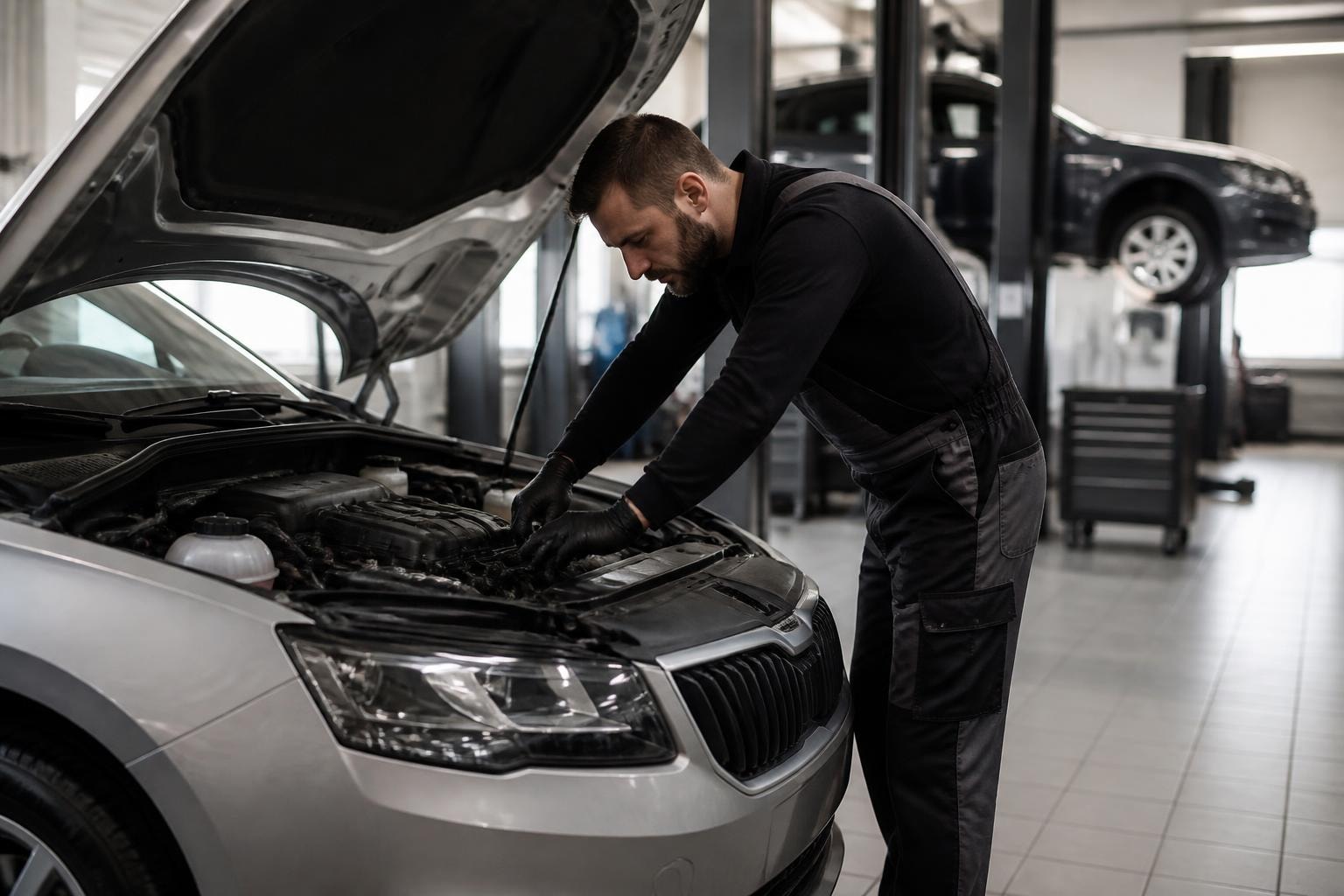

Owning an Audi represents a commitment to German engineering excellence, precision performance, and sophisticated technology. However, maintaining these high-performance vehicles requires specialized knowledge, proper equipment, and a deep understanding of Audi's complex systems. Whether you drive an A4, Q5, or any model in the Audi lineup, understanding the service requirements and finding qualified technicians ensures your vehicle continues delivering the performance and reliability you expect. This comprehensive guide explores everything you need to know about keeping your Audi in optimal condition through proper maintenance and expert repairs.
Understanding Audi's Unique Service Requirements
Audi vehicles incorporate advanced engineering that sets them apart from standard automobiles. The quattro all-wheel-drive system, turbocharged engines, and sophisticated electronic components require specialized attention during service intervals.
Advanced Technology Systems
Modern Audi vehicles feature complex computer systems controlling everything from engine performance to safety features. These systems communicate through proprietary software that requires diagnostic tools specifically designed for Audi models. Generic code readers cannot access the full range of diagnostic information needed for accurate troubleshooting.
The official Audi maintenance resources provide detailed schedules tailored to specific models and driving conditions. Following these manufacturer recommendations helps prevent premature wear and costly repairs down the line.
Key technological components requiring specialized service:
- Multi-media interface (MMI) systems
- Adaptive cruise control sensors
- Direct fuel injection systems
- Dual-clutch transmission (S tronic)
- Electronic stability control modules

Engine and Transmission Specifications
Audi's range of powertrains includes turbocharged four-cylinder engines, powerful V6 configurations, and high-performance V8 options in RS models. Each engine type has specific service requirements for oil grades, filter types, and maintenance intervals.
| Engine Type | Oil Capacity | Service Interval | Recommended Oil Grade |
|---|---|---|---|
| 2.0 TFSI | 4.5-5.0 liters | 15,000 km | VW 504.00/507.00 |
| 3.0 TFSI V6 | 6.5-7.0 liters | 15,000 km | VW 504.00/507.00 |
| 2.0 TDI | 4.5-5.0 liters | 15,000 km | VW 507.00 |
The dual-clutch S tronic transmission requires specialized fluid changes at specific intervals. Using incorrect transmission fluid can lead to premature clutch wear and expensive repairs.
Essential Audi Service and Repair Procedures
Regular maintenance forms the foundation of long-term Audi ownership. Following the recommended service schedule prevents minor issues from developing into major mechanical failures.
Scheduled Maintenance Intervals
Audi service and repair schedules operate on a flexible service system that adapts to driving conditions. The vehicle's onboard computer monitors oil condition, brake wear, and other critical components to determine optimal service timing.
Standard service procedures include:
- Engine oil and filter replacement
- Brake fluid inspection and replacement
- Air filter and cabin filter changes
- Spark plug replacement (petrol engines)
- Timing belt or chain inspection
- Cooling system maintenance
- Brake pad and disc assessment
Minor services typically occur every 15,000 kilometers or annually, while major services happen at 30,000-kilometer intervals. These intervals may vary based on driving conditions and vehicle usage patterns.
Brake System Maintenance
Audi's high-performance braking systems require regular attention to maintain stopping power and safety. Many models feature large ventilated discs with multi-piston calipers that generate significant heat during normal operation.
Brake fluid absorbs moisture over time, reducing its boiling point and compromising braking performance. Audi recommends replacing brake fluid every two years regardless of mileage to prevent internal corrosion and maintain optimal brake response.
Warning signs requiring immediate brake service:
- Squealing or grinding noises during braking
- Pulsating brake pedal
- Increased stopping distances
- Brake warning light activation
- Pulling to one side when braking
Common Audi Repairs and Their Solutions
While Audi vehicles offer exceptional reliability, certain components may require attention as vehicles age. Understanding common issues helps owners recognize problems early and address them before they escalate.
Cooling System Components
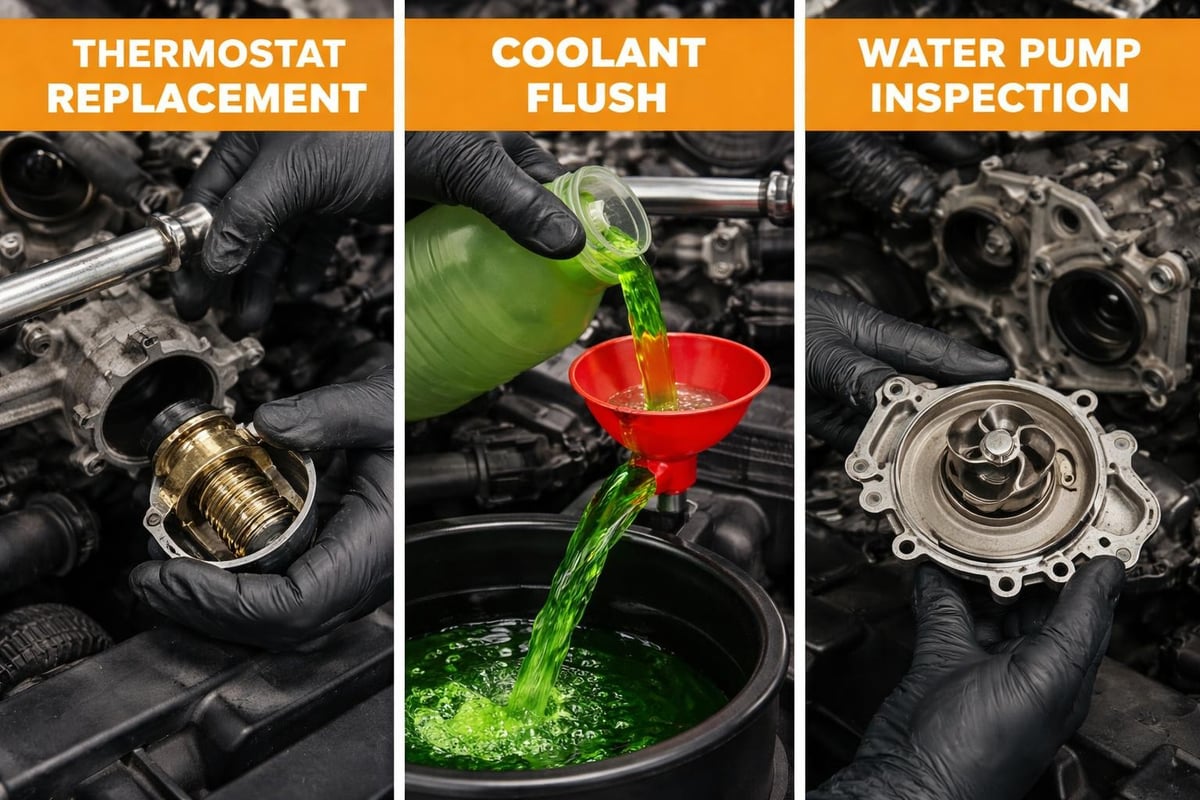
The cooling system maintains optimal engine temperature across varying driving conditions. Audi cooling systems use sophisticated electric water pumps and thermostats that can fail without warning.
Coolant hoses, particularly those made from plastic, may become brittle over time and develop leaks. Regular inspections during service appointments identify potential weaknesses before they cause overheating.
Turbocharger Maintenance
Turbocharged engines deliver impressive power while maintaining fuel efficiency, but they require proper care. Oil quality plays a critical role in turbocharger longevity, as these components spin at extremely high speeds and depend on proper lubrication.
| Issue | Symptoms | Prevention |
|---|---|---|
| Oil starvation | Blue smoke, loss of power | Regular oil changes, quality oil |
| Boost leaks | Poor acceleration, hissing sounds | Inspect hoses and clamps |
| Wastegate failure | Overboost codes, limp mode | Follow service intervals |
Using manufacturer-approved oil specifications and changing oil on schedule prevents most turbocharger problems. The Auto Repair Source database provides detailed maintenance procedures for various Audi models.
Electrical System Diagnostics
Modern Audi vehicles contain dozens of electronic control units managing everything from engine timing to climate control. Electrical issues can manifest in various ways, from warning lights to complete system failures.
Battery health significantly impacts electrical system performance. Audi vehicles with start-stop technology require AGM batteries that can handle frequent charging cycles. Installing an incorrect battery type can trigger multiple warning lights and system malfunctions.
Common electrical issues:
- Alternator failures affecting battery charging
- Faulty window regulators requiring replacement
- Malfunctioning sensors triggering warning lights
- Infotainment system glitches
- Parking sensor failures
Choosing the Right Audi Service Provider
Selecting a qualified service provider ensures your Audi receives proper care from technicians who understand these sophisticated vehicles. While Audi dealerships offer factory-trained technicians, independent specialists can provide excellent service at more competitive rates.
Independent Specialist Advantages
Independent European car specialists focusing on Audi service and repair often provide several benefits over dealership service departments. These facilities invest in the same diagnostic equipment and training while offering more personalized customer service.
Experienced independent technicians develop deep expertise working exclusively with European brands. This focused specialization means they encounter and solve a wide range of issues across different Audi models regularly.
What to look for in a service provider:
- Factory-level diagnostic equipment
- Genuine or OEM-equivalent parts
- Technicians with Audi-specific training
- Transparent pricing and communication
- Service history documentation
- Customer reviews and testimonials
You can schedule service appointments online with qualified specialists to streamline the maintenance process.
Genuine Parts vs. Aftermarket Components
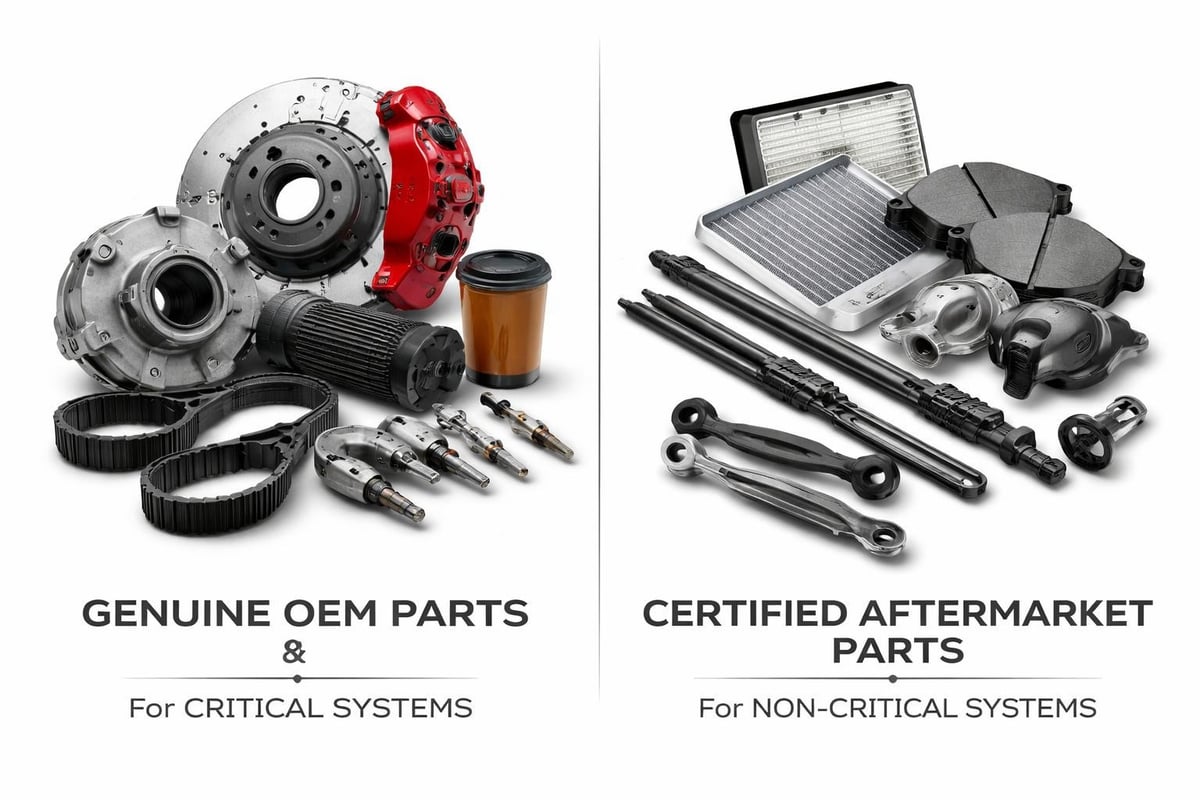
Parts selection significantly impacts repair quality and longevity. Genuine Audi parts guarantee perfect fitment and meet original equipment specifications, but quality aftermarket alternatives can offer excellent value for certain components.
Critical systems like brakes, suspension, and engine components benefit from genuine or OEM-equivalent parts. Non-critical items such as filters and some wear components may perform adequately using quality aftermarket options.
Preventive Maintenance for Long-Term Reliability
Proactive care extends your Audi's lifespan and maintains its performance characteristics. Beyond scheduled services, several maintenance practices help prevent unexpected breakdowns.
Fluid Management
All vehicle fluids degrade over time and require periodic replacement. Engine oil changes receive the most attention, but transmission fluid, differential oil, brake fluid, and coolant all play critical roles in vehicle operation.
Transmission fluid deteriorates due to heat and friction, losing its ability to protect internal components. While some manufacturers claim "lifetime" transmission fluid, experienced technicians recommend changes every 60,000-80,000 kilometers for extended transmission life.
- Engine oil: Every 15,000 km or annually
- Transmission fluid: Every 60,000-80,000 km
- Brake fluid: Every 2 years
- Coolant: Every 5 years or 150,000 km
- Differential oil: Every 60,000 km (quattro models)
Tire and Wheel Care
Proper tire maintenance affects handling, fuel economy, and safety. Audi's performance-oriented suspension geometry requires regular wheel alignment to prevent uneven tire wear.
Tire pressure monitoring systems alert drivers to significant pressure loss, but checking pressures monthly ensures optimal contact patch and fuel efficiency. Rotating tires every 10,000-12,000 kilometers promotes even wear across all four positions.
Seasonal Considerations for Audi Owners
New Zealand's diverse climate conditions require seasonal attention to specific vehicle systems. Preparing your Audi for changing weather ensures reliable operation year-round.
Winter Preparation
Cold temperatures affect battery performance, tire pressure, and fluid viscosity. Testing battery health before winter prevents frustrating no-start situations on cold mornings.
All-season tires provide adequate traction in most New Zealand conditions, but dedicated winter tires significantly improve grip on cold, wet roads. Audi's quattro all-wheel-drive system works best when supported by appropriate tire choices.
Summer Readiness
Hot weather stresses cooling systems and air conditioning components. Checking coolant levels and testing AC performance before summer prevents overheating issues and ensures cabin comfort.
| Season | Priority Checks | Recommended Actions |
|---|---|---|
| Winter | Battery, tires, lights | Test battery, check tire tread, inspect all lighting |
| Summer | Cooling system, AC, brakes | Inspect coolant, test AC, check brake fluid |
| Year-round | Fluids, filters, wipers | Monitor levels, replace filters, maintain wipers |
Understanding Service Costs and Value
Audi service and repair costs reflect the sophisticated engineering and quality components these vehicles require. Understanding what drives service pricing helps owners budget appropriately for maintenance.
Labor Rates and Time Requirements
European vehicle specialists charge labor rates reflecting their specialized training and equipment investment. Complex repairs requiring specialized tools naturally cost more than basic maintenance procedures.
Time requirements vary significantly between simple services and major repairs. An oil change might take 45 minutes, while timing belt replacement can require 6-8 hours of labor due to engine disassembly requirements.
The comprehensive Audi support resources provide owners with detailed information about warranty coverage and service expectations.
Parts Pricing Factors
Genuine Audi parts cost more than generic alternatives due to quality control standards and engineering specifications. However, these components offer precise fitment and proven reliability backed by manufacturer warranties.
Certain repairs justify premium parts investment while others perform adequately with quality aftermarket alternatives. Experienced technicians guide owners toward cost-effective solutions without compromising safety or reliability.
Diagnostic Technology and Modern Repairs
Advanced diagnostic capabilities separate qualified Audi service providers from general repair shops. Audi-specific scan tools access detailed fault codes and system parameters unavailable to generic equipment.
Factory-Level Diagnostics
Professional-grade diagnostic systems communicate with all electronic control modules simultaneously, identifying issues across multiple systems. These tools perform active tests, component activations, and coding procedures necessary for many repairs.
Modern Audi service and repair increasingly involves software updates and component coding. Installing new parts often requires programming to communicate properly with existing vehicle systems.
Diagnostic capabilities required:
- Multi-system fault code reading
- Live data monitoring across modules
- Component activation testing
- ECU coding and programming
- Service interval resetting
- Adaptation procedures
Predictive Maintenance Technologies
Some service providers use advanced diagnostic techniques to identify potential failures before they occur. Oil analysis, for example, reveals internal engine wear patterns and contamination issues invisible during standard inspections.
Research into auditory diagnostic methods demonstrates how sound analysis can identify mechanical issues early. Experienced technicians use their trained ears alongside electronic diagnostics to pinpoint problems accurately.
Record Keeping and Resale Value
Maintaining comprehensive service records significantly impacts resale value. Documented maintenance history demonstrates responsible ownership and provides prospective buyers with confidence in the vehicle's condition.
Digital Service Records
Modern service providers maintain digital service histories accessible to vehicle owners. These records include detailed notes on work performed, parts replaced, and recommendations for future maintenance.
Complete documentation proves the vehicle received proper care throughout its lifespan. This transparency helps owners command higher resale prices and gives buyers peace of mind.
Essential records to maintain:
- All service invoices and receipts
- Major repair documentation
- Parts replacement records
- Warranty claim information
- Inspection reports
Pre-Purchase Inspections
Before purchasing a used Audi, investing in a comprehensive pre-purchase inspection protects against expensive surprises. Qualified technicians identify existing problems and predict upcoming maintenance requirements.
These inspections provide negotiating leverage and help buyers make informed decisions. A thorough examination covers mechanical systems, electrical components, and structural integrity.
Warranty Considerations and Extended Coverage
Understanding warranty coverage helps owners maximize value from manufacturer protections. New Audi vehicles include comprehensive warranty coverage for specific timeframes and kilometers.
Factory Warranty Coverage
Audi's new vehicle limited warranty typically covers four years or 80,000 kilometers, whichever occurs first. This protection includes most mechanical and electrical components under normal operating conditions.
Powertrain warranties often extend beyond basic coverage, protecting engines, transmissions, and drivetrain components for additional years. Reviewing your specific warranty terms clarifies exactly what protections apply to your vehicle.
Extended Warranty Options
After factory warranty expiration, extended service contracts provide continued protection against unexpected repair costs. These programs vary in coverage levels, deductibles, and approved repair facilities.
Evaluating extended warranty costs against potential repair expenses helps determine whether additional coverage makes financial sense. Consider factors like annual mileage, planned ownership duration, and vehicle reliability history.
Environmental Considerations in Audi Service
Responsible service providers prioritize environmental protection through proper waste disposal and recycling practices. Used oil, filters, coolant, and other fluids require appropriate handling to prevent environmental contamination.
Sustainable Practices
Quality service facilities recycle used fluids and components whenever possible. Oil gets reprocessed into usable products, while metal components like brake rotors and catalytic converters get recycled for their valuable materials.
Modern Audi engines meet stringent emissions standards requiring proper maintenance to preserve their environmental performance. Regular servicing ensures emissions control systems function correctly, minimizing environmental impact.
Environmentally responsible service includes:
- Proper disposal of hazardous materials
- Recycling metal components and fluids
- Using environmentally friendly cleaning products
- Maintaining emissions control systems
- Preventing fluid leaks and contamination
Proper Audi service and repair requires specialized knowledge, appropriate equipment, and commitment to quality workmanship. By partnering with experienced European vehicle specialists who understand Audi's sophisticated engineering, owners ensure their vehicles deliver the performance and reliability these premium automobiles promise. VODIS Automobile brings over 20 years of specialized European vehicle expertise to Auckland's North Shore, providing comprehensive Audi service and repair with the professionalism and attention to detail your vehicle deserves.