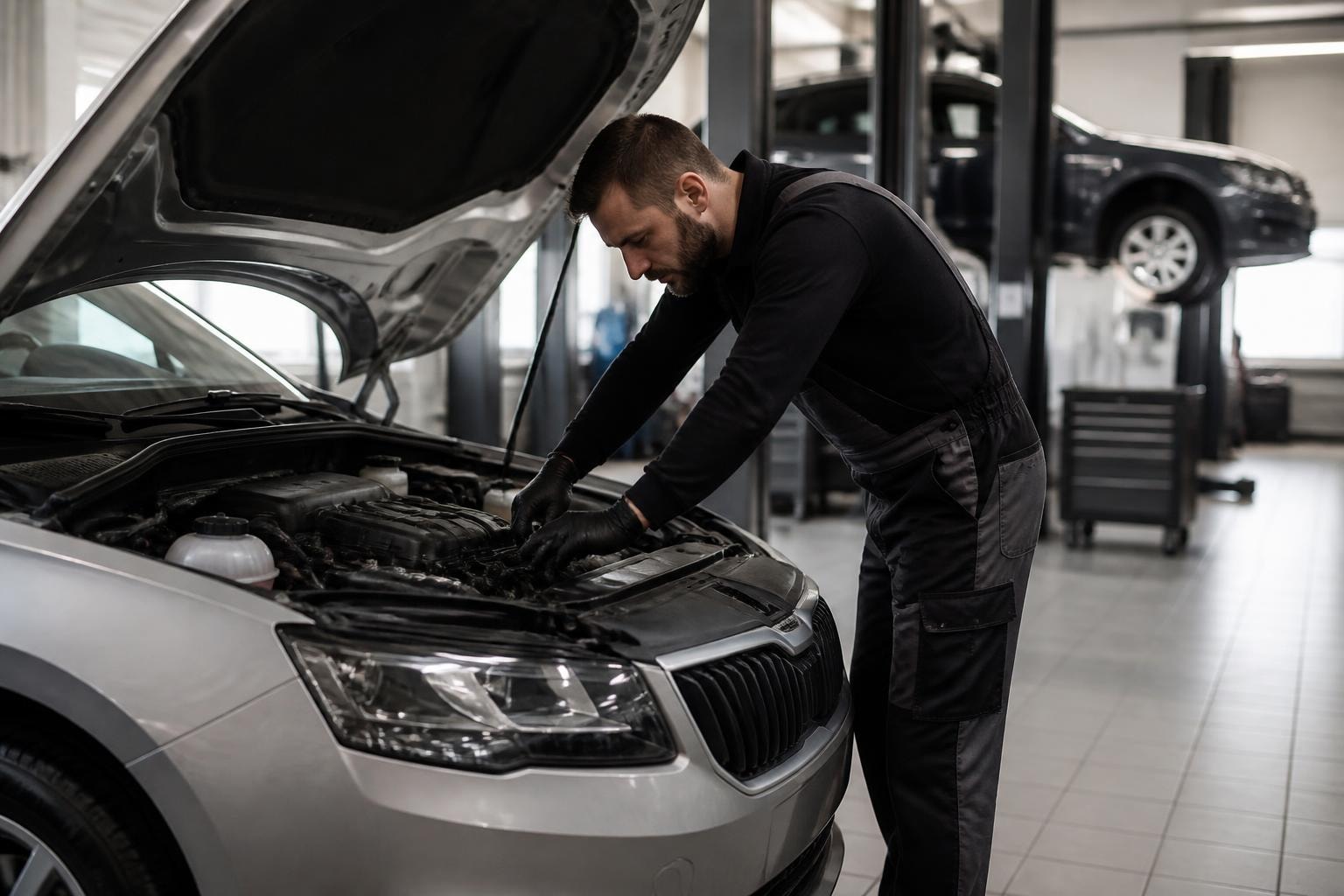


Maintaining a Škoda vehicle requires specialized knowledge, precision tools, and genuine components to preserve its performance characteristics and engineering excellence. Whether you drive a Fabia, Octavia, Superb, or Kodiaq, finding a reliable škoda service centre represents one of the most critical decisions for long-term vehicle ownership. The right service partner ensures your vehicle receives proper maintenance according to manufacturer specifications while protecting your investment through expert care. Understanding what distinguishes quality service centres from standard automotive workshops helps owners make informed decisions about where to entrust their vehicles.
Understanding Škoda Service Requirements
Škoda vehicles incorporate advanced engineering systems that demand specific maintenance protocols. These Czech-manufactured automobiles feature sophisticated electronic control modules, precision-engineered powertrains, and integrated safety systems requiring diagnostic equipment calibrated to manufacturer specifications.
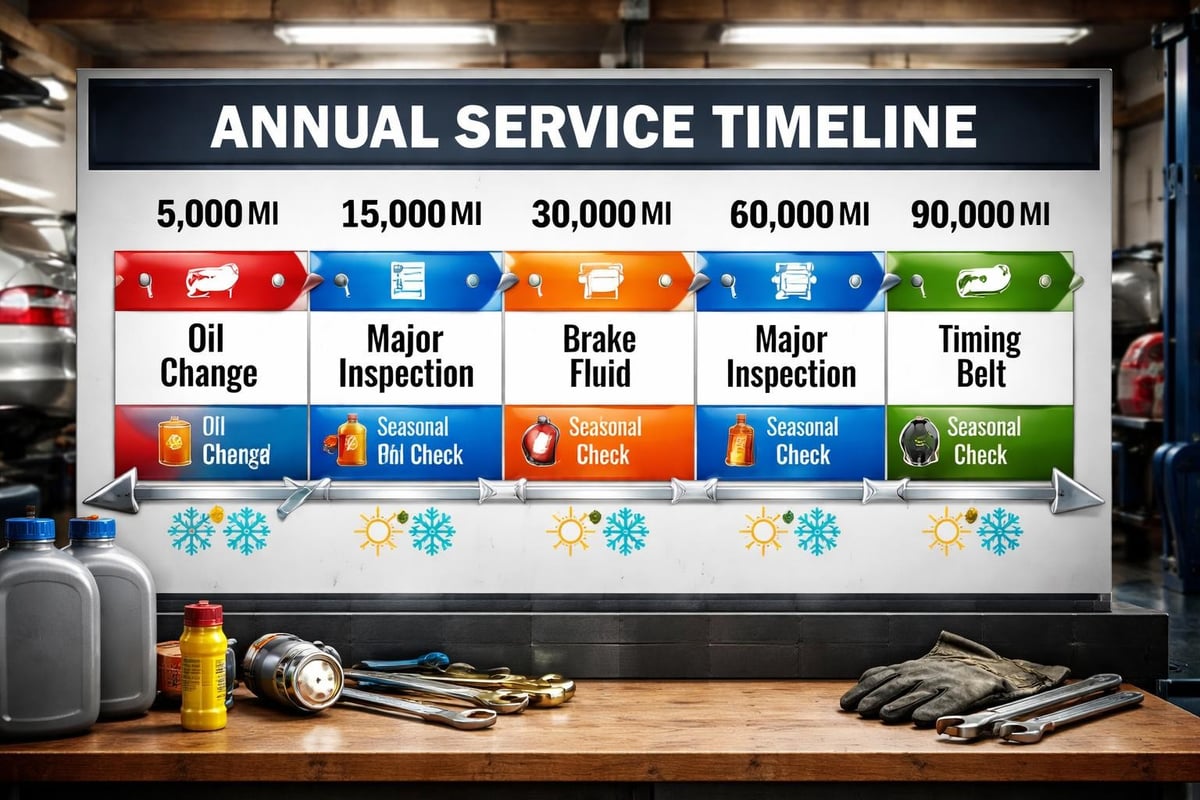
Modern Škoda models utilize digital service intervals based on driving conditions, mileage, and time. The regular maintenance schedule recommended by Škoda ensures components receive attention before potential failures occur. Oil change intervals, brake system inspections, and timing belt replacements follow precise schedules that maintain warranty coverage and prevent expensive repairs.
Technical Expertise Requirements
Service technicians working on Škoda vehicles must understand brand-specific systems that differ from other manufacturers. Even within the Volkswagen Group family, Škoda employs unique software protocols, wiring configurations, and assembly techniques.
Key technical competencies include:
- Electronic control unit programming and adaptation
- TSI and TDI engine diagnostics
- DSG transmission servicing procedures
- Advanced driver assistance system calibration
- Infotainment system troubleshooting
A qualified škoda service centre employs technicians with manufacturer training or equivalent European vehicle expertise. This specialized knowledge prevents misdiagnosis and ensures repairs address root causes rather than symptoms.
Genuine Parts Versus Aftermarket Alternatives
Component quality significantly impacts vehicle longevity and performance consistency. Škoda engineers design parts to exact specifications with materials tested under rigorous conditions across multiple climate zones and driving scenarios.
Genuine Škoda parts carry warranties and guarantee fitment accuracy. Aftermarket alternatives may offer cost savings initially but frequently result in premature failure, incorrect specifications, or compatibility issues with integrated vehicle systems. The comprehensive services outlined by Škoda emphasize genuine component usage for reliability.
| Component Type | Genuine Parts | Aftermarket Parts |
|---|---|---|
| Warranty Coverage | Full manufacturer backing | Limited or none |
| Fitment Accuracy | Exact specifications | Variable quality |
| Material Quality | Factory-tested compounds | Inconsistent standards |
| Long-term Cost | Higher initial, lower total | Lower initial, higher total |
| Integration | Designed for vehicle systems | May cause conflicts |
Critical Components Requiring Genuine Parts
Certain systems demonstrate particular sensitivity to component quality. Brake pads formulated for specific Škoda models provide optimal stopping distances without excessive rotor wear. Engine oil filters maintain precise micron ratings that protect turbochargers and variable valve timing mechanisms.
Timing belts represent another critical component where quality cannot be compromised. Škoda engines utilize interference designs where belt failure causes catastrophic valve and piston damage. Genuine belts with accompanying tensioners, water pumps, and idler pulleys ensure the complete system receives synchronized replacement.
Service Intervals and Maintenance Scheduling
Škoda implements flexible service intervals adapting to individual driving patterns. The vehicle's onboard computer monitors operating conditions including engine starts, temperature cycles, fuel quality, and load factors to calculate optimal service timing.
Standard service categories include:
- Oil service (minor inspection)
- Inspection service (major inspection)
- Brake fluid replacement
- Cabin and engine air filter changes
- Spark plug replacement
- Timing belt service
Minor services typically occur annually or every 15,000 kilometers, whichever arrives first. Major inspections happen every two years or 30,000 kilometers. However, severe driving conditions such as frequent short trips, dusty environments, or mountainous terrain may require more frequent attention.
Seasonal Considerations
Auckland's climate presents specific challenges requiring attention at a škoda service centre familiar with regional conditions. High humidity accelerates corrosion on brake components and exhaust systems. Salt air exposure in coastal areas demands regular underbody inspections and protective treatments.
Winter months, though mild compared to European standards, still warrant battery testing and coolant concentration verification. Summer heat stresses cooling systems and air conditioning components, making pre-season inspections valuable for preventing breakdowns during peak usage periods.
Diagnostic Technology and Equipment
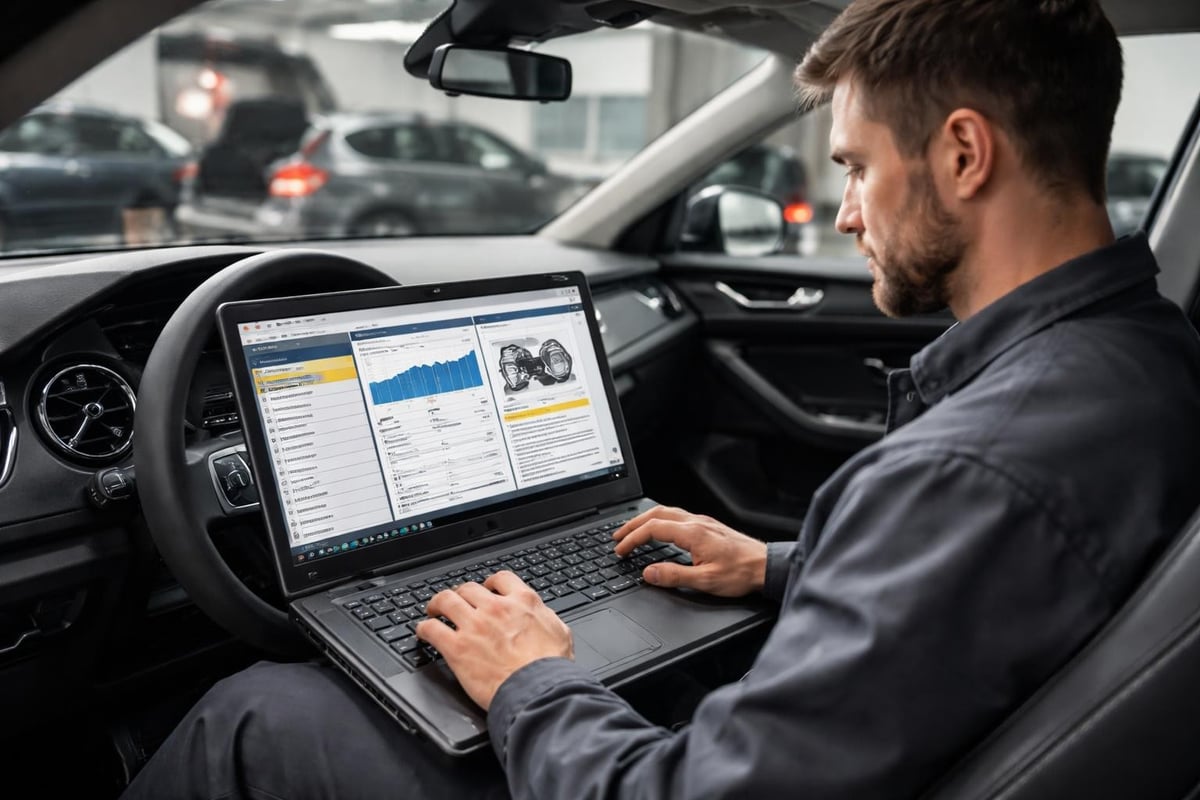
Modern Škoda vehicles require sophisticated diagnostic equipment beyond generic OBD-II scanners. Manufacturer-specific software accesses proprietary control modules governing transmission behavior, suspension settings, and active safety features.
A properly equipped škoda service centre maintains current software versions enabling complete vehicle system access. This technology performs functions including component coding, adaptation procedures, and software updates addressing manufacturer-identified issues through technical service bulletins.
Advanced Diagnostic Capabilities
Electronic parking brakes require special procedures for pad replacement involving computer-controlled caliper retraction. Adaptive cruise control systems need calibration after windscreen replacement or sensor cleaning. Start-stop systems demand battery registration when installing new units to prevent premature failure.
| Diagnostic Function | Purpose | Frequency Required |
|---|---|---|
| Fault code reading | Identify system malfunctions | As needed for warning lights |
| Live data analysis | Monitor sensor performance | During symptom investigation |
| Component activation | Test individual actuators | Verifying repair completion |
| Adaptation procedures | Configure new components | After parts replacement |
| Software updates | Address known issues | Per manufacturer bulletins |
These capabilities extend beyond simple code reading to comprehensive system analysis. Technicians interpret data streams, compare values against known specifications, and perform logical testing sequences identifying intermittent faults that might evade basic diagnostics.
Quality Control and Service Standards
The service quality measures implemented by Škoda establish benchmarks for authorized centres globally. Independent specialists serving European vehicles can meet or exceed these standards through commitment to continuous improvement and technical training.
Quality control begins with proper documentation of customer concerns and vehicle history review. Technicians perform multi-point inspections identifying potential issues before they cause breakdowns. Transparent communication keeps owners informed about findings, recommendations, and repair priorities.
Customer Communication Protocols
Professional service centres provide detailed explanations of required work using plain language rather than technical jargon. Digital inspections with photographs and videos help owners visualize component conditions and understand maintenance necessity.
Repair estimates should itemize parts and labor separately with clear timelines for completion. A reputable škoda service centre contacts customers before performing additional work beyond initial authorizations, respecting budgets and avoiding surprise invoices.
Independent Specialists Versus Authorized Dealers
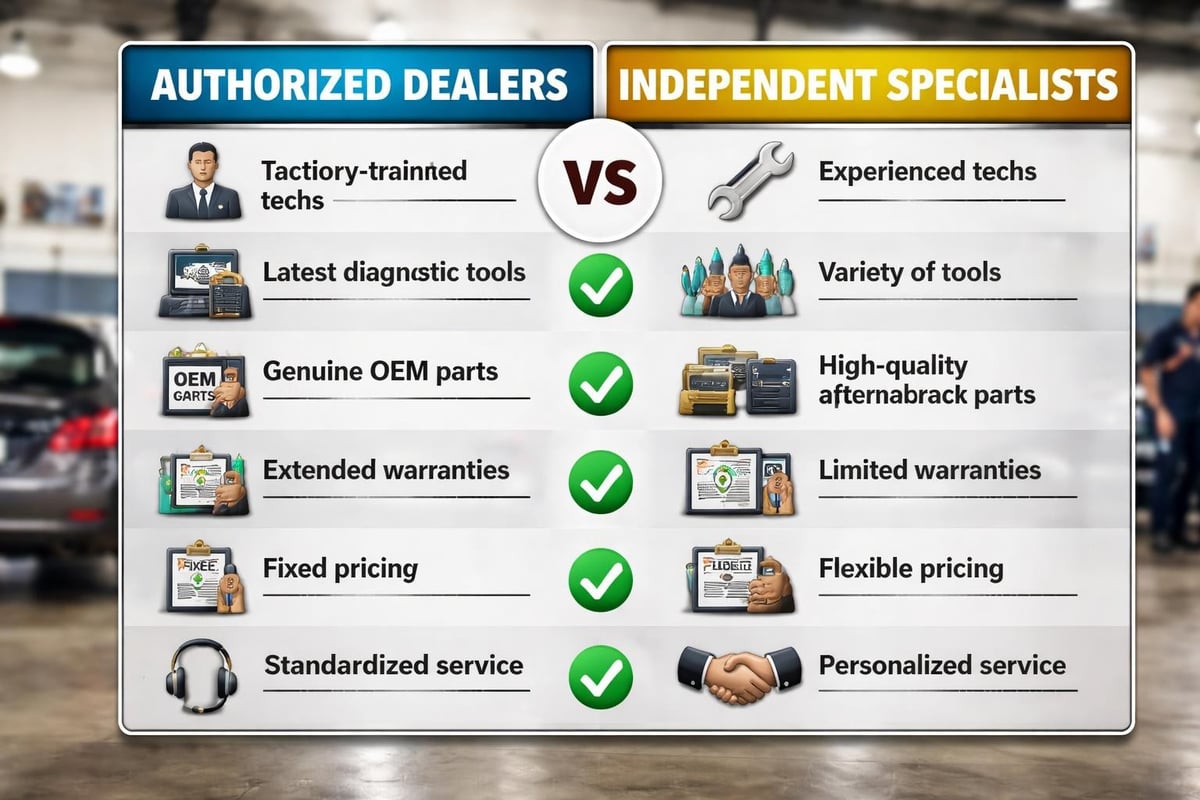
Vehicle owners face choices between manufacturer-authorized dealerships and independent European vehicle specialists. Each option presents distinct advantages depending on vehicle age, warranty status, and owner priorities.
Authorized dealers maintain direct manufacturer relationships ensuring immediate access to technical bulletins, recall information, and warranty claim procedures. They exclusively use genuine parts and employ factory-trained technicians following prescribed service protocols.
Independent specialists offer:
- Lower labor rates without franchise overhead
- Flexible parts sourcing balancing quality and cost
- Personalized service with consistent advisor relationships
- Extended service hours accommodating varied schedules
- Multi-brand expertise for households with diverse vehicles
For Škoda owners outside warranty periods, independent specialists with European vehicle focus deliver equivalent technical quality at competitive prices. Facilities like those specializing in Volkswagen Group brands possess the tools, training, and experience maintaining Škoda vehicles to manufacturer standards.
Common Škoda Service Requirements
Certain maintenance items appear consistently across Škoda model ranges. Understanding these common requirements helps owners budget for ownership costs and recognize when service recommendations align with typical needs.
DSG Transmission Service
Direct-shift gearbox transmissions require fluid and filter changes every 60,000 kilometers or four years. This service maintains smooth shifting, prevents premature clutch wear, and extends transmission lifespan significantly. Neglecting DSG maintenance leads to expensive repairs often exceeding the cost of regular service by tenfold.
Timing Belt Replacement
Most Škoda petrol engines utilize timing belts requiring replacement between 120,000 and 180,000 kilometers depending on engine variant. A qualified škoda service centre simultaneously replaces the water pump, tensioner, and idler pulleys during this service, preventing component failure shortly after belt installation.
Brake System Maintenance
Brake fluid absorbs moisture over time, reducing boiling point and causing internal corrosion. Škoda recommends replacement every two years regardless of mileage. Brake pads and rotors wear according to driving style, with inspections at each service determining replacement timing.
Air Conditioning Service
Climate control systems require refrigerant level verification and compressor operation checks annually. Cabin filters removing pollen and particulates need replacement every 15,000 kilometers or annually in dusty environments. Antibacterial treatments eliminate odor-causing bacteria in evaporator cores.
Warranty Considerations and Service History
Maintaining comprehensive service records protects resale value and documents proper vehicle care. Digital service histories accessed through manufacturer systems provide verification for prospective buyers and support warranty claims when applicable.
New Škoda vehicles carry warranties requiring adherence to service schedules for coverage maintenance. While authorized dealers aren't mandatory for warranty compliance in many markets, using qualified facilities following manufacturer specifications remains essential. Independent specialists can perform warranty-compliant service when they meet technical standards and document procedures properly.
The Škoda Auto company has established global standards ensuring vehicles receive consistent care regardless of service location. These standards protect consumers while acknowledging that quality service exists beyond dealer networks.
Emergency Support and Roadside Assistance
Unexpected breakdowns require prompt professional response. Škoda provides 24/7 roadside assistance for vehicles under warranty, offering peace of mind during travel. This support includes towing to authorized facilities, emergency repairs, and alternative transportation when necessary.
Owners of older vehicles benefit from establishing relationships with trusted service centres offering after-hours support and priority scheduling for urgent repairs. Mobile diagnostic services bring expertise directly to breakdown locations, potentially resolving issues without towing requirements.
Selecting Your Service Partner
Choosing where to service your Škoda impacts ownership satisfaction, vehicle reliability, and long-term costs. Several factors warrant consideration when evaluating potential service centres.
Evaluation criteria include:
- Technical certifications and training documentation
- Diagnostic equipment capabilities and software currency
- Parts sourcing policies and quality standards
- Customer reviews focusing on communication and transparency
- Warranty on repairs and workmanship guarantees
- Facility cleanliness and professional presentation
Visiting potential service centres before requiring urgent repairs allows observation of operations and conversation with service advisors. Professional facilities welcome questions about procedures, qualifications, and service approaches.
Building Long-Term Service Relationships
Consistent service at one facility creates comprehensive vehicle history enabling technicians to identify patterns and anticipate needs. Advisors familiar with individual vehicles provide personalized recommendations based on actual usage rather than generic schedules.
Booking appointments through convenient systems like online scheduling streamlines the service process and demonstrates a centre's commitment to customer convenience. Digital communication including service reminders, status updates, and completed work summaries enhances ownership experience.
Cost Management and Value Optimization
Service costs represent significant ownership expenses warranting strategic planning. Understanding fair pricing for common services helps identify reasonable quotes versus excessive charges.
Transparent pricing structures itemize labor rates, parts costs, and shop supplies separately. Reputable service centres provide written estimates before commencing work and explain variance if additional issues emerge during repairs.
| Service Type | Typical Interval | Average Duration | Cost Category |
|---|---|---|---|
| Oil service | 15,000 km / 12 months | 1 hour | Low |
| Major inspection | 30,000 km / 24 months | 2-3 hours | Medium |
| DSG service | 60,000 km / 48 months | 2 hours | Medium-High |
| Timing belt | 120,000-180,000 km | 4-6 hours | High |
| Brake service | As needed | 2-4 hours | Variable |
Preventive Maintenance Economics
Addressing minor issues during routine service prevents expensive emergency repairs. A small coolant leak repaired during scheduled maintenance costs substantially less than engine overheating damage from delayed attention. Regular fluid changes prevent transmission, differential, and power steering failures requiring component replacement.
Quality service centres identify developing problems early through thorough inspections, providing owners opportunity to budget for repairs rather than facing unexpected breakdowns. This proactive approach optimizes vehicle reliability while managing ownership costs effectively.
Environmental Considerations
Modern service practices incorporate environmental responsibility through proper fluid disposal, parts recycling, and emissions compliance verification. Škoda vehicles meet stringent European emissions standards requiring periodic inspection and maintenance for continued compliance.
Internal combustion engine maintenance includes emissions system checks ensuring catalytic converters, oxygen sensors, and evaporative controls function correctly. A qualified škoda service centre verifies these systems during major services, addressing issues before they cause test failures or environmental harm.
Used oil, coolant, brake fluid, and refrigerants require certified disposal through authorized recycling programs. Professional facilities maintain proper storage and documentation meeting environmental regulations while minimizing ecological impact.
Technological Advancement and Future Service Needs
Škoda continues introducing advanced technologies requiring evolving service capabilities. Electrified powertrains in hybrid and fully electric models demand high-voltage system expertise and specialized safety protocols. Advanced driver assistance features require precise calibration following repairs affecting sensor positioning.
Connected vehicle systems enable remote diagnostics where manufacturers access vehicle data identifying issues before owner awareness. These capabilities facilitate predictive maintenance scheduling based on actual component conditions rather than predetermined intervals.
Service centres investing in training and equipment for emerging technologies position themselves to support Škoda vehicles throughout ownership lifecycles. This forward-thinking approach ensures consistent service quality as vehicle complexity increases.
Maintaining your Škoda according to manufacturer specifications preserves performance, reliability, and resale value throughout ownership. Whether you choose authorized dealers or independent specialists, prioritizing technical expertise, genuine quality parts, and transparent communication ensures your vehicle receives proper care. For Škoda owners across Auckland's North Shore, VODIS Automobile combines over two decades of European vehicle expertise with personalized service, maintaining your vehicle to the highest standards while building lasting relationships based on trust and professionalism.