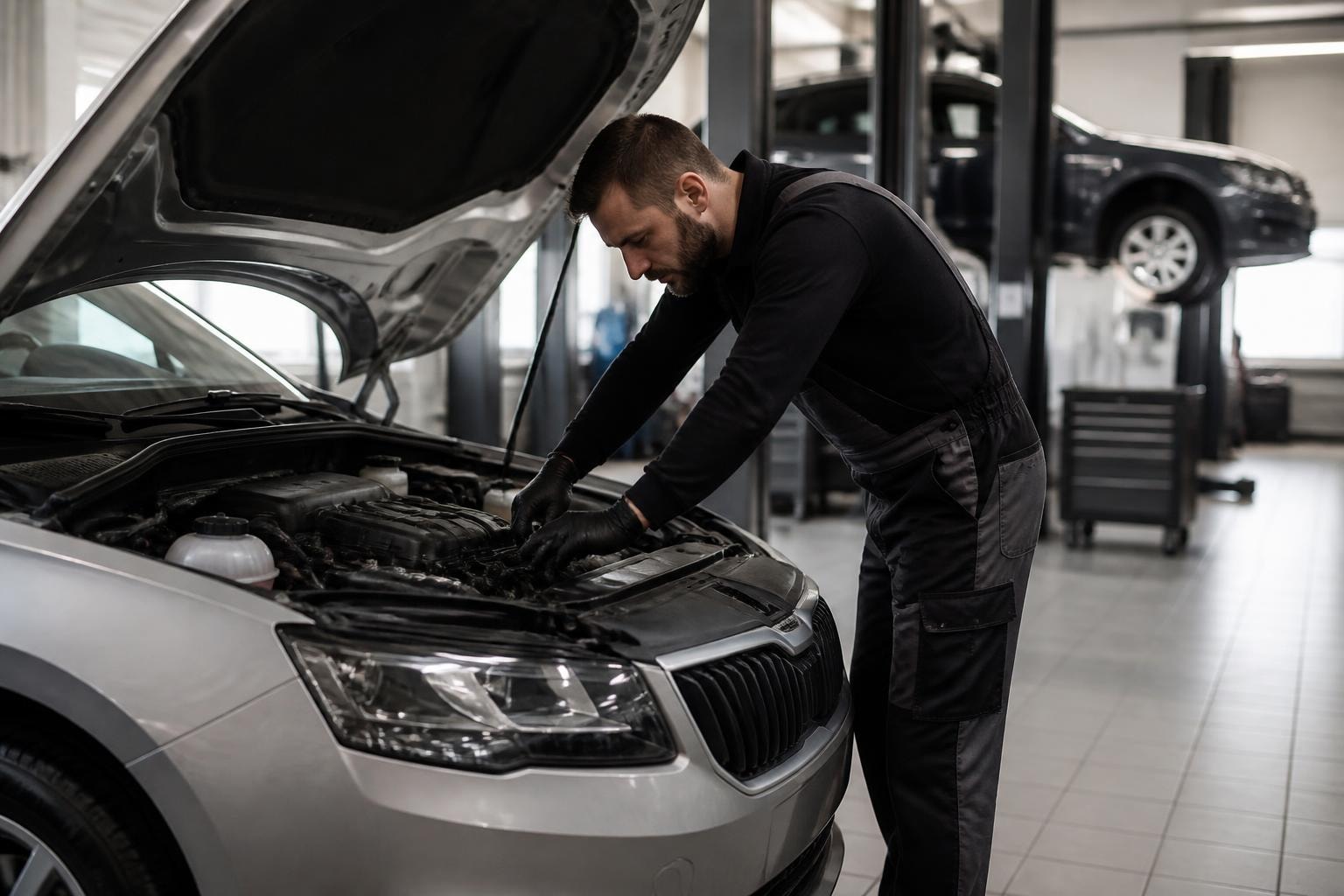

European vehicles represent some of the finest engineering in the automotive world, combining precision, performance, and luxury. Owners of Volkswagen, Audi, Mercedes, BMW, and Skoda vehicles face an important decision when service time arrives: dealer networks or an independent alternative. Understanding the advantages of an independent European service centre helps you make informed choices that protect both your vehicle and your budget while maintaining the quality your car deserves.
What Makes an Independent European Service Centre Different
An independent European service centre operates outside manufacturer dealer networks while maintaining the same technical expertise and equipment standards. These facilities specialize exclusively in European brands, creating focused knowledge bases that rival or exceed dealer capabilities.
Key differentiators include:
- Specialized technicians trained specifically on European vehicle systems
- Investment in brand-specific diagnostic equipment and tools
- Lower overhead costs compared to franchised dealerships
- Flexibility in parts sourcing and service options
- Personalized customer relationships and direct communication
The European independent automotive aftermarket comprises over 336,000 workshops that maintain Europe's vehicle fleet, demonstrating the vital role these businesses play in affordable mobility. This model translates effectively to markets like New Zealand, where European car ownership continues growing.
Technical Expertise Without Franchise Constraints
Independent centers attract experienced technicians who have often trained and worked within dealer networks. These professionals bring factory knowledge while gaining freedom to apply broader problem-solving approaches. They develop deep expertise across multiple European brands rather than focusing on a single manufacturer.
Cost Advantages of Independent Service Centers
Service costs represent one of the most compelling reasons vehicle owners choose an independent European service centre. The savings extend beyond simple labor rate differences to encompass parts, procedures, and overall value.
| Cost Factor | Dealer Service | Independent Centre |
|---|---|---|
| Labor Rate | Premium pricing | 20-40% lower typically |
| Parts Flexibility | OEM only | OEM or quality aftermarket |
| Service Packages | Fixed menu | Customizable options |
| Diagnostic Fees | Often higher | Competitive rates |
Independent facilities maintain lower overhead without showroom expenses, corporate fees, or franchise requirements. These savings transfer directly to customers through competitive pricing structures.
Parts Sourcing Flexibility
Quality aftermarket parts manufactured to OEM specifications provide identical performance at reduced costs. Choosing between dealer services and independent centers often comes down to understanding parts options and their impact on value.
An independent European service centre can source:
- Original Equipment Manufacturer (OEM) parts when specified or preferred
- OEM-equivalent parts from reputable suppliers meeting exact specifications
- Performance upgrades from specialized European tuning companies
- Genuine used parts for older vehicles where appropriate
This flexibility allows customization based on vehicle age, usage patterns, and owner preferences rather than one-size-fits-all approaches.
Specialized Knowledge Across European Brands
Focusing exclusively on European vehicles creates concentrated expertise that general repair shops cannot match. Technicians working daily with Volkswagen, Audi, Mercedes, BMW, and Skoda develop intimate familiarity with common issues, recall patterns, and model-specific quirks.
Platform Sharing Benefits
Modern European manufacturers share platforms, engines, and systems across brands within their corporate families. An independent European service centre leveraging this knowledge provides advantages:
- Volkswagen Group expertise applies across VW, Audi, and Skoda vehicles
- Common engine families appear in multiple brands
- Shared electronic systems and diagnostic protocols
- Similar maintenance schedules and service requirements
This cross-brand knowledge accelerates diagnosis and improves repair accuracy. When choosing the best European car repair service, understanding how facilities leverage platform knowledge demonstrates their technical sophistication.
Warranty Considerations and Service History
Vehicle warranties do not require dealer servicing. Consumer protection laws ensure owners can choose any qualified service provider without voiding manufacturer warranties, provided services meet required standards.
Critical warranty protection requirements:
- Use of parts meeting or exceeding OEM specifications
- Service performed according to manufacturer schedules
- Proper documentation and record keeping
- Qualified technicians performing work
- Appropriate diagnostic equipment usage
An independent European service centre maintaining detailed service records protects warranty claims while offering service flexibility. Digital service histories and manufacturer database updates ensure comprehensive documentation.
Extended Warranty Programs
Many independent facilities offer their own warranty programs on repairs and services. These often provide better coverage terms than dealer warranties, including longer periods and more comprehensive component protection.
Advanced Diagnostic Capabilities
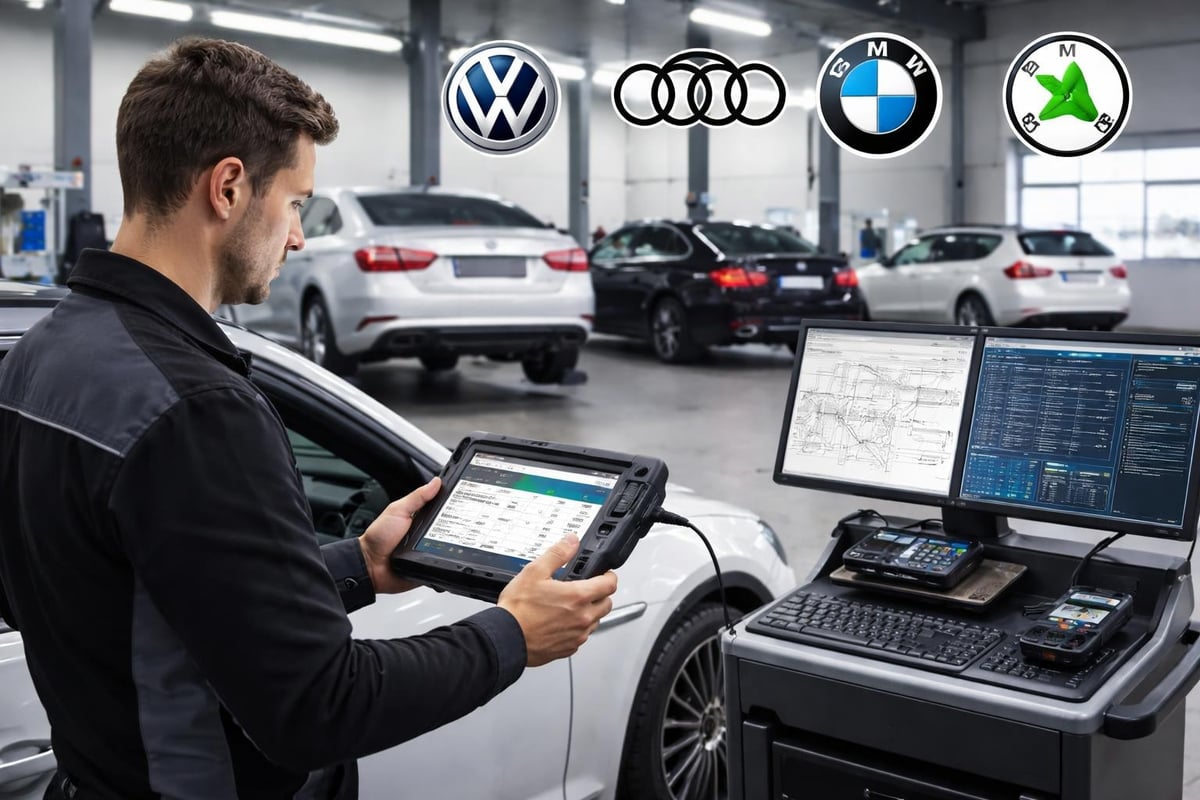
Modern European vehicles contain sophisticated electronic systems requiring specialized diagnostic equipment. The investment in brand-specific scan tools, software subscriptions, and technical databases demonstrates an independent European service centre's commitment to professional standards.
| Diagnostic Requirement | Technology Solution |
|---|---|
| Engine management systems | Factory-level scan tools |
| Transmission programming | Manufacturer software access |
| Electronic module coding | Dedicated programming equipment |
| System calibrations | Technical database subscriptions |
| Fault code interpretation | Brand-specific diagnostic protocols |
These tools cost tens of thousands of dollars and require ongoing subscription fees. Facilities making these investments signal serious dedication to European vehicle specialization.
Software and Technical Updates
European manufacturers release regular technical service bulletins, software updates, and repair procedures. Independent centers subscribing to these information systems access the same technical knowledge as dealers, ensuring current best practices for repairs and maintenance.
Personalized Customer Service
Smaller independent operations foster direct relationships between service advisors, technicians, and vehicle owners. This personal approach creates communication advantages difficult to replicate in large dealer environments.
Benefits of personalized service include:
- Direct technician communication when discussing complex repairs
- Flexible scheduling accommodating individual needs
- Customized maintenance plans based on driving patterns
- Relationship continuity with consistent service teams
- Transparent pricing with detailed explanations
The automotive repair and maintenance services market in Europe shows high frequency of vehicle maintenance, with licensed workshops playing significant roles. This pattern reflects in quality-focused markets globally where vehicle owners value expertise and service quality.
Environmental and Sustainability Practices
Independent European service centres often lead in environmental responsibility through efficient operations and sustainable practices. Smaller facilities implement targeted environmental programs without corporate bureaucracy.
Sustainable Service Approaches
- Proper waste oil and fluid recycling programs
- Battery and tire disposal through certified channels
- Parts rebuilding and remanufacturing when appropriate
- Efficient diagnostic procedures reducing unnecessary parts replacement
- Long-term vehicle maintenance extending useful life
These practices align with European vehicle owners' values while supporting community environmental standards.
Selecting the Right Independent Service Centre
Not all independent facilities offer equal capabilities. Evaluating potential service centers requires examining specific qualifications and operational standards.
Essential evaluation criteria:
- Certifications and training: Look for manufacturer-specific training credentials
- Equipment investment: Verify brand-appropriate diagnostic tools
- Customer reviews: Research reputation through multiple sources
- Facility standards: Assess cleanliness, organization, and professionalism
- Communication quality: Evaluate transparency and explanation clarity
Protecting your car and your wallet requires understanding these factors and how they impact long-term vehicle care quality.
Questions to Ask Prospective Service Centers
When interviewing potential service providers, specific questions reveal their capabilities:
- What percentage of your work involves European vehicles?
- Which diagnostic systems and software do you maintain?
- What warranty do you provide on repairs and services?
- How do you source parts and what options are available?
- Can you provide customer references for similar vehicles?
Comprehensive answers demonstrate confidence and transparency characteristic of quality independent European service centres.
Common European Vehicle Service Requirements
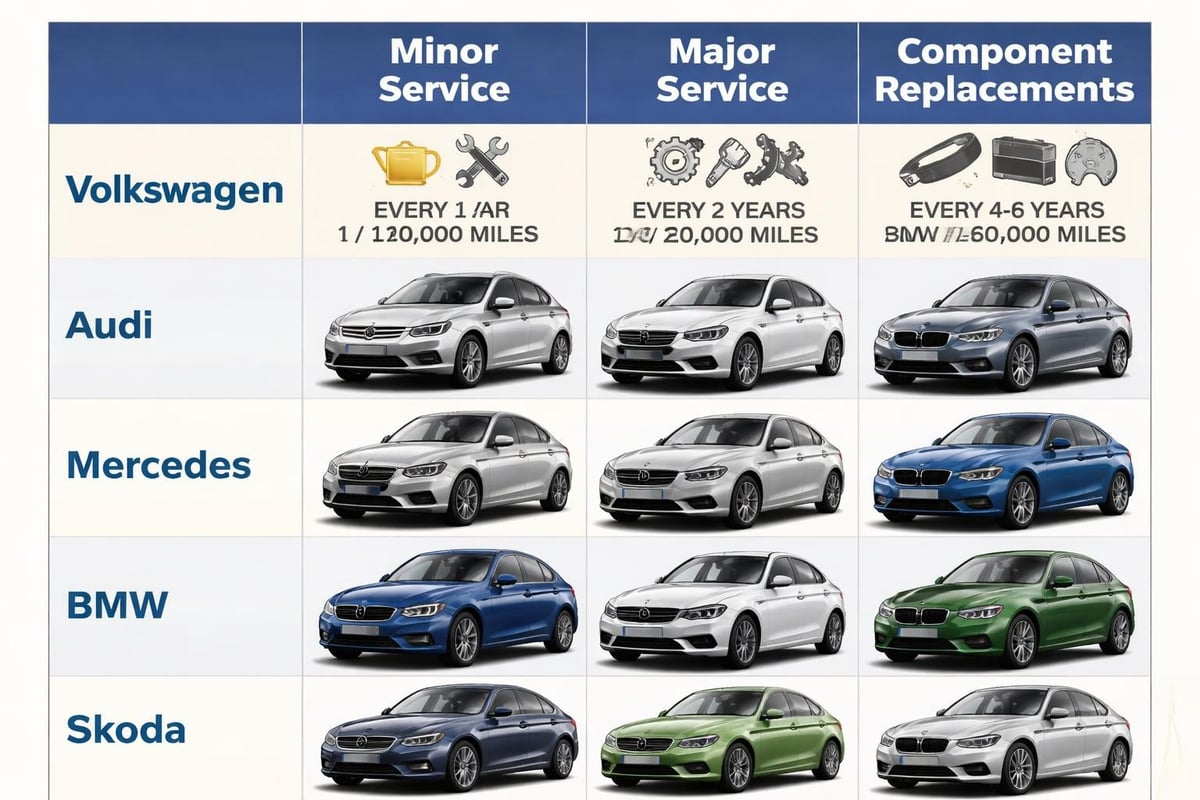
Understanding typical maintenance needs helps appreciate the specialized knowledge independent centers provide. European vehicles follow specific service schedules different from Asian or American manufacturers.
| Service Type | Typical Interval | Common Components |
|---|---|---|
| Minor Service | 10,000-15,000 km | Oil, filters, inspections |
| Major Service | 30,000-40,000 km | All minor items plus spark plugs, fluids |
| Brake Service | As needed | Pads, rotors, fluid replacement |
| Timing Belt | 90,000-120,000 km | Belt, tensioners, water pump |
| DSG Service | 60,000 km | Transmission fluid and filter |
These intervals vary by manufacturer and model, requiring specific knowledge an independent European service centre maintains through technical resources and experience.
Brand-Specific Maintenance Nuances
Each European manufacturer has particular requirements:
- Volkswagen/Audi: DSG transmission services, specific oil grades
- Mercedes: ASSYST service indicator systems, complex electronics
- BMW: Condition-based servicing, specialized cooling systems
- Skoda: Shared VW Group requirements with model variations
Understanding these differences separates qualified specialists from general repair shops.
Technology Integration and Modern Service
Contemporary independent European service centres embrace technology for efficiency and customer convenience. Digital integration improves service quality while maintaining the personal touch customers value.
Modern technology applications include:
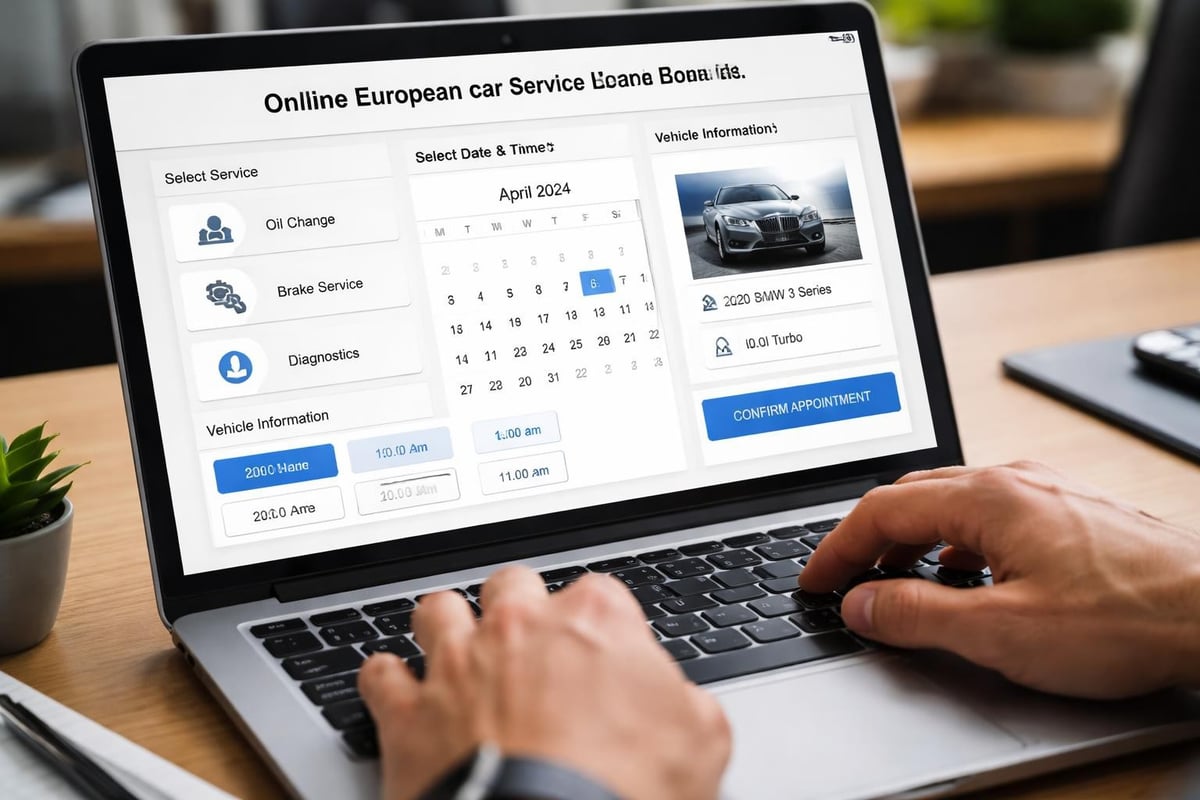
- Online booking systems for convenient service appointment scheduling
- Digital vehicle inspections with photos and detailed reports
- Text and email updates throughout service processes
- Electronic service records accessible to customers
- Diagnostic data sharing for transparent problem explanation
These tools enhance communication without replacing personal interaction that defines quality independent service.
The Future of Independent European Vehicle Service
The automotive landscape evolves rapidly with electrification, advanced driver assistance systems, and connectivity features. Independent European service centres investing in future technologies position themselves as long-term partners for vehicle owners.
Emerging service requirements:
- Electric and hybrid powertrain expertise
- Advanced driver assistance system calibration
- Software update and programming capabilities
- High-voltage system safety and repair
- Connected vehicle diagnostic access
Quality independent facilities prepare for these changes through training investment and equipment upgrades, ensuring continued relevance as European manufacturers advance technology.
Maintaining Competitive Advantages
The structural vulnerabilities and competitive dynamics of the EU automotive sector highlight complexity in modern vehicle production and service. Independent centers navigate these challenges through specialization, agility, and customer focus that large dealer networks struggle to match.
Building Long-Term Service Relationships
The greatest value from an independent European service centre emerges through ongoing relationships spanning years and multiple vehicles. Consistent service with familiar technicians creates knowledge about your specific vehicle's history, patterns, and needs.
Long-term relationship benefits:
- Accumulated vehicle knowledge improving diagnostic accuracy
- Preventive maintenance planning based on observed patterns
- Priority scheduling for established customers
- Personalized service recommendations aligned with driving habits
- Trust and transparency developed through consistent positive experiences
These advantages compound over time, creating value beyond individual service transactions. The investment in finding the right independent European service centre pays dividends throughout vehicle ownership.
Choosing an independent European service centre provides European vehicle owners with specialized expertise, cost advantages, and personalized service that enhances ownership experience. Understanding the factors that distinguish quality independent facilities empowers informed decisions benefiting both your vehicle and budget. For North Shore residents seeking expert care for their Volkswagen, Audi, Mercedes, BMW, or Skoda, VODIS Automobile delivers over 20 years of trusted service with the technical knowledge and customer commitment that defines excellence in independent European vehicle care.