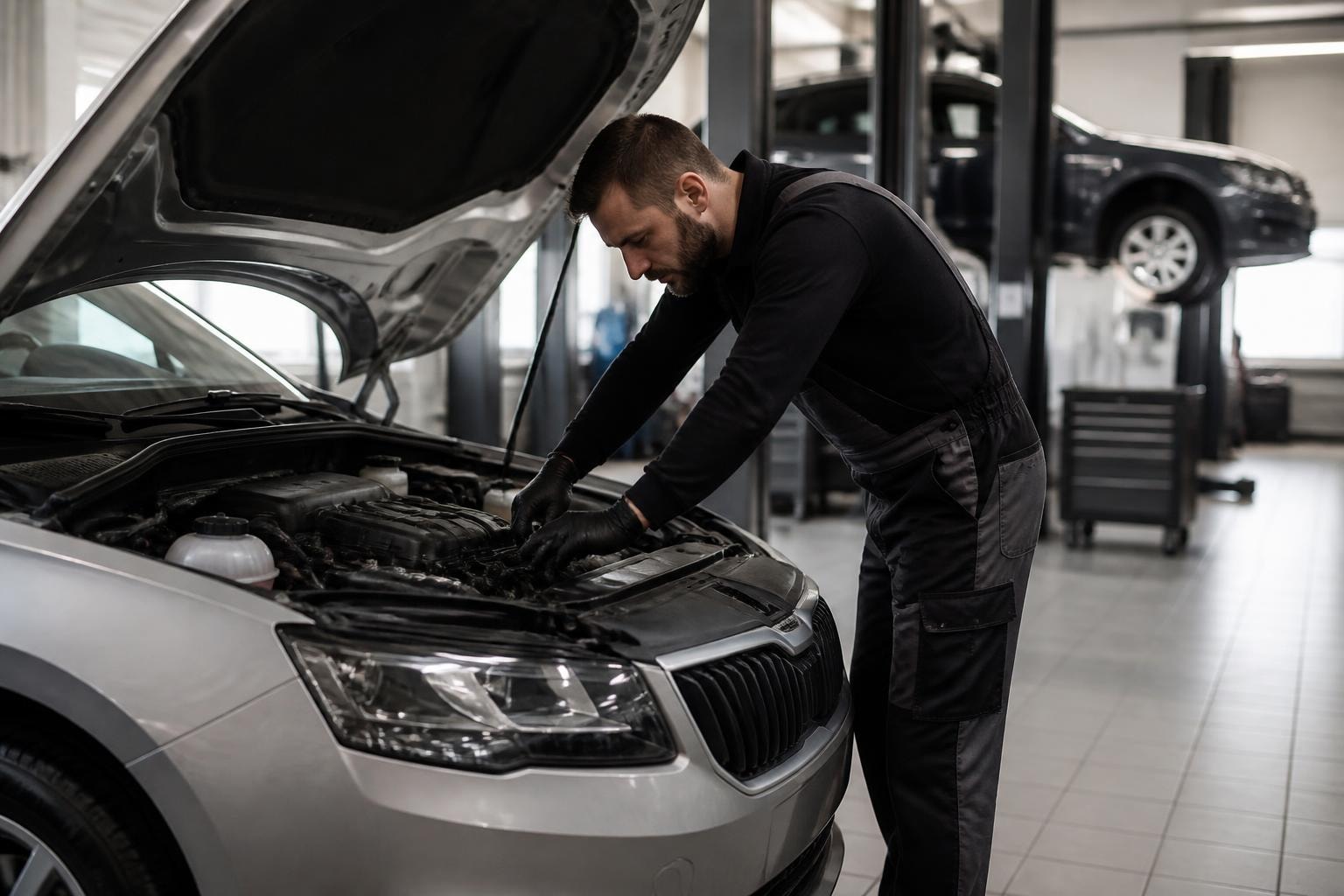

Choosing the right car servicing workshop for your European vehicle is one of the most important decisions you'll make as a car owner. With advanced automotive technology becoming standard across Volkswagen, Audi, Mercedes, BMW, and Skoda models, finding a facility that combines specialized expertise with modern equipment and safety protocols has never been more critical. A professional car servicing workshop goes beyond basic oil changes and tire rotations, offering comprehensive maintenance that protects your investment and ensures optimal performance for years to come.
Understanding Modern Workshop Standards
The automotive service industry has evolved dramatically over the past decade. Today's car servicing workshop must meet stringent safety and operational standards that protect both customers and technicians. Implementing comprehensive safety protocols ensures that every service appointment maintains the highest level of quality control.
Professional workshops prioritize organization and cleanliness. A well-maintained facility demonstrates attention to detail that translates directly to vehicle care. Tools should be properly stored, work areas kept clean, and hazardous materials handled according to industry regulations.
Essential Safety Measures
Modern workshops implement multiple layers of safety protection:
- Fire prevention systems including proper storage of flammable materials
- Ventilation systems to manage exhaust fumes and chemical vapors
- Personal protective equipment for all technicians
- Regular equipment inspections to prevent mechanical failures
- Emergency response protocols clearly displayed and practiced
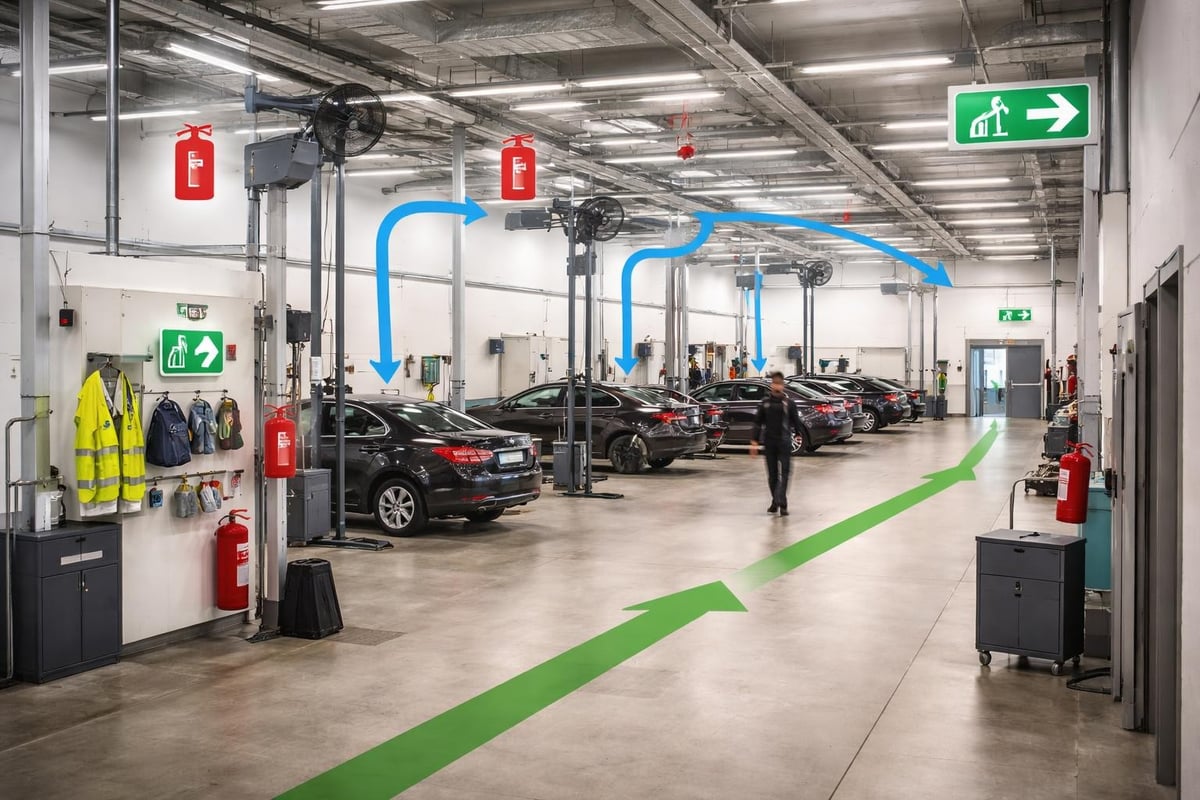
The importance of establishing smoke-free zones and maintaining organizational standards cannot be overstated. These practices create an environment where precision work thrives and errors become rare.
Specialized Equipment for European Vehicles
European car manufacturers design vehicles with sophisticated electronic systems that require brand-specific diagnostic tools. A quality car servicing workshop serving Volkswagen, Audi, Mercedes, BMW, and Skoda owners must invest in manufacturer-grade equipment that communicates directly with vehicle control modules.
| Equipment Type | Purpose | Benefit |
|---|---|---|
| OEM Diagnostic Scanners | Read manufacturer-specific codes | Accurate fault identification |
| Hydraulic Lifts | Safe vehicle elevation | Access to undercarriage components |
| Wheel Alignment Systems | Precision angle adjustment | Extended tire life, improved handling |
| Air Conditioning Service Units | Refrigerant recovery and recharge | Optimal climate control performance |
| Brake Fluid Exchange Systems | Complete system flush | Enhanced braking safety |
Generic diagnostic tools often miss critical information embedded in European vehicle systems. Professional workshops understand this limitation and equip their facilities accordingly.
Technician Training and Certification
The human element separates exceptional workshops from average ones. Technicians working on European vehicles should possess both formal training and ongoing education in brand-specific systems. Manufacturers regularly update vehicle technology, requiring service professionals to continuously expand their knowledge base.
Experienced technicians recognize patterns that generic scanning tools might overlook. They understand how different systems interact and can diagnose complex issues that manifest across multiple vehicle modules.
Comprehensive Service Offerings
A full-service car servicing workshop provides everything from routine maintenance to complex repairs under one roof. This convenience saves customers time and ensures continuity of care for their vehicles.
Routine Maintenance Services
Regular maintenance forms the foundation of vehicle longevity:
- Engine oil and filter changes using manufacturer-specified lubricants
- Brake system inspections including pad thickness and rotor condition
- Tire rotations and pressure checks for even wear patterns
- Fluid level verification across all systems
- Battery testing and terminal cleaning to prevent starting issues
- Air filter replacement for optimal engine performance
- Cabin filter changes for improved air quality
These services follow manufacturer-recommended intervals, though driving conditions may warrant more frequent attention. Urban driving with frequent stops stresses brake systems more than highway cruising, for example.
Advanced Diagnostic Services
Modern European vehicles communicate problems through dashboard warning lights and stored diagnostic codes. A professional car servicing workshop translates these signals into actionable repair plans.
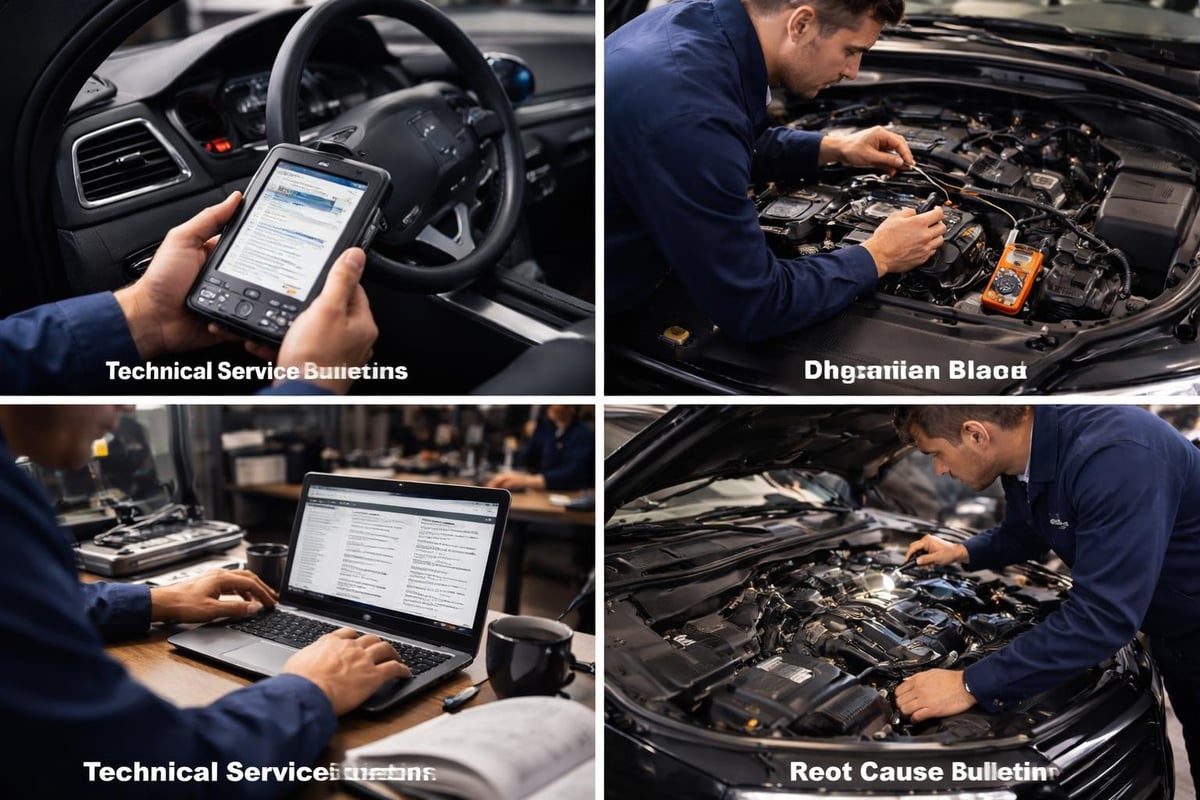
Advanced diagnostics involve systematic testing that goes beyond reading codes. Technicians verify sensor outputs, test component operation, and consult manufacturer technical bulletins to identify known issues affecting specific model years.
Workshop Efficiency and Customer Communication
Running an efficient workshop requires balancing multiple service appointments while maintaining quality standards. Professional facilities implement scheduling systems that allocate appropriate time for each service type.
Digital Communication Systems
Modern workshops leverage technology to keep customers informed throughout the service process:
- Text message updates when vehicles arrive and complete service
- Digital inspection reports with photos of identified issues
- Email service reminders based on mileage and time intervals
- Online appointment booking for convenient scheduling
This transparency builds trust and helps customers make informed decisions about recommended repairs. When a technician photographs a worn brake pad or cracked belt, customers understand the necessity of replacement rather than feeling pressured by verbal descriptions alone.
You can experience this modern approach by booking your service appointment online at facilities that prioritize customer convenience.
Quality Parts and Warranty Protection
Parts quality directly impacts repair longevity and vehicle performance. A reputable car servicing workshop offers clear information about part sourcing and warranty coverage.
| Part Category | OEM Parts | Quality Aftermarket | Generic Aftermarket |
|---|---|---|---|
| Fit Guarantee | Exact match | High compatibility | Variable fit |
| Warranty Coverage | Comprehensive | Good | Limited |
| Performance Match | Perfect | Very close | May vary |
| Cost | Premium | Moderate | Budget |
Original Equipment Manufacturer (OEM) parts guarantee compatibility and performance matching factory specifications. Quality aftermarket alternatives from reputable manufacturers often provide excellent value while maintaining high standards.
Warranty Documentation
Professional workshops provide detailed invoices documenting all work performed and parts installed. This documentation proves essential for:
- Maintaining vehicle resale value through service history
- Warranty claims on parts and labor
- Insurance purposes following accidents or theft
- Diagnostic reference for future service visits
Keeping organized service records helps technicians identify patterns and anticipate maintenance needs based on your vehicle's specific history.
Choosing the Right Workshop for Your Vehicle
Finding a suitable auto workshop requires research beyond proximity to your home or office. Several factors distinguish exceptional facilities from adequate ones.
Evaluation Criteria
Specialization matters significantly when servicing European vehicles. Workshops focusing on specific brands develop deeper expertise than general repair shops serving all makes and models. Technicians working primarily on Volkswagen Group vehicles (VW, Audi, Skoda) understand the platforms and common issues affecting these cars.
Customer reviews provide valuable insights into communication quality, pricing transparency, and work quality. Look for patterns in feedback rather than isolated complaints or praise. Consistently positive reviews about diagnostic accuracy and fair pricing indicate reliable service.
Facility appearance reflects operational standards. While not every workshop needs showroom polish, organized tool storage, clean work areas, and well-maintained equipment suggest pride in craftsmanship. Creating a culture of safety and precision starts with environmental standards.
Questions to Ask Prospective Workshops
Before committing to a car servicing workshop, inquire about:
- What diagnostic equipment do you use for my vehicle brand?
- Are your technicians factory-trained or certified?
- Do you provide written estimates before beginning work?
- What warranty do you offer on parts and labor?
- How do you communicate progress during service?
Confident, transparent answers demonstrate professionalism and customer focus. Evasive responses or pressure to commit immediately should raise concerns.
Preventive Maintenance Planning
Smart vehicle owners think beyond immediate repairs to long-term care strategies. A quality car servicing workshop partners with customers to develop maintenance schedules aligned with manufacturer recommendations and driving patterns.
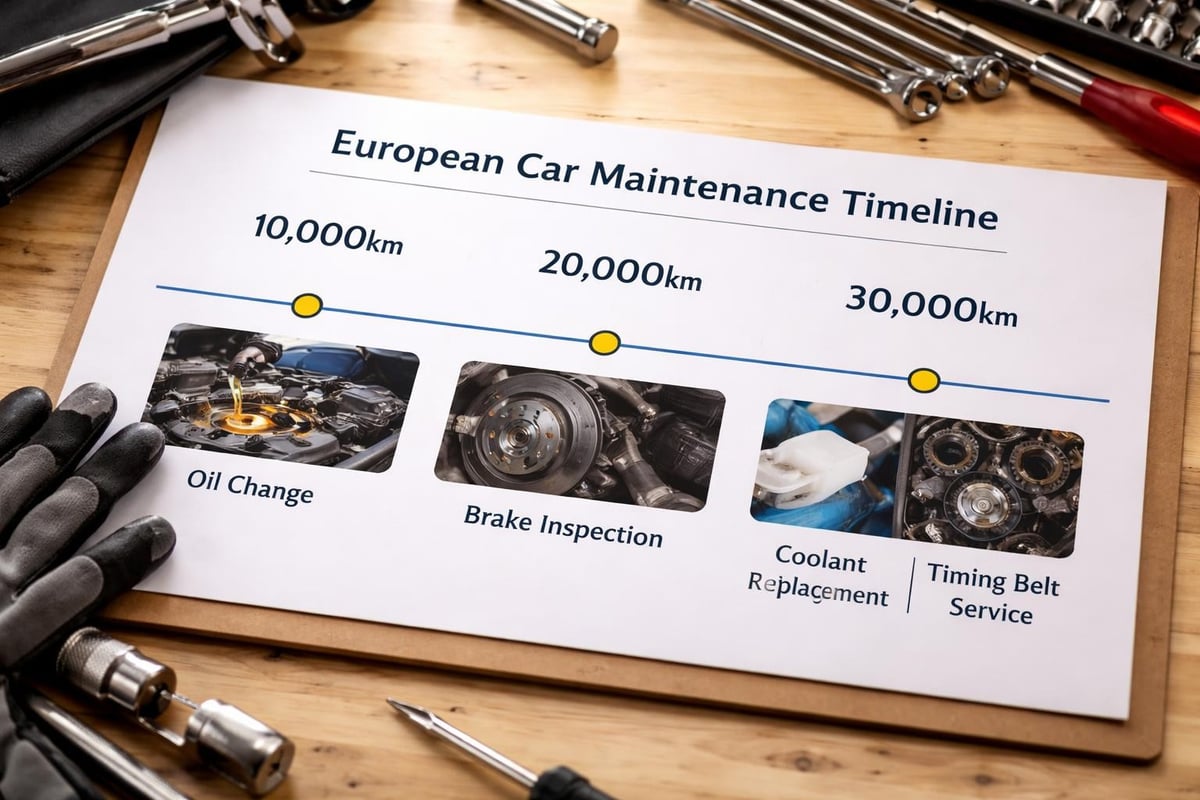
Mileage-Based Service Intervals
European manufacturers specify service intervals based on kilometers traveled or time elapsed, whichever comes first. Typical schedules include:
- 10,000-15,000 km: Oil and filter change, basic inspection
- 30,000 km: Cabin filter, air filter, comprehensive inspection
- 60,000 km: Brake fluid replacement, spark plugs (if applicable)
- 90,000 km: Transmission service, coolant replacement
- 120,000 km: Timing belt replacement (critical for interference engines)
These intervals vary by model and engine type. Turbocharged engines often require more frequent oil changes than naturally aspirated versions.
Driving Condition Adjustments
Manufacturer schedules assume normal driving conditions. Severe conditions warrant more frequent service:
- City driving with frequent stops increases brake and transmission wear
- Short trips under 10 kilometers prevent engines from reaching optimal operating temperature
- Dusty environments contaminate air filters and cabin filters faster
- Extreme temperatures stress cooling systems and batteries
A knowledgeable car servicing workshop discusses your specific driving patterns and adjusts recommendations accordingly rather than applying one-size-fits-all schedules.
Technology Integration in Modern Workshops
The automotive service industry continues embracing digital tools that improve accuracy and efficiency. Professional workshops invest in systems that enhance both diagnostic capabilities and customer experience.
Workshop Management Software
Modern facilities operate with integrated management platforms that track:
- Vehicle service history accessible across all appointments
- Parts inventory with automatic reordering of common items
- Technician scheduling optimizing bay utilization
- Customer communication through automated reminders and updates
This technology ensures nothing falls through the cracks. When you return for service, technicians immediately access previous work and can identify recurring issues or anticipate upcoming maintenance needs.
Remote Diagnostics Capabilities
Some advanced workshops offer preliminary diagnostics through remote code reading. If a warning light illuminates, customers can schedule appointments with preliminary information about the issue, allowing workshops to order parts and allocate appropriate service time before the vehicle arrives.
Environmental Responsibility
Responsible workshops implement environmental protection measures that go beyond regulatory compliance. Proper handling of hazardous materials protects both community health and the environment.
Waste Management Practices
Professional car servicing workshop operations include:
- Used oil recycling through certified processors
- Coolant recovery and proper disposal preventing groundwater contamination
- Battery recycling programs recovering lead and acid safely
- Tire disposal through authorized channels
- Parts packaging recycling reducing landfill waste
These practices demonstrate corporate responsibility and contribute to sustainable business operations. Automotive workshop best practices emphasize environmental stewardship alongside technical excellence.
Building Long-Term Workshop Relationships
The most valuable aspect of finding an excellent car servicing workshop is developing an ongoing relationship with technicians who know your vehicle's history. Continuity provides multiple benefits beyond convenience.
Personalized Service Advantages
When you consistently use the same workshop:
- Technicians recognize patterns specific to your vehicle
- Service history informs recommendations based on actual wear rather than generic schedules
- Trust develops allowing confident decision-making on repairs
- Communication improves as staff learn your preferences and concerns
Long-term customers often receive priority scheduling during busy periods and may benefit from loyalty programs or preferential pricing on routine services.
Building Trust Through Transparency
Professional workshops earn loyalty through honest communication about repair necessity and urgency. Not every issue requires immediate attention, and reputable facilities clearly distinguish between safety concerns requiring prompt action and maintenance items that can wait.
A transparent car servicing workshop provides:
- Detailed explanations of identified problems
- Visual evidence through photos or direct inspection
- Multiple repair options when applicable
- Honest assessments of repair value versus vehicle age
This approach empowers customers to make informed decisions aligned with their budget and vehicle usage plans.
Industry Standards and Compliance
Professional automotive service facilities adhere to multiple regulatory frameworks protecting consumers and workers. Comprehensive safety checklists help workshops maintain compliance with evolving standards.
Regulatory Compliance Areas
Workshops must comply with regulations covering:
- Occupational safety protecting employee health
- Environmental protection managing hazardous materials
- Consumer protection ensuring fair business practices
- Insurance requirements covering liability and property
- Business licensing maintaining legal operation status
Compliance demonstrates professionalism and protects customers from substandard service or liability issues arising from improper repairs.
Selecting a quality car servicing workshop requires evaluating technical capabilities, safety standards, and customer service practices that distinguish exceptional facilities from adequate ones. The investment in finding a workshop that specializes in European vehicles and prioritizes transparent communication pays dividends through reliable service and extended vehicle life. Whether you drive a Volkswagen, Audi, Mercedes, BMW, or Skoda on Auckland's North Shore, VODIS Automobile combines over 20 years of specialized experience with modern diagnostic equipment and customer-focused service to keep your European vehicle performing at its best.