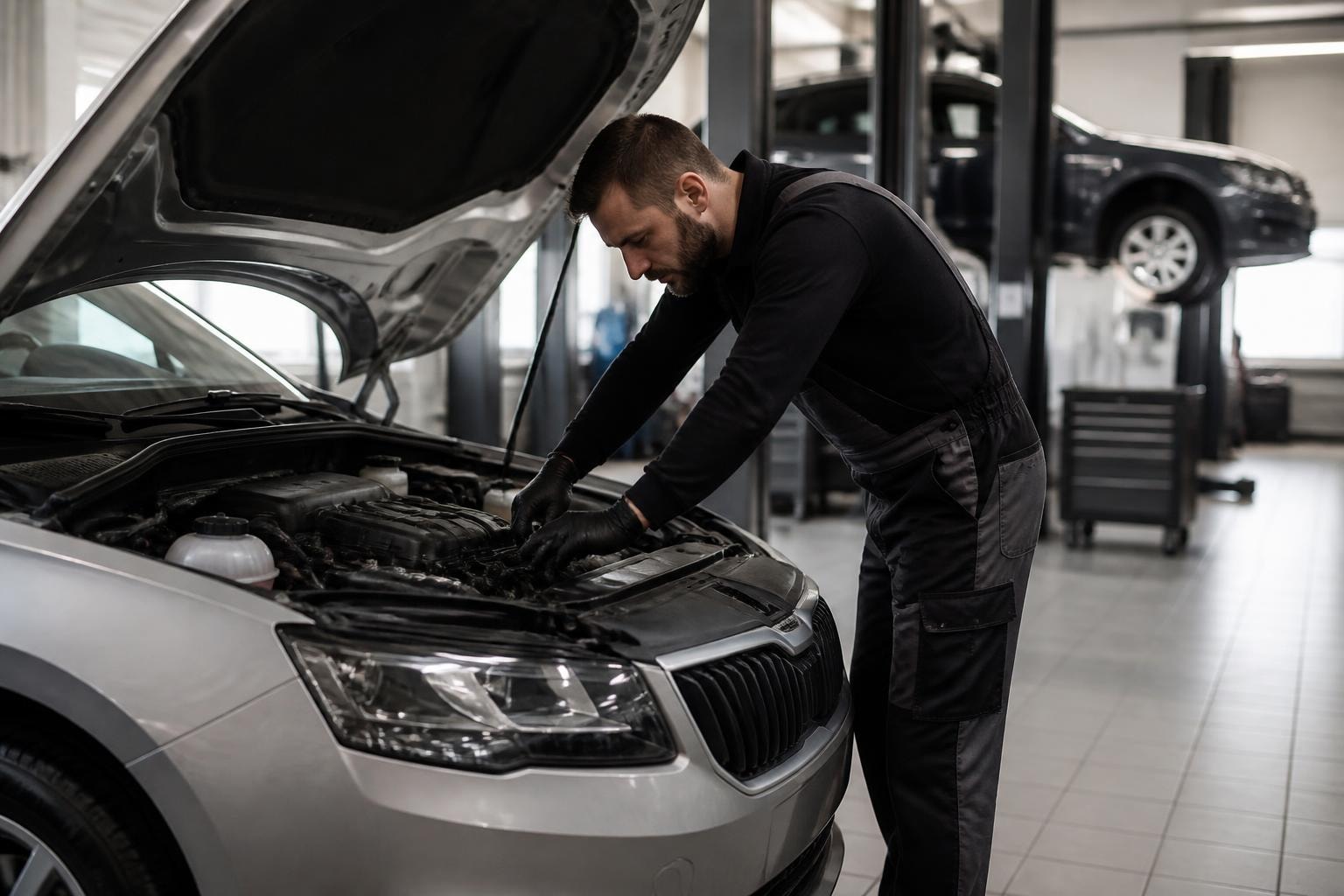

European vehicles represent some of the most sophisticated engineering achievements in the automotive industry, combining performance, luxury, and cutting-edge technology. Owners of brands like Volkswagen, Audi, BMW, Mercedes, and Skoda understand that maintaining these precision machines requires specialized knowledge and expertise. As the European automotive aftermarket undergoes significant transformation, understanding the unique requirements of european automotive repair becomes increasingly important for vehicle owners who want to protect their investment and ensure optimal performance.
The Specialized Nature of European Vehicle Systems
European manufacturers have built their reputations on innovation and engineering excellence. Unlike their Asian or American counterparts, these vehicles incorporate proprietary systems and technologies that demand specific technical knowledge.
Complex Electrical Architecture
Modern European vehicles feature intricate electrical systems that control everything from engine management to comfort features. BMW's advanced driver assistance systems, Audi's virtual cockpit displays, and Mercedes' MBUX infotainment platforms all require specialized diagnostic equipment.
Key electrical system characteristics include:
- Multiplexed network communication between control modules
- Proprietary diagnostic protocols and software requirements
- Integration of safety systems with comfort and convenience features
- Advanced sensor arrays for autonomous driving capabilities
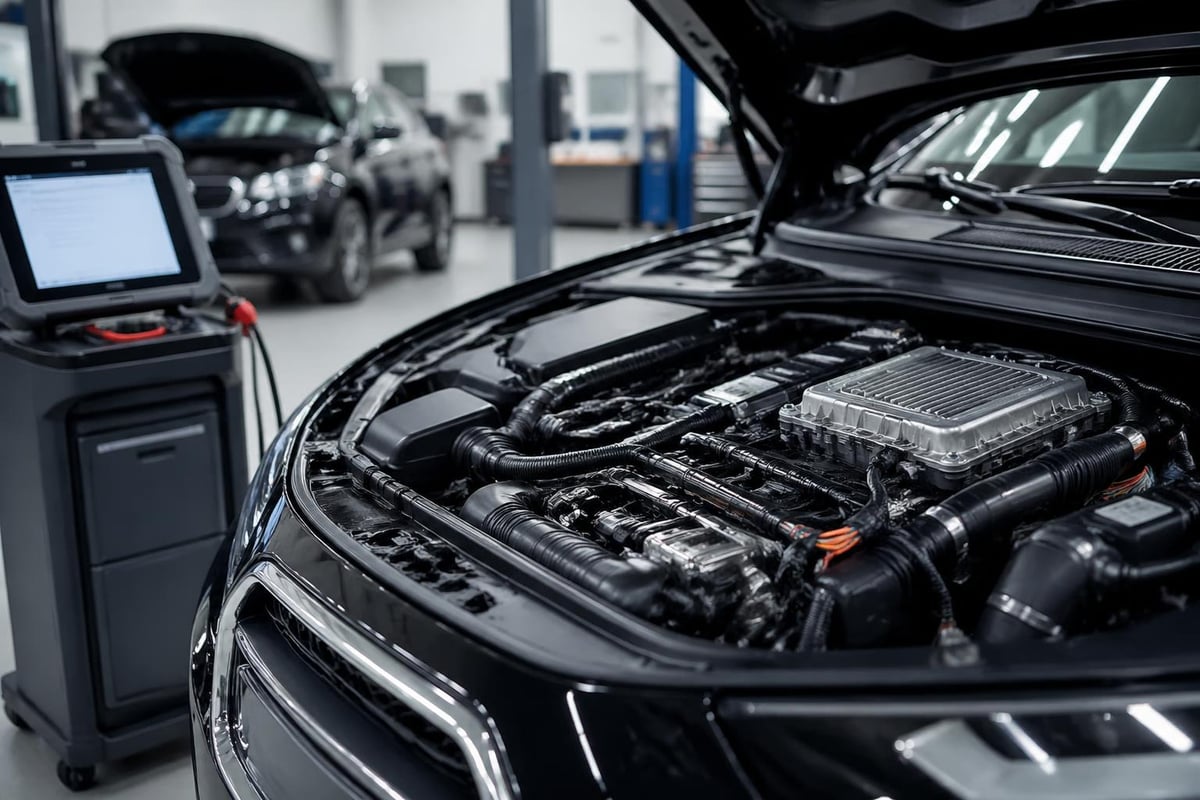
The complexity of these systems means that generic diagnostic tools often fall short when troubleshooting issues. Professional european automotive repair facilities invest in manufacturer-specific equipment to accurately diagnose and repair these sophisticated networks.
Engine and Transmission Technologies
European engines are engineered for performance and efficiency, incorporating advanced technologies like direct fuel injection, variable valve timing, and turbocharging systems. These powertrains require precise maintenance schedules and specific knowledge for proper service.
| Manufacturer | Common Engine Tech | Specialized Requirements |
|---|---|---|
| Volkswagen/Audi | TSI/TFSI turbocharged engines | Specific oil grades, carbon cleaning procedures |
| BMW | TwinPower turbo systems | Valvetronic service, high-pressure fuel system maintenance |
| Mercedes | BlueTEC diesel, AMG performance | SCR system servicing, advanced cooling system care |
| Skoda | Shared VW Group platforms | Timing belt intervals, DSG transmission service |
Transmission systems in European vehicles also demand specialized attention. Dual-clutch transmissions (DSG/PDK), ZF automatic gearboxes, and Mercedes' 9G-TRONIC units all have specific fluid requirements and service procedures that differ significantly from conventional automatics.
Diagnostic Challenges in Modern European Vehicles
The complexity of modern automotive diagnostics continues to increase, presenting unique challenges for service providers and vehicle owners alike.
Manufacturer-Specific Software Requirements
One of the most significant barriers in european automotive repair is accessing manufacturer diagnostic software. While generic OBD-II scanners can read basic fault codes, they cannot perform advanced functions or access all control modules.
Professional technicians use factory-level diagnostic platforms that enable:
- Complete system programming and coding
- Adaptation procedures after component replacement
- Access to service histories and maintenance records
- Real-time data streaming from multiple control modules
- Guided diagnostic routines for complex issues
Without these specialized tools, even experienced technicians may struggle to properly diagnose and repair modern European vehicles. This reality underscores the importance of choosing a service provider with appropriate equipment investments.
Software Updates and Programming
European vehicles regularly require software updates to address performance issues, enhance features, or comply with emissions regulations. These updates must be performed using manufacturer-approved procedures to prevent system conflicts.
Common programming scenarios include:
- Control module replacement requiring initialization
- Emission system updates for compliance
- Infotainment system upgrades
- Safety system calibrations after windshield replacement
- Transmission adaptation after mechanical repairs
The technical expertise required for these procedures extends beyond mechanical aptitude, demanding strong computer skills and continuous training on evolving systems.
Maintenance Best Practices for European Vehicles
Proper maintenance forms the foundation of reliable european automotive repair outcomes. European manufacturers specify precise service intervals based on extensive testing and engineering analysis.
Oil Quality and Change Intervals
European engines operate at higher temperatures and pressures than many competitors, requiring superior lubricants. Using the wrong oil specification can lead to premature wear or even catastrophic failure.
Modern European vehicles typically use fully synthetic oils meeting stringent manufacturer specifications like VW 504.00/507.00, BMW LL-01, or Mercedes 229.51. These specialized formulations provide:
- Enhanced protection at high operating temperatures
- Improved fuel efficiency through reduced friction
- Extended drain intervals when combined with quality filters
- Better cold-start protection in winter conditions
Brake System Maintenance
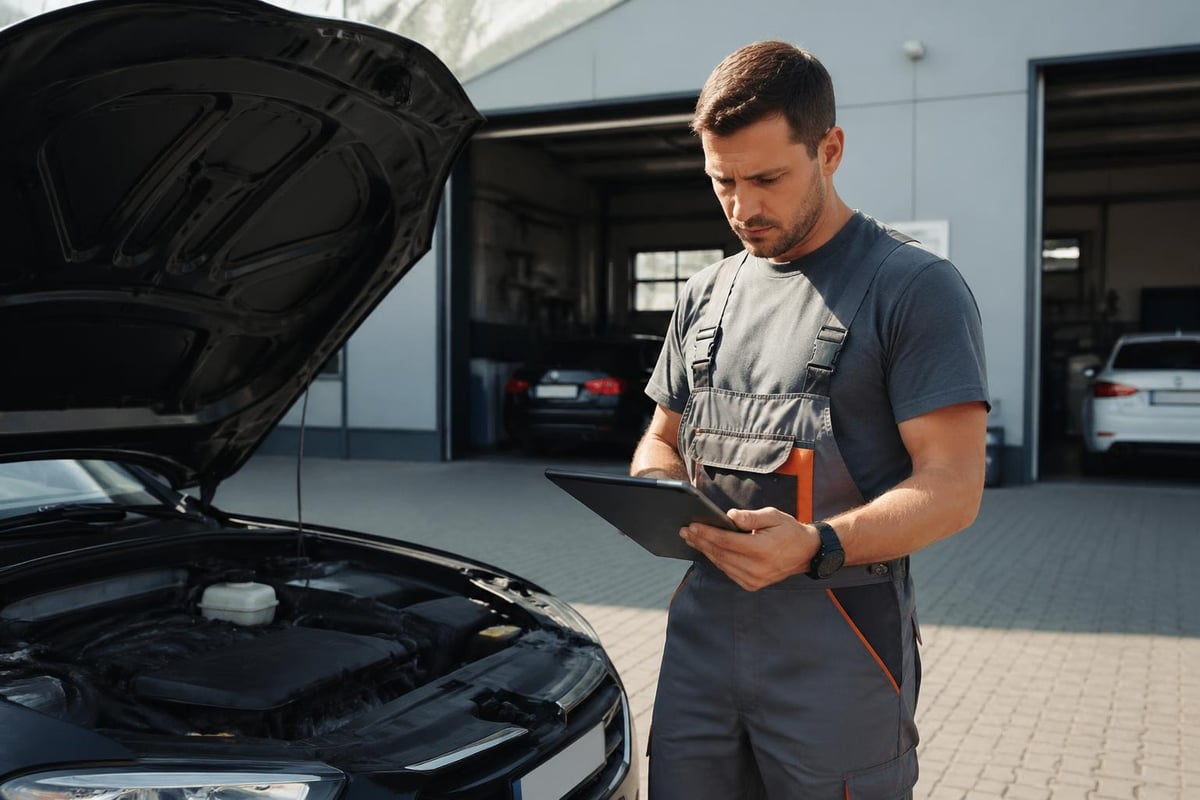
European vehicles feature sophisticated brake systems designed for high-performance applications. Many models incorporate electronic parking brakes, brake-by-wire systems, and regenerative braking in hybrid variants.
| Service Item | Typical Interval | Special Considerations |
|---|---|---|
| Brake fluid replacement | 2 years | Must meet DOT 4+ or DOT 5.1 specifications |
| Brake pad inspection | Every service | Electronic wear sensors require replacement |
| Rotor replacement | As needed | Minimum thickness specifications critical |
| EPB calibration | After pad service | Requires diagnostic tool access |
Regular brake system maintenance prevents expensive repairs and ensures optimal safety performance. The growing automotive repair and maintenance market reflects increasing awareness of these preventive care benefits.
Parts Quality and Availability Considerations
The parts market for European vehicles presents unique considerations compared to mainstream brands. Understanding quality tiers and availability helps owners make informed decisions.
OEM Versus Aftermarket Components
Original Equipment Manufacturer (OEM) parts guarantee perfect fit and function but often command premium prices. However, the European aftermarket has matured significantly, offering quality alternatives.
Aftermarket quality tiers:
- OEM equivalent brands (Bosch, Continental, ZF)
- Performance-oriented upgrades (Bilstein, H&R, EBC)
- Economy alternatives with varying quality levels
- Remanufactured components for expensive items
Experienced european automotive repair facilities understand which components justify OEM investment and where quality aftermarket alternatives provide excellent value. Critical safety components, complex electronics, and emissions-related parts typically warrant OEM specification.
Supply Chain Realities
Parts availability varies considerably depending on vehicle model and component. Common service items for popular models like the VW Golf, Audi A4, or BMW 3 Series typically stock locally. However, specialized components may require ordering from regional distributors or direct from Europe.
Smart vehicle owners establish relationships with service providers who maintain good supplier networks and can expedite parts procurement when needed. You can book your service appointment to ensure timely access to required components.
The Impact of Aging European Vehicle Fleets
Vehicle longevity trends significantly influence european automotive repair requirements. The aging European vehicle fleet means more vehicles require specialized attention beyond basic maintenance.
Common Age-Related Issues
European vehicles built between 2008 and 2018 now represent a significant portion of the service market. These vehicles commonly experience predictable wear patterns requiring attention.
High-mileage concerns include:
- Carbon buildup in direct-injection engines
- Timing chain stretch in certain engine families
- Water pump and thermostat failures
- Suspension bushing deterioration
- Electronic module failures due to age
Addressing these issues proactively prevents roadside breakdowns and more expensive consequential damage. Regular inspections by knowledgeable technicians identify developing problems before they become emergencies.
Keeping Older European Vehicles Roadworthy
With proper care, European vehicles easily exceed 200,000 kilometers while maintaining reliability and performance. This longevity requires commitment to maintenance schedules and addressing repairs promptly.
Long-term ownership strategies:
- Follow manufacturer service intervals religiously
- Address minor issues before they escalate
- Keep detailed service records for resale value
- Budget for predictable age-related maintenance
- Choose experienced specialists over general repair shops
The cost-effectiveness of maintaining a quality European vehicle often surpasses purchasing and depreciating new vehicles, making expert european automotive repair services an excellent investment.
Technological Evolution and Service Requirements
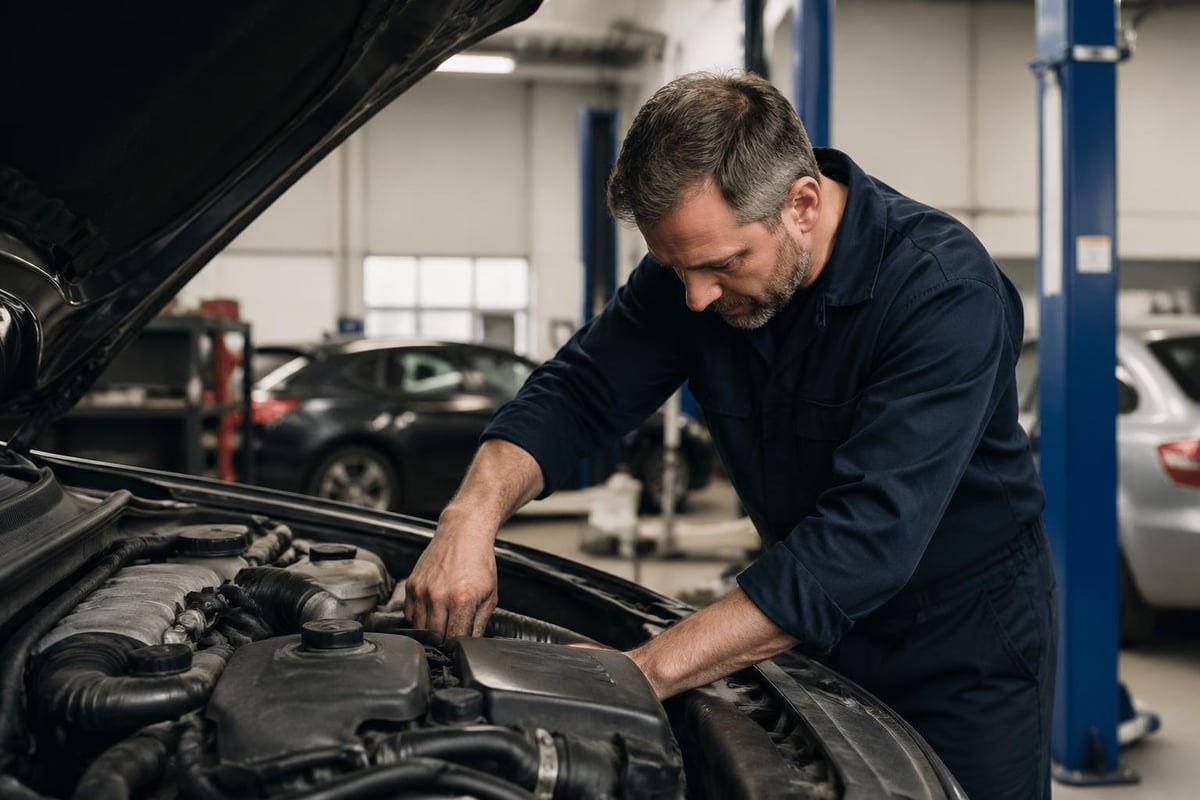
The European automotive industry faces significant transformation, with electrification and advanced driver assistance systems creating new service paradigms.
Hybrid and Electric Powertrains
European manufacturers have aggressively pursued electrification, introducing plug-in hybrid and fully electric models across their lineups. These vehicles introduce new service requirements and safety considerations.
Hybrid and electric vehicle maintenance differs significantly from conventional powertrains:
- High-voltage battery system inspections
- Electric motor cooling system service
- Brake system maintenance accounting for regenerative braking
- Software updates for battery management optimization
- Specialized safety procedures for technician protection
Proper european automotive repair for electrified vehicles requires additional training certifications and safety equipment investments. Not all service providers possess the necessary qualifications for high-voltage system work.
Advanced Driver Assistance Systems
Modern European vehicles incorporate sophisticated ADAS features requiring precise calibration and maintenance. Lane-keeping assistance, adaptive cruise control, and automated emergency braking all depend on properly functioning sensor arrays.
| ADAS Component | Service Requirement | Common Issues |
|---|---|---|
| Forward-facing cameras | Windshield replacement calibration | Misalignment after impacts |
| Radar sensors | Bumper cover alignment verification | Paint or debris interference |
| Side/rear cameras | Cleaning and adjustment | Blind spot system malfunctions |
| Ultrasonic sensors | Parking sensor calibration | False alerts or non-function |
Any repair involving these components mandates proper calibration using manufacturer-specified procedures. Attempting shortcuts compromises safety system effectiveness and potentially creates liability concerns.
Selecting the Right European Automotive Repair Provider
Choosing an appropriate service provider represents one of the most important decisions European vehicle owners make. The right partnership ensures reliable transportation and protects vehicle value.
Essential Qualifications and Capabilities
Professional european automotive repair facilities distinguish themselves through several key characteristics. Equipment investment demonstrates commitment to proper service delivery.
Critical facility attributes:
- Manufacturer-specific diagnostic equipment
- Ongoing technician training and certification
- Clean, organized workshop environment
- Transparent communication and pricing
- Comprehensive warranty on repairs
Experience matters significantly when working with European vehicles. Facilities specializing in these brands develop institutional knowledge that generic shops cannot match. Technicians familiar with common failure patterns diagnose issues more efficiently and accurately.
Communication and Customer Service
Technical expertise alone doesn't guarantee satisfaction. The best service providers excel at explaining complex issues in understandable terms and providing honest recommendations.
Look for shops that:
- Provide detailed written estimates before proceeding
- Contact you if additional work becomes necessary
- Explain the reasoning behind recommended services
- Respect your budget and timeline constraints
- Stand behind their work with comprehensive warranties
Building a long-term relationship with a trusted service provider yields benefits beyond individual repairs. Familiarity with your vehicle's history enables more accurate diagnostics and proactive maintenance recommendations.
Cost Considerations in European Vehicle Ownership
Understanding the financial aspects of european automotive repair helps owners budget appropriately and make informed decisions about vehicle ownership.
Comparative Operating Costs
European vehicles typically cost more to maintain than mainstream Asian or American brands. However, this premium reflects superior engineering, performance, and longevity when properly maintained.
Factors influencing ownership costs include:
- Premium parts pricing reflecting quality standards
- Specialized labor requiring higher skill levels
- More frequent service intervals for some models
- Advanced technology systems requiring updates
- Performance-oriented components with shorter lifespans
Smart owners view maintenance as an investment protecting vehicle value rather than merely an expense. Deferred maintenance creates compounding problems that ultimately cost significantly more than preventive care.
Value of Preventive Maintenance
The projected growth in the automotive repair market reflects increasing vehicle complexity and the corresponding need for professional service.
Preventive maintenance delivers measurable financial benefits:
- Prevents expensive breakdowns and towing costs
- Maintains fuel efficiency and performance
- Preserves resale or trade-in value
- Extends component lifespan through proper care
- Reduces likelihood of consequential damage
A well-maintained European vehicle with documented service history commands premium pricing in the used market, often recouping maintenance investments during resale.
Regional Considerations for Auckland Vehicle Owners
Local climate, driving conditions, and infrastructure influence european automotive repair requirements in specific regions like Auckland's North Shore.
Environmental Factors
Auckland's coastal environment introduces unique maintenance considerations. Salt air accelerates corrosion on brake components, suspension parts, and body panels. Regular undercarriage cleaning and protective treatments extend component life significantly.
Auckland-specific maintenance items:
- More frequent brake cleaning and lubrication
- Undercarriage inspection for corrosion
- Paint protection for coastal exposure
- Cooling system maintenance for varied temperatures
- Battery testing in humid conditions
Understanding these regional factors helps service providers tailor maintenance recommendations to local conditions rather than applying generic schedules.
Accessibility and Convenience
Selecting a conveniently located service provider reduces the inconvenience of maintenance appointments. Facilities offering shuttle service, loaner vehicles, or easy online booking demonstrate customer-focused operations.
Professional european automotive repair centers recognize that your time holds value. Efficient scheduling, accurate time estimates, and completion within promised timeframes reflect operational excellence and respect for customers.
European vehicle ownership delivers exceptional driving experiences, sophisticated technology, and lasting quality when supported by expert maintenance and repair. Understanding the specialized nature of these vehicles and their service requirements empowers owners to make informed decisions that protect their investments. VODIS Automobile brings over 20 years of specialized expertise to Volkswagen, Audi, Mercedes, BMW, and Skoda owners across Auckland's North Shore, combining factory-level diagnostic capabilities with transparent communication and genuine care for your vehicle's long-term reliability.