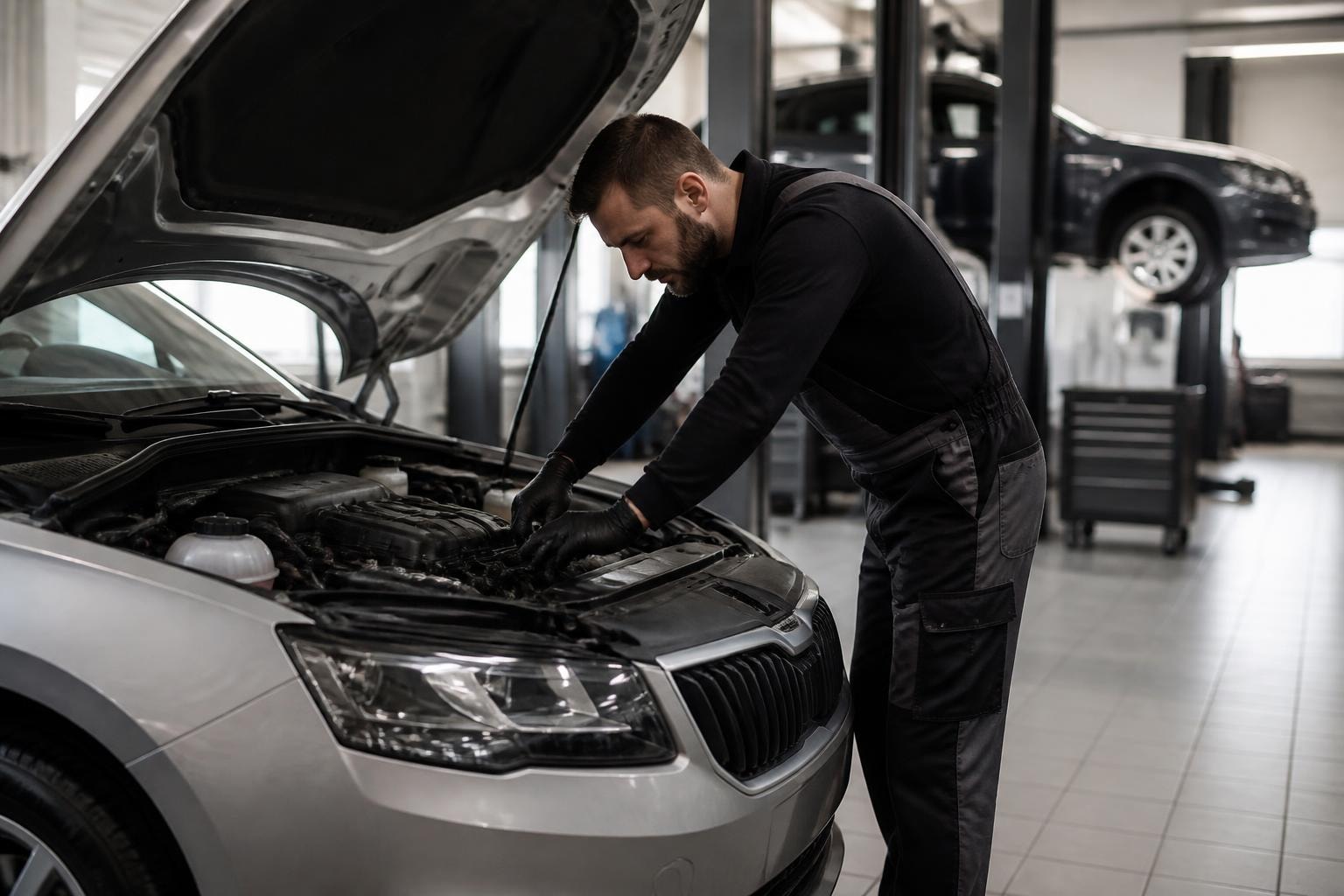

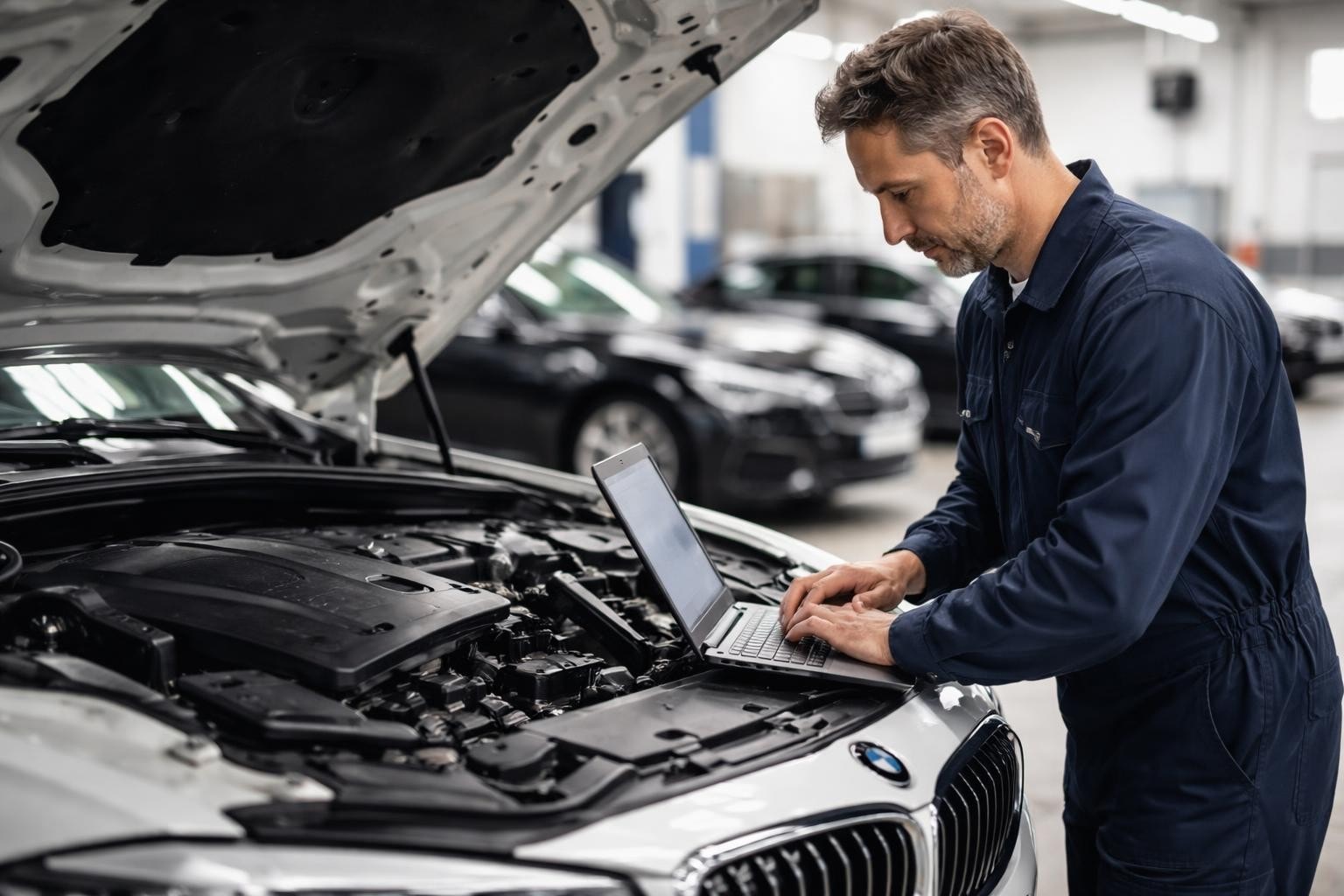
Finding reliable european car repairs near me has become increasingly important as European vehicles continue to gain popularity in New Zealand. These sophisticated machines require specialized knowledge, diagnostic equipment, and genuine parts to maintain their performance and longevity. Whether you drive a Volkswagen, Audi, Mercedes, BMW, or Skoda, understanding what sets European car service apart from general automotive repair can save you time, money, and frustration. This comprehensive guide explores everything you need to know about selecting the right service center for your European vehicle.
Why European Cars Require Specialized Repair Services
European manufacturers design vehicles with distinct engineering philosophies that differ substantially from Asian or American brands. German automakers, in particular, prioritize precision engineering, performance, and advanced technology integration. These characteristics demand technicians who understand the nuances of European vehicle systems.
The complexity of modern European cars extends far beyond basic mechanical components. Today's models feature intricate computer systems, multiple control modules, and proprietary software that requires manufacturer-specific diagnostic tools. A general mechanic might successfully change oil or replace brake pads, but diagnosing an electronic throttle control issue or recalibrating adaptive suspension systems requires specialized training.
Advanced Diagnostic Equipment Requirements
When searching for european car repairs near me, consider whether the facility has invested in brand-specific diagnostic equipment. BMW vehicles use different diagnostic protocols than Volkswagen models, and Mercedes requires unique software for proper fault code reading and system resets.
Essential diagnostic tools for European vehicle service include:
- Factory-level scan tools for reading manufacturer-specific fault codes
- Oscilloscopes for analyzing sensor signals and electrical systems
- Coding and programming equipment for module updates
- Alignment systems calibrated for European suspension geometry
- Specialized testers for advanced driver assistance systems (ADAS)
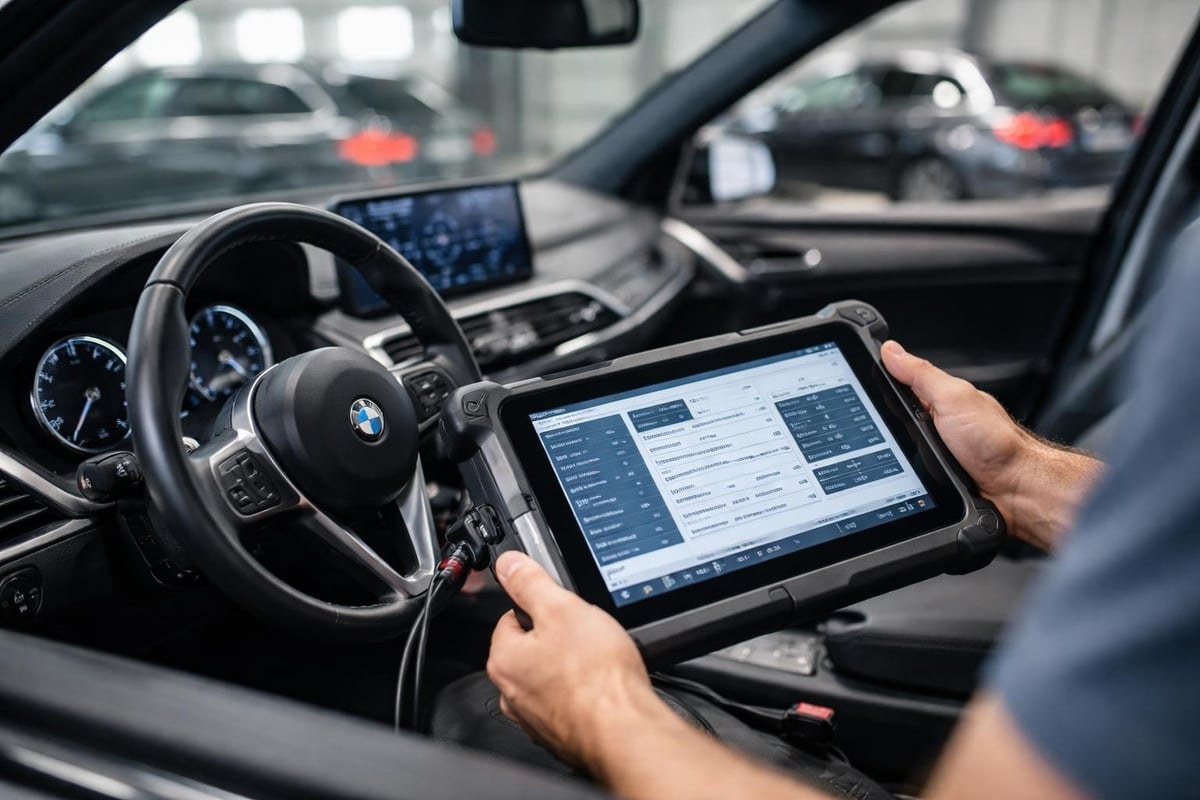
The difference in diagnostic capability directly impacts repair accuracy and efficiency. A shop without proper equipment may spend hours troubleshooting issues that specialized tools identify in minutes. This efficiency translates to lower labor costs and faster turnaround times for customers.
Common Repair Issues in European Vehicles
European cars experience distinct patterns of wear and mechanical challenges compared to other vehicle types. Understanding these common European car repairs helps owners anticipate maintenance needs and budget accordingly. Many issues stem from the high-performance nature of these vehicles rather than manufacturing defects.
Electrical System Complications
European vehicles integrate electrical components throughout every system, creating complex networks that control everything from engine management to interior lighting. This complexity occasionally leads to issues that require methodical diagnosis.
| Common Electrical Issue | Affected Models | Typical Cause |
|---|---|---|
| Battery drain | All European brands | Parasitic draw from modules |
| Warning light illumination | BMW, Audi, Mercedes | Sensor failures or software glitches |
| Window regulator failure | Volkswagen, Audi | Mechanical wear in lift mechanism |
| Central locking problems | All brands | Actuator or control module faults |
Water intrusion represents another frequent electrical concern, particularly in older models. The electrical problems in European cars often trace back to sunroof drains or windshield seals that allow moisture into sensitive electronic components. Professional european car repairs near me should include thorough inspections of these potential water entry points.
Engine and Turbocharger Concerns
Many European vehicles utilize turbocharged engines to maximize performance while maintaining fuel efficiency. These forced induction systems deliver impressive power but require regular maintenance to ensure longevity. Oil quality becomes critically important in turbocharged applications, as the turbocharger's bearings operate at extreme temperatures and speeds.
Key turbocharger maintenance considerations:
- Use only manufacturer-approved synthetic oil
- Follow recommended oil change intervals religiously
- Allow proper warm-up before aggressive driving
- Let the engine idle briefly before shutdown
- Inspect intercooler hoses for leaks regularly
The most common mechanical issues in European cars frequently involve cooling system components and ignition system wear. High-performance engines generate substantial heat, placing stress on water pumps, thermostats, and radiators. Regular coolant system inspections prevent catastrophic engine damage from overheating.
Suspension and Handling Systems
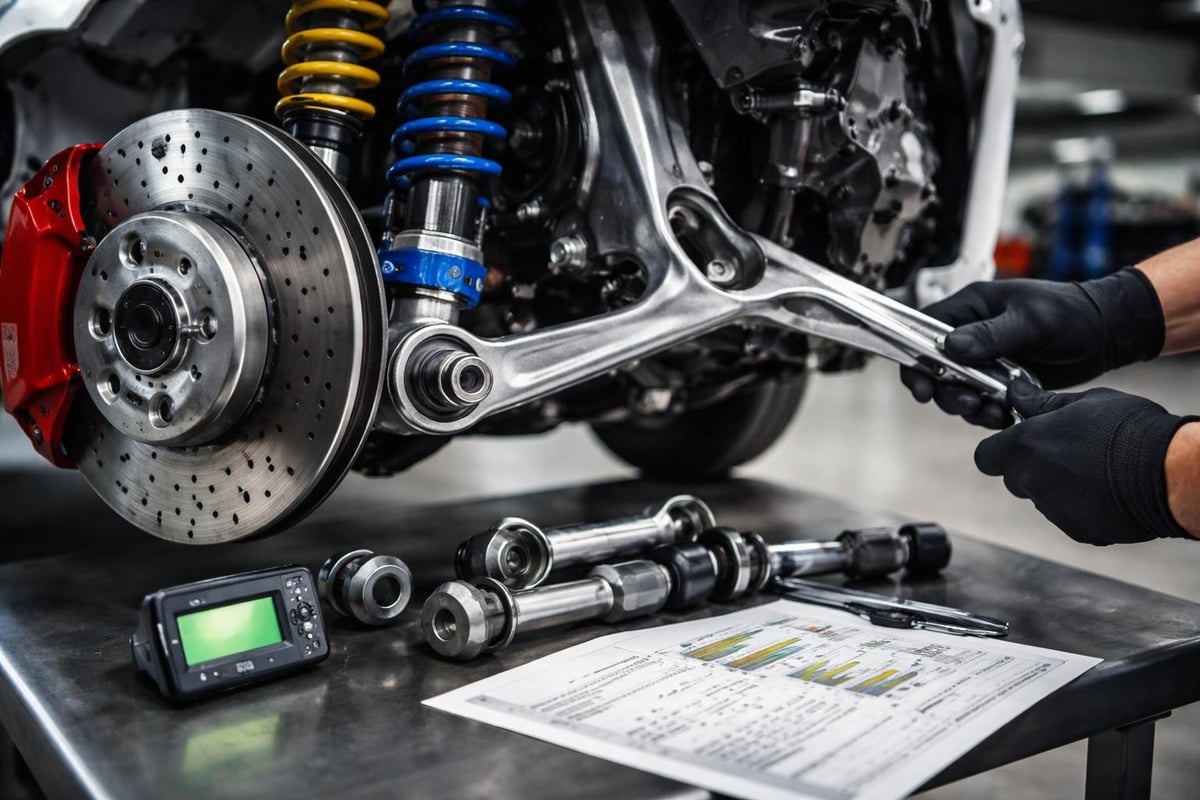
European manufacturers engineer suspension systems to deliver precise handling and responsive steering feel. This performance orientation sometimes comes at the expense of component longevity, particularly when vehicles encounter rough road conditions.
Air suspension systems, found in many premium European models, provide exceptional ride quality but require specialized service when problems arise. Compressor failures, air spring leaks, and control valve issues demand specific repair procedures that general mechanics may not understand.
Selecting the Right Service Center for European Car Repairs
The decision of where to service your European vehicle significantly impacts both the quality of work performed and your long-term ownership costs. While dealerships offer factory training and genuine parts, independent specialists often provide comparable expertise at more competitive pricing.
Evaluating Technical Expertise
When researching european car repairs near me, investigate the qualifications and experience of the technicians who will work on your vehicle. European car specialists typically invest heavily in ongoing training to stay current with evolving vehicle technology.
Questions to ask potential service providers:
- What certifications do your technicians hold?
- How many years have you specialized in European vehicles?
- Which specific brands do you service regularly?
- Do you have manufacturer-level diagnostic equipment?
- What warranty do you provide on repairs?
- Can you provide references from other European car owners?
Experience with your specific vehicle brand matters considerably. A shop that primarily services BMW vehicles may lack familiarity with Volkswagen Group-specific procedures, even though both represent German engineering. Look for facilities that demonstrate depth of knowledge in your particular make and model.
Parts Quality and Sourcing
The parts used in your European vehicle directly affect reliability, performance, and longevity. Three primary categories exist: genuine OEM parts, OEM equivalent parts, and aftermarket alternatives. Each category serves different customer needs and budget considerations.
| Part Category | Quality Level | Price Point | Best For |
|---|---|---|---|
| Genuine OEM | Factory specification | Highest | Critical systems, warranty preservation |
| OEM Equivalent | Matches OEM standards | Moderate | Most repairs, good value |
| Aftermarket | Variable quality | Lowest to moderate | Non-critical components |
Reputable shops specializing in european car repairs near me maintain relationships with quality parts suppliers and can explain the differences between options. They should provide transparent pricing and allow you to choose based on your priorities and budget.
Maintenance Schedules and Preventive Care
European manufacturers publish detailed maintenance schedules designed to maximize vehicle longevity and performance. These schedules differ significantly from Japanese or American brands, often requiring more frequent service intervals for certain components.
Oil Change Intervals and Specifications
Modern European engines use advanced synthetic oils formulated to meet strict manufacturer specifications. BMW requires oils meeting Longlife-01 or Longlife-04 standards, while Volkswagen Group vehicles need oils approved under VW 502.00 or VW 504.00 specifications.
Extended oil change intervals, sometimes reaching 15,000 to 20,000 kilometers, became popular with European manufacturers. However, many experienced technicians recommend shorter intervals, particularly for vehicles used in stop-and-go traffic or short-trip driving conditions. These usage patterns represent severe service conditions that accelerate oil degradation.
Timing Belt Replacement and Engine Protection
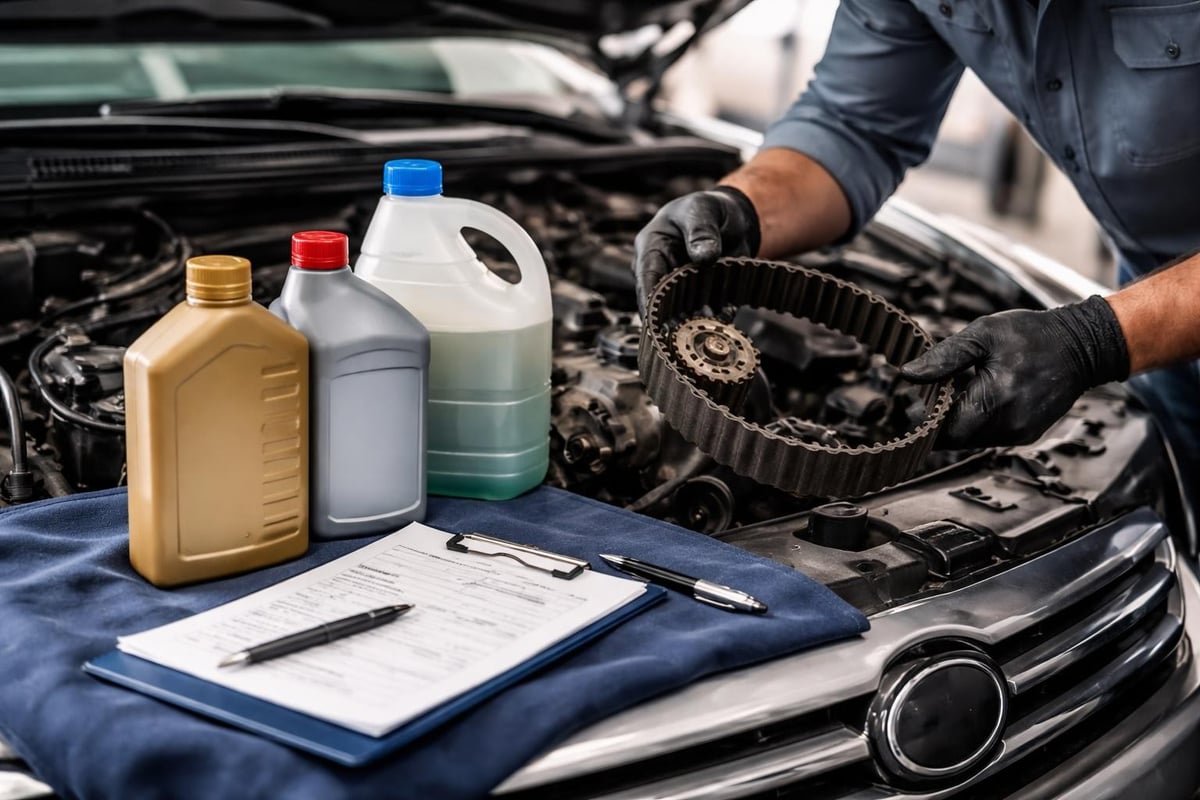
Many European vehicles use timing belts rather than chains, requiring periodic replacement to prevent catastrophic engine damage. Volkswagen and Audi models particularly rely on belt-driven timing systems. Replacement intervals typically fall between 90,000 and 180,000 kilometers, depending on the specific engine.
Critical timing belt service components:
- Timing belt itself
- Tensioner and idler pulleys
- Water pump (often driven by timing belt)
- Camshaft and crankshaft seals
- Accessory drive belts
Neglecting timing belt replacement ranks among the costliest mistakes European car owners make. When a timing belt fails on an interference engine, pistons strike valves, resulting in extensive internal damage requiring complete engine rebuilding or replacement. Quality european car repairs near me include proactive timing belt service recommendations based on vehicle history and mileage.
Cost Considerations for European Vehicle Ownership
Understanding the financial aspects of European car ownership helps set realistic expectations and budget appropriately. While these vehicles often cost more to maintain than mainstream Asian brands, proper preventive maintenance minimizes unexpected repair expenses.
Comparing Service Costs
European vehicle service typically costs 20-40% more than comparable Japanese or Korean models. This premium reflects specialized labor expertise, expensive diagnostic equipment, and higher parts costs. However, the gap narrows considerably when comparing independent specialists to dealership pricing.
Independent shops specializing in european car repairs near me often charge 30-50% less than franchised dealerships while maintaining comparable service quality. They achieve these savings through lower overhead costs and more competitive parts sourcing while still using quality components.
Budget Planning for Ownership
Smart European car owners budget for regular maintenance rather than treating service as an unexpected expense. A realistic annual maintenance budget varies by vehicle age and model but typically ranges from $1,500 to $3,500 for vehicles outside warranty coverage.
Annual maintenance budget components:
- Regular oil and filter changes (2-3 per year)
- Brake fluid replacement (every 2 years)
- Cabin and engine air filters
- Tire rotation and alignment
- Brake pad and rotor replacement
- Miscellaneous wear items and inspections
Setting aside funds monthly for scheduled maintenance prevents financial stress when service becomes due. Additionally, establishing a relationship with a trusted service provider allows for better planning and potentially more favorable pricing on major services.
The Value of Specialized European Car Service
Choosing specialized European auto repair shops provides numerous advantages beyond simple mechanical competence. These facilities understand the ownership experience and can offer insights that enhance both vehicle performance and ownership satisfaction.
Performance Optimization and Enhancement
European vehicles offer significant potential for performance tuning and optimization. Specialized shops can safely extract additional power through ECU remapping, upgraded exhaust systems, and suspension modifications. They understand which enhancements complement your vehicle's engineering rather than compromising reliability.
Beyond performance modifications, specialists can optimize existing systems for better efficiency. Throttle body cleaning, intake system service, and fuel injection maintenance restore factory performance levels that gradually diminish over time. These services keep your European vehicle feeling responsive and powerful.
Long-Term Relationship Benefits
Developing an ongoing relationship with a quality service provider creates multiple benefits. Consistent service at one location builds a detailed service history that helps technicians identify developing problems early. They become familiar with your specific vehicle's quirks and can spot abnormal conditions quickly.
Regular customers often receive priority scheduling, particularly for urgent repairs. Service centers value loyal clients and frequently offer preferential treatment when appointment availability becomes limited. This relationship proves invaluable when you need immediate attention for unexpected breakdowns.
Identifying Red Flags in Service Providers
Not all shops claiming to specialize in European vehicles possess the expertise and equipment necessary for proper service. Learning to recognize warning signs helps avoid poor service experiences and potentially damaging repairs.
Warning Signs to Watch For
Several indicators suggest a shop may lack the specialization required for quality European vehicle service. Generic diagnostic equipment represents a significant red flag, as does unwillingness to explain repair procedures in detail. Professional technicians take pride in their expertise and gladly share knowledge with customers.
Concerning practices that suggest inadequate expertise:
- Recommending flush services for sealed lifetime components
- Using non-approved fluids or parts without explaining differences
- Inability to provide specific diagnostic fault codes
- Pressuring immediate repairs without proper explanation
- Quoting repairs before performing diagnostic procedures
- Lacking knowledge about your specific vehicle model
When considering european car repairs near me, trust your instincts about professionalism and transparency. Quality service providers communicate clearly, provide detailed estimates, and welcome questions about recommended services. They understand informed customers make better decisions about vehicle care.
Verifying Credentials and Experience
Request evidence of technician certifications and training completion. Many independent specialists display certificates prominently in customer areas. Ask about their experience with your specific vehicle brand and whether they attend ongoing training programs.
Online reviews provide valuable insights into customer satisfaction and service quality. Look for patterns in feedback rather than focusing on isolated complaints. Consistent praise for communication, transparency, and technical expertise indicates a reliable service provider. Conversely, repeated complaints about unnecessary repairs or poor communication suggest problems.
Technology Integration in Modern European Vehicles
The latest European vehicles incorporate unprecedented levels of technology, from advanced driver assistance systems to connected vehicle platforms. These innovations require service providers to continuously update their knowledge and equipment capabilities.
Advanced Driver Assistance Systems (ADAS)
Modern European cars feature sophisticated safety systems including adaptive cruise control, lane keeping assistance, and automatic emergency braking. These systems rely on cameras, radar sensors, and ultrasonic detectors that require precise calibration after certain repairs or even windshield replacement.
Finding european car repairs near me with ADAS calibration capability becomes essential for newer vehicles. Improper calibration can render safety systems ineffective or cause false activations that diminish driving enjoyment. Specialized equipment and manufacturer procedures ensure these systems function as designed.
Software Updates and Programming
European vehicles increasingly rely on software to control vehicle functions and optimize performance. Manufacturers regularly release updates addressing bugs, improving efficiency, or enhancing features. Service centers with factory-level access can install these updates during routine maintenance visits.
Some common mechanical faults in European cars actually stem from outdated software rather than physical component failures. Updating control module software often resolves seemingly complex issues without parts replacement. This diagnostic approach saves customers money while properly addressing the root cause.
Preparing for Your Service Appointment
Maximizing the value of your service visit requires preparation and clear communication with your service provider. Organized information helps technicians diagnose problems efficiently and ensures all concerns receive attention.
Documenting Symptoms and Concerns
Before scheduling european car repairs near me, document any unusual symptoms your vehicle exhibits. Note when problems occur, under what conditions, and whether they happen consistently or intermittently. This information proves invaluable for diagnostic procedures.
Important details to record:
- Specific symptoms (noises, vibrations, warning lights)
- When the problem first appeared
- Driving conditions when it occurs
- Any recent changes or previous repairs
- Mileage and service history since last visit
Taking videos of unusual noises or behaviors can help technicians understand intermittent problems that may not appear during test drives. Modern smartphones make capturing these symptoms simple and provide clear evidence of concerns.
Questions to Ask Your Service Advisor
Effective communication with your service advisor ensures mutual understanding and appropriate service recommendations. Don't hesitate to request clarification about recommended services or repair procedures. Quality facilities welcome informed customers who take active interest in their vehicle's care.
Understanding why specific services are recommended helps evaluate their urgency and importance. Some maintenance items follow strict schedules, while others depend on inspection findings. Your service advisor should explain the consequences of deferring recommended services and help prioritize based on your budget and vehicle usage.
You can easily book your European vehicle service online with many modern service centers, streamlining the appointment process and allowing you to select convenient times that fit your schedule.
Maintaining your European vehicle requires specialized knowledge, proper equipment, and commitment to quality service that preserves the engineering excellence these vehicles represent. Whether you drive a Volkswagen, Audi, Mercedes, BMW, or Skoda, selecting the right service provider directly impacts your ownership experience and vehicle longevity. VODIS Automobile brings over 20 years of specialized European vehicle expertise to Auckland's North Shore, offering independent service that matches dealership quality without the premium pricing. Their highly skilled team understands the unique requirements of European cars and delivers the professional, reliable service your vehicle deserves.