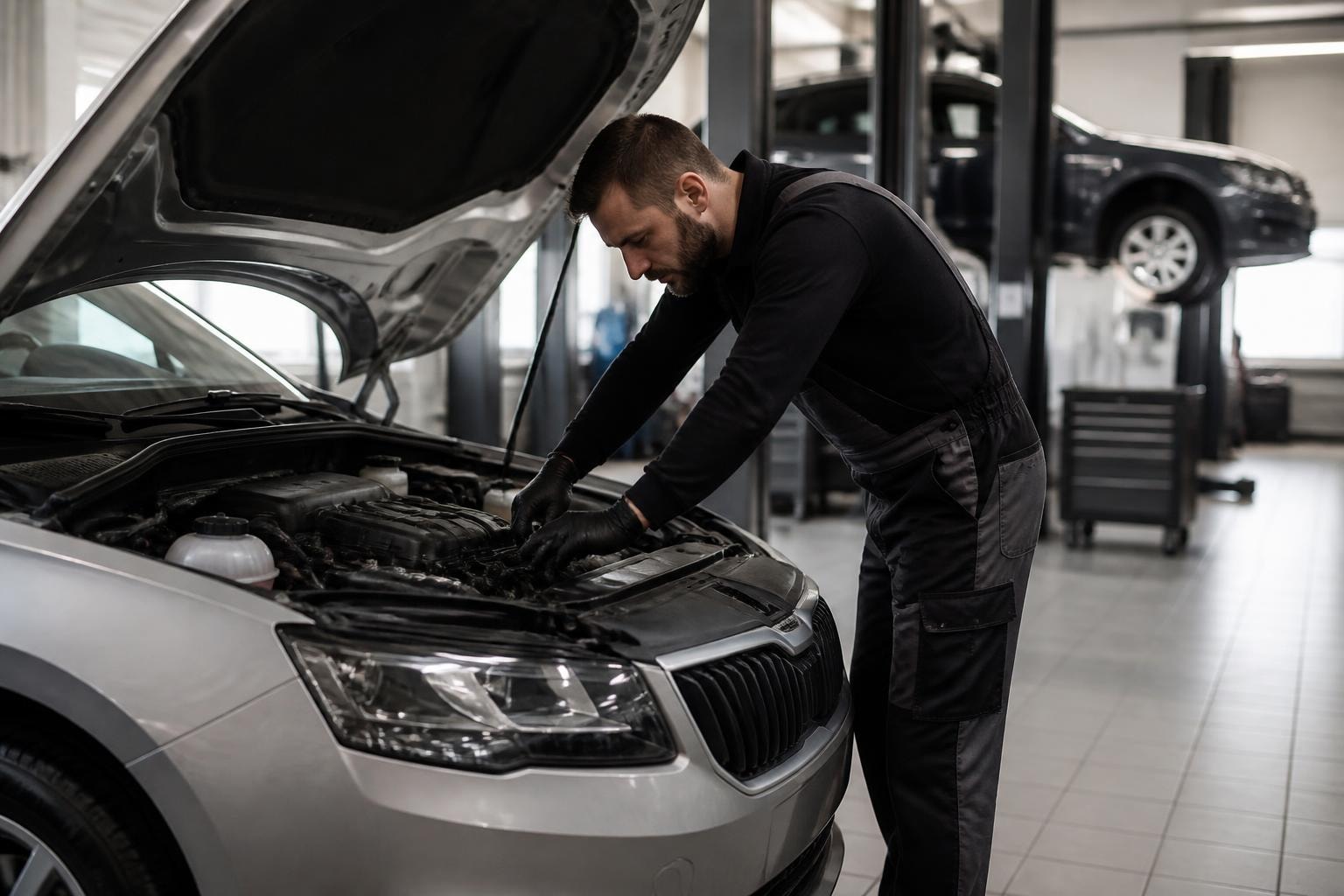

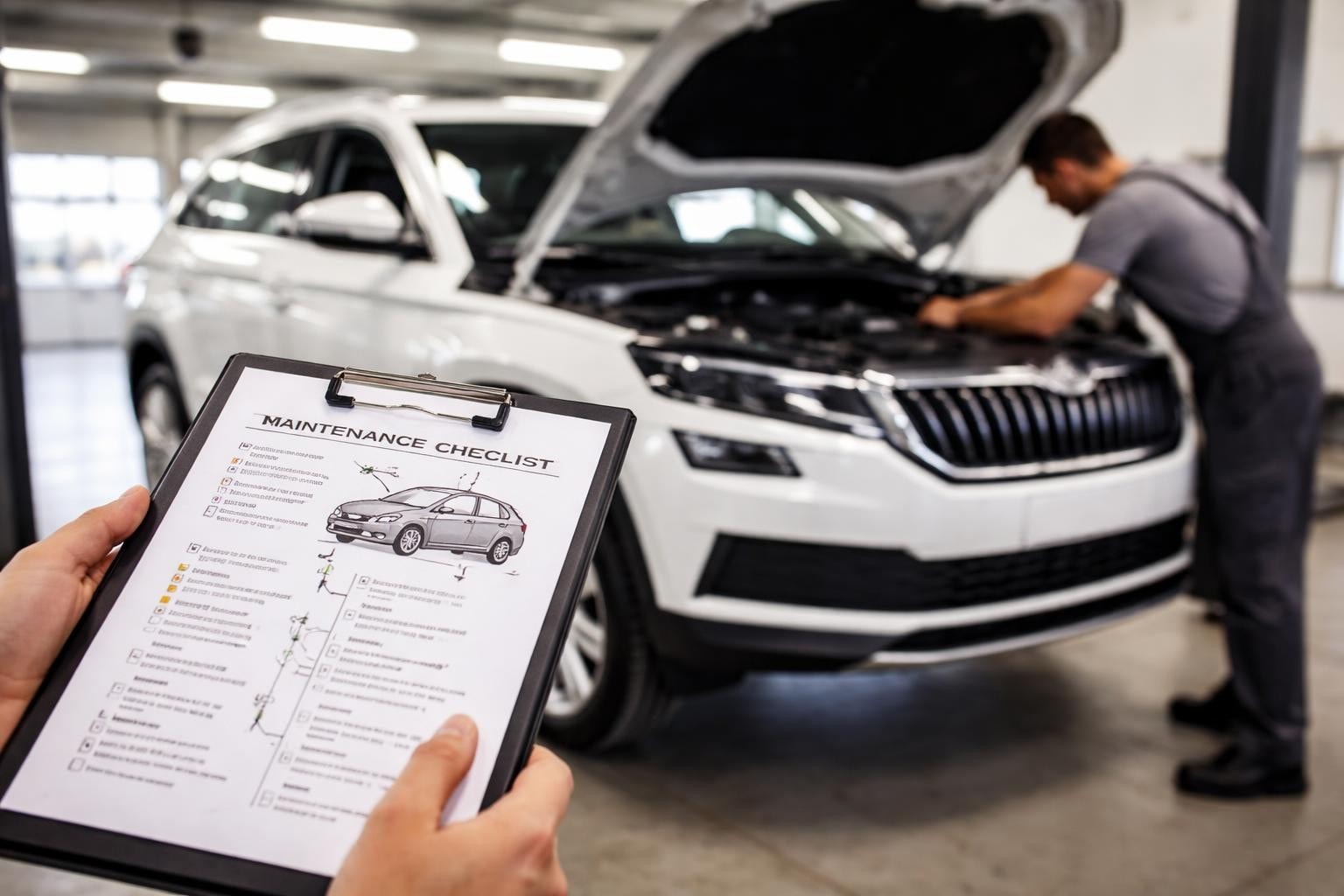
Maintaining your Skoda vehicle requires more than just filling the tank and checking tire pressure. Regular professional servicing ensures your European automobile continues delivering the reliability, performance, and fuel efficiency that attracted you to the brand initially. Whether you drive a Fabia, Octavia, Superb, or Kodiaq, understanding the specific maintenance requirements and service intervals helps protect your investment while keeping your vehicle operating at peak performance. This comprehensive guide explores everything you need to know about keeping your Skoda in exceptional condition through proper servicing and maintenance practices.
Understanding Skoda Service Intervals and Requirements
Modern Skoda vehicles operate on sophisticated computer systems that monitor engine performance, fluid levels, and component wear. These systems provide alerts when your vehicle requires attention, but understanding the baseline service intervals ensures you never miss critical maintenance.
Standard Service Schedule for Skoda Vehicles
Most Skoda models require servicing annually or every 15,000 kilometers, whichever comes first. This interval applies to petrol and diesel engines, though specific requirements vary based on your driving conditions and vehicle usage patterns.
Key factors influencing service frequency:
- Daily short-distance driving (under 10 kilometers per trip)
- Frequent cold-weather starts
- Mountainous or hilly terrain navigation
- Dusty or dirty road conditions
- Trailer towing or heavy load hauling
Vehicles experiencing these conditions may require more frequent attention despite lower kilometer readings. The regular maintenance schedule recommended by Skoda ensures optimal performance across all driving conditions.
Minor Service vs. Major Service
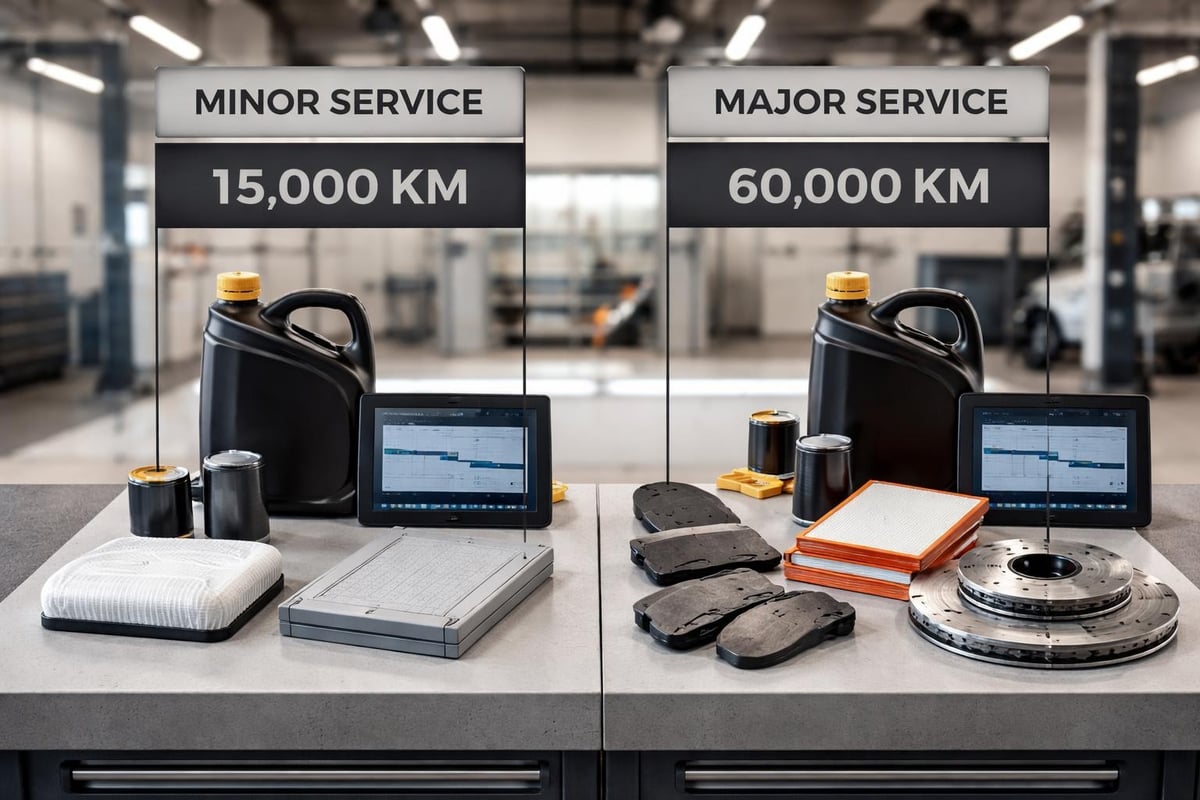
Skoda distinguishes between two primary service categories, each addressing different maintenance needs. Understanding these differences helps you budget appropriately and know what to expect during each visit.
| Service Type | Frequency | Primary Components | Estimated Duration |
|---|---|---|---|
| Minor Service | Annually or 15,000 km | Oil, filters, inspection | 1-2 hours |
| Major Service | Every 2 years or 30,000 km | Comprehensive inspection, fluids, filters | 2-4 hours |
| Intermediate | 45,000 km, 75,000 km | Extended component checks | 2-3 hours |
| Major Extended | 60,000 km, 90,000 km | Full system overhaul | 3-5 hours |
What Happens During a Minor Skoda Car Service
The Minor Service forms the foundation of preventative maintenance for your vehicle. This annual inspection catches developing issues before they become expensive repairs while ensuring all essential systems function correctly.
During a minor service, qualified technicians perform several critical tasks. They begin with a comprehensive digital diagnostic scan, connecting sophisticated computer equipment to your vehicle's onboard systems. This scan reveals fault codes, sensor readings, and potential issues invisible during visual inspection.
Minor service checklist includes:
- Engine oil and filter replacement using manufacturer-approved lubricants
- Brake system inspection covering pads, discs, fluid, and lines
- Tire condition assessment including tread depth and pressure adjustment
- Lights, indicators, and electrical system verification
- Windscreen washer and coolant level checks
- Battery health testing and terminal cleaning
- Suspension component inspection for wear or damage
- Exhaust system examination for leaks or corrosion
The service includes a comprehensive road test where technicians assess steering response, brake performance, unusual noises, and overall driveability. This hands-on evaluation often reveals issues that computerized diagnostics miss.
Fluid Checks and Replacements
Proper fluid maintenance extends component life significantly. During skoda car service appointments, technicians verify fluid levels and condition across multiple systems. Engine oil receives particular attention, with synthetic options providing superior protection in modern engines.
Brake fluid requires replacement every two years regardless of kilometer readings because it absorbs moisture over time. Contaminated brake fluid reduces braking efficiency and can damage expensive ABS components. Coolant similarly degrades, losing its ability to prevent corrosion and maintain proper operating temperatures.
Comprehensive Major Service Requirements
When your Skoda reaches 30,000 kilometers or two years of ownership, the Major Service becomes necessary. This extensive maintenance procedure addresses components requiring less frequent attention while performing all minor service tasks.
Major service appointments typically require extended shop time because technicians inspect and service significantly more components. The thorough nature of this service makes it invaluable for maintaining long-term reliability.
Additional Components in Major Service
Beyond the minor service checklist, major servicing includes several additional procedures:
- Air filter replacement – Ensures optimal engine breathing and fuel economy
- Cabin pollen filter replacement – Maintains air quality and HVAC efficiency
- Spark plug inspection or replacement – Critical for smooth running and emissions
- Fuel filter service – Prevents contamination from reaching injection systems
- Transmission fluid check – Ensures smooth gear changes and drivetrain longevity
- Timing belt inspection – Prevents catastrophic engine damage from belt failure
- Differential service – Maintains all-wheel drive and quattro systems
- Brake fluid replacement – Ensures consistent braking performance
Many major service appointments reveal components approaching their service life. Experienced technicians identify these items and provide recommendations for future maintenance, allowing you to budget accordingly rather than facing unexpected repair costs.
Electric Vehicle Service Considerations
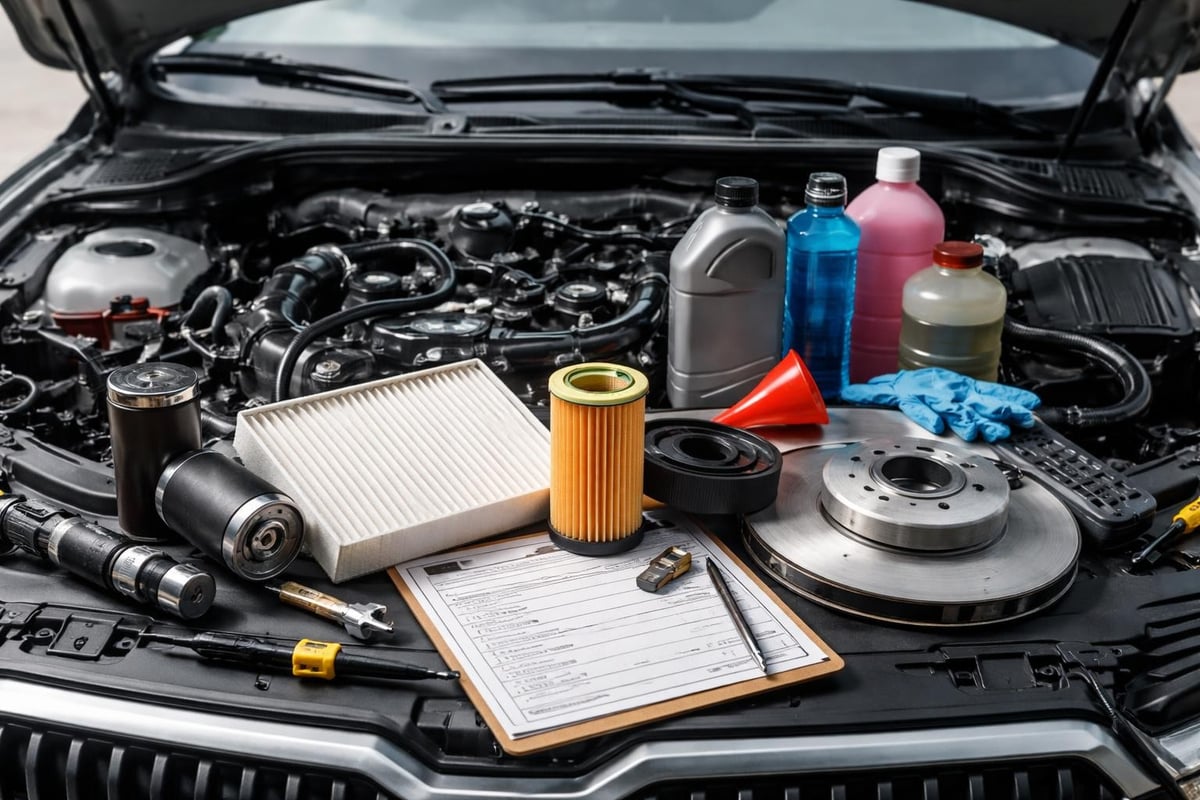
Skoda's electric and hybrid models require specialized EV maintenance approaches. While electric vehicles contain fewer moving parts than conventional engines, they demand unique expertise and equipment during servicing.
Battery System Maintenance
The high-voltage battery forms your electric Skoda's heart, requiring regular health assessments. Technicians measure individual cell voltages, check cooling system efficiency, and verify software calibration. These procedures require specialized training and equipment unavailable at general mechanics.
Electric vehicle service includes:
- Battery pack thermal management system inspection
- High-voltage electrical connection verification
- Regenerative braking system calibration
- Electric motor bearing and seal inspection
- Onboard charger functionality testing
- DC fast charging capability assessment
Tips for EV care emphasize the importance of maintaining service schedules despite reduced maintenance requirements. Software updates delivered during service appointments often improve range, charging speed, and safety features.
Conventional Service Items Still Required
Electric Skoda models still require attention to many conventional components. Brake systems, suspension components, tires, and cabin systems need regular maintenance regardless of propulsion type. The regenerative braking system actually reduces brake wear significantly, but components still require inspection to ensure safety.
Benefits of Professional Skoda Car Service
Choosing qualified technicians for your skoda car service provides advantages extending beyond basic maintenance. Professional service centers invest in manufacturer-specific diagnostic equipment, training programs, and genuine replacement parts.
Warranty Protection and Service History
Maintaining proper service records protects your vehicle's warranty coverage and resale value. Comprehensive service history demonstrates responsible ownership, significantly impacting resale prices when you upgrade. Potential buyers pay premium prices for well-maintained vehicles with documented service records.
Documentation should include:
- Service dates and kilometer readings
- Parts replaced with part numbers
- Fluids used and specifications
- Diagnostic findings and repairs completed
- Technician certifications and qualifications
Professional service centers provide detailed documentation for every visit, creating a complete maintenance history. This paperwork proves invaluable if warranty claims arise or recalls affect your vehicle.
| Maintenance Approach | Resale Value Impact | Warranty Protection | Reliability Rating |
|---|---|---|---|
| Authorized Service Center | Highest (+15-20%) | Full Coverage | Excellent |
| Independent Specialist | High (+10-15%) | Generally Protected | Very Good |
| General Mechanic | Moderate (+5%) | May Void Certain Claims | Good |
| DIY Only | Lowest (0-5%) | Often Voided | Variable |
Access to Technical Service Bulletins
Manufacturers regularly issue technical service bulletins addressing known issues, software updates, and improved repair procedures. Professional technicians receive these bulletins and apply updated procedures during routine maintenance. This insider knowledge prevents recurring problems and ensures repairs use the latest approved methods.

Common Skoda Maintenance Issues and Solutions
Understanding common maintenance items specific to Skoda vehicles helps owners anticipate service needs. While Skoda builds reliable vehicles, certain components require attention at predictable intervals.
DSG Transmission Service
Dual-clutch transmissions deliver exceptional performance but require specialized maintenance. DSG fluid and filter changes at 60,000 kilometer intervals prevent expensive transmission failures. This service requires specific tools and procedures that general mechanics often lack.
Timing Belt Replacement
Many Skoda engines use timing belts rather than chains, necessitating replacement between 90,000 and 120,000 kilometers depending on engine type. Belt failure causes catastrophic engine damage, making timely replacement essential. Professional service centers track these intervals and notify owners when replacement approaches.
DPF Maintenance for Diesel Models
Diesel particulate filters require regular regeneration cycles to prevent clogging. Short-distance driving prevents proper regeneration, leading to expensive DPF replacement. Regular highway driving combined with professional skoda car service keeps DPF systems functioning correctly.
Choosing the Right Service Provider
Selecting appropriate service facilities significantly impacts maintenance quality and costs. Several factors deserve consideration when choosing where to service your Skoda vehicle.
Qualifications and Equipment
Qualified technicians receive manufacturer-specific training covering your vehicle's systems, common issues, and proper repair procedures. Modern diagnostic equipment communicates with vehicle computers, enabling accurate fault identification and system calibration. Independent specialists often invest in this equipment to provide dealership-quality service at competitive prices.
Questions to ask potential service providers:
- What manufacturer certifications do your technicians hold?
- Do you use genuine Skoda parts or approved equivalents?
- What diagnostic equipment do you maintain for European vehicles?
- Can you provide customer references for Skoda servicing?
- How do you handle warranty-related repairs?
Cost Transparency and Communication
Professional service centers provide detailed estimates before beginning work and communicate if additional issues arise. This transparency allows informed decisions about repair priorities and budget management. Booking systems like VODIS online booking streamline appointment scheduling and service coordination.
Advanced Diagnostic Capabilities
Modern Skoda vehicles contain sophisticated computer systems managing engine performance, safety features, and comfort systems. Proper diagnosis requires equipment capable of communicating with multiple control modules simultaneously.
Computerized System Integration
Today's vehicles integrate dozens of computer modules controlling everything from adaptive cruise control to automatic emergency braking. When one system malfunctions, it often affects others through shared data networks. Professional diagnostics identify root causes rather than simply addressing symptoms.
Technicians analyze sensor data streams, monitor real-time system performance, and compare readings against manufacturer specifications. This analytical approach reveals intermittent faults that evade basic code readers available to general mechanics.
Software Updates and Calibrations
Manufacturers continuously improve vehicle software, addressing performance issues, enhancing fuel economy, and adding features. The comprehensive service offerings from authorized centers include these updates, keeping your vehicle current with latest improvements.
Software calibrations become necessary after replacing sensors, control modules, or safety system components. Proper calibration ensures systems communicate correctly and function as designed. Incorrect calibration compromises safety features and may trigger warning lights.
Seasonal Service Considerations
Different seasons impose unique demands on your Skoda vehicle. Preparing for seasonal changes through targeted maintenance prevents breakdowns and ensures comfortable, safe operation year-round.
Winter Preparation
Cold weather affects batteries, fluids, tires, and heating systems. Pre-winter servicing should verify battery health, coolant concentration, windscreen washer antifreeze levels, and heater operation. Tire tread depth becomes critical in wet or icy conditions, making inspection essential before winter arrives.
Summer Readiness
High temperatures stress cooling systems, air conditioning, and batteries differently than cold weather. Technicians verify cooling system capacity, check air conditioning refrigerant levels, and test battery charging systems during summer preparation services.
Long-Term Maintenance Planning
Strategic maintenance planning reduces ownership costs while preventing unexpected breakdowns. Understanding upcoming service requirements allows budget allocation and prevents surprise expenses.
Major Component Replacement Schedule
Certain components require replacement at predictable intervals regardless of apparent condition. Timing belts, water pumps, brake fluid, coolant, and transmission fluid all have recommended replacement schedules. Planning these services together reduces labor costs by combining related procedures.
Typical replacement intervals:
- Timing belt: 90,000-120,000 km
- Water pump: 90,000-120,000 km (often with timing belt)
- Brake fluid: Every 2 years
- Coolant: Every 5 years or 150,000 km
- Transmission fluid: 60,000 km (DSG), 90,000 km (manual)
- Spark plugs: 60,000-90,000 km
Service History Value Protection
Maintaining complete service records significantly impacts resale value. Prospective buyers pay premium prices for vehicles demonstrating consistent professional maintenance. Digital service records through qualified service centers provide verifiable documentation that increases buyer confidence.
Parts Quality and Compatibility
Replacement parts significantly affect service quality and long-term reliability. Understanding options helps make informed decisions balancing cost and quality considerations.
Genuine Parts vs. Aftermarket Options
Genuine Skoda parts meet exact manufacturer specifications and include warranty coverage. Aftermarket alternatives vary widely in quality, with premium brands matching genuine parts at lower prices while budget options compromise performance or durability.
Professional service centers recommend appropriate parts based on vehicle age, intended ownership duration, and budget constraints. New vehicles under warranty typically require genuine parts to maintain coverage, while older vehicles may benefit from quality aftermarket alternatives.
Part Quality Impact on Performance
Inferior parts affect more than just the replaced component. Poor-quality brake pads create excessive dust and noise while reducing stopping power. Cheap air filters restrict airflow, reducing fuel economy and power output. Quality parts maintain vehicle performance as the manufacturer intended.
Service Records and Digital Documentation
Modern service documentation extends beyond paper receipts. Digital records provide comprehensive maintenance history accessible from anywhere, protecting your investment and simplifying warranty claims.
Electronic Service History Benefits
Digital service books track every maintenance procedure, parts replacement, and diagnostic finding throughout your vehicle's life. This centralized information proves invaluable during warranty claims, recall notifications, and resale negotiations.
Digital records typically include:
- Complete service dates and kilometer readings
- Detailed descriptions of work performed
- Parts used with manufacturer part numbers
- Diagnostic scan results and fault codes
- Technician notes and recommendations
- Photographic documentation of worn components
Transfer Value During Resale
Comprehensive service history increases resale value by providing verifiable proof of proper maintenance. Buyers pay premium prices knowing the vehicle received professional care throughout its life. Missing service records create uncertainty, reducing buyer confidence and negotiating power.
Regular professional servicing protects your Skoda investment while ensuring reliable, safe operation for years to come. Understanding service intervals, maintenance requirements, and the value of qualified technicians helps you make informed decisions about your vehicle's care. For expert skoda car service on Auckland's North Shore, VODIS Automobile provides specialized European vehicle maintenance with over 20 years of trusted service, combining manufacturer-level expertise with personalized attention and competitive pricing that keeps your Skoda performing at its best.