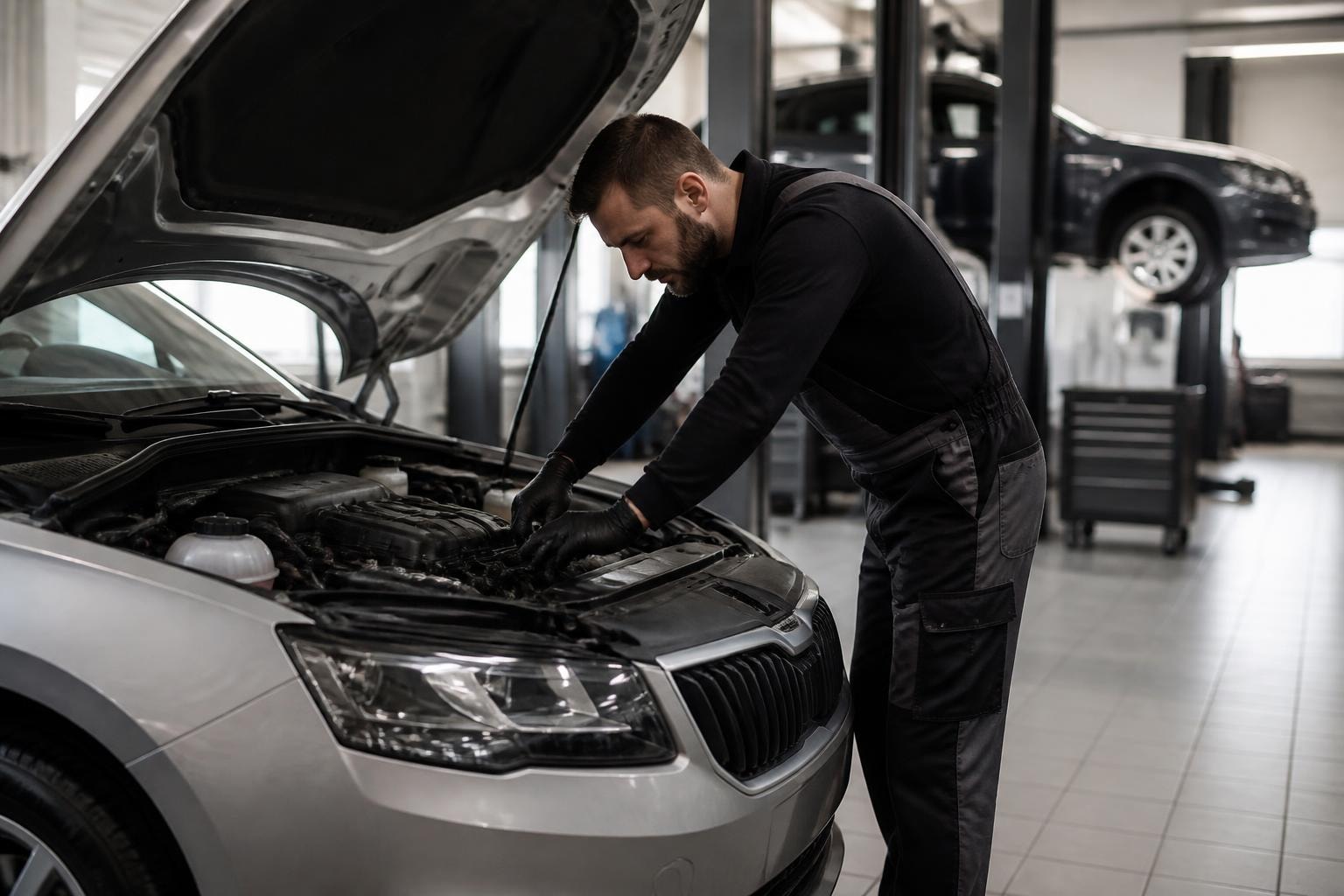

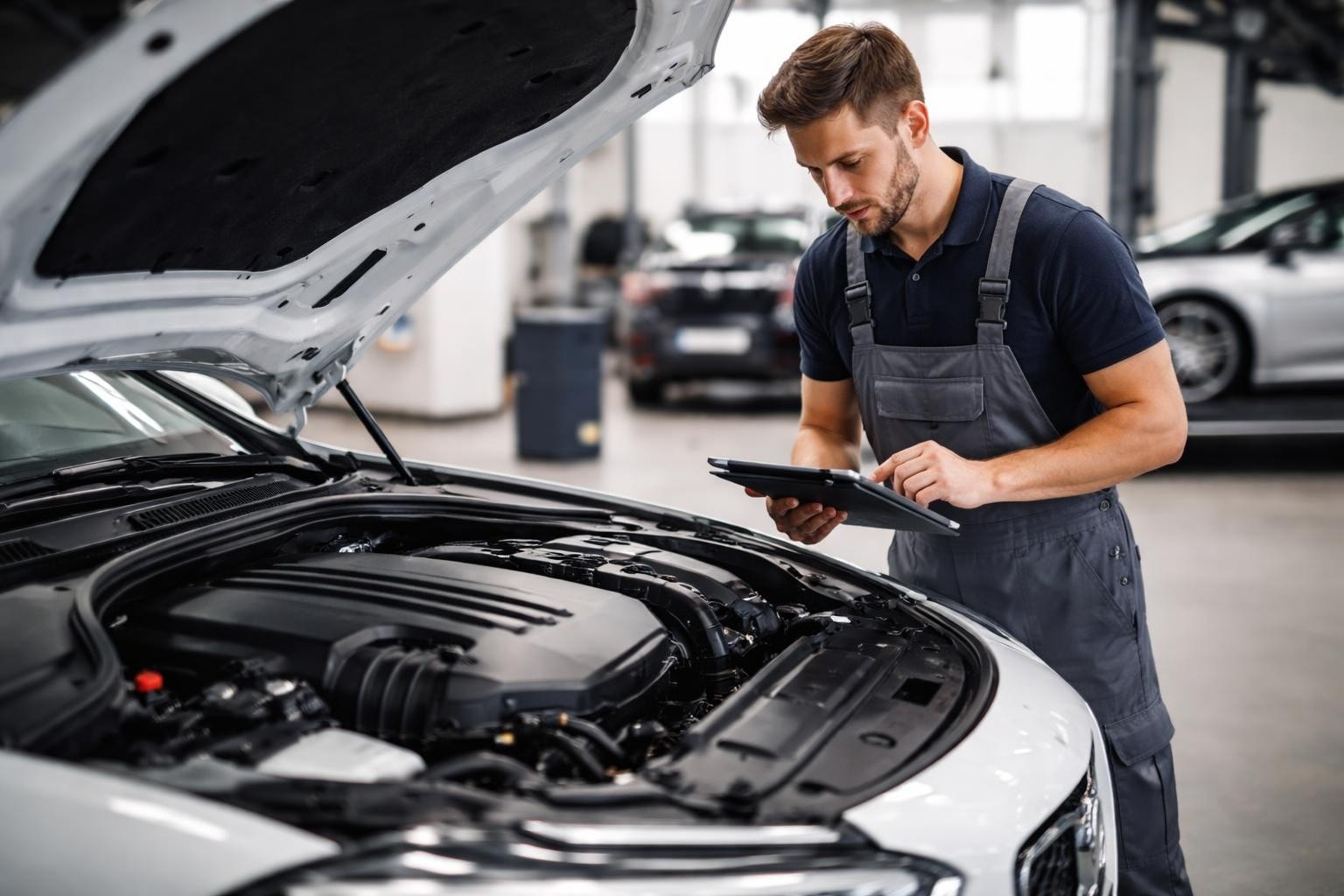
European vehicles like Volkswagen, Audi, Mercedes, BMW, and Skoda represent significant investments that demand specialized care and attention. Quality vehicle servicing goes far beyond simple oil changes, encompassing comprehensive diagnostics, preventive maintenance, and expert technical knowledge specific to European automotive engineering. For North Shore Auckland residents who drive these sophisticated machines, understanding the true value of professional servicing can mean the difference between years of reliable performance and costly unexpected repairs. The complexity of modern European vehicles requires technicians who understand their unique systems, from advanced engine management to intricate electrical architectures.
Understanding What Quality Vehicle Servicing Really Means
Quality vehicle servicing encompasses a holistic approach to automotive care that prioritizes long-term reliability, safety, and performance optimization. Unlike basic maintenance that simply checks boxes on a service list, comprehensive quality servicing involves detailed diagnostics, component-specific expertise, and preventive strategies tailored to your vehicle's manufacturer specifications.
The Core Components of Professional Service
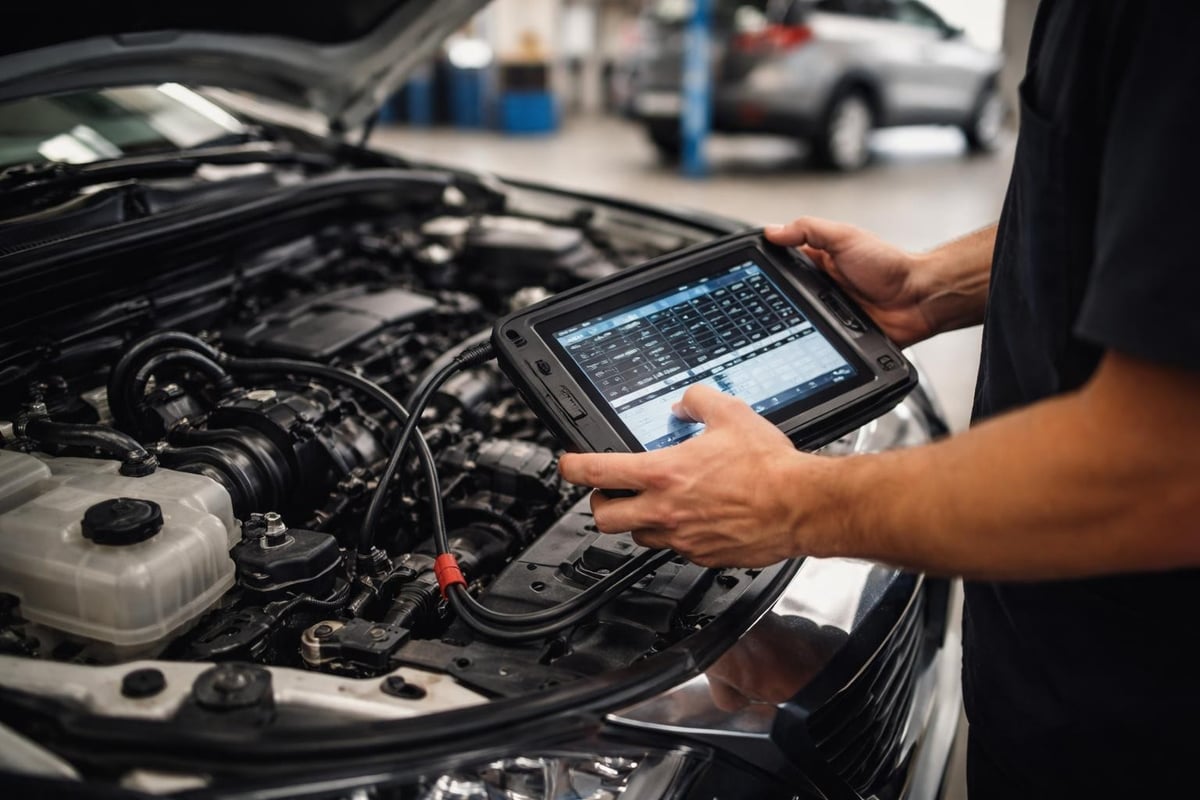
Diagnostic Excellence forms the foundation of quality vehicle servicing. Modern European vehicles contain sophisticated computer systems that monitor hundreds of parameters. Professional technicians use manufacturer-grade diagnostic equipment to identify issues before they escalate into major problems.
Key diagnostic elements include:
- Engine performance analysis through real-time data monitoring
- Electrical system testing for battery, alternator, and sensor functionality
- Transmission diagnostics to ensure smooth gear changes and optimal fluid condition
- Brake system evaluation including pad wear, rotor condition, and hydraulic pressure
- Suspension and steering assessments for alignment and component wear
The importance of regular car maintenance cannot be overstated when considering the complex systems that keep European vehicles operating at peak efficiency.
Specialized Knowledge for European Automotive Engineering
European manufacturers design vehicles with distinct engineering philosophies. A Volkswagen TSI engine requires different service approaches than a BMW N-series engine, while Mercedes-Benz electrical systems have unique diagnostic protocols. Quality vehicle servicing demands technicians who understand these manufacturer-specific nuances.
Specialized knowledge includes:
- Brand-specific service intervals that differ from generic recommendations
- Approved fluids and parts meeting strict European manufacturer standards
- Technical service bulletins addressing known issues and updated procedures
- Proprietary tools and equipment required for specific repairs
- Software updates for engine control units and safety systems
The Financial Impact of Consistent Quality Servicing
Investing in quality vehicle servicing delivers measurable financial benefits over your vehicle's lifespan. While budget service centers may offer lower upfront costs, they often lack the expertise and equipment necessary for thorough European vehicle maintenance, leading to overlooked issues that become expensive repairs.
Preventing Costly Repairs Through Proactive Maintenance
Regular professional servicing identifies minor problems before they cascade into major failures. A small coolant leak detected early costs hundreds to repair, but ignored, it can lead to engine overheating and thousands in damage.
| Preventive Service | Cost Range (NZD) | Neglected Repair | Cost Range (NZD) |
|---|---|---|---|
| Timing belt replacement | $800-$1,500 | Engine rebuild after belt failure | $6,000-$12,000 |
| Brake pad replacement | $300-$600 | Rotor and caliper damage | $1,200-$2,500 |
| Coolant system service | $150-$300 | Head gasket replacement | $2,000-$4,000 |
| Transmission fluid change | $200-$400 | Transmission rebuild | $4,000-$8,000 |
Professional technicians at dedicated European service centers understand these critical maintenance intervals. The financial benefits of regular vehicle maintenance demonstrate how routine services preserve your investment while preventing catastrophic failures.
Protecting Resale Value
Vehicle service history significantly impacts resale value. European car buyers scrutinize maintenance records, and comprehensive documentation from a reputable specialist commands premium prices. Quality vehicle servicing creates verifiable records that demonstrate proper care.
A well-maintained Audi or BMW with complete service history can retain 10-15% more resale value compared to an identical vehicle with incomplete or questionable maintenance records. This differential often exceeds the total cost of professional servicing over the ownership period.
Essential Service Intervals for European Vehicles
European manufacturers establish specific service schedules based on extensive engineering testing. These intervals account for component durability, fluid degradation rates, and wear patterns unique to each model.
Standard Maintenance Schedule
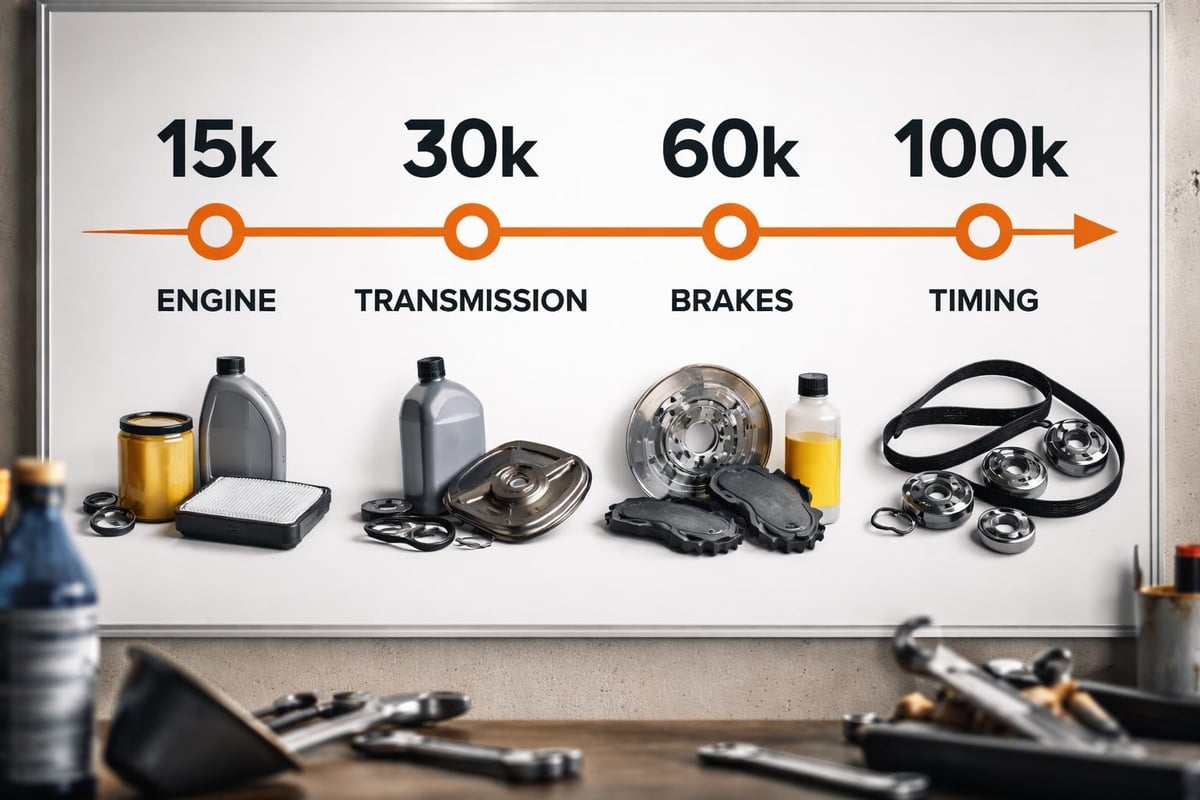
Most European vehicles follow interval-based schedules measured in kilometers or time periods:
Every 10,000-15,000 km:
- Engine oil and filter change using manufacturer-approved specifications
- Multi-point inspection covering fluid levels, lights, and tire condition
- Brake system visual inspection
- Air filter assessment
Every 20,000-30,000 km:
- Cabin air filter replacement
- Brake fluid testing and potential replacement
- Tire rotation and wheel alignment check
- Comprehensive underbody inspection
Every 40,000-60,000 km:
- Spark plug replacement (varies by engine type)
- Transmission fluid service
- Differential fluid change on AWD models
- Cooling system flush and refill
Every 80,000-120,000 km:
- Timing belt or chain inspection/replacement
- Water pump evaluation
- Suspension component replacement
- Major system overhaul as specified
Model-Specific Requirements
Quality vehicle servicing adapts to individual model requirements. A Volkswagen Golf R with its high-performance engine requires more frequent oil changes than a standard Golf. Mercedes-Benz AMG models demand specific brake fluid with higher boiling points.
Routine car maintenance schedules vary significantly across European brands, making specialist knowledge invaluable for maintaining optimal performance.
Safety Considerations in Professional Vehicle Servicing
Safety represents the most critical aspect of quality vehicle servicing. Modern European vehicles incorporate advanced safety systems that require precise calibration and maintenance to function correctly during emergencies.
Critical Safety Systems Requiring Expert Attention
Braking systems on European vehicles often feature complex electronic components. ABS, ESP, and brake assist systems work together to prevent accidents, but only when properly maintained and calibrated. Worn brake pads trigger warning systems, but only if sensors function correctly.
Tire Pressure Monitoring Systems (TPMS) are mandatory safety features requiring specialized service. Following TPMS best practices ensures these systems accurately warn drivers about dangerous pressure conditions that affect handling and braking distances.
Advanced Driver Assistance Systems (ADAS) including lane departure warning, adaptive cruise control, and collision avoidance require precise calibration after windscreen replacement or suspension work. Only qualified technicians with proper equipment can verify these systems function as designed.
The Hidden Dangers of Neglected Maintenance
Skipping scheduled services creates safety risks that extend beyond mechanical failure. Degraded brake fluid absorbs moisture, reducing braking effectiveness. Worn suspension components compromise handling stability. Old tires with hardened rubber lose grip in wet conditions.
Professional quality vehicle servicing identifies these safety concerns through systematic inspections. Regular scheduled vehicle maintenance prevents the gradual deterioration that drivers often fail to notice until emergency situations expose the danger.
Choosing the Right Service Provider for Your European Vehicle
Not all service centers deliver equivalent quality for European vehicles. Selecting a specialist provider ensures your vehicle receives appropriate care from technicians who understand its unique requirements.
Evaluating Service Center Qualifications
Technician certification indicates formal training and ongoing education. Look for technicians with manufacturer-specific training or certifications from recognized European automotive programs. Experience specifically with your vehicle brand matters more than general automotive experience.
Equipment investment separates specialists from general repair shops. European vehicles require diagnostic scanners capable of accessing manufacturer-specific codes, specialized tools for unique fasteners and components, and calibration equipment for advanced systems.
Key qualification factors include:
- Years specializing in European brands rather than general automotive service
- Genuine or OEM-equivalent parts availability ensuring proper component quality
- Customer communication practices keeping owners informed throughout the service process
- Warranty coverage demonstrating confidence in workmanship
- Facility cleanliness and organization reflecting professional standards
Building a Long-Term Service Relationship
Establishing a relationship with a trusted service provider creates continuity in your vehicle's care. Technicians familiar with your specific vehicle's history provide better diagnostics and maintenance recommendations. They recognize when unusual symptoms indicate developing problems rather than normal operation.
Booking regular service appointments with a dedicated European specialist ensures consistent care and builds the comprehensive service history that protects your investment.

Modern Technology in Quality Vehicle Servicing
European automotive technology evolves rapidly, with manufacturers introducing new systems and updating existing ones regularly. Quality vehicle servicing stays current with these technological advances through ongoing training and equipment upgrades.
Digital Diagnostics and Predictive Maintenance
Advanced diagnostic capabilities extend beyond reading fault codes. Modern systems analyze data trends to predict component failures before they occur. Oil quality sensors, coolant temperature patterns, and engine performance metrics provide early warnings about developing issues.
Professional service centers utilize:
- Factory-level diagnostic software accessing full vehicle systems
- Component-specific testing equipment for precise measurements
- Database access to technical service bulletins and known issues
- Digital service records tracking maintenance history and upcoming needs
Software Updates and System Programming
European vehicles receive regular software updates addressing performance improvements, fuel efficiency optimization, and system refinements. Quality vehicle servicing includes checking for and installing relevant updates during routine maintenance.
Certain repairs require programming or adaptation procedures. Replacing a battery in some BMW models demands registering the new battery with the vehicle's power management system. Brake pad replacement on vehicles with electronic parking brakes requires specific release and calibration procedures.
The Environmental Benefits of Proper Vehicle Servicing
Well-maintained European vehicles operate more efficiently, producing fewer emissions and consuming less fuel. Quality vehicle servicing contributes to environmental responsibility while improving performance.
Emissions Control System Maintenance
European vehicles incorporate sophisticated emissions control systems including catalytic converters, oxygen sensors, and exhaust gas recirculation valves. These components require specific operating conditions to function effectively.
Regular maintenance ensures:
- Optimal fuel mixture through clean air filters and properly functioning sensors
- Efficient combustion via correctly timed spark plugs and clean fuel injectors
- Emissions system longevity through proper oil quality and change intervals
- Reduced harmful outputs meeting strict environmental standards
Fuel Efficiency Through Professional Care
Neglected maintenance directly impacts fuel consumption. Under-inflated tires increase rolling resistance. Dirty air filters restrict airflow. Worn spark plugs cause incomplete combustion. Each factor reduces efficiency, costing money and increasing environmental impact.
How regular car maintenance ensures vehicle safety while simultaneously optimizing fuel economy demonstrates the interconnected benefits of professional servicing.
Documentation and Service Records
Comprehensive service documentation forms an essential component of quality vehicle servicing. Detailed records track maintenance history, identify patterns, and provide valuable information for future diagnostics.
What Proper Documentation Should Include
Professional service centers maintain detailed records containing:
| Record Type | Information Captured | Value to Owner |
|---|---|---|
| Service checklist | All inspection points and findings | Comprehensive vehicle condition assessment |
| Parts used | Manufacturer, part number, specifications | Verification of quality components |
| Labor details | Procedures performed, time invested | Understanding of work completed |
| Recommendations | Future maintenance needs, observed concerns | Planning for upcoming services |
| Diagnostic data | Fault codes, system readings, test results | Technical baseline for future comparison |
This documentation proves invaluable when diagnosing intermittent problems or evaluating warranty claims. It also demonstrates proper care when selling your vehicle.
Digital Records and Accessibility
Modern service centers provide digital access to service records, allowing owners to review maintenance history, schedule appointments, and receive service reminders. This transparency builds trust and ensures you stay informed about your vehicle's condition.
Specialized Services for Performance and Luxury Models
High-performance and luxury European vehicles demand additional expertise beyond standard servicing. AMG, M Sport, RS, and R-Line models incorporate unique components requiring specialized knowledge and care.
Performance-Specific Maintenance Needs
High-performance brake systems with larger rotors and performance pads require specific bedding procedures and more frequent inspections. Racing-derived components operate at higher temperatures and wear differently than standard systems.
Performance engines with turbochargers, superchargers, or high-revving naturally aspirated designs need premium oils meeting strict specifications. Service intervals may be shorter due to increased thermal and mechanical stress.
Adaptive suspension systems require specialized diagnostic equipment to verify proper operation and calibrate ride height sensors. Air suspension systems demand leak testing and compressor maintenance.
Luxury Feature Maintenance
Luxury European vehicles incorporate complex comfort and convenience features requiring specific service attention. Heated and ventilated seats, panoramic sunroofs, advanced audio systems, and adaptive lighting all have maintenance requirements beyond basic mechanical systems.
Quality vehicle servicing addresses these features during routine maintenance, ensuring they continue functioning reliably throughout your ownership experience.
Building Confidence Through Transparent Communication
Professional service providers distinguish themselves through clear, honest communication about your vehicle's condition and service recommendations. This transparency builds trust and helps owners make informed decisions about maintenance priorities.
Understanding Service Recommendations
Quality service centers explain recommended services in understandable terms, describing why specific work is necessary, what happens if deferred, and the expected outcome. They differentiate between:
- Immediate safety concerns requiring prompt attention
- Preventive maintenance protecting against future problems
- Performance optimization enhancing driving experience
- Discretionary upgrades offering additional benefits
This clarity allows you to prioritize services according to your budget and usage patterns while maintaining safety and reliability.
Quality vehicle servicing represents an investment in safety, reliability, and long-term value for your European car. Professional maintenance prevents costly repairs, optimizes performance, and ensures your vehicle operates as its engineers intended. VODIS Automobile combines over 20 years of specialized European vehicle expertise with manufacturer-level diagnostics and genuine commitment to customer satisfaction, providing North Shore Auckland's most trusted servicing for Volkswagen, Audi, Mercedes, BMW, and Skoda owners who demand excellence.