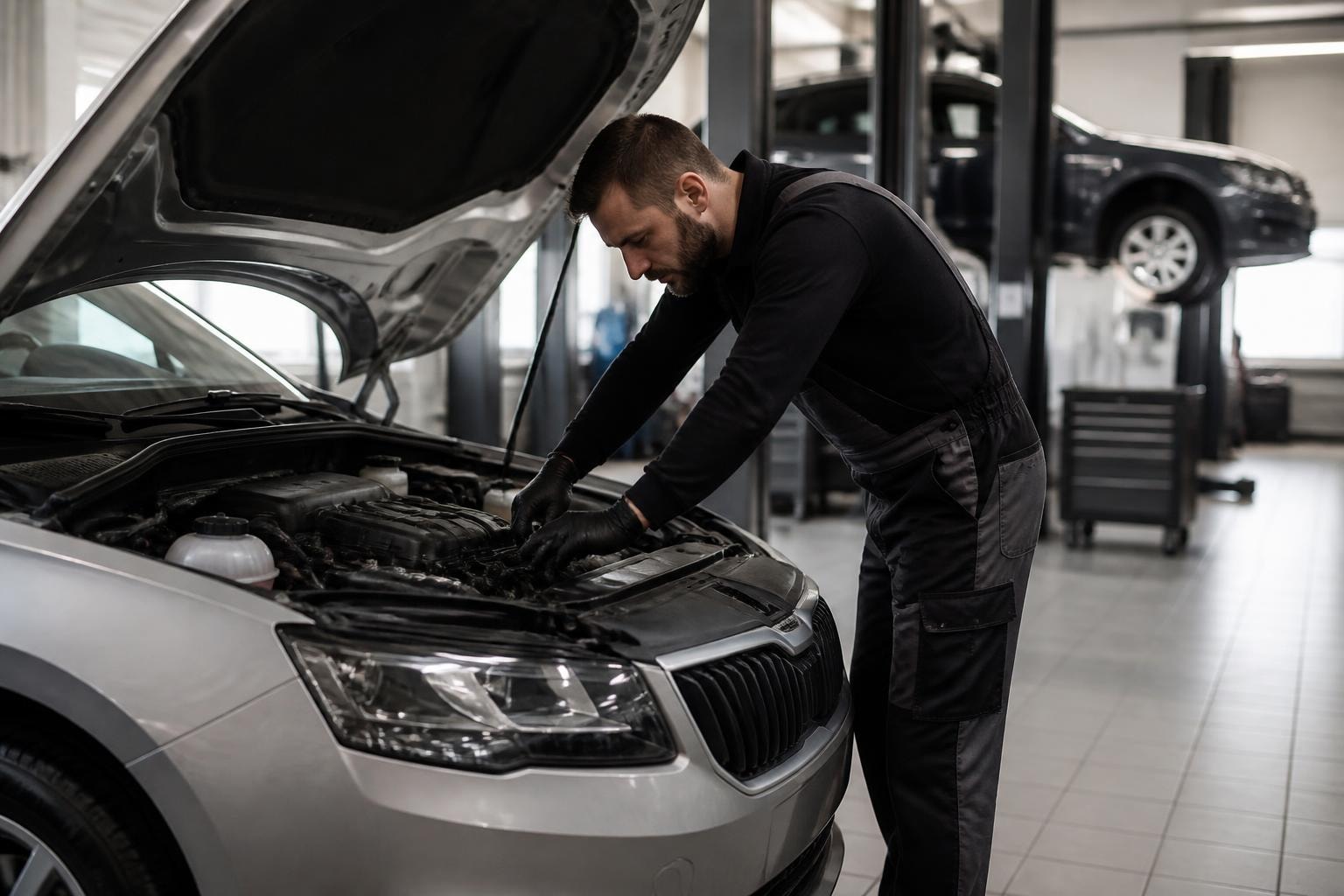

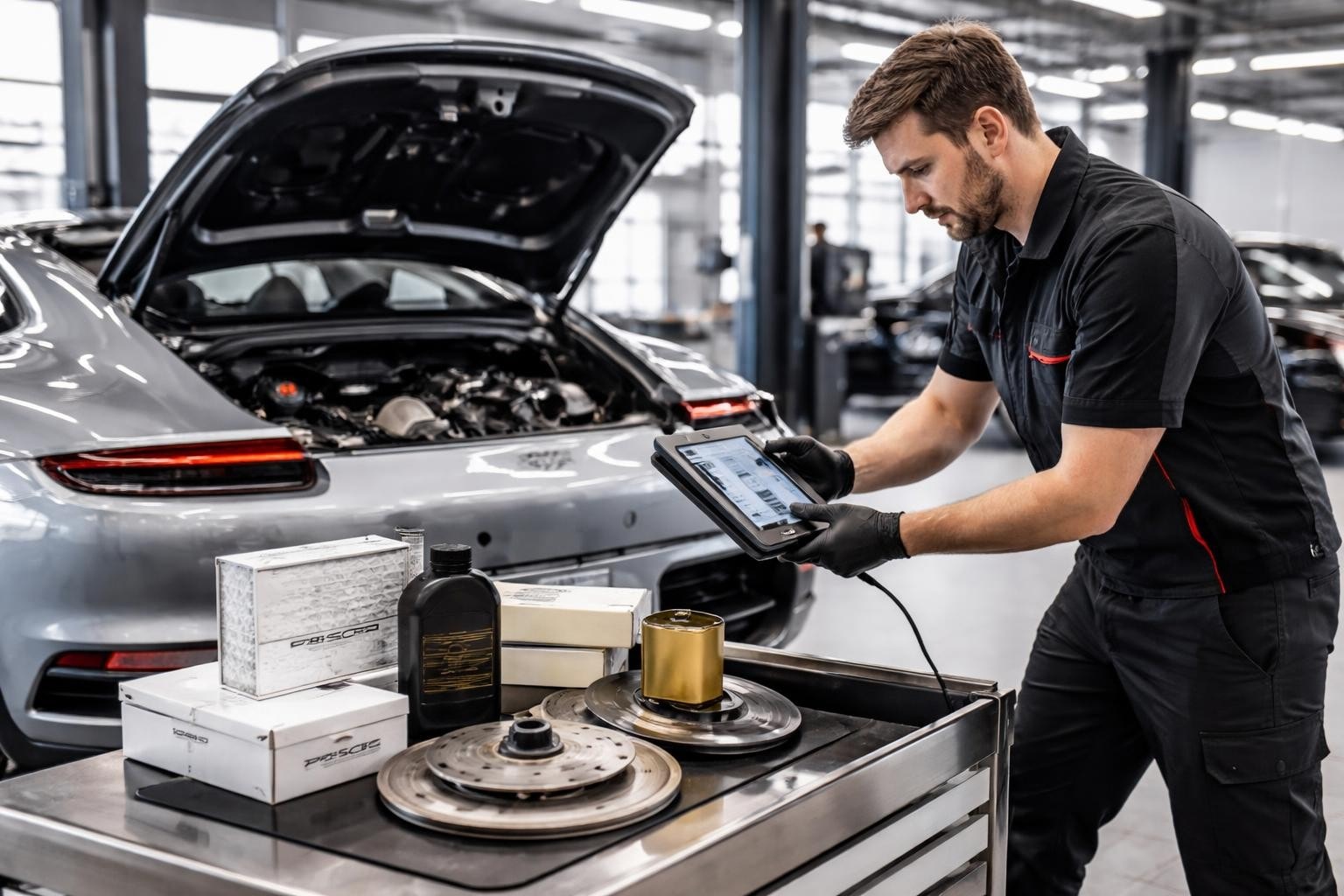
Owning a Porsche represents a significant investment in engineering excellence and driving performance. These precision-engineered vehicles require specialized knowledge, tools, and expertise that go far beyond standard automotive repair capabilities. Finding the right porsche repair shop becomes essential for maintaining your vehicle's performance, preserving its value, and ensuring your safety on the road. Whether you drive a 911, Cayenne, Macan, or any other Porsche model, understanding what separates exceptional service facilities from ordinary repair shops will help you make informed decisions about your vehicle's care.
Understanding Porsche-Specific Service Requirements
Porsche vehicles incorporate advanced engineering systems that demand specialized diagnostic equipment and technical knowledge. The sophisticated electronics, precision-tuned engines, and complex suspension systems found in modern Porsches require technicians who understand the brand's unique architecture.
Advanced Diagnostic Technology
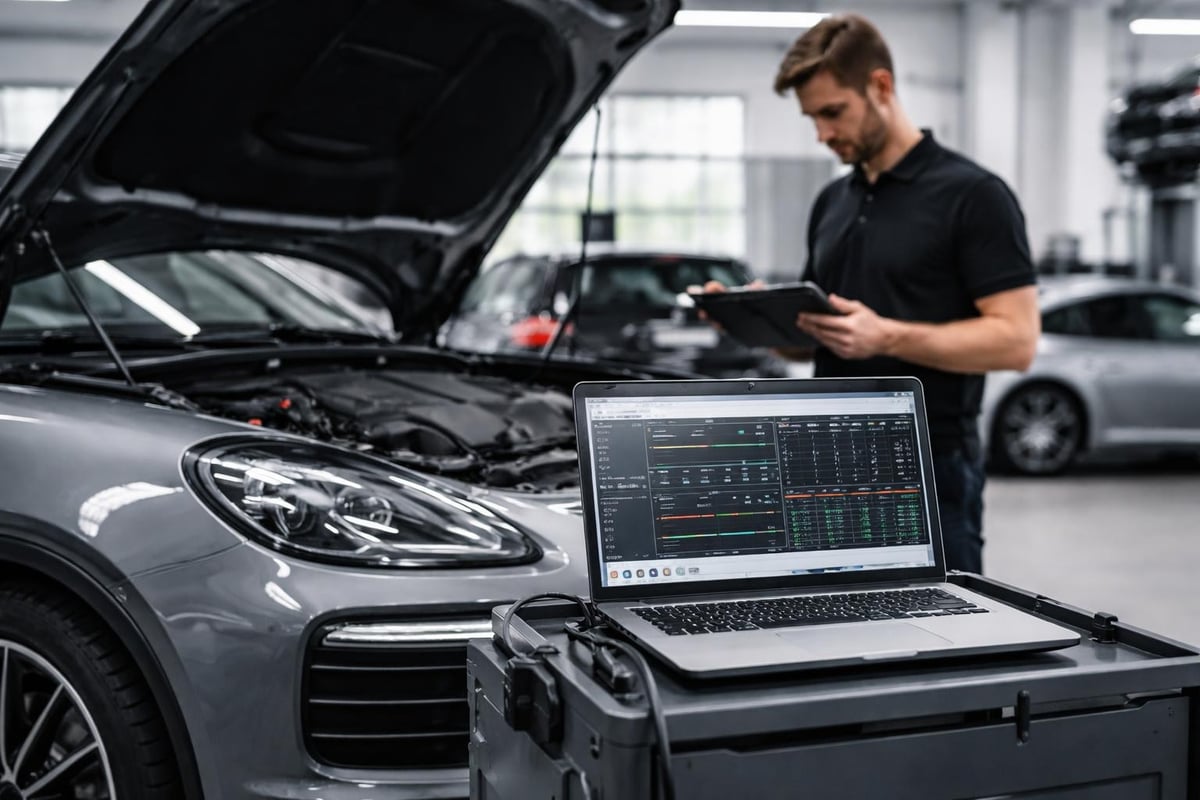
A qualified porsche repair shop invests in manufacturer-specific diagnostic tools that communicate directly with your vehicle's onboard computers. These systems monitor hundreds of sensors and control modules simultaneously, identifying issues that generic scan tools simply cannot detect.
Key diagnostic capabilities include:
- PIWIS (Porsche Integrated Workshop Information System) for comprehensive system analysis
- Real-time data monitoring for engine performance evaluation
- Transmission programming and adaptation procedures
- Electronic control unit coding and software updates
The specialized equipment used by Porsche-certified facilities ensures accurate diagnosis of complex systems, from PDK transmissions to active suspension management systems.
Factory-Trained Technician Expertise
Technical competence separates professional Porsche service from general automotive repair. Technicians working on these vehicles should possess detailed knowledge of air-cooled and water-cooled engines, direct fuel injection systems, and the brand's evolving hybrid and electric technologies.
Training programs cover model-specific service procedures, ensuring mechanics understand the nuances between different Porsche platforms. This expertise proves particularly valuable when addressing known issues specific to certain model years or engine configurations.
Essential Services Every Porsche Requires
Maintaining your Porsche according to manufacturer specifications preserves performance and prevents costly repairs. A comprehensive porsche repair shop should offer the full spectrum of maintenance and repair services these vehicles demand.
Regular Maintenance Intervals
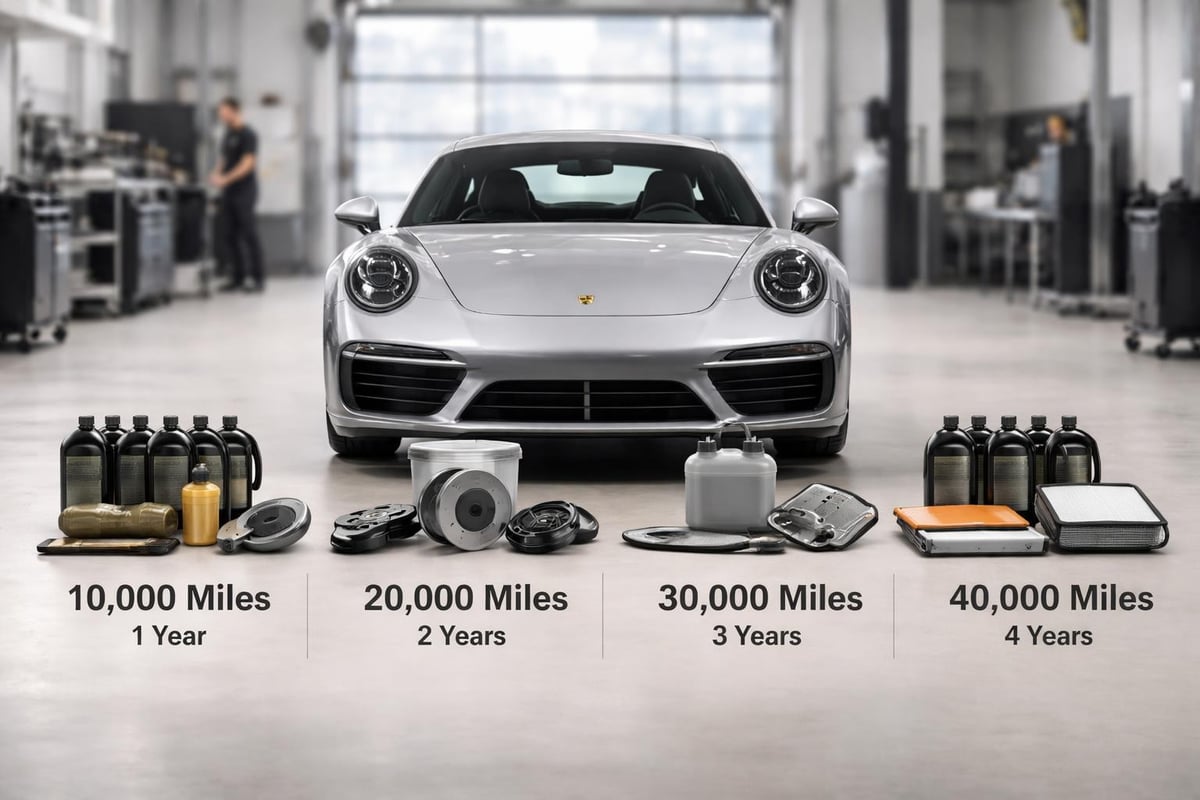
Porsche engineering requires strict adherence to service schedules. Following proper maintenance protocols protects your investment and ensures optimal performance throughout the vehicle's lifetime.
| Service Type | Typical Interval | Critical Components |
|---|---|---|
| Oil Change | 10,000 miles or 1 year | Engine oil, filter, inspection |
| Major Service | 20,000 miles or 2 years | Brake fluid, spark plugs, filters |
| Transmission Service | 40,000 miles or 4 years | PDK fluid, filter replacement |
| Brake Service | As needed | Pads, rotors, fluid flush |
Engine and Transmission Repairs
The heart of any Porsche requires meticulous attention. Whether addressing issues with naturally aspirated engines, turbocharged powerplants, or hybrid systems, a qualified shop must have experience with Porsche-specific engine management and mechanical systems.
Transmission work demands particular expertise, especially with PDK (Porsche Doppelkupplung) dual-clutch systems. These sophisticated gearboxes require precise fluid specifications, programming knowledge, and specialized tools for proper service.
Common engine and transmission services include:
- Timing chain inspection and replacement
- IMS bearing service for specific model years
- Clutch replacement and flywheel resurfacing
- PDK mechatronic unit repairs
- Turbocharger maintenance and replacement
Suspension and Brake Systems
Porsche handling characteristics depend on precisely calibrated suspension components. PASM (Porsche Active Suspension Management) and air suspension systems require specialized knowledge for diagnosis and repair.
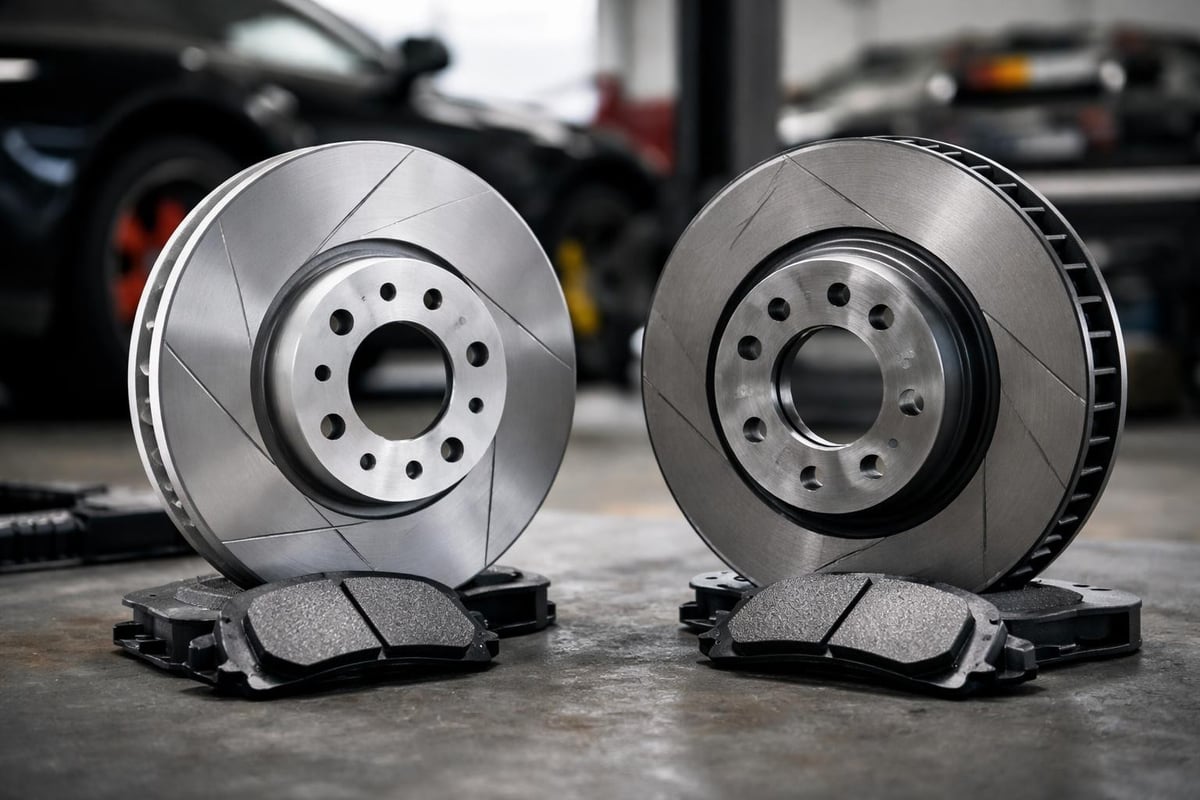
Brake systems on performance vehicles like Porsches endure extreme conditions. Whether your vehicle features standard brakes or PCCB (Porsche Ceramic Composite Brakes), proper service maintains the stopping power these cars demand.
Certifications and Quality Standards
Professional credentials and certifications indicate a porsche repair shop's commitment to excellence. While various certification levels exist, understanding what they mean helps you evaluate service providers.
OEM Certification Programs
Porsche OEM certification represents the highest standard for repair facilities. These programs require significant investments in equipment, training, and facility infrastructure.
Certified facilities must maintain specific tool inventories, employ factory-trained technicians, and follow Porsche repair procedures exactly. This standardization ensures consistent quality regardless of which certified facility services your vehicle.
Independent Specialist Qualifications
Many exceptional Porsche repair facilities operate independently without official manufacturer certification. These specialists often employ former dealership technicians and invest heavily in brand-specific tools and training.
Evaluating independent specialists:
- Verify technician certifications and training history
- Confirm access to genuine Porsche parts
- Review customer testimonials and service history
- Assess facility cleanliness and equipment quality
- Request detailed service documentation practices
Genuine Parts Versus Aftermarket Alternatives
Component quality directly impacts your Porsche's performance and longevity. A reputable porsche repair shop should discuss parts options transparently, helping you understand the implications of different choices.
Benefits of Genuine Porsche Parts
OEM (Original Equipment Manufacturer) components meet the exact specifications Porsche engineers designed into your vehicle. These parts undergo rigorous testing and quality control processes that aftermarket manufacturers may not replicate.
Using Porsche-approved parts ensures compatibility with your vehicle's systems and maintains the engineering integrity that defines the brand. This becomes particularly important for safety-critical components like brakes, suspension parts, and electronic modules.
When Aftermarket Parts Make Sense
Quality aftermarket manufacturers produce excellent components for certain applications. Performance upgrades, cosmetic enhancements, and some wear items may be sourced from reputable aftermarket suppliers without compromising vehicle integrity.
A trustworthy shop will recommend aftermarket parts only when they meet or exceed OEM specifications. They should explain quality differences and potential implications for vehicle performance and warranty coverage.
| Component Type | OEM Recommended | Quality Aftermarket Acceptable |
|---|---|---|
| Engine internals | Yes | Rarely |
| Brake components | Preferred | Select brands |
| Suspension parts | Yes | Performance upgrades |
| Filters and fluids | Specified grades | Meeting specifications |
| Body panels | Yes for collision | Cosmetic modifications |
Common Porsche Issues and Preventive Care
Understanding model-specific concerns helps you communicate effectively with your porsche repair shop and anticipate maintenance needs. Different Porsche models and generations present unique challenges.
Model-Specific Concerns
The 996 and 997 generation 911s require attention to intermediate shaft (IMS) bearings and rear main seal issues. The Cayenne's air suspension systems need regular inspection, while Boxster and Cayman models benefit from careful monitoring of cooling systems.
Water-cooled engines introduced in 1998 brought new maintenance considerations compared to air-cooled predecessors. Each generation of Porsche engineering presents learning opportunities for technicians dedicated to the brand.
Preventive Maintenance Strategies
Proactive care prevents expensive repairs and maintains performance. Regular fluid changes using specified grades, timely belt and chain replacements, and addressing minor issues before they escalate protect your investment.
Essential preventive measures:
- Oil analysis programs to monitor engine health
- Regular brake fluid exchanges to prevent moisture contamination
- Coolant system maintenance preventing corrosion and overheating
- Thorough pre-purchase inspections for used Porsche acquisitions
- Storage preparation for seasonal vehicle usage
Addressing warning lights immediately rather than ignoring them prevents minor issues from becoming major failures. Modern Porsches communicate problems through sophisticated warning systems that deserve prompt attention.
Evaluating Service Facilities
Selecting the right porsche repair shop requires research beyond internet reviews. Direct evaluation of facilities, communication with service advisors, and understanding shop policies help you make informed choices.
Facility Assessment Criteria
Visit potential service providers before committing to major work. Observe shop organization, equipment quality, and how staff interact with customers. A well-managed facility typically produces better work than disorganized operations.
Key evaluation factors:
- Clean, organized work areas with proper lighting
- Modern diagnostic equipment and specialty tools
- Clear communication protocols and service updates
- Detailed written estimates before work begins
- Warranty coverage on labor and parts
Customer Communication Standards
Professional shops maintain transparent communication throughout the service process. They should explain problems clearly, provide photographic documentation when appropriate, and discuss repair options with associated costs before proceeding.
Service advisors should answer questions patiently and help you understand recommended services versus optional maintenance. Pressure tactics or vague explanations signal potential problems with shop integrity.
Cost Considerations and Value
Porsche ownership involves premium service costs reflecting the specialized expertise and equipment these vehicles require. Understanding pricing structures helps you budget appropriately while recognizing value versus simple low prices.
Service Pricing Factors
Labor rates at a specialized porsche repair shop typically exceed general repair facilities due to technician expertise and facility overhead. However, accurate diagnosis the first time often costs less than repeated visits to less qualified shops.
Parts pricing varies between dealerships, independent specialists, and online suppliers. While purchasing parts independently may seem economical, shops typically cannot warranty labor when customers supply components.
Warranty and Guarantee Policies
Reputable facilities stand behind their work with comprehensive warranties. Typical coverage ranges from 12 months to 24 months on labor, with parts warranties matching manufacturer specifications.
Understanding warranty limitations and documentation requirements protects you if issues arise after service. Request written warranty terms before authorizing repairs.
| Service Category | Typical Warranty Period | Coverage Notes |
|---|---|---|
| Engine repairs | 12-24 months | Major components |
| Brake work | 12 months | Pads and rotors |
| Electrical diagnosis | 90 days | Complex systems |
| Oil changes | 30 days | Basic maintenance |
Scheduling and Convenience Factors
Modern service facilities offer conveniences that make Porsche ownership more manageable. Online scheduling, loaner vehicle programs, and flexible service hours accommodate busy lifestyles.
Appointment Systems
Professional porsche repair shop operations utilize appointment scheduling to manage workflow and minimize customer wait times. Booking systems allow you to plan service around your schedule rather than waiting for available slots.
Online booking platforms like those offered by dedicated European car specialists streamline the process, letting you select service types, preferred dates, and provide vehicle information before arriving.
Service Communication Methods
Text message updates, email progress reports, and photo documentation keep you informed throughout the service process. Digital inspection reports let you see exactly what technicians observe during maintenance visits.
Video walkarounds help explain complex issues that static photos cannot adequately convey. This transparency builds trust and helps you make informed decisions about necessary repairs.
Building Long-Term Service Relationships
Establishing ongoing relationships with a trusted porsche repair shop provides continuity of care for your vehicle. Technicians familiar with your car's history can identify patterns and anticipate needs based on previous service records.
Service History Documentation
Comprehensive records document every service, repair, and modification performed on your Porsche. This documentation proves invaluable during resale, warranty claims, or when diagnosing recurring issues.
Digital service records should include dates, mileage, parts installed, and technician notes about vehicle condition. This history creates a maintenance narrative that follows your vehicle throughout its life.
Proactive Service Reminders
Quality shops track your service intervals and contact you when maintenance becomes due. These reminders help you avoid missed services that could impact performance or void warranty coverage.
Seasonal service recommendations, recall notifications, and technical service bulletin updates demonstrate a shop's commitment to keeping your Porsche in optimal condition beyond simply fixing broken components.
Special Services and Advanced Repairs
Beyond routine maintenance, specialized porsche repair shop capabilities include performance upgrades, restoration work, and collision repairs requiring specific expertise.
Performance Enhancement
Many Porsche owners eventually consider performance modifications. ECU tuning, exhaust systems, suspension upgrades, and brake improvements require knowledge of how changes affect interconnected systems.
Reputable facilities discuss modification implications honestly, including potential warranty impacts and the importance of maintaining balanced upgrades rather than piecemeal changes.
Collision and Body Work
Porsche body repair standards demand precision alignment and specialized welding techniques. Modern Porsche construction utilizes aluminum and high-strength steel requiring specific repair procedures.
Certified collision facilities employ technicians trained in manufacturer repair methodologies, ensuring structural integrity and safety system functionality after accidents.
Specialized collision services:
- Aluminum body panel repair and replacement
- Advanced welding techniques for ultra-high-strength steel
- Paint matching for metallic and special-effect finishes
- Calibration of driver assistance systems
- PDI (Pre-Delivery Inspection) protocols post-repair
Finding the right porsche repair shop ensures your vehicle receives the specialized care it deserves, maintaining performance and protecting your investment for years to come. While VODIS Automobile focuses on Volkswagen, Audi, Mercedes, BMW, and Skoda vehicles rather than Porsche, their approach to European automotive service exemplifies the expertise, equipment, and commitment that quality service demands. For owners of these European brands seeking the same dedication to excellence on Auckland's North Shore, VODIS Automobile brings over 20 years of specialized experience to every service appointment.