
Owning a Volkswagen means enjoying German engineering, reliability, and performance, but these benefits only continue when you maintain your vehicle properly. Understanding vw car service requirements helps you protect your investment and ensures your vehicle performs at its best for years to come. Whether you drive a Golf, Tiguan, Passat, or any other VW model, following a comprehensive service schedule keeps your warranty valid, prevents costly repairs, and maintains resale value. This guide explores everything you need to know about servicing your Volkswagen, from understanding service intervals to selecting the right service provider.
Understanding VW Service Intervals
Volkswagen vehicles follow specific service schedules designed to maintain optimal performance and longevity. These intervals are carefully calculated based on extensive testing and engineering data.
Regular Service Schedule
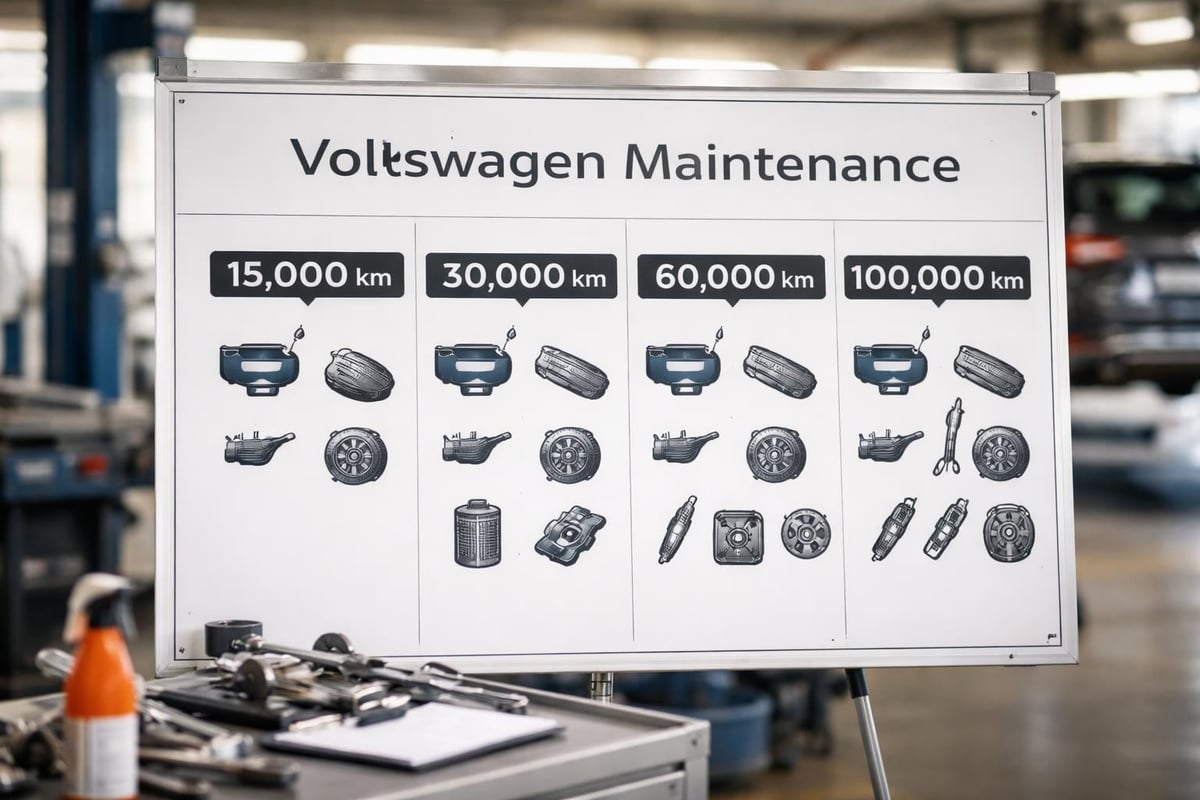
Most Volkswagen models require service every 15,000 kilometers or 12 months, whichever comes first. This interval applies to vehicles under normal driving conditions and includes essential checks and replacements that keep your engine and systems functioning properly.
The official Volkswagen maintenance schedule provides detailed information about what your specific model needs at each interval. Your service booklet also contains this information, customized for your exact vehicle configuration.
Standard service intervals include:
- Oil and filter changes
- Brake system inspection
- Tire rotation and pressure check
- Fluid level verification
- Battery health assessment
- Safety system checks
Some driving conditions require more frequent servicing. If you regularly drive in dusty environments, make frequent short trips, or operate in extreme temperatures, your service intervals may need adjustment.
Major Service Milestones
Certain mileage points require more comprehensive attention. These major services address components that wear over time and need replacement or thorough inspection.
| Service Interval | Key Components | Typical Duration |
|---|---|---|
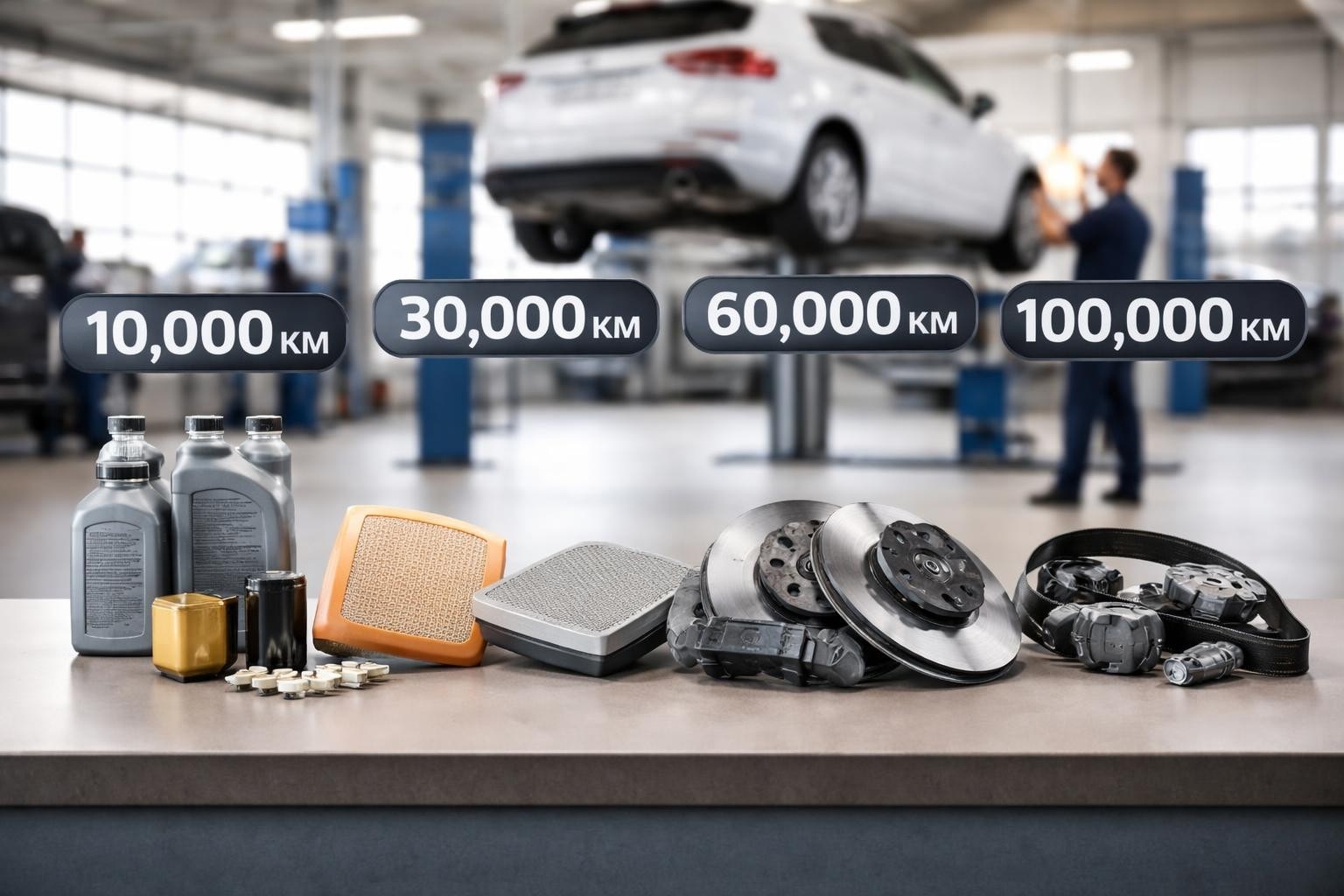
| 30,000 km | Air filter, cabin filter, brake fluid check | 2-3 hours |
| 60,000 km | Spark plugs, transmission service, coolant replacement | 3-4 hours |
| 90,000 km | Timing belt (if equipped), comprehensive inspection | 4-5 hours |
| 120,000 km | Major component overhaul, suspension review | 5-6 hours |
The 60,000-kilometer service represents a particularly important milestone. This comprehensive vw car service includes transmission fluid changes, coolant system service, and detailed inspections of wear components like suspension bushings and brake pads.
What's Included in VW Car Service
Understanding what happens during your service appointment helps you appreciate the value and ensures nothing gets overlooked.
Basic Service Components
Every standard vw car service begins with fundamental maintenance tasks that keep your engine healthy. Oil changes use manufacturer-specified oil that meets VW's strict quality standards, ensuring proper lubrication and engine protection.
Technicians inspect your brake system thoroughly, checking pad thickness, rotor condition, and brake fluid quality. They examine your tires for wear patterns, proper inflation, and alignment issues that could affect handling and fuel economy.
Additional basic service checks:
- Battery voltage and charging system
- Wiper blade condition and washer fluid
- All exterior lights functionality
- Exhaust system for leaks or damage
- Suspension components for wear
- Steering system operation
Your service also includes a comprehensive safety inspection. Technicians check that all systems function correctly and identify any emerging issues before they become serious problems.
Advanced Diagnostics
Modern Volkswagen vehicles contain sophisticated computer systems that monitor hundreds of parameters. Professional vw car service includes connecting diagnostic equipment that reads fault codes, monitors sensor data, and verifies system performance.
This diagnostic process identifies issues that aren't immediately visible. For example, the system might detect a developing problem with your oxygen sensors, fuel system efficiency, or emission controls before warning lights appear on your dashboard.
The diagnostic scan also clears any temporary codes and verifies that previous repairs resolved their intended issues. This step ensures your vehicle operates at peak efficiency and meets emission standards.
Choosing Between Dealership and Independent Service
Volkswagen owners have options when selecting where to service their vehicles. Both dealerships and independent specialists offer distinct advantages.
Dealership Service Benefits
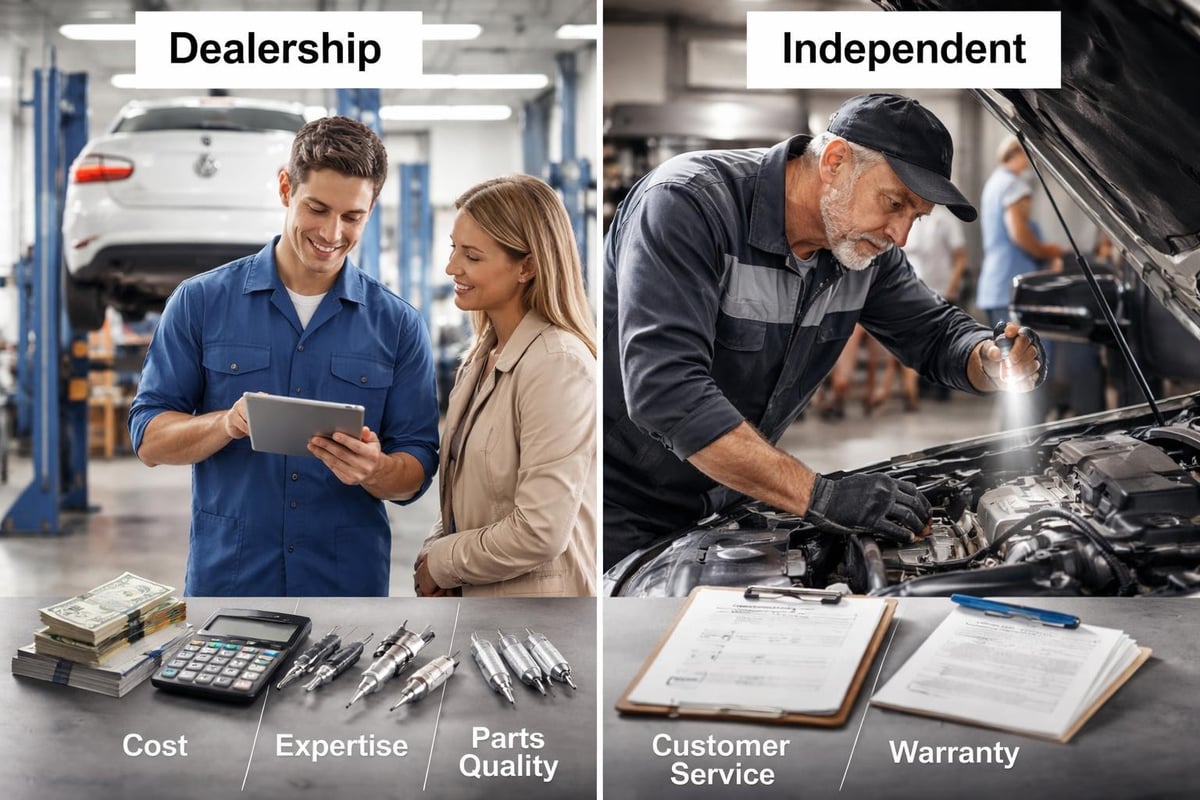
Authorized Volkswagen dealerships provide access to genuine VW service with factory-trained technicians. These facilities have the latest diagnostic equipment and direct access to technical support from Volkswagen.
Dealerships stock genuine VW parts and can often complete warranty work seamlessly. If your vehicle is still under manufacturer warranty, dealership service ensures all warranty conditions are met without question.
However, dealership service typically costs more than independent alternatives. Labor rates at dealerships are generally higher, and parts pricing includes overhead for larger facilities and corporate structures.
Independent Specialist Advantages
Independent European car specialists offer expert vw car service with several compelling benefits. These facilities often employ technicians with dealership training and extensive Volkswagen experience who choose to work in smaller, more personalized environments.
Cost savings represent a significant advantage. Independent shops typically charge lower labor rates and can source quality aftermarket parts when appropriate, reducing your service costs by 20-40% compared to dealership pricing.
Benefits of independent VW specialists:
- Personalized customer service and direct technician communication
- Flexible scheduling and faster turnaround times
- Expertise across multiple European brands
- Competitive pricing without compromising quality
- Long-term relationship building with familiar staff
Quality independent shops invest in the same diagnostic equipment dealerships use. They access technical databases, attend ongoing training, and maintain standards that match or exceed dealership capabilities.
Common VW Service Requirements
Different Volkswagen models and age ranges require specific attention to certain components and systems.
TSI Engine Maintenance
Volkswagen's turbocharged TSI engines deliver excellent performance and efficiency but require proper maintenance to remain reliable. These engines are particularly sensitive to oil quality and change intervals.
Using the correct oil specification is critical. TSI engines require oils that meet VW 502.00/505.00 standards for proper performance and longevity. Cheaper alternatives or incorrect viscosity can cause premature wear and performance issues.
The carbon buildup represents a common concern with direct-injection TSI engines. Regular vw car service should include inspection for carbon accumulation, and professional cleaning may be necessary around 80,000-100,000 kilometers.
DSG Transmission Service
Volkswagen's dual-clutch DSG transmissions require specific service attention. Despite being marketed as "lifetime" fill in some regions, transmission fluid deteriorates over time and should be replaced every 60,000 kilometers for optimal performance.
| DSG Service Item | Interval | Importance |
|---|---|---|
| Transmission fluid | 60,000 km | Critical for clutch life |
| Mechatronic inspection | 120,000 km | Prevents costly failures |
| Software updates | As needed | Improves shift quality |
| Clutch wear check | Each service | Early problem detection |
Professional DSG service includes replacing both the transmission fluid and filter, along with software updates that improve shift quality and address known issues. This service significantly extends transmission life and prevents expensive repairs.
Diesel Particulate Filter Maintenance
TDI diesel models feature particulate filters that trap soot from exhaust gases. These systems require occasional regeneration cycles where accumulated soot burns off at high temperatures.
Short trips and city driving prevent proper regeneration, causing DPF problems. Your service provider should check regeneration status and may need to perform forced regeneration during your vw car service appointment.
Proper fuel quality and correct oil specification are essential for DPF health. Using oils not meeting VW 507.00 specification can poison the DPF, requiring expensive replacement.
Maintaining Your VW Between Services
Proper care between scheduled services extends your vehicle's life and prevents unexpected problems.
Fluid Monitoring
Check your engine oil level monthly, especially before long trips. Modern VW engines may consume some oil between changes, and running low can cause serious damage.
Fluids to monitor regularly:
- Engine oil level and color
- Coolant reservoir level
- Brake fluid clarity
- Power steering fluid (if hydraulic)
- Windshield washer fluid
Most Volkswagen models alert you when fluids run low, but proactive checking prevents problems. Top up fluids using products that meet VW specifications to avoid compatibility issues.
Tire Care and Rotation
Proper tire maintenance improves safety, fuel economy, and handling. Check tire pressure monthly using the specifications listed on your driver's door jamb.
Rotate your tires every 10,000 kilometers to ensure even wear. This simple practice extends tire life significantly and maintains balanced handling characteristics.
Watch for uneven wear patterns that indicate alignment problems or suspension issues. Addressing these early prevents tire replacement and more expensive repairs.
Warning Light Response
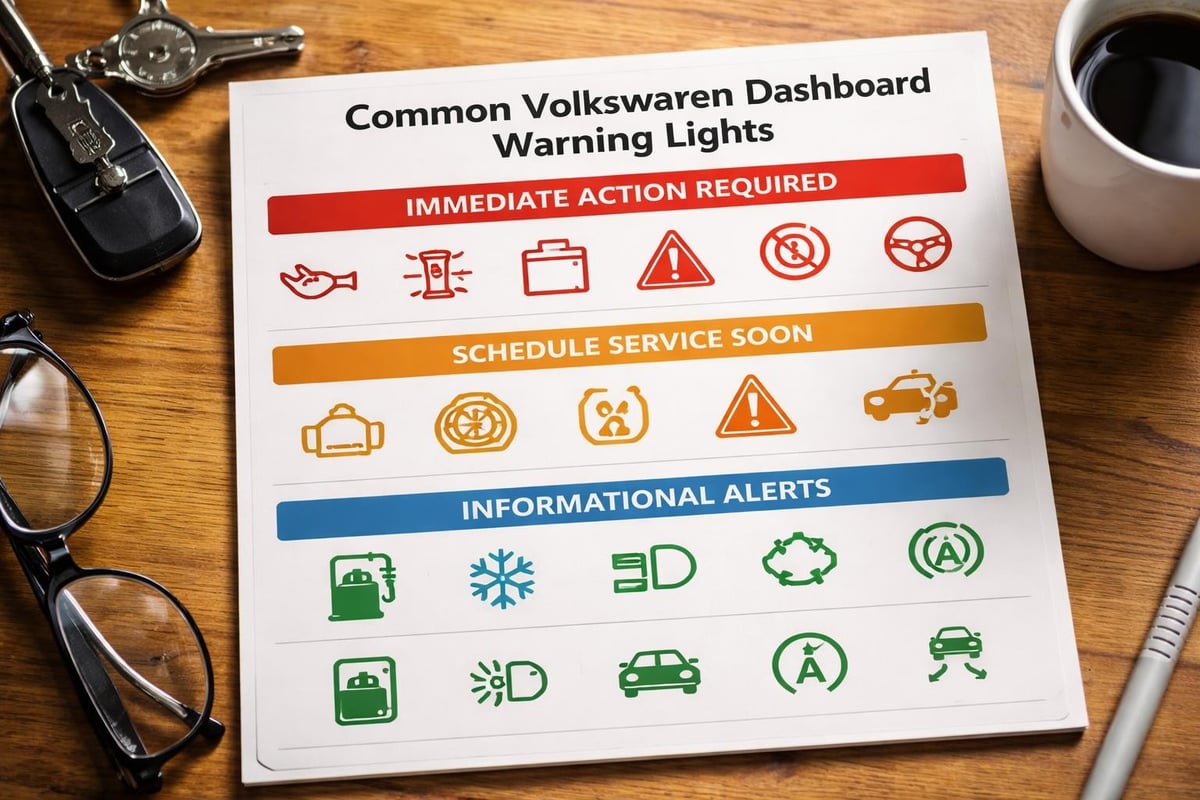
Modern Volkswagen vehicles monitor dozens of systems and alert you to problems through dashboard warning lights. Never ignore warning lights, as they indicate issues requiring attention.
Some lights, like the check engine light, allow continued driving to reach your service provider. Others, such as brake system warnings or oil pressure lights, require immediate attention and stopping the vehicle.
When warning lights appear, schedule service promptly. Early intervention prevents minor issues from becoming major repairs. You can book your service appointment online for convenience and faster scheduling.
Understanding Service Costs and Value
Investing in proper vw car service protects your vehicle's value and prevents expensive repairs.
Service Pricing Factors
Several elements influence service costs. Basic services typically range from $250 to $400, while major 60,000-kilometer services can cost $600 to $1,200 depending on your model and required components.
Labor rates vary significantly between service providers. Dealerships often charge $150-$180 per hour, while independent specialists may charge $100-$130 per hour for the same expertise.
Parts pricing also varies. Genuine VW parts cost more but guarantee perfect fit and warranty coverage. Quality aftermarket alternatives can reduce costs while maintaining reliability when sourced from reputable manufacturers.
Understanding Volkswagen maintenance pricing helps you budget appropriately and compare service providers fairly. Request detailed estimates that break down labor and parts separately.
Long-Term Cost Benefits
Regular vw car service costs less than neglecting maintenance. Skipping oil changes leads to engine wear costing thousands to repair. Ignoring brake service creates safety hazards and damages rotors, increasing repair costs significantly.
Maintained vehicles retain higher resale value. A complete service history demonstrates responsible ownership and justifies premium pricing when selling your Volkswagen.
Financial benefits of regular service:
- Prevents major component failures
- Maintains fuel efficiency
- Preserves warranty coverage
- Increases resale value by 15-25%
- Reduces unexpected breakdowns
- Extends overall vehicle lifespan
Consider service an investment rather than an expense. The costs of proper maintenance represent a fraction of owning a well-maintained vehicle versus repairing a neglected one.
Preparing for Your Service Appointment
Maximizing your service visit efficiency requires some preparation and clear communication.
Documentation and History
Bring your service booklet and any previous service records to your appointment. This information helps technicians understand your vehicle's history and identify patterns or recurring issues.
Note any unusual symptoms you've experienced. Strange noises, handling changes, or performance issues provide valuable diagnostic information. The more details you provide, the better your technician can diagnose problems.
If warning lights have appeared, note when they occurred and under what conditions. Intermittent problems are easier to diagnose with detailed information about when and how they happen.
Service Provider Communication
Choose a service provider that communicates clearly and keeps you informed throughout the process. Quality facilities contact you before performing work beyond the agreed scope and explain recommendations in understandable terms.
Ask questions about recommended services. Understanding why specific work is necessary helps you make informed decisions about your vehicle's care. Professional technicians welcome questions and take time to explain their recommendations.
Establish whether you need transportation during service. Many facilities offer courtesy vehicles, shuttle service, or comfortable waiting areas. The VW roadside assistance program also provides support if problems arise between service appointments.
Warranty and Service Record Importance
Maintaining proper service documentation protects your investment and ensures warranty coverage.
Warranty Compliance
Volkswagen warranties require following manufacturer maintenance schedules for coverage to remain valid. Missing scheduled services can void warranty claims, even for unrelated components.
Service documentation must show that maintenance occurred at or before recommended intervals. Both dealerships and independent specialists can perform warranty-compliant service, provided they use approved parts and follow VW procedures.
Resale Value Protection
Complete service records significantly increase resale value. Buyers pay premium prices for vehicles with documented maintenance history versus those without records.
Digital service records are becoming standard, but maintain physical copies as backup. Some buyers prefer traditional service books showing stamps and signatures from each service appointment.
Regular vw car service intervals appear in your vehicle's digital systems. This built-in record provides transparency but doesn't replace detailed service documentation showing exactly what work was completed at each interval.
Seasonal Service Considerations
New Zealand's climate requires specific seasonal attention to keep your Volkswagen performing optimally year-round.
Winter Preparation
Auckland's mild winters still benefit from seasonal checks. Battery performance decreases in cooler temperatures, so testing battery health before winter prevents unexpected failures.
Check your coolant mixture to ensure proper freeze protection. While Auckland rarely freezes, proper coolant concentration prevents corrosion and ensures optimal engine temperature regulation.
Wiper blades and lighting systems become more critical during winter months with increased rainfall. Replace worn wiper blades and verify all lights function correctly for maximum visibility.
Summer Readiness
Higher temperatures stress cooling systems and air conditioning components. Summer vw car service should include thorough cooling system inspection and air conditioning performance testing.
Check your air conditioning refrigerant charge and compressor operation. Weak cooling often indicates refrigerant loss or component wear requiring attention before summer heat arrives.
Inspect hoses and belts for heat-related deterioration. Summer heat accelerates rubber component aging, making pre-summer inspection valuable for preventing roadside failures.
Regular vw car service represents essential investment in your Volkswagen's performance, reliability, and longevity. By understanding service requirements, choosing quality service providers, and maintaining proper schedules, you protect your vehicle and ensure years of dependable operation. VODIS Automobile brings over 20 years of European car servicing expertise to Auckland's North Shore, offering specialized Volkswagen service with factory-level knowledge and independent pricing. Their skilled technicians deliver the professional care your VW deserves while building lasting relationships based on trust and exceptional communication.