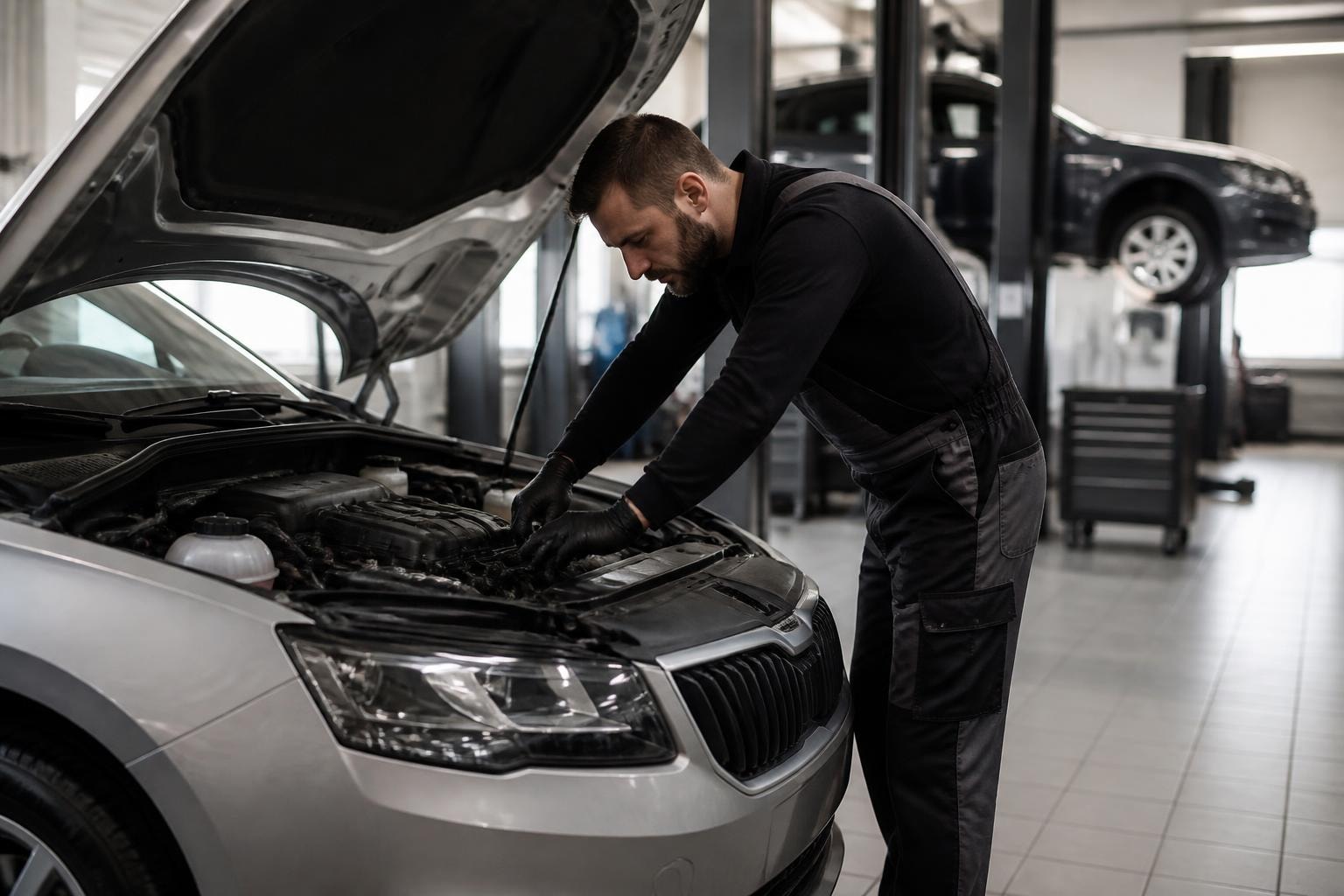


Finding reliable professionals to service your vehicle represents one of the most important decisions any car owner makes. The relationship between you and my car mechanics goes beyond simple transactions; it's a partnership built on trust, expertise, and consistent communication. For owners of European vehicles like Volkswagen, Audi, Mercedes, BMW, and Skoda, this relationship becomes even more critical due to the specialized knowledge required to maintain these sophisticated machines. Understanding what makes exceptional automotive service and how to identify the right team for your needs will save you money, time, and stress throughout your ownership experience.
Understanding the Role of Modern Automotive Technicians
The automotive industry has evolved dramatically over the past two decades, transforming the traditional mechanic role into a highly technical profession. Today's vehicles, particularly European models, contain complex electronic systems, advanced diagnostics equipment, and intricate mechanical components that require specialized training and tools.
My car mechanics must stay current with rapidly changing technology through continuous education and certification programs. Modern European vehicles integrate sophisticated computer systems controlling everything from engine performance to safety features. The technicians servicing these vehicles need access to manufacturer-specific diagnostic tools and software updates that independent shops invest significantly to maintain.
Specialization Matters in European Vehicle Service
European manufacturers design vehicles with distinct engineering philosophies and proprietary systems. A mechanic familiar with domestic vehicles may lack the specific knowledge needed for German or Czech automotive technology. When considering my car mechanics, specialization in your vehicle's make becomes a crucial factor.
Key advantages of specialized service include:
- Access to manufacturer-specific diagnostic equipment
- Understanding of common issues unique to specific brands
- Familiarity with parts availability and sourcing
- Knowledge of recommended service intervals and procedures
- Experience with performance tuning and optimization
The vehicle maintenance advice from Consumer Reports emphasizes the importance of following manufacturer recommendations, which specialized technicians understand thoroughly. Generic service centers may apply one-size-fits-all approaches that don't account for the unique requirements of European engineering.

Evaluating Service Centers for Your European Vehicle
Choosing where to take your vehicle requires careful consideration of several factors beyond price. The decision affects your car's longevity, performance, and your overall ownership satisfaction. My car mechanics should demonstrate competence, transparency, and commitment to customer service.
Credentials and Certifications
Professional certifications indicate a technician's commitment to excellence and ongoing education. Look for shops where mechanics hold relevant qualifications and participate in continuous training programs. While certifications don't guarantee perfect service, they demonstrate dedication to professional standards.
| Qualification Type | What It Indicates | Why It Matters |
|---|---|---|
| Manufacturer Training | Brand-specific expertise | Direct knowledge of your vehicle's systems |
| Industry Certifications | General automotive competence | Broad technical foundation |
| Specialized Equipment | Investment in proper tools | Ability to perform complex diagnostics |
| Years of Experience | Practical knowledge base | Pattern recognition for common issues |
Communication and Transparency
The best automotive service relationships feature clear, honest communication. My car mechanics should explain issues in understandable terms, provide detailed estimates before proceeding with work, and keep you informed throughout the service process.
Essential communication practices include:
- Detailed inspection reports with photos or videos of identified issues
- Clear explanations of necessary versus recommended services
- Upfront pricing without hidden fees or surprise charges
- Timeline estimates for service completion
- Follow-up support after service to ensure satisfaction
Professional shops recognize that educating customers builds long-term relationships. They take time to explain maintenance needs and help you prioritize services based on safety and budget considerations.
Building Long-Term Relationships with Service Providers
Establishing a consistent relationship with a trusted service center provides numerous benefits over randomly selecting shops for each service need. My car mechanics who know your vehicle's history can identify patterns, anticipate needs, and provide more personalized service.
The Value of Service History
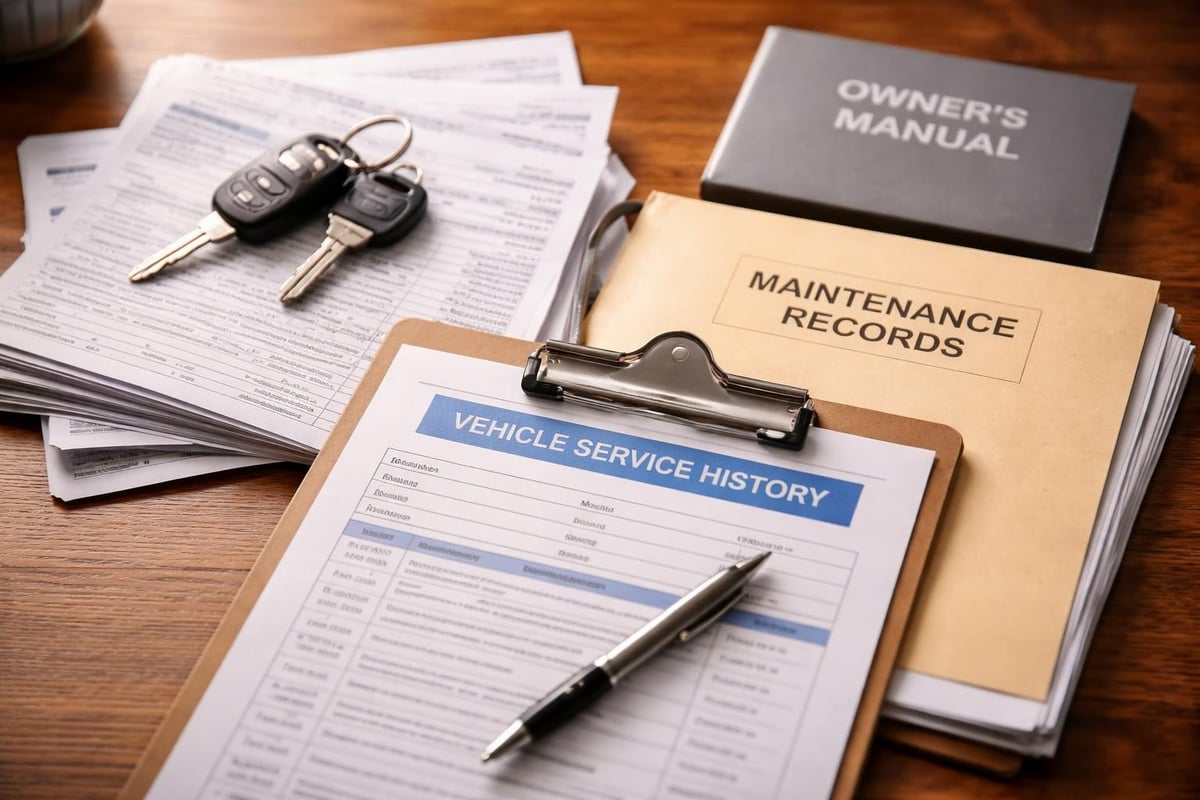
When you consistently use the same service center, they maintain comprehensive records of all work performed on your vehicle. This documentation proves invaluable for several reasons. It helps track recurring issues, validates warranty claims, and provides a complete maintenance record that increases resale value. The vehicle history information from CARFAX demonstrates how service records contribute to a vehicle's documented value.
Long-term relationships also mean my car mechanics become familiar with your specific vehicle's quirks and condition. They understand your driving patterns, previous repairs, and ongoing maintenance needs. This familiarity leads to more accurate diagnostics and appropriate service recommendations.
Trust Through Consistency
Trust develops through repeated positive interactions. When my car mechanics consistently deliver quality work, communicate honestly, and respect your budget, you gain confidence in their recommendations. This trust eliminates the stress of wondering whether suggested services are truly necessary.
Common Services and Maintenance Requirements
Understanding what services your European vehicle requires helps you communicate effectively with my car mechanics and make informed decisions about your vehicle's care. European manufacturers typically specify detailed service schedules that maintain optimal performance and reliability.
Routine Maintenance Services
Regular maintenance forms the foundation of vehicle longevity. These services occur at predictable intervals based on mileage or time periods. My car mechanics should follow manufacturer guidelines while adapting to your specific driving conditions.
Standard maintenance services include:
- Engine oil and filter changes (typically every 10,000-15,000 km for European vehicles)
- Brake system inspections and fluid replacement
- Tire rotations and alignment checks
- Air filter replacements (engine and cabin)
- Transmission fluid service
- Coolant system maintenance
- Battery testing and replacement
Diagnostic and Repair Services
Beyond routine maintenance, vehicles occasionally require diagnostic services to identify and resolve issues. Modern European vehicles communicate problems through dashboard warning lights and diagnostic trouble codes. My car mechanics use specialized scan tools to read these codes and pinpoint issues accurately.
The diagnostic process involves several steps:
- Initial consultation to understand symptoms and concerns
- Visual inspection of affected systems
- Computer diagnostics to retrieve fault codes
- Component testing to verify root causes
- Repair recommendations with cost estimates
- Post-repair verification to ensure proper resolution
Professional networks like the International Automotive Technicians Network allow skilled mechanics to share solutions for complex diagnostic challenges, ensuring your vehicle receives informed care.
Red Flags and Warning Signs
Not all automotive service centers operate with equal integrity or competence. Recognizing warning signs helps you avoid problematic shops and protect your investment. My car mechanics should demonstrate professionalism, transparency, and respect throughout every interaction.
Concerning Practices to Avoid
Certain behaviors indicate potential problems with a service provider. If you encounter these situations, consider finding alternative service options:
| Warning Sign | What It Suggests | Recommended Action |
|---|---|---|
| Pressure tactics for unnecessary services | Profit over customer needs | Seek second opinion |
| Reluctance to show or explain issues | Lack of transparency | Request detailed documentation |
| Vague or changing estimates | Poor organization or dishonesty | Get written estimates |
| No warranty on parts or labor | Lack of confidence in work | Choose shops offering guarantees |
| Inability to answer technical questions | Limited expertise | Find specialized technicians |
Positive Indicators of Quality Service
Conversely, certain characteristics indicate a professional, customer-focused service center. My car mechanics at reputable facilities demonstrate these qualities consistently.
Look for these positive signs:
- Clean, organized facility with modern equipment
- Technicians willing to show and explain issues
- Written estimates provided before work begins
- Parts and labor warranties clearly stated
- Positive reviews and established reputation
- Professional certifications displayed
- Clear communication throughout service process
The AAA Approved Auto Repair directory can help identify service centers meeting rigorous quality standards, though specialized European vehicle centers may offer superior expertise for specific makes.
Preparing for Service Appointments
Maximizing the value of service appointments requires preparation and clear communication. When you arrive prepared with relevant information, my car mechanics can work more efficiently and address your concerns thoroughly.
Information to Provide
Before your appointment, gather details about your vehicle's symptoms, recent service history, and any specific concerns. This information helps technicians prioritize their diagnostic efforts and understand context for current issues.
Useful details include:
- Specific symptoms (noises, vibrations, warning lights)
- When symptoms occur (cold starts, highway speeds, braking)
- Recent changes in vehicle behavior
- Previous repairs or services related to current issues
- Mileage since last service
- Any unusual events (impacts, deep water, extreme weather)
Questions to Ask During Service
Engaging actively with my car mechanics during service helps you understand your vehicle's condition and make informed decisions. Don't hesitate to ask questions about recommendations, alternatives, or timelines.
Important questions include:
- What specifically is causing this problem?
- What are the safety implications of delaying this repair?
- Are there alternative solutions or parts options?
- What warranty covers this work?
- How long should this repair last?
- Are there preventive measures to avoid future issues?
Professional technicians welcome questions and view them as opportunities to educate customers. They understand that informed customers make better decisions and develop stronger trust in the service relationship.
Cost Considerations and Value
Price represents just one factor in automotive service decisions. While controlling costs matters, focusing exclusively on finding the cheapest option often leads to poor outcomes. My car mechanics at quality facilities charge fair rates that reflect their expertise, equipment investments, and parts quality.
Understanding Service Pricing
Several factors influence automotive service costs. Labor rates vary based on technician expertise, facility overhead, and regional market conditions. Parts pricing depends on quality grades, sourcing, and availability. For European vehicles, genuine or OEM-equivalent parts typically cost more than generic alternatives but provide superior fit, performance, and reliability.
Cost components to consider:
- Diagnostic fees (often applied toward repair if approved)
- Labor hours at shop's hourly rate
- Parts costs (genuine, OEM, or aftermarket)
- Shop supplies and environmental fees
- Warranty coverage on parts and labor
- Convenience factors (loaner vehicles, pickup/delivery)
Balancing Cost and Quality
The cheapest service rarely provides the best value. My car mechanics who charge competitive rates while using quality parts and standing behind their work deliver superior long-term value. A slightly higher initial cost often prevents repeated repairs and extends component life.
Scheduling service appointments through convenient online booking systems helps you plan maintenance around your schedule, potentially reducing the need for expensive emergency repairs caused by neglected maintenance.
Consider the total ownership cost rather than individual service prices. Regular maintenance at a trusted facility prevents expensive repairs, maintains vehicle value, and ensures safety and reliability.
Seasonal and Preventive Maintenance
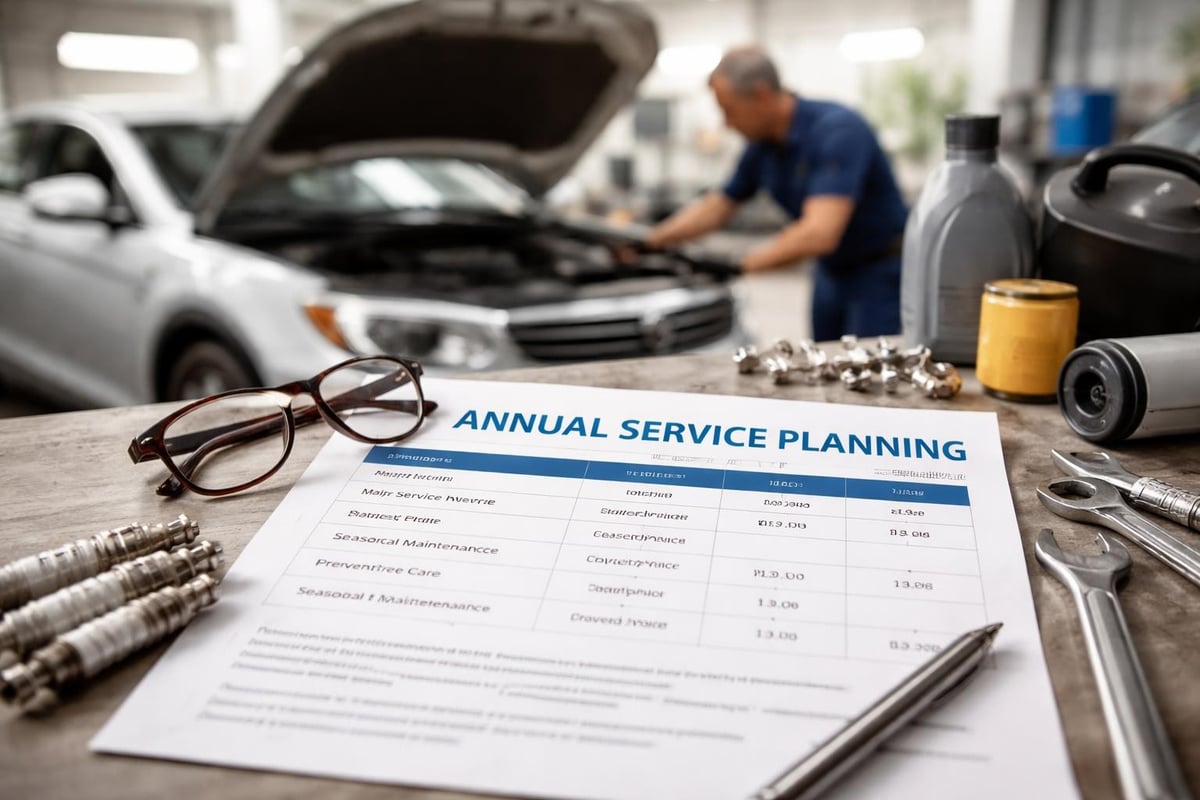
Proactive maintenance prevents problems before they occur. My car mechanics recommend seasonal services that prepare your vehicle for changing conditions and address wear before it causes failures. This preventive approach saves money and reduces inconvenience compared to reactive repairs.
Seasonal Service Recommendations
Auckland's climate may be mild, but seasonal transitions still affect vehicle performance and component wear. Spring and autumn present ideal times for comprehensive inspections.
| Season | Recommended Services | Benefits |
|---|---|---|
| Spring | Air conditioning check, brake inspection, tire condition assessment | Prepare for warmer weather and holiday travel |
| Autumn | Battery testing, wiper replacement, lighting inspection | Ready for winter conditions and reduced daylight |
| Throughout Year | Fluid level checks, tire pressure monitoring, visual inspections | Ongoing protection and early problem detection |
Mileage-Based Service Intervals
European manufacturers specify service schedules based on mileage milestones. Following these intervals maintains warranty coverage and ensures vehicle reliability. My car mechanics familiar with your vehicle's make understand these requirements and remind you of upcoming services.
Major service intervals for European vehicles typically occur at:
- 15,000 km: Minor service (oil, filters, inspection)
- 30,000 km: Intermediate service (additional fluid checks, component inspections)
- 60,000 km: Major service (comprehensive fluid replacement, belt inspections, detailed systems checks)
- 90,000+ km: Extended maintenance (timing belt consideration, transmission service, suspension evaluation)
Resources like Haynes Manuals provide detailed maintenance schedules for specific models, though specialized shops maintain current information for all European makes.
The Benefits of Independent Specialists
While dealerships offer manufacturer training and genuine parts, independent specialists focusing on European vehicles provide compelling advantages. My car mechanics at established independent shops combine expertise with personalized service and often more competitive pricing.
Advantages of Independent Service Centers
Independent shops specializing in European vehicles invest in the same diagnostic equipment and training as dealerships. They access technical service bulletins, manufacturer databases, and professional networks ensuring current knowledge. However, they typically operate with lower overhead costs, translating to better value for customers.
Independent specialist benefits:
- More personalized service and relationship building
- Flexible scheduling and faster appointment availability
- Competitive pricing without sacrificing quality
- Broader perspective across multiple European brands
- Focus on long-term customer relationships over transaction volume
- Often more transparent communication and explanations
Shops with decades of experience serving the same community build reputations based on consistent quality and integrity. They understand that their success depends on customer satisfaction and word-of-mouth referrals.
Specialized Equipment and Training
Quality independent European specialists maintain investments in technology matching or exceeding dealership capabilities. My car mechanics at these facilities access manufacturer diagnostic software, specialized tools, and ongoing technical training ensuring they handle even the most complex service needs.
This specialization means they encounter similar issues repeatedly across their focused brand range, developing deep expertise in diagnosing and resolving problems efficiently. A technician working exclusively on Volkswagen, Audi, Mercedes, BMW, and Skoda vehicles accumulates targeted experience impossible at general service centers.
Making the Switch to a New Service Provider
Sometimes circumstances require changing where you take your vehicle for service. Whether you've relocated, experienced poor service elsewhere, or simply want to explore alternatives, transitioning to new my car mechanics requires some consideration.
Transferring Service History
When changing service providers, request complete service records from your previous shop. Comprehensive documentation helps your new technicians understand your vehicle's history, previous repairs, and maintenance status. This information prevents duplicated services and provides context for ongoing care.
Most professional shops maintain digital records they can easily email or transfer. This documentation should include dates, mileage, services performed, parts installed, and any notes about vehicle condition or recommendations.
Establishing New Relationships
First impressions matter when evaluating new service providers. Pay attention to how my car mechanics communicate during initial interactions. Do they listen to your concerns? Explain services clearly? Provide detailed estimates? These early experiences indicate how the ongoing relationship will develop.
Consider starting with routine maintenance rather than major repairs for your first service. This approach allows you to evaluate communication, quality, and pricing on straightforward work before entrusting them with complex diagnostics or expensive repairs.
Steps for smooth transitions:
- Research potential shops through reviews and recommendations
- Visit facilities to assess cleanliness, equipment, and professionalism
- Request service records from previous provider
- Schedule initial consultation or minor service
- Evaluate communication and work quality
- Build ongoing relationship through consistent use
Technology and Modern Automotive Service
Modern vehicles function as computers on wheels, with electronic systems controlling virtually every aspect of operation. My car mechanics must possess both traditional mechanical skills and advanced technological competence to service contemporary European vehicles effectively.
Advanced Diagnostic Capabilities
European manufacturers implement sophisticated diagnostic systems that monitor hundreds of parameters continuously. When problems occur, these systems store detailed fault codes indicating specific issues. My car mechanics use manufacturer-specific scan tools reading these codes at levels generic scanners cannot access.
Beyond reading codes, professional diagnostics involve interpreting data, understanding system interactions, and verifying root causes through testing. A skilled technician distinguishes between symptoms and underlying problems, ensuring repairs address actual issues rather than just clearing warning lights.
Software Updates and Programming
Modern vehicles require periodic software updates maintaining optimal performance and functionality. These updates address everything from engine management calibration to infotainment system improvements. My car mechanics at specialized European service centers access manufacturer update systems, ensuring your vehicle benefits from the latest programming.
Some repairs require component programming or adaptation following installation. Electronic modules must be configured to communicate properly with other vehicle systems. This process requires specialized equipment and knowledge beyond basic parts replacement.
Selecting trustworthy, skilled professionals to maintain your European vehicle significantly impacts your ownership experience, vehicle longevity, and overall satisfaction. The relationship between vehicle owners and my car mechanics should be built on expertise, transparency, and mutual respect, ensuring your investment receives the specialized care it deserves. For owners of Volkswagen, Audi, Mercedes, BMW, and Skoda vehicles in Auckland's North Shore, VODIS Automobile combines over 20 years of specialized European vehicle expertise with personalized service, helping you maintain your vehicle's performance, reliability, and value through every stage of ownership.