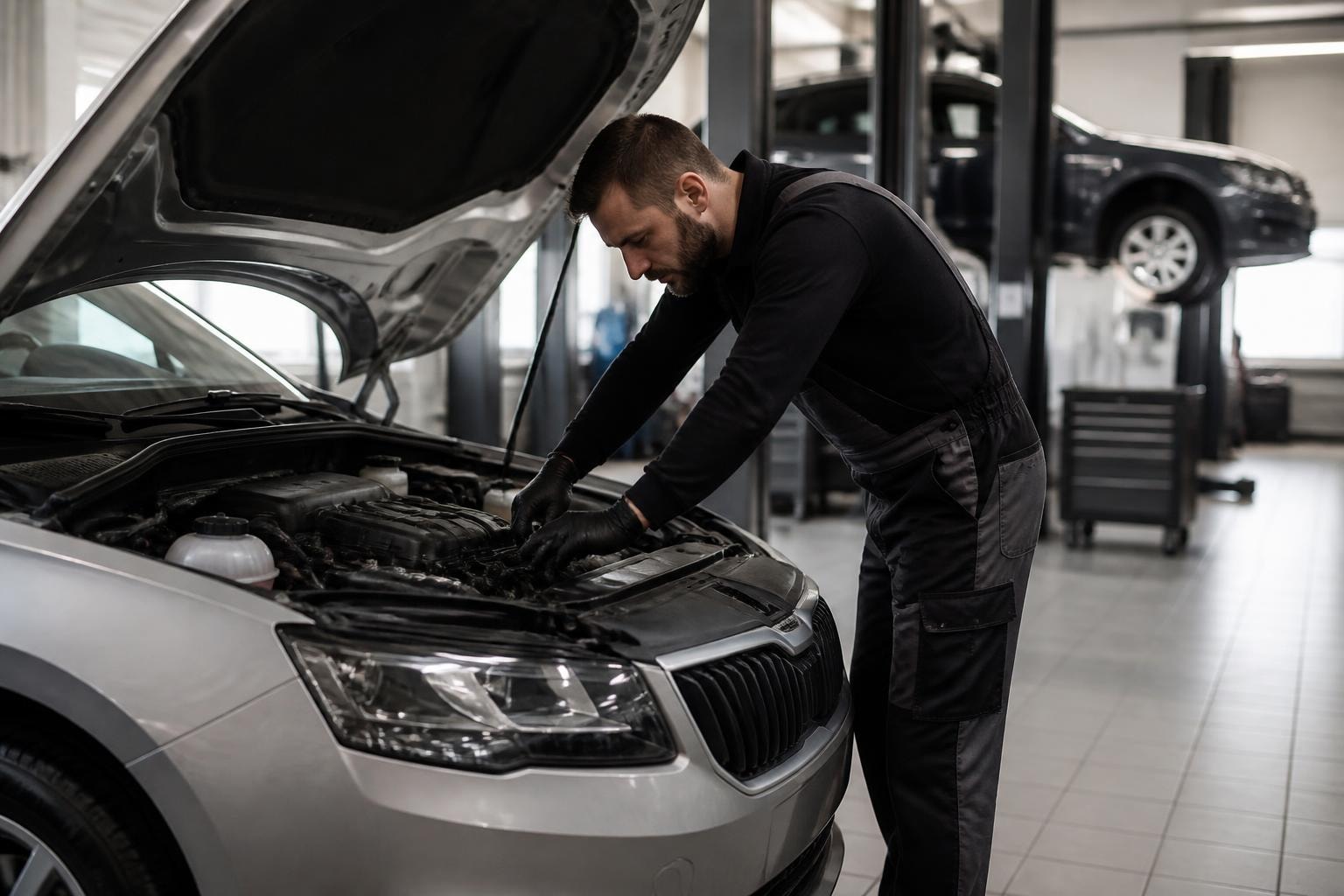

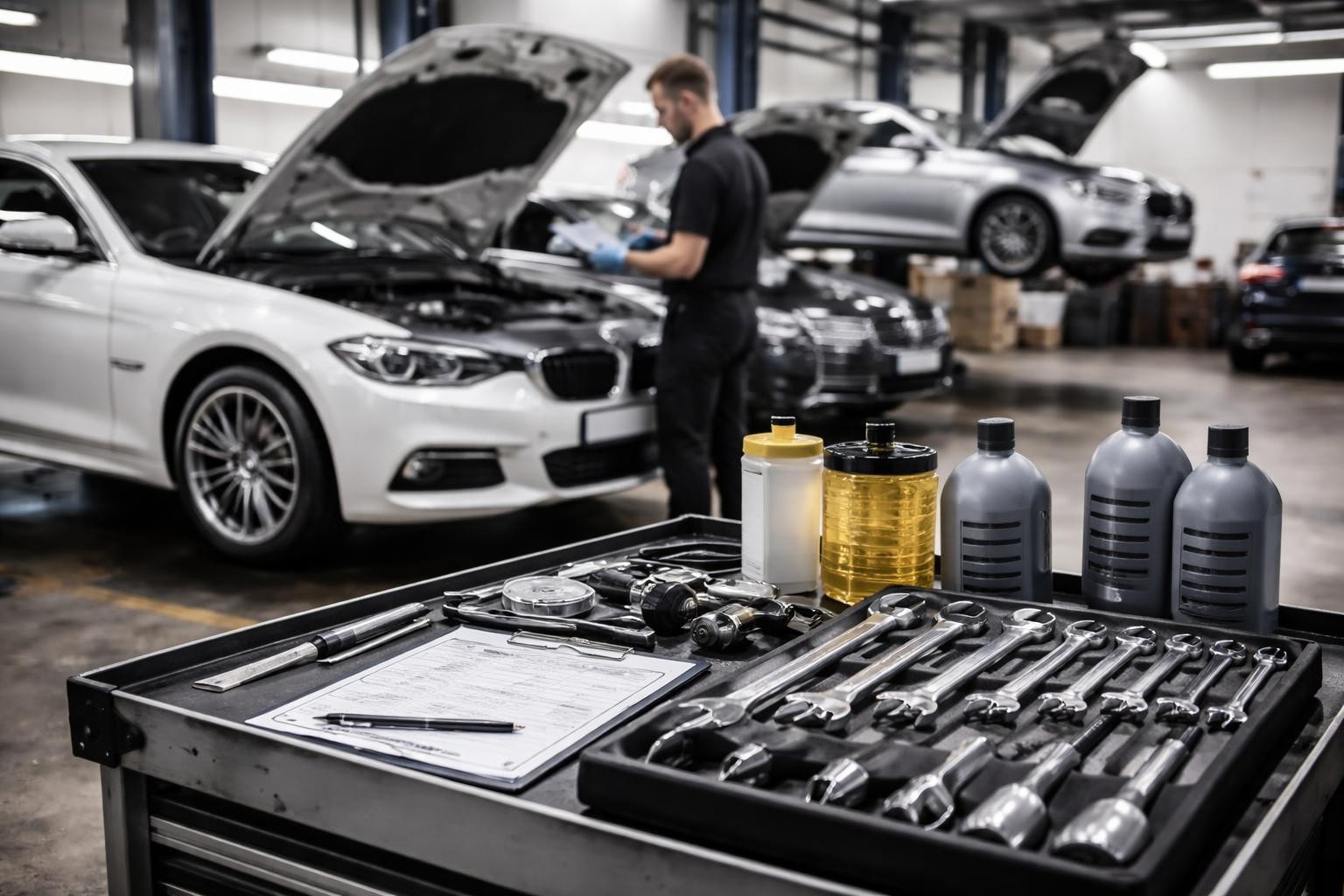
Owning a European vehicle represents a significant investment in engineering excellence, performance, and sophisticated technology. Whether you drive a Volkswagen, Audi, Mercedes, BMW, or Skoda, these vehicles demand specialized attention and expert knowledge to maintain their optimal performance. European car care goes beyond basic maintenance and requires understanding the unique specifications, systems, and requirements that set these vehicles apart from their Asian or American counterparts. With proper attention and preventative maintenance, your European vehicle can deliver exceptional reliability and performance for years to come.
Understanding European Vehicle Engineering
European manufacturers have established themselves as industry leaders through decades of innovation and precision engineering. These vehicles incorporate advanced technologies, tightly calibrated systems, and manufacturer-specific components that require specialized knowledge for proper maintenance.
The Importance of Manufacturer Specifications
European car manufacturers design their vehicles with precise tolerances and specific requirements. Using incorrect fluids, parts, or service procedures can compromise performance and potentially void warranties. Each brand has developed unique engineering approaches:
- Volkswagen and Audi share VAG Group technology requiring specific diagnostic tools and procedures
- Mercedes-Benz vehicles feature sophisticated electronic systems demanding specialized equipment
- BMW engines utilize precise timing systems and specialized oil formulations
- Skoda models incorporate VW Group technology with brand-specific calibrations
The importance of specialized diagnostic tools and manufacturer-specific parts cannot be overstated when maintaining these sophisticated vehicles.
Advanced Technology Integration
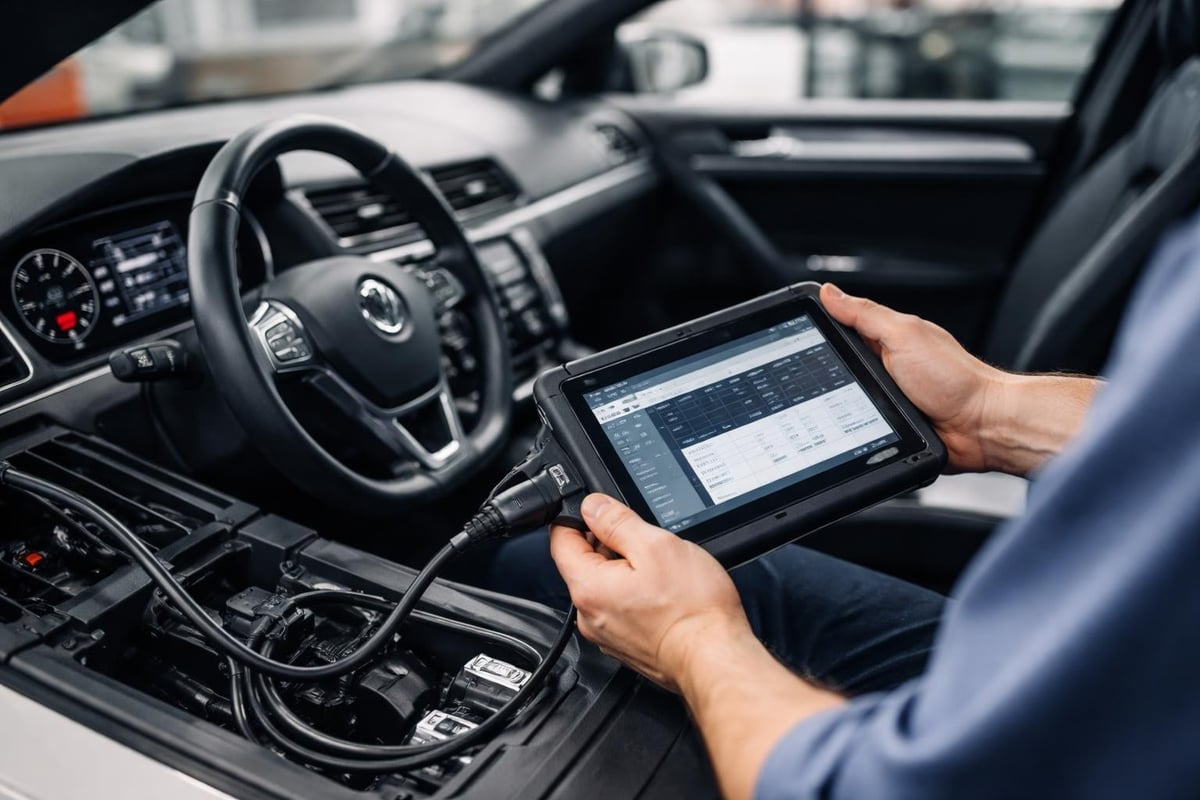
Modern European vehicles feature complex electronic control units (ECUs), integrated safety systems, and advanced driver assistance technologies. These systems communicate constantly, monitoring hundreds of parameters to optimize performance, efficiency, and safety. Proper european car care requires diagnostic equipment capable of interfacing with these systems to identify issues before they become major problems.
Essential Maintenance Schedules
Following manufacturer-recommended maintenance intervals is crucial for european car care. These schedules account for the specific engineering characteristics and performance demands of each vehicle.
Service Interval Requirements
European manufacturers typically specify maintenance intervals based on mileage, time, or driving conditions. Understanding these requirements helps prevent premature wear and costly repairs.
| Service Type | Typical Interval | Key Components |
|---|---|---|
| Oil Changes | 10,000-15,000 km | Engine oil, filter |
| Brake Inspection | Every 20,000 km | Pads, rotors, fluid |
| Transmission Service | 60,000-100,000 km | Fluid, filter |
| Timing Belt | 100,000-150,000 km | Belt, tensioners, pulleys |
| Spark Plugs | 60,000-100,000 km | Plugs, ignition coils |
The importance of following factory service schedules cannot be emphasized enough, as these intervals are specifically engineered for your vehicle's systems.
Condition-Based Servicing
Many European vehicles now incorporate condition-based service indicators that monitor actual driving conditions, oil quality, and component wear. These intelligent systems adjust service intervals based on your specific driving patterns, whether predominantly city driving, highway cruising, or performance-oriented use.
Critical Fluid Requirements
European car care demands strict attention to fluid specifications. Using incorrect fluids can cause immediate damage or accelerate long-term wear.
Engine Oil Specifications
European manufacturers specify precise oil formulations designed for their engine technologies. BMW's Long Life oils, Mercedes-Benz's MB 229 specifications, and VW's 502/505 approvals represent carefully engineered requirements. These specifications address:
- High-temperature stability for turbocharged engines
- Low-viscosity requirements for fuel efficiency
- Specific additive packages for emission control systems
- Extended drain interval compatibility
Following manufacturer-approved fluids ensures your engine receives the protection it was designed to use.
Transmission and Differential Fluids
European transmissions, whether manual, automatic, or dual-clutch designs, require specific fluid formulations. These fluids maintain precise friction characteristics, temperature stability, and long-term durability that generic alternatives cannot match.
Preventative Maintenance Strategies
Proactive european car care prevents expensive repairs and extends vehicle lifespan significantly. Addressing minor issues before they escalate saves both money and inconvenience.
Regular Inspection Points
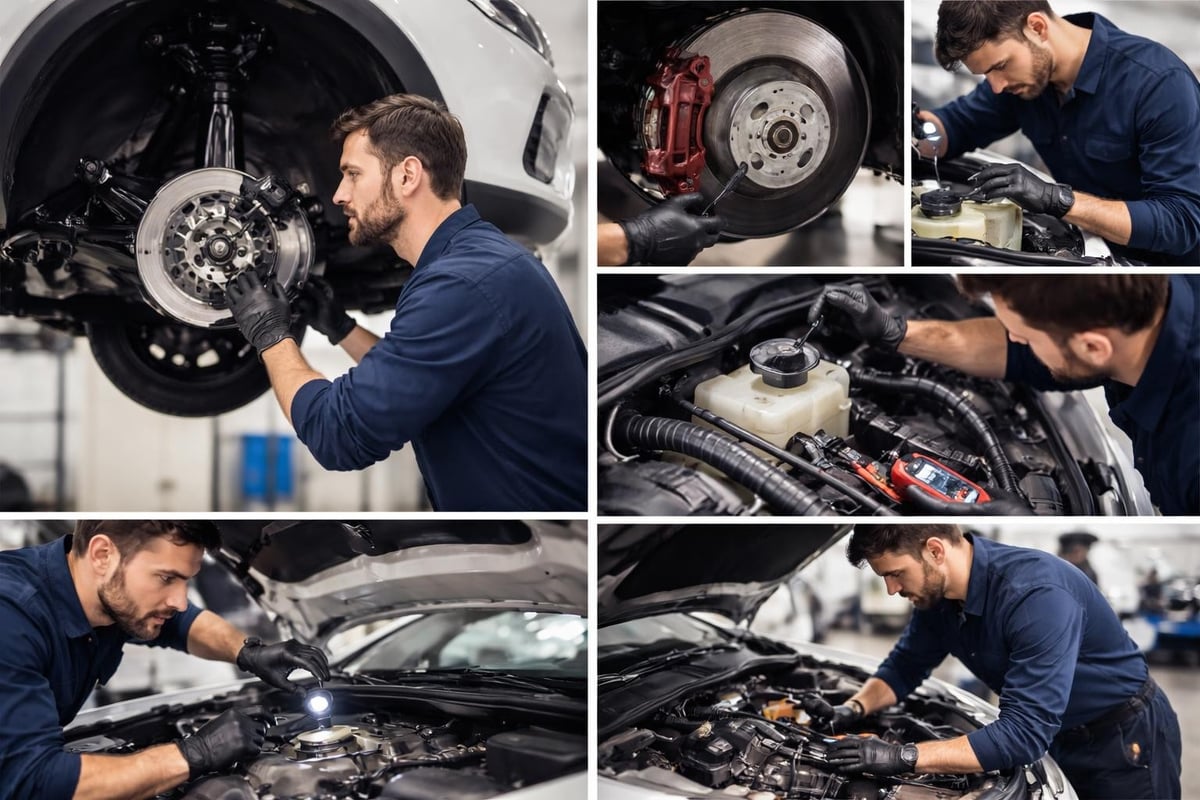
Systematic inspections catch developing problems early. Professional technicians should regularly examine:
- Suspension components for wear, leaks, or damage
- Brake systems including pad thickness, rotor condition, and fluid quality
- Cooling systems checking hoses, connections, and coolant condition
- Electrical systems testing battery health and charging system performance
- Engine seals identifying oil or coolant leaks before they worsen
Common European Vehicle Issues
Understanding typical wear patterns helps owners anticipate maintenance needs. European vehicles often experience specific issues related to their advanced engineering:
Volkswagen and Audi models may develop carbon buildup on direct-injection engines, requiring periodic cleaning. Water pump failures on certain models necessitate proactive replacement before catastrophic failure.
Mercedes-Benz vehicles sometimes experience air suspension component wear, requiring specialized diagnosis and repair. Electronic control modules may develop issues requiring reprogramming or replacement.
BMW vehicles with turbocharged engines may experience wastegate or diverter valve failures. Cooling system components, particularly plastic parts, may fail prematurely under high heat stress.
Skoda models sharing VW Group technology may experience similar issues with DSG transmissions requiring software updates and mechatronic unit attention.
Choosing Quality Parts and Components
European car care requires genuine or OEM-equivalent parts manufactured to exacting specifications. Aftermarket alternatives may seem economical initially but often compromise performance, reliability, or longevity.
OEM versus Aftermarket Parts
| Aspect | OEM/Genuine Parts | Quality Aftermarket | Budget Aftermarket |
|---|---|---|---|
| Fit | Perfect | Very good | Variable |
| Quality | Manufacturer standard | Comparable | Often inferior |
| Warranty | Comprehensive | Limited | Minimal |
| Longevity | Designed lifespan | Similar | Reduced |
| Price | Premium | Moderate | Low |
Investing in quality components ensures reliable performance and often proves more economical long-term through extended service life and reduced failure rates.
Critical Components Requiring OEM Quality
Certain systems demand manufacturer-quality components:
- Engine management sensors affecting performance and emissions
- Brake components ensuring safety and consistent pedal feel
- Suspension parts maintaining handling characteristics
- Electrical components preventing system communication failures
Specialized Service Requirements
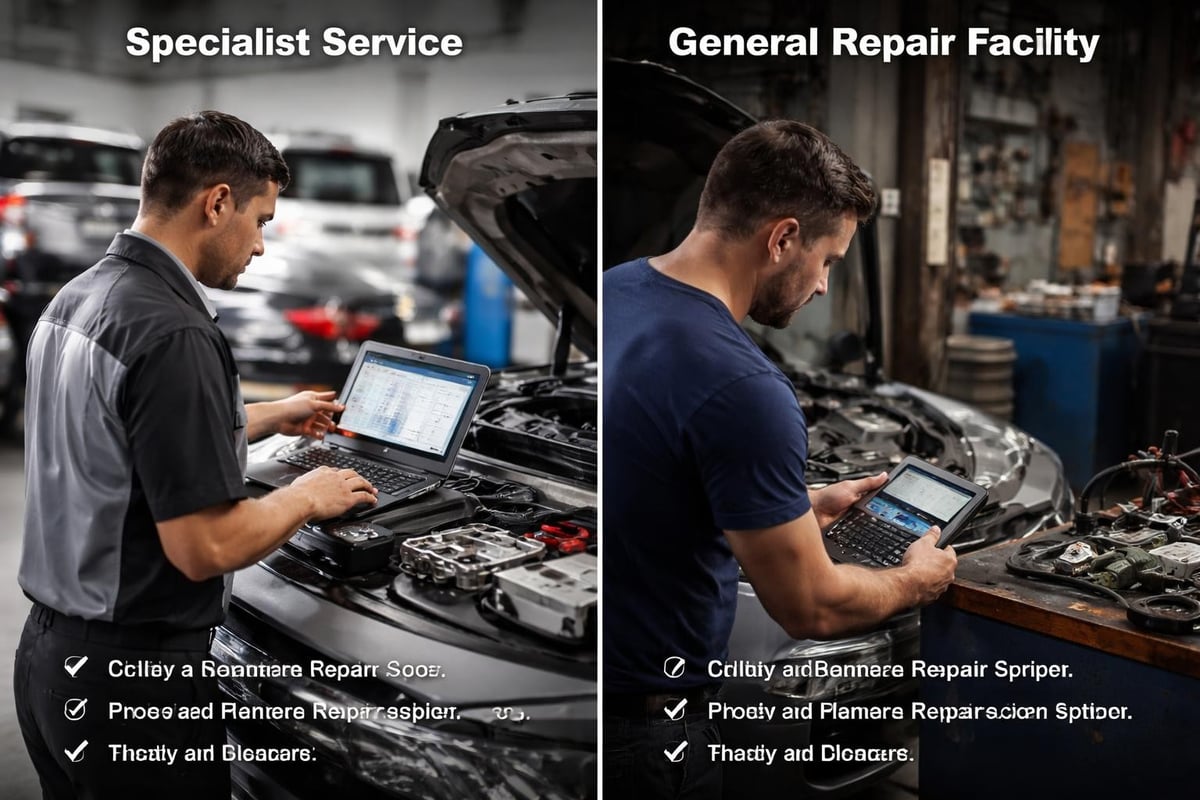
European car care benefits significantly from specialists who understand these vehicles' unique characteristics. Generic repair facilities often lack the specialized knowledge, diagnostic equipment, and technical information necessary for proper service.
Diagnostic Equipment Needs
Modern European vehicles require factory-level diagnostic systems to access all control modules, perform calibrations, and complete programming procedures. The expertise and equipment necessary for proper care includes brand-specific scan tools, coding software, and technical service information.
Technical Expertise Benefits
Experienced technicians bring invaluable knowledge:
- Understanding common failure modes and preventative solutions
- Recognizing subtle symptoms indicating developing problems
- Accessing manufacturer technical bulletins and service campaigns
- Performing procedures correctly the first time, avoiding repeated repairs
Professional european car care from specialists familiar with your specific make and model saves time, money, and frustration compared to trial-and-error approaches at general repair facilities.
Seasonal Maintenance Considerations
Auckland's climate presents specific challenges requiring adjusted european car care approaches. Understanding how seasonal changes affect your vehicle helps maintain optimal performance year-round.
Summer Preparation
Warmer months stress cooling systems, air conditioning, and engine oil. Preparing your European vehicle for summer includes:
- Inspecting cooling system hoses and connections for degradation
- Testing air conditioning refrigerant charge and compressor operation
- Verifying coolant mixture provides adequate corrosion protection
- Checking tire pressures as heat causes expansion
Winter Readiness
Cooler, wetter conditions demand different attention:
- Testing battery capacity as cold reduces cranking power
- Inspecting wiper blades and washer system operation
- Checking tire tread depth for wet weather traction
- Examining lighting systems for visibility in shorter daylight hours
Performance Optimization
Beyond basic maintenance, european car care includes optimizing performance characteristics that make these vehicles special. Regular attention to specific systems maintains the driving dynamics European manufacturers engineer into their vehicles.
Engine Performance Maintenance
Turbocharged engines powering most modern European vehicles require specific attention. Carbon deposits on intake valves, particularly in direct-injection engines, can reduce performance and efficiency. Professional cleaning services restore proper airflow and combustion efficiency.
Fuel system cleanliness affects injector spray patterns and combustion quality. Using premium fuel as manufacturers specify, combined with periodic fuel system cleaning, maintains engine responsiveness.
Transmission Performance
Dual-clutch transmissions in VW Group products, sophisticated automatics in Mercedes and BMW vehicles, and advanced manual transmissions all benefit from proper fluid service. Fresh transmission fluid maintains precise shift quality, prevents clutch slippage in DCT applications, and extends component life significantly.
Cost Management Strategies
While European car care requires investment, strategic approaches help reduce maintenance costs without compromising quality. Understanding which services represent essential investments versus optional enhancements helps prioritize maintenance budgets.
Essential versus Optional Services
Prioritizing critical maintenance ensures safety and reliability:
Essential services include oil changes, brake maintenance, tire care, and manufacturer-specified component replacements. These services directly affect vehicle safety, reliability, and longevity.
Enhancement services might include cosmetic repairs, performance upgrades, or convenience features. While valuable, these can be scheduled around budget availability without compromising vehicle integrity.
Long-Term Value Protection
Consistent maintenance protects resale value significantly. European vehicles with complete service histories command premium prices compared to those with incomplete documentation. Scheduling regular maintenance and retaining service records represents investment protection.
When scheduling service, booking with specialists who understand your vehicle ensures work is completed correctly, often preventing repeated repairs and additional expense.
Documentation and Service Records
Maintaining comprehensive service documentation represents crucial european car care practice. Complete records demonstrate proper maintenance, support warranty claims, and significantly enhance resale value.
Record Keeping Best Practices
Professional service centers provide detailed service records documenting:
- All work performed with parts and fluids used
- Mileage and date of service
- Technician notes regarding vehicle condition
- Recommendations for future maintenance
Retaining these records, whether physical copies or digital files, creates valuable ownership history demonstrating proper care throughout the vehicle's life.
Digital Service History
Many European manufacturers now maintain digital service records accessible through dealer networks. Ensuring independent specialists upload service data to these systems maintains complete manufacturer visibility of maintenance history, supporting warranty claims and future resale value.
Driving Habits Impact
How you drive significantly affects maintenance requirements and component longevity. Understanding the relationship between driving habits and vehicle health helps optimize european car care approaches.
Performance Driving Considerations
European vehicles often encourage spirited driving through responsive engines and precise handling. While these vehicles are engineered for performance, frequent high-performance driving accelerates brake wear, increases engine stress, and may require shorter service intervals.
City versus Highway Driving
Predominantly city driving with frequent starts, stops, and low-speed operation represents severe service conditions. Engines may not reach optimal operating temperatures, potentially causing carbon buildup and shortened oil life. Highway driving typically represents easier service conditions, allowing extended intervals between certain maintenance items.
Proper european car care combines manufacturer knowledge, quality parts, specialized expertise, and consistent attention to maintain the performance and reliability that define these exceptional vehicles. Whether you drive through Auckland daily or enjoy weekend adventures exploring New Zealand's stunning roads, your European vehicle deserves expert attention from professionals who understand its unique requirements. VODIS Automobile provides specialized service for Volkswagen, Audi, Mercedes, BMW, and Skoda vehicles, offering over 20 years of trusted expertise and a commitment to maintaining your vehicle to manufacturer standards. Our skilled technicians use factory-level diagnostic equipment and genuine quality parts to ensure your European vehicle receives the precise care it deserves.