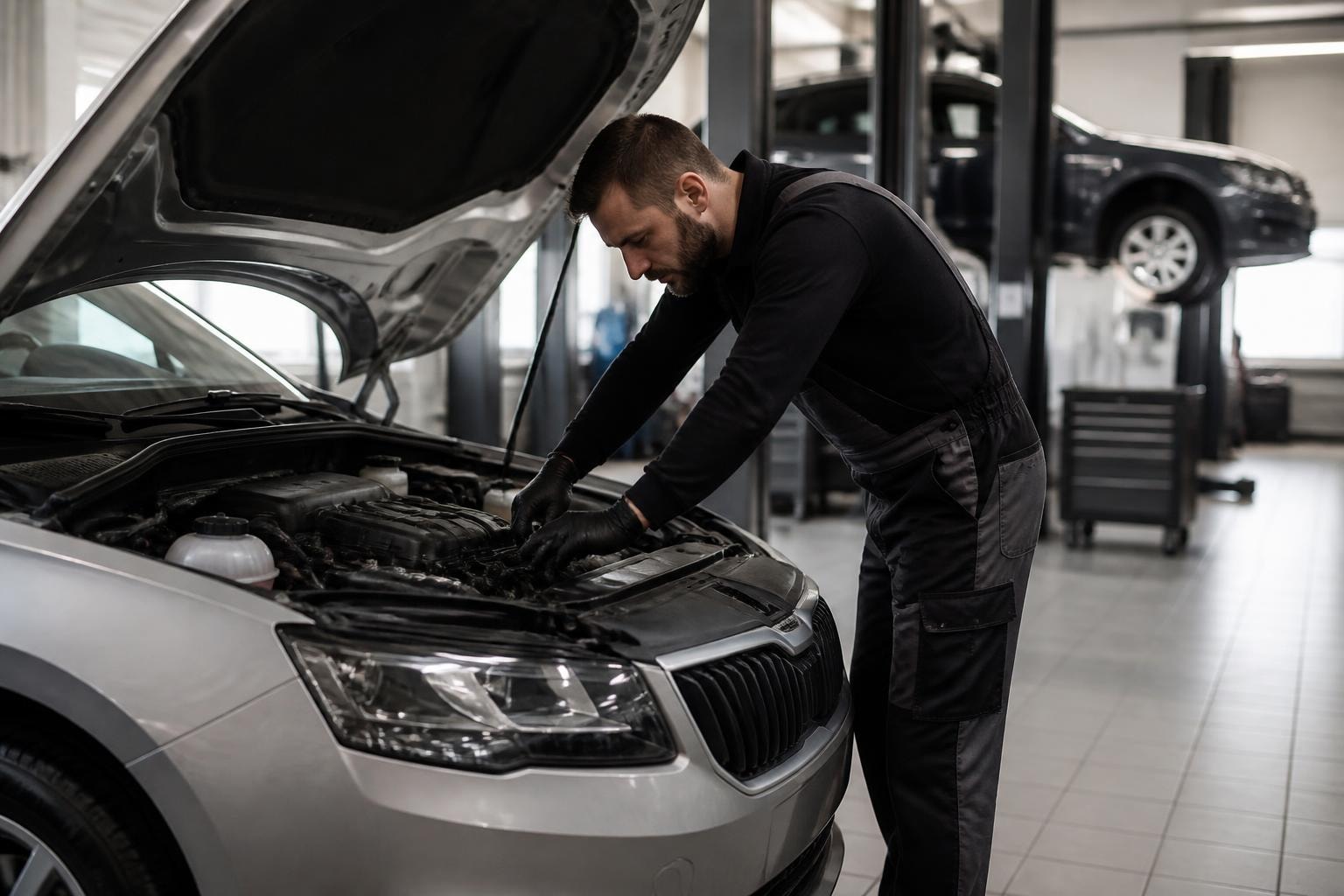

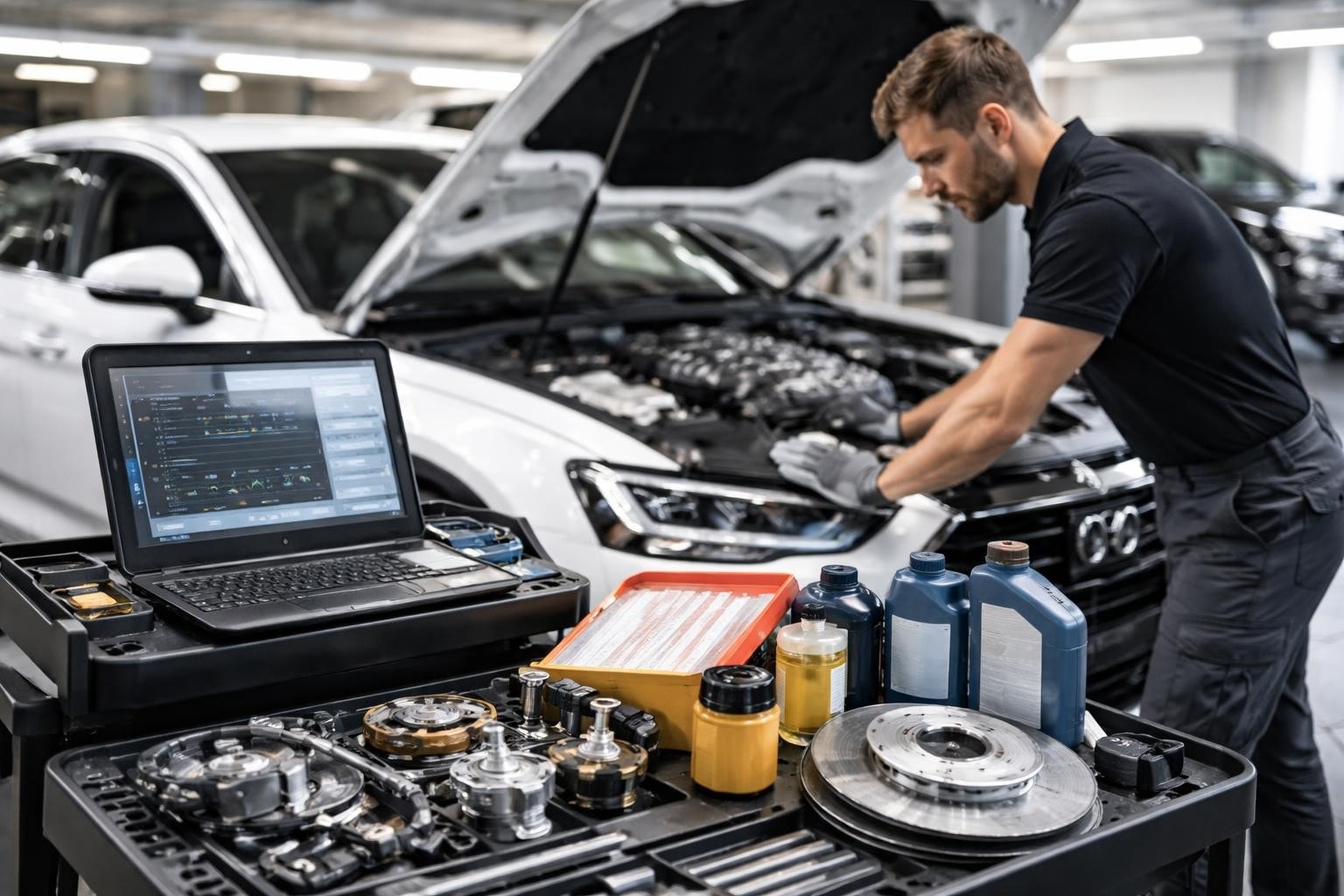
European vehicles represent significant investments that demand specialized attention and expertise. Whether you drive a Volkswagen, Audi, Mercedes, BMW, or Skoda, maintaining your vehicle's performance and longevity requires more than basic maintenance. Quality cars service encompasses comprehensive diagnostics, manufacturer-specific knowledge, and commitment to excellence that goes beyond conventional automotive care. Understanding what defines exceptional service helps vehicle owners make informed decisions about where to entrust their prized automobiles.
Understanding Quality Cars Service Standards
Quality cars service represents a holistic approach to vehicle maintenance that prioritizes precision, expertise, and customer satisfaction. This standard extends far beyond simple oil changes and tire rotations, encompassing detailed inspections, advanced diagnostics, and specialized knowledge of European automotive engineering.
The Foundation of Professional Automotive Care
Professional service centers distinguish themselves through systematic quality management approaches. According to Trinity Tech Inc.’s automotive quality assurance strategies, implementing robust quality management systems ensures consistency across all service procedures. These systems include documented processes, regular equipment calibration, and ongoing technician training.
Key components of quality service include:
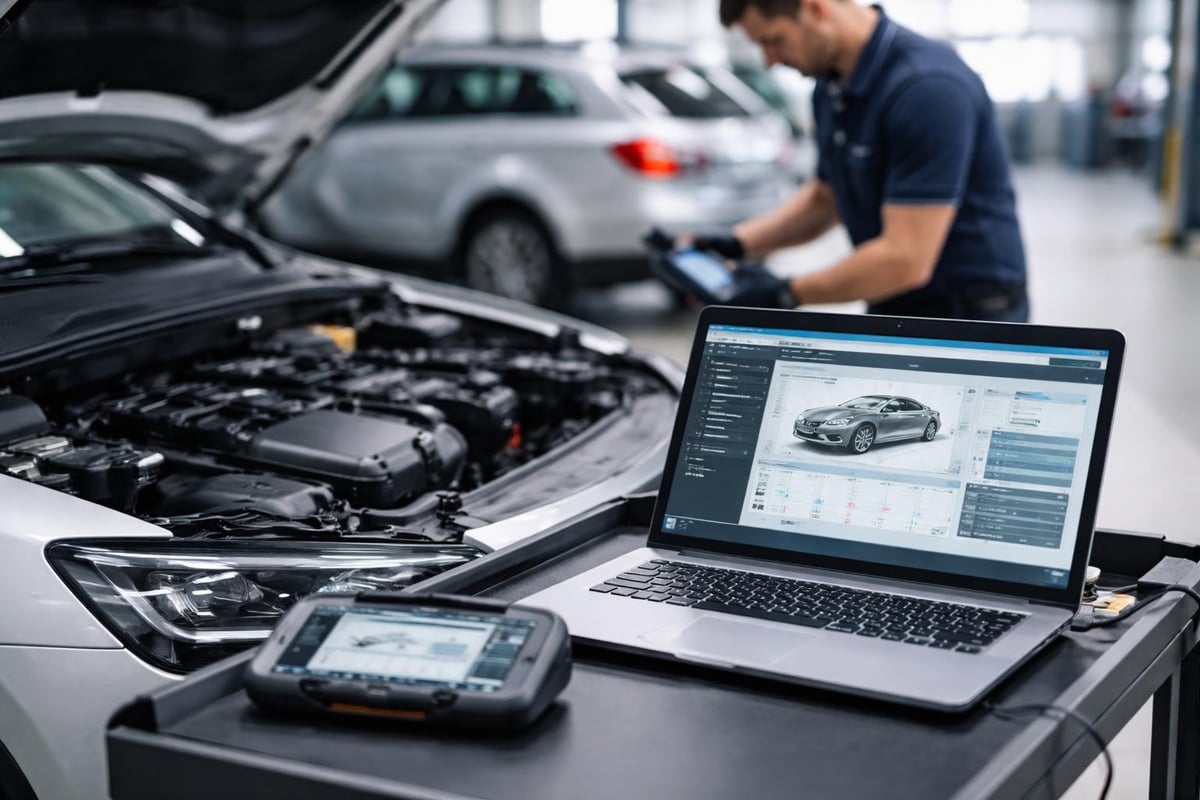
- Advanced diagnostic equipment specifically designed for European manufacturers
- Factory-trained technicians with brand-specific certifications
- Original Equipment Manufacturer (OEM) parts or approved alternatives
- Comprehensive pre-service inspections
- Detailed service documentation and maintenance records
- Transparent communication about required repairs and costs
The difference between adequate and exceptional service often lies in attention to detail. Quality service providers conduct thorough multi-point inspections during every visit, identifying potential issues before they become costly repairs.
Service Intervals and Maintenance Scheduling
Understanding appropriate service intervals remains crucial for maintaining vehicle performance and warranty compliance. While traditional wisdom suggested specific mileage-based schedules, modern European vehicles often utilize sophisticated monitoring systems that calculate service needs based on actual driving conditions.
Mileage-based maintenance guidelines continue to provide valuable frameworks, but quality cars service providers recognize that driving habits significantly influence maintenance requirements. City driving with frequent stops differs dramatically from highway cruising, affecting everything from brake wear to engine oil degradation.
| Service Type | Typical Interval | Conditions Affecting Frequency |
|---|---|---|
| Oil Changes | 10,000-15,000 km | Driving conditions, oil type, engine design |
| Brake Inspection | 15,000-20,000 km | Driving style, terrain, vehicle weight |
| Tire Rotation | 10,000-12,000 km | Tire type, alignment, driving habits |
| Coolant System | 40,000-60,000 km | Climate, engine type, coolant specification |
Essential Maintenance Components for European Vehicles
European automotive manufacturers engineer their vehicles with specific maintenance requirements that differ from Asian or American counterparts. Quality cars service acknowledges these distinctions and adapts procedures accordingly.
Engine and Performance Systems
European engines, particularly those in premium vehicles, feature advanced technologies requiring specialized maintenance approaches. Direct fuel injection systems, turbochargers, and variable valve timing mechanisms demand precise servicing procedures and manufacturer-approved fluids.
Regular engine maintenance includes:
- Premium synthetic oil changes using manufacturer-specified viscosity grades
- Air filter replacements maintaining optimal airflow and combustion efficiency
- Spark plug inspections ensuring proper ignition timing and fuel economy
- Timing belt or chain verification preventing catastrophic engine failure
- Turbocharger system checks monitoring boost pressure and oil supply
The comprehensive car maintenance checklist from AutoZone provides foundational guidance, though European vehicles often require additional specialized procedures beyond standard recommendations.
Braking Systems and Safety Components
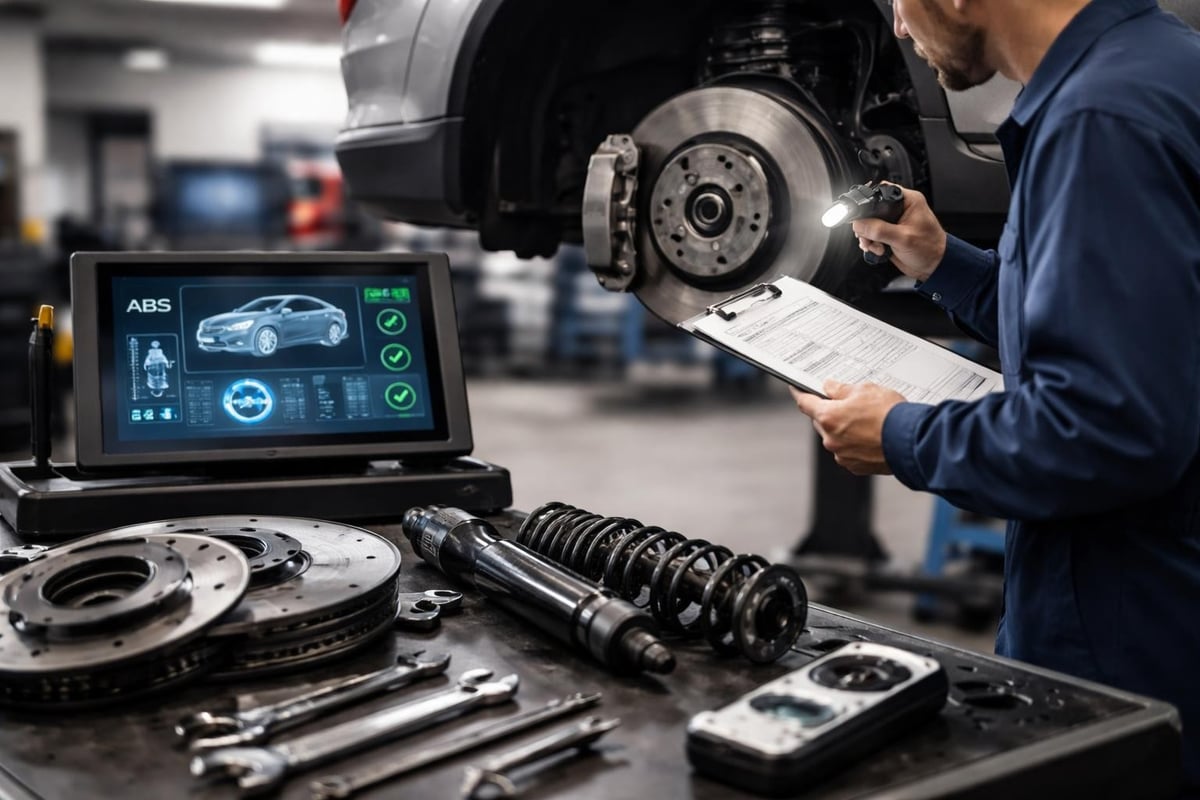
European vehicles frequently feature sophisticated braking systems including composite rotors, multi-piston calipers, and advanced ABS modules. Quality cars service ensures these critical safety systems receive appropriate attention during every service appointment.
Brake system maintenance encompasses:
- Rotor thickness measurements and surface condition assessment
- Brake pad material inspection and wear pattern analysis
- Hydraulic fluid testing for moisture content and contamination
- Caliper operation verification and slide pin lubrication
- Electronic brake system diagnostics including ABS and stability control
Modern European vehicles integrate braking systems with multiple safety features, requiring technicians to understand complex electronic interactions when performing seemingly simple brake services.
Diagnostic Excellence and Problem-Solving
Advanced diagnostics separate quality cars service from basic maintenance facilities. European vehicles utilize proprietary diagnostic protocols requiring manufacturer-specific equipment and software unavailable at general repair shops.
Manufacturer-Specific Diagnostic Capabilities
Each European manufacturer employs unique communication protocols and diagnostic trouble codes. Volkswagen's VCDS system differs from BMW's ISTA diagnostics, which varies from Mercedes' XENTRY platform. Quality service centers invest in multiple diagnostic platforms to properly service various European brands.
Professional diagnostics involve:
- Reading and interpreting manufacturer-specific fault codes
- Performing guided troubleshooting procedures
- Accessing live data streams from vehicle control modules
- Conducting adaptation and coding procedures after repairs
- Verifying repair effectiveness through post-service testing
According to best practices in quality auto repair services, comprehensive diagnostics prevent unnecessary part replacements and ensure accurate problem identification.
Preventive Maintenance Philosophy
Quality cars service emphasizes prevention over reaction. General maintenance guidelines from O’Brians Automotive highlight how routine upkeep extends vehicle lifespan while reducing long-term ownership costs.
This preventive approach includes:
- Regular fluid analysis identifying contamination before damage occurs
- Visual inspections catching early warning signs of component wear
- Scheduled replacements based on manufacturer recommendations
- Environmental protection treatments preserving vehicle appearance
- Software updates maintaining optimal system performance
Preventive maintenance proves particularly cost-effective for European vehicles, where component replacement costs typically exceed those of mainstream brands.
Customer Service Excellence in Automotive Care
Technical expertise alone doesn't define quality cars service. The customer experience surrounding that expertise significantly influences satisfaction and loyalty.
Communication and Transparency
Outstanding automotive service centers prioritize clear, honest communication throughout the service process. Best practices for delivering quality customer service emphasize consistency, efficiency, and transparency as foundational elements.
| Communication Element | Quality Standard | Customer Benefit |
|---|---|---|
| Service Estimates | Detailed breakdown with explanations | Informed decision-making |
| Progress Updates | Proactive notifications during service | Reduced anxiety and planning ability |
| Problem Documentation | Photos and technical descriptions | Visual understanding of issues |
| Warranty Information | Clear coverage terms and conditions | Confidence in service quality |
Professional service advisors translate technical information into understandable language, ensuring customers comprehend recommended services without feeling overwhelmed by technical jargon.
Building Long-Term Relationships
Quality cars service centers recognize the value of long-term customer relationships over transactional interactions. Automotive customer service best practices emphasize creating customer-centric cultures that prioritize satisfaction and trust.
Relationship-building strategies include:
- Maintaining comprehensive service histories tracking all maintenance and repairs
- Personalized service recommendations based on individual driving patterns
- Flexible scheduling options accommodating customer availability
- Convenient booking systems like online appointment scheduling
- Follow-up communications ensuring satisfaction and addressing concerns
These approaches transform routine maintenance visits into positive experiences that reinforce customer loyalty.

Specialized Knowledge for European Brands
European automotive manufacturers each possess distinct engineering philosophies reflected in their maintenance requirements. Quality cars service recognizes these differences and maintains brand-specific expertise.
Volkswagen and Audi Service Considerations
Volkswagen Auto Group vehicles, including Audi, share numerous components and systems across their model ranges. However, each brand maintains unique characteristics requiring specialized knowledge.
Critical service points include:
- DSG transmission service intervals and fluid specifications
- Timing belt replacement schedules varying by engine configuration
- Direct injection carbon buildup prevention and cleaning
- Electrical system complexity requiring advanced diagnostics
- Suspension component specifications and adjustment procedures
These vehicles benefit from technicians familiar with common issues like water pump failures, PCV system problems, and ignition coil degradation patterns specific to VAG platforms.
BMW and Mercedes-Benz Maintenance
German luxury manufacturers engineer their vehicles with performance and refinement as primary objectives, resulting in sophisticated systems requiring meticulous maintenance approaches.
BMW service requirements emphasize:
- Condition-based servicing through on-board monitoring systems
- Differential and transfer case fluid services often overlooked
- Cooling system maintenance preventing expensive repairs
- VANOS system care maintaining variable valve timing operation
- Battery registration procedures after replacement
Mercedes-Benz vehicles demand similar attention with additional focus on air suspension systems, complex electronic architectures, and specialized fluid requirements. According to motor vehicle service fundamentals, adhering to manufacturer specifications ensures optimal performance and longevity.
Parts Quality and Sourcing Standards
Component quality directly impacts service longevity and vehicle performance. Quality cars service providers maintain strict standards regarding parts selection and procurement.
OEM Versus Aftermarket Components
The parts debate continues among automotive professionals and enthusiasts. Original Equipment Manufacturer components guarantee fitment and specifications matching factory standards, while quality aftermarket alternatives often provide comparable performance at reduced costs.
Factors influencing parts selection:
- Critical safety components typically warrant OEM specification
- Wear items may accept quality aftermarket alternatives
- Electronic components benefit from OEM sourcing
- Maintenance parts like filters and fluids require specification compliance
- Warranty considerations affecting parts choices
Professional service centers explain parts options, helping customers make informed decisions balancing quality, cost, and longevity expectations.
Fluid Specifications and Requirements
European vehicles specify precise fluid characteristics essential for proper system operation. Using incorrect fluids, even quality alternatives, can compromise performance and potentially cause damage.
| Fluid Type | Specification Importance | Common Standards |
|---|---|---|
| Engine Oil | Critical for longevity | VW 504/507, BMW LL-01, MB 229.5 |
| Transmission | Essential for operation | VAG G052/G055, ZF Lifeguard, MB 236.14 |
| Coolant | Prevents corrosion damage | G12/G13, BMW Blue, Mercedes Pink |
| Brake Fluid | Safety and performance | DOT 4 Low Viscosity, DOT 5.1 |
Quality cars service ensures all fluids meet or exceed manufacturer specifications, protecting sophisticated systems from premature wear and failure.
Technological Advancements in Service Delivery
Modern automotive service incorporates technology enhancing efficiency, accuracy, and customer experience. Quality service centers embrace these advancements while maintaining traditional craftsmanship values.
Digital Service Records and Tracking
Electronic service documentation provides comprehensive vehicle histories accessible across service visits. These systems track maintenance schedules, identify upcoming service needs, and verify warranty compliance.
Digital record-keeping benefits include:
- Complete maintenance histories independent of vehicle ownership changes
- Automated service reminders based on time and mileage
- Easy access to previous service reports and recommendations
- Enhanced resale value through documented maintenance
- Simplified warranty claim processing
This technological integration supports the preventive maintenance philosophy central to quality automotive care.
Remote Diagnostics and Software Updates
Contemporary European vehicles function as computers on wheels, requiring regular software updates maintaining optimal performance and addressing manufacturer-identified issues. Quality cars service facilities maintain connectivity to manufacturer servers enabling remote diagnostics and programming capabilities.
Software service capabilities include:
- Control module programming and updates
- Adaptation procedures after component replacement
- Feature activation and coding changes
- Diagnostic trouble code analysis and clearing
- System calibration following repairs
These services require substantial investment in equipment and training, distinguishing professional facilities from general repair shops.
Environmental and Protective Care
Vehicle longevity extends beyond mechanical maintenance to include protective measures preserving appearance and structural integrity. Quality cars service addresses these aspects comprehensively.
Paint and Exterior Protection
European vehicles often feature advanced paint systems and protective coatings requiring specific maintenance approaches. PPF maintenance guidelines emphasize proper care techniques ensuring protective films maintain effectiveness and appearance.
Regular exterior care includes:
- pH-balanced washing products preventing paint degradation
- Sealant and coating maintenance preserving protective layers
- Trim conditioning preventing premature aging and fading
- Wheel care protecting expensive alloy finishes
- Glass treatment maintaining clarity and water repellency
Professional detailing services complement mechanical maintenance, preserving vehicle value and pride of ownership.
Undercarriage and Corrosion Prevention
New Zealand's coastal environments expose vehicles to corrosive elements accelerating deterioration. Quality cars service includes undercarriage inspections and protective treatments mitigating environmental damage.
Corrosion prevention strategies encompass:
- Regular undercarriage cleaning removing salt and contaminants
- Cavity wax applications protecting enclosed structural areas
- Rustproofing treatments on vulnerable components
- Drain hole verification ensuring water evacuation
- Protective coating inspections identifying compromised areas
These preventive measures prove particularly valuable for European vehicles, where body panel replacement costs substantially exceed mainstream alternatives.
Value Proposition of Professional Service
While quality cars service commands premium pricing compared to budget alternatives, the value proposition extends beyond immediate cost considerations. Professional service delivers measurable benefits justifying the investment.
Long-Term Cost Considerations
Proper maintenance significantly reduces lifetime ownership costs through several mechanisms:
- Extended component lifespan through appropriate servicing intervals
- Prevented major failures caught during routine inspections
- Maintained fuel efficiency through proper system operation
- Preserved resale value via documented service histories
- Reduced warranty issues through specification compliance
European vehicle owners who invest in quality maintenance typically experience lower total ownership costs despite higher per-service expenses compared to those deferring maintenance or choosing inadequate service providers.
Performance and Reliability Benefits
Quality cars service maintains vehicles at manufacturer performance specifications. Properly maintained European vehicles deliver the driving experience their engineers intended, from responsive handling to refined powertrains.
Performance maintenance ensures:
- Optimal fuel economy through proper engine management
- Consistent braking performance for safety and confidence
- Smooth transmission operation extending component life
- Precise steering and handling characteristics
- Reliable operation minimizing unexpected breakdowns
These benefits directly impact daily driving satisfaction and vehicle enjoyment beyond simple transportation functionality.
Quality cars service represents an investment in vehicle longevity, performance, and peace of mind that pays dividends throughout ownership. European vehicles demand specialized expertise, manufacturer-specific knowledge, and commitment to excellence that only dedicated professionals provide. For North Shore Auckland residents seeking exceptional service for their Volkswagen, Audi, Mercedes, BMW, or Skoda vehicles, VODIS Automobile delivers over 20 years of trusted expertise with the professionalism and communication that European vehicle owners deserve.