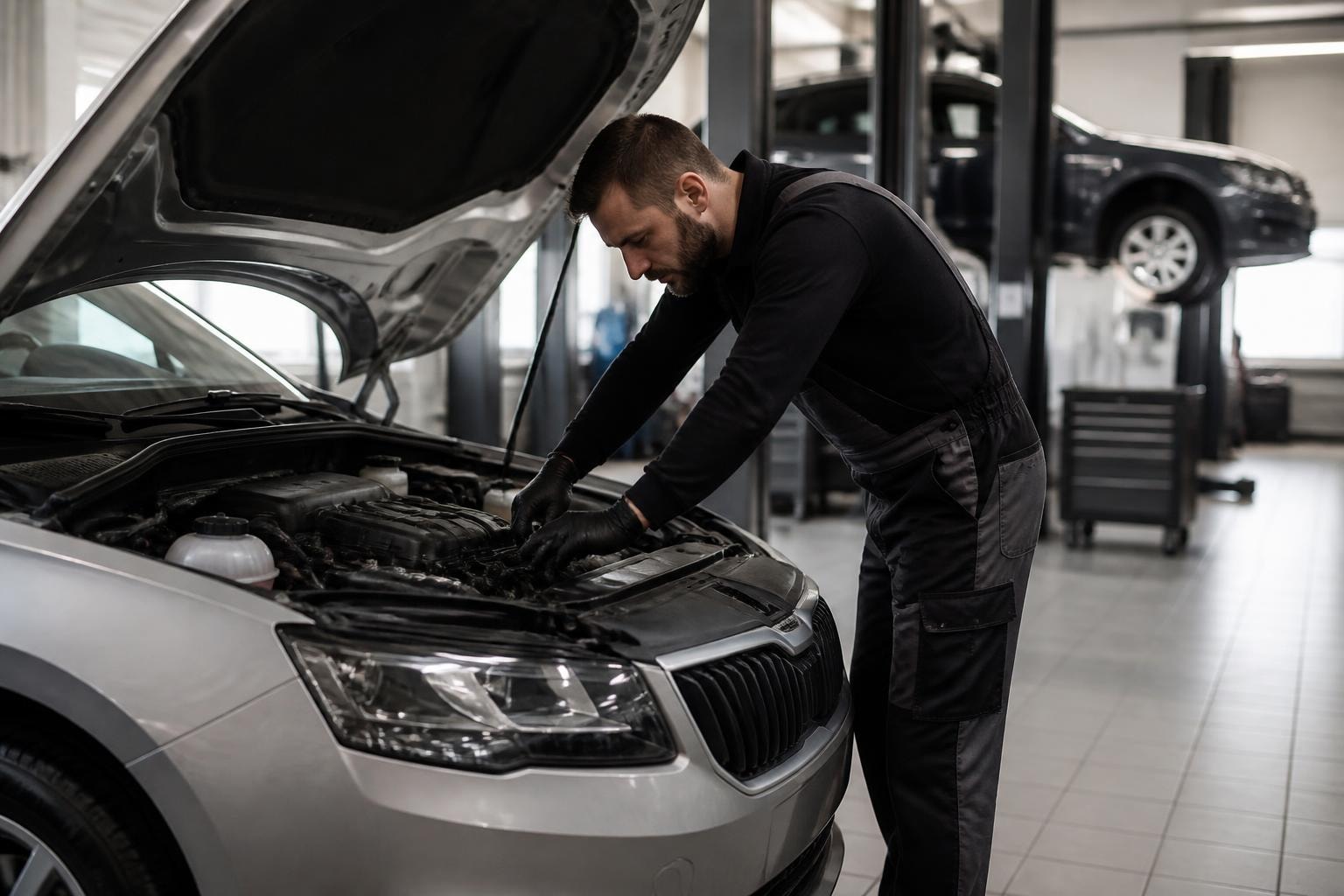

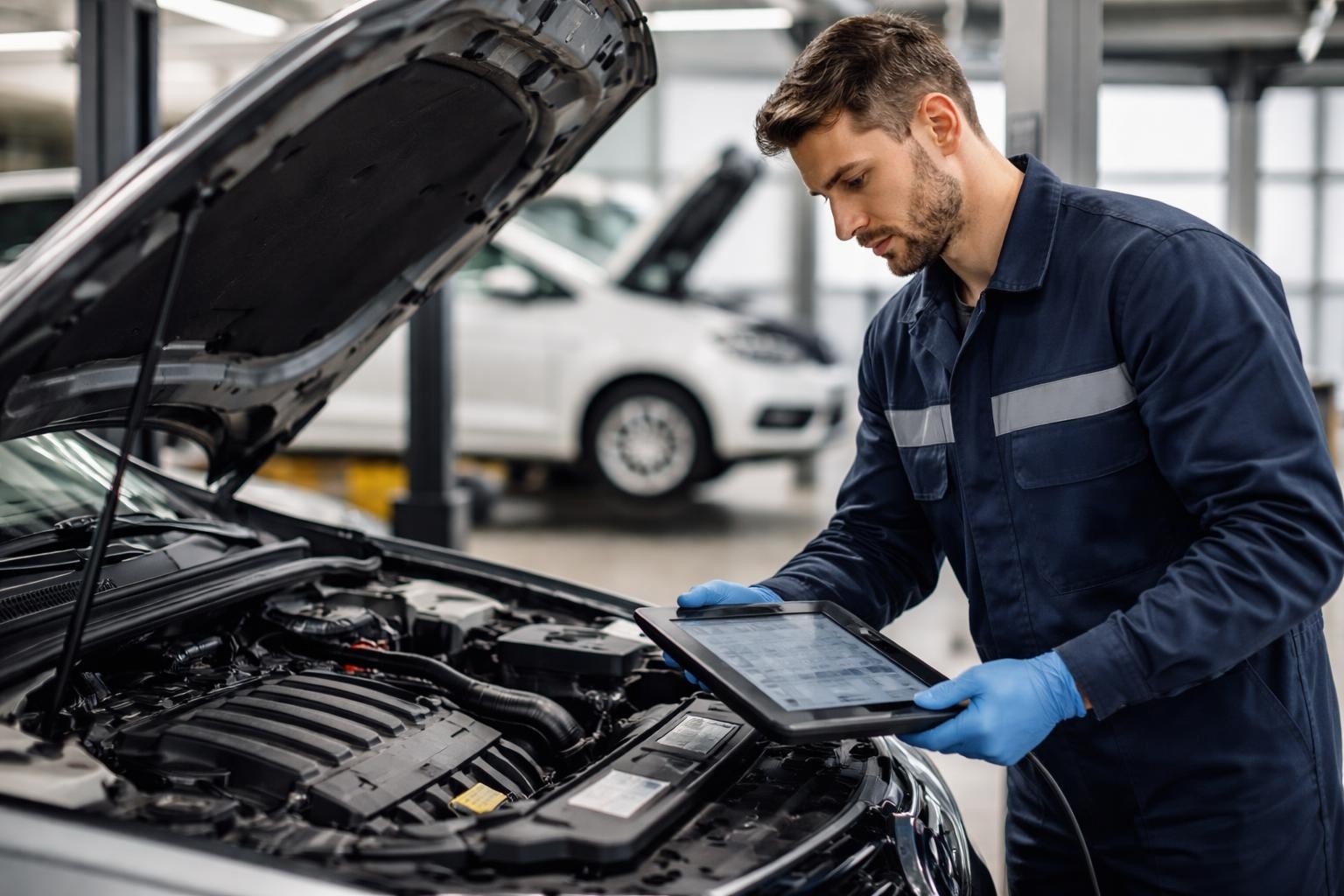
Owning a Volkswagen means investing in German engineering, precision, and performance. Whether you drive a Golf, Passat, Tiguan, or any other VW model, maintaining your vehicle requires more than general automotive knowledge. Finding a qualified volkswagen mechanic who understands the intricacies of your car's systems can make the difference between routine maintenance and costly repairs down the road. European vehicles demand specialized expertise, and Volkswagen models come with unique technological features that require specific training and diagnostic capabilities.
Understanding Volkswagen-Specific Technical Requirements
Volkswagen vehicles incorporate proprietary technology that sets them apart from other manufacturers. The complexity of these systems means that a volkswagen mechanic must possess specialized knowledge that goes beyond standard automotive training.
Advanced Engine Technologies
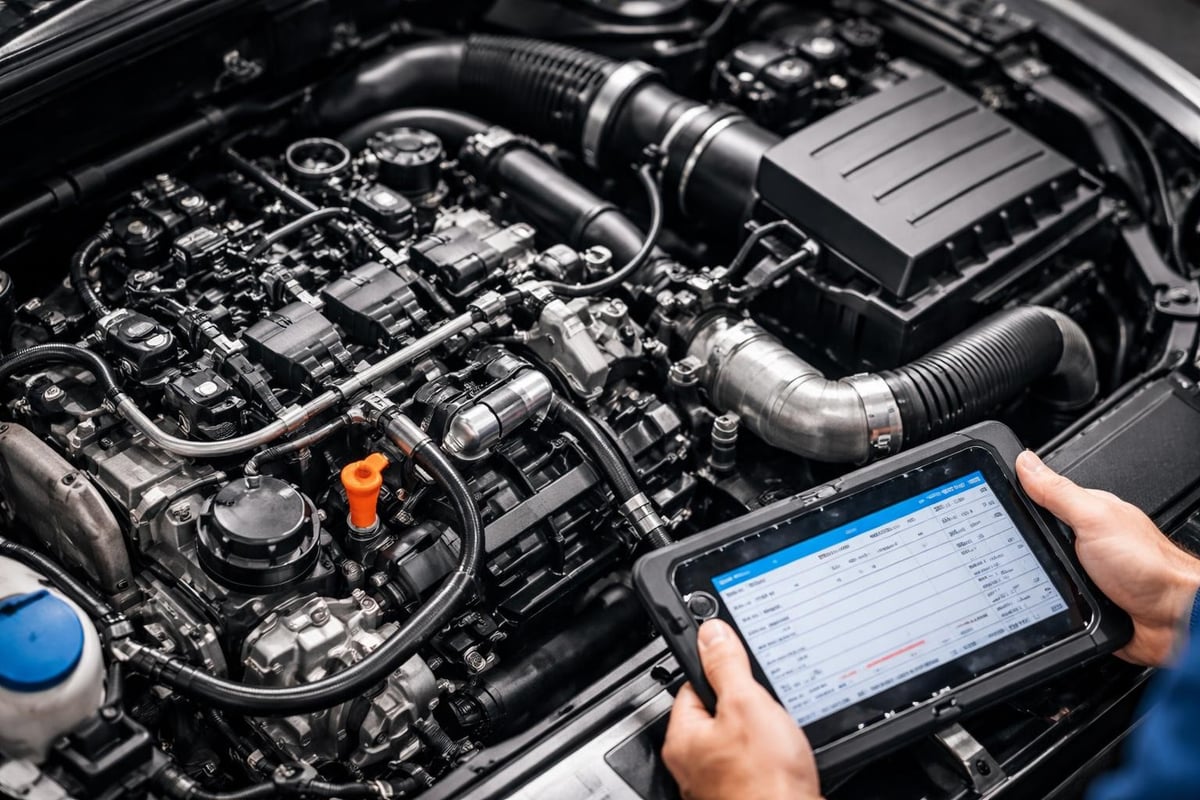
Modern Volkswagen engines utilize sophisticated management systems that control everything from fuel injection to emissions. A qualified technician needs comprehensive understanding of Volkswagen’s engine management systems to properly diagnose and repair issues. These systems interact with multiple sensors, actuators, and control modules that require brand-specific diagnostic equipment.
Key engine technologies include:
- Direct fuel injection systems with precise pressure regulation
- Turbocharged and supercharged configurations requiring specific maintenance protocols
- Variable valve timing mechanisms unique to VW platforms
- Advanced emissions control systems including SCR and EGR components
The TDI diesel engines found in many Volkswagen models present their own challenges. These powerplants require specialized knowledge of TDI diesel technology including high-pressure fuel systems, particulate filters, and diesel-specific maintenance schedules.
Electronic Architecture and Diagnostics
Volkswagen vehicles feature complex electronic networks that communicate through proprietary protocols. A skilled volkswagen mechanic must understand CAN bus systems, gateway modules, and the interaction between control units throughout the vehicle.
| System Component | Function | Diagnostic Requirement |
|---|---|---|
| Gateway Module | Central communication hub | VW-specific scan tools |
| Instrument Cluster | Driver information display | Coding and adaptation procedures |
| Comfort Control | Power windows, locks, mirrors | Component protection protocols |
| Infotainment | Navigation, audio, connectivity | Software version compatibility |
These systems cannot be properly serviced with generic diagnostic equipment. Professional technicians invest in manufacturer-level tools that access the full range of control modules and adaptation capabilities.
Essential Qualifications for Volkswagen Technicians
The path to becoming a competent volkswagen mechanic involves formal education, specialized certifications, and ongoing training. The automotive industry evolves rapidly, and technicians must commit to continuous learning.
Certification and Training Programs
Volkswagen certification programs establish industry standards for technical competence. These programs require mechanics to demonstrate proficiency in VW-specific systems through written examinations and practical assessments.
Recognized certification levels include:
- Entry-level technician – Basic maintenance and service procedures
- Certified technician – Advanced diagnostics and repair capabilities
- Master technician – Expert-level knowledge across all VW systems
- Specialist certifications – Focused expertise in electrical, engine, or transmission systems
For collision repair facilities, Volkswagen certification requirements extend to specific welding procedures and structural repair protocols. These standards ensure that repaired vehicles maintain their original safety characteristics.
Hands-On Experience Matters
Classroom training provides the foundation, but real-world experience with Volkswagen vehicles builds diagnostic intuition. A volkswagen mechanic develops pattern recognition through repeated exposure to common issues, allowing faster and more accurate troubleshooting.
Experienced technicians understand model-specific quirks, common failure points, and the evolution of systems across model years. This knowledge proves invaluable when diagnosing intermittent problems or unusual symptoms that don't generate obvious diagnostic codes.
Specialized Service Requirements for VW Models
Different Volkswagen models present unique service challenges that require specific technical knowledge. Understanding these requirements helps vehicle owners appreciate the value of specialized maintenance.
Climate Control and HVAC Systems
Volkswagen's heating, air conditioning, and climate control systems incorporate electronic controls and automatic temperature regulation. A volkswagen mechanic must understand refrigerant specifications, blend door calibration, and the integration of climate systems with the vehicle's electronic architecture.
Modern VW models feature multi-zone climate control with separate temperature settings for different cabin areas. Servicing these systems requires understanding air distribution logic, sensor placement, and control module programming.
Transmission and Drivetrain Service
Volkswagen uses several transmission types across their model range, each requiring specific service procedures:
- Manual transmissions with unique gear oil specifications
- DSG dual-clutch transmissions requiring specialized service intervals
- Automatic transmissions with adaptive learning characteristics
- 4Motion all-wheel drive systems needing specific differential maintenance
DSG transmissions, in particular, demand strict adherence to service schedules. These sophisticated units use computer-controlled clutch engagement and require both oil and filter changes at manufacturer-specified intervals. A qualified volkswagen mechanic understands the importance of using correct fluids and following proper fill procedures.
The Importance of Genuine Parts and Specifications
Using correct parts and fluids represents a critical aspect of Volkswagen service. While aftermarket alternatives may seem cost-effective, they can compromise vehicle performance and longevity.
OEM Parts Advantages
Original Equipment Manufacturer parts are engineered specifically for Volkswagen vehicles. A knowledgeable volkswagen mechanic recognizes that these components offer several benefits:
- Precise fitment eliminating installation complications
- Quality assurance meeting VW engineering standards
- Warranty protection maintaining manufacturer coverage
- Performance consistency preserving original specifications
Critical systems like fuel injection, turbocharging, and emissions control require OEM components to function properly. Substituting inferior parts can trigger check engine lights, reduce performance, or cause premature failures.
Fluid Specifications Matter
Volkswagen engineers specify particular fluid formulations for their vehicles. Engine oil, transmission fluid, coolant, and brake fluid all have precise specifications that affect system performance and durability.
| Fluid Type | Specification Example | Critical Function |
|---|---|---|
| Engine Oil | VW 502.00 / 504.00 | Protects turbochargers and timing chains |
| Transmission | G 052 182 / G 055 025 | Ensures proper clutch operation in DSG |
| Coolant | G12evo / G13 | Prevents corrosion in aluminum components |
| Brake Fluid | DOT 4 Low Viscosity | Maintains ABS and stability control function |
Using incorrect fluids can void warranties, cause component damage, or create safety hazards. Professional mechanics maintain up-to-date specification charts and use only approved products.
Diagnostic Technology and Equipment Investment
Modern Volkswagen service requires significant investment in specialized diagnostic equipment. This technology gap separates qualified specialists from general repair shops.
Factory-Level Scan Tools
Generic OBD-II scanners provide basic information but cannot access many Volkswagen-specific systems. A professional volkswagen mechanic uses dealer-level diagnostic tools that perform:
- Complete module scanning accessing every control unit
- Coding and adaptation enabling component replacement and upgrades
- Guided diagnostics following manufacturer troubleshooting procedures
- Service reset functions for maintenance indicators and adaptive values
These tools cost thousands of dollars and require annual subscription updates. The investment demonstrates a shop's commitment to providing proper VW service.
Specialized Service Equipment
Beyond diagnostics, Volkswagen service requires specific tools for common procedures. Timing belt replacement needs locking tools for particular engine configurations. Brake service may require electronic parking brake retraction through the diagnostic system. Suspension work often demands wheel alignment equipment with VW-specific specifications.
Shops that specialize in European vehicles, particularly those focusing on Volkswagen models, maintain comprehensive tool collections that enable efficient, correct repairs. This equipment investment translates to faster service times and proper repair outcomes.
Common Volkswagen Service Needs and Intervals
Understanding typical Volkswagen maintenance requirements helps owners plan for service costs and schedule appointments appropriately. A qualified volkswagen mechanic follows manufacturer recommendations while adapting to individual driving conditions.
Routine Maintenance Schedule
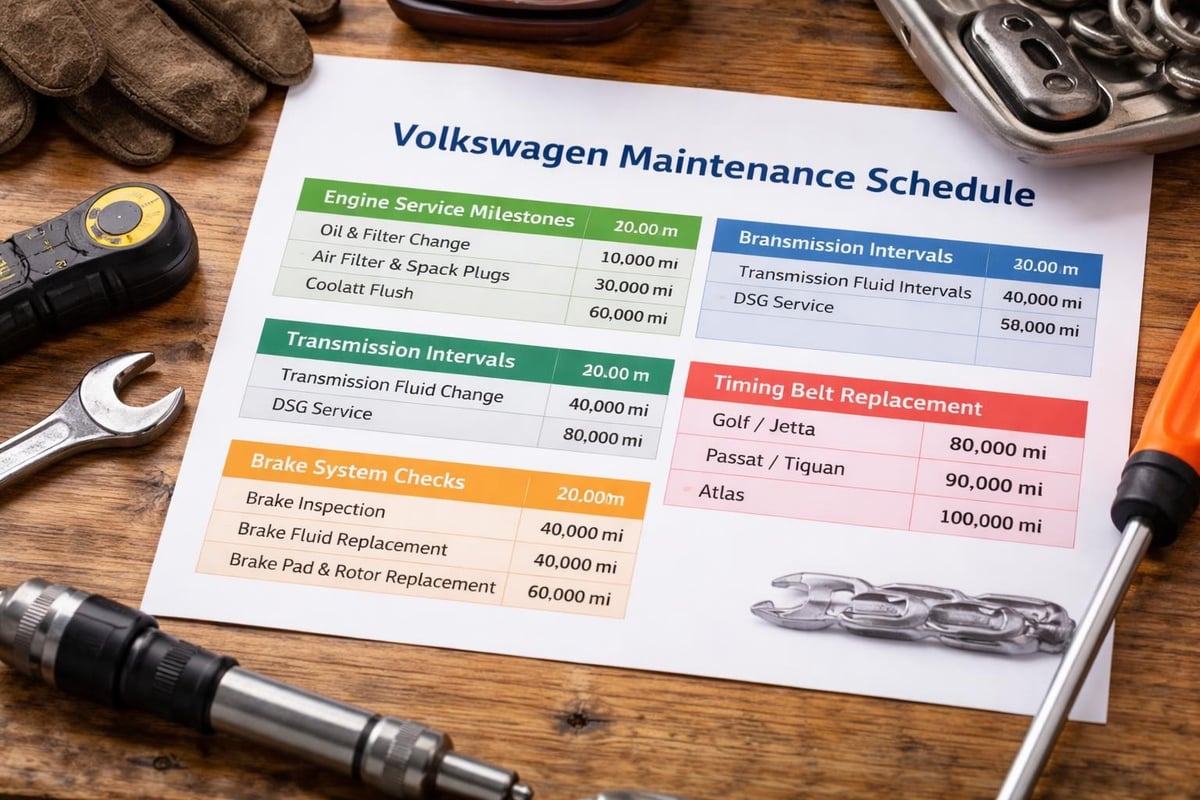
Volkswagen establishes service intervals based on mileage and time, whichever comes first. These schedules vary by model and year but generally include:
- Oil and filter changes every 10,000 miles or annually
- Brake fluid replacement every two years
- Air and cabin filter replacement every 20,000-40,000 miles
- Spark plug replacement every 40,000-60,000 miles
- Transmission service varying by type (DSG at 40,000 miles)
- Timing belt replacement at 80,000-120,000 miles depending on engine
Scheduling regular maintenance prevents minor issues from developing into major repairs. Consistent service also maintains vehicle value and ensures reliable operation.
Model-Specific Concerns
Certain Volkswagen models have known service points that experienced mechanics monitor proactively. These aren't necessarily defects but characteristics that require attention:
Common service items include:
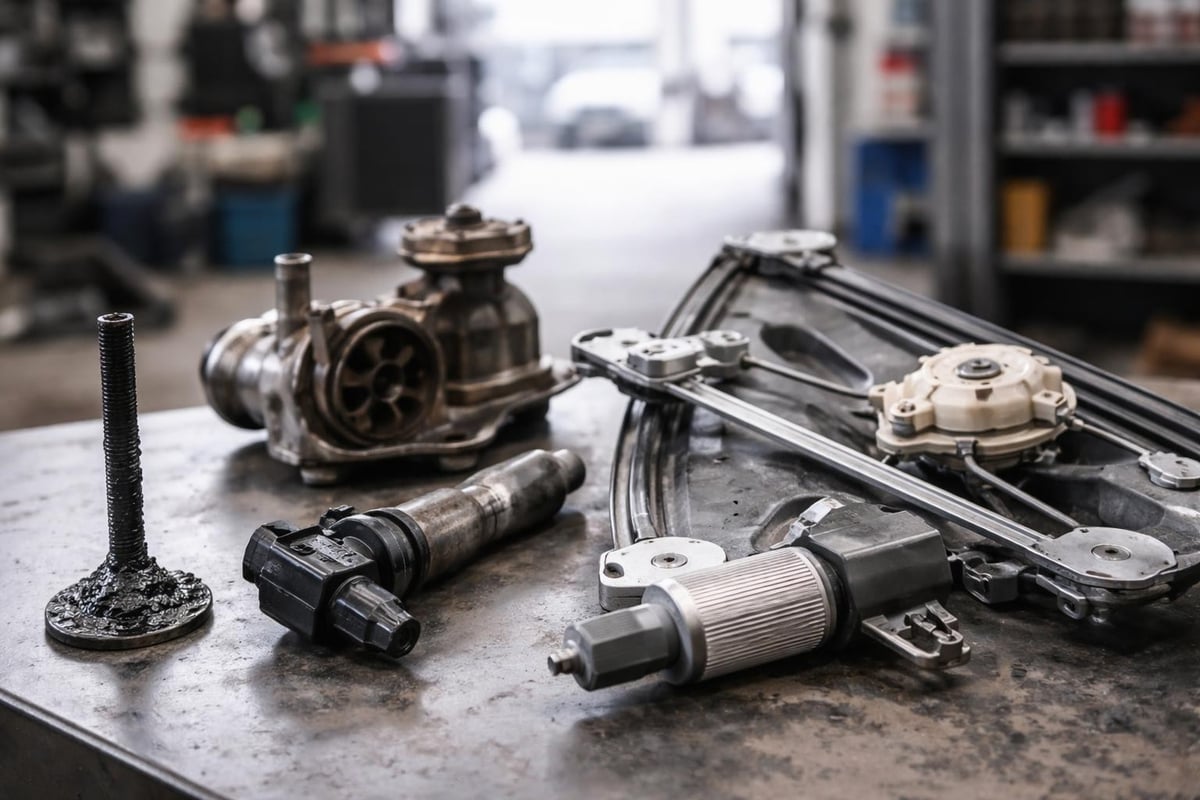
- Carbon buildup on intake valves in TSI engines
- Water pump replacement in conjunction with timing belt service
- Ignition coil replacement on high-mileage vehicles
- Window regulator mechanisms requiring periodic service
- Thermostat housing updates on specific engine types
A volkswagen mechanic familiar with these patterns can inspect vulnerable components during routine service, catching problems before they cause breakdowns.
Choosing the Right Service Provider
Selecting where to service your Volkswagen significantly impacts your ownership experience. Several factors distinguish exceptional service providers from average repair shops.
Independent Specialists vs. Dealerships
While dealerships offer factory training, independent specialists focusing on European vehicles often provide superior value and personalized service. These shops employ technicians who choose to specialize in Volkswagen and related brands rather than servicing all makes and models.
Benefits of specialized independent shops include:
- Lower labor rates compared to dealership pricing
- Personal relationships with consistent service advisors
- Flexible scheduling with easier appointment availability
- Transparent pricing without pressure for unnecessary services
- Expertise depth from technicians passionate about European vehicles
Auckland's North Shore region, for example, has established independent specialists who've built reputations over decades of quality Volkswagen service. These businesses thrive on customer satisfaction and word-of-mouth referrals.
Questions to Ask Your Mechanic
When evaluating a volkswagen mechanic or service facility, asking specific questions reveals their qualifications and approach:
- What diagnostic equipment do you use for Volkswagen vehicles?
- Do your technicians have VW-specific certifications or training?
- What percentage of your work involves Volkswagen models?
- Do you use OEM parts or quality aftermarket alternatives?
- Can you provide references from other VW owners?
- What warranty do you offer on repairs and parts?
The quality of responses indicates whether a shop truly specializes in Volkswagen service or simply works on any vehicle that comes through the door.
The Value of Specialized Knowledge
Volkswagen ownership offers a rewarding driving experience when vehicles receive proper maintenance. The complexity of these German-engineered automobiles demands expertise that only dedicated training and experience provide.
Long-Term Cost Savings
While specialized service might cost slightly more per visit than generic repair shops, the long-term savings prove significant. Correct diagnoses eliminate parts-throwing approaches that waste money on unnecessary replacements. Proper repairs prevent comebacks and additional failures. Quality maintenance extends component life and preserves vehicle value.
A skilled volkswagen mechanic identifies root causes rather than treating symptoms. This approach saves owners money by addressing problems completely the first time rather than requiring multiple repair attempts.
Peace of Mind Through Expertise
Knowing your Volkswagen receives care from knowledgeable professionals provides confidence in your vehicle's reliability. You can trust that service follows manufacturer specifications, that parts meet quality standards, and that work is performed correctly.
This peace of mind proves especially valuable for owners who depend on their vehicles for daily transportation or who plan to keep their Volkswagen long-term. Establishing a relationship with a trusted service provider creates continuity in your vehicle's maintenance history.
Advanced Service Capabilities
Modern Volkswagen models incorporate increasingly sophisticated technology that requires advanced diagnostic and repair capabilities. Technicians must stay current with evolving systems through continuous education.
Software and Programming
Many Volkswagen repairs now involve software components. Module replacements require coding to match vehicle specifications. Software updates address known issues or improve system performance. Adaptation procedures are necessary after component installation.
A qualified volkswagen mechanic has access to factory programming tools and stays informed about technical service bulletins that address software-related concerns. This capability proves essential as vehicles become more computerized.
Hybrid and Electric Vehicle Service
Volkswagen's expansion into electrified powertrains introduces new service requirements. The ID series and plug-in hybrid models need technicians trained in high-voltage systems, battery management, and electric motor service.
Proper safety protocols protect both technicians and vehicles during electrical system work. Specialized equipment monitors battery health, manages charging systems, and diagnoses electric drive components. As Volkswagen's electric vehicle lineup expands, these capabilities become increasingly important for full-service providers.
Building a Service Relationship
Consistent service with the same provider offers advantages beyond convenient appointment scheduling. Your volkswagen mechanic becomes familiar with your specific vehicle's history, driving patterns, and previous repairs.
Maintenance History Documentation
Comprehensive service records prove valuable for warranty claims, resale value, and diagnostic purposes. A dedicated service provider maintains detailed documentation of all work performed, parts installed, and recommendations made.
This history helps technicians identify patterns, track recurring issues, and plan preventive maintenance. When unusual problems arise, previous service records provide context that aids diagnosis.
Proactive Service Recommendations
Experienced mechanics notice developing problems before they cause breakdowns. During routine service, they inspect vulnerable components and recommend timing for upcoming maintenance needs. This proactive approach allows owners to budget for services and avoid emergency repairs.
Trust develops when recommendations prove accurate and necessary rather than motivated by profit. A reputable volkswagen mechanic earns confidence by demonstrating integrity in service suggestions and explaining the reasoning behind recommendations.
Finding a qualified volkswagen mechanic who understands the specific needs of your European vehicle ensures reliable performance and protects your investment. The combination of specialized training, proper equipment, and hands-on experience separates exceptional service providers from general repair shops. For over 20 years, VODIS Automobile has delivered expert care for Volkswagen and other European vehicles across Auckland's North Shore, building lasting relationships through skilled technicians and transparent communication.