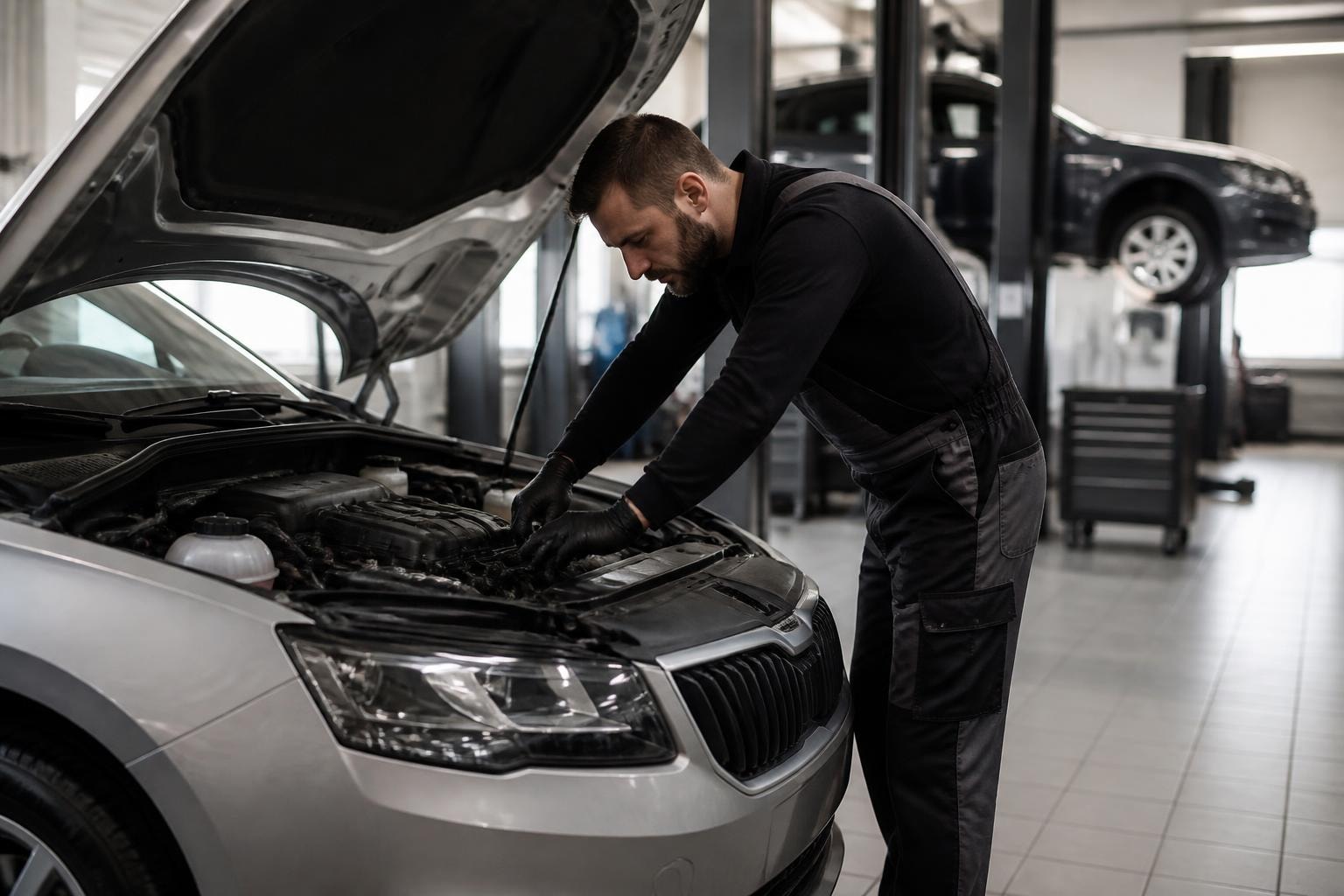

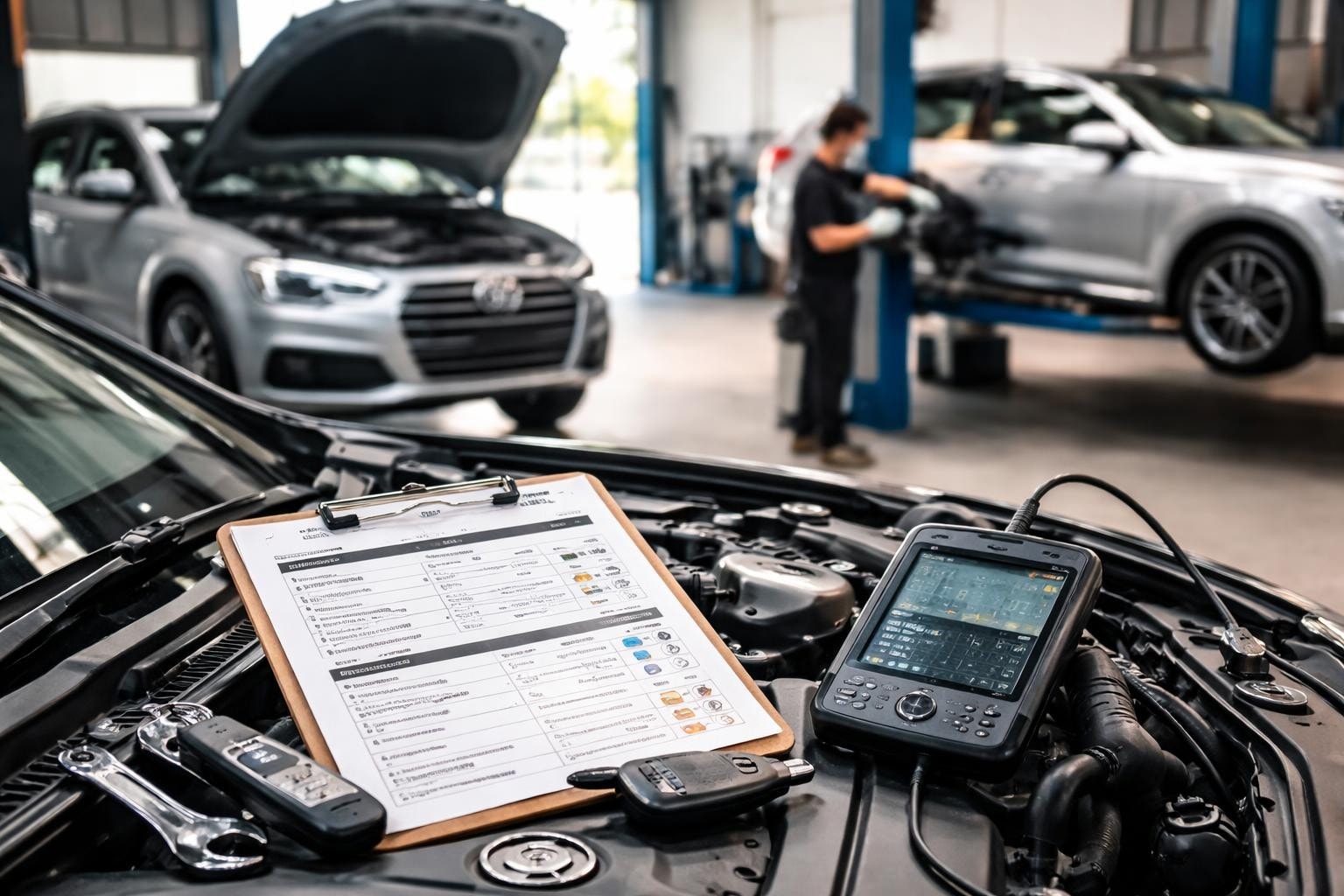
Maintaining your Volkswagen or Audi requires specialized knowledge, proper tools, and adherence to manufacturer-recommended service intervals. These German-engineered vehicles represent significant investments that demand professional care to preserve their performance, reliability, and resale value. Understanding the nuances of volkswagen audi service helps owners make informed decisions about maintenance schedules, choose qualified technicians, and budget appropriately for both routine and unexpected repairs. Whether you drive a Golf, Passat, A4, or Q5, following a strategic service plan ensures your vehicle delivers the driving experience it was designed to provide while minimizing costly repairs down the road.
Understanding Manufacturer Service Intervals
European automotive manufacturers provide detailed maintenance schedules based on extensive engineering research and real-world testing. Volkswagen and Audi vehicles typically follow time-based or mileage-based service intervals, whichever comes first.
Standard Maintenance Timelines
Both Volkswagen and Audi recommend services at specific intervals to maintain optimal performance:
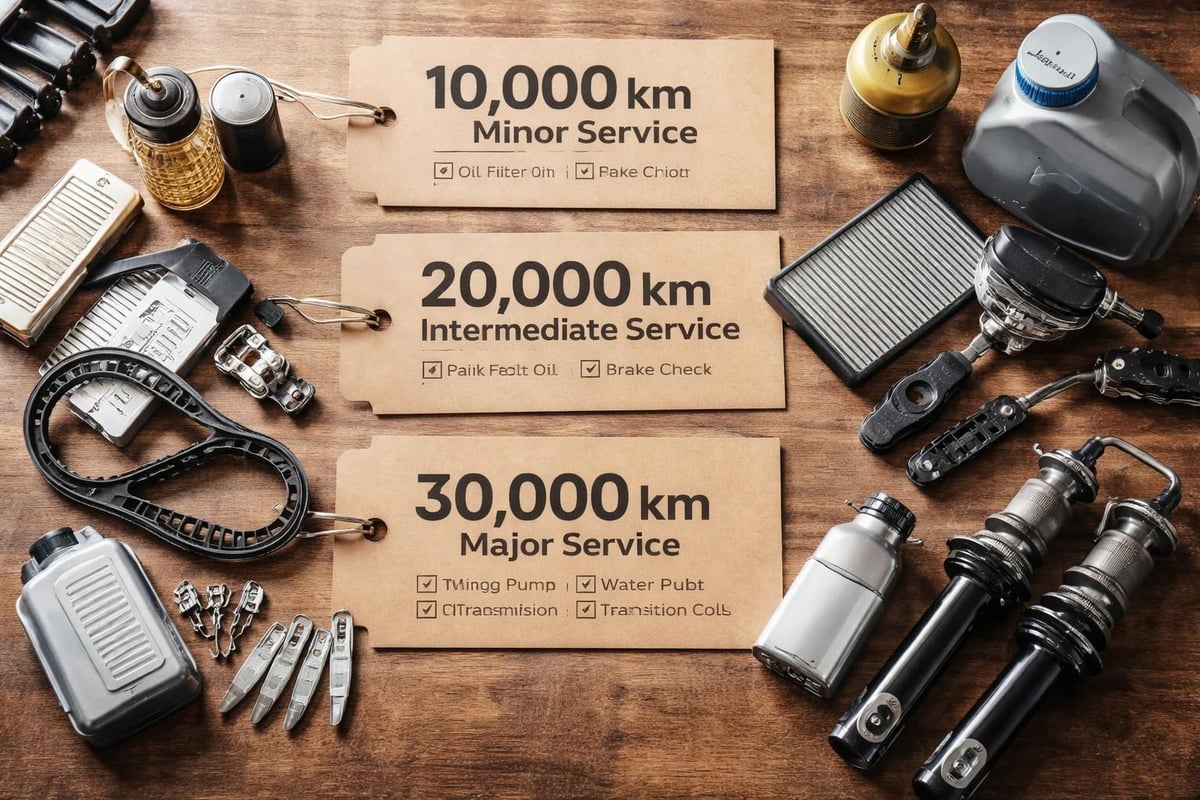
- Minor Service: Every 10,000 km or 12 months
- Major Service: Every 20,000 km or 24 months
- Inspection Service: Every 30,000 km or 36 months
- Brake Fluid Replacement: Every 2 years regardless of mileage
- Transmission Service: Every 60,000-80,000 km depending on model
The official Volkswagen maintenance schedule provides model-specific recommendations that account for engine type, transmission, and year of manufacture. These intervals represent minimum requirements under normal driving conditions.
Climate and Driving Conditions Impact
New Zealand's diverse climate conditions affect service needs differently than European or North American environments. Auckland's coastal humidity, temperature variations, and urban driving patterns create unique challenges for volkswagen audi service requirements.
Stop-and-go traffic, short trips that prevent engines from reaching optimal operating temperature, and salt air exposure accelerate wear on specific components. Brake systems, cooling systems, and electrical components require more frequent inspection in these conditions.
Essential Service Components for Volkswagen and Audi
Professional maintenance encompasses multiple systems that work together to deliver the refined driving experience these vehicles provide. Understanding what each service includes helps owners appreciate the value of proper care.
Engine and Fluid Services
| Service Item | Frequency | Purpose |
|---|---|---|
| Engine Oil & Filter | 10,000-15,000 km | Lubrication and engine protection |
| Air Filter | 20,000-40,000 km | Optimal combustion efficiency |
| Cabin Filter | 15,000-30,000 km | Interior air quality |
| Coolant Flush | 60,000 km or 4 years | Prevent overheating and corrosion |
| Spark Plugs | 40,000-60,000 km | Ignition system performance |
Modern Volkswagen and Audi engines use specialized synthetic oils that meet strict VW/Audi specifications. Using incorrect oil grades or non-approved alternatives voids warranties and potentially damages engine components. The Audi maintenance schedule tool allows owners to input their specific vehicle identification number for customized recommendations.
Transmission and Drivetrain Care
Both manual and automatic transmissions require specific attention. DSG (Direct Shift Gearbox) transmissions, common in Volkswagen and Audi models, need fluid and filter changes every 60,000 km to maintain smooth shifting and prevent costly failures.
Quattro all-wheel-drive systems in Audi vehicles require additional services for differential fluids and Haldex systems where applicable. These components operate under extreme pressure and temperature conditions, making regular fluid changes critical.
Key transmission service indicators:
- Delayed or rough shifting
- Unusual noises during gear changes
- Dashboard warning lights
- Transmission fluid discoloration or burning smell
Diagnostic Technology and Modern Service Needs
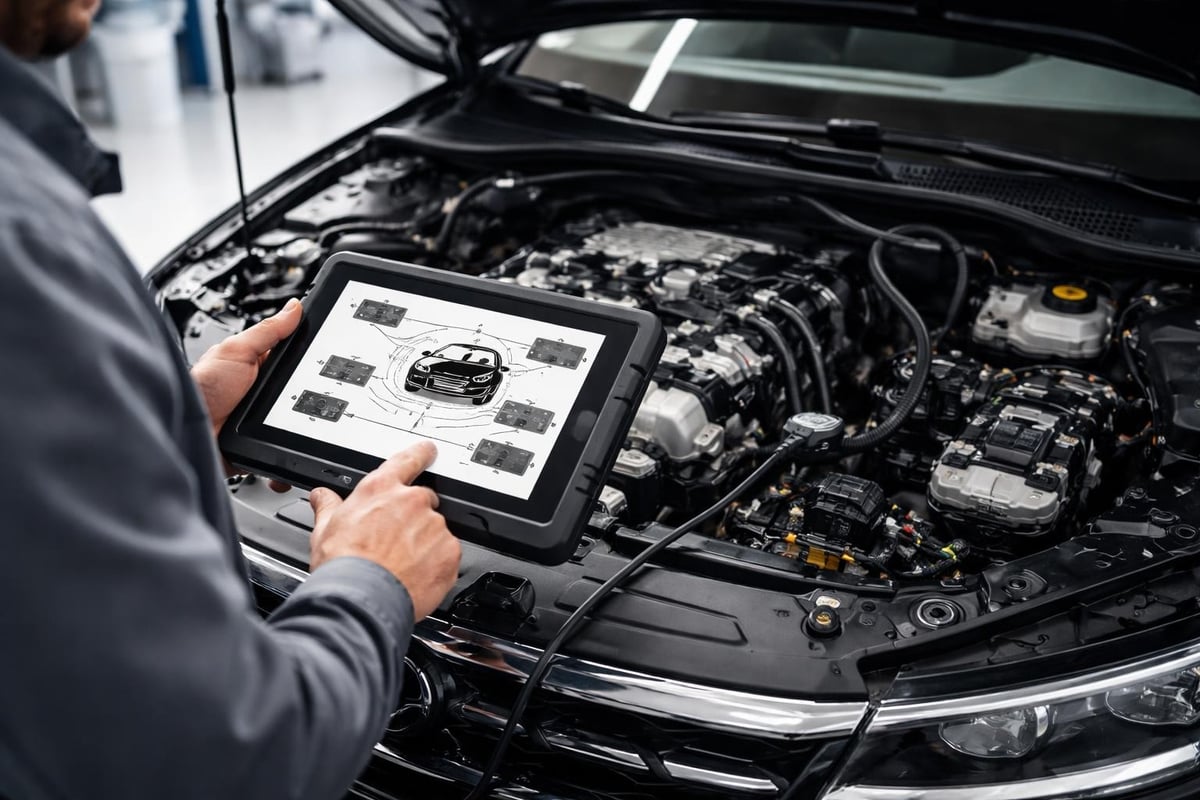
Contemporary Volkswagen and Audi vehicles incorporate sophisticated computer systems that monitor hundreds of parameters continuously. Professional volkswagen audi service requires factory-level diagnostic equipment to properly interpret these systems.
Advanced Diagnostic Capabilities
Modern service centers invest in specialized tools including:
- VCDS (VAG-COM Diagnostic System): Provides deeper access to vehicle systems than generic OBD-II scanners
- Factory Software Updates: Address performance issues and improve functionality
- Adaptation Procedures: Required after component replacement to integrate new parts
- Coding Services: Unlock or configure vehicle features
Generic diagnostic tools available at general repair shops cannot access the full range of control modules or perform necessary adaptations. This limitation often leads to misdiagnosis or incomplete repairs.
Common Electronic System Services
Volkswagen and Audi vehicles feature complex electrical architectures that occasionally require attention:
- Battery Registration: New batteries must be registered with the vehicle's computer system
- Module Coding: After replacements, modules need configuration to match vehicle specifications
- Software Updates: Manufacturers release updates addressing performance and reliability issues
- Sensor Calibration: ADAS (Advanced Driver Assistance Systems) require precise calibration after windscreen replacement or alignment
The Kelley Blue Book Volkswagen maintenance guide provides cost expectations for various service intervals, helping owners budget appropriately.
Specialized Components Requiring Expert Attention
German engineering incorporates components that demand specific expertise and proper tools for service and repair. Attempting DIY repairs or using inexperienced technicians often results in additional damage.
Timing Belt vs. Timing Chain Considerations
Different Volkswagen and Audi engines use either timing belts or timing chains, each with distinct service requirements:
| Engine Type | Component | Service Interval | Consequence of Failure |
|---|---|---|---|
| TSI/TFSI (older) | Timing Belt | 60,000-100,000 km | Catastrophic engine damage |
| TSI/TFSI (newer) | Timing Chain | Generally lifetime* | Expensive repair if stretched |
| TDI | Timing Belt | 130,000-160,000 km | Complete engine failure |
*Timing chains can require replacement if tensioners fail or chains stretch due to low oil levels or extended service intervals.
Timing belt replacement represents a significant service investment but prevents catastrophic engine failure. This service includes water pump replacement, tensioners, and related components to ensure reliability.
Turbocharger Maintenance
Most modern Volkswagen and Audi engines feature turbochargers that boost performance while maintaining efficiency. These precision components operate at extreme temperatures and speeds, requiring specific care:
- Regular oil changes using correct specifications prevent carbon buildup
- Allowing engines to idle briefly before shutdown extends turbo life
- Cooldown periods prevent oil coking in turbo bearings
- Early attention to oil leaks prevents turbo seal damage
Turbocharger failures often result from inadequate maintenance rather than component defects. Professional volkswagen audi service includes inspection of boost pressure, wastegate operation, and oil feed lines.
Brake System Excellence
Volkswagen and Audi vehicles typically feature advanced braking systems designed for both performance and safety. Proper maintenance ensures these systems function as engineered.
Brake Service Components
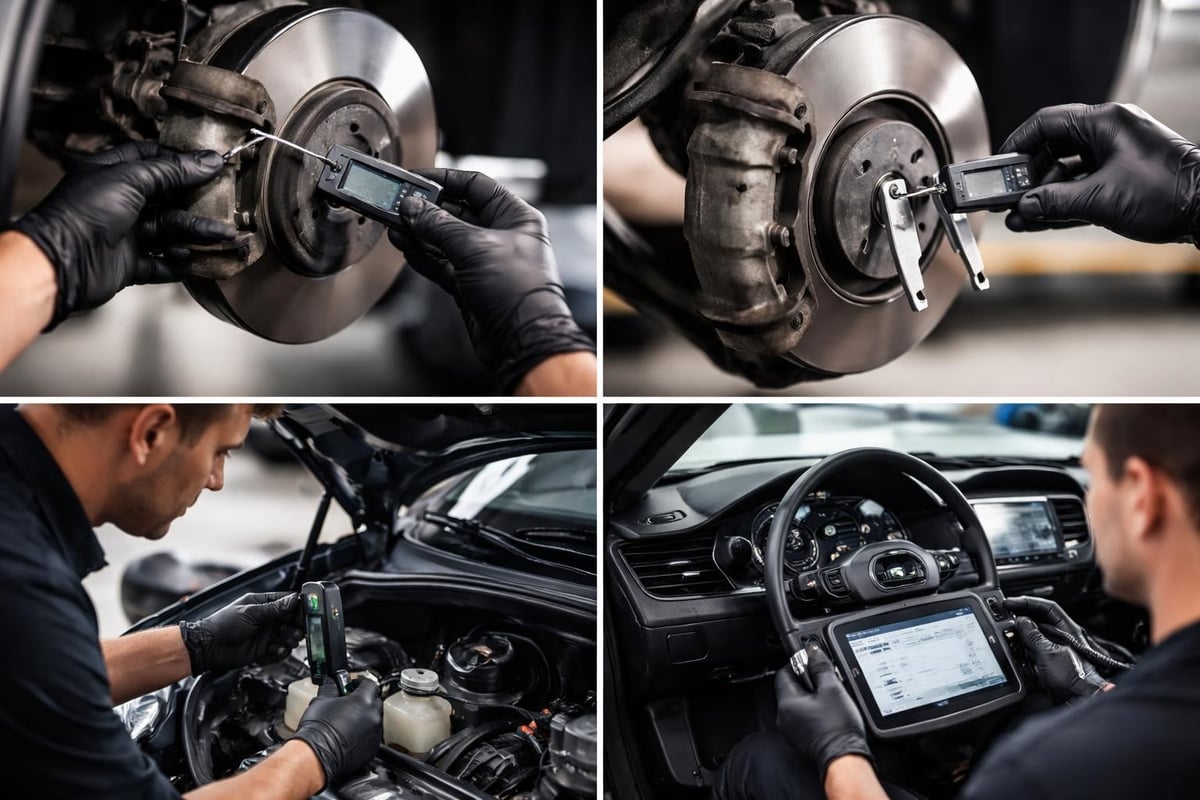
Regular brake inspections should evaluate:
- Pad thickness and wear patterns
- Rotor surface condition and thickness
- Brake fluid moisture content
- Caliper operation and seal condition
- Electronic parking brake functionality
- ABS sensor cleanliness and operation
European vehicles often use softer brake pad compounds that provide excellent stopping power but wear faster than harder compounds used in some Asian vehicles. The Audi maintenance pricing guide outlines typical costs for brake services at various intervals.
Premium models feature ceramic or composite brake systems requiring specialized service procedures. Mixing incompatible components or using incorrect brake fluid specifications compromises braking performance and safety.
Choosing the Right Service Provider
Selecting a qualified service provider significantly impacts your ownership experience, maintenance costs, and vehicle reliability. Not all facilities possess the expertise or equipment necessary for proper volkswagen audi service.
Dealer vs. Independent Specialist Comparison
| Factor | Dealership | Independent Specialist |
|---|---|---|
| Labor Rates | Higher | Moderate |
| Technical Training | Factory-certified | Varies by facility |
| Diagnostic Equipment | OEM tools | Quality varies |
| Parts Pricing | Premium | Competitive options |
| Customer Service | Standardized | Personalized |
Independent specialists focusing exclusively on European vehicles often provide service quality matching or exceeding dealerships at more competitive pricing. These facilities invest in identical diagnostic equipment and training while offering more flexible parts sourcing options.
Key Questions to Ask Service Providers
Before selecting a service center, evaluate their qualifications:
- What diagnostic equipment do you use? Look for facilities with VCDS or factory-level tools
- What certifications do your technicians hold? European specialist training indicates expertise
- Do you offer warranty on repairs? Professional facilities stand behind their work
- What parts brands do you install? OEM or quality aftermarket parts ensure reliability
- Can you provide service history documentation? Detailed records prove accountability
The guide to servicing Volkswagen vehicles details specific tasks performed during each service interval, helping owners understand what they're paying for.
Cost Management and Value Preservation
Strategic maintenance planning helps owners budget effectively while protecting their investment. Understanding service costs and priorities enables informed decision-making.
Preventive Maintenance ROI
Investing in scheduled maintenance delivers measurable returns:
- Resale Value Protection: Documented service history increases buyer confidence
- Warranty Preservation: Maintaining proper service records protects coverage
- Reliability Enhancement: Preventive care reduces roadside breakdowns
- Performance Maintenance: Regular service preserves driving dynamics
- Safety Assurance: Properly maintained vehicles protect occupants better
Deferred maintenance rarely saves money long-term. Small issues left unaddressed escalate into expensive repairs that often exceed the cost of preventive service.
Smart Parts Selection Strategy
Quality parts don't always mean the most expensive options. Understanding part categories helps optimize value:
OEM (Original Equipment Manufacturer): Identical to factory-installed parts, highest cost, guaranteed fit
OE (Original Equipment): Made by the same supplier as OEM parts, often identical quality, moderate pricing
Aftermarket Premium: High-quality brands like Bosch, Continental, or Sachs, good value, proven reliability
Aftermarket Budget: Lower cost but potentially shorter lifespan and questionable fit
For critical components like timing belts, brake parts, and suspension elements, OEM or OE parts provide the best long-term value. For routine items like filters and wiper blades, quality aftermarket options offer excellent performance at lower cost.
Seasonal Service Considerations
New Zealand's climate variations demand seasonal attention to specific vehicle systems. Preparing your Volkswagen or Audi for changing conditions prevents weather-related issues.
Winter Preparation Checklist
- Battery Testing: Cold weather reduces battery capacity; testing prevents starting failures
- Coolant Concentration: Verify antifreeze protection to prevent freezing damage
- Tire Inspection: Adequate tread depth ensures safe wet-weather traction
- Wiper System: Replace worn blades and top up washer fluid
- Lighting Systems: Inspect all exterior lights for reduced daylight visibility
Summer Readiness Items
Warmer months create different challenges:
- Check air conditioning refrigerant charge and compressor operation
- Inspect cooling system hoses for deterioration from heat cycling
- Verify cabin filter cleanliness for optimal AC performance
- Assess tire pressure as heat increases inflation
- Test battery condition before summer travel plans
The climate-specific maintenance guide addresses how environmental factors affect service needs, principles applicable to Auckland's varied conditions.
Service Record Documentation
Maintaining comprehensive service records protects your investment and simplifies future maintenance planning. Professional volkswagen audi service providers offer detailed documentation of all work performed.
Essential Documentation Elements
Complete service records should include:
- Service Date and Mileage: Tracks interval compliance
- Work Performed: Detailed description of services and repairs
- Parts Installed: Brand, part numbers, and warranty information
- Technician Notes: Observations about vehicle condition
- Recommendations: Upcoming service needs and potential issues
- Invoices: Cost documentation and payment records
Digital service history accessible through online booking platforms provides convenient access to complete vehicle maintenance records. This transparency helps owners track service history and plan future maintenance.
Warranty Considerations
Many European vehicles come with comprehensive warranties requiring specific maintenance compliance. Understanding these requirements prevents coverage denial:
New Vehicle Warranty: Requires adherence to manufacturer service schedules using approved parts
Extended Warranty: Often includes specific service interval requirements and approved facility restrictions
Powertrain Warranty: Protects major components but requires proof of oil changes and fluid services
Maintaining proper documentation through authorized service providers protects warranty coverage. Independent specialists following manufacturer specifications provide equally valid service records when properly documented.
Performance Modifications and Service Impact
Some owners enhance their Volkswagen or Audi vehicles with performance modifications. Understanding how these changes affect service requirements prevents issues.
Common Modifications Requiring Service Attention
- Engine Tuning: Modified ECU software may require different oil specifications or shorter service intervals
- Exhaust Systems: Aftermarket exhausts can affect oxygen sensor readings
- Suspension Upgrades: Lowered vehicles need more frequent alignment checks
- Brake Upgrades: High-performance pads and rotors require specific bedding procedures
- Intake Systems: Performance air filters need regular cleaning and re-oiling
Professional service providers experienced with modified vehicles understand the additional requirements these enhancements demand. Disclosing modifications ensures technicians properly service enhanced systems.
Proper maintenance represents the foundation of rewarding Volkswagen and Audi ownership, protecting your investment while ensuring the performance and reliability these vehicles promise. Whether you're following manufacturer schedules, addressing specific concerns, or planning preventive services, partnering with specialists who understand German engineering makes all the difference. For over two decades, VODIS Automobile has provided Auckland's North Shore with expert European vehicle service, combining factory-level expertise with personalized customer care to keep your Volkswagen or Audi performing at its best.