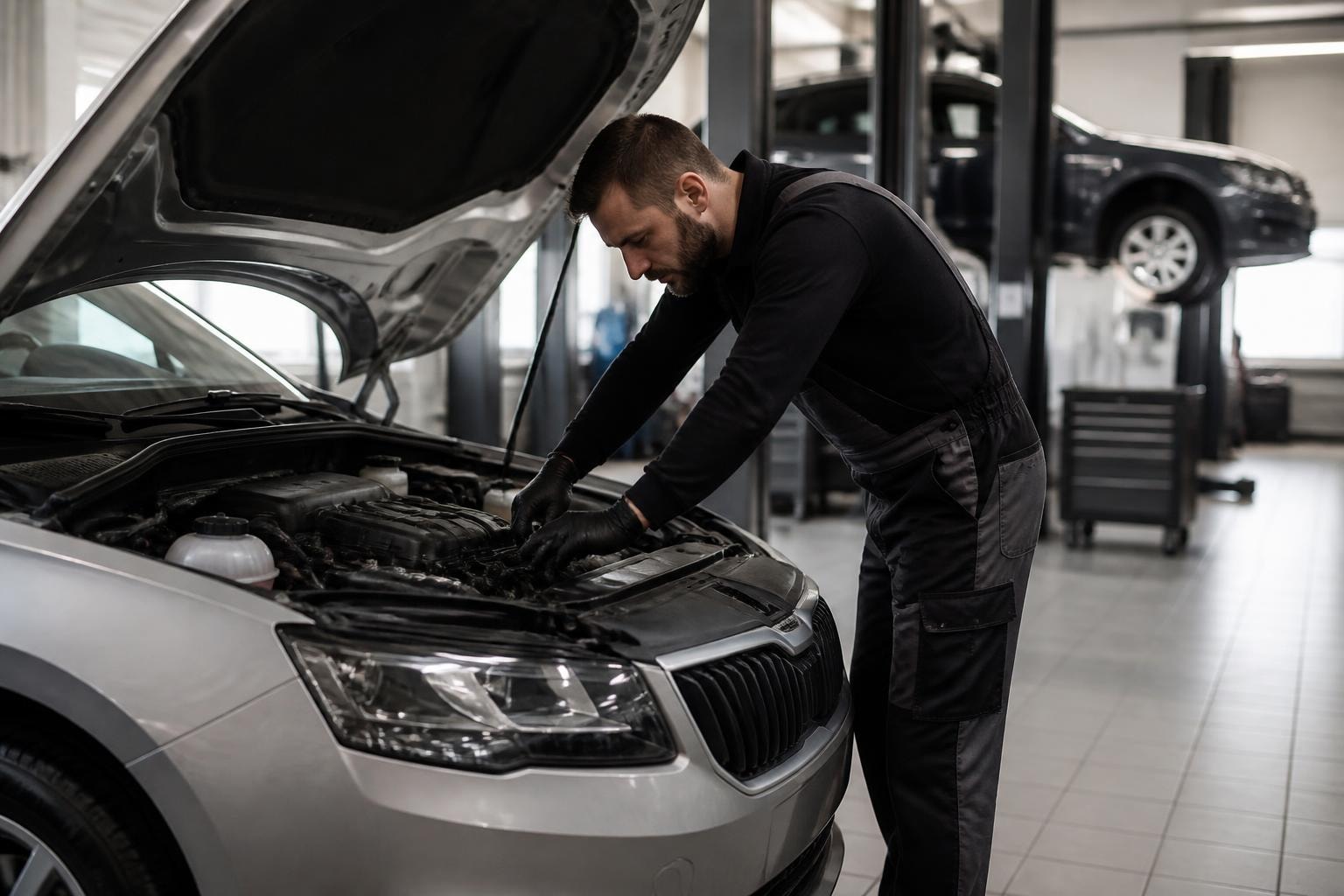

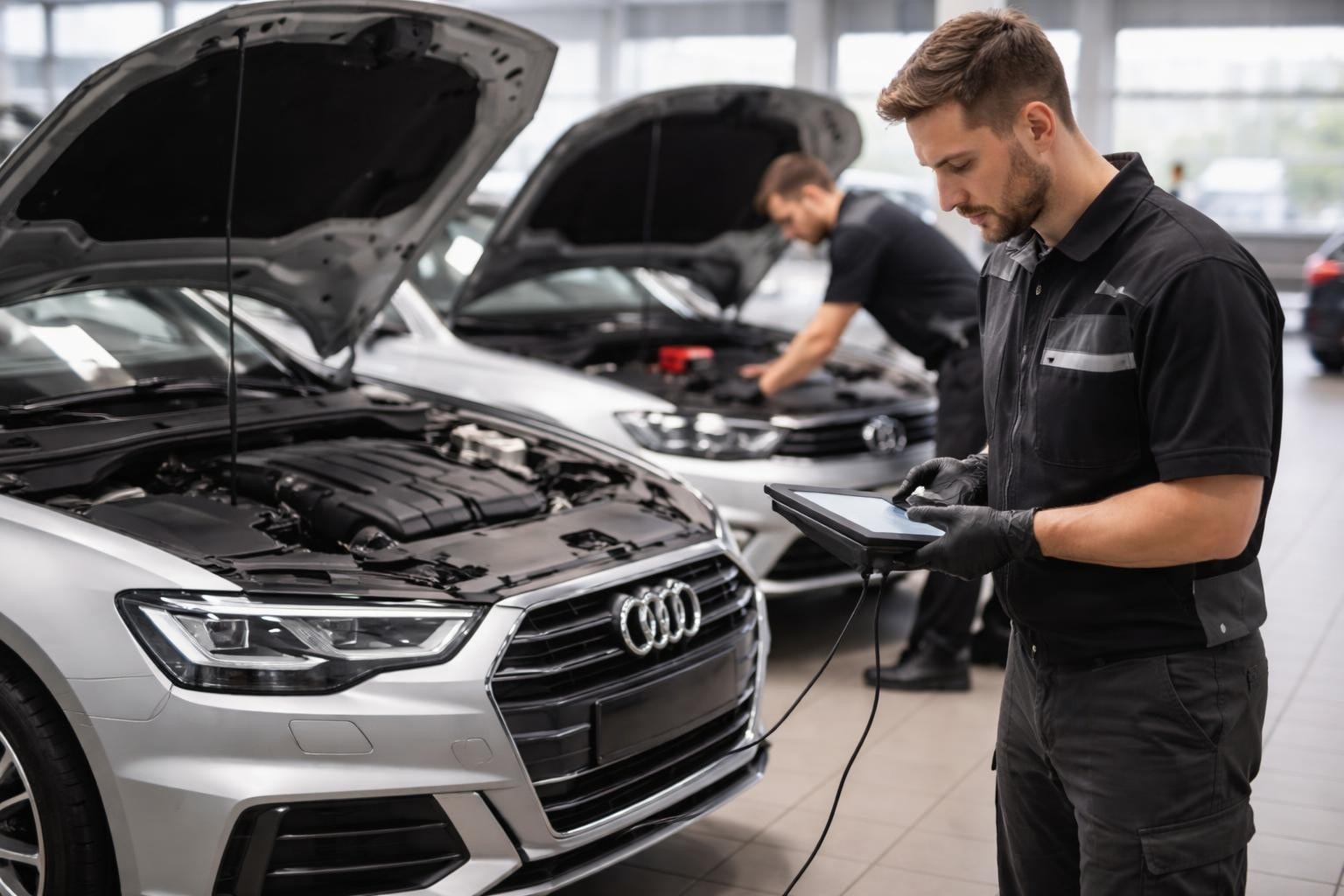
Owning an Audi or Volkswagen vehicle represents a commitment to German engineering excellence, sophisticated technology, and performance-driven design. However, maintaining these precision-engineered machines requires more than standard automotive knowledge. An audi and volkswagen specialist brings the specific expertise, diagnostic tools, and manufacturer-trained proficiency necessary to keep your vehicle operating at peak performance. As European vehicles become increasingly complex with advanced electronic systems and proprietary technologies, the value of specialized service grows exponentially for owners seeking to protect their investment.
Why Audi and Volkswagen Require Specialized Knowledge
The Volkswagen Group's engineering philosophy creates unique service requirements that distinguish these vehicles from other brands. Both Audi and Volkswagen share fundamental platforms, drivetrains, and electronic architectures while maintaining distinct characteristics that demand specific technical understanding.
Shared Engineering Platforms
The modular architecture approach used across the Volkswagen Group means that an audi and volkswagen specialist must understand multiple platform variations. The MQB (Modular Transverse Matrix) and MLB (Modular Longitudinal Matrix) platforms underpin dozens of models across both brands, yet each implementation features unique calibrations, software versions, and component specifications.
Key platform considerations include:
- Engine management system variations across model years
- Transmission programming differences between Audi and Volkswagen applications
- Suspension geometry specifications unique to each chassis
- Electronic control unit (ECU) communication protocols
- Proprietary diagnostic trouble code interpretations
Understanding these nuances separates competent specialists from general mechanics attempting to service these vehicles without proper training.

Advanced Diagnostic Requirements
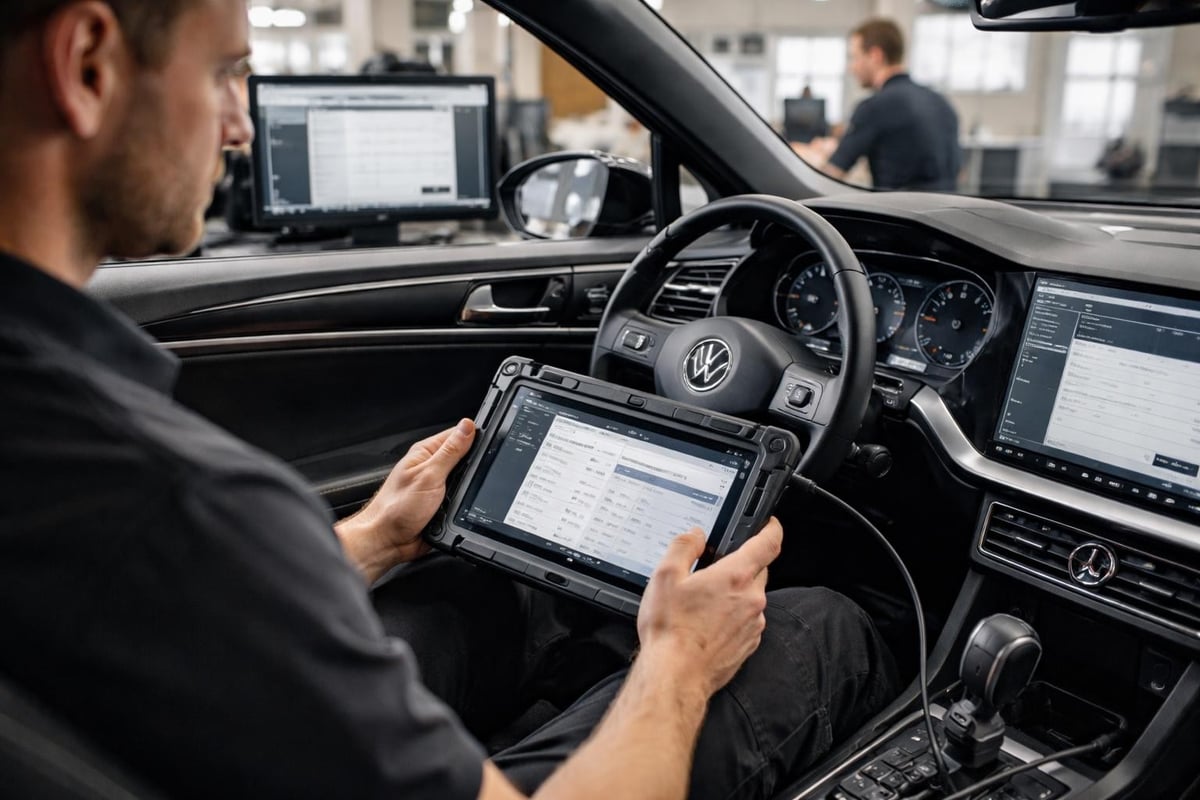
Modern Audi and Volkswagen vehicles employ sophisticated diagnostic systems that communicate across multiple control modules simultaneously. A qualified audi and volkswagen specialist uses manufacturer-specific diagnostic equipment like ODIS (Offboard Diagnostic Information System) or VAS tools to access the full range of vehicle functions.
| Diagnostic Function | Specialist Equipment | Standard OBD-II Scanner |
|---|---|---|
| Full system coding | Yes | No |
| Adaptive value reset | Yes | Limited |
| Component activation | Yes | No |
| Software updates | Yes | No |
| Advanced troubleshooting | Complete access | Basic codes only |
Generic diagnostic scanners simply cannot access the depth of information required for proper diagnosis and repair. The erWin platform provides up-to-date electronic repair and workshop information that specialists rely on for accurate technical specifications.
Training and Certification Standards
The technical expertise required to service Audi and Volkswagen vehicles stems from rigorous training programs that go far beyond basic automotive education. Manufacturer-backed certification ensures technicians possess current knowledge of evolving vehicle systems.
Manufacturer Training Programs
The Audi Education Partnership (AEP) program represents one pathway for aspiring technicians to gain specialized knowledge through structured curriculum combining theoretical learning with practical application. This program establishes foundational competencies specific to Audi vehicles while building transferable skills applicable to Volkswagen models.
Similarly, Volkswagen maintains comprehensive training initiatives ensuring technicians stay current with technological advancements. An audi and volkswagen specialist typically completes hundreds of hours of manufacturer-specific training throughout their career, covering topics from basic maintenance procedures to complex electronic system diagnostics.
- Foundation Level Training: Basic vehicle systems, maintenance procedures, and diagnostic fundamentals
- Advanced Technical Training: Electronic systems, transmission programming, engine management
- Master Certification: Complex diagnostics, programming, advanced troubleshooting
- Continuous Education: New model updates, technology introductions, recall procedures
- Specialized Modules: Hybrid systems, adaptive cruise control, driver assistance technologies
Ongoing Professional Development
Technology evolves rapidly in the automotive sector, with new systems, software updates, and repair procedures introduced annually. The Audi Learning Experience platform consolidates learning materials enabling technicians to maintain expertise as vehicles become more sophisticated.
Recent mandatory training requirements, such as the new adhesives course for technicians at authorized Audi and Volkswagen shops, demonstrate the commitment to maintaining high repair standards. These evolving requirements ensure specialists possess current knowledge of proper repair techniques that protect vehicle safety and structural integrity.

Essential Services Provided by Specialists
An audi and volkswagen specialist offers comprehensive service coverage that addresses both routine maintenance and complex repairs specific to these vehicles. Understanding what services require specialized expertise helps owners make informed decisions about vehicle care.
Routine Maintenance with Precision
While oil changes and brake services might seem straightforward, Audi and Volkswagen vehicles often require specific procedures that differ from other manufacturers:
Scheduled maintenance specifics:
- Variable service intervals based on driving conditions and oil quality monitoring
- Specific oil viscosity requirements for different engine types
- DSG transmission service procedures including adaptation after fluid changes
- Electronic parking brake service mode activation for brake pad replacement
- Battery registration after replacement to prevent charging system issues
A knowledgeable specialist understands these requirements and performs services according to manufacturer specifications rather than generic industry standards.
Complex Repair and Diagnostics
More sophisticated repairs demonstrate why specialized knowledge matters significantly. Electronic system troubleshooting, programming procedures, and component coding require both proper equipment and technical understanding.
| Service Category | Specialist Advantage | Outcome Difference |
|---|---|---|
| Engine performance issues | Access to technical service bulletins, known patterns | Faster diagnosis, correct repair first time |
| Transmission problems | Programming capability, adaptation procedures | Proper function restoration, extended component life |
| Electrical faults | Complete wiring diagrams, module communication testing | Accurate fault isolation, no unnecessary replacement |
| Climate control | Refrigerant specifications, calibration procedures | Optimal system performance, efficiency |
The European diagnostic and programming workshop training illustrates the depth of knowledge required for proper diagnostics and live vehicle programming that specialists must master.
Technology Integration and Software Management
Modern Audi and Volkswagen vehicles function as computers on wheels, with dozens of electronic control units managing everything from engine performance to infotainment systems. An audi and volkswagen specialist must navigate this technological complexity with precision.
Software Updates and Programming
Manufacturers regularly release software updates addressing performance improvements, bug fixes, and new feature activations. Unlike smartphone updates, vehicle software programming requires specialized equipment and technical knowledge to execute properly.
Software management includes:
- Control module programming for fault corrections
- Infotainment system updates and map data installation
- Driver assistance system calibrations
- Engine management software updates for performance or emissions
- Transmission control module adaptations
Incorrect programming procedures can create new problems or leave vehicles inoperable. Specialists follow precise protocols ensuring updates complete successfully without complications.
Diagnostic Trouble Code Interpretation
Generic code readers provide basic fault information, but Audi and Volkswagen-specific codes often require deeper interpretation. A P0301 misfire code might appear straightforward, but specialists understand the numerous potential causes specific to different engine types and model years.
Understanding how to navigate VW Audi repair instructions efficiently improves diagnostic accuracy and repair effectiveness. This knowledge transforms raw diagnostic data into actionable repair strategies.
Selecting the Right Specialist for Your Vehicle
Not all service facilities claiming Audi and Volkswagen expertise possess equivalent capabilities. Understanding what distinguishes truly qualified specialists helps vehicle owners make informed service decisions.
Essential Qualifications to Verify
When evaluating potential service providers, certain qualifications indicate genuine specialist capabilities:
- Manufacturer-Specific Diagnostic Equipment: Verify the facility uses ODIS, VCDS, or equivalent tools, not just generic scanners
- Technician Certification: Ask about manufacturer training completion and ongoing education
- Technical Information Access: Confirm access to current repair information and technical service bulletins
- Parts Quality Standards: Ensure use of OEM or equivalent-quality components
- Warranty and Guarantees: Professional specialists stand behind their work with comprehensive warranties
Experience with Specific Models
The Volkswagen Group produces numerous models with significant technical variations. An audi and volkswagen specialist with experience on your specific vehicle type brings valuable familiarity with common issues, optimal repair procedures, and model-specific quirks.
Experience indicators include:
- Service history with similar model years and engine types
- Knowledge of common failure patterns for your vehicle
- Familiarity with generation-specific technologies and systems
- Access to special tools required for particular models
- Understanding of recall campaigns and technical service bulletins
This specialized experience translates to faster diagnostics, more accurate repairs, and better long-term vehicle reliability.
Cost Considerations and Value Proposition
Many vehicle owners question whether specialist service justifies potentially higher costs compared to general mechanics. Understanding the true value proposition reveals why an audi and volkswagen specialist often represents the more economical choice long-term.
Diagnostic Accuracy and First-Time Fixes
Incorrect diagnosis leads to unnecessary part replacement, wasted time, and continued vehicle problems. Specialists' combination of proper equipment, technical knowledge, and experience typically results in accurate diagnosis and correct repairs the first time.
| Scenario | General Mechanic Approach | Specialist Approach |
|---|---|---|
| Check engine light | Replace common failure parts, hope for resolution | Precise diagnosis identifying actual fault |
| Transmission issues | External shop referral, delays | In-house diagnosis and repair capability |
| Electrical problems | Trial and error testing | Systematic module communication testing |
| Software faults | Cannot diagnose or repair | Programming and configuration capability |
The time and money saved through accurate diagnosis often offsets any initial service cost differences.
Preventive Maintenance Benefits
Proper preventive maintenance according to manufacturer specifications extends vehicle life and prevents expensive repairs. Specialists understand the specific service requirements that keep Audi and Volkswagen vehicles operating reliably.
Long-term cost benefits include:
- Extended engine and transmission life through proper servicing
- Prevention of expensive failures via timely maintenance
- Maintained resale value through documented specialist service history
- Reduced likelihood of roadside breakdowns
- Optimal fuel efficiency through proper system calibration
These factors combine to create significant financial advantages over the vehicle ownership period.
Independent Specialists versus Dealership Service
Vehicle owners often weigh the choice between dealership service departments and independent audi and volkswagen specialist facilities. Both options offer distinct advantages worth considering.
Independent Specialist Advantages
Independent facilities specializing in Audi and Volkswagen vehicles frequently provide compelling benefits:
- More personalized customer service and direct technician communication
- Typically lower labor rates compared to dealership pricing
- Flexibility in parts sourcing between OEM and quality aftermarket options
- Often more convenient scheduling and faster turnaround times
- Focused expertise on specific brands rather than multi-brand dealership environment
Reputable independent specialists invest in the same diagnostic equipment and training as dealerships while maintaining lower overhead costs, creating value for customers.
When Dealership Service Makes Sense
Certain situations favor dealership service, particularly for warranty work, recall campaigns, or newly released models where independent specialists may not yet have complete information. However, for out-of-warranty vehicles and routine maintenance, qualified independent specialists typically deliver equivalent or superior service quality.
For convenient scheduling with experienced specialists, consider booking your service appointment online to ensure your vehicle receives proper care from qualified professionals.
Common Issues Requiring Specialist Attention
Certain problems particularly benefit from specialist knowledge and equipment. An audi and volkswagen specialist recognizes these issues quickly and implements proven repair strategies.
DSG Transmission Concerns
Direct-Shift Gearbox (DSG) transmissions represent sophisticated technology requiring specific service procedures and diagnostic capabilities. Common issues include:
- Mechatronic unit failures requiring programming after replacement
- Clutch pack wear necessitating adaptation procedures
- Software updates addressing shift quality concerns
- Fluid service requirements different from conventional automatics
Generic transmission shops often lack the programming capability and technical knowledge for proper DSG service.
Electronic System Faults
Modern Audi and Volkswagen vehicles integrate complex electronic architectures where multiple systems interact continuously. Electrical problems require systematic diagnosis rather than guesswork.
Common electronic issues:
- Module communication errors requiring network diagnostics
- Sensor failures with coding requirements after replacement
- Infotainment system malfunctions needing software intervention
- Driver assistance system calibrations after windshield replacement
- Battery management problems requiring registration procedures
These sophisticated systems demand specialist-level expertise for reliable resolution.
Turbocharger and Direct Injection Systems
Many Audi and Volkswagen models employ turbocharged direct injection engines delivering impressive performance and efficiency. These systems require specific maintenance and repair approaches:
- Carbon buildup on intake valves requiring specialized cleaning
- Turbocharger wastegate actuator issues needing adjustment
- High-pressure fuel pump failures with specific replacement procedures
- PCV system maintenance preventing oil consumption problems
- Timing chain tensioner issues in certain engine families
Specialists familiar with these common patterns diagnose and repair these issues efficiently, often preventively addressing related concerns before they escalate.
Parts Quality and Sourcing Expertise
Component quality significantly impacts repair longevity and vehicle reliability. An experienced audi and volkswagen specialist understands parts quality differences and makes appropriate sourcing decisions.
OEM versus Aftermarket Components
Not all replacement parts offer equivalent quality or longevity. Specialists navigate the parts landscape to balance quality and value:
| Component Type | OEM Recommended | Quality Aftermarket Acceptable | Avoid Cheap Alternatives |
|---|---|---|---|
| Engine internals | Yes | Select manufacturers only | Yes |
| Electrical components | Preferred | Limited options | Yes |
| Brake components | Preferred | Quality brands acceptable | Yes |
| Filters and fluids | Specification match critical | Must meet VW/Audi specs | Yes |
| Body panels | Preferred for fit | Some aftermarket adequate | Depends on quality |
Specialists understand which components justify OEM expense and where quality aftermarket alternatives provide good value without compromising reliability.
Genuine Parts Advantages
Volkswagen Group genuine parts offer specific advantages including guaranteed fit, proper function, warranty coverage, and engineering integration with existing vehicle systems. While typically more expensive than aftermarket alternatives, genuine parts often prove cost-effective long-term through extended service life and proper system integration.
Maintaining your Audi or Volkswagen with specialist care protects your investment and ensures reliable performance for years to come. The combination of manufacturer-specific training, proper diagnostic equipment, and focused expertise makes qualified specialists essential partners in vehicle ownership. When you need expert service for your European vehicle in Auckland's North Shore area, VODIS Automobile delivers the specialized knowledge and professional care your Audi or Volkswagen deserves, backed by over 20 years of trusted service excellence.