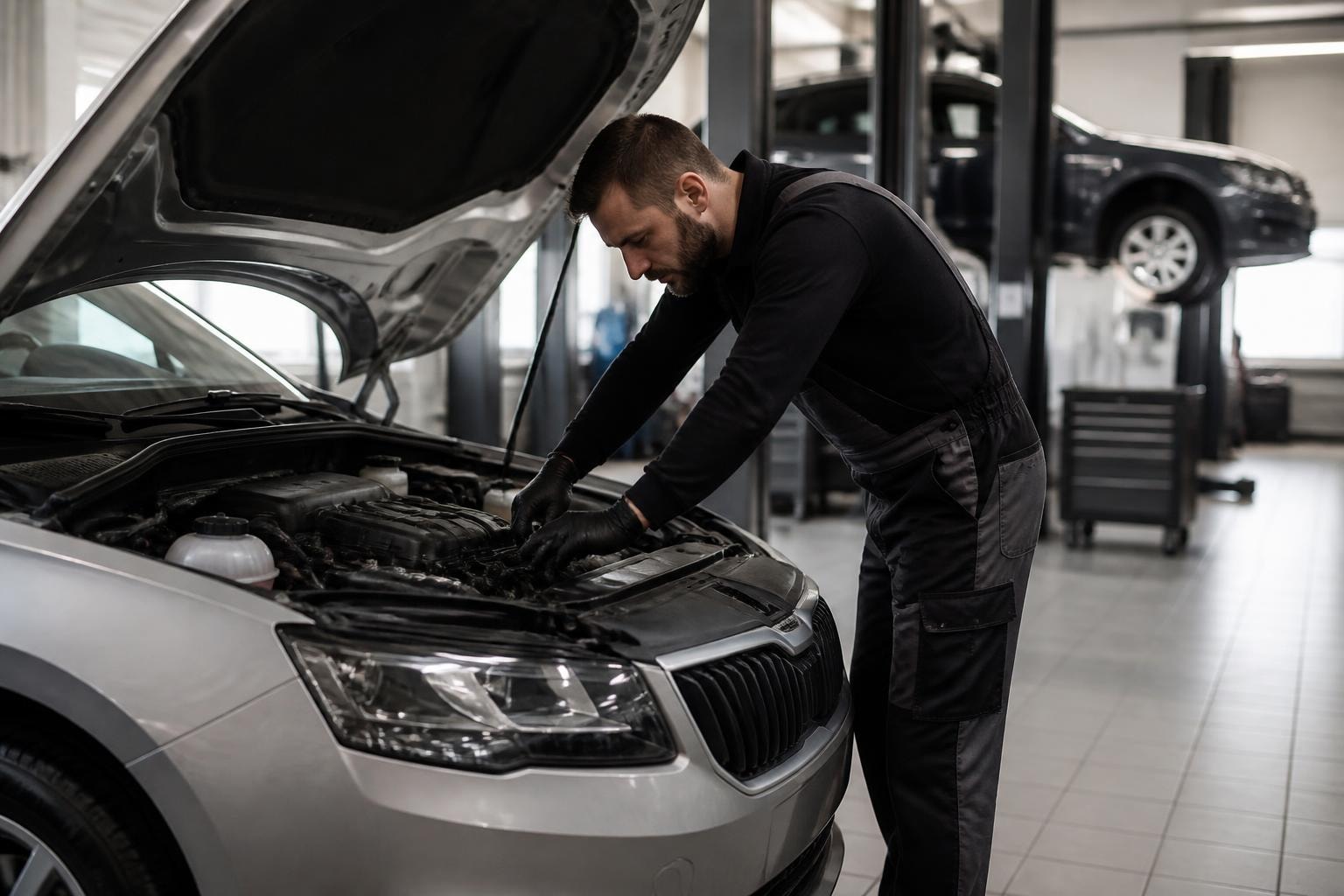

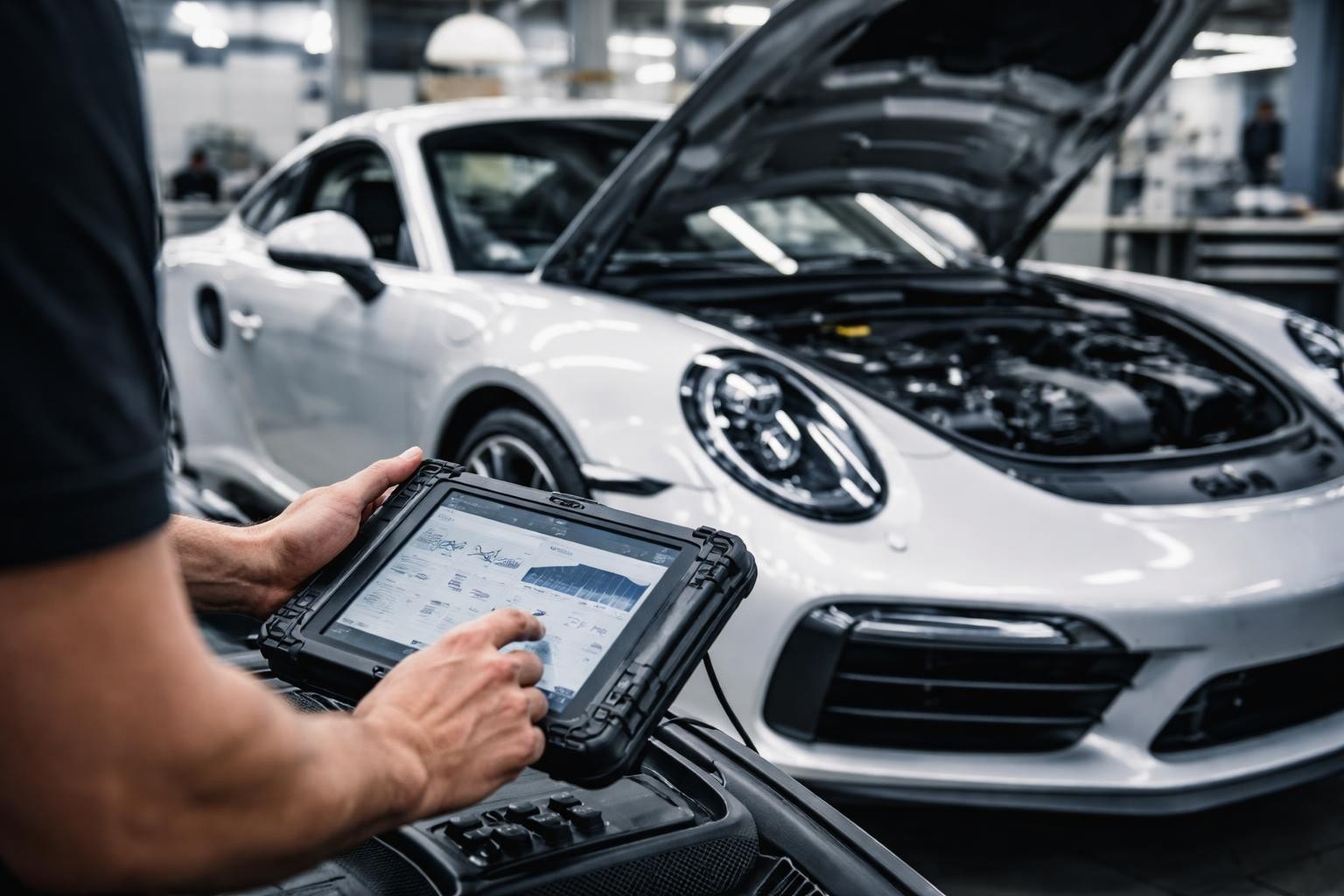
Owning a Porsche represents a commitment to automotive excellence, performance engineering, and driving precision. These legendary vehicles demand specialized attention and expertise when it comes to maintenance and repairs. Whether you own a classic 911, a modern Cayenne, or a Boxster, understanding the unique requirements of porsche car repair ensures your investment continues to deliver the exceptional performance and reliability that defines the brand. From routine servicing to complex mechanical work, finding the right specialist with European vehicle expertise makes all the difference in maintaining your vehicle's value and performance over time.
Understanding Porsche Engineering Complexity
Porsche vehicles stand apart from conventional automobiles through their sophisticated engineering and performance-oriented design. Every system, from the engine to the suspension, integrates advanced technology that requires specialized knowledge for proper diagnosis and repair.
Unique Engine Configurations
The iconic flat-six engine design found in many Porsche models presents specific challenges that differentiate porsche car repair from standard automotive service. These horizontally opposed engines demand particular attention during maintenance procedures, with unique access points for oil changes, spark plug replacement, and valve adjustments.
Key engine considerations include:
- Rear-engine placement in 911 models requiring different cooling strategies
- Direct fuel injection systems with high-pressure pumps needing specialized diagnostic equipment
- Variable valve timing mechanisms that demand precise calibration
- Dry-sump oiling systems in performance models requiring specific procedures
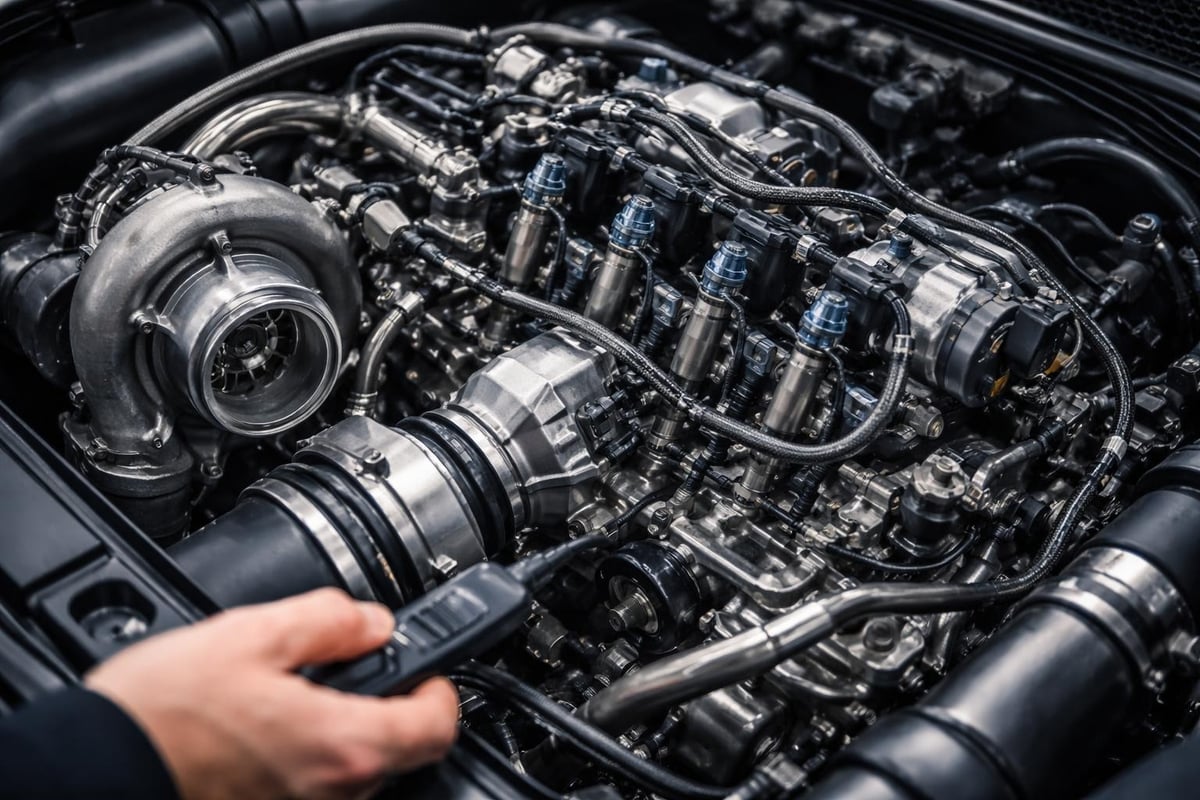
Modern Porsche engines also incorporate turbocharging technology across most of their lineup, adding complexity to exhaust systems, intercoolers, and boost management. These forced-induction systems require technicians who understand the intricacies of turbo maintenance, wastegate operation, and charge air cooling to properly diagnose and repair potential issues.
Advanced Electronic Systems
Contemporary Porsche vehicles feature sophisticated electronic architecture that controls everything from engine management to active suspension systems. The Porsche Communication Management (PCM) system integrates navigation, entertainment, and vehicle settings, while advanced driver assistance systems monitor road conditions and adjust vehicle behavior in real-time.
Proper diagnosis of electronic issues requires factory-level diagnostic equipment and software. Generic code readers often fail to access Porsche-specific control modules or interpret fault codes correctly. Technicians working on these vehicles need access to comprehensive technical documentation and repair information to properly address electrical concerns and perform software updates.
Essential Maintenance Requirements
Preventive maintenance forms the foundation of reliable Porsche ownership. These precision machines reward consistent care with exceptional longevity and sustained performance.
Scheduled Service Intervals
Porsche recommends specific service intervals based on mileage and time, whichever comes first. Understanding these requirements helps owners plan for maintenance costs and avoid potential warranty issues.
| Service Type | Interval | Key Components |
|---|---|---|
| Oil Service | 10,000 miles or 1 year | Engine oil, filter, multi-point inspection |
| Minor Service | 20,000 miles or 2 years | Oil, filters, brake fluid, visual inspection |
| Major Service | 40,000 miles or 4 years | All fluids, spark plugs, filters, comprehensive check |
| Brake Service | As needed | Fluid flush every 2 years minimum |
Following these intervals maintains your warranty coverage and ensures optimal performance. Skipping services or extending intervals beyond recommendations can lead to accelerated wear and potentially expensive repairs down the line.
Critical Fluid Management
Porsche vehicles utilize specialized fluids formulated to meet exacting performance standards. Using incorrect or inferior fluids during porsche car repair can compromise performance and potentially damage components.
Essential fluids requiring attention:
- Engine Oil: Synthetic oils meeting Porsche specifications (typically 0W-40 or 5W-50)
- Transmission Fluid: PDK transmissions use specific low-viscosity fluids requiring specialized procedures
- Coolant: Porsche-approved coolant maintaining precise temperature control
- Brake Fluid: DOT 4 or DOT 5.1 specifications for high-performance braking systems
Transmission services deserve particular attention. The Porsche Doppelkupplung (PDK) dual-clutch transmission requires fluid changes at specified intervals, and the procedure involves precise fill quantities and temperature measurements. Manual transmissions also benefit from regular fluid changes to maintain smooth shifting and protect synchronizers.
Common Porsche Repair Challenges
Even well-maintained Porsche vehicles experience wear items and known issues that owners should anticipate. Recognizing these common concerns helps in planning for maintenance and understanding when specialized porsche car repair becomes necessary.
IMS Bearing Concerns
Intermediate shaft (IMS) bearings in certain 911 and Boxster models (1997-2008) represent one of the most discussed concerns among Porsche enthusiasts. While failure rates remain relatively low, the catastrophic nature of IMS bearing failure makes it a significant consideration for owners of affected models.
Proactive replacement during clutch service or major engine work provides peace of mind. This preventive approach requires specialized tools and expertise, making it essential to work with technicians experienced in this particular repair. Many independent specialists have developed efficient procedures for IMS bearing replacement that minimize labor costs while ensuring thorough work.
Coolant System Maintenance
Water-cooled Porsche engines rely on complex coolant systems featuring expansion tanks, coolant pipes, and radiators that can develop leaks over time. Plastic components in these systems become brittle with age and heat cycling, leading to potential failures.
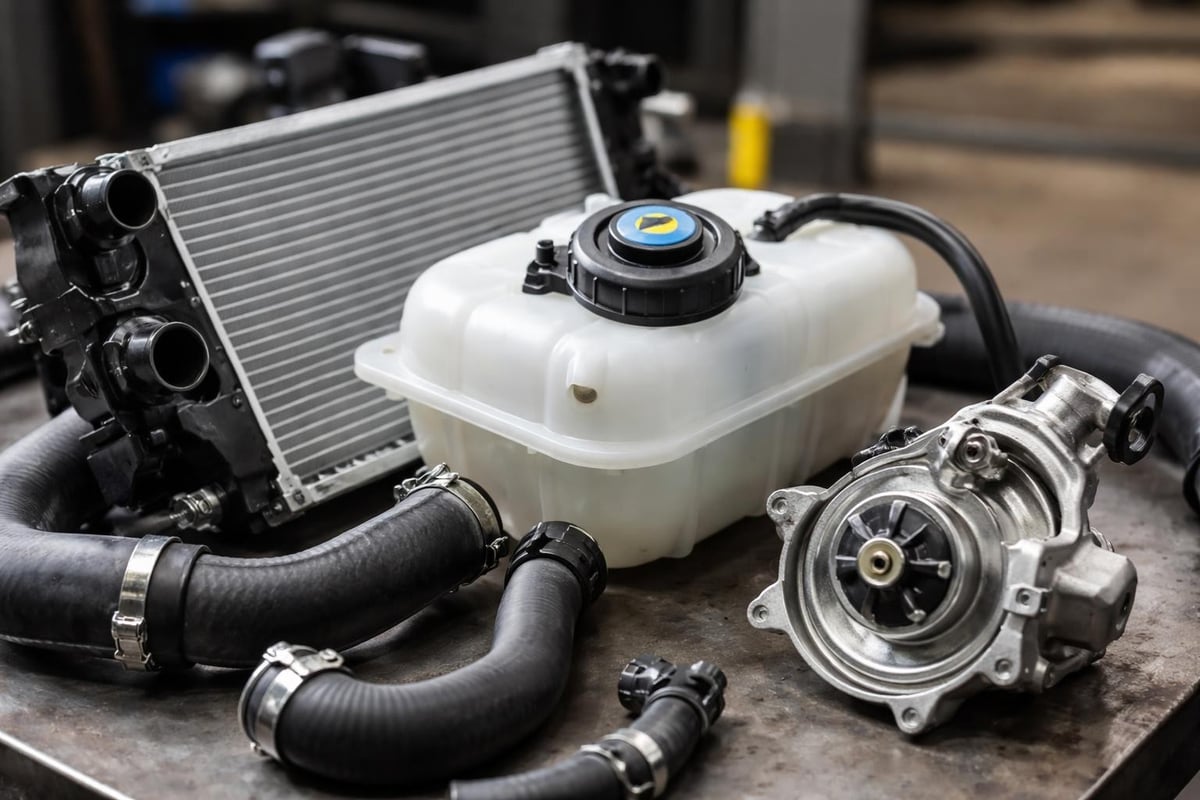
Regular inspection of coolant hoses, expansion tanks, and radiator end tanks helps identify potential issues before roadside failures occur. Preventive replacement of these components during major service intervals proves more cost-effective than emergency repairs after a breakdown.
Suspension and Steering Components
Porsche's legendary handling comes from precisely engineered suspension geometry and high-quality components. However, bushings, control arms, and tie rods wear over time, particularly on vehicles driven enthusiastically or on rough roads.
| Component | Typical Lifespan | Symptoms of Wear |
|---|---|---|
| Control Arm Bushings | 60,000-80,000 miles | Clunking sounds, imprecise steering |
| Tie Rod Ends | 50,000-70,000 miles | Wandering, uneven tire wear |
| Shock Absorbers | 40,000-60,000 miles | Poor ride quality, body roll |
| Wheel Bearings | 80,000-100,000 miles | Humming noise, play in wheel |
Maintaining suspension components preserves the driving dynamics that make Porsche vehicles special. Worn components not only compromise handling but can also create safety concerns and accelerate tire wear.
Selecting the Right Repair Facility
Finding qualified technicians for porsche car repair represents a critical decision for owners. While dealerships offer factory-trained expertise, independent specialists often provide comparable knowledge at more competitive pricing.
Qualifications and Equipment
Professional Porsche repair requires specific diagnostic tools, technical information access, and trained personnel. Look for facilities with Porsche-specific diagnostic computers capable of accessing all control modules and performing coding procedures.
Essential facility qualifications:
- Technicians with Porsche training or extensive European vehicle experience
- Access to factory repair procedures and technical service bulletins
- Specialized tools for Porsche-specific repairs
- Proper lifting equipment for low-clearance sports cars
- Quality replacement parts from reputable suppliers
Independent specialists focusing on European vehicles often develop expertise that rivals dealerships. Many technicians at these facilities have previous dealership experience and maintain their skills through ongoing training and industry involvement. You can find recommended Porsche specialists through enthusiast communities and owner forums.
Parts Quality Considerations
Replacement parts quality significantly impacts repair longevity and vehicle performance. Porsche Original Equipment (OE) parts guarantee proper fitment and performance, but quality aftermarket alternatives exist for many components.
Understanding the difference between OE, OEM (Original Equipment Manufacturer), and aftermarket parts helps in making informed decisions. OE parts carry the Porsche logo and warranty, OEM parts come from the same suppliers but without Porsche branding, and aftermarket parts vary widely in quality from budget options to performance upgrades.
For critical systems like brakes, suspension, and engine components, investing in OE or quality OEM parts ensures reliability and maintains vehicle value. For wear items like filters and routine maintenance components, reputable aftermarket brands often provide excellent value without compromising quality.
Performance Modifications and Upgrades
Many Porsche owners eventually consider performance enhancements to personalize their vehicles. While modifications can enhance driving experience, they require careful planning and expert installation to maintain reliability.
Exhaust and Intake Systems
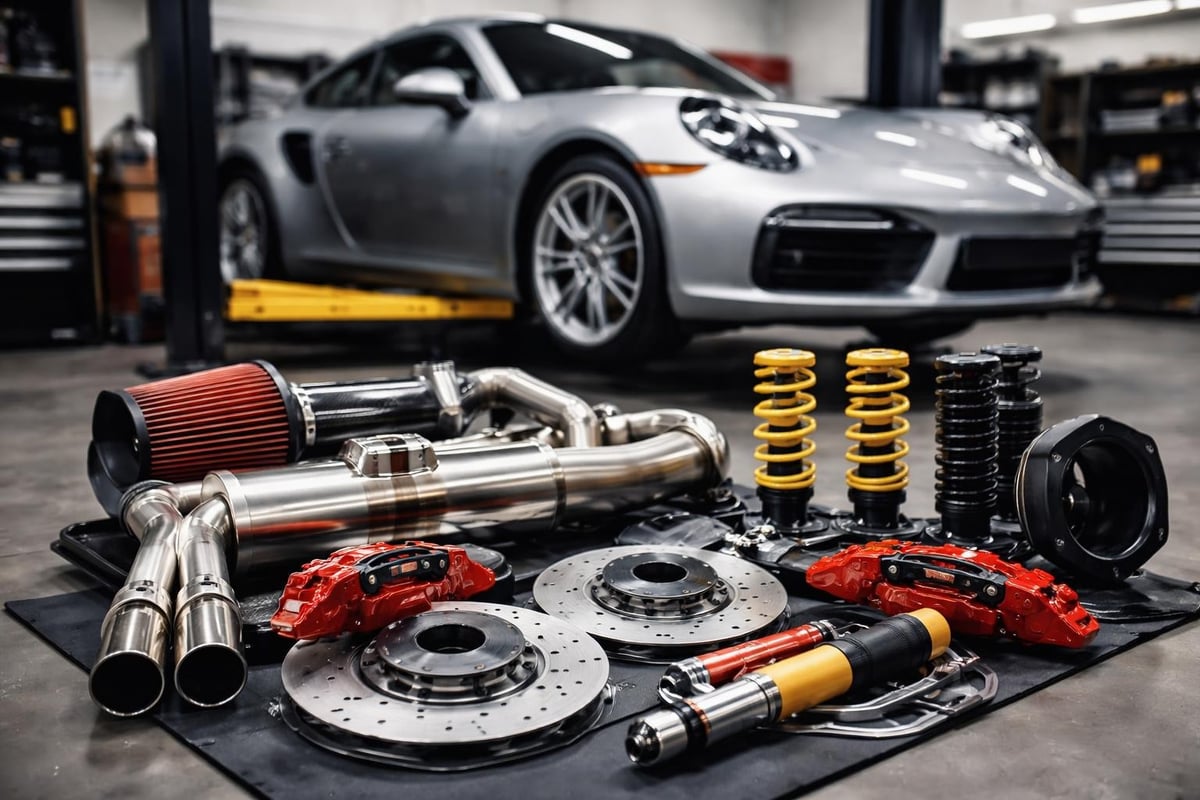
Aftermarket exhaust systems represent popular modifications that can enhance sound and slightly improve performance. These upgrades range from simple muffler replacements to complete header-back systems.
When considering exhaust modifications during porsche car repair or upgrade work, ensure the system maintains proper catalytic converter function to comply with emissions regulations. Quality systems should include proper oxygen sensor bungs and not trigger check engine lights or affect fuel trim.
Cold air intakes and performance air filters promise improved airflow and throttle response. While gains on naturally aspirated engines remain modest, turbocharged models can benefit from reduced intake restriction. Any intake modifications should maintain proper mass airflow sensor function and not introduce unmetered air that could affect engine calibration.
Suspension and Brake Upgrades
Lowering springs, coilover suspension systems, and upgraded sway bars allow owners to refine handling characteristics. These modifications should be approached systematically, understanding how changes affect overall vehicle balance.
Popular suspension modifications include:
- Performance shock absorbers with adjustable damping
- Lower, stiffer springs for reduced body roll
- Upgraded sway bars for improved cornering balance
- Adjustable control arms for track-focused alignment settings
Brake upgrades often focus on improved pad compounds, stainless steel braided lines, and high-performance brake fluid. For track-focused owners, big brake kits with larger rotors and multi-piston calipers provide increased thermal capacity and stopping power. Any brake modifications should maintain proper bias between front and rear systems to preserve stability during hard braking.
Seasonal Care and Storage
Porsche vehicles in regions with harsh winters or those stored for extended periods require specific care to maintain condition and prevent deterioration.
Winter Preparation
While many Porsche models serve as year-round vehicles, preparation for winter driving helps protect your investment. All-wheel-drive Cayenne and Panamera models handle winter conditions well with appropriate tires, but rear-wheel-drive sports cars require extra consideration.
Winter tire selection dramatically impacts safety and performance in cold conditions. Dedicated winter tires maintain grip in temperatures below 45°F, far outperforming summer performance tires. For 911 owners, winter wheel and tire packages sized appropriately for snow and ice provide confidence during cold-weather driving.
Underbody protection becomes important in regions using road salt. Regular washing, particularly of wheel wells and undercarriage, prevents salt accumulation that can accelerate corrosion. Quality paint protection and undercoating services provide additional defense against winter road conditions.
Long-Term Storage Procedures
Storing a Porsche for winter or extended periods requires preparation to prevent issues when returning the vehicle to service. Proper storage procedures maintain battery health, prevent flat-spotting of tires, and protect interior components.
| Storage Task | Procedure | Purpose |
|---|---|---|
| Fuel Stabilizer | Add to full tank | Prevents fuel degradation |
| Battery Maintenance | Connect trickle charger | Maintains charge, prevents sulfation |
| Tire Pressure | Inflate to maximum cold pressure | Reduces flat-spotting risk |
| Cover | Use breathable car cover | Protects paint, allows moisture escape |
Before storage, complete any needed porsche car repair to prevent small issues from worsening during the inactive period. Fresh oil prevents corrosive acids from sitting in the engine, and clean brake calipers reduce the risk of seized pistons.
DIY Maintenance vs. Professional Service
Porsche owners range from those who handle basic maintenance themselves to those preferring comprehensive professional care. Understanding which tasks suit DIY approaches and which require professional expertise helps optimize maintenance costs while ensuring proper care.
Appropriate DIY Tasks
Certain maintenance procedures suit owner-performed work, particularly for mechanically inclined enthusiasts with proper tools and workspace. These tasks provide cost savings while maintaining vehicle condition.
DIY-friendly maintenance includes:
- Engine oil and filter changes (with proper tools and disposal)
- Air filter replacement
- Cabin filter replacement
- Windshield wiper blade installation
- Tire pressure monitoring and adjustment
- Basic washing and detailing
Oil changes represent the most common DIY maintenance task. However, Porsche vehicles require specific procedures, including proper jack point usage to avoid damage to undercarriage components. Access to the oil filter and drain plug varies by model, with some requiring removal of underbody panels.
When Professional Service Becomes Essential
Complex repairs and diagnostic work require professional expertise and specialized equipment. Attempting these procedures without proper knowledge risks expensive mistakes and potential safety issues.
Brake system work, suspension repairs, and any tasks involving airbag systems or critical safety components should be left to qualified professionals. These systems require proper bleeding procedures, torque specifications, and safety protocols that professional technicians follow routinely. You can schedule professional service at facilities equipped to handle European vehicle requirements.
Diagnostic work benefits tremendously from professional expertise and proper equipment. While code readers provide fault code information, interpreting those codes and performing systematic diagnosis requires experience and access to comprehensive repair resources. Professional technicians can access live data streams, perform adaptation procedures, and reference technical service bulletins that guide efficient repairs.
Collision Repair Considerations
Unfortunately, even careful drivers may need collision repair services. Porsche vehicles incorporate sophisticated safety structures and advanced materials requiring specialized repair techniques.
Aluminum and Composite Materials
Modern Porsche models utilize extensive aluminum construction and composite materials to reduce weight while maintaining structural integrity. Repairing these materials demands specific procedures different from traditional steel body repair.
Aluminum welding requires dedicated equipment and training, as contamination between aluminum and steel can compromise repairs. Many collision facilities lack the specialized equipment or certification to properly repair aluminum Porsche structures, making facility selection critical after an accident.
Following manufacturer repair guidelines ensures structural integrity and maintains vehicle safety. These position statements specify proper repair techniques, replacement requirements, and structural adhesive applications that preserve crashworthiness.
Advanced Safety Systems
Porsche vehicles equipped with advanced driver assistance features include numerous sensors, cameras, and radar units that require calibration after collision repairs. Lane keeping assist, adaptive cruise control, and automatic emergency braking systems all depend on precise sensor alignment.
Post-repair calibration requires specialized equipment and procedures to ensure these systems function correctly. Improper calibration can result in false warnings, system deactivation, or failure to operate when needed. Any facility performing collision work on modern Porsche vehicles should have the capability to perform these essential calibrations.
Cost Management Strategies
Understanding porsche car repair costs and planning for maintenance expenses helps owners budget appropriately and avoid surprises.
Extended Warranty Considerations
For newer Porsche vehicles approaching the end of factory warranty coverage, extended warranty programs offer protection against expensive repairs. These programs vary significantly in coverage, exclusions, and claim procedures.
Factory-backed Porsche extended warranties provide comprehensive coverage and work seamlessly with service facilities. Third-party warranties cost less but may include more restrictions, require pre-authorization for repairs, and limit facility choices. Carefully reviewing coverage details and exclusion lists helps determine if extended warranty protection provides value for your specific situation and driving patterns.
Preventive Maintenance Investment
While postponing maintenance might seem to save money short-term, this approach typically increases long-term costs through accelerated wear and avoidable failures. Investing in scheduled maintenance prevents many expensive repairs while maintaining vehicle value.
Cost-effective maintenance practices include:
- Following manufacturer service intervals precisely
- Addressing small issues before they escalate
- Using quality parts that provide longer service life
- Building relationships with trusted service providers
- Keeping detailed maintenance records for resale value
Detailed service records significantly enhance resale value when selling your Porsche. Prospective buyers pay premium prices for well-documented, properly maintained examples. Every receipt, every service record, and every repair invoice demonstrates your commitment to proper care.
Regional Service Considerations
Location significantly impacts porsche car repair options and costs. Urban areas typically offer multiple specialist facilities, while rural owners may need to travel for qualified service.
Finding Qualified Specialists in Auckland
Auckland's North Shore region provides excellent options for European vehicle servicing, with independent specialists offering expertise comparable to dealerships at competitive pricing. These facilities often develop strong relationships with local Porsche owners, providing personalized service and flexible scheduling.
Independent specialists focusing on European brands typically invest in proper diagnostic equipment and maintain technician training to serve their customer base effectively. Many develop particular expertise in specific models or repair procedures, becoming go-to resources for complex work.
When evaluating service providers, consider facility cleanliness, customer communication practices, and willingness to explain repairs and options. Quality shops take time to discuss findings, provide detailed estimates, and help owners understand the necessity and timing of recommended services.
Mobile Service Options
Some routine maintenance tasks can be performed through mobile service providers who come to your location. Oil changes, battery replacement, and minor repairs suit mobile service approaches for owners with scheduling constraints.
However, complex diagnostics and major repairs require proper shop facilities with lifts, specialized tools, and controlled environments. Mobile services work best for convenience-focused routine maintenance rather than comprehensive porsche car repair needs.
Maintaining a Porsche properly requires understanding its unique engineering, following scheduled maintenance, and selecting qualified service providers who respect the precision these vehicles demand. Whether you're enjoying a weekend drive through Auckland's scenic routes or commuting daily, proper care ensures your Porsche delivers the exceptional performance and reliability that defines the brand. For expert European vehicle service backed by over 20 years of trusted experience, VODIS Automobile provides the specialized knowledge and commitment to quality that your precision automobile deserves.