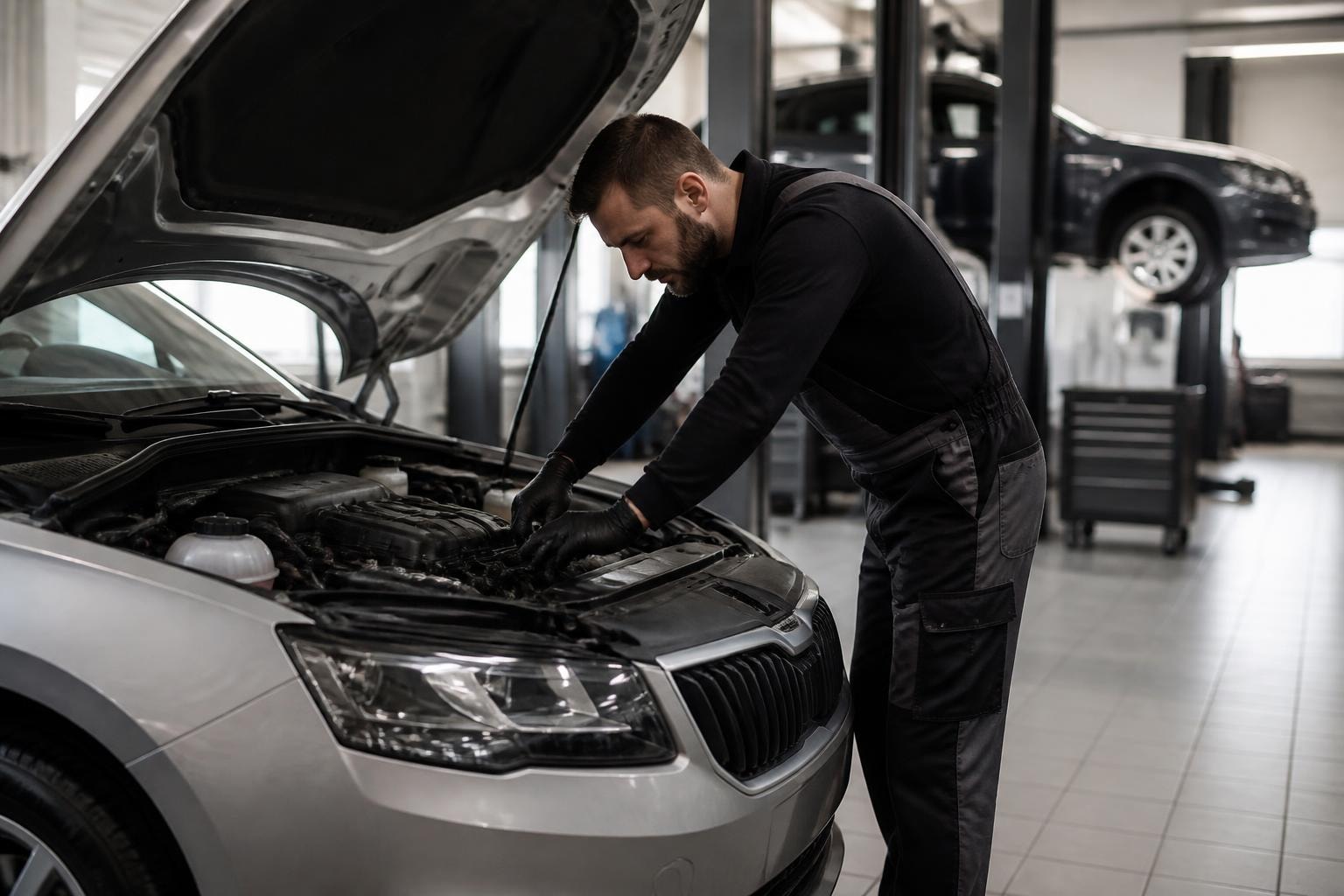

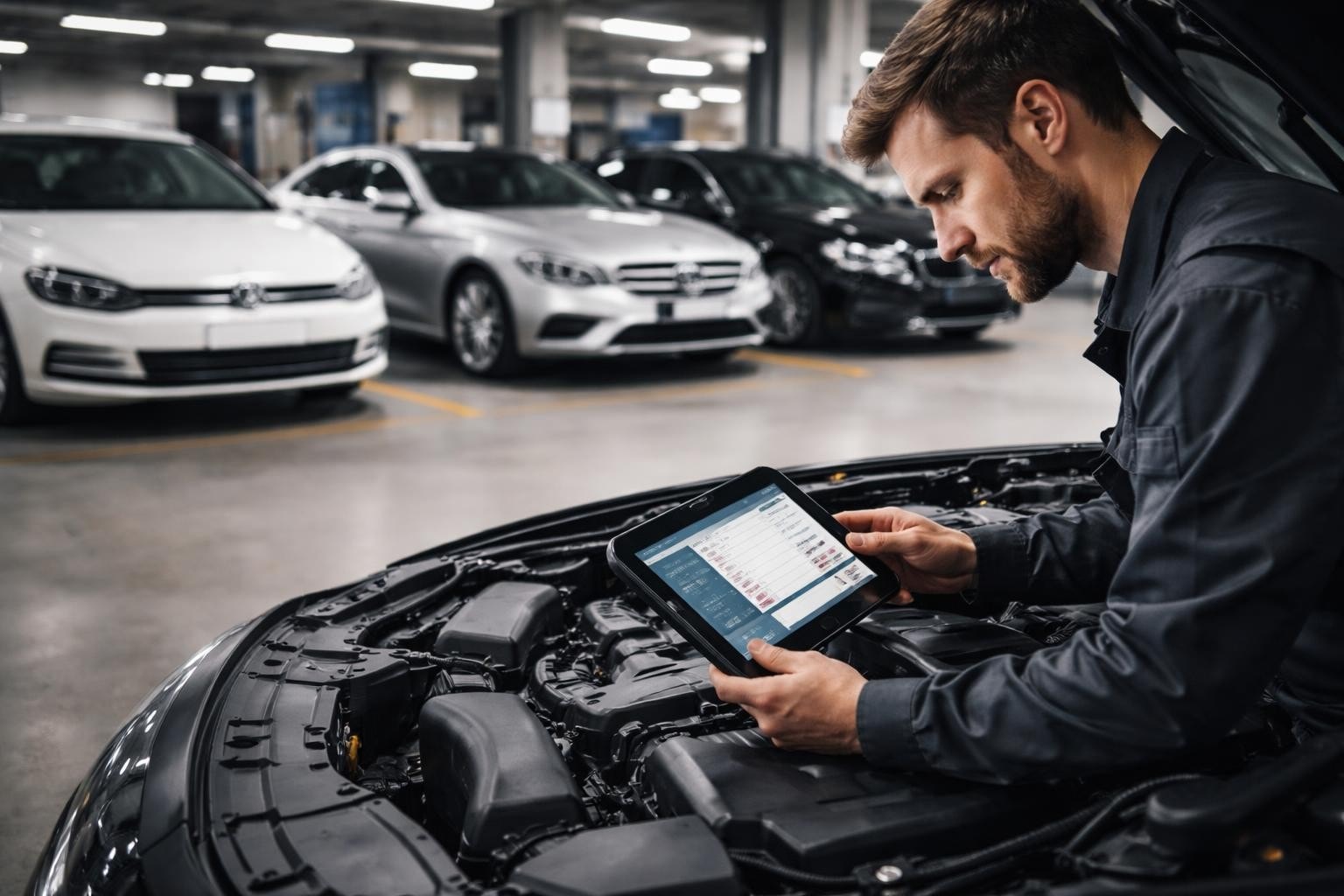
European vehicles represent engineering excellence, but that sophistication demands specialized attention and expertise. Whether you drive a Volkswagen, Audi, BMW, Mercedes-Benz, or Skoda, understanding the unique requirements of european service ensures your vehicle maintains peak performance while protecting your investment. The intricacies of German, Italian, and Swedish automotive design require technicians with specific training, specialized diagnostic equipment, and genuine or quality aftermarket parts to deliver maintenance that meets manufacturer standards.
Understanding European Service Requirements
European service differs fundamentally from maintenance procedures for domestic or Asian vehicles. These differences stem from engineering philosophies that prioritize performance, precision, and driver engagement over simplicity of maintenance.
The Engineering Behind Maintenance Needs
European manufacturers design vehicles with tighter tolerances, more complex electronics, and performance-oriented components. This engineering approach means that routine maintenance isn't just about changing fluids-it's about maintaining the intricate balance of systems working in harmony.
BMW's N55 engine, for example, uses a timing chain that requires specific tension adjustments during service intervals. Mercedes-Benz vehicles often feature complex air suspension systems demanding specialized diagnostic procedures. Volkswagen's DSG transmissions need particular fluid specifications and service protocols that differ from conventional automatics.
Service Intervals and Their Importance
Factory-scheduled maintenance intervals vary significantly across European brands, but all follow rigorous schedules designed to prevent premature wear and maintain warranty coverage. Most manufacturers recommend service every 10,000 to 15,000 kilometers, though some newer models feature flexible service indicators that calculate needs based on driving conditions.
| Brand | Standard Interval | Performance Models | Diesel Variants |
|---|---|---|---|
| Volkswagen | 15,000 km | 10,000 km | 15,000 km |
| Audi | 15,000 km | 10,000 km | 15,000 km |
| BMW | 15,000 km | 8,000 km | 20,000 km |
| Mercedes-Benz | 15,000 km | 10,000 km | 20,000 km |
| Skoda | 15,000 km | 12,000 km | 15,000 km |
Auckland's driving conditions-with coastal salt air, urban congestion, and variable weather-often necessitate more frequent european service than manufacturer minimums suggest.
What European Service Includes
A comprehensive european service encompasses far more than an oil change. Understanding what's involved helps you appreciate the value of specialized maintenance facilities.
Minor Service Components
Minor services typically occur annually or at shorter intervals. These essential maintenance procedures keep your vehicle running smoothly between major service milestones.
Standard minor service includes:
- Engine oil and filter replacement with manufacturer-specified synthetic oil
- Multi-point inspection of brake components, suspension, and steering
- Tire pressure adjustment and tread depth assessment
- Fluid level verification (coolant, brake fluid, power steering, washer fluid)
- Visual inspection of belts, hoses, and electrical connections
- Battery health testing and terminal cleaning
- Cabin air filter replacement
- Service indicator reset using manufacturer-specific diagnostic tools
Major Service Requirements
Major services occur at longer intervals, typically every 30,000 to 60,000 kilometers. Understanding proper service intervals helps prevent unexpected breakdowns and maintains vehicle value.
Major european service addresses wear items and systems requiring periodic replacement:
- Spark plug replacement using OEM-specification components
- Air filter renewal for optimal engine performance
- Brake fluid exchange to maintain hydraulic system integrity
- Transmission fluid service following manufacturer procedures
- Coolant system flush and replacement with approved antifreeze mixtures
- Differential oil change for AWD and RWD models
- Timing belt replacement (where applicable) at specified intervals
Diagnostic Technology and European Service
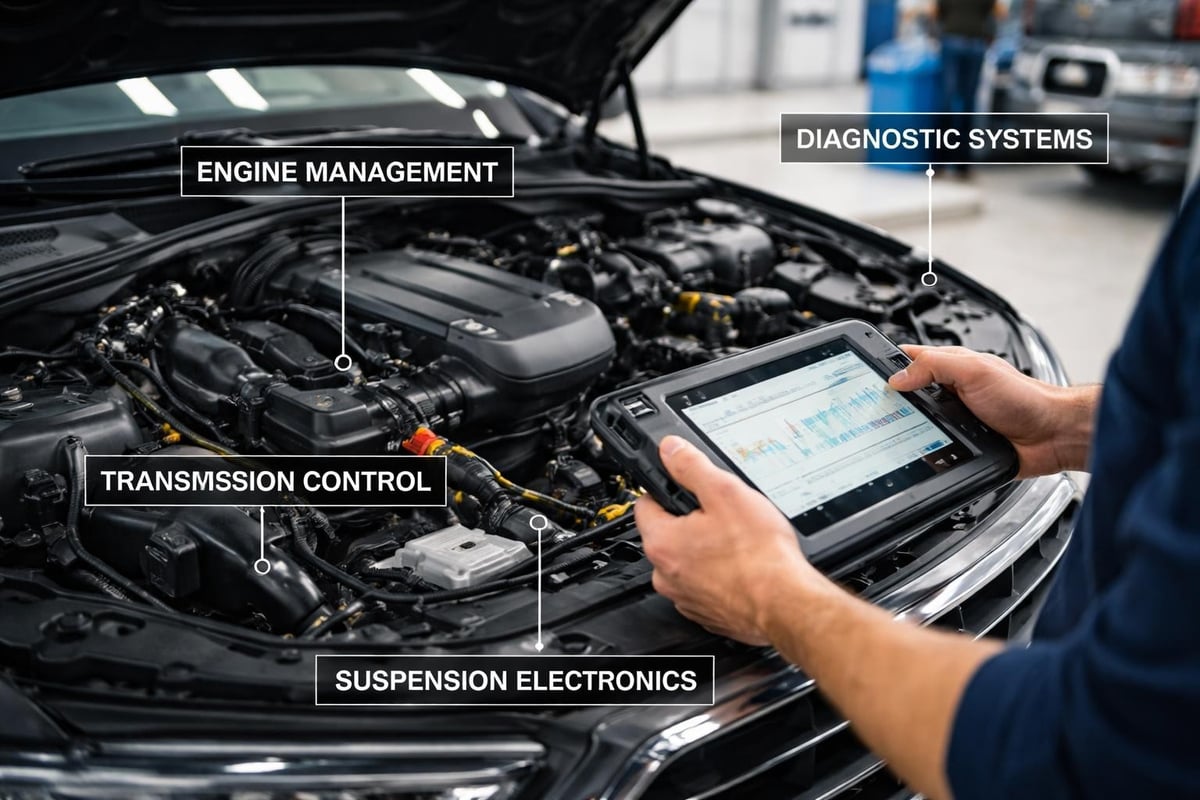
Modern European vehicles rely heavily on electronic control modules that monitor hundreds of parameters continuously. Professional european service requires access to manufacturer-level diagnostic systems.
The Role of Specialized Equipment
Generic OBD-II scanners cannot access many vehicle-specific functions. European service centers invest in brand-specific diagnostic platforms:
- VCDS/VAG-COM for Volkswagen Group vehicles (VW, Audi, Skoda)
- ISTA/D and ISTA/P for BMW diagnostics and programming
- Xentry for Mercedes-Benz systems
- Bosch and Launch systems for multi-brand capabilities
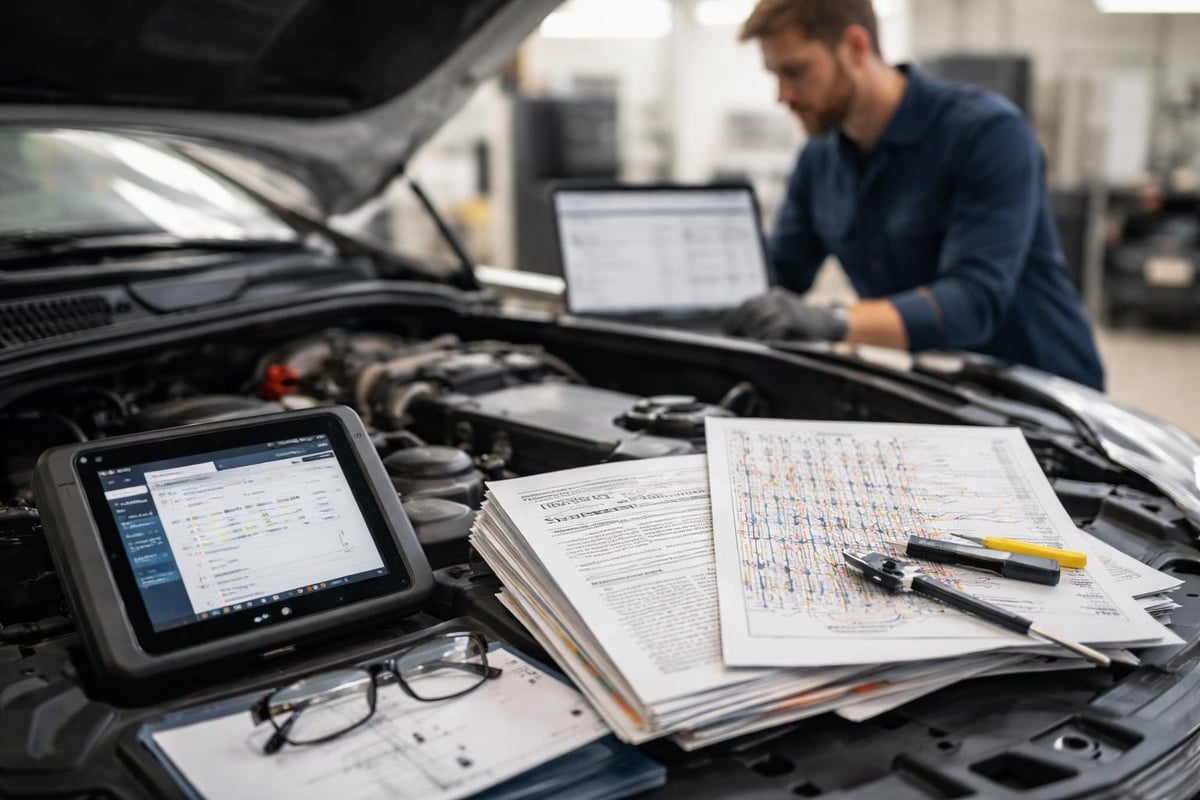
These platforms enable technicians to perform adaptations, coding changes, and detailed fault diagnosis that preserve factory settings while addressing issues.
Common Diagnostic Requirements
Routine maintenance services often reveal developing issues before they cause failures. Technicians monitoring diagnostic data might detect:
- Oxygen sensor degradation affecting fuel economy
- Mass airflow sensor drift causing performance issues
- Thermostat malfunction impacting engine warm-up
- Injector wear patterns requiring attention
- Suspension sensor calibration needs
Cost Considerations for European Service
European vehicle maintenance costs more than servicing mainstream brands, but understanding why helps owners budget appropriately and recognize value.
Parts Quality and Pricing
European manufacturers specify parts meeting exacting standards. Genuine OEM parts ensure compatibility but command premium prices. Quality aftermarket alternatives from manufacturers like Bosch, Mann+Hummel, and Mahle provide reliable performance at moderate savings.
| Service Type | Genuine Parts | Quality Aftermarket | Price Difference |
|---|---|---|---|
| Minor Service | $450-650 | $350-500 | 20-25% |
| Major Service | $1,200-1,800 | $950-1,400 | 25-30% |
| Brake Service | $800-1,200 | $600-950 | 25-35% |
| Timing Belt | $1,500-2,500 | $1,200-2,000 | 20-25% |
Labor Rate Realities
Skilled technicians specializing in european service command higher labor rates reflecting their expertise, training investments, and diagnostic capabilities. Independent specialists often charge $120-150 per hour compared to dealership rates of $180-220 per hour.
This rate difference becomes significant across major services, potentially saving owners $300-500 while maintaining quality standards.
Choosing a European Service Provider
Selecting the right service center profoundly impacts your ownership experience and vehicle longevity. Several factors distinguish exceptional providers from adequate ones.
Specialist vs. Generalist Facilities
Dedicated European service centers offer distinct advantages over general repair shops. Specialists maintain deeper parts inventories, invest in brand-specific training, and accumulate experience with common issues affecting particular models.
A technician servicing Volkswagens daily develops pattern recognition that identifies developing problems faster than someone who occasionally encounters these vehicles.
When evaluating service providers, consider:
- Technician certifications and ongoing training programs
- Diagnostic equipment inventory and software currency
- Parts sourcing relationships and warranty policies
- Customer communication practices and transparency
- Facility cleanliness and equipment maintenance
- Online reviews focusing on repeat customer satisfaction
Questions to Ask Potential Service Providers
Before committing to a european service center, gather information that reveals their capabilities:
- What diagnostic platforms do you use for my vehicle brand?
- Do your technicians hold manufacturer certifications?
- What parts brands do you stock and install?
- How do you handle warranty coverage for parts and labor?
- Can you provide detailed service estimates before beginning work?
- Do you document service history digitally?
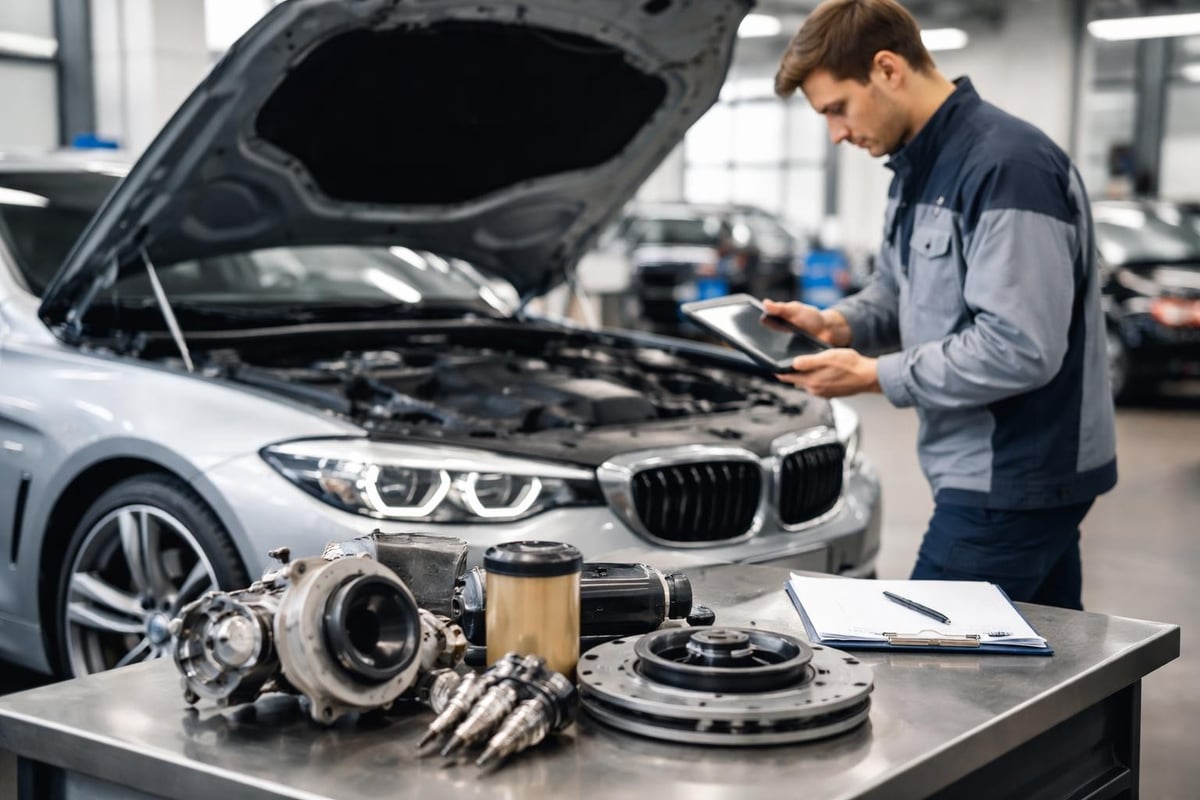
Booking your service should be straightforward, with clear communication about timing, pricing, and procedures.
Regional Considerations for Auckland Owners
New Zealand's climate and driving conditions create specific maintenance considerations for European vehicles. Auckland's coastal environment particularly impacts service requirements.
Salt Air and Corrosion Prevention
Auckland's marine environment accelerates corrosion on brake components, exhaust systems, and underbody elements. Regular maintenance schedules should include underbody inspections and protective treatments.
European service providers familiar with local conditions recommend:
- Annual underbody inspections checking for rust development
- Brake caliper cleaning and lubrication preventing seizure
- Cavity wax application protecting vulnerable areas
- Exhaust system monitoring for premature degradation
Driving Pattern Impact on Service Needs
Short urban trips prevent engines from reaching optimal operating temperatures, causing increased oil contamination and carbon buildup. Auckland's traffic patterns often mean vehicles operate in conditions manufacturers classify as "severe service."
This classification typically requires:
- More frequent oil changes (every 10,000 km vs. 15,000 km)
- Earlier air filter replacements
- Additional fuel system cleaning treatments
- Closer monitoring of brake pad wear
Performance and Modified Vehicles
Enthusiasts who modify European vehicles or own high-performance variants face additional european service considerations. These vehicles demand even more specialized knowledge and capabilities.
M, AMG, RS, and R Models
BMW M cars, Mercedes-AMG vehicles, Audi RS models, and Volkswagen R variants feature components requiring specific service procedures. These performance-oriented systems include:
- High-performance braking systems with specialized pad compounds
- Limited-slip differentials requiring specific fluid types
- Carbon-ceramic brake rotors demanding careful handling
- Enhanced cooling systems with additional service points
Performance vehicle maintenance extends beyond standard procedures, incorporating track-day preparation and post-event inspections for drivers using their vehicles competitively.
Modification Considerations
Modified vehicles require service providers who understand aftermarket components and their integration with factory systems. Tuned engines need different oil change intervals. Lowered suspensions affect alignment specifications. Performance exhaust systems change sensor parameters.
Choose european service providers experienced with modifications who can:
- Adapt service procedures to modified components
- Verify tune stability and sensor readings
- Recommend appropriate consumable specifications
- Address modification-related wear patterns
- Maintain warranty coverage for unmodified systems
Extending Service Intervals Safely
Some owners question whether manufacturer intervals are truly necessary or whether extending them saves money. Understanding service frequency recommendations reveals the risks and limited benefits of interval extension.
Oil Analysis Programs
Used oil analysis provides data-driven insights into engine condition and oil longevity. Laboratories analyze samples for:
- Wear metals indicating component degradation
- Contamination levels from fuel dilution or coolant intrusion
- Additive depletion showing remaining oil life
- Particle counts revealing filtration effectiveness
However, even with analysis confirming adequate oil condition, manufacturers design service intervals incorporating multiple factors beyond oil degradation. Filter capacity, inspection opportunities, and warranty requirements all influence recommended schedules.
The False Economy of Extended Intervals
Extending european service intervals rarely produces meaningful savings while introducing significant risks. An additional 5,000 kilometers between services saves perhaps $150-200 annually but potentially costs thousands if accelerated wear develops.
Modern engines operate at higher specific outputs with tighter tolerances than previous generations. Extended drain intervals increase the likelihood of:
- Turbocharger bearing wear from oil breakdown
- Variable valve timing system deposits
- Piston ring carbon accumulation
- Catalytic converter contamination
Seasonal Service Considerations
New Zealand's seasonal variations affect european service requirements differently than in the Northern Hemisphere, but preparation remains important.
Winter Preparation
Auckland's mild winters don't require engine block heaters or winter-specific coolant, but certain preparations benefit European vehicles:
- Battery testing becomes critical as cold weather reduces capacity
- Wiper blade replacement ensures visibility during frequent rain
- Tire pressure monitoring addresses temperature-related fluctuations
- Headlight adjustment compensates for earlier darkness
Summer Readiness
Higher temperatures stress cooling systems, air conditioning, and tire pressures. Summer european service should verify:
- Coolant concentration and condition
- A/C refrigerant charge and performance
- Radiator and condenser cleanliness
- Belt condition under thermal stress
- Tire pressure adjustment for temperature increases
Service Documentation and Vehicle History
Comprehensive service records significantly impact resale value and facilitate troubleshooting. Quality european service providers maintain detailed documentation of all work performed.
Digital Service History Advantages
Modern record-keeping systems offer benefits beyond paper logbooks:
- Permanent storage eliminates lost documentation
- Searchable databases quickly identify past work
- Photo documentation shows condition before and after service
- Trend analysis reveals developing patterns
- Warranty tracking ensures coverage continuity
Maintaining Manufacturer Warranty Compliance
New vehicle warranties remain valid when using independent service providers, provided work meets manufacturer specifications. Documentation proving compliance includes:
- Receipts showing service dates and mileage
- Parts specifications matching manufacturer requirements
- Proof of recommended service intervals adherence
- Qualified technician certifications
Value Preservation Through Proper Service
Regular, documented european service directly affects vehicle value retention. European cars depreciate rapidly, but proper maintenance slows this decline.
| Service History | 3-Year Value Retention | 5-Year Value Retention |
|---|---|---|
| Full dealer records | 62-68% | 48-54% |
| Complete independent specialist | 58-64% | 45-51% |
| Partial documentation | 52-58% | 40-46% |
| Minimal/no records | 45-51% | 35-41% |
Buyers pay premiums for vehicles with comprehensive service histories from reputable providers. Specialized european service centers that understand these vehicles command buyer confidence.
Common Service Mistakes to Avoid
Even experienced European car owners occasionally make decisions that compromise vehicle health or increase long-term costs.
Using Incorrect Specifications
European vehicles require specific fluid and parts specifications that cannot be substituted freely. Common mistakes include:
- Installing incorrect oil viscosity grades
- Using non-approved coolant types causing corrosion
- Fitting brake pads without proper bedding procedures
- Selecting tires not meeting load index requirements
Specification compliance isn't optional-it's fundamental to proper european service and vehicle longevity.
Delaying Recommended Services
Postponing scheduled maintenance creates cascading problems. A missed oil change leads to accelerated wear. Delayed brake fluid exchange causes internal corrosion. Skipped transmission services result in premature failure.
The cost of catching up after extended neglect typically exceeds the combined expense of performed services plus resulting repairs.
Ignoring Warning Lights
Modern European vehicles feature sophisticated monitoring systems alerting drivers to developing issues. Dismissing these warnings or delaying diagnosis allows minor problems to escalate.
A check engine light indicating oxygen sensor deterioration represents a $300 repair initially but leads to catalytic converter damage costing $2,000+ if ignored.
Building a Service Relationship
Establishing a long-term relationship with a trusted european service provider delivers compounding benefits throughout your ownership experience.
Continuity Benefits
When technicians service your vehicle repeatedly, they develop intimate knowledge of its history, quirks, and condition trends. This familiarity enables:
- Faster diagnosis through pattern recognition
- Proactive recommendations based on observed wear
- Customized service scheduling matching your driving patterns
- Priority accommodation during busy periods
- Relationship-based trust reducing service anxiety
Communication Expectations
Quality service providers communicate clearly about:
- Work necessity and urgency levels
- Cost estimates before authorization
- Timeline expectations and delays
- Additional findings during service
- Recommendations for future attention
Establishing these communication standards early prevents misunderstandings and builds confidence.
Maintaining a European vehicle requires specialized knowledge, appropriate equipment, and commitment to manufacturer standards that preserve performance and value. Whether you drive a Volkswagen, Audi, BMW, Mercedes-Benz, or Skoda, investing in proper european service protects your ownership experience and financial investment. For Auckland's North Shore residents seeking expert care for their European vehicles, VODIS Automobile provides specialized service backed by over 20 years of experience, manufacturer-trained technicians, and a commitment to excellence that keeps your vehicle performing as its engineers intended.