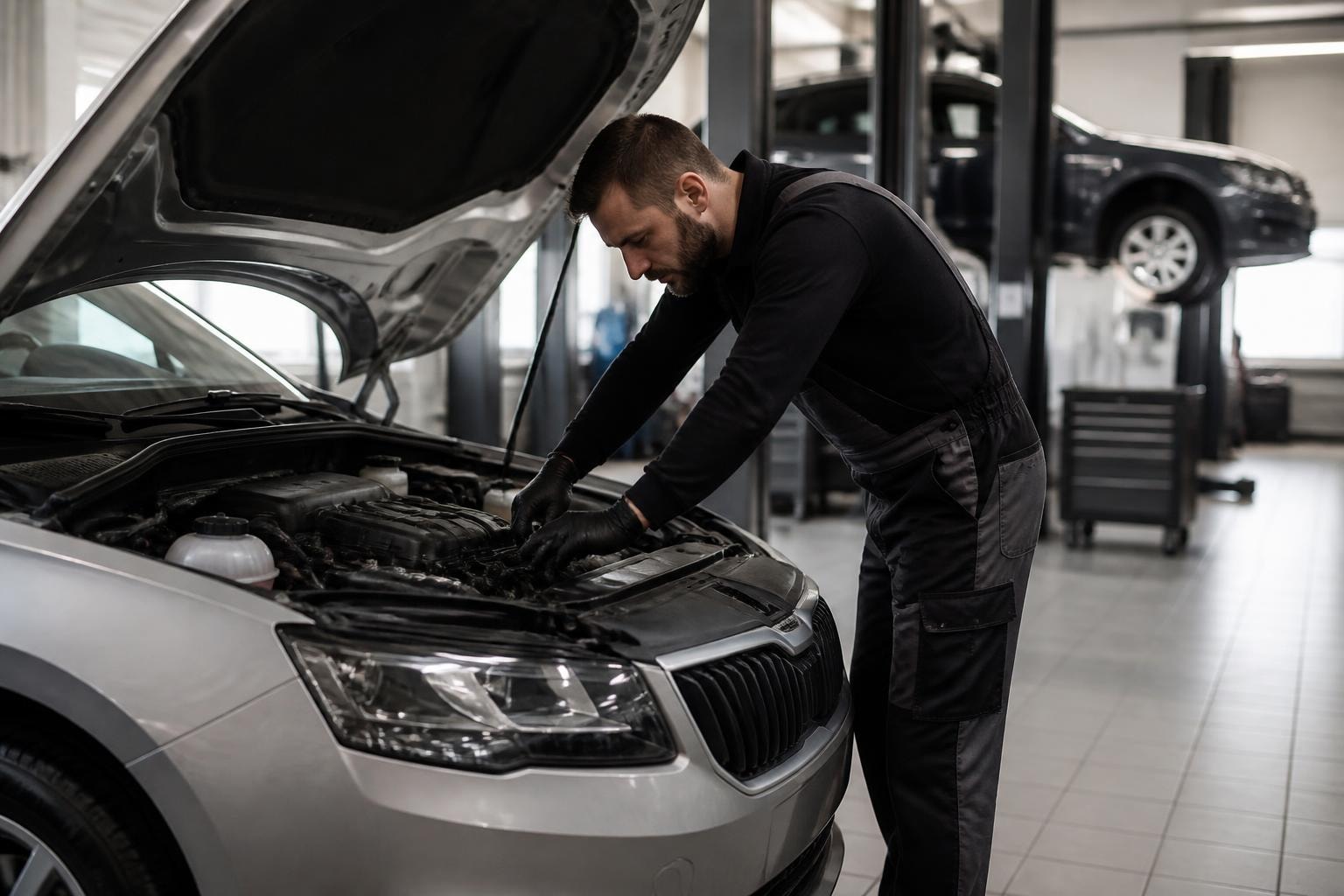

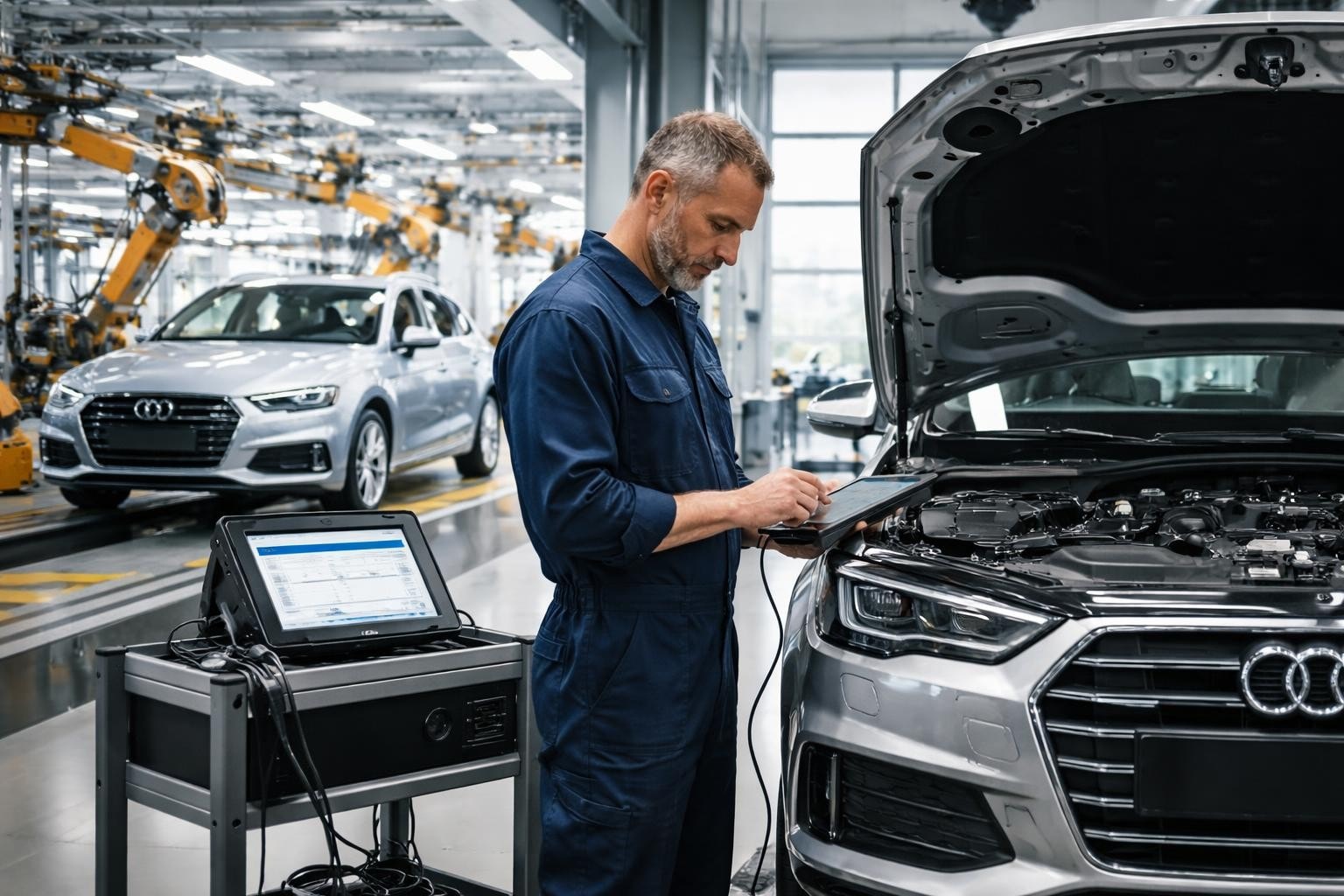
European vehicles represent some of the most sophisticated automotive engineering available today, combining precision manufacturing with advanced technology systems that require specialized knowledge for proper maintenance and repair. Whether you drive a Volkswagen, Audi, Mercedes, BMW, or Skoda, understanding the unique requirements of european repair ensures your vehicle receives the expert attention it deserves while maintaining performance, safety, and long-term reliability. The landscape of european repair has evolved significantly over recent years, with regulatory changes, technological advances, and shifting consumer expectations creating new opportunities for vehicle owners seeking quality independent service options.
Understanding the European Repair Landscape
The european repair industry operates within a framework shaped by both technological complexity and regulatory oversight. European manufacturers design their vehicles with proprietary systems that often require specialized diagnostic equipment and technical knowledge to service properly.
Modern European vehicles integrate complex electronic control units, advanced engine management systems, and sophisticated safety features that demand more than basic mechanical knowledge. Independent repair facilities have invested heavily in manufacturer-specific diagnostic tools, technical training, and specialized equipment to meet these requirements.
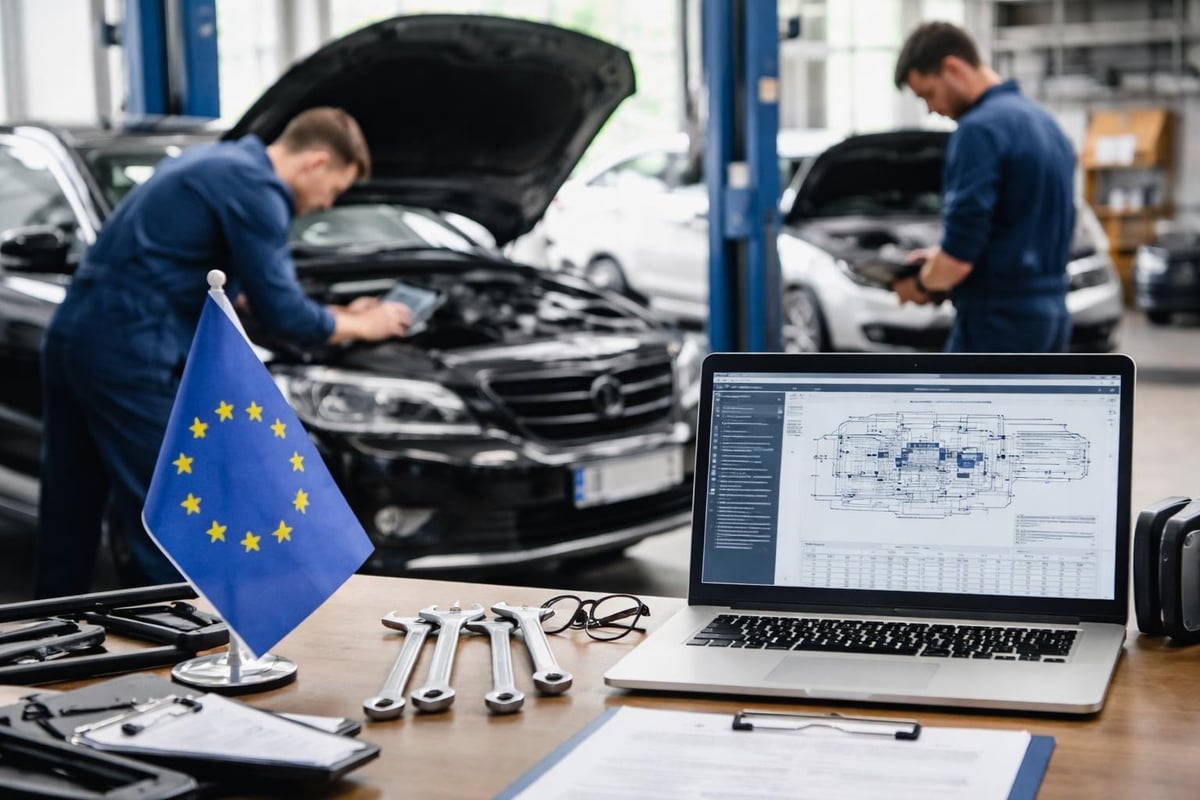
The European Union’s regulations on vehicle repair information access have played a crucial role in ensuring independent operators can compete with dealership service departments. These regulations mandate that manufacturers provide independent workshops with the same technical information available to authorized dealer networks.
Regulatory Framework Supporting Independent Service
Recent European legislation has strengthened consumer rights in the automotive repair sector:
- Right to Repair initiatives guarantee access to technical documentation
- Data sharing requirements prevent manufacturers from monopolizing diagnostic information
- Competition safeguards ensure fair pricing and service options
- Cybersecurity balance maintains vehicle security while enabling legitimate repairs
A significant European Court ruling confirmed that automakers cannot use cybersecurity concerns to block independent repairers from accessing essential vehicle data. This decision reinforces the principle that vehicle owners should have choices when selecting service providers.
Why European Vehicles Require Specialized Service
European automotive brands share engineering philosophies that distinguish them from Asian or American manufacturers. These differences create specific service requirements that generic repair facilities may struggle to address adequately.
Engineering Precision and Performance Standards
European manufacturers prioritize driving dynamics, build quality, and engineering refinement in ways that impact maintenance procedures:
- Tighter tolerances in engine components require precise calibration
- Advanced materials demand specialized tools and handling procedures
- Integrated systems create dependencies between multiple vehicle components
- Performance tuning requires brand-specific diagnostic capabilities
- Quality standards necessitate OEM-equivalent parts and procedures
German engineering, particularly from Volkswagen Group brands and BMW, emphasizes long-term durability through preventive maintenance schedules that may differ significantly from other manufacturers. Mercedes vehicles integrate luxury features with complex electronic systems requiring specialized knowledge for proper diagnosis.
| Vehicle Brand | Primary Service Focus | Typical Service Interval | Specialized Equipment Needs |
|---|---|---|---|
| Volkswagen | Engine management, DSG transmissions | 15,000 km | VAG diagnostic systems |
| Audi | Quattro drivetrain, electronics | 15,000 km | Audi-specific scan tools |
| Mercedes | Air suspension, advanced safety | 12,500 km | STAR diagnostic system |
| BMW | Performance systems, iDrive | 15,000 km | BMW diagnostic platforms |
| Skoda | Value engineering, reliability | 15,000 km | VAG group diagnostics |
Technology Integration Challenges
Modern European vehicles function as rolling computers with dozens of electronic control modules managing everything from engine performance to climate control. This integration creates challenges for repair facilities lacking proper diagnostic capabilities.
Software updates have become as important as traditional maintenance tasks. European manufacturers regularly release updates addressing performance improvements, safety enhancements, and system refinements that require factory-level diagnostic access to implement properly.
The European automotive aftermarket transformation reflects how digitalization and connected vehicle technologies continue reshaping service requirements. Independent workshops must continuously invest in new diagnostic equipment and training to maintain competency.
Cost Considerations in European Repair
European vehicle ownership often carries perceptions of expensive maintenance, but understanding actual cost drivers helps owners make informed decisions about their service options.
Dealership vs. Independent Service Economics
European car owners face important choices between dealership service departments and qualified independent specialists:
Dealership advantages include direct manufacturer support, warranty protection for newer vehicles, and access to the latest technical bulletins. However, dealership labor rates typically run 20-40% higher than independent specialists, and parts pricing often includes premium markups.
Independent european repair specialists offer competitive pricing while maintaining manufacturer-standard service quality. Facilities specializing exclusively in European brands invest in the same diagnostic equipment and technical training as dealerships but operate with lower overhead costs.
- Lower labor rates without compromising expertise
- Flexible parts sourcing including OEM and quality aftermarket options
- Personalized service with direct technician communication
- Competitive pricing on major service intervals
- Equivalent warranty protection for qualified repairs
True Cost of Ownership Factors
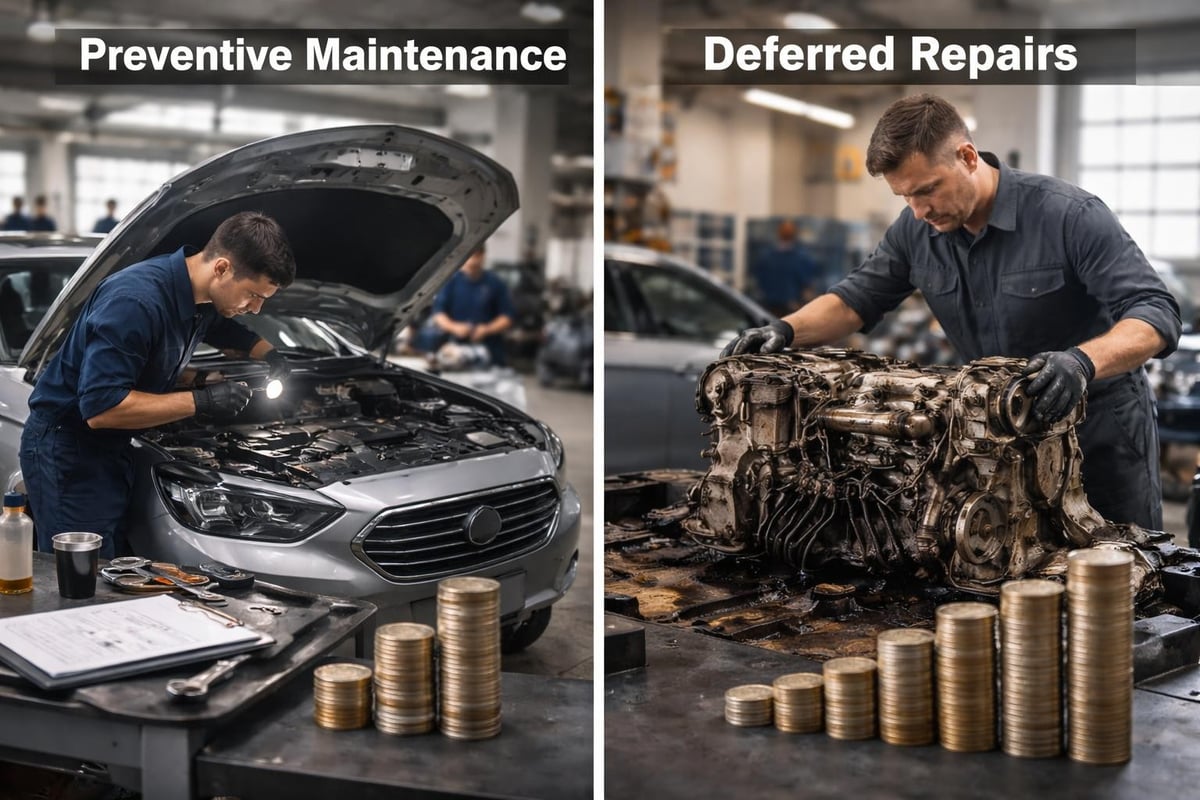
Proper european repair maintenance actually reduces long-term ownership costs by preventing expensive failures. European vehicles respond particularly well to preventive care following manufacturer recommendations.
Deferred maintenance on European vehicles typically costs more to remedy than on other brands due to integrated systems where one failure can cascade into multiple component problems. A neglected cooling system issue might damage the engine, turbocharger, and transmission in succession.
Quality repair work using proper procedures and parts maintains resale value significantly better than cut-rate service. European car buyers in the used market specifically seek vehicles with documented service histories from qualified facilities.
Common European Vehicle Service Requirements
European manufacturers specify maintenance schedules designed to preserve performance and reliability through the vehicle's lifespan. Understanding these requirements helps owners budget appropriately and avoid unexpected repairs.
Routine Maintenance Intervals
European vehicles typically follow more extended service intervals than Asian manufacturers, reflecting confidence in engineering quality and lubricant technology:
- Oil changes at 10,000-15,000 km using manufacturer-specified synthetic oils
- Brake fluid replacement every two years due to moisture absorption concerns
- Spark plug replacement at 60,000-100,000 km depending on engine type
- Air filter inspection at each service with replacement as needed
- Cabin filter replacement annually for climate system efficiency
Volkswagen and Audi vehicles using DSG (Direct Shift Gearbox) transmissions require specialized fluid changes at prescribed intervals. This service demands specific procedures and fluid specifications that generic transmission services cannot properly address.
Brand-Specific Considerations
Each European manufacturer has characteristic service items that owners should understand:
Volkswagen Group vehicles (VW, Audi, Skoda) share many components and service requirements. Timing belt replacement at 90,000-120,000 km represents a critical preventive service preventing catastrophic engine damage. Scheduling regular service according to manufacturer specifications protects your investment.
BMW vehicles require attention to cooling system components, which use plastic parts subject to age-related failure. Proactive replacement prevents roadside breakdowns and expensive secondary damage.
Mercedes vehicles with air suspension systems need periodic inspection and occasional component replacement. Ignoring early warning signs leads to complete system failures costing thousands to repair.
Finding Qualified European Repair Services
Selecting the right service facility for european repair work requires evaluating several factors beyond simple convenience or price. The expertise and equipment available directly impact service quality and long-term vehicle reliability.
Credentials and Qualifications to Verify
Professional european repair facilities demonstrate their capabilities through several verifiable characteristics:
- Specialized diagnostic equipment for specific European brands
- Manufacturer technical training certifications for service technicians
- Established business history showing longevity and customer trust
- Transparent communication about required services and pricing
- Quality parts sourcing using OEM or equivalent components
Facilities focusing exclusively on European brands typically provide superior service compared to general repair shops attempting to service all vehicle types. Specialized knowledge accumulates through concentrated experience with specific manufacturer systems.
Questions to Ask Potential Service Providers
When evaluating european repair options, informed questions reveal facility capabilities:
| Question Category | What to Ask | Why It Matters |
|---|---|---|
| Experience | How long servicing European vehicles? | Demonstrates accumulated expertise |
| Equipment | What diagnostic systems do you use? | Confirms proper diagnostic capabilities |
| Training | What certifications do technicians hold? | Verifies technical competency |
| Parts | What parts quality standards do you follow? | Ensures proper component reliability |
| Warranty | What warranty covers your repairs? | Shows confidence in work quality |
The European Parliament’s right to repair initiatives aim to make repairs more accessible and appealing, giving consumers more power when choosing service providers. These regulations support independent workshops by ensuring access to manufacturer repair information.
Diagnostic Technology in European Repair
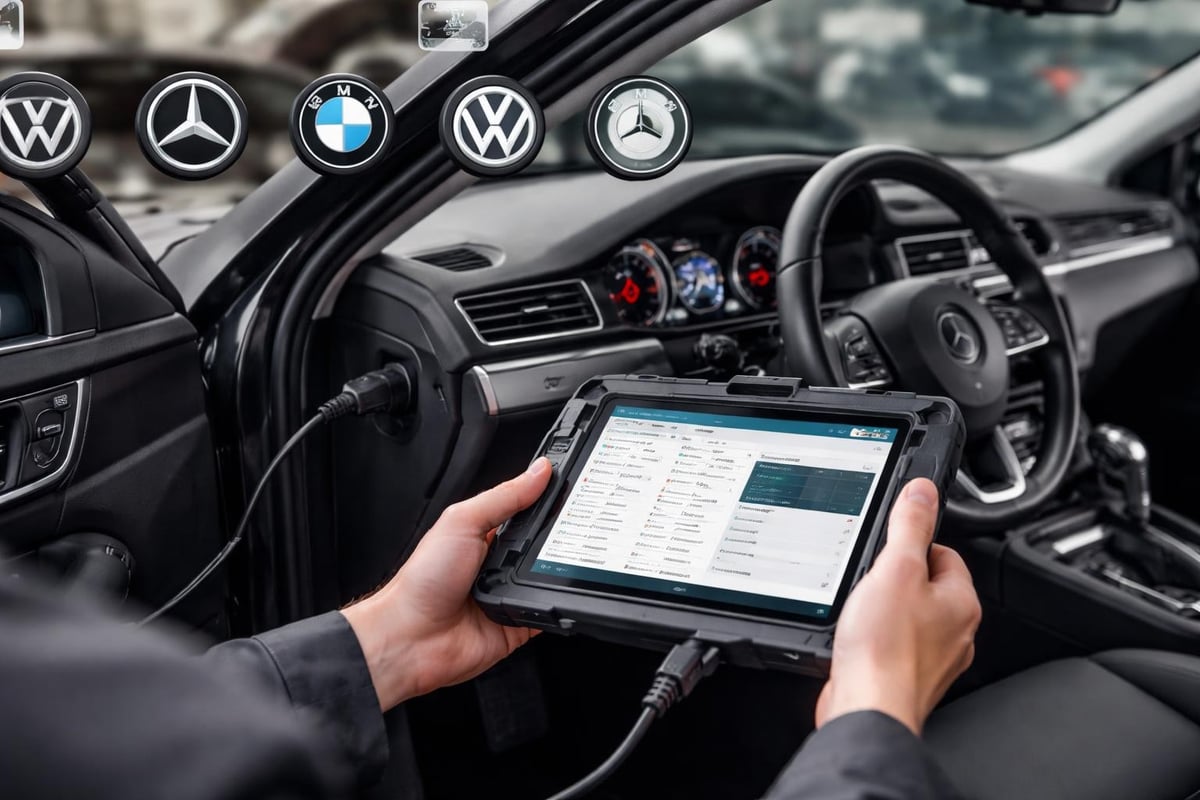
Modern european repair relies heavily on sophisticated diagnostic equipment that communicates with vehicle control modules, reads fault codes, performs system tests, and guides technicians through complex repair procedures.
Manufacturer-Specific Diagnostic Systems
European brands require different diagnostic platforms:
VAG (Volkswagen Audi Group) vehicles need ODIS or equivalent diagnostic systems capable of accessing all control modules and performing guided fault finding. Generic OBD-II scanners provide limited functionality compared to manufacturer-specific tools.
BMW diagnostic procedures require ISTA software and compatible hardware interfaces. These systems perform not only diagnostics but also software updates, component coding, and system initialization procedures.
Mercedes vehicles use XENTRY diagnostic platforms providing comprehensive system access. Proper diagnosis often requires comparing live data values against manufacturer specifications unavailable through generic scan tools.
Advanced Troubleshooting Capabilities
Professional european repair facilities use diagnostic technology for more than simple code reading:
- Live data analysis comparing actual vs. expected sensor values
- Bi-directional controls activating components for functional testing
- Adaptation procedures calibrating systems after component replacement
- Software updates installing manufacturer performance improvements
- Component coding initializing replacement parts to vehicle specifications
These capabilities separate qualified specialists from basic repair shops. A facility lacking proper diagnostic equipment cannot properly service modern European vehicles regardless of mechanical expertise.
Parts Quality and Sourcing Strategies
European repair quality depends significantly on parts selection. The aftermarket offers various quality levels, and choosing appropriately ensures reliability without unnecessary expense.
OEM vs. Aftermarket Parts Decisions
Original Equipment Manufacturer (OEM) parts guarantee exact fitment and specifications matching factory-installed components. For critical systems like brakes, suspension, and engine components, OEM parts provide peace of mind and proven reliability.
Quality aftermarket alternatives from manufacturers like Bosch, Continental, or Sachs often meet or exceed OEM specifications at lower costs. These companies frequently manufacture the original parts installed at the factory, selling identical components through aftermarket channels.
Economy aftermarket parts suit cost-conscious repairs on older vehicles but may compromise longevity and performance. Informed service advisors help customers understand trade-offs between parts options.
The EU repair clause adoption gives consumers more freedom choosing visible spare parts, promoting competition and potentially reducing repair costs while maintaining quality standards.
Parts Availability and Supply Chain
European parts availability has improved significantly as independent specialists have developed supply networks rivaling dealership access. Many components arrive within 24-48 hours through specialized European parts distributors.
Common maintenance items like filters, brake pads, and fluids typically stock at qualified repair facilities. Specialized components may require ordering, but experienced shops maintain relationships with multiple suppliers ensuring competitive pricing and prompt delivery.
Preventive Maintenance Philosophy
European manufacturers design vehicles expecting owners to follow preventive maintenance schedules. This philosophy differs from "fix it when it breaks" approaches that work reasonably with some other brands but prove costly with European vehicles.
Long-Term Reliability Through Proper Service
European vehicle longevity directly correlates with maintenance consistency. Vehicles receiving proper service regularly exceed 200,000-300,000 kilometers while maintaining performance and reliability.
Key preventive strategies include:
- Following manufacturer service intervals without extension
- Using specified fluid grades meeting European standards
- Addressing warning lights promptly before damage escalates
- Performing seasonal inspections identifying wear before failure
- Maintaining complete service records supporting resale value
Professional european repair facilities guide owners through appropriate service timing based on both mileage and vehicle age. Some components deteriorate with time regardless of kilometers driven.
Investment Value of Quality Service
Proper european repair represents investment rather than expense. Quality service maintains vehicle value, prevents major failures, ensures safety, and preserves the driving experience that attracted owners to European brands initially.
Documentation matters when selling European vehicles. Buyers pay premium prices for cars with complete service histories from qualified facilities. This documentation demonstrates care and reduces perceived risk for prospective purchasers.
Understanding European Warranty Rights
European consumers enjoy strong warranty protections, though specific coverage varies between EU member states and other markets. Understanding these rights helps owners make informed decisions about service providers.
Manufacturer Warranty Considerations
New European vehicles include comprehensive manufacturer warranties typically covering 3-5 years or 100,000 kilometers. Warranty validity does not require dealership service; qualified independent facilities can perform warranty-covered maintenance without voiding coverage.
Owners should understand that manufacturer obligations regarding technical information ensure independent operators can access necessary resources for proper repair work. This access enables independent specialists to maintain warranty coverage.
Extended warranty programs from manufacturers or third parties often restrict service provider choices. Reading these agreements carefully reveals actual coverage limitations before purchasing additional protection.
Independent Service and Warranty Protection
Qualified european repair specialists provide warranty coverage for their work, typically matching or exceeding dealership warranty terms. Reputable facilities stand behind their repairs with comprehensive guarantees protecting customers from defective parts or workmanship issues.
Parts warranties vary by component type and manufacturer. Quality facilities clearly communicate warranty terms before performing work, ensuring customers understand protection provided.
Making Informed Service Decisions
European vehicle ownership rewards informed decision-making about maintenance and repairs. Understanding service requirements, evaluating facility capabilities, and maintaining consistent care schedules protect your investment while ensuring reliable transportation.
Building Relationships with Service Providers
Successful european repair relationships develop through consistent communication and mutual trust. Facilities knowing your vehicle's history provide better service recommendations and notice developing issues earlier.
Benefits of consistent service relationships include:
- Historical knowledge of previous repairs and maintenance
- Predictive recommendations based on typical wear patterns
- Priority scheduling for established customers
- Personalized advice suited to driving habits and conditions
- Relationship pricing rewarding loyal customers
Service Decision Framework
When evaluating service recommendations, consider these factors:
Urgency assessment distinguishes between immediate safety concerns, items needing attention soon, and optional improvements. Professional advisors clearly categorize recommendations helping owners prioritize appropriately.
Cost-benefit analysis compares repair costs against vehicle value and expected ownership duration. A $3,000 repair makes sense on a well-maintained vehicle worth $20,000 but might not justify fixing a deteriorating $5,000 car.
Future planning considers upcoming major services when scheduling current work. Combining services often reduces total labor costs and vehicle downtime.
The motor vehicle repair and maintenance industry in Europe continues evolving with changing vehicle technology and consumer expectations. Staying informed about industry trends helps owners make better service decisions.
Quality european repair requires specialized knowledge, proper equipment, and genuine commitment to maintaining these sophisticated vehicles according to manufacturer standards. Whether you drive a Volkswagen, Audi, Mercedes, BMW, or Skoda in Auckland, choosing qualified specialists ensures your vehicle receives expert attention preserving performance, reliability, and value. For over 20 years, VODIS Automobile has provided North Shore drivers with trusted independent european repair services, combining manufacturer-level expertise with personalized customer care and competitive pricing that dealerships cannot match.