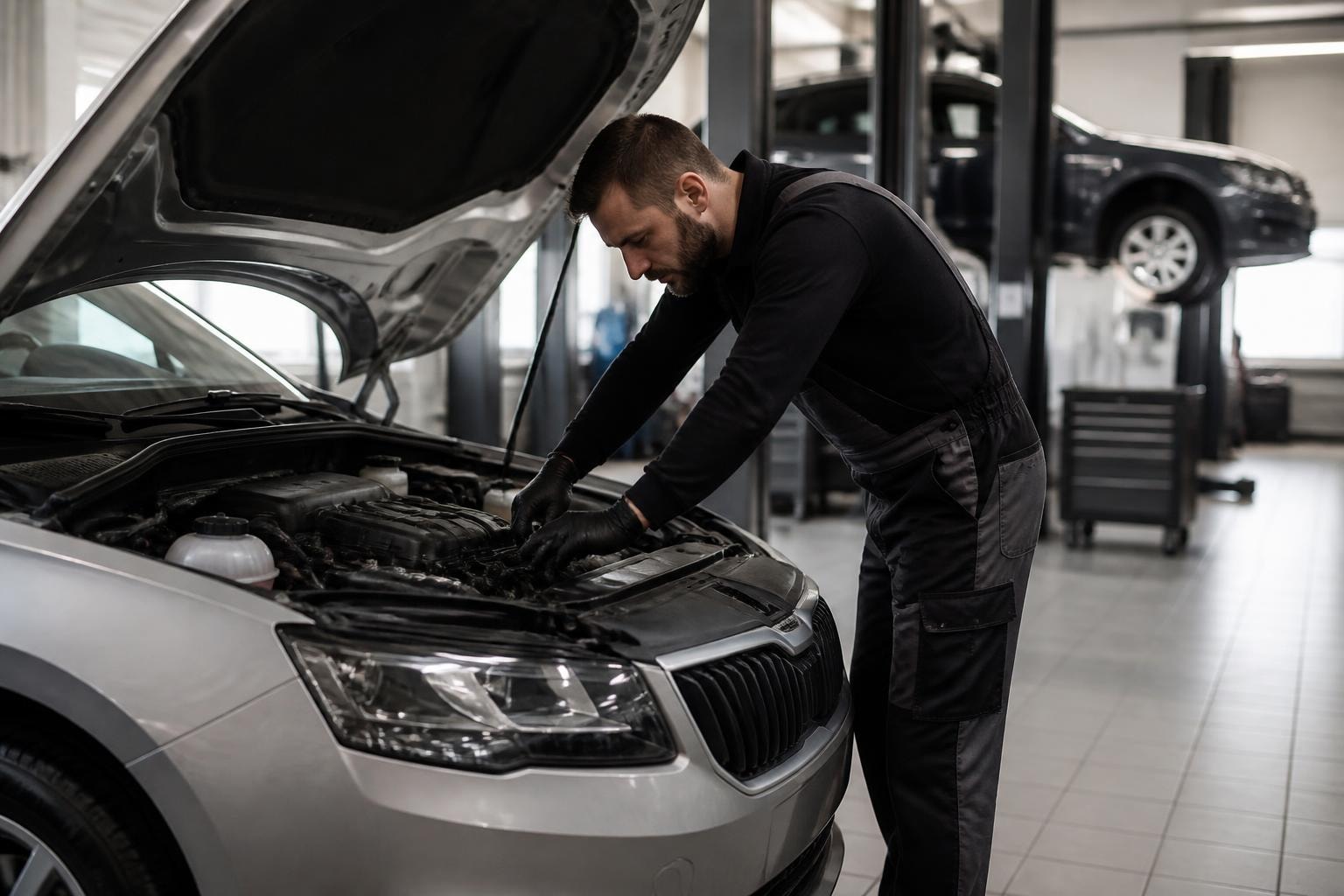

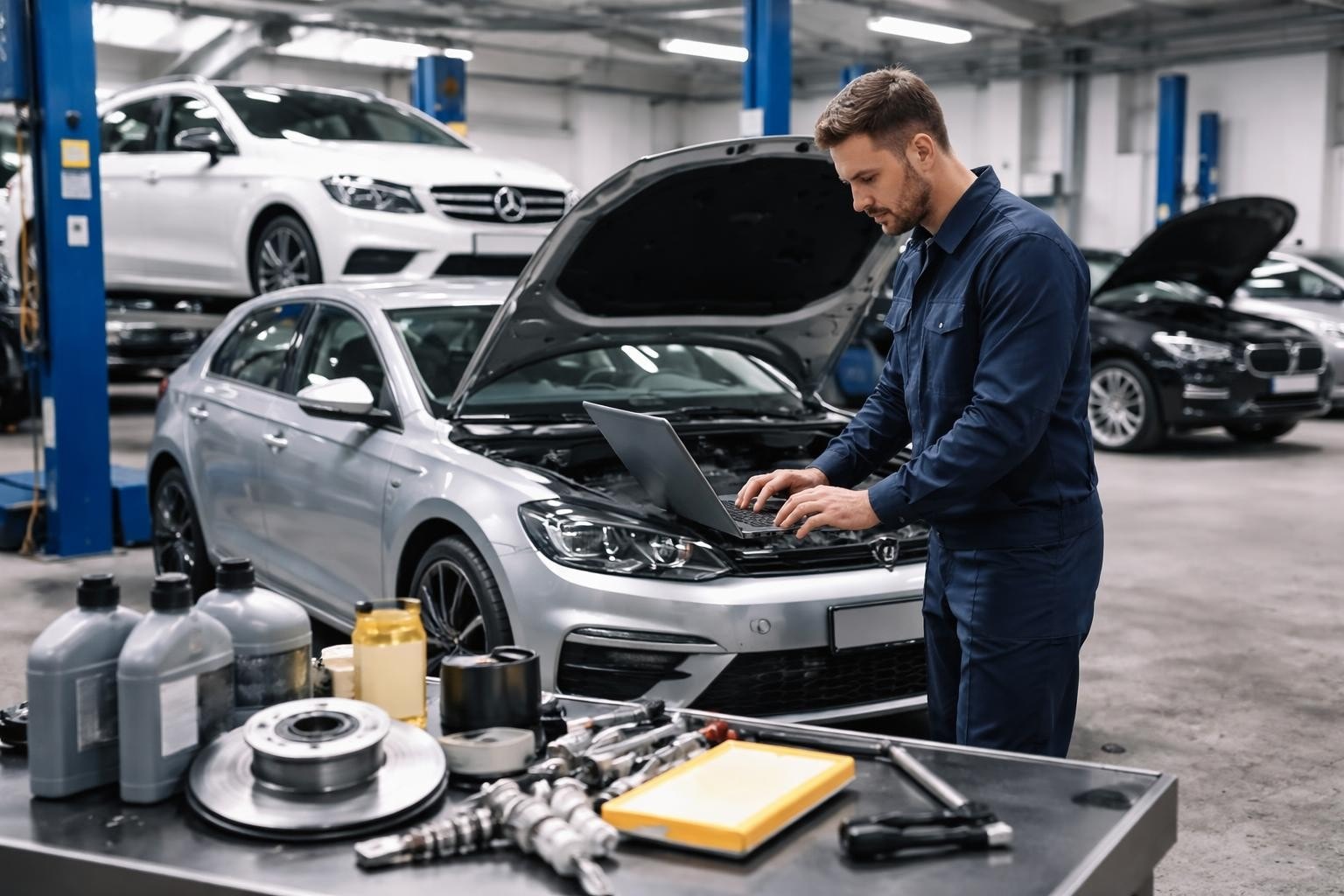
Owning a European vehicle represents a significant investment in engineering excellence, precision, and performance. Whether you drive a Volkswagen, Audi, Mercedes, BMW, or Skoda, maintaining these sophisticated machines requires specialized knowledge and expertise that goes beyond standard automotive maintenance. Understanding what quality european car service entails, recognizing when your vehicle needs attention, and choosing the right service provider can dramatically impact your vehicle's longevity, performance, and overall ownership experience.
Understanding European Vehicle Engineering
European manufacturers have consistently set industry standards for automotive innovation, safety features, and driving dynamics. These vehicles incorporate advanced technologies, from turbocharged engines and dual-clutch transmissions to complex electronic management systems that monitor everything from tire pressure to engine performance.
The complexity of these systems demands specialized diagnostic equipment and technical expertise. Modern European vehicles feature proprietary software, manufacturer-specific diagnostic protocols, and integrated systems where components communicate constantly with onboard computers. This interconnectedness means that a seemingly minor issue can trigger cascading warning lights and performance concerns.
Why European Cars Require Specialized Service
Unlike mass-market vehicles designed for universal serviceability, European cars are engineered with precision tolerances and specific maintenance requirements. The service intervals, fluid specifications, and replacement parts differ significantly from other vehicles.
Key differences include:
- Proprietary diagnostic software requirements
- Manufacturer-specific service procedures and sequences
- Precise torque specifications for critical components
- Advanced materials requiring specialized tools
- Integration between mechanical and electronic systems
Many European vehicles also feature service indicator systems that calculate maintenance needs based on driving conditions, not just mileage. These adaptive maintenance schedules require technicians who understand the algorithms and can properly reset service intervals after completing work.
Essential Maintenance for European Vehicles
Regular maintenance forms the foundation of reliable european car service. European manufacturers specify detailed service schedules that address both routine maintenance and preventive replacements designed to avoid expensive failures.
Oil Service and Fluid Management
European engines typically require synthetic oils meeting specific manufacturer specifications. Using incorrect oil grades or extending change intervals beyond recommendations can void warranties and cause premature engine wear.
| Service Item | Typical Interval | Why It Matters |
|---|---|---|
| Engine Oil | 10,000-15,000 km | Protects precision engine components |
| Transmission Fluid | 60,000-80,000 km | Maintains shifting performance |
| Brake Fluid | 24 months | Prevents moisture contamination |
| Coolant | 5 years or 150,000 km | Protects aluminum components |
The European automotive aftermarket continues evolving with increasing digitalization affecting how service schedules are determined and communicated to vehicle owners.
Brake System Maintenance
European vehicles feature advanced braking systems, including electronic brake force distribution, anti-lock systems, and increasingly, electronic parking brakes. These systems require specific bleeding procedures and calibration after service.
Premium European vehicles often use low-metallic or ceramic brake pad compounds that produce less dust but require specific replacement procedures. The electronic parking brake systems found in many Volkswagen, Audi, and BMW models require diagnostic tools to retract the calipers during pad replacement.
Diagnostic Excellence in European Car Service
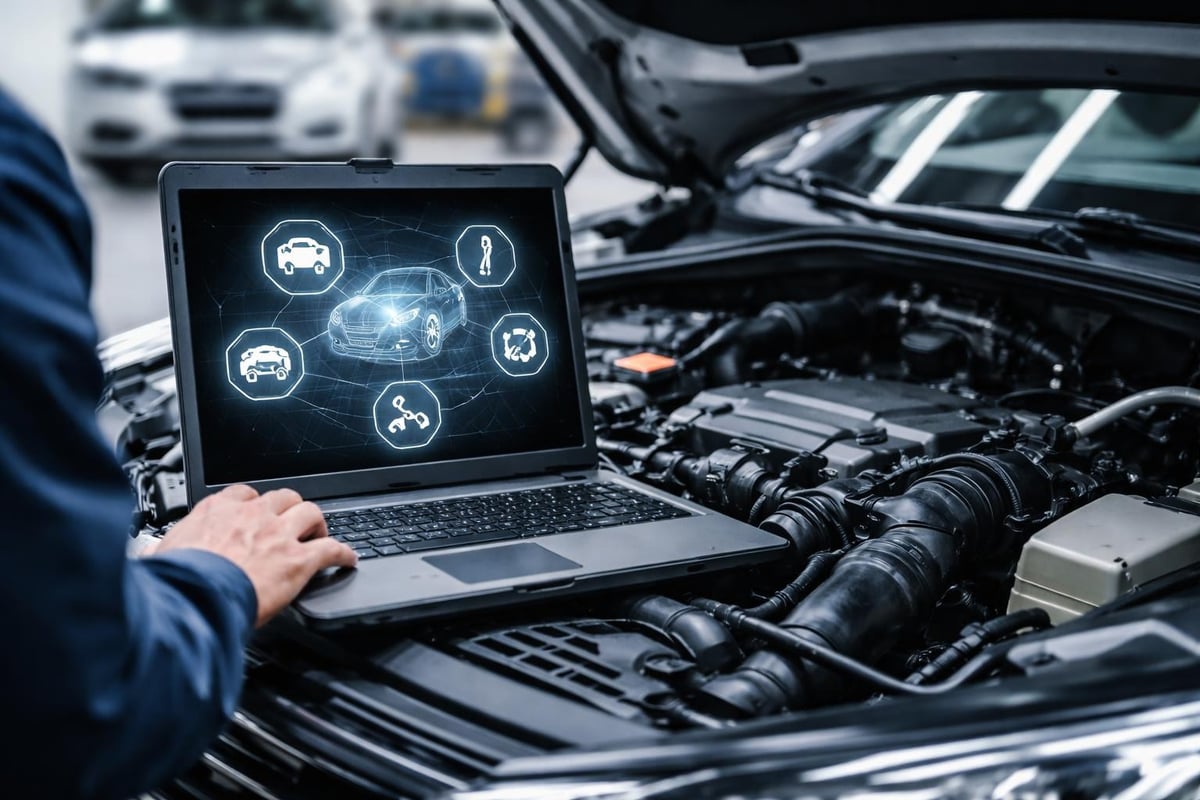
Modern diagnostic capabilities separate exceptional european car service providers from general mechanics. European vehicles generate fault codes that require manufacturer-specific scan tools to interpret accurately.
Advanced Diagnostic Equipment
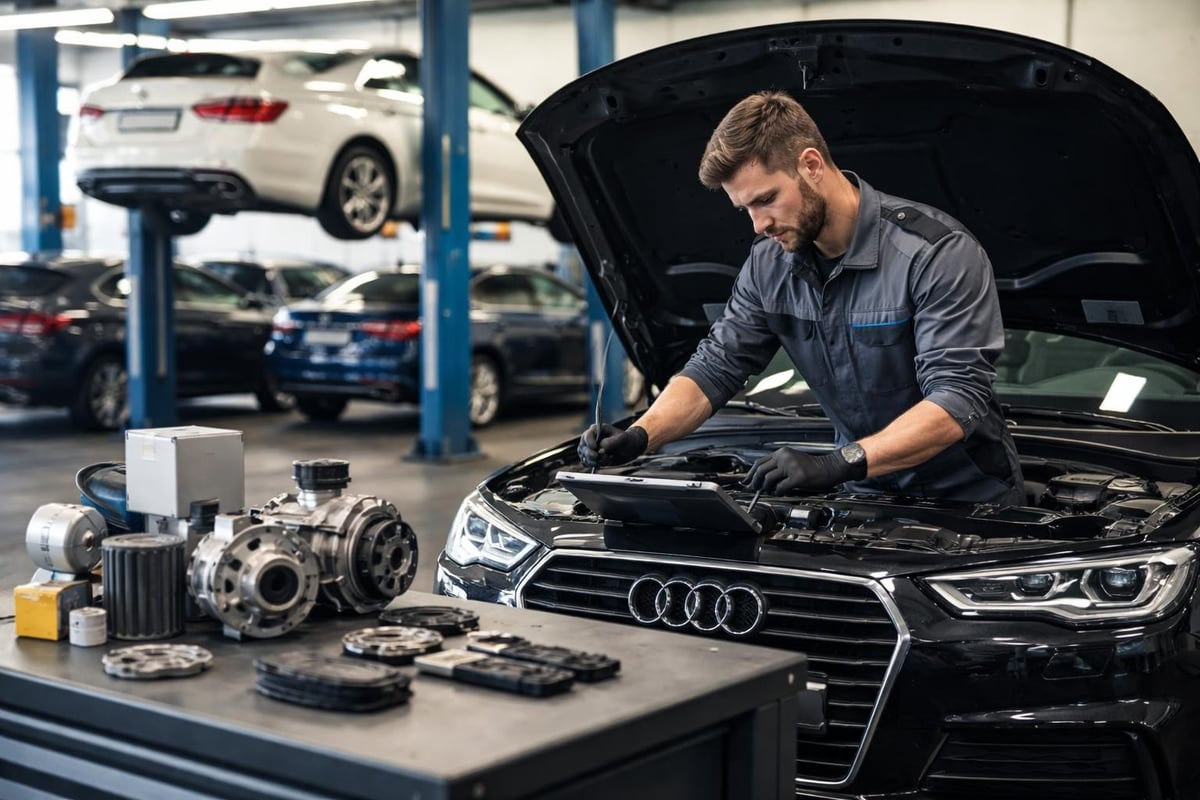
Professional european car service centers invest in factory-level diagnostic equipment that can:
- Read all control modules throughout the vehicle, not just engine codes
- Perform bi-directional testing to activate components and verify operation
- Access manufacturer databases for technical service bulletins and updates
- Reprogram and code modules after replacements or repairs
- Perform guided diagnostics following manufacturer troubleshooting trees
Generic code readers available at retail stores typically access only basic engine codes, missing issues in transmission, ABS, airbag, climate control, and dozens of other systems. This limitation can lead to misdiagnosis and unnecessary parts replacement.
Common European Vehicle Issues
Experienced technicians familiar with specific brands recognize patterns and common failure points. For instance, Volkswagen and Audi vehicles may develop issues with carbon buildup on direct-injection engines, while certain BMW models experience specific cooling system component failures.
Brand-specific knowledge includes:
- Recognizing symptoms before they trigger fault codes
- Understanding which components fail predictably at certain mileages
- Knowing technical service bulletin fixes for recurring issues
- Accessing manufacturer repair procedures for complex jobs
- Sourcing quality replacement parts from reliable suppliers
Parts Quality and Sourcing
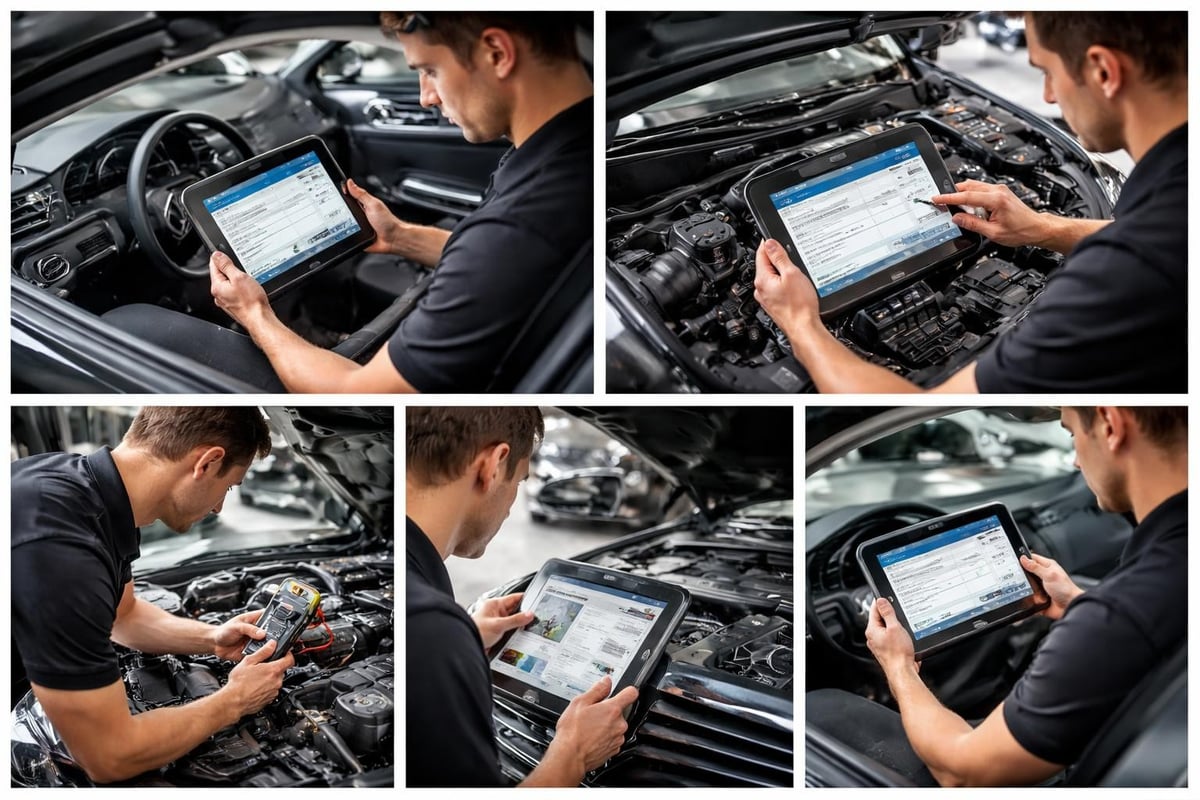
The parts installed during european car service directly affect vehicle performance, reliability, and resale value. European vehicle owners face choices between original equipment manufacturer (OEM) parts, original equipment (OE) parts from the actual supplier, and aftermarket alternatives.
Understanding Parts Tiers
| Part Type | Characteristics | Best Use |
|---|---|---|
| OEM | Manufacturer branded, premium pricing | Critical safety systems, warranty work |
| OE | Same manufacturer as original, unbranded | Most repairs, excellent value |
| Premium Aftermarket | Quality brands, good warranty | Non-critical components |
| Economy Aftermarket | Lower cost, variable quality | Generally not recommended |
Quality european car service providers maintain relationships with reputable parts suppliers and can source genuine components when necessary while offering cost-effective OE alternatives where appropriate. They understand which components demand OEM quality and where alternatives provide comparable performance.
The Block Exemption Regulation in Europe has influenced how independent service centers access parts and technical information, ultimately benefiting consumers through increased competition and service options.
The Evolution of Service Requirements
The automotive industry continues experiencing dramatic transformation, with predictions for 2026 highlighting accelerated electric vehicle adoption and evolving energy ecosystems that will reshape service requirements.
Impact of Connected Vehicle Technology
Modern European vehicles increasingly feature connected car capabilities that enable remote diagnostics, over-the-air updates, and predictive maintenance alerts. These technologies create new service opportunities while requiring technicians to understand network connectivity and software management.
Connected vehicle features affecting service include:
- Remote diagnostic capabilities allowing pre-appointment assessment
- Automatic service appointment scheduling based on vehicle data
- Over-the-air software updates requiring verification
- Telematics data informing maintenance recommendations
- Digital service records accessible to authorized providers
Electric and Hybrid European Vehicles
As electric vehicle adoption surges across Europe and globally, service requirements shift from traditional mechanical maintenance to battery system management, electrical component service, and software updates.
European manufacturers like Volkswagen, Audi, Mercedes, and BMW have introduced extensive electric and plug-in hybrid lineups. These vehicles require technicians trained in high-voltage systems, battery diagnostics, and electric drivetrain service protocols.
Choosing a European Car Service Provider
Selecting the right service provider significantly impacts ownership costs, vehicle reliability, and overall satisfaction. Independent specialists often provide advantages over dealership service departments while maintaining comparable expertise.
What to Look for in a Service Center
When evaluating european car service options, consider several critical factors beyond convenience and price. The best providers demonstrate technical competence, transparent communication, and genuine commitment to customer satisfaction.
- Brand specialization in European vehicles, particularly your specific make
- Diagnostic equipment comparable to dealer-level capabilities
- Technician credentials including manufacturer training and certifications
- Facility capabilities for complex repairs beyond routine maintenance
- Communication practices keeping you informed throughout the service process
Benefits of Independent Specialists
Independent european car service centers specializing in brands like Volkswagen, Audi, Mercedes, BMW, and Skoda often provide several advantages. They typically offer more personalized service, flexible scheduling, and competitive pricing while maintaining expertise levels comparable to dealerships.
Advantages include:
- Lower labor rates without compromising expertise
- Direct communication with technicians performing the work
- Flexibility in parts sourcing and repair approach
- Established relationships with regular customers
- Faster turnaround times for routine services
Many independent specialists have decades of experience exclusively servicing European vehicles, developing deep expertise that translates to accurate diagnostics and efficient repairs. Convenient scheduling options, such as online booking, make maintaining your vehicle easier.
Cost Considerations and Value
European car service costs reflect the sophisticated engineering, specialized equipment requirements, and precision parts these vehicles demand. Understanding what drives service costs helps owners budget appropriately and recognize value.
Factors Affecting Service Costs
Labor rates for european car service typically exceed those for domestic or Asian vehicles due to the specialized training and equipment required. However, total ownership costs depend heavily on maintenance quality and the provider's diagnostic accuracy.
Cost drivers include:
- Technician expertise and certification levels
- Diagnostic equipment investment and updates
- Parts quality and sourcing relationships
- Complexity of the specific repair or service
- Geographic location and overhead costs
The automotive repair and maintenance service market continues evolving with technological advancements and regulatory frameworks affecting pricing structures and service offerings.
Preventive Maintenance vs. Repair Costs
Investing in scheduled maintenance consistently costs less than addressing failures and emergency repairs. European vehicles particularly benefit from preventive care, as many expensive repairs stem from neglected routine maintenance.
| Maintenance Item | Average Cost | Avoided Repair | Potential Savings |
|---|---|---|---|
| Regular Oil Service | $150-250 | Engine damage | $5,000-15,000 |
| Cooling System Service | $200-400 | Overheating repairs | $2,000-8,000 |
| Brake Fluid Exchange | $100-150 | ABS component failure | $1,500-3,000 |
| Transmission Service | $300-500 | Transmission rebuild | $4,000-10,000 |
Changing Ownership Models
The rise of vehicle subscription services and the growing Vehicle as a Service market in Europe are influencing how people interact with european car service providers.
Impact on Service Relationships
As ownership models evolve from traditional purchase to subscription and shared services, the relationship between vehicle users and service providers shifts. Fleet managers and subscription services prioritize consistent maintenance quality and transparent communication.
New service paradigms include:
- Scheduled maintenance packages bundled with subscriptions
- Digital service records following vehicles across users
- Predictive maintenance reducing unexpected downtime
- Standardized service intervals across fleet vehicles
- Performance-based service provider relationships
Traditional ownership remains dominant, but these evolving models demonstrate the increasing importance of reliable, professional european car service as vehicles become more sophisticated and service requirements more complex.
Building Long-Term Service Relationships
Establishing a relationship with a trusted european car service provider creates advantages beyond individual repair transactions. Technicians familiar with your specific vehicle's history provide better diagnostics and more personalized service recommendations.
Benefits of Service Continuity
When you consistently use the same service provider, they develop detailed knowledge of your vehicle's condition, previous repairs, and maintenance history. This continuity enables more accurate diagnostics and appropriate service timing.
Regular customers often receive preferential scheduling, more detailed explanations of recommended services, and honest assessments distinguishing urgent repairs from items that can wait. Trust develops when technicians demonstrate consistent competence and transparent communication over multiple service visits.
Maintenance Records and Vehicle Value
Comprehensive service records significantly impact resale value for European vehicles. Documented maintenance history from a reputable specialist demonstrates responsible ownership and provides confidence to prospective buyers.
Quality european car service providers maintain detailed digital records including services performed, parts installed, diagnostic findings, and recommendations. These records prove invaluable when selling your vehicle or addressing warranty claims for component failures.
Regional Considerations in New Zealand
European vehicle ownership in New Zealand, particularly in Auckland's North Shore region, continues growing as buyers appreciate the engineering quality, safety features, and driving dynamics these vehicles offer. This growth supports specialized service providers who understand regional conditions affecting European vehicles.
Local Driving Conditions
New Zealand's varied driving conditions, from urban commuting to rural highways, affect maintenance requirements. European vehicles performing predominantly short-trip urban driving may require more frequent service intervals than those covering longer distances.
Regional factors include:
- Higher humidity affecting electrical components
- Urban stop-and-go driving increasing brake and transmission wear
- Quality fuel availability impacting engine performance
- Road conditions affecting suspension components
- Salt air in coastal areas accelerating corrosion
Access to European Car Service Expertise
Auckland's North Shore hosts several quality european car service providers, with facilities specializing in brands like Volkswagen, Audi, Mercedes, BMW, and Skoda. Owners benefit from competitive options while accessing expertise previously available only through dealership networks.
The concentration of European vehicles in the region supports specialists who invest in proper diagnostic equipment, maintain relationships with parts suppliers, and employ technicians with manufacturer-specific training. This specialization benefits owners through better service quality and more competitive pricing.
Maintaining your European vehicle properly requires specialized knowledge, appropriate equipment, and genuine commitment to quality workmanship. Understanding what professional european car service entails helps you make informed decisions that protect your investment and ensure reliable performance for years to come. When you need expert care for your Volkswagen, Audi, Mercedes, BMW, or Skoda, the team at VODIS Automobile brings over 20 years of specialized experience to every service, combining technical expertise with the transparent communication and professional service you deserve.