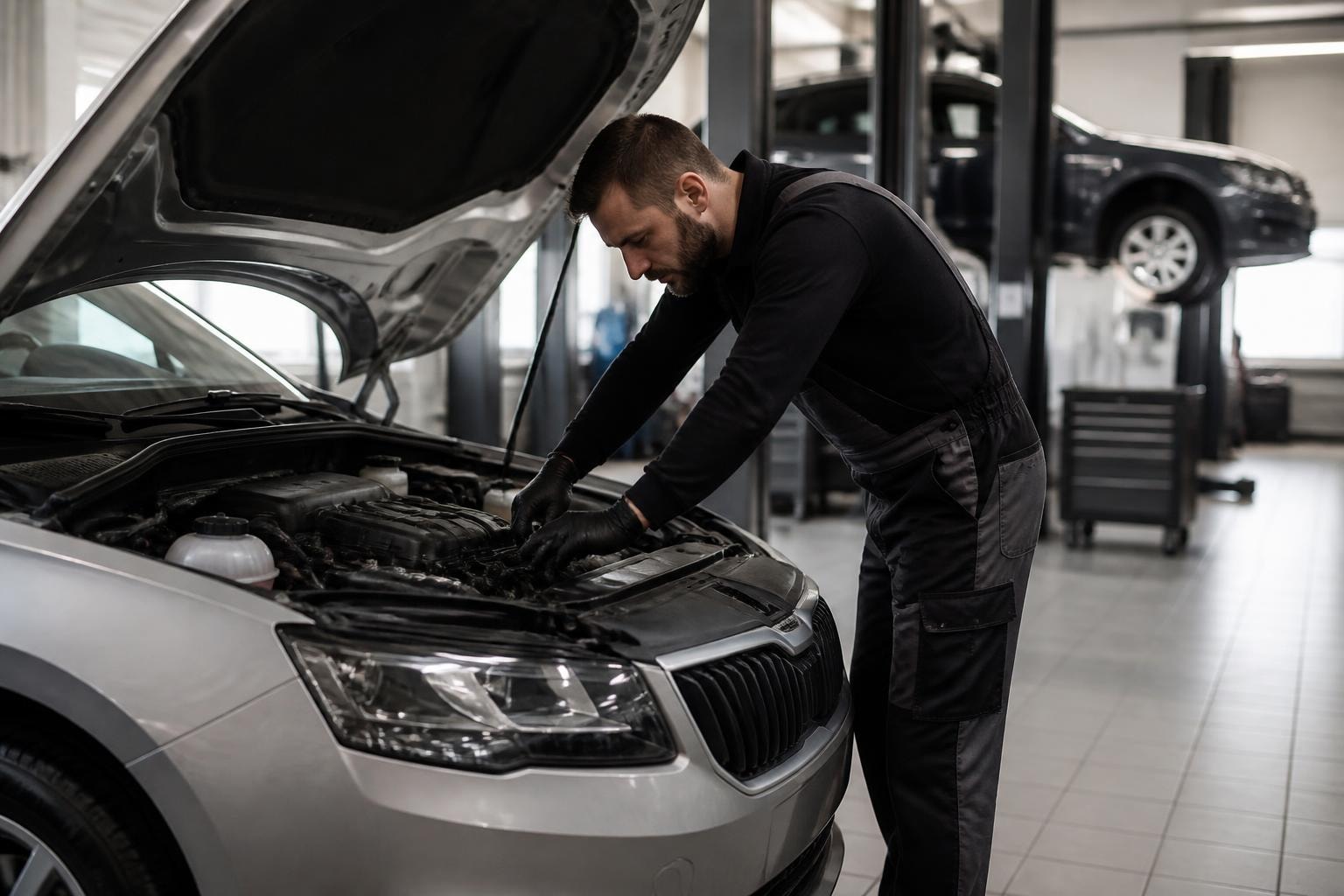

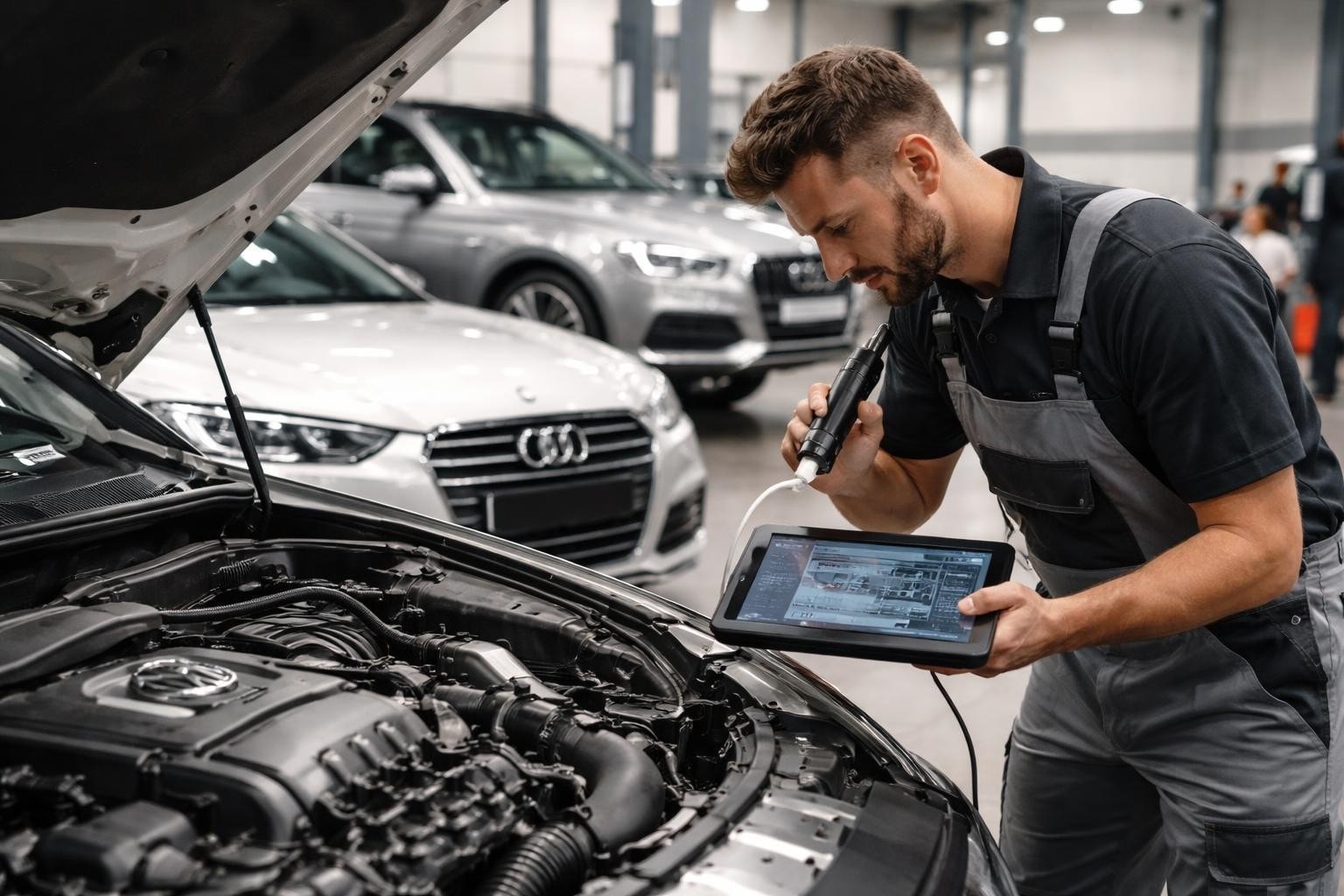
Choosing the right professional to service your European vehicle can make the difference between years of reliable performance and costly breakdowns. Auto repair specialists who focus on premium European brands bring a level of expertise that goes far beyond general automotive knowledge. These professionals understand the intricate engineering, sophisticated electronics, and precision manufacturing that define vehicles from manufacturers like Volkswagen, Audi, Mercedes, BMW, and Skoda. With European cars becoming increasingly complex in 2026, finding technicians who combine technical mastery with genuine passion for these vehicles has never been more critical.
What Defines Auto Repair Specialists in European Vehicle Service
Auto repair specialists distinguish themselves through dedicated focus, advanced training, and deep understanding of specific vehicle platforms. Unlike general mechanics who work across all makes and models, specialists concentrate their expertise on particular brands or vehicle types.
Manufacturer-Specific Technical Knowledge
European manufacturers design their vehicles with unique engineering philosophies and proprietary systems. Volkswagen Group vehicles share certain platform architectures, yet each brand maintains distinct characteristics that require specialized knowledge.
- Electrical architecture specific to each manufacturer
- Engine management systems with brand-specific diagnostic protocols
- Suspension geometry designed for European road conditions
- Transmission programming requiring manufacturer-level access
- Safety systems integration across multiple control modules
The complexity of modern European vehicles demands that auto repair specialists invest thousands of hours in ongoing education. ALLDATA provides comprehensive OEM repair information that helps technicians access the precise specifications and procedures required for each vehicle model.
Advanced Diagnostic Capabilities
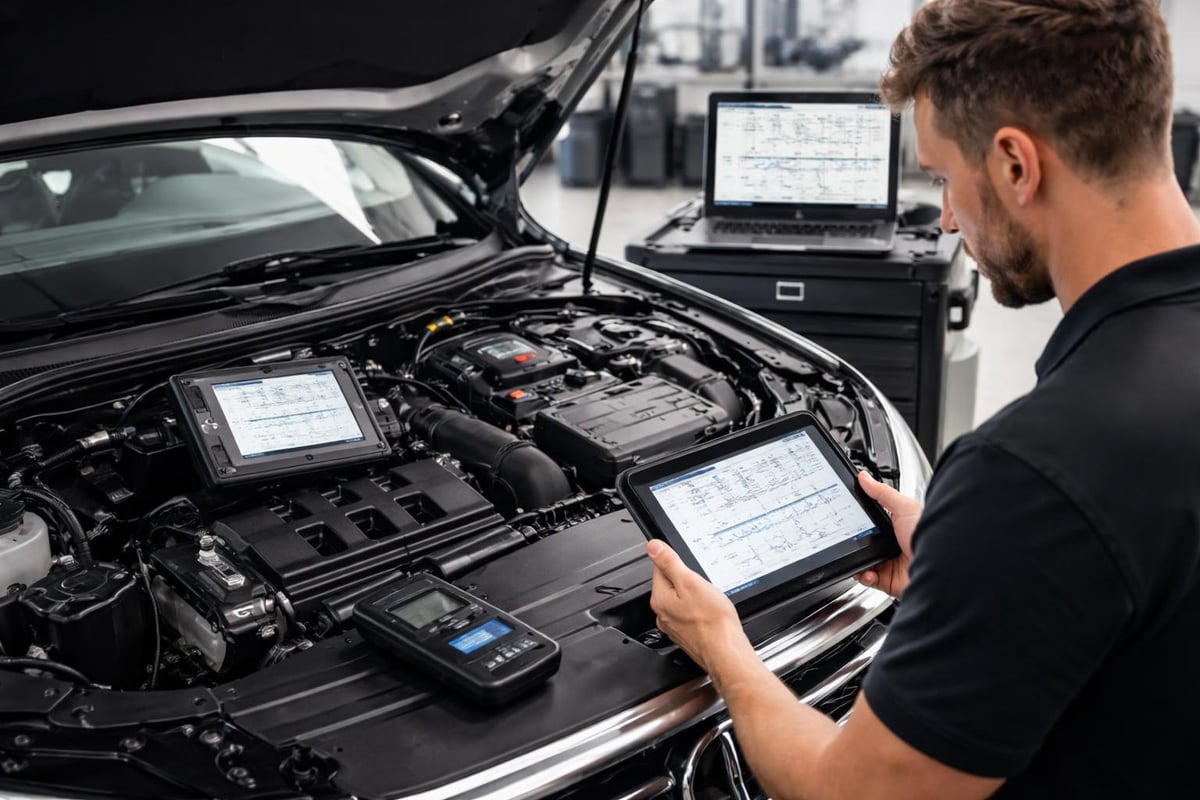
Diagnostic work in 2026 extends far beyond plugging in a code reader. Specialists use sophisticated equipment that communicates directly with vehicle control modules at the manufacturer level.
| Diagnostic Tool Type | Application | Specialist Advantage |
|---|---|---|
| Factory-Level Scanners | Deep system access, coding, adaptations | Complete vehicle programming capability |
| Oscilloscopes | Electrical signal analysis | Pinpoint intermittent electrical faults |
| Pressure Transducers | Hydraulic system testing | Identify transmission and brake issues |
| Network Analyzers | CAN bus diagnostics | Resolve communication errors between modules |
Modern European vehicles contain 50 to 100+ control modules, each managing specific systems and communicating across high-speed networks. Auto repair specialists understand these architectures intimately, enabling them to diagnose problems that would confuse general technicians.
The Role of Specialization in Service Quality
Focusing exclusively on European brands allows auto repair specialists to develop an unmatched depth of expertise. This specialization translates directly into better outcomes for vehicle owners.
Pattern Recognition and Experience
Specialists who service hundreds of similar vehicles annually develop invaluable pattern recognition skills. They know which components commonly fail on specific models, which software updates address recurring issues, and which maintenance intervals prevent major problems.
When a 2023 Audi experiences a particular symptom, a specialist immediately recalls similar cases and knows the most likely causes. This experience-based knowledge dramatically reduces diagnostic time and improves first-time fix rates.
Common pattern areas include:
- Model-specific component wear patterns
- Software glitches affecting certain model years
- Environmental factors impacting European vehicles in specific regions
- Parts quality variations between OEM and aftermarket suppliers
- Maintenance procedures that prevent known failure modes
Investment in Specialized Equipment
The equipment required to properly service European vehicles represents a substantial investment. Auto repair specialists justify this investment through focused service offerings.
Professional-grade tools for European vehicles often cost $50,000 to $150,000 for a complete diagnostic and service setup. This includes manufacturer-specific scan tools, coding equipment, special service tools, and calibration devices.
Auto Repair Source offers up-to-date service and repair information with detailed procedures that specialists reference to ensure every service meets manufacturer standards.
Technical Training and Continuous Education
The automotive industry evolves rapidly, with new technologies, systems, and procedures emerging constantly. Auto repair specialists commit to ongoing education to maintain their expertise.
Manufacturer Training Programs
European manufacturers offer technical training through various channels, though access varies by region and certification level. Independent specialists often pursue training through:
- Independent training organizations offering manufacturer-equivalent courses
- Technical seminars focused on new model releases and technology
- Online learning platforms with interactive diagnostic scenarios
- Peer networks where specialists share technical information
- Industry conferences featuring the latest repair techniques
The Society of Automotive Engineers (SAE) provides technical resources and standards that help specialists stay current with industry developments and engineering principles.
Certification and Credentials
While various certifications exist in the automotive industry, practical experience combined with demonstrated competency matters most for European vehicle service. Auto repair specialists build reputations through consistent quality work and customer satisfaction.
Key competency areas include:
- Electrical diagnostics and repair
- Engine performance and drivability
- Transmission service and programming
- Brake systems including advanced driver assistance integration
- Climate control and comfort systems
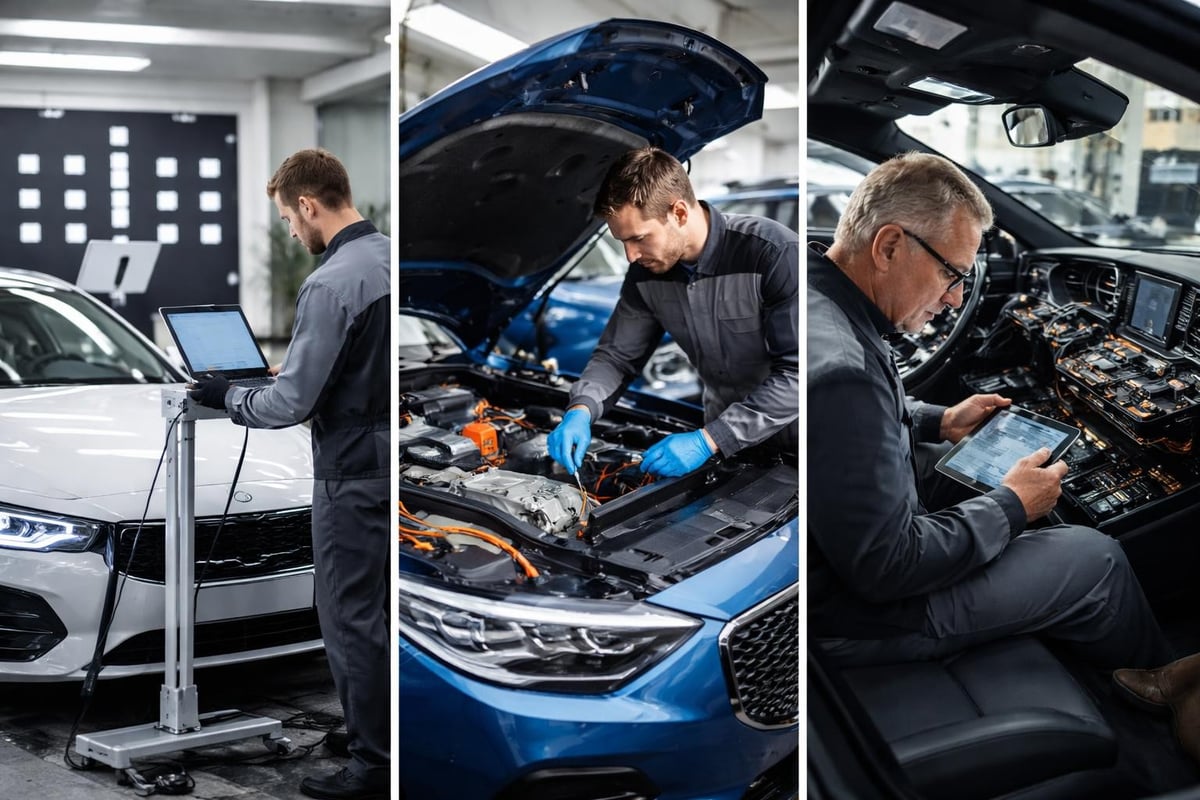
- Hybrid and electric powertrain technology
Understanding European Vehicle Maintenance Requirements
European manufacturers design their vehicles with specific maintenance schedules that differ significantly from Asian or American brands. Auto repair specialists understand these requirements and their underlying engineering reasons.
Service Interval Philosophy
European manufacturers typically specify longer service intervals than other brands, reflecting confidence in their engineering and oil technology. However, this requires strict adherence to specified service types and quality standards.
| Service Type | Typical Interval | Critical Components |
|---|---|---|
| Oil and Filter | 15,000-20,000 km | Synthetic oil meeting specific approvals |
| Brake Fluid | 2 years | DOT 4 or manufacturer-specific formulation |
| Coolant | 4-6 years | Long-life formulation with corrosion inhibitors |
| Transmission | 60,000-100,000 km | Specific ATF formulation, often lifetime fill |
| Spark Plugs | 60,000-100,000 km | Precious metal electrodes, precise gap specification |
Specialists understand that using incorrect fluids or parts, even if they meet general specifications, can lead to problems. European vehicles require exact specification matching for optimal performance and longevity.
Preventive Maintenance Benefits
Auto repair specialists emphasize preventive maintenance because they witness the consequences of deferred service. Regular maintenance prevents the majority of major component failures.
Prevention-focused services include:
- Carbon buildup cleaning for direct injection engines
- DSG/dual-clutch transmission adaptation and service
- Cooling system pressure testing and preventive replacement
- Electrical system health checks and battery testing
- Suspension component inspection before wear causes damage
Scheduling regular service through convenient online booking ensures vehicles receive attention before minor issues become major repairs.
Diagnostic Approaches for Complex Problems
When European vehicles develop problems, systematic diagnostic approaches separate specialists from general technicians. Auto repair specialists follow methodical processes that ensure accurate identification of root causes.
Symptom Analysis and Customer Communication
Effective diagnosis begins with understanding exactly what the customer experiences. Specialists ask detailed questions about when problems occur, under what conditions, and any patterns the owner has noticed.
Modern diagnostic approaches even incorporate innovative technologies. Research into auditory automobile diagnostics explores how sound analysis can assist in identifying mechanical issues, demonstrating the expanding toolkit available to specialists.
Critical diagnostic questions include:
- Does the problem occur when cold, warm, or both?
- Is it affected by weather conditions?
- Does it happen during specific driving situations?
- Has any recent service been performed?
- Are there any related symptoms that might seem unconnected?
Data-Driven Diagnostics
Modern auto repair specialists rely heavily on data from vehicle systems. They analyze sensor readings, adaptation values, freeze frame data, and historical fault codes to build a complete picture of vehicle condition.
Advanced diagnostic data sources:
- Live data streams from multiple control modules simultaneously
- Long-term fuel trim and adaptation values indicating system health
- Freeze frame data captured when faults occur
- Event logs showing intermittent problems
- Component activation tests to verify proper operation
The AA1Car automotive diagnostic library offers troubleshooting guides that specialists reference when encountering unusual symptoms or complex diagnostic challenges.
Parts Quality and Sourcing Expertise
Understanding parts quality represents another area where auto repair specialists add significant value. The European automotive aftermarket offers parts ranging from genuine OEM to various aftermarket quality levels.
OEM vs. Aftermarket Considerations
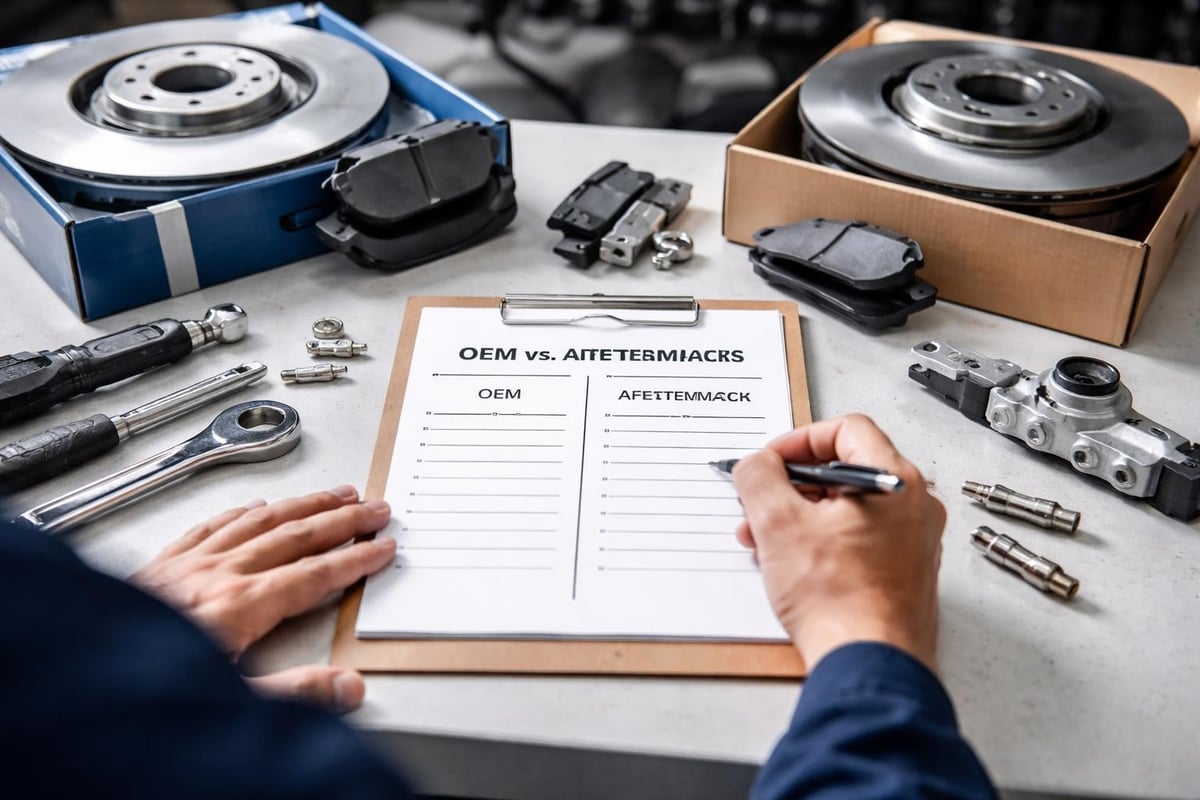
Genuine OEM parts carry manufacturer warranties and guaranteed fit, but cost more. Quality aftermarket parts can offer excellent value for certain applications while maintaining reliability.
Auto repair specialists know which components demand OEM quality and which accept quality aftermarket alternatives. This knowledge helps customers balance cost with reliability and longevity.
| Component Category | OEM Recommended | Quality Aftermarket Acceptable |
|---|---|---|
| Engine internals | Yes | Rarely |
| Electronic modules | Yes | No |
| Brake components | Preferred | Yes, premium brands only |
| Suspension parts | Preferred | Yes, OEM equivalent specifications |
| Filters and fluids | Meeting specifications | Yes, meeting exact specifications |
Supply Chain Knowledge
Specialists maintain relationships with multiple parts suppliers to ensure availability and competitive pricing. They understand lead times for European parts and can often source hard-to-find components through specialized channels.
Parts sourcing considerations:
- Genuine parts availability and pricing
- OEM equivalent manufacturers producing original equipment
- Remanufactured components for expensive items like transmissions
- Region-specific part numbers and supersessions
- Warranty coverage differences between part types
The Value of Independent European Specialists
Independent auto repair specialists focusing on European vehicles offer distinct advantages over dealership service departments while maintaining equivalent technical capabilities.
Cost Efficiency Without Compromising Quality
Independent specialists typically charge 20% to 40% less than dealerships for the same services. This cost advantage comes from lower overhead, not reduced quality or capability.
Specialists invest in the same diagnostic equipment and technical information systems that dealerships use. They employ technicians with equivalent or superior experience. The difference lies in facility costs and corporate structure, not technical ability.
Personalized Service and Communication
Smaller independent operations allow auto repair specialists to build direct relationships with customers. The same technician often services a customer's vehicle consistently, developing familiarity with its history and quirks.
Communication advantages include:
- Direct technician-to-customer explanations of issues
- Flexible scheduling accommodating customer needs
- Transparent pricing with detailed explanations
- Priority service for regular customers
- Honest advice about repair urgency and alternatives
Specialization Depth
While dealerships service all models from their manufacturer, independent specialists often narrow their focus even further. Some concentrate exclusively on Volkswagen Group vehicles, others on German luxury brands. This ultra-specialization creates unmatched expertise.
Common European Vehicle Service Needs in 2026
Auto repair specialists encounter certain service requirements more frequently than others when working with European vehicles. Understanding these common needs helps owners anticipate maintenance.
Advanced Driver Assistance System Calibration
Modern European vehicles incorporate numerous ADAS features requiring precise calibration after certain repairs or services. Auto repair specialists invest in calibration equipment and training for these systems.
ADAS calibration scenarios:
- After windscreen replacement affecting camera positioning
- Following wheel alignment affecting radar sensor alignment
- After accident repairs involving sensors or mounting points
- During software updates requiring recalibration
- When replacing components like cameras, radar units, or control modules
The I-CAR training programs offer specialized courses on ADAS calibration and repair techniques that ensure specialists maintain current knowledge of these evolving systems.
Hybrid and Electric Vehicle Service
European manufacturers have rapidly expanded hybrid and electric offerings. Auto repair specialists working with these vehicles require additional training and safety certifications.
Hybrid/EV specialist requirements:
- High-voltage safety certification and procedures
- Battery system diagnostics and testing
- Electric motor and inverter service
- Charging system diagnosis and repair
- Integration between electric and conventional systems
The National Fire Protection Association (NFPA) provides critical safety guidelines for working with high-voltage vehicle systems, ensuring specialists protect themselves and customers' vehicles.
Software and Programming Services
European vehicles in 2026 require regular software updates addressing everything from performance optimization to security vulnerabilities. Auto repair specialists with proper equipment perform these updates outside the dealership network.
Common software services:
- Control module software updates
- Adaptation and coding after component replacement
- Feature activation and configuration
- Diagnostic trouble code clearing and verification
- Programming new keys and security components
Building Long-Term Relationships with Specialists
The most successful European vehicle ownership experiences involve establishing ongoing relationships with trusted auto repair specialists. This relationship benefits both parties through familiarity and consistent communication.
Maintenance History Tracking
Specialists maintain detailed service records for their regular customers. This history informs future service recommendations and helps diagnose recurring or related problems.
Service history benefits:
- Identifying patterns in component wear or failures
- Preventing duplicate diagnostics for recurring issues
- Scheduling preventive replacements before failures occur
- Documenting warranty work and parts replacement
- Supporting resale value with comprehensive service records
Proactive Communication
Auto repair specialists who know their customers well can provide proactive advice. They might contact a customer when a technical service bulletin addresses a known issue or when seasonal maintenance becomes due.
Regular customers often receive priority scheduling, especially for urgent repairs or during busy periods. This preferential treatment reflects the value specialists place on established relationships.
Trust and Transparency
The foundation of successful long-term relationships rests on trust. Auto repair specialists build this trust through transparent communication, honest assessments, and consistent quality work.
Trust-building practices include:
- Showing customers affected components when explaining problems
- Providing written estimates before performing work
- Offering repair alternatives with pros and cons of each
- Admitting when problems require specialist knowledge outside their expertise
- Standing behind their work with warranties and follow-up
Finding auto repair specialists who combine technical expertise, quality equipment, and genuine commitment to customer service ensures your European vehicle receives the care it deserves. For North Shore Auckland vehicle owners seeking specialist care for their Volkswagen, Audi, Mercedes, BMW, or Skoda, VODIS Automobile delivers over 20 years of trusted expertise in European vehicle service. Their highly skilled team provides the manufacturer-level diagnostics, precision maintenance, and personalized service that keep European vehicles performing at their best.