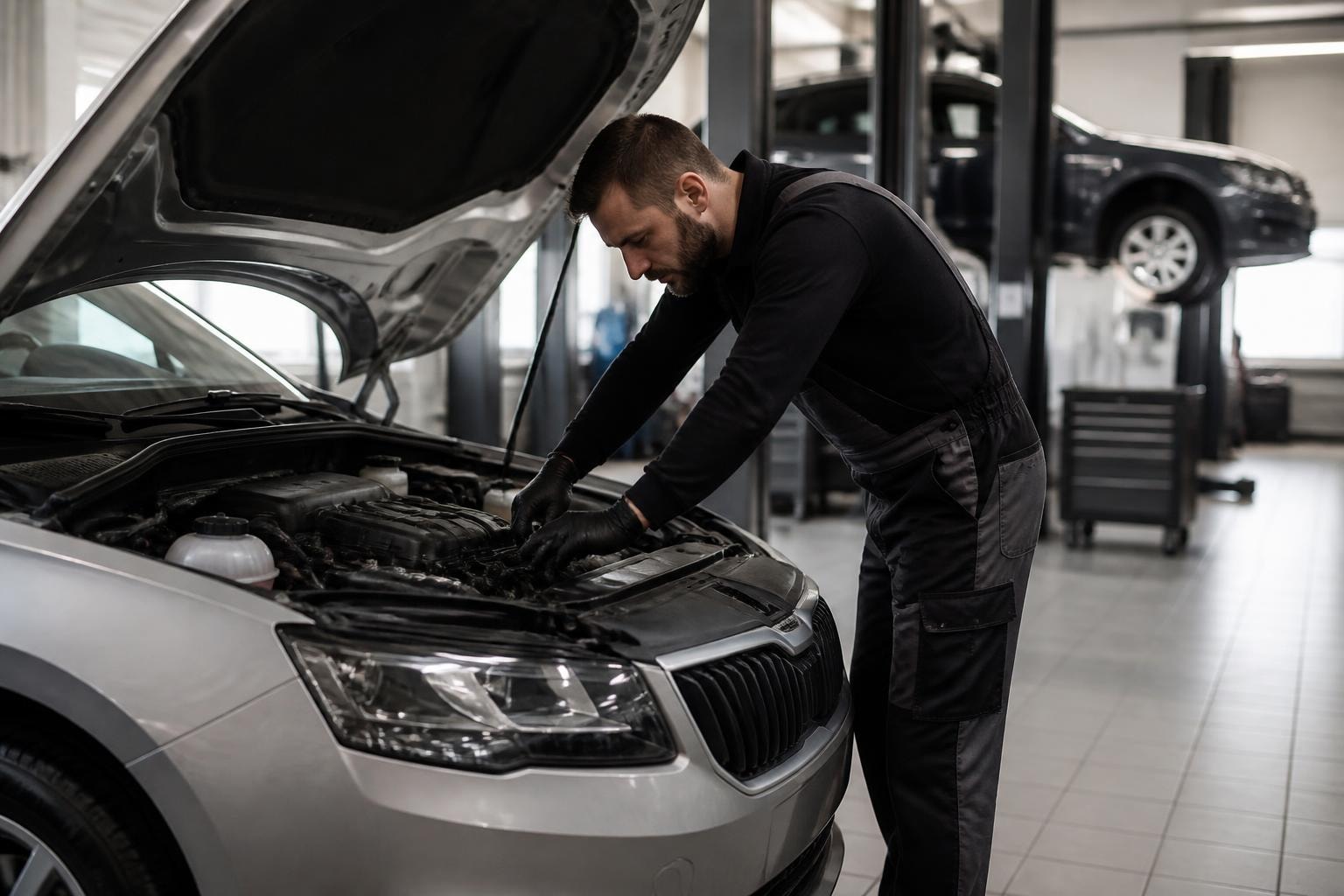

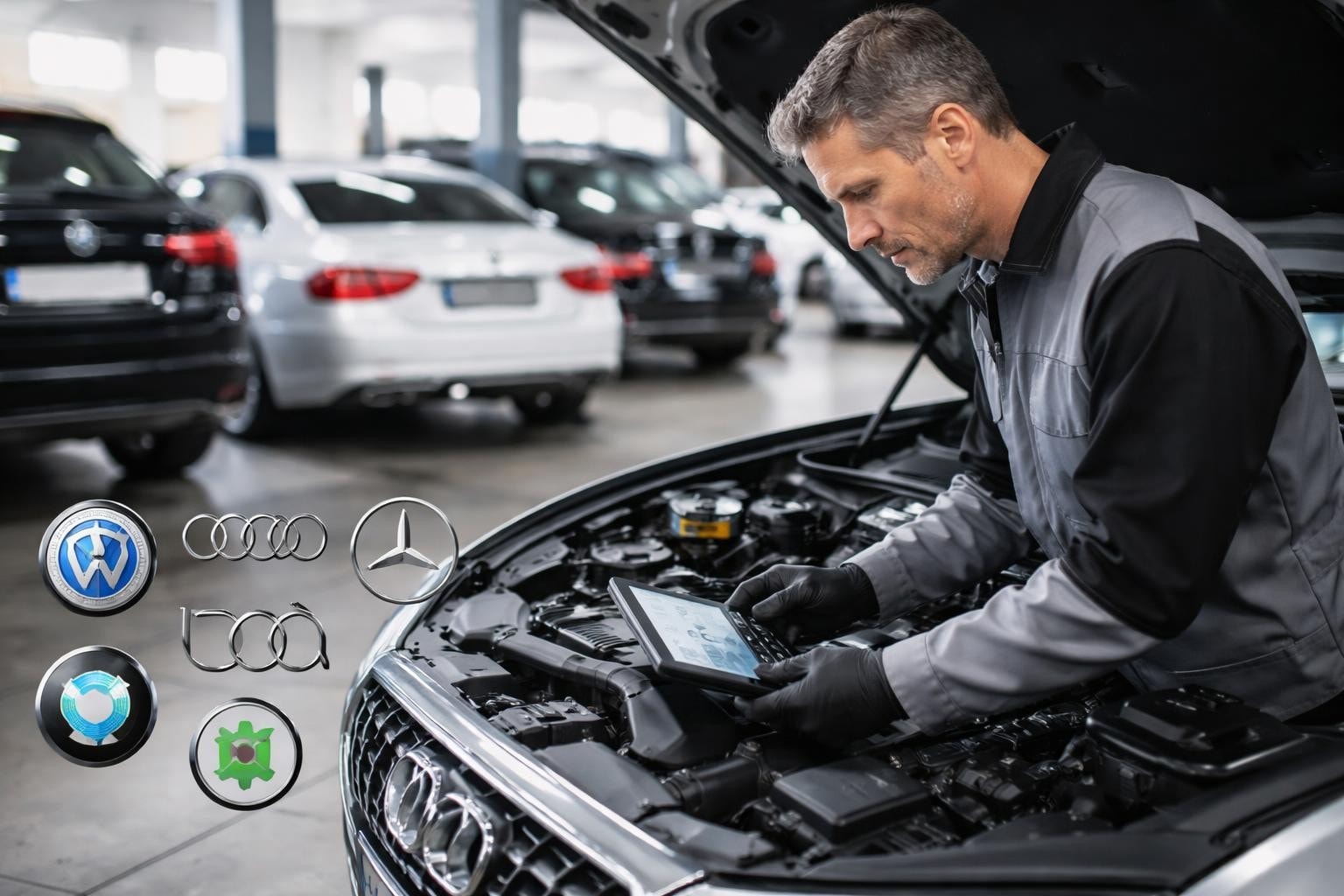
European vehicles have earned a global reputation for precision engineering, innovative technology, and superior performance. Owning a Volkswagen, Audi, Mercedes, BMW, or Skoda brings exceptional driving experiences, but these sophisticated machines require specialized knowledge and expertise for proper maintenance. Understanding what sets auto repair european services apart from general automotive care helps you make informed decisions about maintaining your investment and ensuring your vehicle performs at its best for years to come.
Why European Vehicles Require Specialized Service
European manufacturers design their vehicles with distinct engineering philosophies that differ significantly from Asian or American automotive approaches. These differences extend beyond aesthetics and performance characteristics, affecting every aspect of maintenance and repair.
Engineering Precision and Complexity
European automakers prioritize precision engineering, tight tolerances, and advanced technologies that demand specialized expertise. The complexity of systems in brands like Mercedes and BMW requires technicians who understand not just general automotive principles but the specific nuances of each manufacturer's design philosophy.
Key complexity factors include:
- Advanced electronic systems with proprietary diagnostic protocols
- Integrated engine management requiring brand-specific knowledge
- Precision-engineered components with minimal tolerance for error
- Sophisticated suspension systems designed for specific performance characteristics
The European Automobile Manufacturers Association establishes industry standards that influence how these vehicles are designed, manufactured, and serviced. These standards ensure quality but also create requirements for specialized training and equipment.
Brand-Specific Diagnostic Requirements
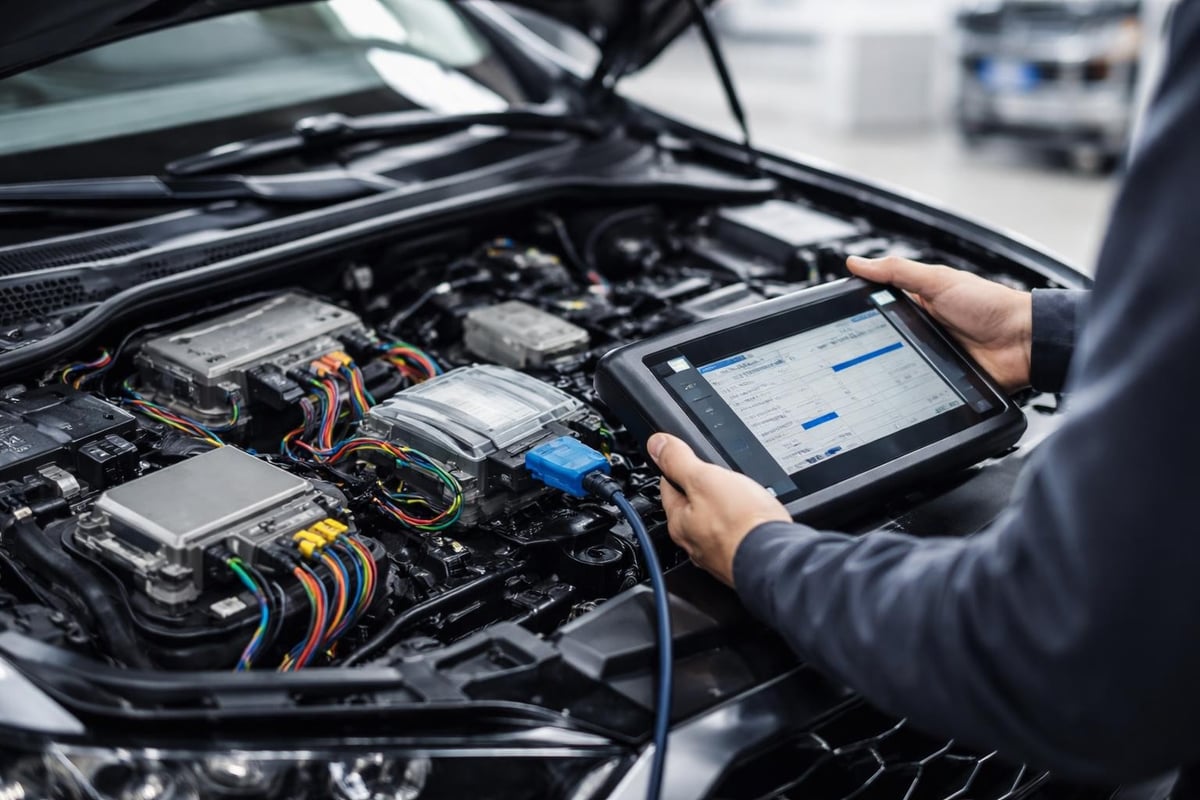
Unlike many vehicles that can be serviced with generic diagnostic tools, auto repair european specialists need manufacturer-specific equipment to access, diagnose, and repair modern European cars. Each brand uses proprietary diagnostic systems that communicate with dozens of electronic control units throughout the vehicle.
A Volkswagen uses different diagnostic protocols than a BMW, even though both are German-engineered vehicles. This reality means general repair shops often cannot access critical system information needed for accurate diagnosis and repair.
According to research on repair and maintenance information access, independent operators must meet specific requirements to access the diagnostic systems that European manufacturers build into their vehicles.
What Makes Auto Repair European Services Different
The distinction between general automotive service and specialized European car care extends across multiple dimensions of the repair and maintenance process. Understanding these differences helps you appreciate why choosing the right service center matters.
Specialized Tools and Equipment
European vehicles require tools designed specifically for their unique engineering. General automotive shops typically lack the investment in brand-specific equipment necessary for proper service.
| Equipment Type | European Requirement | General Alternative | Impact |
|---|---|---|---|
| Diagnostic Scanners | OEM-level access | Generic OBD-II | Limited system visibility |
| Specialty Tools | Brand-specific designs | Universal adapters | Risk of component damage |
| Calibration Equipment | Manufacturer-certified | Aftermarket options | Inaccurate adjustments |
| Software Access | Factory update capability | None | Outdated system programming |
The comprehensive diagnostic data available through ALLDATA provides professional technicians with the original equipment manufacturer specifications necessary for proper repairs, though this still requires interpretation by trained specialists.
OEM Parts Versus Aftermarket Alternatives
European vehicles perform optimally with parts designed specifically for them. While aftermarket alternatives may appear similar and cost less, they often lack the precision engineering that European manufacturers specify.
Quality considerations include:
- Exact specifications matching original components
- Materials engineered for specific stress and temperature ranges
- Integration with electronic systems and sensors
- Warranty protection and longevity
Specialists in auto repair european services maintain relationships with authorized parts suppliers, ensuring access to genuine components that meet manufacturer specifications. This commitment to quality extends beyond parts to include fluids, filters, and consumables designed for European engines and transmissions.
Finding the Right European Auto Repair Specialist
Selecting a qualified service center for your European vehicle requires evaluating several critical factors that indicate expertise, capability, and commitment to quality.
Certifications and Training
Professional technicians working on European vehicles should hold certifications relevant to the brands they service. These credentials demonstrate commitment to ongoing education and mastery of complex systems.
Look for technicians with:
- Manufacturer-specific training programs covering brand technologies
- ASE certifications in relevant specialty areas
- Continuous education participation keeping skills current
- Experience with your specific vehicle model and its unique characteristics
- Access to factory technical support for complex diagnostic challenges
The detailed repair instructions found in Haynes Manuals provide valuable reference information, but proper auto repair european work requires expertise beyond manual-based knowledge.
Equipment and Diagnostic Capabilities
A qualified European service center invests significantly in the tools and diagnostic equipment necessary for accurate, efficient repairs. When evaluating potential service providers, inquire about their diagnostic capabilities and equipment inventory.
Modern European vehicles contain 50-100 electronic control units managing everything from engine performance to interior climate. Accessing these systems requires sophisticated equipment that many general repair shops simply don't possess.
Reputation and Customer Experience
Beyond technical capabilities, consider the service center's reputation for customer communication, transparency, and reliability. Reading reviews and seeking recommendations from other European vehicle owners provides valuable insights.
According to guidance from specialists in European auto care, customer reviews often reveal important information about a shop's communication practices, pricing transparency, and ability to diagnose complex issues accurately.
Common European Vehicle Maintenance Needs
Understanding typical maintenance requirements helps you anticipate service needs and budget appropriately for European vehicle ownership. Different brands have varying service intervals and component replacement schedules.
Regular Service Intervals
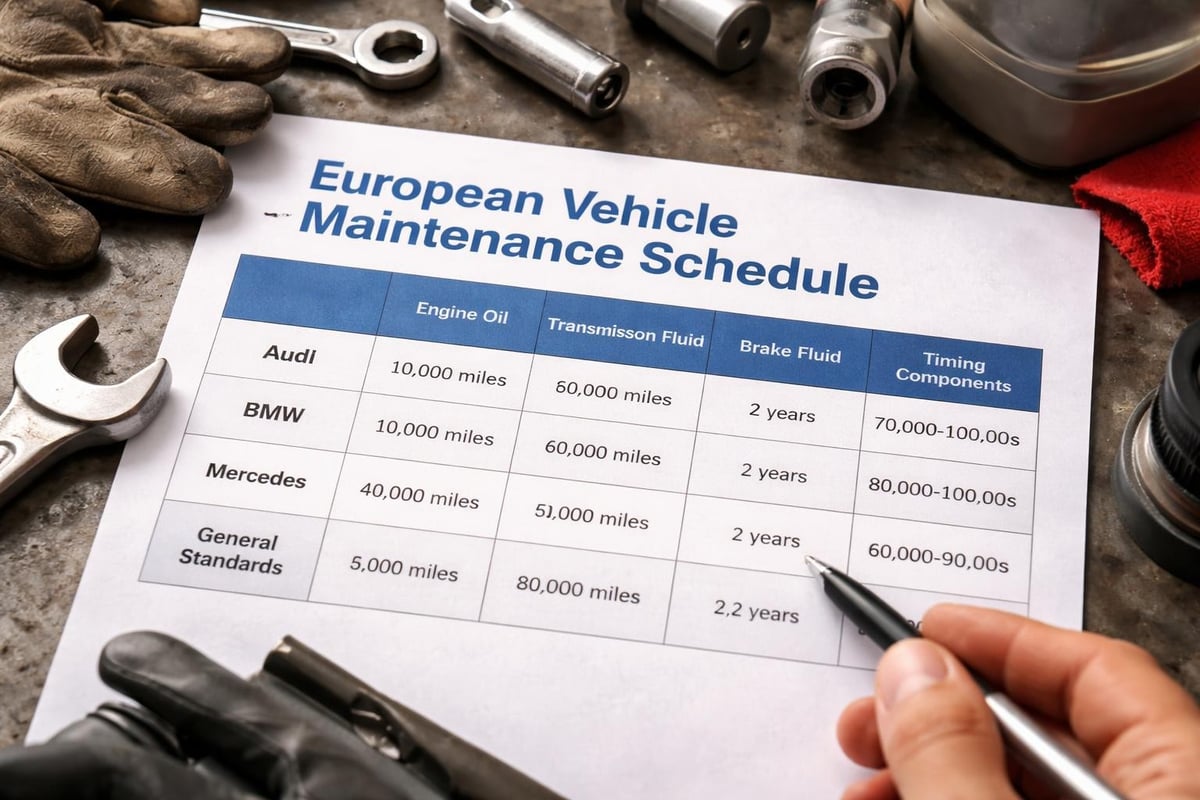
European manufacturers typically specify service intervals based on mileage, time, or a combination of both. These schedules differ significantly from Asian or American vehicles.
Typical interval categories:
- Oil and filter changes (often 10,000-15,000 miles)
- Brake fluid replacement (every 2 years)
- Transmission service (varies by type and manufacturer)
- Coolant system maintenance (60,000-100,000 miles)
- Timing component replacement (varies significantly by engine)
Skipping scheduled maintenance or extending intervals beyond manufacturer recommendations can lead to expensive repairs and void warranty coverage. The precision engineering in European vehicles means components are designed to operate within specific parameters that depend on proper fluid quality and component condition.
Wear Items and Component Replacement
Certain components in European vehicles require replacement as part of normal wear and tear. Understanding these common needs helps you anticipate costs and avoid surprise expenses.
| Component | Typical Lifespan | Brand Variations | Service Complexity |
|---|---|---|---|
| Brake Pads | 30,000-50,000 miles | Performance models wear faster | Moderate |
| Brake Rotors | 50,000-70,000 miles | Often replaced with pads | Moderate to High |
| Water Pumps | 60,000-100,000 miles | Timing belt-driven require early replacement | High |
| Control Arms | 75,000-100,000 miles | More common in BMW and Audi | Moderate |
| Coil Packs | 60,000-80,000 miles | Varies significantly by engine | Low to Moderate |
Resources like Auto Repair Source provide detailed maintenance schedules and recall information specific to individual European vehicle models, helping owners and technicians plan appropriate service timing.
The Cost Reality of European Vehicle Ownership
Understanding the financial aspects of auto repair european services helps set realistic expectations and budget appropriately for vehicle ownership. While European cars often cost more to maintain than mass-market alternatives, this reflects their sophisticated engineering and quality components.
Why European Service Costs More
Several factors contribute to higher service costs for European vehicles compared to other automotive brands. These aren't arbitrary markups but reflect genuine differences in service requirements and operating costs.
Primary cost drivers include:
- Specialized diagnostic equipment requiring significant capital investment
- Technician training and certification programs
- Higher parts costs reflecting precision engineering
- Extended diagnostic time for complex systems
- Access fees for manufacturer technical databases
A qualified European service center invests hundreds of thousands of dollars in equipment, training, and technical resources. These investments enable accurate, efficient repairs that maintain your vehicle's performance and reliability.
Value Versus Economy Service
Choosing the lowest-cost service provider often proves more expensive long-term. Improperly diagnosed issues, incorrect repairs, or use of unsuitable parts can lead to repeat failures, additional damage, and significantly higher total costs.
According to insights from European car maintenance specialists, the precision engineering in these vehicles means that seemingly minor deviations from proper procedures can cause cascading problems affecting multiple systems.
Quality auto repair european service centers provide value through accurate diagnosis, proper repairs, and long-term reliability. While individual service visits may cost more initially, the total cost of ownership often proves lower due to reduced repeat repairs and prevented secondary damage.
Preventive Maintenance for European Vehicles
Proactive maintenance represents the most effective strategy for minimizing repair costs and maximizing your European vehicle's lifespan. Understanding what preventive measures matter most helps you protect your investment.
Fluid Quality and Service Intervals
European engines and transmissions require specific fluid formulations designed for their operating characteristics. Using incorrect fluids or extending change intervals beyond manufacturer specifications can cause accelerated wear and expensive failures.
Modern European vehicles often use long-life fluids designed for extended service intervals. However, "long-life" doesn't mean "lifetime," despite some marketing claims. Transmission fluid, differential oil, and brake fluid all degrade over time and require periodic replacement.
- Engine oil: Use only specifications meeting manufacturer requirements
- Transmission fluid: Replace according to actual service requirements, not marketing claims
- Brake fluid: Change every 2 years regardless of mileage
- Coolant: Replace at manufacturer intervals with correct formulation
- Differential fluid: Service at specified intervals, especially in performance vehicles
Addressing Warning Lights Promptly
European vehicles use sophisticated monitoring systems that detect problems early. Dashboard warning lights shouldn't be ignored or reset without proper diagnosis and repair.
The check engine light, transmission warning, brake system alert, and other indicators communicate specific fault codes through the diagnostic system. Professional auto repair european technicians access these codes with manufacturer-specific equipment, interpreting them within the context of system operation and vehicle history.
Ignoring warning lights often allows minor issues to develop into major failures. A small vacuum leak might trigger a check engine light initially but eventually cause catalytic converter damage costing thousands of dollars to repair.
Technology Integration in Modern European Vehicles
Contemporary European cars integrate advanced technologies that enhance safety, performance, and convenience. These systems require specialized knowledge for maintenance and repair.
Advanced Driver Assistance Systems
Modern Volkswagen, Audi, Mercedes, BMW, and Skoda models include sophisticated driver assistance features using cameras, radar, and sensors throughout the vehicle. These systems require precise calibration after certain repairs or component replacements.
Common ADAS features requiring calibration:
- Adaptive cruise control with automatic braking
- Lane keeping assist and departure warning
- Automatic emergency braking systems
- Parking assist and surround-view cameras
- Blind spot monitoring and cross-traffic alert
Proper calibration requires manufacturer-specific equipment and procedures. Incorrect calibration can render safety systems ineffective or cause false activations that affect normal driving.
Infotainment and Connectivity Systems
European vehicles feature advanced infotainment platforms integrating navigation, communication, entertainment, and vehicle settings. These systems receive periodic software updates addressing bugs, adding features, and improving functionality.
Auto repair european specialists maintain access to manufacturer update systems, ensuring your vehicle receives the latest software versions during service visits. This often prevents problems before they occur and keeps systems functioning optimally.
For convenient scheduling of your European vehicle's maintenance needs, you can book your service appointment online with specialists who understand these sophisticated systems.
Long-Term Reliability Through Expert Care
European vehicles deliver exceptional performance and longevity when properly maintained by knowledgeable technicians. The investment in specialized service pays dividends through extended component life, maintained resale value, and reliable operation.
Documentation and Service History
Maintaining comprehensive service records proves invaluable for warranty claims, resale value, and diagnosing recurring issues. Quality European service centers provide detailed documentation of all work performed, parts installed, and issues identified.
Complete service history demonstrates proper maintenance to potential buyers and validates warranty coverage when needed. This documentation often adds hundreds or thousands of dollars to resale value by proving professional care throughout ownership.
Building a Relationship with Your Service Provider
Establishing an ongoing relationship with a trusted auto repair european specialist creates advantages beyond individual service visits. Technicians familiar with your specific vehicle understand its history, identify patterns, and anticipate potential issues before they cause problems.
This relationship-based approach to service contrasts with transactional interactions at general repair shops or dealership service departments with high technician turnover. Your service advisor and technicians become partners in maintaining your vehicle's performance and reliability.
Regional Considerations for European Vehicle Service
Location affects European vehicle ownership in several ways, from parts availability to technician expertise and climate-related maintenance needs.
Finding Specialist Services in Auckland
Auckland's European vehicle population supports several specialist service centers with the expertise, equipment, and parts inventory necessary for proper maintenance. The concentration of German and European cars in North Shore areas particularly creates demand for qualified independent service alternatives to dealership service departments.
Independent specialists often provide superior value compared to dealership service while maintaining equivalent technical expertise and equipment capabilities. These businesses build reputations on quality work and customer relationships rather than manufacturer support.
Climate and Environmental Factors
New Zealand's mild climate reduces some maintenance concerns like road salt corrosion but creates others like humidity effects on electrical systems. Understanding local environmental factors helps you anticipate maintenance needs specific to your region.
Coastal environments accelerate corrosion on brake components and exhaust systems. Regular inspection and preventive treatment of vulnerable areas extends component life and prevents unexpected failures.
Maintaining a European vehicle requires specialized knowledge, proper equipment, and commitment to quality that distinguishes expert service from general automotive repair. By choosing technicians who understand your specific vehicle's engineering, use correct parts and procedures, and communicate clearly throughout the service process, you protect your investment and ensure reliable, enjoyable performance. When you need expert care for your Volkswagen, Audi, Mercedes, BMW, or Skoda, VODIS Automobile combines over 20 years of specialized European vehicle experience with modern diagnostic capabilities and a commitment to customer satisfaction that has made them the North Shore's leading independent service center.