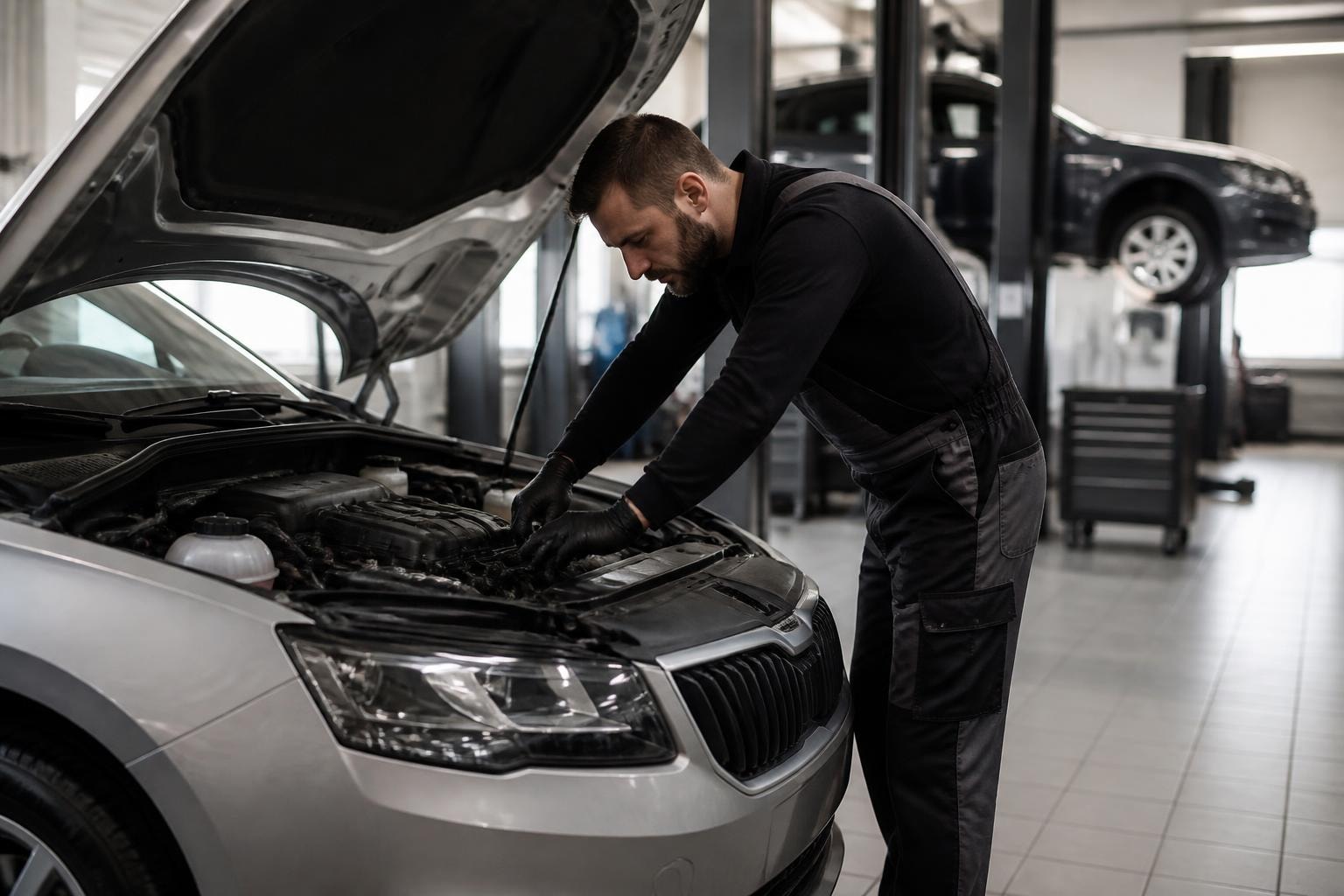

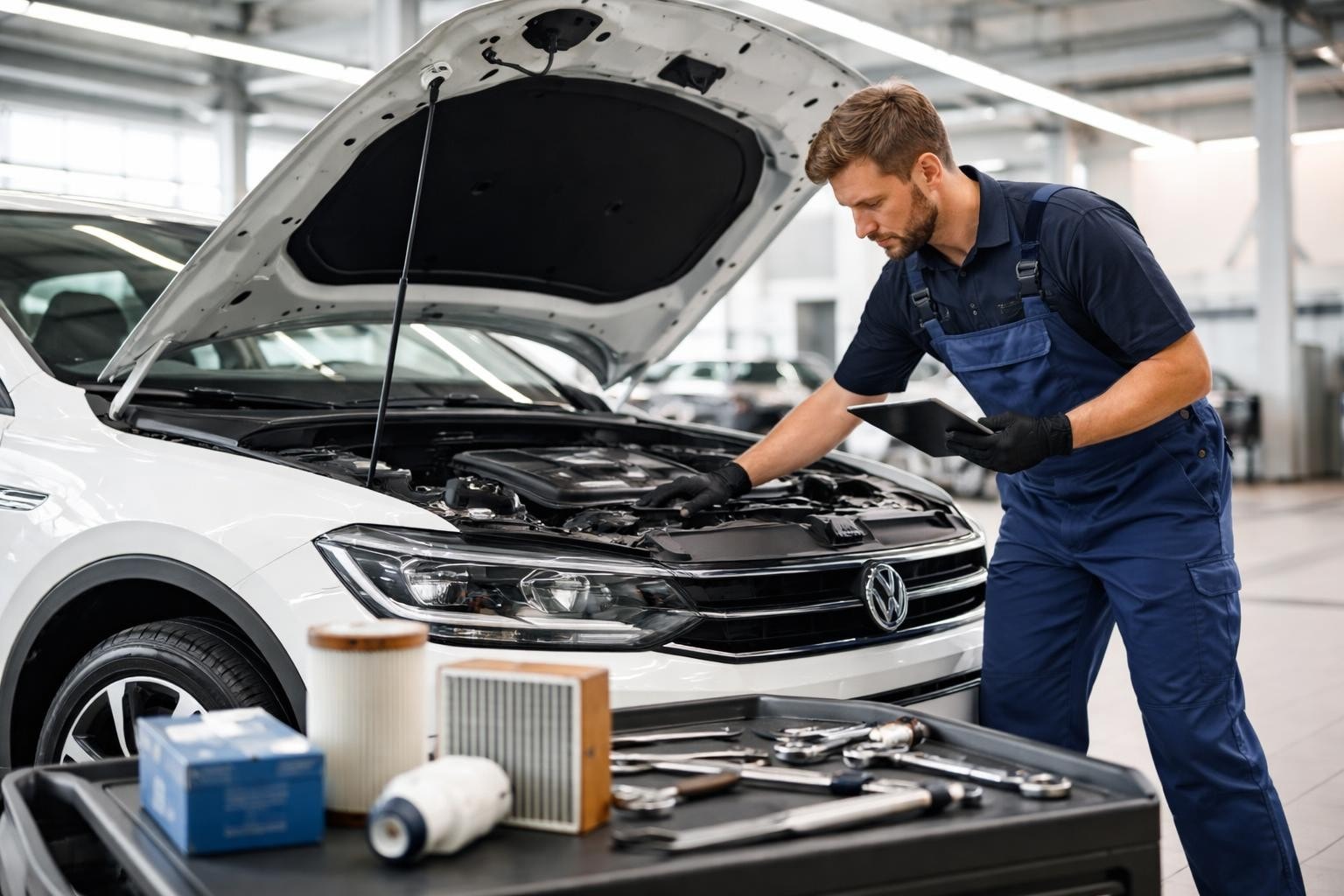
Maintaining your Volkswagen properly requires more than just occasional oil changes and tire rotations. Modern Volkswagen vehicles incorporate sophisticated German engineering that demands specialized knowledge, diagnostic equipment, and genuine parts to ensure optimal performance and longevity. Whether you own a Golf, Passat, Tiguan, or any other VW model, understanding the complexities of volkswagen service and repair helps you make informed decisions about your vehicle's care. From scheduled maintenance to unexpected repairs, knowing what your Volkswagen needs and when can save you money while protecting your investment for years to come.
Understanding Your Volkswagen Maintenance Schedule
Volkswagen engineers design each model with specific maintenance requirements that differ significantly from other manufacturers. Your VW's service schedule follows precise intervals based on mileage, time, and driving conditions to ensure every component receives attention when needed.
Most Volkswagen models require service every 10,000 miles or 12 months, whichever comes first. This schedule includes oil changes, filter replacements, and comprehensive inspections. However, certain components demand attention at different intervals.
Key Service Intervals for Volkswagen Owners
Understanding when specific services become necessary prevents unexpected breakdowns and maintains warranty coverage. The genuine Volkswagen service program outlines these requirements clearly.
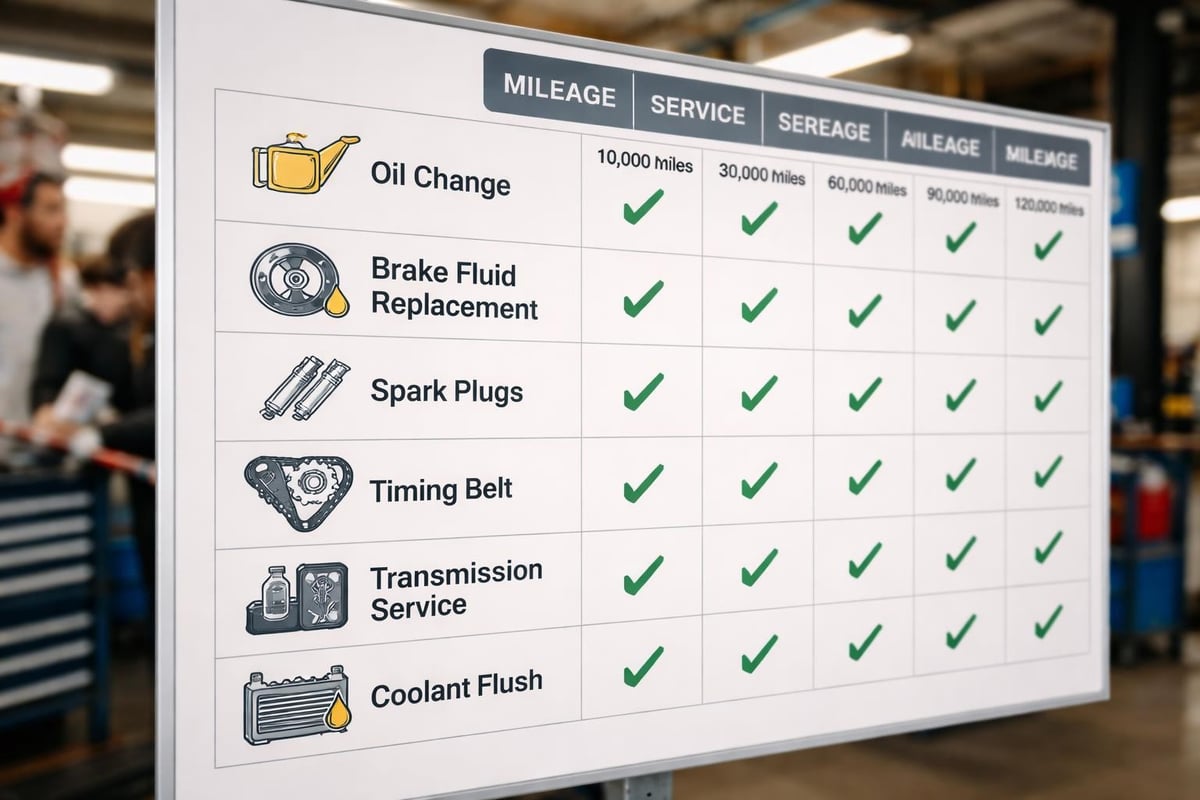
Essential maintenance milestones include:
- Oil and filter changes every 10,000 miles
- Brake fluid replacement every 2 years
- Spark plug replacement at 60,000 miles
- Timing belt service between 80,000-120,000 miles (varies by engine)
- Transmission fluid service at specified intervals
- Coolant system flush every 60,000 miles
Your specific model may have variations in these schedules. Turbocharged engines, diesel powertrains, and high-performance variants often require more frequent attention to maintain peak efficiency.
Critical Components in Volkswagen Service and Repair
Several systems in your Volkswagen require specialized attention that generic repair shops often lack the expertise to provide properly. These critical areas directly impact your vehicle's reliability, safety, and performance.
Engine and Drivetrain Services
Volkswagen engines feature advanced technologies including direct fuel injection, turbocharging, and variable valve timing. These systems require precision diagnostics and calibration that only technicians familiar with VW specifications can deliver effectively.
Oil quality matters significantly for Volkswagen engines. Using the correct VW-approved synthetic oil prevents sludge buildup, reduces wear, and maintains proper turbocharger lubrication. The wrong oil specification can void warranties and cause expensive damage over time.
| Service Type | Recommended Interval | Why It Matters |
|---|---|---|
| Engine Oil Change | 10,000 miles | Protects turbochargers and prevents sludge |
| DSG Transmission Service | 40,000 miles | Maintains smooth shifting and prevents clutch wear |
| Timing Belt Replacement | 80,000-120,000 miles | Prevents catastrophic engine damage |
| Carbon Cleaning | 50,000-80,000 miles | Restores power in direct injection engines |
DSG (Direct Shift Gearbox) transmissions represent one of Volkswagen's signature technologies. These dual-clutch automatic transmissions deliver quick shifts and excellent fuel economy but require specific fluid and service procedures. Neglecting DSG service leads to rough shifting, clutch slippage, and eventual transmission failure.
Electrical and Electronic Systems
Modern Volkswagens contain dozens of electronic control modules managing everything from engine performance to climate control. Diagnosing electrical issues requires factory-level diagnostic tools that read manufacturer-specific codes and system parameters.
Common electrical services include:
- Battery health testing and replacement
- Alternator output verification
- Electronic control module updates
- Sensor calibration and replacement
- Wiring harness inspection and repair
The complexity of these systems means that volkswagen service and repair work demands technicians who understand VW-specific architecture and have access to updated technical service bulletins.
Brake System Maintenance for Safety
Your Volkswagen's braking system combines advanced ABS technology, electronic brake-force distribution, and often electric parking brakes. These integrated systems require comprehensive knowledge for proper service and repair.
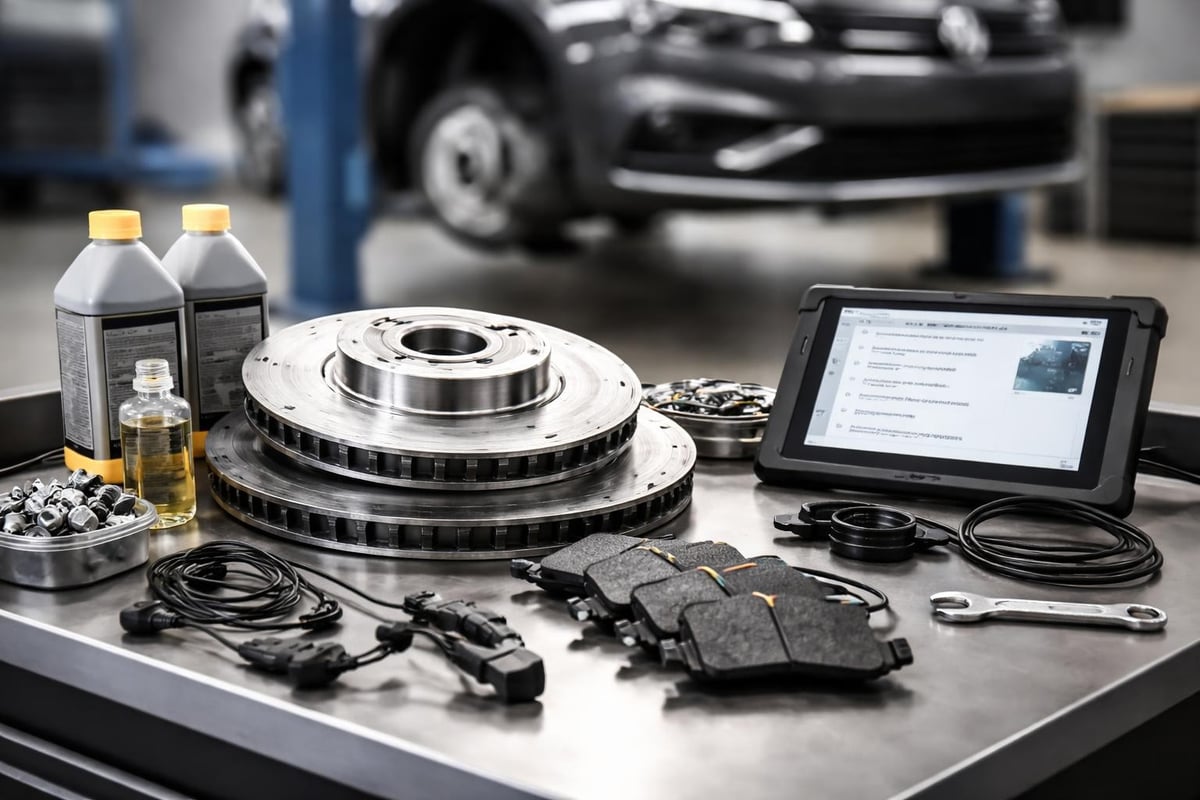
Brake pad thickness varies by model and driving habits, but most Volkswagen vehicles need pad replacement between 30,000 and 50,000 miles. European brake pad compounds differ from generic aftermarket options, affecting both stopping power and rotor longevity.
Brake Fluid and Hydraulic Components
Brake fluid degrades over time, absorbing moisture that reduces boiling point and causes internal corrosion. Volkswagen specifies DOT 4 brake fluid with regular replacement every two years regardless of mileage. This seemingly simple service prevents expensive caliper and ABS module failures.
When performing brake service, technicians must properly bleed the system using the correct sequence and procedures. Electronic parking brakes require special tools to retract calipers during pad replacement, making DIY brake jobs challenging on many VW models.
Diagnostic Capabilities and Modern Volkswagen Repair
The complexity of volkswagen service and repair has increased dramatically with each model year. What once required mechanical skills now demands sophisticated electronic diagnostic abilities and continuous training on new systems.
Factory-Level Diagnostics
Generic scan tools miss crucial information in Volkswagen systems. Professional VW service centers use factory-level diagnostic equipment that accesses all control modules, performs bi-directional tests, and retrieves manufacturer-specific fault codes.
This diagnostic capability proves essential when addressing check engine lights, transmission issues, airbag warnings, or any of dozens of other electronic systems. Proper diagnosis saves money by identifying actual problems rather than replacing parts based on guesswork.
Advanced diagnostic procedures include:
- Complete system scan across all modules
- Freeze frame data analysis
- Component activation tests
- Adaptation and coding procedures
- Software version verification and updates
- Road test data logging
Software updates represent an often-overlooked aspect of volkswagen service and repair. Manufacturers regularly release updates addressing performance issues, fuel economy, emissions compliance, and drivability concerns. Only properly equipped service centers can install these critical updates.
Suspension and Steering System Care
Volkswagen vehicles deliver precise handling through sophisticated suspension geometries and steering systems. Maintaining these components preserves the driving dynamics that make VW ownership enjoyable while ensuring safety.
Wheel Alignment and Tire Service
Proper wheel alignment affects tire wear, fuel economy, and handling precision. Volkswagen specifications for alignment angles differ from other manufacturers and vary between models. The tire replacement services at qualified facilities ensure correct specifications.
| Component | Inspection Interval | Replacement Signs |
|---|---|---|
| Shock Absorbers | 50,000 miles | Oil leaks, bouncing, harsh ride |
| Control Arms | Annual inspection | Worn bushings, clunking sounds |
| Ball Joints | Annual inspection | Steering looseness, uneven tire wear |
| Tie Rod Ends | Annual inspection | Play in steering, alignment issues |
Suspension bushings and mounts deteriorate with age and exposure to road conditions. Worn suspension components compromise handling, increase tire wear, and create safety concerns during emergency maneuvers.
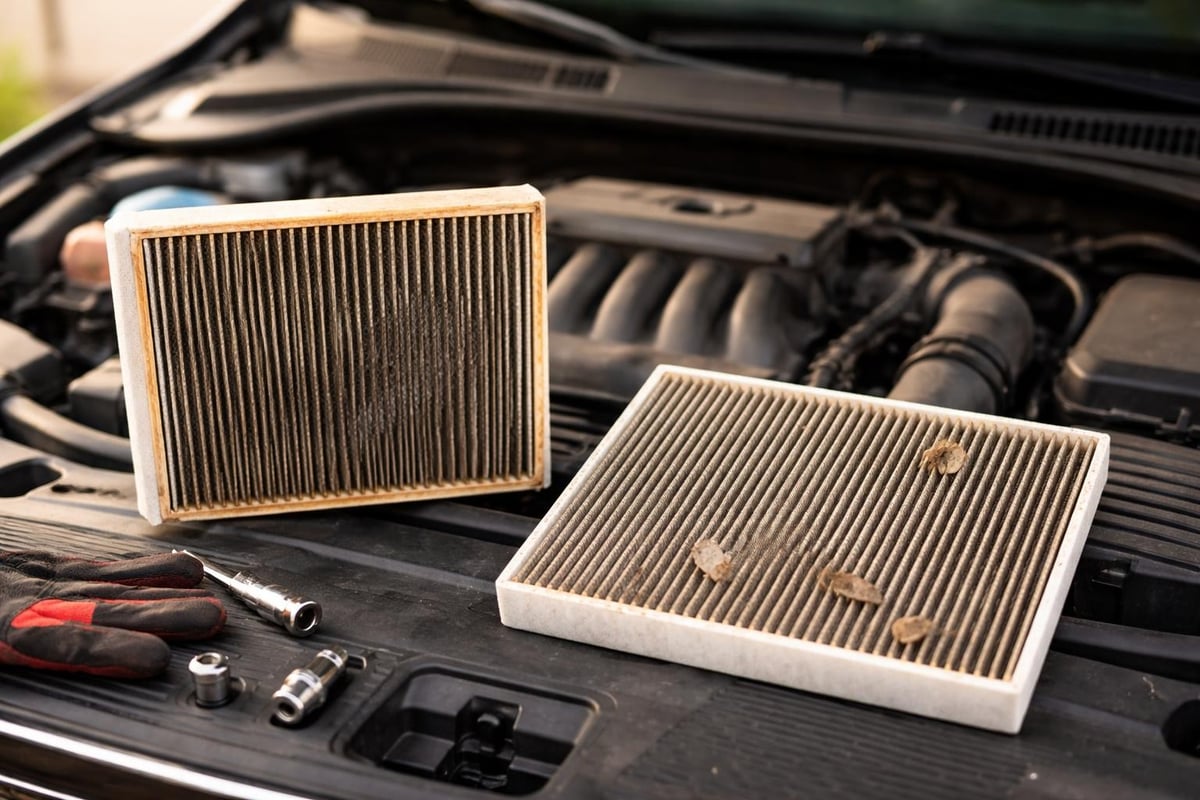
Engine Air and Cabin Filter Maintenance
Air filtration systems in your Volkswagen protect both the engine and passengers. These often-overlooked components significantly impact performance, fuel economy, and interior air quality.
Engine air filters prevent contaminants from entering the intake system while maintaining proper airflow. Restricted air filters reduce power, worsen fuel economy, and allow dirt past the filter media during acceleration. Most Volkswagen engines require air filter replacement every 20,000 to 30,000 miles depending on driving conditions.
Cabin air filters protect occupants from pollen, dust, and pollutants. A clogged cabin filter reduces HVAC system effectiveness and can create musty odors. Replacing these filters annually ensures healthy cabin air and optimal climate control performance.
Cooling System Service Requirements
Volkswagen cooling systems maintain precise engine temperatures for optimal efficiency and emissions control. These systems incorporate specialized coolant formulations, electronic thermostats, and multiple temperature sensors requiring specific service procedures.
Coolant Specifications and Service
Volkswagen specifies G12 or G13 coolant formulations designed for aluminum engines and extended service intervals. Mixing different coolant types or using generic products causes chemical reactions that create sludge, clog passages, and damage water pumps.
Critical cooling system components include:
- Water pump (often timing belt driven)
- Thermostat and housing
- Expansion tank and pressure cap
- Radiator and cooling fans
- Hoses and clamps
Coolant system service typically occurs at 60,000-mile intervals but checking coolant condition and level should happen during every oil change. Low coolant levels indicate leaks that require immediate attention to prevent engine overheating and damage.
Turbocharger Maintenance and Care
Many modern Volkswagen engines feature turbochargers that boost power while maintaining fuel efficiency. These precision components spin at over 100,000 RPM and require proper care to achieve their designed lifespan.
Turbocharger longevity depends heavily on oil quality and change intervals. Delayed oil changes allow carbon deposits and sludge to form, restricting oil flow to turbocharger bearings. This oil starvation causes bearing failure, shaft play, and eventual turbocharger destruction.
Protecting Your Investment
Proper turbocharger care extends beyond oil changes. Allowing the engine to idle for 30-60 seconds before shutdown lets the turbocharger cool gradually while oil continues circulating. Immediate shutdown after hard driving can cook oil inside the turbo, creating carbon deposits.
When volkswagen service and repair involves turbocharger work, using genuine or OEM-equivalent parts ensures proper fit, performance, and longevity. Aftermarket turbos may not meet VW specifications for boost pressure, bearing clearances, or materials.
Transmission Service Beyond Fluid Changes
Volkswagen offers several transmission types across their model range, each with specific service requirements. Understanding these differences helps maintain smooth shifting and prevents expensive transmission repairs.
Conventional automatic transmissions require fluid and filter changes at specified intervals. The correct ATF specification matters significantly as modern transmissions have tighter tolerances and specific friction requirements.
DSG transmissions need both transmission fluid and clutch pack service. The dual-clutch design uses a mechatronic unit that combines hydraulics and electronics. This sophisticated component requires calibration and adaptation procedures during service. You can schedule these critical services through convenient online booking at qualified VW specialists.
Manual transmissions, while simpler, still benefit from periodic gear oil changes. Using the correct viscosity and specification prevents synchronizer wear and maintains smooth shifting across temperature ranges.
The Importance of Multi-Point Inspections
Comprehensive vehicle inspections identify potential problems before they become expensive repairs. Professional volkswagen service and repair centers perform multi-point inspections during routine maintenance to catch developing issues early.
These inspections typically cover:
- Brake system condition and thickness measurements
- Suspension component wear and damage
- Tire condition, tread depth, and pressure
- Fluid levels and condition across all systems
- Belt and hose condition
- Battery health and charging system output
- Exhaust system integrity
- Lighting and wiper operation
- Body and glass condition
- Underbody inspection for leaks and damage
Documentation from these inspections helps plan future maintenance, budget for upcoming needs, and maintain detailed service records that enhance resale value.
Addressing Common Volkswagen Issues Proactively
Certain components in Volkswagen vehicles have known service patterns that experienced technicians monitor closely. Addressing these items proactively prevents inconvenient breakdowns and more expensive secondary damage.
Water pumps on timing belt-driven engines typically get replaced during timing belt service. Waiting for water pump failure risks coolant contamination of the timing belt, requiring replacement of components just installed.
Preventive Replacement Strategies
Window regulators, ignition coils, and PCV valves represent common wear items across many VW models. Rather than waiting for failure, replacing these components at strategic intervals prevents roadside breakdowns and diagnostic expenses.
| Common Service Item | Typical Lifespan | Preventive Strategy |
|---|---|---|
| Ignition Coils | 60,000-100,000 miles | Replace all when one fails |
| PCV Valve | 50,000 miles | Replace during major service |
| Water Pump | Timing belt interval | Always replace with belt |
| Thermostat | 60,000-80,000 miles | Replace during coolant service |
Carbon buildup on intake valves affects direct injection engines across the Volkswagen range. Periodic carbon cleaning services restore power, improve fuel economy, and maintain smooth idle quality without requiring engine disassembly.
Choosing the Right Service Provider
The quality of volkswagen service and repair directly impacts your vehicle's performance, reliability, and value. Several factors distinguish professional VW service centers from generic repair shops.
Technician training represents the foundation of quality service. Volkswagen systems evolve rapidly, requiring continuous education on new technologies, diagnostic procedures, and repair techniques. Certified technicians maintain current knowledge through manufacturer training programs and technical resources.
Equipment and Tooling Investment
Proper volkswagen service and repair requires significant investment in specialized tools and diagnostic equipment. Factory scan tools, coding equipment, and model-specific service tools ensure repairs meet manufacturer specifications.
Essential service center capabilities include:
- VW-specific diagnostic software and hardware
- Technical service bulletin access
- Wiring diagrams and repair procedures
- Genuine parts sourcing relationships
- Proper lift and alignment equipment
- Specialized tools for specific repairs
Generic repair shops often lack these resources, leading to misdiagnosis, improper repairs, and repeated failures. The service and parts information available to qualified facilities ensures accurate repairs using correct procedures.
Genuine Parts Versus Aftermarket Alternatives
Parts quality significantly affects repair longevity and vehicle performance. While aftermarket parts often cost less initially, genuine VW parts offer advantages that justify their price in many applications.
Genuine Volkswagen parts meet exact manufacturer specifications for fit, materials, and performance. These parts typically carry warranties that protect your investment and often last significantly longer than economy aftermarket alternatives.
When Aftermarket Parts Make Sense
Not all repairs demand genuine VW parts. Certain wear items like brake pads, rotors, and filters have quality aftermarket alternatives that perform well at lower costs. Experienced technicians know which applications accept aftermarket parts and which require genuine components.
Electronic components, sensors, and control modules generally perform best when using genuine or OEM-equivalent parts. Aftermarket electronics often lack proper calibration, causing fault codes, performance issues, and repeated failures.
Seasonal Maintenance Considerations
Different seasons place varying demands on your Volkswagen, requiring preparation and specific maintenance attention. Proactive seasonal service prevents weather-related breakdowns and maintains comfort throughout the year.
Winter Preparation
Battery capacity decreases in cold weather, making weak batteries fail when temperatures drop. Testing battery health before winter identifies marginal batteries before they strand you in parking lots.
Coolant concentration testing ensures proper freeze protection. Diluted coolant can freeze, causing engine block damage and expensive repairs. Proper antifreeze concentration protects to -35°F or lower.
Winter service checklist includes:
- Battery load testing and terminal cleaning
- Coolant freeze point verification
- Tire pressure adjustment for temperature
- Wiper blade replacement
- Exterior lighting function check
- Heating system performance verification
Summer Readiness
Air conditioning system performance becomes critical during summer months. Refrigerant levels, compressor operation, and cabin filter condition all affect cooling effectiveness and efficiency.
Tire pressure increases with temperature, requiring monitoring and adjustment to maintain proper handling and wear patterns. Overinflated tires reduce contact patch, affecting both safety and comfort.
Documentation and Service Records
Maintaining comprehensive service records protects your investment and proves proper maintenance when selling your Volkswagen. Detailed records demonstrate responsible ownership and often command higher resale values.
Digital service records through qualified facilities provide permanent documentation accessible for future reference. These records track every service, repair, and inspection throughout your ownership, creating valuable vehicle history.
Warranty claims often require proof of proper maintenance. Without documentation showing timely oil changes and required services, manufacturers may deny coverage for failed components. The VW Help Center provides information about warranty requirements and documentation needs.
Long-Term Ownership and Preventive Care
Volkswagen vehicles deliver exceptional longevity when maintained properly. Many VW owners enjoy 200,000 miles or more of reliable service through consistent preventive maintenance and timely repairs.
Understanding your vehicle's specific needs, following recommended service intervals, and addressing issues promptly creates the foundation for long-term reliability. Deferred maintenance inevitably costs more than preventive service while reducing vehicle lifespan and increasing breakdown risk.
Investing in quality volkswagen service and repair from knowledgeable professionals ensures your VW delivers the performance, efficiency, and driving satisfaction that attracted you to the brand initially. Whether commuting daily or enjoying weekend drives, properly maintained Volkswagen vehicles provide years of dependable transportation.
Proper volkswagen service and repair requires specialized knowledge, equipment, and genuine parts that generic shops often cannot provide. For Auckland-area Volkswagen owners seeking expert care for their vehicles, VODIS Automobile combines over 20 years of European vehicle expertise with factory-level diagnostics and skilled technicians who understand VW systems completely. Their commitment to professional service, clear communication, and customer satisfaction ensures your Volkswagen receives the specialized attention it deserves.