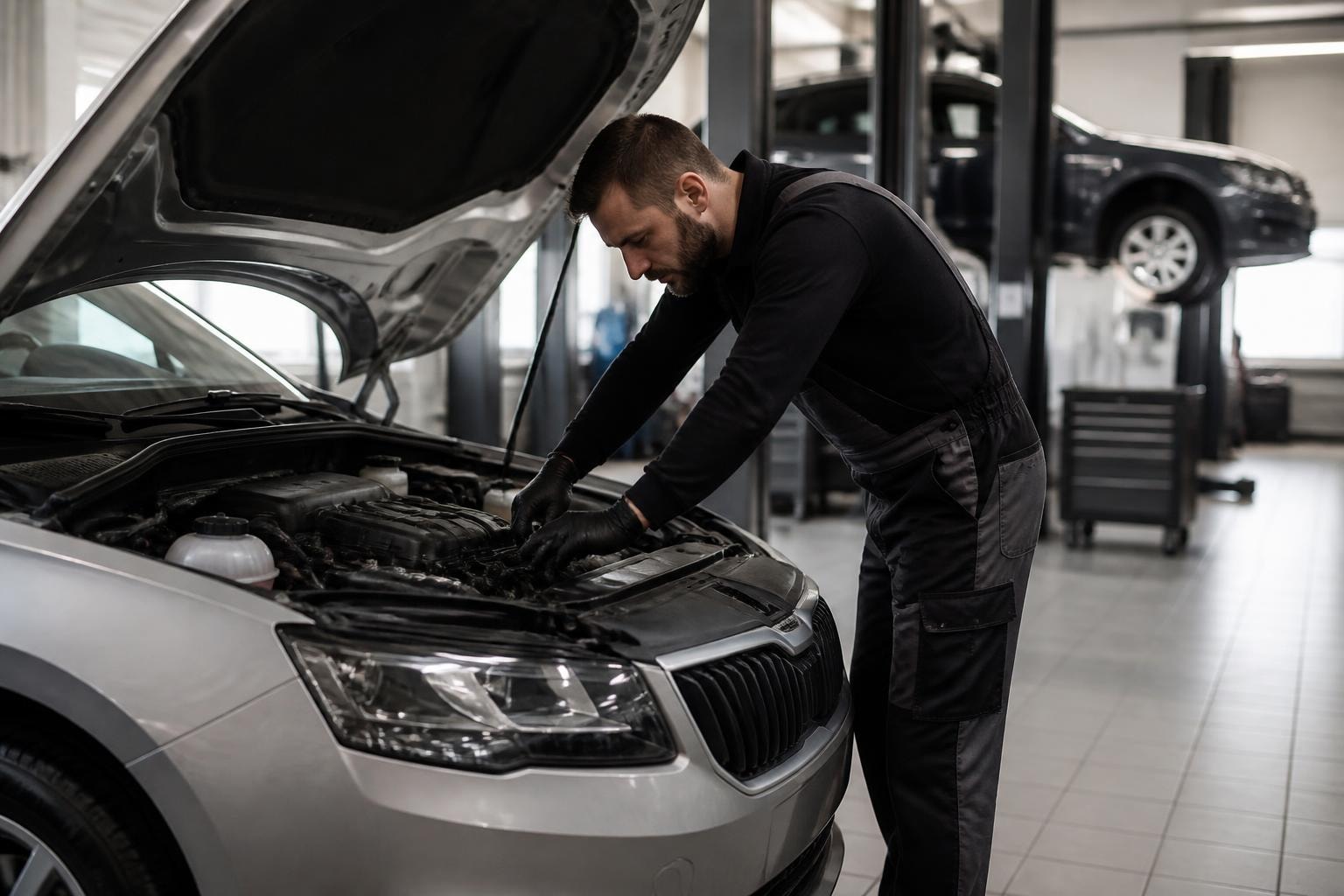

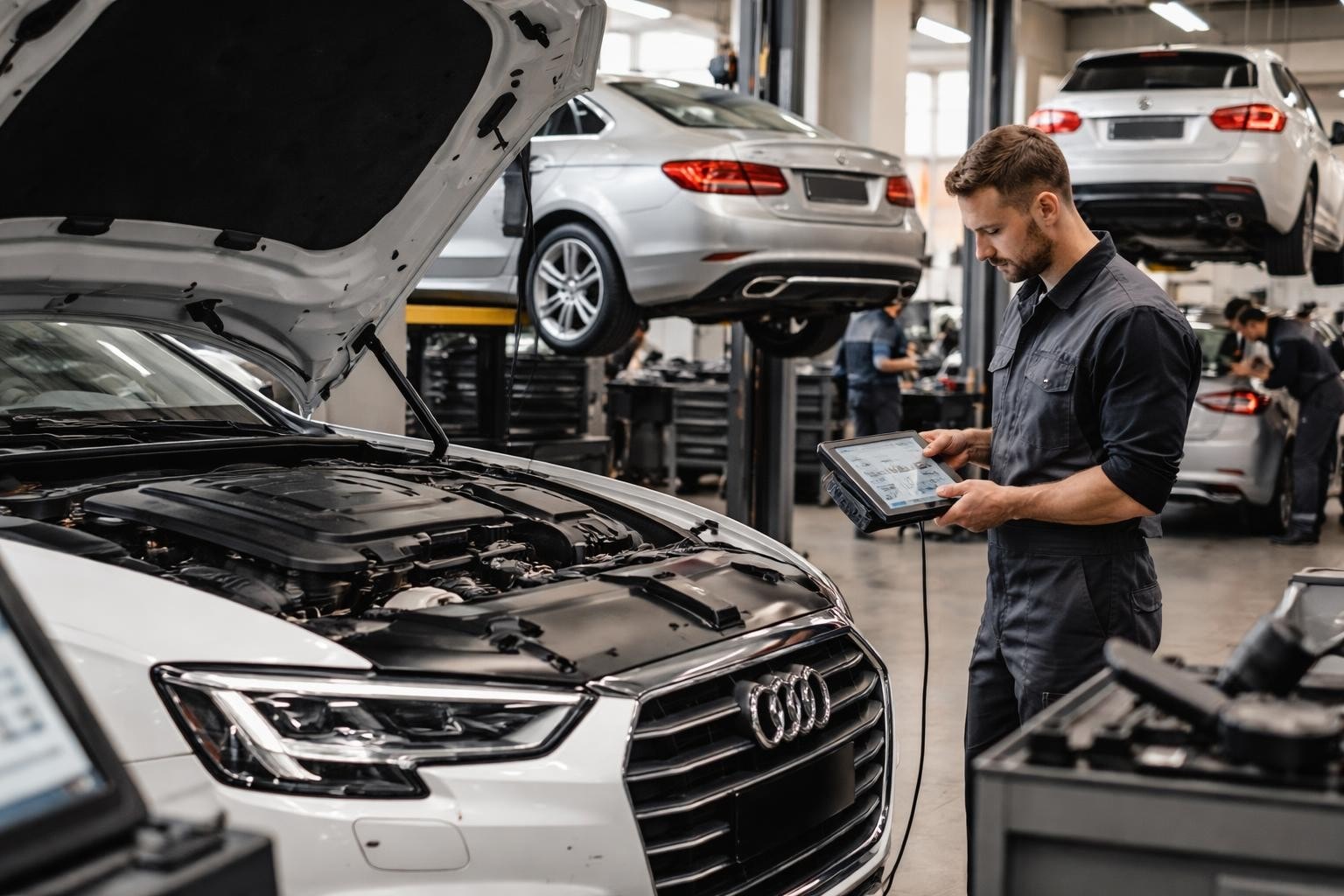
European vehicles represent a significant investment, combining sophisticated engineering with premium materials and advanced safety systems. When your Volkswagen, Audi, Mercedes, BMW, or Skoda requires body repair, choosing the right facility becomes crucial. A specialized euro cars body shop differs fundamentally from general repair centers, offering expertise specifically tailored to the unique requirements of European manufacturers. Understanding what separates a qualified European vehicle body shop from standard facilities helps ensure your vehicle receives the precise care it deserves while maintaining its value and safety integrity.
What Defines a Specialized Euro Cars Body Shop
A euro cars body shop focuses exclusively on European vehicle brands, developing deep expertise in the specific materials, construction methods, and repair procedures these manufacturers require. Unlike general body shops that service all vehicle types, specialized facilities invest in brand-specific training, tools, and equipment designed for European engineering standards.
Advanced Materials and Construction Techniques
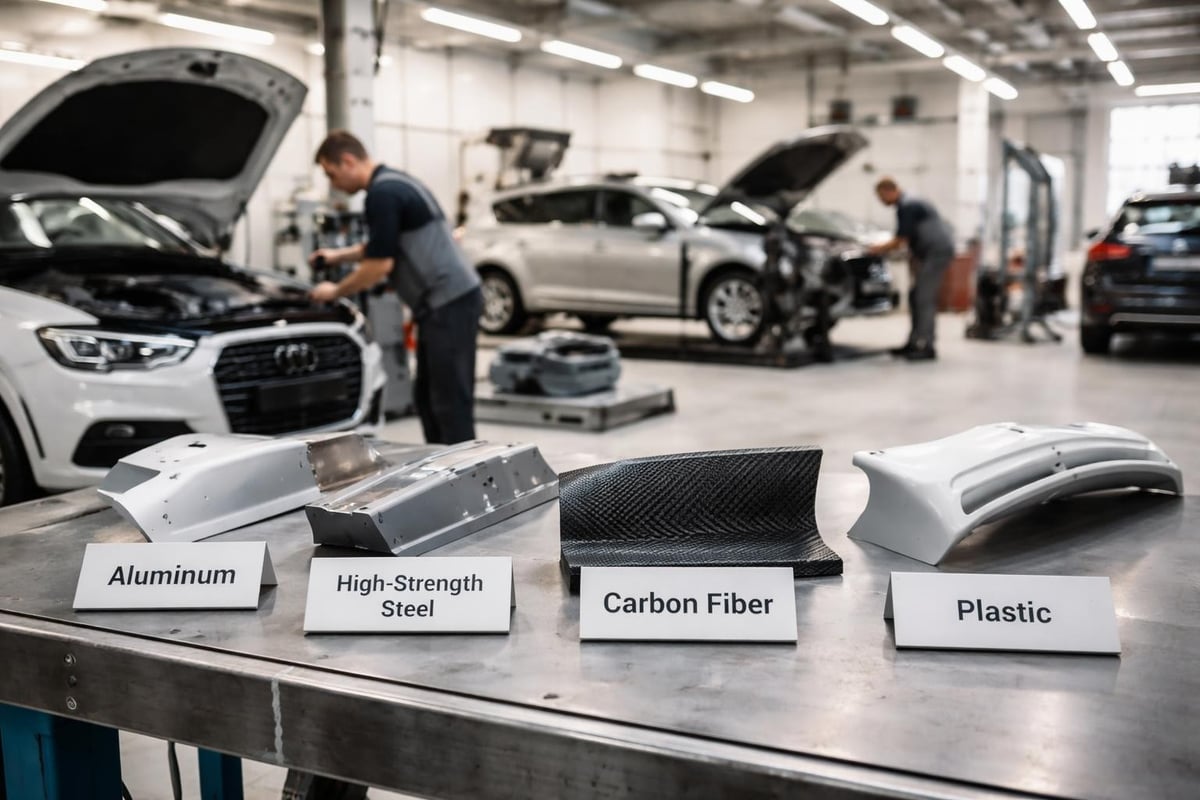
European manufacturers pioneered the use of high-strength steel, aluminum, and composite materials in vehicle construction. These materials demand specialized repair techniques that differ significantly from traditional steel bodywork.
Key material considerations include:
- Aluminum body panels requiring dedicated tools to prevent contamination
- High-strength steel needing specific welding temperatures and techniques
- Composite materials demanding adhesive bonding rather than traditional welding
- Multi-material construction requiring separation of work areas to avoid cross-contamination
Modern European vehicles incorporate mixed-material construction, where a single vehicle may combine aluminum, steel, carbon fiber, and plastic components. This complexity requires technicians trained specifically in European repair methodologies.
Manufacturer-Specific Repair Standards
Each European manufacturer maintains detailed repair procedures that body shops must follow to ensure safety and maintain structural integrity. These standards, developed through extensive crash testing and engineering analysis, specify everything from welding techniques to adhesive curing times.
The harmonized training programs for European car body repair ensure technicians understand these manufacturer requirements across different brands. BMW, for instance, requires specific sectioning points for frame rails, while Audi mandates particular resistance welding parameters for aluminum panels.
Essential Equipment and Technology Requirements
A properly equipped euro cars body shop requires significant investment in specialized tools and diagnostic equipment. This technology ensures repairs meet manufacturer specifications and restore vehicles to pre-accident condition.
| Equipment Category | Purpose | European-Specific Application |
|---|---|---|
| Frame Alignment Systems | Precise chassis measurement | Accommodates European vehicle dimensions and mounting points |
| Diagnostic Scanners | Pre/post-repair scanning | Reads European manufacturer codes and recalibrates safety systems |
| Welding Equipment | Structural repairs | Multiple welding types (MIG, TIG, resistance) for various materials |
| Paint Mixing Systems | Color matching | European paint formulations and multi-stage finishes |
Computerized Measuring and Alignment
European vehicles are engineered to extremely tight tolerances. Frame alignment systems must measure to within millimeters to ensure proper handling, safety system function, and tire wear patterns. A qualified euro cars body shop utilizes computerized measuring systems with manufacturer-specific databases containing exact specifications for each model.
These systems verify that the vehicle structure returns to factory specifications before final assembly. Even minor misalignment can affect advanced driver assistance systems (ADAS), suspension geometry, and crash protection.
Advanced Diagnostic Capabilities
Modern European vehicles contain dozens of electronic control modules that monitor everything from airbag deployment to parking sensors. Professional body shops must scan these systems before and after repairs to identify damage and verify proper function.
Critical diagnostic procedures include:
- Pre-repair scanning to document all fault codes and system status
- Module replacement when impact damage affects electronic components
- Calibration of safety systems including cameras, radar, and sensors
- Post-repair verification to ensure all systems function correctly
Without proper diagnostic equipment, hidden electronic damage may remain undetected, compromising vehicle safety and creating future reliability issues.
Technician Training and Certification Standards
The quality of repairs at a euro cars body shop depends fundamentally on technician expertise. European vehicle repair requires ongoing education as manufacturers continuously introduce new materials, construction methods, and safety technologies.
Manufacturer-Specific Training Programs
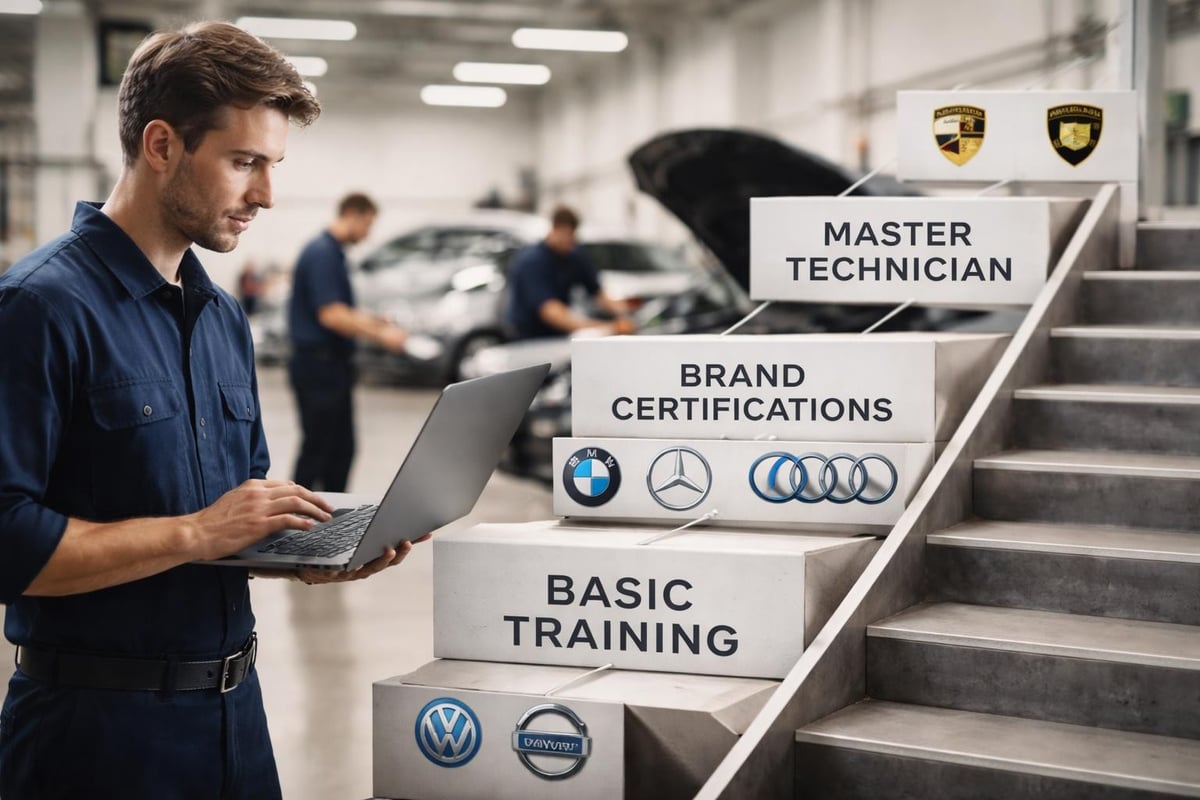
Leading European brands offer comprehensive training programs for body shop technicians. These programs cover brand-specific repair procedures, material handling, and quality control processes. Technicians earn certifications demonstrating proficiency in particular repair procedures or vehicle systems.
Mercedes-Benz, for example, maintains a tiered certification system where technicians progress through bronze, silver, and gold levels based on training completion and demonstrated expertise. BMW offers similar programs focused on aluminum repair, carbon fiber work, and electronic system integration.
The Block Exemption Regulation ensures vehicle owners can choose independent specialists who have invested in proper training without voiding manufacturer warranties, provided these facilities follow prescribed repair methods.
Continuous Education Requirements
European automotive technology evolves rapidly, with new safety systems, materials, and repair procedures introduced regularly. Professional technicians at a dedicated euro cars body shop participate in ongoing education to maintain current knowledge.
Annual training updates cover new model introductions, revised repair procedures, and emerging technologies. This commitment to education separates specialized facilities from general body shops that may attempt European repairs without proper expertise.
Quality Control and Repair Verification
Comprehensive quality control processes distinguish professional European vehicle body shops from basic repair facilities. These procedures ensure repairs meet manufacturer standards and restore vehicles to safe, reliable condition.
Multi-Point Inspection Protocols
Quality-focused facilities implement detailed inspection procedures at multiple stages throughout the repair process. These checkpoints verify work quality before proceeding to subsequent steps.
| Inspection Stage | Key Verification Points | Documentation |
|---|---|---|
| Initial Assessment | Damage extent, hidden damage, parts needed | Detailed estimate with photos |
| Structural Repair | Frame measurements, weld quality, material specifications | Alignment reports, weld documentation |
| Pre-Paint Preparation | Surface preparation, primer application, fit and finish | Quality checklist, supervisor approval |
| Final Inspection | Paint match, gap consistency, system function, road test | Complete verification report |
Post-Repair Testing and Calibration
After completing bodywork and paint, a euro cars body shop must verify all vehicle systems function correctly. This includes road testing to confirm handling characteristics, noise levels, and overall performance match pre-accident condition.
ADAS calibration represents a critical final step for modern European vehicles. Camera-based systems require precise aiming, while radar sensors need specific calibration procedures. Failure to properly calibrate these systems compromises safety features like automatic emergency braking, lane departure warning, and adaptive cruise control.
Paint Quality and Finishing Standards
European luxury vehicles feature sophisticated paint systems with multiple layers creating depth and color complexity. Matching these finishes requires advanced equipment, quality materials, and skilled application techniques.
Color Matching Technology
Premium European manufacturers use complex paint formulations that shift color based on viewing angle and lighting conditions. A professional euro cars body shop utilizes spectrophotometer technology to analyze the exact color and formulate matching paint.
Paint matching considerations include:
- Factory color variations between production batches
- Paint fading from sun exposure and age
- Multi-stage paint systems with distinct base, mid, and clear coats
- Metallic and pearl additives requiring specific application techniques
Technicians must understand how European paint systems behave during application, including flow characteristics, drying times, and environmental requirements for optimal results.
Environmental Controls
Quality paint application demands controlled temperature and humidity within the spray booth. European paint systems are formulated for specific application conditions, and deviations affect flow, adhesion, and final appearance. Professional facilities maintain climate-controlled spray booths meeting manufacturer specifications.
The best environmental management practices outlined for automotive facilities emphasize proper ventilation, waste handling, and chemical management, which protect both technicians and environmental quality.
Parts Selection and Quality Assurance
Component selection significantly impacts repair quality, safety, and long-term vehicle value. A reputable euro cars body shop sources parts that meet or exceed manufacturer specifications.
OEM Versus Aftermarket Components
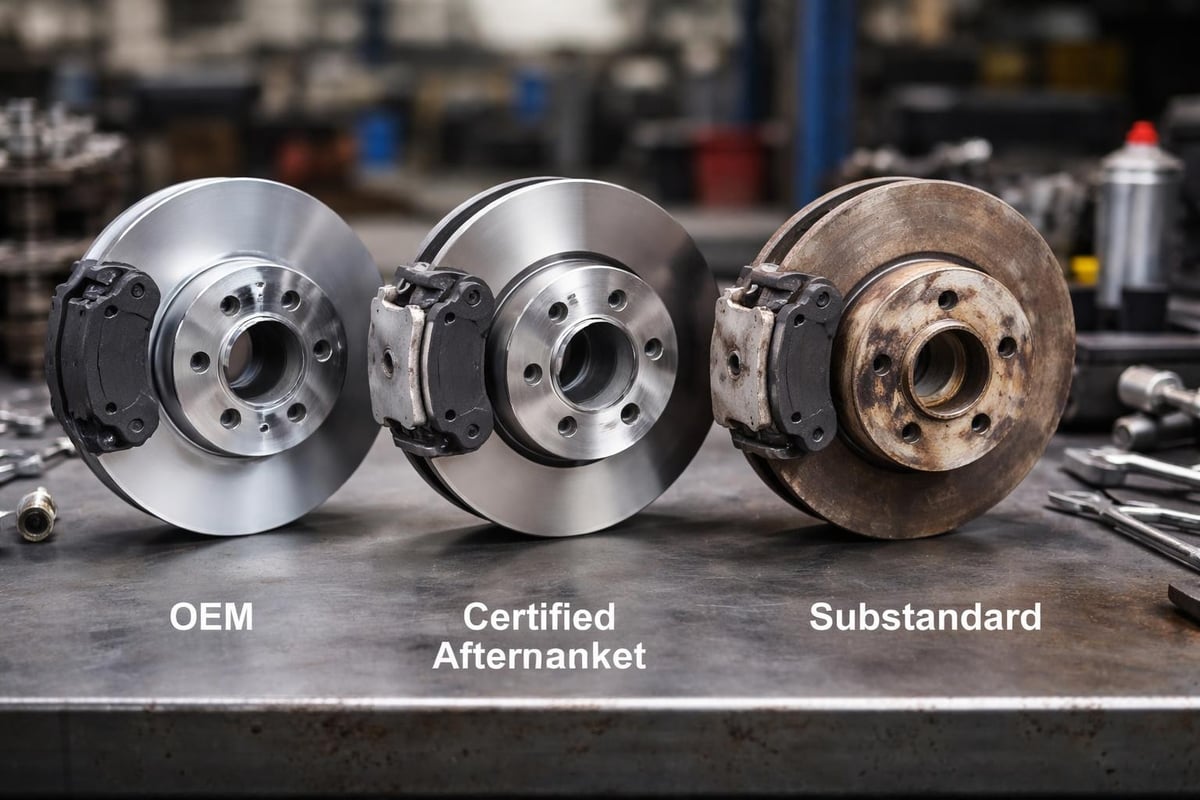
Original Equipment Manufacturer (OEM) parts guarantee fitment, quality, and compatibility with vehicle systems. These components undergo the same engineering and testing as original production parts. Aftermarket alternatives vary widely in quality, with some matching OEM standards while others fall short.
Critical considerations for parts selection:
- Structural components should always meet manufacturer specifications for safety
- Safety-related parts including sensors and mounting brackets require proper certification
- Cosmetic components may offer acceptable aftermarket options depending on quality standards
- Electronic modules should typically be OEM to ensure proper system integration
The Repair Clause in EU design law affects the availability of aftermarket body panels, potentially improving part accessibility while maintaining quality standards through competition.
Warranty and Longevity Considerations
Quality parts backed by comprehensive warranties protect your investment. Professional facilities stand behind their work with guarantees covering both labor and materials. This commitment reflects confidence in repair quality and parts sourcing decisions.
When you schedule service with a trusted provider, you ensure access to quality parts and expert installation that maintains your European vehicle's value and performance.
Insurance Relationships and Claims Process
Navigating insurance claims while ensuring quality repairs requires understanding how euro cars body shop facilities interact with insurance providers. Your choice of repair facility affects both the claims process and final repair quality.
Your Rights as a Vehicle Owner
Insurance companies may suggest preferred repair facilities, but you maintain the right to choose where your vehicle receives service. This choice becomes particularly important for European vehicles requiring specialized expertise and equipment.
Professional shops work directly with insurance adjusters to document damage, justify repair procedures, and negotiate fair compensation. Their experience with European vehicle complexity helps ensure complete damage assessment and appropriate repair authorization.
Supplement and Additional Damage Authorization
Initial damage estimates often reveal only visible damage. As technicians disassemble the vehicle, they frequently discover hidden structural damage, damaged sensors, or compromised safety components. A competent euro cars body shop documents these findings and secures additional authorization before proceeding.
This thoroughness protects you from incomplete repairs that could compromise safety or create future problems. Experienced facilities understand insurance processes and effectively communicate the necessity of complete, proper repairs.
Safety Standards and Workplace Compliance
Professional body shops maintain rigorous safety standards protecting both technicians and customer vehicles. These standards extend beyond basic workplace safety to include vehicle-specific considerations.
Workplace Safety Requirements
Modern body shops handle hazardous materials including paints, solvents, adhesives, and welding gases. The minimum requirements for safety signs help maintain proper hazard communication, while comprehensive safety programs ensure proper handling and disposal.
Essential safety elements include:
- Proper ventilation systems for paint and welding areas
- Personal protective equipment for all technicians
- Chemical storage and handling procedures
- Fire suppression systems appropriate for automotive work
- Regular safety training and hazard communication
Vehicle Safety Verification
Beyond workplace safety, euro cars body shop facilities must verify that repaired vehicles meet all safety standards. This includes structural integrity testing, safety system verification, and comprehensive road testing before returning vehicles to owners.
The General Product Safety Regulation ensures that replacement parts and repair materials meet safety standards, protecting consumers from substandard components that could compromise vehicle safety.
Selecting the Right European Vehicle Body Shop
Choosing where to entrust your European vehicle for body repairs requires careful evaluation of multiple factors. The right facility combines technical expertise, quality equipment, and customer service excellence.
Key Evaluation Criteria
When researching potential repair facilities, consider these essential factors:
| Evaluation Factor | What to Look For | Red Flags to Avoid |
|---|---|---|
| Specialization | Focus on European brands, manufacturer certifications | "We repair all makes and models" generalists |
| Equipment | Brand-specific tools, computerized measuring, diagnostic scanners | Outdated or universal-only equipment |
| Technician Credentials | Manufacturer certifications, ongoing training | Uncertified staff, no training documentation |
| Warranty Coverage | Comprehensive guarantees on parts and labor | Limited or no warranty offered |
| Customer Reviews | Specific feedback on European vehicle repairs | Generic reviews or no online presence |
Communication and Transparency
Professional facilities maintain clear communication throughout the repair process. They explain damage findings, repair procedures, and timeline expectations in understandable terms. This transparency builds confidence and ensures you understand what your vehicle requires.
Request detailed written estimates that specify repair procedures, parts to be used, and expected completion timeframes. Quality-focused shops welcome questions and provide thorough answers demonstrating their expertise.
The Value of European Vehicle Specialization
While general body shops may advertise European vehicle capability, true specialization requires substantial investment in training, equipment, and ongoing education. This dedication directly impacts repair quality, safety, and long-term vehicle performance.
Long-Term Cost Considerations
Choosing a qualified euro cars body shop may involve higher initial estimates compared to general facilities, but this investment protects your vehicle's value and ensures proper repairs. Cutting corners with inadequate repairs often leads to future problems costing far more than the initial savings.
Proper repairs provide:
- Maintained vehicle safety through correct structural restoration
- Preserved resale value with documented quality repairs
- Continued warranty coverage through manufacturer-approved procedures
- Reliable performance matching pre-accident condition
- Peace of mind knowing your vehicle was properly restored
Building a Long-Term Service Relationship
Finding a trustworthy euro cars body shop creates a valuable resource for your European vehicle's lifetime. The same expertise in body repair often extends to mechanical service, maintenance, and diagnostic work. Establishing this relationship ensures consistent, quality care for your investment.
Facilities with decades of experience understand European vehicles thoroughly, from common issues to complex repairs. This knowledge base proves invaluable whether you need collision repair, routine maintenance, or diagnostic troubleshooting.
Advanced Repair Techniques for Modern European Vehicles
Contemporary European vehicles incorporate increasingly sophisticated technologies requiring specialized repair approaches. A competent euro cars body shop stays current with these evolving requirements.
Blind Spot Monitoring and Radar System Integration
Many European vehicles feature radar sensors integrated into bumper covers and body panels. Replacing these components requires not only proper installation but precise calibration using manufacturer-specific equipment and procedures.
Misaligned radar sensors can cause false warnings, system malfunctions, or complete feature failure. Professional technicians understand calibration requirements and verify proper system operation before completing repairs.
Structural Adhesive Applications
Modern European manufacturers increasingly use structural adhesives alongside or instead of traditional welding. These adhesives provide specific strength characteristics while reducing weight and manufacturing complexity.
Repairing adhesive-bonded structures requires proper surface preparation, correct adhesive selection, and precise curing procedures. The Certified Steel Standard repair procedures outline proper bonding techniques ensuring structural integrity.
Carbon Fiber and Exotic Material Repairs
High-performance European vehicles may incorporate carbon fiber roof panels, fenders, or structural components. These materials demand specialized repair or replacement procedures completely different from metal bodywork.
Carbon fiber cannot be straightened or reformed like metal. Damaged sections typically require replacement with proper adhesive bonding or mechanical fastening. Technicians must understand fiber orientation, resin systems, and load paths to ensure safe, effective repairs.
Selecting the right repair facility for your European vehicle ensures quality workmanship, proper materials, and adherence to manufacturer standards that protect your investment. With specialized knowledge in Volkswagen, Audi, Mercedes, BMW, and Skoda vehicles, VODIS Automobile brings over 20 years of trusted expertise to North Shore vehicle owners. Whether you need body repair, routine maintenance, or specialized service, our highly skilled team delivers the professional care your European vehicle deserves.