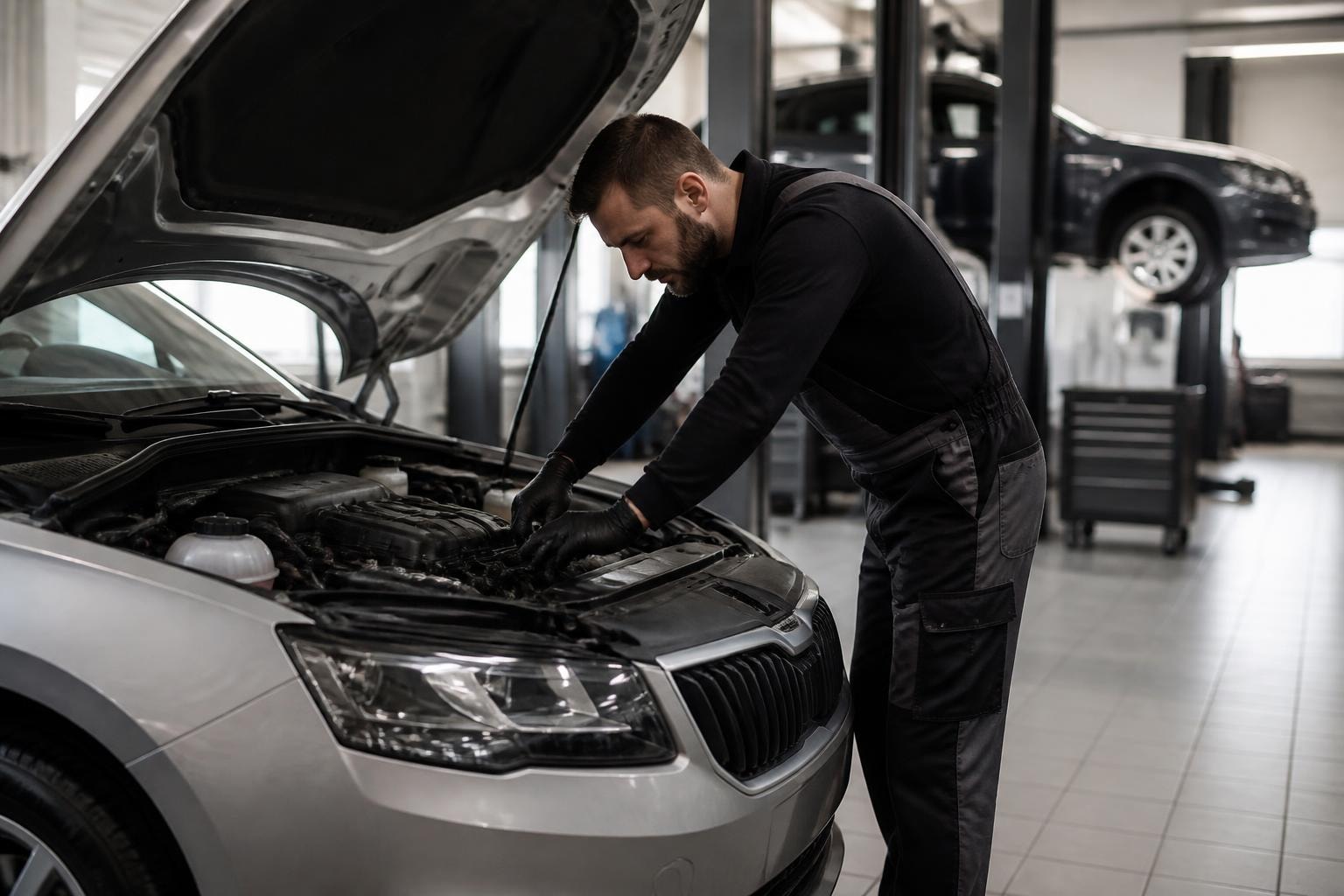

European vehicles represent engineering excellence, but maintaining them requires specialized knowledge and expertise. Understanding the nuances of vehicle auto repair for brands like Volkswagen, Audi, Mercedes, BMW, and Skoda ensures your investment continues to deliver the performance and reliability these manufacturers built into every model. Unlike generic repair services, European car maintenance demands technicians who understand the sophisticated electronics, precision engineering, and specific component requirements that distinguish these vehicles from their Japanese or American counterparts.
Understanding European Vehicle Auto Repair Requirements
European manufacturers design vehicles with distinct philosophies that influence every aspect of maintenance and repair. German engineering emphasizes precision, performance, and longevity, but these advantages come with specific service requirements that differ significantly from mass-market vehicles.
Specialized Diagnostic Equipment Needs
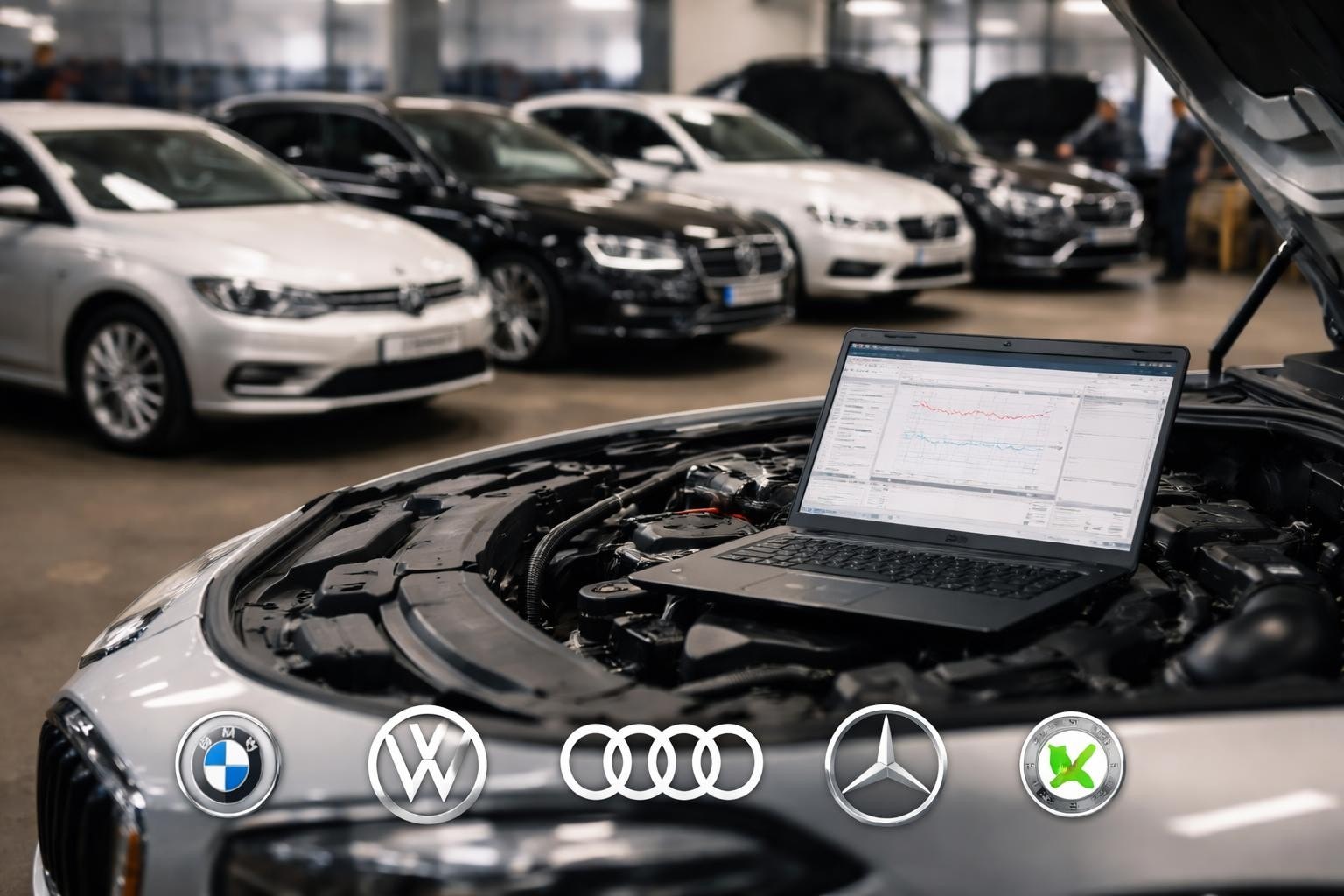
Modern European vehicles communicate through proprietary systems that require manufacturer-specific diagnostic tools. A generic OBD-II scanner reveals basic trouble codes, but accessing the deeper diagnostic functions of a BMW or Mercedes requires dedicated equipment.
Essential diagnostic capabilities include:
- Access to manufacturer-specific fault codes and live data streams
- Ability to perform component activations and adaptations
- Software for coding new parts and programming control modules
- Real-time monitoring of multiple vehicle systems simultaneously
Vehicle auto repair shops specializing in European brands invest substantially in maintaining current diagnostic software subscriptions and equipment updates. This investment ensures technicians can accurately diagnose complex issues rather than replacing parts through trial and error.

Maintenance Intervals and Service Schedules
European manufacturers typically specify longer service intervals than Asian or American brands, but adhering to these schedules becomes crucial for longevity. Many European vehicles feature condition-based servicing that monitors actual usage patterns rather than relying solely on mileage or time.
| Service Type | Typical Interval | Critical Components |
|---|---|---|
| Oil Change | 10,000-15,000 km | Synthetic oil specific to manufacturer specs |
| Brake Fluid | 2 years | DOT 4 or DOT 5.1 meeting VW/Audi/BMW standards |
| Spark Plugs | 60,000-100,000 km | OEM or equivalent high-performance plugs |
| Transmission Service | 60,000-80,000 km | Manufacturer-specific fluid formulations |
Following the recommended service intervals documented in your vehicle's history helps maintain warranty coverage and resale value. These schedules account for the engineering tolerances and material specifications unique to European designs.
Common European Car Repair Challenges
Understanding the typical issues that affect European vehicles helps owners recognize warning signs early and avoid expensive emergency repairs. While these vehicles deliver exceptional performance and comfort, certain components require particular attention as mileage accumulates.
Electronic System Complexities
Modern European vehicles contain dozens of electronic control units managing everything from engine performance to ambient lighting. These interconnected systems occasionally develop communication errors or software glitches that require specialized knowledge to resolve.
Common electronic issues include:
- Sensor malfunctions triggering false warning lights
- Module communication errors creating intermittent problems
- Software updates needed to address known manufacturer issues
- Battery management system complications in vehicles with start-stop technology
Proper vehicle auto repair for electronic issues requires technicians who understand the vehicle's network architecture and can distinguish between actual component failures and software-related problems.
Suspension and Steering System Maintenance
European vehicles often feature sophisticated suspension designs that deliver superior handling but require more frequent attention than simpler systems. Air suspension systems in particular demand specialized service procedures.
Key suspension maintenance considerations:
- Regular inspection of control arm bushings and ball joints
- Monitoring air suspension compressors and height sensors
- Checking for hydraulic leaks in adaptive damping systems
- Ensuring proper wheel alignment to prevent uneven tire wear
Neglecting suspension maintenance affects not only ride comfort but also tire longevity and overall vehicle safety.
Choosing the Right Vehicle Auto Repair Specialist
Selecting a qualified service provider represents one of the most important decisions European car owners make. The right specialist combines technical expertise with transparent communication and fair pricing.
Certification and Training Requirements
Professional vehicle auto repair technicians pursuing European car specialization invest years in training and certification. Unlike general mechanics, these specialists regularly attend manufacturer training updates and maintain certifications across multiple systems.
Look for facilities where technicians hold:
- Manufacturer-specific certifications (Volkswagen, Audi, BMW, Mercedes)
- ASE (Automotive Service Excellence) credentials in relevant areas
- Ongoing training documentation showing current knowledge
- Experience with the specific model year and variant you own
The training and certification standards established by industry organizations ensure technicians understand proper repair procedures and safety protocols.
Evaluating Service Quality Indicators
Beyond certifications, several observable factors indicate a quality vehicle auto repair facility dedicated to European vehicles.
| Quality Indicator | What to Look For | Why It Matters |
|---|---|---|
| Equipment Investment | Manufacturer diagnostic tools, specialized lifts | Enables accurate diagnosis and proper repairs |
| Parts Sourcing | OEM or OE-equivalent parts availability | Ensures compatibility and longevity |
| Communication | Detailed explanations, photo documentation | Builds trust and understanding |
| Warranty Coverage | Written guarantees on labor and parts | Demonstrates confidence in work quality |
A facility specializing in European brands understands the importance of maintaining your vehicle according to manufacturer specifications while offering more competitive pricing than dealership service departments.
Understanding Repair Estimates and Documentation
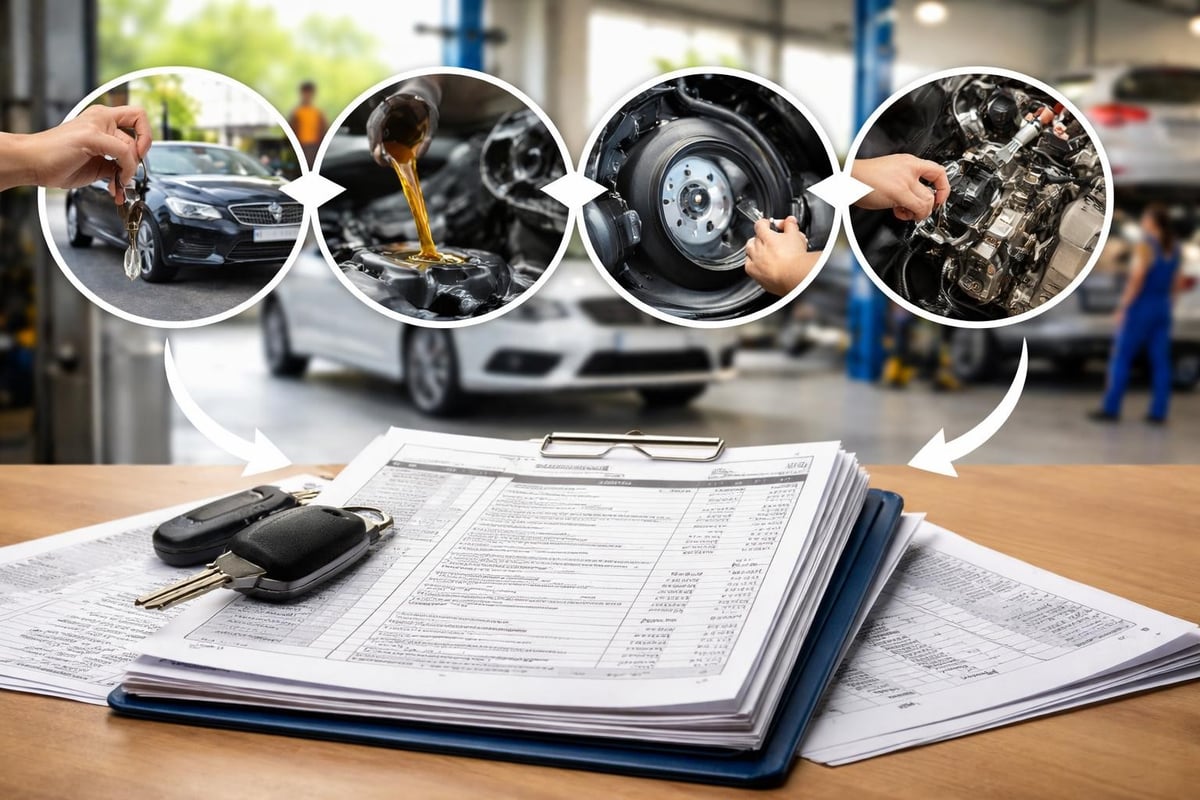
Transparent pricing and detailed documentation distinguish professional vehicle auto repair specialists from less reputable operations. Before authorizing any work, you should receive a comprehensive estimate explaining necessary repairs, recommended maintenance, and optional services.
Essential estimate components include:
- Itemized parts list with part numbers and sources
- Labor breakdown showing hours and rates for each job
- Priority ranking distinguishing urgent repairs from preventive maintenance
- Total cost projection with applicable warranties
Reputable facilities encourage questions and provide educational information helping owners understand their vehicle's needs. This approach builds long-term relationships rather than maximizing single-visit revenue.
Preventive Maintenance Strategies for European Vehicles
Proactive vehicle auto repair and maintenance significantly reduces the likelihood of unexpected breakdowns and expensive emergency repairs. European vehicles particularly benefit from consistent preventive care due to their sophisticated engineering.
Fluid Service Intervals
European vehicles rely on precise fluid specifications that differ substantially from generic alternatives. Using incorrect fluids or extending service intervals beyond manufacturer recommendations accelerates wear and can cause expensive component failures.
Critical fluid services include:
- Engine oil changes using manufacturer-approved synthetic formulations
- Transmission fluid replacement with brand-specific ATF or dual-clutch fluid
- Differential service for all-wheel-drive models
- Coolant system flushing maintaining proper pH and corrosion protection
- Brake fluid replacement preventing moisture contamination
The Environmental Protection Agency’s vehicle certification standards increasingly influence fluid specifications as manufacturers optimize for emissions compliance and efficiency.
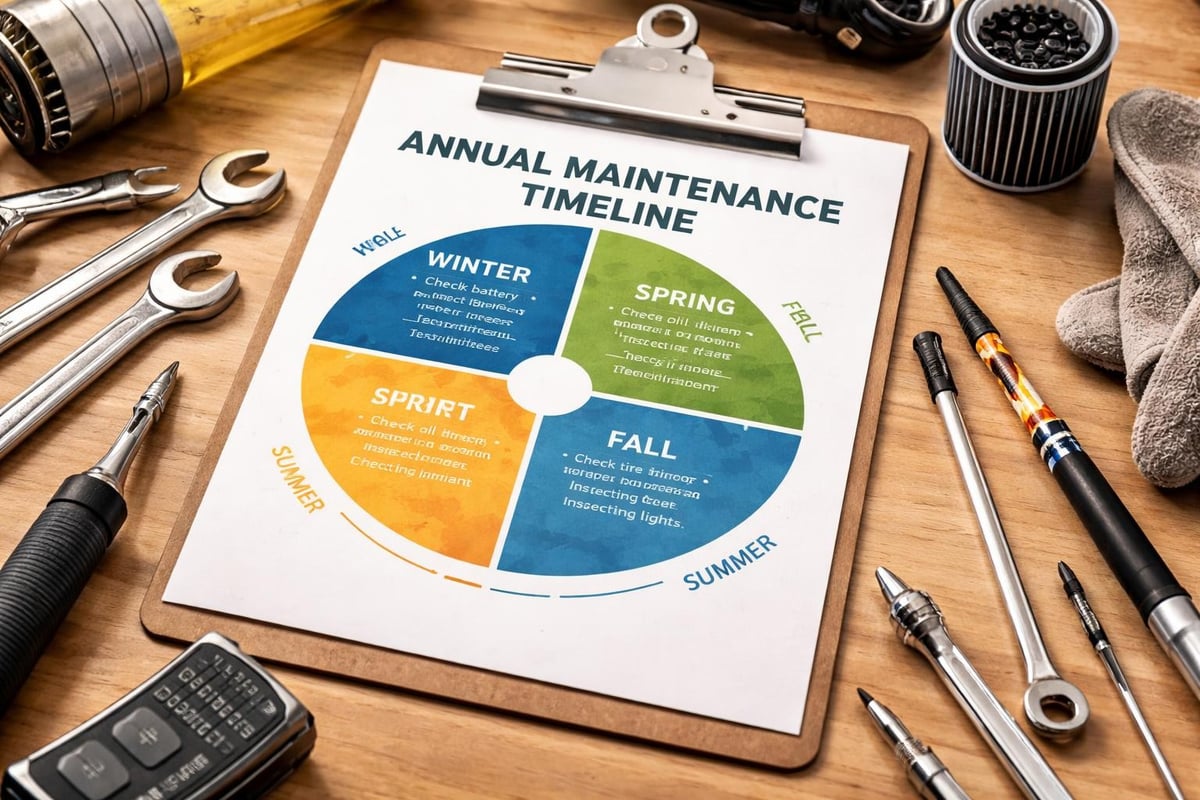
Pre-Winter and Pre-Summer Inspections
Seasonal inspections help identify potential issues before extreme weather conditions create failures. European vehicles contain numerous temperature-sensitive components that benefit from proactive monitoring.
Winter preparation checklist:
- Battery load testing and terminal cleaning
- Coolant concentration verification for freeze protection
- Tire tread depth and pressure monitoring
- Wiper blade and washer fluid system inspection
- Brake system evaluation for moisture contamination
Summer readiness assessment:
- Air conditioning system performance testing
- Cooling system pressure testing and hose inspection
- Tire condition evaluation for summer driving
- Cabin air filter replacement for optimal AC efficiency
These seasonal inspections typically require 30-45 minutes and can prevent roadside emergencies during temperature extremes.
Advanced Repair Considerations for Aging European Vehicles
As European vehicles accumulate mileage beyond 100,000 kilometers, certain systems require more intensive attention. Understanding these age-related maintenance needs helps owners budget appropriately and maintain vehicle reliability.
Timing System Components
Many European engines feature timing chains rather than belts, but these chains still require eventual service. Neglecting timing system maintenance can result in catastrophic engine damage costing thousands in repairs.
Timing system service indicators:
- Rattling noise during cold starts suggesting chain stretch
- Check engine lights related to camshaft or crankshaft position sensors
- Rough idle or performance issues indicating timing variation
- Oil consumption increases suggesting guide or tensioner wear
Professional vehicle auto repair facilities monitor timing system condition during regular services and recommend proactive replacement before failure occurs.
Turbocharger and Supercharger Maintenance
Most modern European vehicles employ forced induction for efficiency and performance. These systems demand particular attention to oil quality and cooling system health.
Protecting turbocharger longevity requires:
- Strict adherence to oil change intervals using approved synthetic oils
- Allowing proper cool-down periods before engine shutdown
- Monitoring for oil leaks around turbo seals and feed lines
- Addressing intake system carbon buildup affecting boost control
Vehicle auto repair specialists familiar with European forced induction systems recognize early warning signs and can perform preventive maintenance before expensive turbo replacement becomes necessary.
Cost Management and Value Preservation
Maintaining a European vehicle represents a financial commitment, but strategic approaches to vehicle auto repair and maintenance optimize value while controlling expenses.
Building a Service Relationship
Establishing a relationship with a dedicated European car specialist provides multiple financial advantages over sporadic dealership visits or rotating between generic shops.
Long-term relationship benefits:
- Comprehensive service history knowledge preventing duplicate diagnostics
- Proactive identification of emerging issues before they become expensive
- Flexible scheduling accommodating your timeline preferences
- Loyalty considerations for regular customers
The AAA approved auto repair directory helps identify reputable facilities, though European car owners benefit most from specialists dedicated to their specific brands.
Parts Selection Strategies
European vehicle auto repair costs vary significantly based on parts selection. Understanding the differences between OEM, OE, and aftermarket components helps make informed decisions balancing quality and budget.
| Parts Category | Quality Level | Typical Cost | Best Applications |
|---|---|---|---|
| OEM (Dealer) | Manufacturer original | Highest | Warranty repairs, critical systems |
| OE (Original Equipment) | Same manufacturer, different packaging | Moderate-High | Most repairs and maintenance |
| Quality Aftermarket | Reputable third-party brands | Moderate | Non-critical components, older vehicles |
| Economy Aftermarket | Budget alternatives | Lowest | Generally not recommended for European cars |
Specialists help navigate these choices, recommending appropriate quality levels for specific repairs while respecting budget constraints.
Warranty and Insurance Considerations
Understanding how repairs affect warranty coverage and insurance claims helps protect your investment. Extended warranties often require documented service history at approved facilities.
Documentation requirements:
- Detailed invoices showing parts and labor for each service
- Confirmation of manufacturer-specified fluids and components
- Mileage records demonstrating interval compliance
- Receipts for recommended preventive maintenance
Maintaining thorough documentation through a consistent vehicle auto repair provider simplifies warranty claims and enhances resale value by demonstrating proper care.
Technology Integration in Modern Vehicle Auto Repair
Contemporary European vehicles incorporate technology requiring repair facilities to continuously update capabilities and training. These advancements improve diagnostic accuracy but increase the knowledge gap between specialist and generic shops.
Digital Service Records and Remote Diagnostics
Many newer European vehicles transmit diagnostic data directly to manufacturers, creating detailed service histories and enabling remote problem identification. Forward-thinking repair facilities integrate these technologies into their service processes.
Modern diagnostic capabilities include:
- Remote fault code reading and preliminary diagnosis
- Software update notifications and installation
- Predictive maintenance alerts based on actual component condition
- Digital service record integration with manufacturer systems
Scheduling service through modern platforms like online booking systems streamlines the process and ensures efficient appointment coordination.
Electric and Hybrid System Servicing
European manufacturers increasingly offer hybrid and electric variants requiring additional specialized knowledge. Vehicle auto repair for these powertrain types demands different safety protocols and diagnostic approaches.
Specialized electric vehicle service requirements:
- High-voltage safety certification and proper isolation procedures
- Battery health testing and capacity analysis
- Charging system diagnosis and repair capabilities
- Integration between electric and conventional drivetrain components
Facilities preparing for the electric future invest in training and equipment enabling service across all European powertrain types.
Professional vehicle auto repair keeps European vehicles performing as their engineers intended while preserving long-term value and reliability. Whether you drive a Volkswagen, Audi, Mercedes, BMW, or Skoda, partnering with specialists who understand your vehicle's unique requirements ensures optimal performance and longevity. For over 20 years, VODIS Automobile has served Auckland's North Shore as the region's trusted independent European car service center, combining manufacturer-level expertise with personalized customer care and competitive pricing.