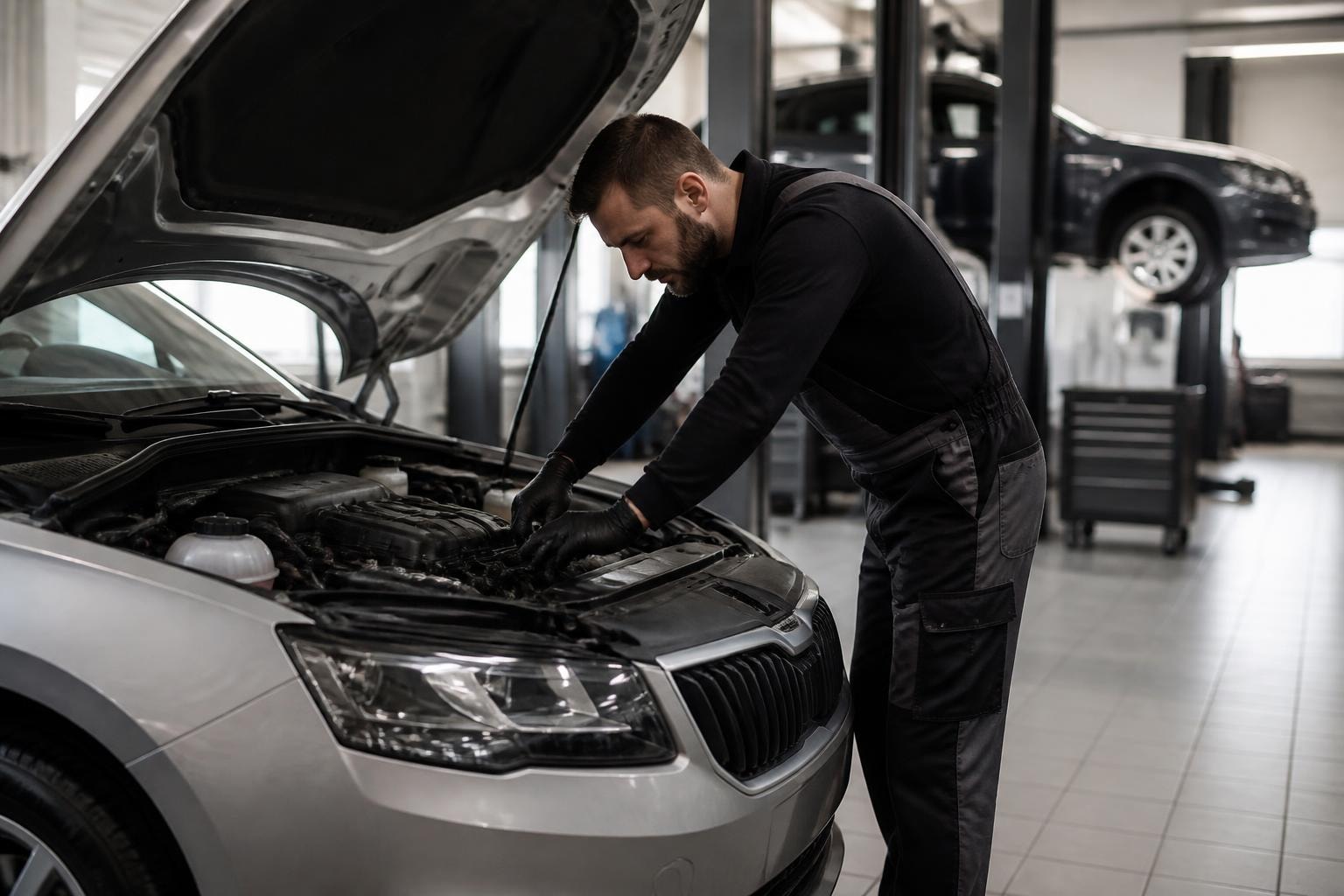

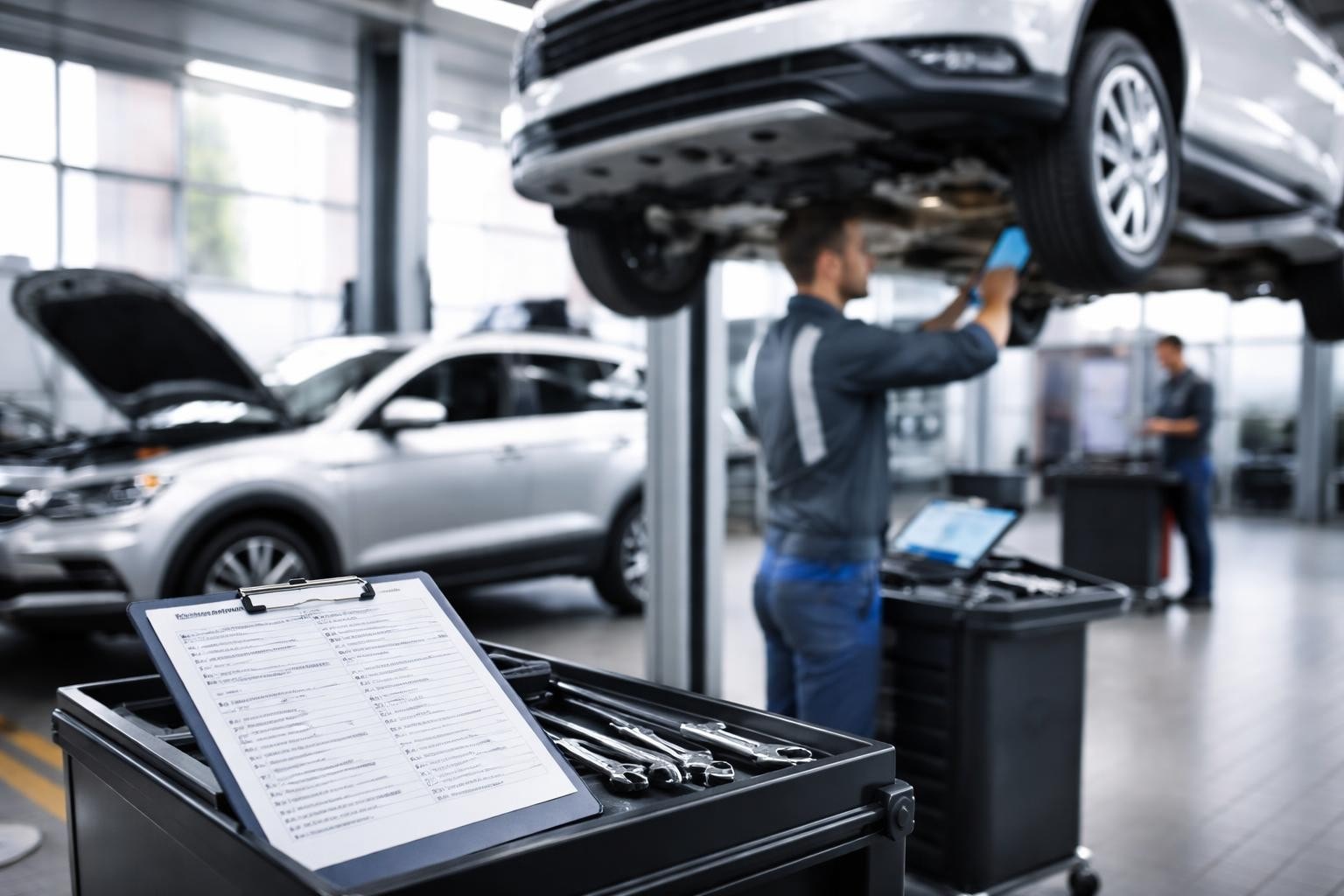
Owning a Volkswagen means experiencing German engineering at its finest, but maintaining that performance requires specialized knowledge and dedicated care. Whether you drive a Golf, Passat, Tiguan, or any other VW model, understanding the nuances of volkswagen service repair ensures your vehicle delivers optimal performance for years to come. Modern Volkswagen vehicles incorporate sophisticated technology, precision-engineered components, and complex electronic systems that demand expertise beyond general automotive repair. This comprehensive guide explores everything you need to know about maintaining your Volkswagen, from routine servicing to specialized repairs, helping you make informed decisions about your vehicle's care.
Understanding Volkswagen-Specific Service Requirements
Volkswagen vehicles feature unique engineering characteristics that distinguish them from other manufacturers. The brand's commitment to performance, efficiency, and safety means each model incorporates proprietary systems requiring specialized knowledge for proper maintenance.
Advanced Electronic Architecture
Modern Volkswagens utilize intricate electronic control units (ECUs) managing everything from engine performance to safety features. These systems communicate through proprietary protocols that require specialized diagnostic equipment like VCDS software to accurately identify issues and perform adjustments. Generic code readers often miss critical fault codes specific to Volkswagen's architecture.
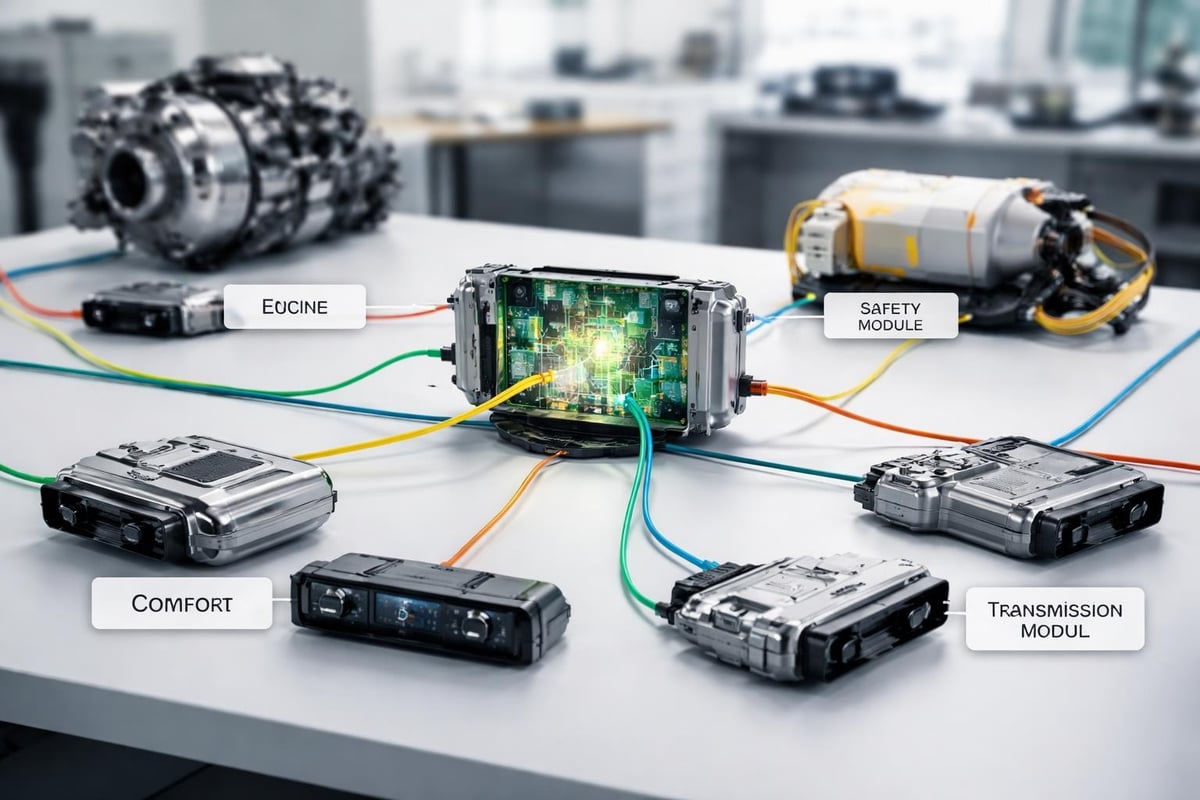
Technicians performing volkswagen service repair must understand these interconnected systems to diagnose problems accurately. A seemingly simple issue might stem from multiple system interactions, requiring comprehensive knowledge of Volkswagen's engineering philosophy.
Manufacturer-Specific Components and Engineering
Volkswagen employs unique engineering solutions across their vehicle range:
- Direct injection systems with specific fuel pressure requirements
- DSG dual-clutch transmissions requiring specialized service procedures
- Turbocharging technology with precise oil and cooling specifications
- Advanced driver assistance systems needing calibration after repairs
- Electronic parking brakes requiring specialized reset procedures
These components demand technicians who regularly work with Volkswagen vehicles and stay current with manufacturer updates and technical bulletins.
Essential Maintenance Schedules for Volkswagen Vehicles
Volkswagen establishes comprehensive maintenance schedules designed to preserve vehicle performance, safety, and longevity. Following these intervals prevents costly repairs and maintains your vehicle's warranty compliance.
Standard Service Intervals
| Service Type | Interval | Key Components |
|---|---|---|
| Oil Change Service | 10,000 km or annually | Engine oil, oil filter, fluid level check |
| Minor Service | 15,000 km | Oil change plus basic inspection |
| Major Service | 30,000 km | Comprehensive inspection, multiple filter replacements |
| DSG Service | 60,000 km | Transmission fluid and filter replacement |
Regular volkswagen service repair appointments allow technicians to identify potential issues before they escalate into expensive problems. Volkswagen’s multi-point inspection process examines critical safety and performance components during each service visit.
Climate and Driving Condition Adjustments
Auckland's unique climate and driving conditions may necessitate adjusted service intervals. High humidity, coastal salt exposure, and urban stop-start driving can accelerate wear on specific components.
Consider more frequent inspections for:
- Brake systems exposed to coastal salt air
- Air filters in urban environments
- Cooling systems during summer months
- Battery performance in varied temperature conditions
Why Specialized Volkswagen Expertise Matters
Choosing the right service provider for volkswagen service repair significantly impacts your vehicle's performance, reliability, and long-term value. The expertise level directly influences diagnostic accuracy, repair quality, and overall customer satisfaction.
Technical Knowledge and Training
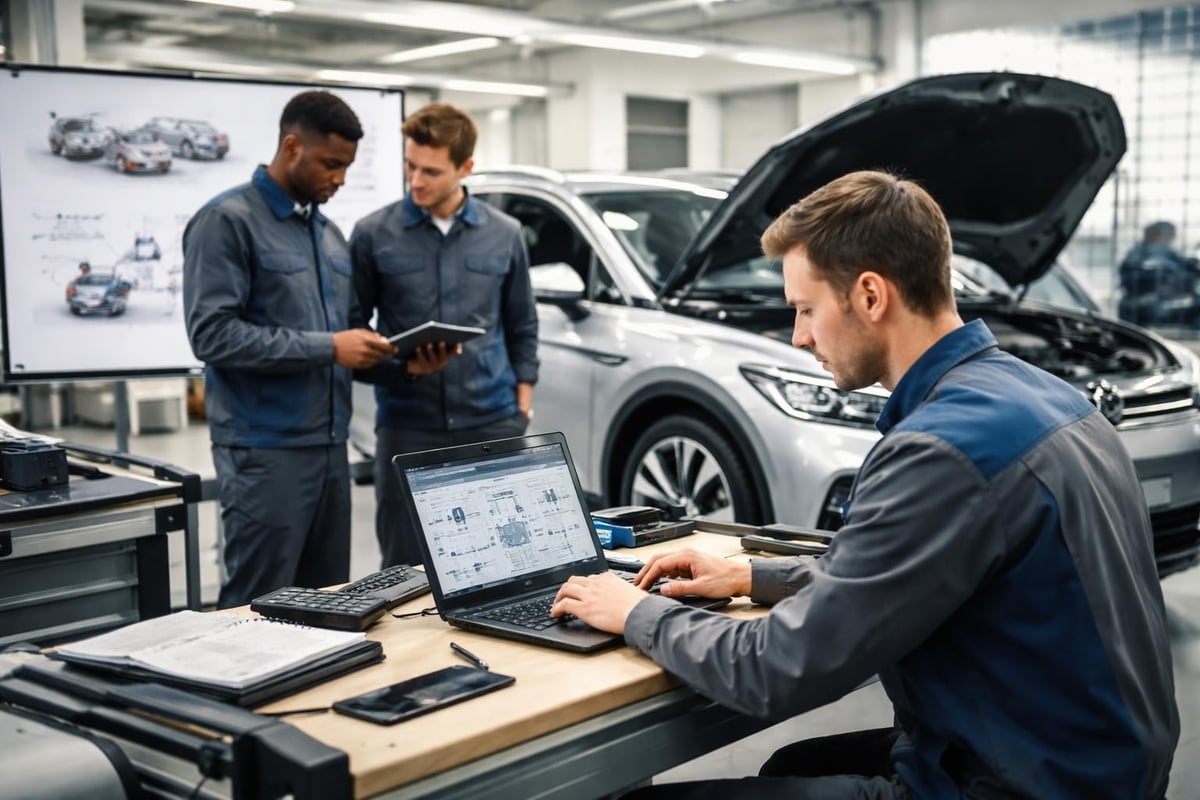
Volkswagen releases regular technical updates, service bulletins, and repair procedures that generic repair shops rarely access. Volkswagen’s Self Study Guides provide detailed technical information on vehicle-specific systems, but technicians need ongoing training to apply this knowledge effectively.
Specialized technicians understand model-specific quirks, common failure points, and efficient diagnostic approaches. This expertise reduces diagnostic time, prevents unnecessary part replacements, and ensures repairs address root causes rather than symptoms.
Access to Proper Equipment and Information
Professional volkswagen service repair requires substantial investment in specialized tools and diagnostic equipment. Volkswagen's proprietary systems demand specific scan tools, calibration equipment, and software access that general repair facilities typically don't possess.
Essential specialized equipment includes:
- Factory-level diagnostic scanners for complete system access
- Wheel alignment systems calibrated for VW specifications
- DSG transmission service equipment
- Advanced driver assistance system calibration tools
- Model-specific specialty tools for component removal and installation
Common Volkswagen Repair Needs and Solutions
Understanding typical volkswagen service repair requirements helps owners recognize symptoms early and seek appropriate professional assistance. While Volkswagens deliver exceptional reliability, certain components require periodic attention.
Engine and Performance Systems
Volkswagen's turbocharged engines provide impressive power and efficiency but demand precise maintenance. Ignition systems, including spark plugs and coils, require replacement according to manufacturer specifications. Carbon buildup in direct injection engines occasionally necessitates professional cleaning services.
Oil quality remains crucial for turbocharger longevity. Using genuine Volkswagen-approved oils ensures proper lubrication under high-temperature conditions that turbocharged engines generate.
Transmission and Drivetrain
DSG transmissions represent sophisticated engineering requiring specialized service procedures. These dual-clutch systems need fluid and filter changes at specified intervals to maintain smooth shifting and prevent premature wear. Attempting volkswagen service repair on DSG systems without proper knowledge often results in expensive damage.
Manual transmissions and conventional automatic gearboxes also benefit from regular fluid maintenance, though service intervals differ significantly from DSG units.
Suspension and Steering Components
European vehicles typically feature sport-tuned suspension systems balancing performance with comfort. Components experience wear from New Zealand's varied road conditions:
- Control arm bushings degrading from road irregularities
- Shock absorbers losing effectiveness over time
- Steering rack components requiring periodic inspection
- Wheel bearings needing replacement based on usage patterns
Regular inspections identify worn suspension components before they compromise handling or safety.
The Importance of Genuine Parts in Volkswagen Repairs
Parts quality directly impacts repair longevity, vehicle performance, and safety. When addressing volkswagen service repair needs, the choice between genuine, OEM, and aftermarket components significantly influences outcomes.
Engineering Precision and Compatibility
Genuine Volkswagen parts undergo rigorous testing to meet exact specifications. These components integrate seamlessly with existing systems, ensuring proper fit, function, and longevity. Genuine VW service emphasizes factory-original parts as fundamental to maintaining vehicle integrity.
| Component Type | Genuine Parts | Aftermarket Alternative |
|---|---|---|
| Engine Components | Exact specifications, tested compatibility | Variable quality, potential fit issues |
| Electronic Modules | Proper coding, guaranteed compatibility | May require additional programming |
| Brake Systems | Safety-tested, optimal performance | Performance variability |
| Filters | Precise filtration specifications | Inconsistent quality standards |
Warranty Protection and Long-Term Value
Using genuine parts during volkswagen service repair protects your investment. Quality components extend repair longevity, reducing the frequency of service visits and overall ownership costs. When selling your Volkswagen, documented maintenance using genuine parts enhances resale value.
Diagnostic Processes for Complex Volkswagen Issues
Modern Volkswagens require systematic diagnostic approaches to identify problems accurately. Understanding these processes helps owners appreciate the complexity of volkswagen service repair and the value of specialized expertise.
Electronic Diagnostic Procedures
Comprehensive diagnostics begin with factory-level scanning equipment accessing all vehicle control modules. Technicians retrieve fault codes, examine live data streams, and perform guided function tests to isolate problems.
Systematic diagnostic steps include:
- Complete vehicle history review and symptom documentation
- Visual inspection of related components and systems
- Comprehensive electronic system scanning
- Live data analysis during operation
- Component-specific testing using manufacturer procedures
- Root cause identification and repair strategy development
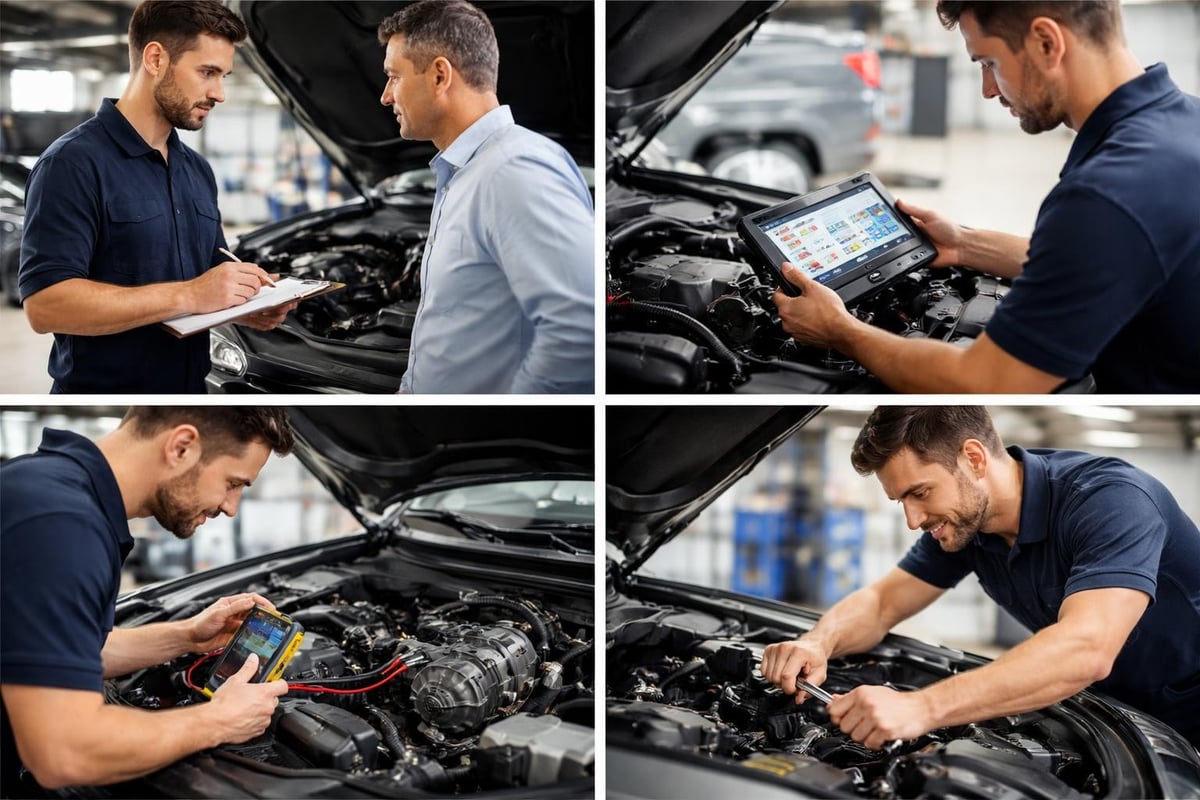
This methodical approach prevents misdiagnosis and unnecessary part replacement, saving time and money while ensuring accurate repairs.
Mechanical and Physical Inspections
Electronic diagnostics complement physical inspections during volkswagen service repair. Experienced technicians recognize wear patterns, fluid condition abnormalities, and component degradation that electronic systems might not detect.
Thorough inspections examine brake wear, suspension condition, fluid leaks, tire wear patterns, and exhaust system integrity. Combining electronic and physical diagnostic methods provides comprehensive vehicle assessment.
Preventive Maintenance Strategies for Volkswagen Longevity
Proactive maintenance prevents expensive repairs and extends vehicle lifespan. Volkswagen owners who invest in regular volkswagen service repair enjoy superior reliability and lower long-term ownership costs.
Fluid Maintenance Programs
Modern vehicles contain numerous fluids requiring periodic replacement. Each serves critical functions and degrades over time:
- Engine oil lubricates and cools internal components
- Transmission fluid enables smooth gear changes
- Brake fluid maintains hydraulic pressure for safe stopping
- Coolant regulates engine temperature
- Power steering fluid assists steering operation
Establishing fluid replacement schedules based on manufacturer recommendations prevents system failures and maintains optimal performance.
Component Replacement Before Failure
Certain components benefit from scheduled replacement rather than waiting for failure. Timing belts, water pumps, and certain sensors have defined service lives. Replacing these items proactively during volkswagen service repair prevents inconvenient breakdowns and often costs less than emergency repairs.
Choosing the Right Service Provider for Your Volkswagen
Selecting an appropriate service facility impacts your ownership experience significantly. Several factors distinguish exceptional volkswagen service repair providers from general automotive repair shops.
Specialization and Experience
Facilities focusing on European vehicles develop deeper expertise than general repair shops servicing all makes and models. Technicians working primarily with Volkswagens encounter common issues regularly, developing efficient diagnostic and repair approaches.
Experience with specific model years and variants proves invaluable. Auckland's European vehicle specialists understand local driving conditions and regional factors affecting Volkswagen performance and maintenance needs.
Communication and Transparency
Professional service providers explain recommended repairs clearly, providing detailed estimates and explaining necessity. Transparent communication builds trust and helps owners make informed decisions about their vehicle's care.
Quality facilities offer convenient scheduling options, including online booking systems that respect customer time. Clear communication about service timelines, parts availability, and pricing eliminates surprises.
Comprehensive Service Offerings
Full-service volkswagen service repair facilities handle everything from routine maintenance to complex repairs. This capability eliminates the need to visit multiple specialists for different service needs.
Comprehensive service capabilities should include:
- Routine maintenance and scheduled services
- Engine and transmission repairs
- Electrical system diagnostics and repair
- Brake and suspension work
- Air conditioning service
- Pre-purchase inspections
- Collision repair coordination
Understanding Service Costs and Value
Volkswagen service costs reflect the specialized expertise, equipment investment, and quality components required for proper maintenance. Understanding pricing factors helps owners appreciate the value proposition of professional volkswagen service repair.
Factors Influencing Service Costs
Several elements contribute to service pricing:
Labor complexity varies significantly between routine maintenance and complex diagnostic work. Sophisticated electronic systems require more time to diagnose accurately than mechanical components.
Parts quality directly impacts pricing. Genuine components cost more than aftermarket alternatives but deliver superior reliability and longevity.
Equipment requirements for specialized procedures necessitate substantial facility investments, reflected in service pricing.
Long-Term Cost Considerations
Evaluating service costs requires long-term perspective. Inexpensive repairs using inferior parts often require repeat service, ultimately costing more than quality work initially. Professional volkswagen service repair using genuine components typically provides better value over your ownership period.
Preventive maintenance costs substantially less than addressing neglected components after failure. Regular service intervals prevent minor issues from escalating into expensive repairs.
The Role of Technology in Modern Volkswagen Service
Technological advancement continuously evolves volkswagen service repair requirements. Modern vehicles incorporate sophisticated systems demanding updated diagnostic approaches and repair techniques.
Connected Vehicle Technologies
Contemporary Volkswagens feature connectivity enabling remote diagnostics, software updates, and predictive maintenance alerts. Service facilities accessing Volkswagen’s electronic repair information systems leverage manufacturer technical resources for accurate repairs.
These systems provide technicians with model-specific repair procedures, wiring diagrams, and technical specifications ensuring proper service execution.
Software and Calibration Requirements
Modern volkswagen service repair increasingly involves software updates and system calibrations. Engine control modules, transmission programming, and safety system calibrations require manufacturer-level access and expertise.
After certain repairs, systems need recalibration to function properly. Advanced driver assistance features, for instance, require precise calibration following windscreen replacement or suspension repairs.
Seasonal Maintenance Considerations for Auckland Volkswagens
New Zealand's climate presents unique challenges requiring adjusted maintenance approaches. Seasonal volkswagen service repair considerations help optimize performance throughout the year.
Summer Preparation
Auckland summers demand particular attention to cooling systems. Ensuring proper coolant concentration, radiator condition, and air conditioning performance prevents overheating and maintains comfort.
Increased driving during summer holidays makes pre-trip inspections valuable. Checking tire pressures, fluid levels, and brake condition ensures safe journey completion.
Winter Readiness
While Auckland winters remain mild compared to Northern Hemisphere climates, preparation remains important. Battery performance decreases in cooler temperatures, making testing advisable. Wiper blade condition and washer fluid levels require verification for increased rainfall periods.
Building a Service History for Your Volkswagen
Comprehensive service records enhance vehicle value and demonstrate responsible ownership. Maintaining detailed volkswagen service repair documentation benefits current operation and future resale.
Documentation Best Practices
Retain all service invoices, repair receipts, and maintenance records. Digital copies provide backup protection against physical document loss. Organized records demonstrate maintenance consistency to prospective buyers.
Documented maintenance using quality parts and professional service significantly enhances resale value. Buyers recognize well-maintained vehicles and pay premiums accordingly.
Warranty Considerations
Following manufacturer service schedules protects warranty coverage. Missed maintenance intervals may void certain warranty claims. Professional volkswagen service repair facilities document services meeting manufacturer requirements, preserving warranty protection.
Maintaining your Volkswagen requires specialized knowledge, proper equipment, and commitment to quality that distinguishes exceptional service providers from general repair facilities. If you're seeking expert volkswagen service repair on Auckland's North Shore, VODIS Automobile combines over 20 years of European vehicle expertise with genuine parts, advanced diagnostic equipment, and transparent communication. Their specialized team understands the unique requirements of Volkswagen vehicles, delivering professional service that preserves performance, reliability, and value for discerning European car owners.